The platform expanded its technical infrastructure while maintaining connections with over 100 blockchains.
In the meantime, its utility token BGB surged by 1,000% this year.
The non-custodial crypto wallet provided by the Bitget exchange reported that its user base exceeded
60 million globally in 2024. According to the company's year-end report, this represents a 300% increase from the previous
year.
Bitget Wallet Reports 300% User Growth amid Digital Asset Expansion
Bitget
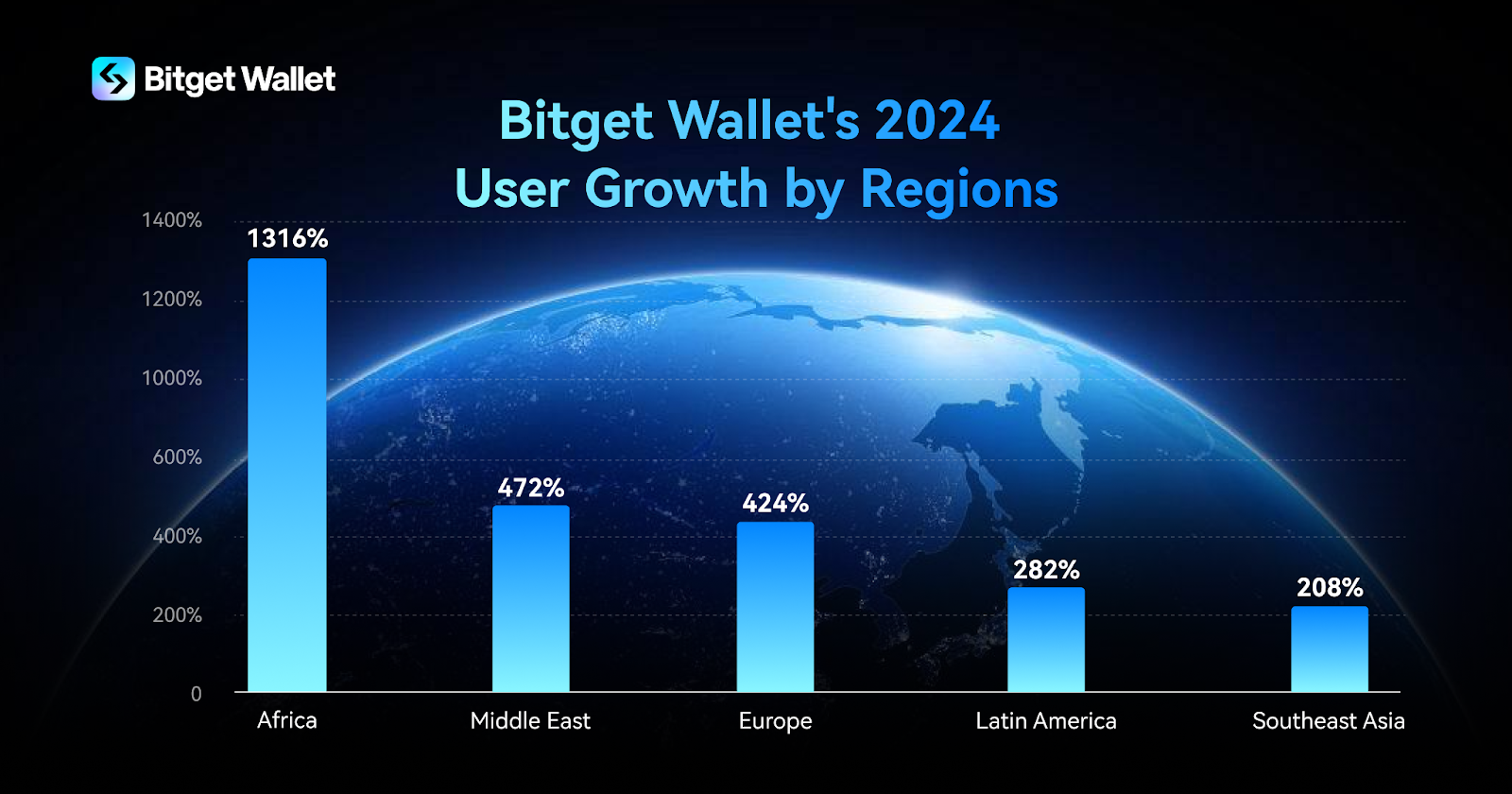
Wallet documented significant regional variations in user adoption. African
markets demonstrated the highest percentage gains, with Nigeria recording a
1,468% increase in users. The broader African continent saw growth exceeding
1,000% compared to the previous year.
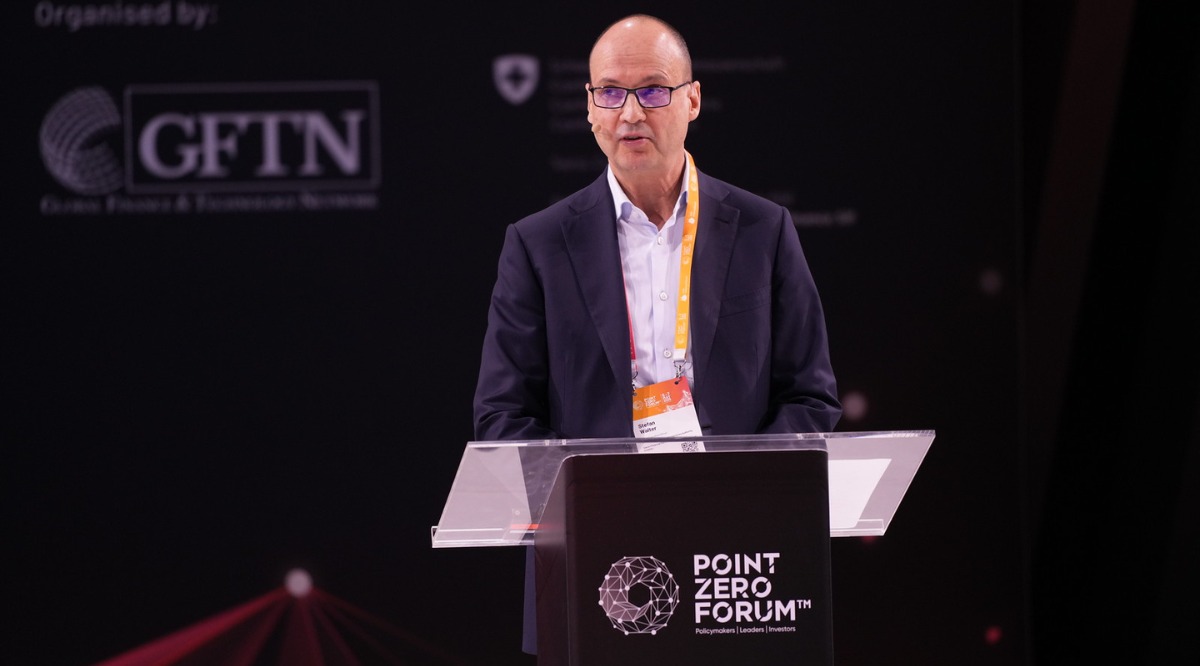
Alvin Kan, Chief Operating Officer of Bitget Wallet
“Our
vision is to build a superapp that seamlessly connects Web2 and Web3, enabling
a billion users to embrace financial freedom,” said Alvin
Kan, COO of Bitget Wallet. “We are committed to leading this
transformation and becoming the definitive bridge between the real world and
the onchain economy.”
In the
Middle Eastern markets, Saudi Arabia registered 482% user growth while the
United Arab Emirates showed a 326% increase. European markets also exhibited
substantial expansion, with France recording 1,091% growth, followed by the
United Kingdom at 687% and Germany at 657%.
The
platform's data indicates distinct regional patterns in trading behavior. DeFi
token trading averaged $3,312 in annual volume per user. Its highest activity is concentrated in East Asia, the Middle East, and the Americas. Meme token
trading volumes averaged $1,337 per user annually, with the Middle East,
Europe, and East Asia showing the most significant activity.
Within two
months, Bitget Wallet expanded its user base by
20 million. For comparison, at the beginning of 2019, the platform had
“only” 1 million users.
This new
milestone coincided with an all-time high for the exchange's utility
token, BGB, which tested the $8.5 level, marking a 1000% increase in 2024.
2024 Recap
The
company's integration with Telegram's ecosystem resulted in the launch of
Bitget Wallet Lite, which accumulated 10 million users within its initial
month. To support further development, the company allocated $20 million toward
a Telegram Mini-App Support Program and introduced the OmniConnect Dev Kit.
The first
quarter of 2024 saw the introduction of the Bitget Onchain Layer. Subsequently,
the company consolidated its token structure, merging its platform token BWB
with BGB tokens. The unified BGB token now facilitates multi-chain gas payments
and staking operations.
Data from
the platform indicates increased blockchain adoption across multiple networks.
User addresses on TON, Base, and Solana networks showed fortyfold
year-over-year growth. The platform currently maintains connections with over
100 blockchains and facilitates access to approximately 20,000 decentralized
applications.
Forward Strategy
For 2025,
the company outlined plans to expand its services in on-chain financial
operations, focusing on trading execution and digital asset management.
Additional development priorities include streamlining crypto payment systems
and implementing simplified fiat-to-crypto conversion processes.
The non-custodial crypto wallet provided by the Bitget exchange reported that its user base exceeded
60 million globally in 2024. According to the company's year-end report, this represents a 300% increase from the previous
year.
Bitget Wallet Reports 300% User Growth amid Digital Asset Expansion
Bitget
Wallet documented significant regional variations in user adoption. African
markets demonstrated the highest percentage gains, with Nigeria recording a
1,468% increase in users. The broader African continent saw growth exceeding
1,000% compared to the previous year.
Alvin Kan, Chief Operating Officer of Bitget Wallet
“Our
vision is to build a superapp that seamlessly connects Web2 and Web3, enabling
a billion users to embrace financial freedom,” said Alvin
Kan, COO of Bitget Wallet. “We are committed to leading this
transformation and becoming the definitive bridge between the real world and
the onchain economy.”
In the
Middle Eastern markets, Saudi Arabia registered 482% user growth while the
United Arab Emirates showed a 326% increase. European markets also exhibited
substantial expansion, with France recording 1,091% growth, followed by the
United Kingdom at 687% and Germany at 657%.
The
platform's data indicates distinct regional patterns in trading behavior. DeFi
token trading averaged $3,312 in annual volume per user. Its highest activity is concentrated in East Asia, the Middle East, and the Americas. Meme token
trading volumes averaged $1,337 per user annually, with the Middle East,
Europe, and East Asia showing the most significant activity.
Within two
months, Bitget Wallet expanded its user base by
20 million. For comparison, at the beginning of 2019, the platform had
“only” 1 million users.
This new
milestone coincided with an all-time high for the exchange's utility
token, BGB, which tested the $8.5 level, marking a 1000% increase in 2024.
2024 Recap
The
company's integration with Telegram's ecosystem resulted in the launch of
Bitget Wallet Lite, which accumulated 10 million users within its initial
month. To support further development, the company allocated $20 million toward
a Telegram Mini-App Support Program and introduced the OmniConnect Dev Kit.
The first
quarter of 2024 saw the introduction of the Bitget Onchain Layer. Subsequently,
the company consolidated its token structure, merging its platform token BWB
with BGB tokens. The unified BGB token now facilitates multi-chain gas payments
and staking operations.
Data from
the platform indicates increased blockchain adoption across multiple networks.
User addresses on TON, Base, and Solana networks showed fortyfold
year-over-year growth. The platform currently maintains connections with over
100 blockchains and facilitates access to approximately 20,000 decentralized
applications.
Forward Strategy
For 2025,
the company outlined plans to expand its services in on-chain financial
operations, focusing on trading execution and digital asset management.
Additional development priorities include streamlining crypto payment systems
and implementing simplified fiat-to-crypto conversion processes.
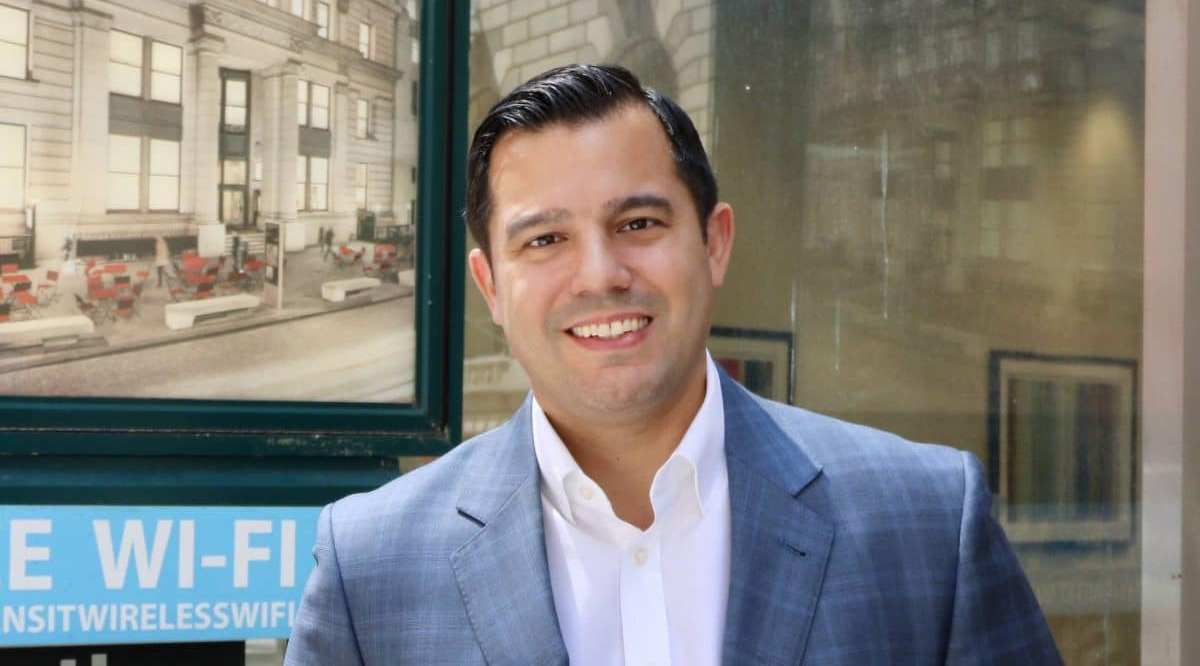
Damian Chmiel is a Senior Analyst & Editor at Finance Magnates with more than 15 years of experience in the CFD and online trading industry. Active as both a trader and journalist since 2010, he focuses on broker coverage, fintech innovation, and regulatory developments across Europe, the Middle East, and Asia.
His work includes interviews with C-level leaders at major brokerages and fintech platforms, as well as co-authoring Finance Magnates’ quarterly industry benchmarking reports. Damian’s reporting is data-driven, market-aware, and grounded in direct industry engagement. His analysis and commentary have also been cited by external media outlets, including Investing.com, Binance, The Asset, Stockhead, and Dispatch.
Education:
MA in Finance and Accounting, Cracow University of Economics
Crypto Built More Rails, but the Next Battle Is Over How Much Work a Dollar Can Do
FP Markets Winner Spotlight 🏆 | Global Broker of the Year 2025 #Trading #Broker #Innovation #Shorts
FP Markets Winner Spotlight 🏆 | Global Broker of the Year 2025 #Trading #Broker #Innovation #Shorts
FP Markets takes the spotlight as Global Broker of the Year 2025 at the Finance Magnates Awards.
Martin Stoilov, Head of Client Experience, shares that trust, innovation, and people played a key role in the company’s success, supported by a strong foundation of integrity and client-centricity.
Following this milestone, FP Markets continues to focus on growth, technology investment, and its core values of transparency and excellence.
👉 Be part of FM Awards 2026: https://awards.financemagnates.com/#nominate
FP Markets takes the spotlight as Global Broker of the Year 2025 at the Finance Magnates Awards.
Martin Stoilov, Head of Client Experience, shares that trust, innovation, and people played a key role in the company’s success, supported by a strong foundation of integrity and client-centricity.
Following this milestone, FP Markets continues to focus on growth, technology investment, and its core values of transparency and excellence.
👉 Be part of FM Awards 2026: https://awards.financemagnates.com/#nominate
In this video, we review @HolaPrimeMarketsOfficial, a multi-asset forex and CFDs broker offering different account types, trading platforms, and flexible trading conditions.
We cover the broker’s overall offering, including account options, trading environment, platforms like MT4 and MT5, and additional services such as managed accounts and fast withdrawals.
Watch the full video to see if Hola Prime Markets fits your trading needs.
📣 Stay up to date with the latest in finance and trading. Follow Finance Magnates for industry news, insights, and global event coverage.
Connect with us:
🔗 LinkedIn: /financemagnates
👍 Facebook: /financemagnates
📸 Instagram: https://www.instagram.com/financemagnates
🐦 X: https://x.com/financemagnates
🎥 TikTok: https://www.tiktok.com/tag/financemagnates
▶️ YouTube: /@financemagnates_official
#HolaPrime #ForexBroker #CFDTrading #FinanceMagnates #Trading #Forex #BrokerReview
In this video, we review @HolaPrimeMarketsOfficial, a multi-asset forex and CFDs broker offering different account types, trading platforms, and flexible trading conditions.
We cover the broker’s overall offering, including account options, trading environment, platforms like MT4 and MT5, and additional services such as managed accounts and fast withdrawals.
Watch the full video to see if Hola Prime Markets fits your trading needs.
📣 Stay up to date with the latest in finance and trading. Follow Finance Magnates for industry news, insights, and global event coverage.
Connect with us:
🔗 LinkedIn: /financemagnates
👍 Facebook: /financemagnates
📸 Instagram: https://www.instagram.com/financemagnates
🐦 X: https://x.com/financemagnates
🎥 TikTok: https://www.tiktok.com/tag/financemagnates
▶️ YouTube: /@financemagnates_official
#HolaPrime #ForexBroker #CFDTrading #FinanceMagnates #Trading #Forex #BrokerReview
Hola Prime Review: What You Need to Know | Full Breakdown by Finance Magnates
Hola Prime Review: What You Need to Know | Full Breakdown by Finance Magnates
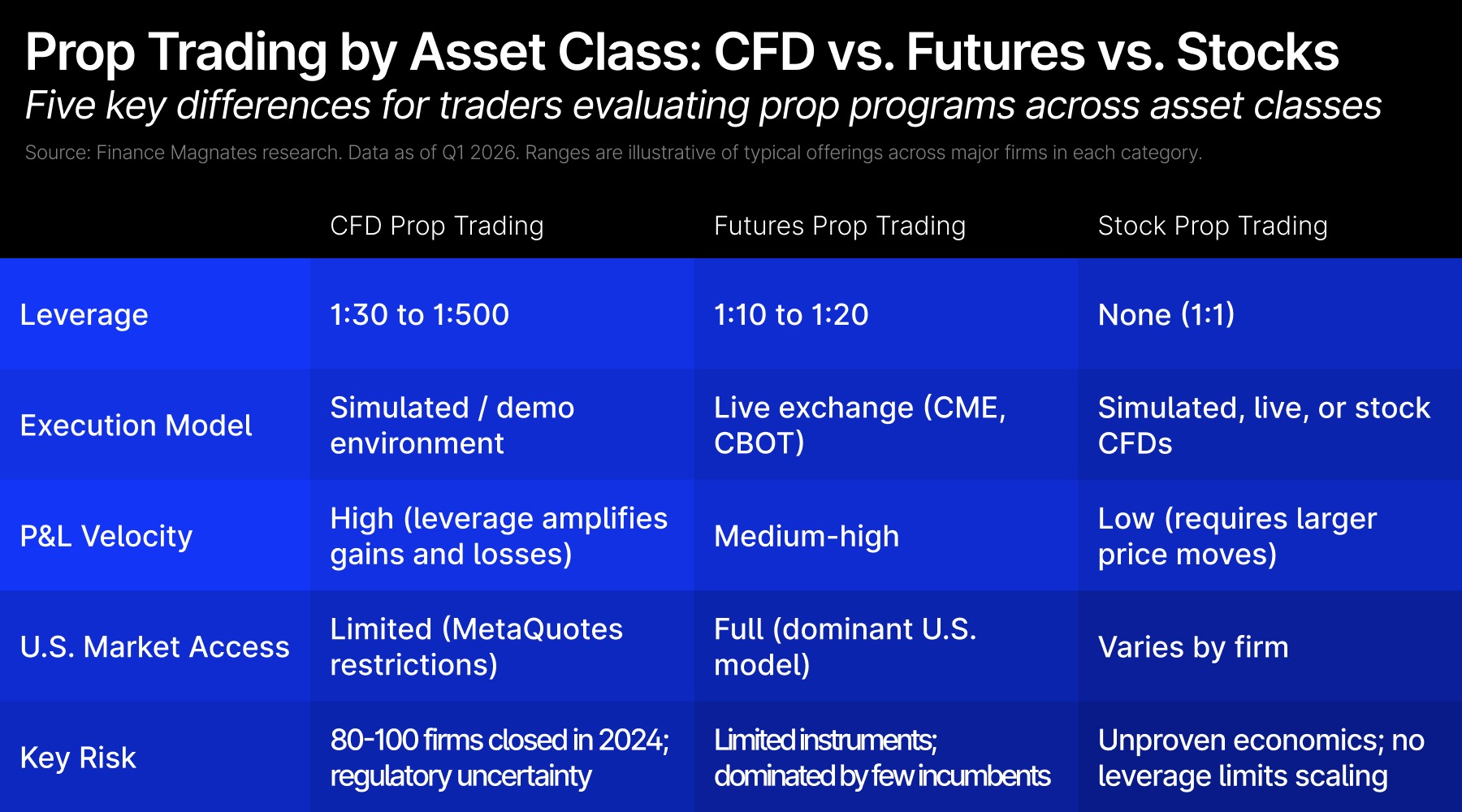
In this video, we review @HolaPrime_Global, a proprietary trading firm offering evaluation programs and performance-based payouts in simulated market environments.
We cover how the challenge model works, including account types, profit splits (up to 95%), trading rules, and what it takes to reach a funded account. You’ll also learn about available platforms like MT4, MT5, cTrader, and more, along with insights into payouts, support, and trading conditions.
Watch the full video to see if Hola Prime fits your trading style.
📣 Stay up to date with the latest in finance and trading. Follow Finance Magnates for industry news, insights, and global event coverage.
Connect with us:
🔗 LinkedIn: /financemagnates
👍 Facebook: /financemagnates
📸 Instagram: https://www.instagram.com/financemagnates
🐦 X: https://x.com/financemagnates
🎥 TikTok: https://www.tiktok.com/tag/financemagnates
▶️ YouTube: /@financemagnates_official
#HolaPrime #PropFirm #Trading #FinanceMagnates #Forex #FuturesTrading #TradingReview #PropFirmReview
In this video, we review @HolaPrime_Global, a proprietary trading firm offering evaluation programs and performance-based payouts in simulated market environments.
We cover how the challenge model works, including account types, profit splits (up to 95%), trading rules, and what it takes to reach a funded account. You’ll also learn about available platforms like MT4, MT5, cTrader, and more, along with insights into payouts, support, and trading conditions.
Watch the full video to see if Hola Prime fits your trading style.
📣 Stay up to date with the latest in finance and trading. Follow Finance Magnates for industry news, insights, and global event coverage.
Connect with us:
🔗 LinkedIn: /financemagnates
👍 Facebook: /financemagnates
📸 Instagram: https://www.instagram.com/financemagnates
🐦 X: https://x.com/financemagnates
🎥 TikTok: https://www.tiktok.com/tag/financemagnates
▶️ YouTube: /@financemagnates_official
#HolaPrime #PropFirm #Trading #FinanceMagnates #Forex #FuturesTrading #TradingReview #PropFirmReview
Axi Winner Spotlight 🏆 | Global Most Innovative Broker 2025 #Innovation #Trading #Fintech #Broker
Axi Winner Spotlight 🏆 | Global Most Innovative Broker 2025 #Innovation #Trading #Fintech #Broker
Axi takes the spotlight at the Finance Magnates Awards, winning Global Most Innovative Broker 2025.
Olivia Xenofontos and Ivanna Openko share how the team will feel: proud, motivated, and ready to keep delivering.
They also describe the night as well-organized, focused, and enjoyable for all.
👉 Be part of FM Awards 2026.
Axi takes the spotlight at the Finance Magnates Awards, winning Global Most Innovative Broker 2025.
Olivia Xenofontos and Ivanna Openko share how the team will feel: proud, motivated, and ready to keep delivering.
They also describe the night as well-organized, focused, and enjoyable for all.
👉 Be part of FM Awards 2026.
Recognition that matters.
Built on transparency.
Driven by the industry.
The Finance Magnates Awards 2026.
Nominations are now open.
🔗 https://awards.financemagnates.com/?utm_source=SM&utm_medium=social&utm_campaign=recognition-matters
Recognition that matters.
Built on transparency.
Driven by the industry.
The Finance Magnates Awards 2026.
Nominations are now open.
🔗 https://awards.financemagnates.com/?utm_source=SM&utm_medium=social&utm_campaign=recognition-matters