Recently, five BTC mining companies released their quarterly results.
All reported significant net losses, with only Hut 8 achieving a modest profit.
The third
quarter of 2024 unveiled a tale of strategic divergence between two of Wall
Street’s Bitcoin Miners, as Hut 8 Corp. (NASDAQ: HUT) and Bitfarms Ltd (NASDAQ:
BITF) navigated through challenging market conditions with notably different
approaches and outcomes.
This fits
well into the broader picture of an industry that, despite rising revenues,
could not achieve profitability in the past quarter.
Two Bitcoin Miners from
Wall Street Chart Divergent Paths in Q3 2024
While both
companies demonstrated resilience in a post-halving environment, their
financial results and strategic initiatives painted contrasting pictures of how
to succeed in the evolving digital asset mining landscape.
Their
energy costs showed rising efficiency, dropping 33% year-over-year to $28.83
per MWh, while maintaining a competitive mining cost of $31,482 per Bitcoin.
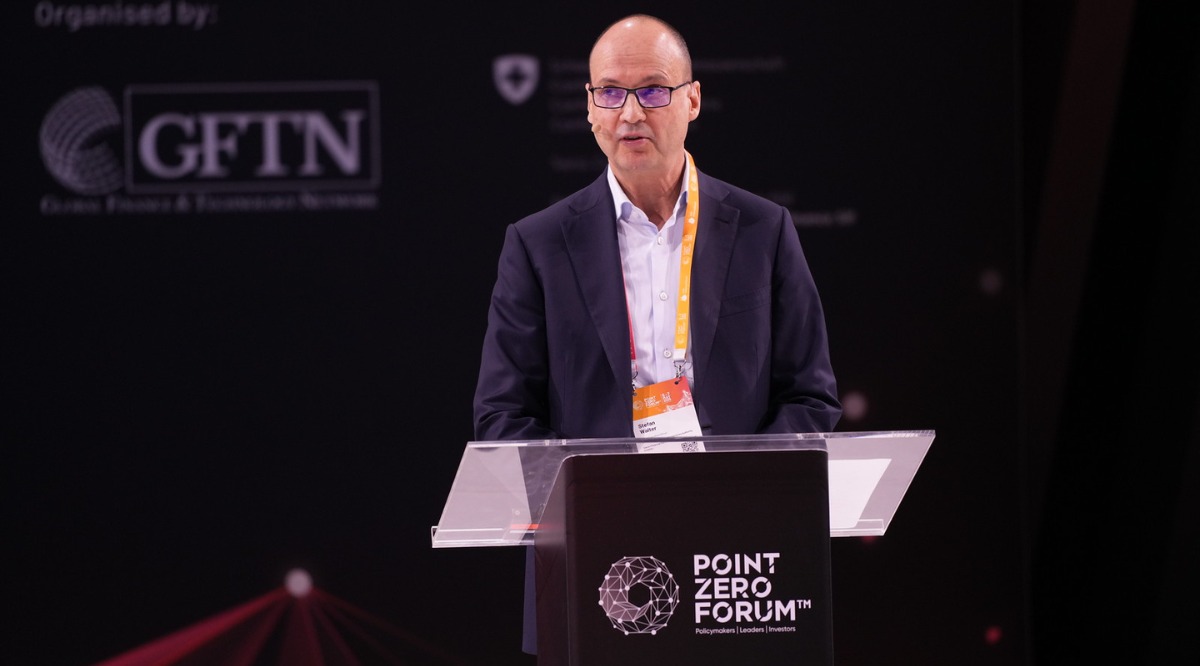
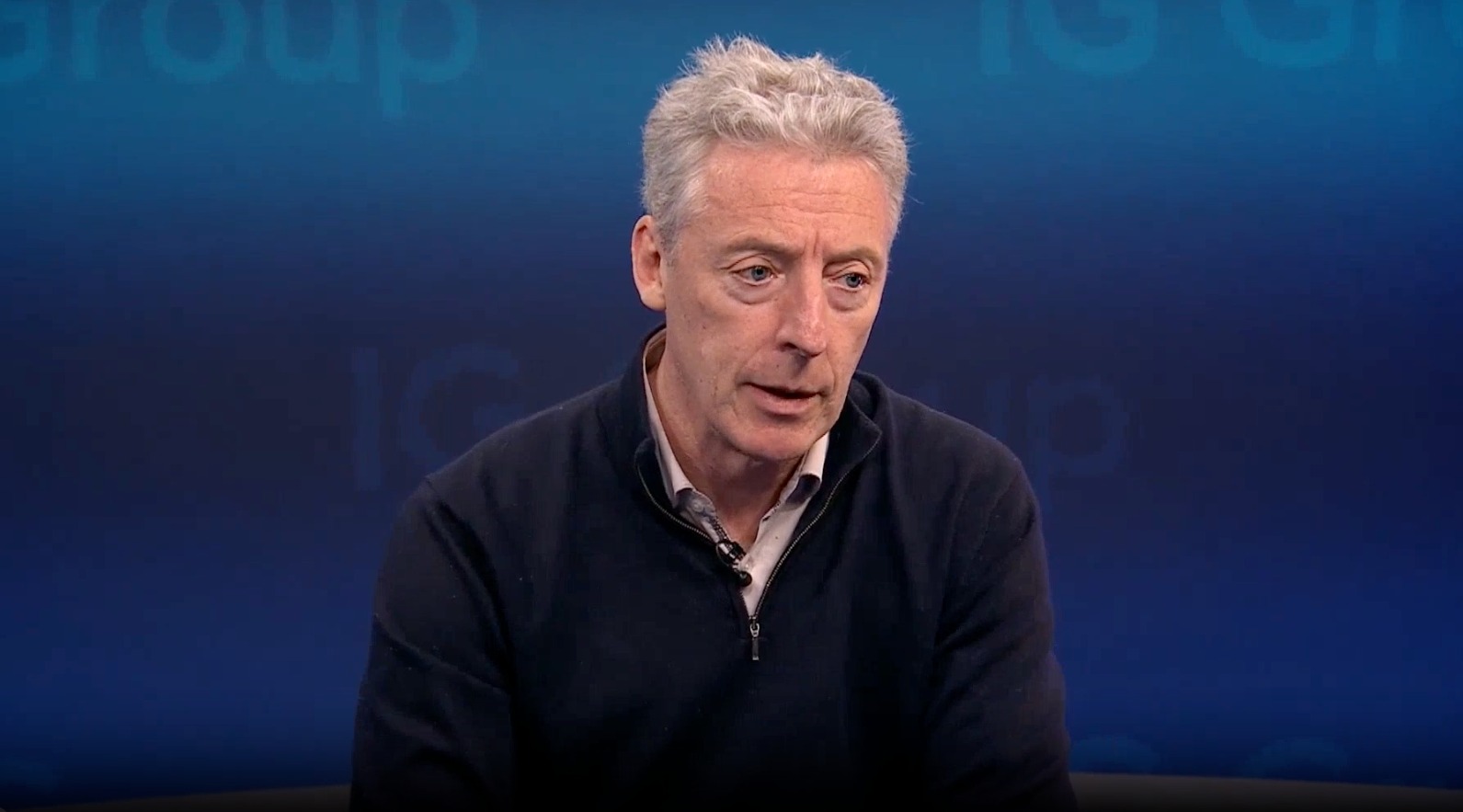
Asher Genoot, CEO of Hut 8, Source: LinkedIn
“As of
October 31, 2024, our development pipeline exceeds 5 gigawatts, with more than
1.5 gigawatts under exclusivity,” commented Asher Genoot, CEO of Hut 8. “Three
projects from this pipeline are particularly promising for large-scale AI data
center projects. Collectively, they represent over 430 megawatts of capacity,
with power delivery expected to be available before the end of 2025.”
In
contrast, Bitfarms generated slightly higher revenue at $45 million but
recorded a substantial net loss of $37 million. The company's aggressive
expansion strategy and fleet upgrade program, while promising for future
growth, resulted in higher operational costs with their total cost of
production per Bitcoin rising to $52,400 in Q3 from $47,300 in the previous
quarter.
Despite
these challenges, Bitfarms demonstrated strong operational growth, increasing
its hashrate to 11.9 EH/s from 10.4 EH/s in Q2.
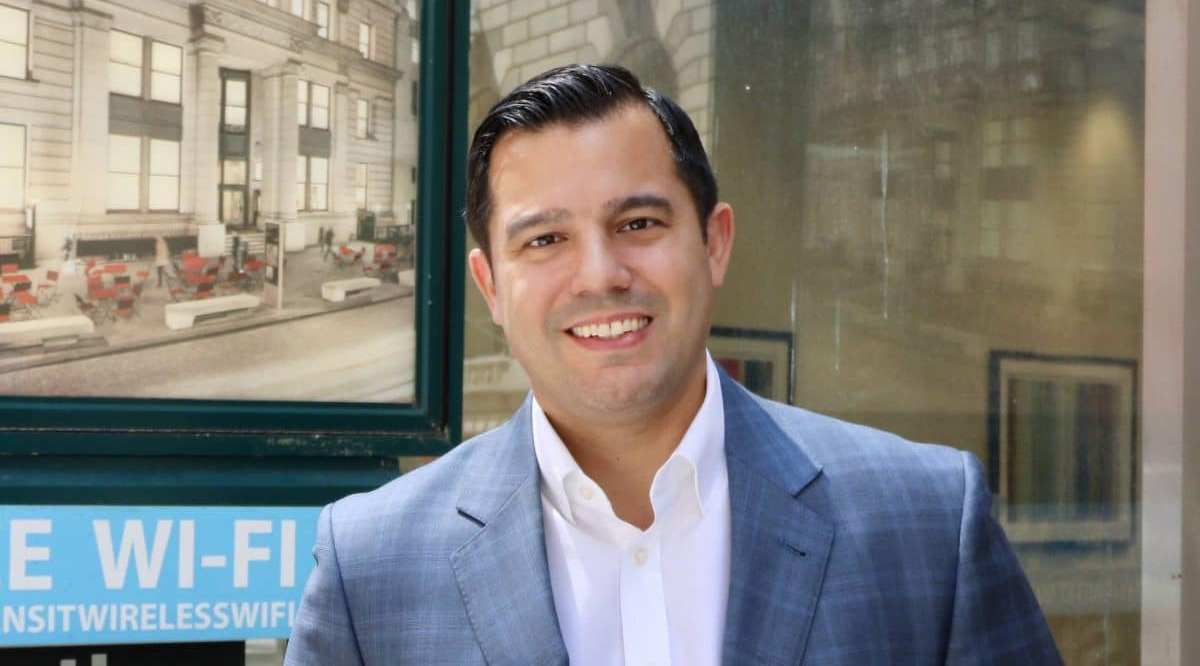
Ben Gagnon, Source: Bitfarms' Website
“As
previously communicated, 2024 has been a transformative year for Bitfarms,”
stated Bitfarms’ CEO Ben Gagnon. “Year-to-date, we’ve refreshed nearly our
entire fleet of miners, significantly improving our mining economics, acquired
one new site and entered agreements to acquire two additional new sites in the
U.S.,
Both
companies maintain robust balance sheets, though with different approaches to
treasury management. Hut 8's holdings of 9,106 Bitcoin valued at $576.5
million, combined with $72.9 million in cash, represent a significant war
chest. Bitfarms maintains a more conservative position with 1,147 Bitcoin ($73
million) and an equivalent amount in cash, reflecting a different risk
management strategy.
Top Wall Street Bitcoin
Miners Cannot Stay Profitable
It seems
that so far, only Hut 8 has managed to reach modest profitability, while the
remaining companies are in the red. MARA, the largest public Bitcoin miner by
market capitalization, recorded a significant net loss of $124.8 million in Q3
2024, despite generating $131.6 million in revenue. The company’s operational
expenses rose by $40 million over the quarter, overshadowing its 34.5%
year-over-year revenue growth.
TeraWulf
reported a net loss of $22.7 million, widening from $19.1 million in the same
period last year. Although TeraWulf achieved a 42.8% increase in revenue,
reaching $27.1 million, its Bitcoin production dropped by 43.4% to 555 BTC. The
decline is largely attributed to increased network difficulty and the impact of
the Bitcoin halving event in April.
Frank Holmes, Executive Chairman of HIVE
HIVE showed
a pre-tax net loss of $7.3 million, an improvement from the $22.9 million loss
reported in the prior year. The company generated $22.6 million in revenue,
with a substantial portion driven by its diversified high-performance computing
services.
“As Bitcoin
reaches new all-time highs, HIVE is positioned to capitalize on the momentum
for green energy and digital assets worldwide,” commented Frank Holmes, HIVE’s
Executive Chairman. “With recent regulatory developments following the U.S.
election, the environment for digital assets and Bitcoin mining is more
favorable than ever.”
Despite
higher production reported by the largest publicly listed miners in Q3 and
October, overall mining revenues declined for the fourth consecutive month. The
gross profit from daily block rewards fell by 2%, hitting its lowest point in
recent records. Miners earned an average of $41,800 per exahash per second
(EH/s) from daily block rewards, marking a 1% drop compared to September.
The third
quarter of 2024 unveiled a tale of strategic divergence between two of Wall
Street’s Bitcoin Miners, as Hut 8 Corp. (NASDAQ: HUT) and Bitfarms Ltd (NASDAQ:
BITF) navigated through challenging market conditions with notably different
approaches and outcomes.
This fits
well into the broader picture of an industry that, despite rising revenues,
could not achieve profitability in the past quarter.
Two Bitcoin Miners from
Wall Street Chart Divergent Paths in Q3 2024
While both
companies demonstrated resilience in a post-halving environment, their
financial results and strategic initiatives painted contrasting pictures of how
to succeed in the evolving digital asset mining landscape.
Their
energy costs showed rising efficiency, dropping 33% year-over-year to $28.83
per MWh, while maintaining a competitive mining cost of $31,482 per Bitcoin.
Asher Genoot, CEO of Hut 8, Source: LinkedIn
“As of
October 31, 2024, our development pipeline exceeds 5 gigawatts, with more than
1.5 gigawatts under exclusivity,” commented Asher Genoot, CEO of Hut 8. “Three
projects from this pipeline are particularly promising for large-scale AI data
center projects. Collectively, they represent over 430 megawatts of capacity,
with power delivery expected to be available before the end of 2025.”
In
contrast, Bitfarms generated slightly higher revenue at $45 million but
recorded a substantial net loss of $37 million. The company's aggressive
expansion strategy and fleet upgrade program, while promising for future
growth, resulted in higher operational costs with their total cost of
production per Bitcoin rising to $52,400 in Q3 from $47,300 in the previous
quarter.
Despite
these challenges, Bitfarms demonstrated strong operational growth, increasing
its hashrate to 11.9 EH/s from 10.4 EH/s in Q2.
Ben Gagnon, Source: Bitfarms' Website
“As
previously communicated, 2024 has been a transformative year for Bitfarms,”
stated Bitfarms’ CEO Ben Gagnon. “Year-to-date, we’ve refreshed nearly our
entire fleet of miners, significantly improving our mining economics, acquired
one new site and entered agreements to acquire two additional new sites in the
U.S.,
Both
companies maintain robust balance sheets, though with different approaches to
treasury management. Hut 8's holdings of 9,106 Bitcoin valued at $576.5
million, combined with $72.9 million in cash, represent a significant war
chest. Bitfarms maintains a more conservative position with 1,147 Bitcoin ($73
million) and an equivalent amount in cash, reflecting a different risk
management strategy.
Top Wall Street Bitcoin
Miners Cannot Stay Profitable
It seems
that so far, only Hut 8 has managed to reach modest profitability, while the
remaining companies are in the red. MARA, the largest public Bitcoin miner by
market capitalization, recorded a significant net loss of $124.8 million in Q3
2024, despite generating $131.6 million in revenue. The company’s operational
expenses rose by $40 million over the quarter, overshadowing its 34.5%
year-over-year revenue growth.
TeraWulf
reported a net loss of $22.7 million, widening from $19.1 million in the same
period last year. Although TeraWulf achieved a 42.8% increase in revenue,
reaching $27.1 million, its Bitcoin production dropped by 43.4% to 555 BTC. The
decline is largely attributed to increased network difficulty and the impact of
the Bitcoin halving event in April.
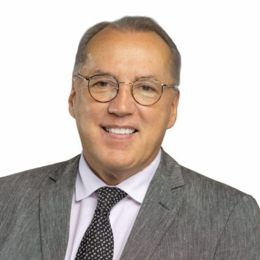
Frank Holmes, Executive Chairman of HIVE
HIVE showed
a pre-tax net loss of $7.3 million, an improvement from the $22.9 million loss
reported in the prior year. The company generated $22.6 million in revenue,
with a substantial portion driven by its diversified high-performance computing
services.
“As Bitcoin
reaches new all-time highs, HIVE is positioned to capitalize on the momentum
for green energy and digital assets worldwide,” commented Frank Holmes, HIVE’s
Executive Chairman. “With recent regulatory developments following the U.S.
election, the environment for digital assets and Bitcoin mining is more
favorable than ever.”
Despite
higher production reported by the largest publicly listed miners in Q3 and
October, overall mining revenues declined for the fourth consecutive month. The
gross profit from daily block rewards fell by 2%, hitting its lowest point in
recent records. Miners earned an average of $41,800 per exahash per second
(EH/s) from daily block rewards, marking a 1% drop compared to September.
Damian Chmiel is a Senior Analyst & Editor at Finance Magnates with more than 15 years of experience in the CFD and online trading industry. Active as both a trader and journalist since 2010, he focuses on broker coverage, fintech innovation, and regulatory developments across Europe, the Middle East, and Asia.
His work includes interviews with C-level leaders at major brokerages and fintech platforms, as well as co-authoring Finance Magnates’ quarterly industry benchmarking reports. Damian’s reporting is data-driven, market-aware, and grounded in direct industry engagement. His analysis and commentary have also been cited by external media outlets, including Investing.com, Binance, The Asset, Stockhead, and Dispatch.
Education:
MA in Finance and Accounting, Cracow University of Economics
Kraken Steps Up Speed Race with New Equinix Colocation Service for Crypto Traders
FP Markets Winner Spotlight 🏆 | Global Broker of the Year 2025 #Trading #Broker #Innovation #Shorts
FP Markets Winner Spotlight 🏆 | Global Broker of the Year 2025 #Trading #Broker #Innovation #Shorts
FP Markets takes the spotlight as Global Broker of the Year 2025 at the Finance Magnates Awards.
Martin Stoilov, Head of Client Experience, shares that trust, innovation, and people played a key role in the company’s success, supported by a strong foundation of integrity and client-centricity.
Following this milestone, FP Markets continues to focus on growth, technology investment, and its core values of transparency and excellence.
👉 Be part of FM Awards 2026: https://awards.financemagnates.com/#nominate
FP Markets takes the spotlight as Global Broker of the Year 2025 at the Finance Magnates Awards.
Martin Stoilov, Head of Client Experience, shares that trust, innovation, and people played a key role in the company’s success, supported by a strong foundation of integrity and client-centricity.
Following this milestone, FP Markets continues to focus on growth, technology investment, and its core values of transparency and excellence.
👉 Be part of FM Awards 2026: https://awards.financemagnates.com/#nominate
In this video, we review @HolaPrimeMarketsOfficial, a multi-asset forex and CFDs broker offering different account types, trading platforms, and flexible trading conditions.
We cover the broker’s overall offering, including account options, trading environment, platforms like MT4 and MT5, and additional services such as managed accounts and fast withdrawals.
Watch the full video to see if Hola Prime Markets fits your trading needs.
📣 Stay up to date with the latest in finance and trading. Follow Finance Magnates for industry news, insights, and global event coverage.
Connect with us:
🔗 LinkedIn: /financemagnates
👍 Facebook: /financemagnates
📸 Instagram: https://www.instagram.com/financemagnates
🐦 X: https://x.com/financemagnates
🎥 TikTok: https://www.tiktok.com/tag/financemagnates
▶️ YouTube: /@financemagnates_official
#HolaPrime #ForexBroker #CFDTrading #FinanceMagnates #Trading #Forex #BrokerReview
In this video, we review @HolaPrimeMarketsOfficial, a multi-asset forex and CFDs broker offering different account types, trading platforms, and flexible trading conditions.
We cover the broker’s overall offering, including account options, trading environment, platforms like MT4 and MT5, and additional services such as managed accounts and fast withdrawals.
Watch the full video to see if Hola Prime Markets fits your trading needs.
📣 Stay up to date with the latest in finance and trading. Follow Finance Magnates for industry news, insights, and global event coverage.
Connect with us:
🔗 LinkedIn: /financemagnates
👍 Facebook: /financemagnates
📸 Instagram: https://www.instagram.com/financemagnates
🐦 X: https://x.com/financemagnates
🎥 TikTok: https://www.tiktok.com/tag/financemagnates
▶️ YouTube: /@financemagnates_official
#HolaPrime #ForexBroker #CFDTrading #FinanceMagnates #Trading #Forex #BrokerReview
Hola Prime Review: What You Need to Know | Full Breakdown by Finance Magnates
Hola Prime Review: What You Need to Know | Full Breakdown by Finance Magnates
In this video, we review @HolaPrime_Global, a proprietary trading firm offering evaluation programs and performance-based payouts in simulated market environments.
We cover how the challenge model works, including account types, profit splits (up to 95%), trading rules, and what it takes to reach a funded account. You’ll also learn about available platforms like MT4, MT5, cTrader, and more, along with insights into payouts, support, and trading conditions.
Watch the full video to see if Hola Prime fits your trading style.
📣 Stay up to date with the latest in finance and trading. Follow Finance Magnates for industry news, insights, and global event coverage.
Connect with us:
🔗 LinkedIn: /financemagnates
👍 Facebook: /financemagnates
📸 Instagram: https://www.instagram.com/financemagnates
🐦 X: https://x.com/financemagnates
🎥 TikTok: https://www.tiktok.com/tag/financemagnates
▶️ YouTube: /@financemagnates_official
#HolaPrime #PropFirm #Trading #FinanceMagnates #Forex #FuturesTrading #TradingReview #PropFirmReview
In this video, we review @HolaPrime_Global, a proprietary trading firm offering evaluation programs and performance-based payouts in simulated market environments.
We cover how the challenge model works, including account types, profit splits (up to 95%), trading rules, and what it takes to reach a funded account. You’ll also learn about available platforms like MT4, MT5, cTrader, and more, along with insights into payouts, support, and trading conditions.
Watch the full video to see if Hola Prime fits your trading style.
📣 Stay up to date with the latest in finance and trading. Follow Finance Magnates for industry news, insights, and global event coverage.
Connect with us:
🔗 LinkedIn: /financemagnates
👍 Facebook: /financemagnates
📸 Instagram: https://www.instagram.com/financemagnates
🐦 X: https://x.com/financemagnates
🎥 TikTok: https://www.tiktok.com/tag/financemagnates
▶️ YouTube: /@financemagnates_official
#HolaPrime #PropFirm #Trading #FinanceMagnates #Forex #FuturesTrading #TradingReview #PropFirmReview
Axi Winner Spotlight 🏆 | Global Most Innovative Broker 2025 #Innovation #Trading #Fintech #Broker
Axi Winner Spotlight 🏆 | Global Most Innovative Broker 2025 #Innovation #Trading #Fintech #Broker
Axi takes the spotlight at the Finance Magnates Awards, winning Global Most Innovative Broker 2025.
Olivia Xenofontos and Ivanna Openko share how the team will feel: proud, motivated, and ready to keep delivering.
They also describe the night as well-organized, focused, and enjoyable for all.
👉 Be part of FM Awards 2026.
Axi takes the spotlight at the Finance Magnates Awards, winning Global Most Innovative Broker 2025.
Olivia Xenofontos and Ivanna Openko share how the team will feel: proud, motivated, and ready to keep delivering.
They also describe the night as well-organized, focused, and enjoyable for all.
👉 Be part of FM Awards 2026.
Recognition that matters.
Built on transparency.
Driven by the industry.
The Finance Magnates Awards 2026.
Nominations are now open.
🔗 https://awards.financemagnates.com/?utm_source=SM&utm_medium=social&utm_campaign=recognition-matters
Recognition that matters.
Built on transparency.
Driven by the industry.
The Finance Magnates Awards 2026.
Nominations are now open.
🔗 https://awards.financemagnates.com/?utm_source=SM&utm_medium=social&utm_campaign=recognition-matters