The FMLS panelists of “Crypto Regulation after FTX” agreed that success relies on collaboration.
The talk stressed faster rule updates through industry-regulator dialogue.
Finance Magnates London Summit: Crypto Regulation
In
a recent panel discussion hosted at the Finance Magnates London Summit
(FMLS:23), prominent figures in the digital asset industry shared crucial
insights into the evolving landscape of crypto regulation. The panel, moderated
by Erwin Voloder, the Head of Policy at the European Blockchain Association, delved
into the challenges and transformations catalyzed by recent events, notably the
collapse of FTX.
The
discussion on Crypto Regulation after FTX underscored the pivotal role of
regulation in shaping the industry's trajectory. Despite the challenges posed
by FTX's downfall, the consensus among panelists, including Stephanie Ramezan, the Head
of UK at Gemini, Audris Siow, the Head of Business Development for EMEA at Talos, Dan
Moczulski, the Managing Director for UK at eToro, Andrey Stoychev, the Prime Brokerage at
Nexo, and Alex Royle, the Head of Compliance and Regulatory Affairs for EMEA at
Galaxy, was that regulatory intervention is essential for the industry's growth
and sustainability.
Transparency,
Compliance, and Trust: Key Themes in Crypto
Reflecting on the market
turbulence in 2021-2022, the panelists emphasized the need for a proactive
approach to compliance. Ramezan highlighted Gemini's commitment to prioritizing
regulation from the outset, fostering a culture of trust and collaboration with
regulators. "We are so close, yet so far, this is how I feel. I've been
speaking on panels in the crypto space for nearly five years, and I feel like
the real progress, especially in the UK, has only really been made in the last
maybe six or nine months," she added.

Stephanie Ramezan, Head of UK at Gemini
Siow
underscored the importance of addressing conflicts of interest and implementing
tried-and-tested practices, such as the separation of responsibilities and
duties. “Regarding regulation or transparency, I think there was a general
sweeping assumption that centralized means there's no assurance that it gives
you legitimacy. There is still an element beyond transparency and regulation
around it," she commented.
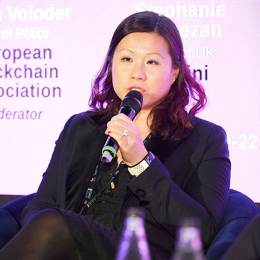
Audris Siow, Head of Business Development, EMEA at Talos
Moczulski
provided insights from eToro's
perspective, noting the resilience of the crypto audience during the
"crypto winter." He observed that unlike traditional markets, crypto
investors tended to hold their positions, indicating sustained demand even in
challenging times.
He commented: "It is clear the Middle East and Asia are
keen on this market. The jury is still out on the US, but there are strong
voices against making it a crypto hub. In terms of the tipping point, only time
will tell. I think we will see over the next couple of years, somewhere will
get this right and others will use that as an example to follow."
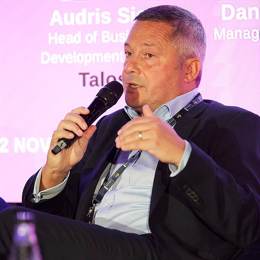
Dan Moczulski, Managing Director - UK at eToro
Stoychev,
representing Nexo,
stressed the importance of risk management and compliance, drawing parallels
between developments in the crypto space and experiences in the FX and CFD
world. "Europe, as a location, is much better situated than US in terms of
crypto regulations.”
“They
prepared themselves, working for a few years on the MiCA regulation, which we
are obviously facing next year. They give enough space and time for the crypto
companies to prepare themselves, to start working on the regulations, and to
initiate all the processes to meet the expectations," he said.
Royle, from Galaxy,
offered a nuanced perspective on the impact of FTX on the industry's
perception. While acknowledging the shockwaves caused by FTX's collapse, Royle
pointed out that it served as a catalyst for reevaluating regulatory
assumptions and addressing issues related to trust and misrepresentation.
"I think the other
thing is, the industry as a collective has not done a very good job of telling
regulators or jurisdictions what good regulation looks like. Unfortunately,
it's still a patchwork, and people still have their own views," he commented.
Prudential Oversight and
Balanced Regulation: Shaping the Future
The
panel discussion also delved into reflections on the risks associated with
crypto, such as leverage and liquidity, citing instances like Celsius and other
collapses. The conversation shifted to the regulatory landscape, emphasizing
that it was the providers' failures, not the technology itself, that were on
trial. A comparison was drawn to "Norm Entrepreneurialism" in
political science, exploring how different jurisdictions worldwide approached
crypto regulation.
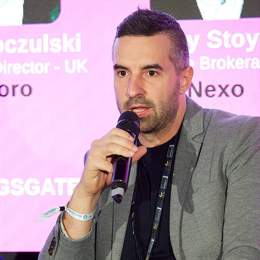
Andrey Stoychev, Prime Brokerage at Nexo
The
talk explored regulatory effects from various regions, including the UK,
Europe, APAC, and MENA. The panelists discussed the challenges faced by firms
in complying with new rules, emphasizing the need for global harmonization.
Despite the progress in the UK, the holy grail of regulation was yet to be
found in any jurisdiction. The conversation touched on post-FTX developments,
highlighting the sudden focus on audits and stock reports by certain industry
players.
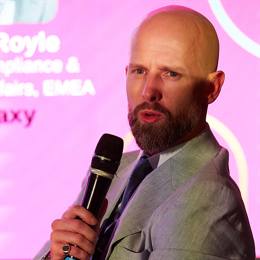
Alex Royle, Head of Compliance and Regulatory Affairs, EMEA at Galaxy
The
panel discussed the importance of transparency and legitimacy in the industry.
There was an acknowledgment that the jurisdiction at the forefront of the
regulatory waterfall was a complex and evolving matter. The UK's recent
progress was recognized, but the global ideal involved collaboration and
decision-making among stakeholders.
As
the discussion narrowed down to MiCA, the panelists examined its strengths and
areas for improvement. They discussed the comprehensive nature of MiCA and its
role in shaping global regulatory conversations. While recognizing MiCA's
positive impact, there was a call for faster iterations in addressing gaps,
such as staking and lending.
The
conversation additionally highlighted the significance of prudential oversight,
emphasizing the need for a balanced regulatory approach. The panelists
expressed optimism about the future iteration of rules, expecting a faster pace
due to the industry's growing dialogue with regulators. The retail perspective
underscored the necessity of embracing and nurturing companies doing things
properly, bridging the gap between regulators and the crypto ecosystem.
Talos Head of BD EMEA Audris Siow will be speaking at The Finance Magnates London Summit 2023 next week on "Perfect Storm? Crypto Regulation After FTX".
🎟️ FMLS:23 🗓️ November 20-22 2023 📍 Old Billingsgate
In
closing statements, the panel emphasized that there was no silver bullet for
crypto regulation. The importance of embracing regulation for industry
legitimacy was stressed, along with the need for ongoing collaboration and
transformation.
The
retail broker's viewpoint anticipated the impact of upcoming regulations on the
crypto market, questioning whether it would drive participants toward regulated
or offshore markets. The overall sentiment reflected a dynamic industry
grappling with evolving challenges and regulatory dynamics.
The
panelists concurred that the industry's future success hinges on a
collaborative effort between industry participants and regulators. The
discussion highlighted the maturation of the crypto sector and the imperative
for proactive regulatory frameworks to ensure its long-term viability.
As
business executives navigate the ever-changing landscape of digital assets, the
insights shared during this panel discussion offer valuable perspectives on
regulatory considerations, risk management, and the path forward in a post-FTX
era.
In
a recent panel discussion hosted at the Finance Magnates London Summit
(FMLS:23), prominent figures in the digital asset industry shared crucial
insights into the evolving landscape of crypto regulation. The panel, moderated
by Erwin Voloder, the Head of Policy at the European Blockchain Association, delved
into the challenges and transformations catalyzed by recent events, notably the
collapse of FTX.
The
discussion on Crypto Regulation after FTX underscored the pivotal role of
regulation in shaping the industry's trajectory. Despite the challenges posed
by FTX's downfall, the consensus among panelists, including Stephanie Ramezan, the Head
of UK at Gemini, Audris Siow, the Head of Business Development for EMEA at Talos, Dan
Moczulski, the Managing Director for UK at eToro, Andrey Stoychev, the Prime Brokerage at
Nexo, and Alex Royle, the Head of Compliance and Regulatory Affairs for EMEA at
Galaxy, was that regulatory intervention is essential for the industry's growth
and sustainability.
Transparency,
Compliance, and Trust: Key Themes in Crypto
Reflecting on the market
turbulence in 2021-2022, the panelists emphasized the need for a proactive
approach to compliance. Ramezan highlighted Gemini's commitment to prioritizing
regulation from the outset, fostering a culture of trust and collaboration with
regulators. "We are so close, yet so far, this is how I feel. I've been
speaking on panels in the crypto space for nearly five years, and I feel like
the real progress, especially in the UK, has only really been made in the last
maybe six or nine months," she added.
Stephanie Ramezan, Head of UK at Gemini
Siow
underscored the importance of addressing conflicts of interest and implementing
tried-and-tested practices, such as the separation of responsibilities and
duties. “Regarding regulation or transparency, I think there was a general
sweeping assumption that centralized means there's no assurance that it gives
you legitimacy. There is still an element beyond transparency and regulation
around it," she commented.
Audris Siow, Head of Business Development, EMEA at Talos
Moczulski
provided insights from eToro's
perspective, noting the resilience of the crypto audience during the
"crypto winter." He observed that unlike traditional markets, crypto
investors tended to hold their positions, indicating sustained demand even in
challenging times.
He commented: "It is clear the Middle East and Asia are
keen on this market. The jury is still out on the US, but there are strong
voices against making it a crypto hub. In terms of the tipping point, only time
will tell. I think we will see over the next couple of years, somewhere will
get this right and others will use that as an example to follow."
Dan Moczulski, Managing Director - UK at eToro
Stoychev,
representing Nexo,
stressed the importance of risk management and compliance, drawing parallels
between developments in the crypto space and experiences in the FX and CFD
world. "Europe, as a location, is much better situated than US in terms of
crypto regulations.”
“They
prepared themselves, working for a few years on the MiCA regulation, which we
are obviously facing next year. They give enough space and time for the crypto
companies to prepare themselves, to start working on the regulations, and to
initiate all the processes to meet the expectations," he said.
Royle, from Galaxy,
offered a nuanced perspective on the impact of FTX on the industry's
perception. While acknowledging the shockwaves caused by FTX's collapse, Royle
pointed out that it served as a catalyst for reevaluating regulatory
assumptions and addressing issues related to trust and misrepresentation.
"I think the other
thing is, the industry as a collective has not done a very good job of telling
regulators or jurisdictions what good regulation looks like. Unfortunately,
it's still a patchwork, and people still have their own views," he commented.
Prudential Oversight and
Balanced Regulation: Shaping the Future
The
panel discussion also delved into reflections on the risks associated with
crypto, such as leverage and liquidity, citing instances like Celsius and other
collapses. The conversation shifted to the regulatory landscape, emphasizing
that it was the providers' failures, not the technology itself, that were on
trial. A comparison was drawn to "Norm Entrepreneurialism" in
political science, exploring how different jurisdictions worldwide approached
crypto regulation.
Andrey Stoychev, Prime Brokerage at Nexo
The
talk explored regulatory effects from various regions, including the UK,
Europe, APAC, and MENA. The panelists discussed the challenges faced by firms
in complying with new rules, emphasizing the need for global harmonization.
Despite the progress in the UK, the holy grail of regulation was yet to be
found in any jurisdiction. The conversation touched on post-FTX developments,
highlighting the sudden focus on audits and stock reports by certain industry
players.
Alex Royle, Head of Compliance and Regulatory Affairs, EMEA at Galaxy
The
panel discussed the importance of transparency and legitimacy in the industry.
There was an acknowledgment that the jurisdiction at the forefront of the
regulatory waterfall was a complex and evolving matter. The UK's recent
progress was recognized, but the global ideal involved collaboration and
decision-making among stakeholders.
As
the discussion narrowed down to MiCA, the panelists examined its strengths and
areas for improvement. They discussed the comprehensive nature of MiCA and its
role in shaping global regulatory conversations. While recognizing MiCA's
positive impact, there was a call for faster iterations in addressing gaps,
such as staking and lending.
The
conversation additionally highlighted the significance of prudential oversight,
emphasizing the need for a balanced regulatory approach. The panelists
expressed optimism about the future iteration of rules, expecting a faster pace
due to the industry's growing dialogue with regulators. The retail perspective
underscored the necessity of embracing and nurturing companies doing things
properly, bridging the gap between regulators and the crypto ecosystem.
Talos Head of BD EMEA Audris Siow will be speaking at The Finance Magnates London Summit 2023 next week on "Perfect Storm? Crypto Regulation After FTX".
🎟️ FMLS:23 🗓️ November 20-22 2023 📍 Old Billingsgate
In
closing statements, the panel emphasized that there was no silver bullet for
crypto regulation. The importance of embracing regulation for industry
legitimacy was stressed, along with the need for ongoing collaboration and
transformation.
The
retail broker's viewpoint anticipated the impact of upcoming regulations on the
crypto market, questioning whether it would drive participants toward regulated
or offshore markets. The overall sentiment reflected a dynamic industry
grappling with evolving challenges and regulatory dynamics.
The
panelists concurred that the industry's future success hinges on a
collaborative effort between industry participants and regulators. The
discussion highlighted the maturation of the crypto sector and the imperative
for proactive regulatory frameworks to ensure its long-term viability.
As
business executives navigate the ever-changing landscape of digital assets, the
insights shared during this panel discussion offer valuable perspectives on
regulatory considerations, risk management, and the path forward in a post-FTX
era.
In this conversation, we sit down with Drew Niv, CSO at ATFX Connect and one of the most influential figures in modern FX.
We speak about market structure, the institutional view on liquidity, and the sharp rise of prop trading, a sector Drew has been commenting on in recent months. Drew explains why he once dismissed prop trading, why his view changed, and what he now thinks the model means for brokers, clients and risk managers.
We explore subscription-fee dependency, the high reneging rate, and the long-term challenge: how brokers can build a more stable and honest version of the model. Drew also talks about the traffic advantage standalone prop firms have built and why brokers may still win in the long run if they take the right approach.
In this conversation, we sit down with Drew Niv, CSO at ATFX Connect and one of the most influential figures in modern FX.
We speak about market structure, the institutional view on liquidity, and the sharp rise of prop trading, a sector Drew has been commenting on in recent months. Drew explains why he once dismissed prop trading, why his view changed, and what he now thinks the model means for brokers, clients and risk managers.
We explore subscription-fee dependency, the high reneging rate, and the long-term challenge: how brokers can build a more stable and honest version of the model. Drew also talks about the traffic advantage standalone prop firms have built and why brokers may still win in the long run if they take the right approach.
In this conversation, we sit down with Drew Niv, CSO at ATFX Connect and one of the most influential figures in modern FX.
We speak about market structure, the institutional view on liquidity, and the sharp rise of prop trading, a sector Drew has been commenting on in recent months. Drew explains why he once dismissed prop trading, why his view changed, and what he now thinks the model means for brokers, clients and risk managers.
We explore subscription-fee dependency, the high reneging rate, and the long-term challenge: how brokers can build a more stable and honest version of the model. Drew also talks about the traffic advantage standalone prop firms have built and why brokers may still win in the long run if they take the right approach.
In this conversation, we sit down with Drew Niv, CSO at ATFX Connect and one of the most influential figures in modern FX.
We speak about market structure, the institutional view on liquidity, and the sharp rise of prop trading, a sector Drew has been commenting on in recent months. Drew explains why he once dismissed prop trading, why his view changed, and what he now thinks the model means for brokers, clients and risk managers.
We explore subscription-fee dependency, the high reneging rate, and the long-term challenge: how brokers can build a more stable and honest version of the model. Drew also talks about the traffic advantage standalone prop firms have built and why brokers may still win in the long run if they take the right approach.
Executive Interview | Remonda Z. Kirketerp Møller| CEO & Founder Muinmos | FMLS:25
In this interview, Remonda Z. Kirketerp Møller, founder of Muinmos, breaks down the state of AI in regtech and what responsible adoption really looks like for brokers. We talk about rising fragmentation, the pressures around compliance accuracy, and why most firms are still in the early stages of AI maturity.
Ramanda also shares insights on regulator sandboxes, shifting expectations around accountability, and the current reality of MiCA licensing and passporting in Europe.
A concise look at where compliance, onboarding, and AI-driven processes are heading next.
In this interview, Remonda Z. Kirketerp Møller, founder of Muinmos, breaks down the state of AI in regtech and what responsible adoption really looks like for brokers. We talk about rising fragmentation, the pressures around compliance accuracy, and why most firms are still in the early stages of AI maturity.
Ramanda also shares insights on regulator sandboxes, shifting expectations around accountability, and the current reality of MiCA licensing and passporting in Europe.
A concise look at where compliance, onboarding, and AI-driven processes are heading next.
In this interview, Remonda Z. Kirketerp Møller, founder of Muinmos, breaks down the state of AI in regtech and what responsible adoption really looks like for brokers. We talk about rising fragmentation, the pressures around compliance accuracy, and why most firms are still in the early stages of AI maturity.
Ramanda also shares insights on regulator sandboxes, shifting expectations around accountability, and the current reality of MiCA licensing and passporting in Europe.
A concise look at where compliance, onboarding, and AI-driven processes are heading next.
In this interview, Remonda Z. Kirketerp Møller, founder of Muinmos, breaks down the state of AI in regtech and what responsible adoption really looks like for brokers. We talk about rising fragmentation, the pressures around compliance accuracy, and why most firms are still in the early stages of AI maturity.
Ramanda also shares insights on regulator sandboxes, shifting expectations around accountability, and the current reality of MiCA licensing and passporting in Europe.
A concise look at where compliance, onboarding, and AI-driven processes are heading next.
In this interview, Remonda Z. Kirketerp Møller, founder of Muinmos, breaks down the state of AI in regtech and what responsible adoption really looks like for brokers. We talk about rising fragmentation, the pressures around compliance accuracy, and why most firms are still in the early stages of AI maturity.
Ramanda also shares insights on regulator sandboxes, shifting expectations around accountability, and the current reality of MiCA licensing and passporting in Europe.
A concise look at where compliance, onboarding, and AI-driven processes are heading next.
In this interview, Remonda Z. Kirketerp Møller, founder of Muinmos, breaks down the state of AI in regtech and what responsible adoption really looks like for brokers. We talk about rising fragmentation, the pressures around compliance accuracy, and why most firms are still in the early stages of AI maturity.
Ramanda also shares insights on regulator sandboxes, shifting expectations around accountability, and the current reality of MiCA licensing and passporting in Europe.
A concise look at where compliance, onboarding, and AI-driven processes are heading next.
In this conversation, we speak with Aydin Bonabi, CEO and co-founder of Surveill, a firm focused on fraud detection and AI-driven compliance tools for financial institutions.
We start with Aydin’s view of the Summit and the challenges brokers face as fraud tactics grow more complex. He explains how firms can stay ahead through real-time signals, data patterns, and early-stage detection.
We also talk about AI training and why compliance teams often struggle to keep models accurate, fair, and aligned with regulatory expectations. Aydin breaks down what “good” AI training looks like inside a financial environment, including the importance of clean data, domain expertise, and human oversight.
He closes with a clear message: fraud is scaling, and so must the tools that stop it.
In this conversation, we speak with Aydin Bonabi, CEO and co-founder of Surveill, a firm focused on fraud detection and AI-driven compliance tools for financial institutions.
We start with Aydin’s view of the Summit and the challenges brokers face as fraud tactics grow more complex. He explains how firms can stay ahead through real-time signals, data patterns, and early-stage detection.
We also talk about AI training and why compliance teams often struggle to keep models accurate, fair, and aligned with regulatory expectations. Aydin breaks down what “good” AI training looks like inside a financial environment, including the importance of clean data, domain expertise, and human oversight.
He closes with a clear message: fraud is scaling, and so must the tools that stop it.
In this conversation, we speak with Aydin Bonabi, CEO and co-founder of Surveill, a firm focused on fraud detection and AI-driven compliance tools for financial institutions.
We start with Aydin’s view of the Summit and the challenges brokers face as fraud tactics grow more complex. He explains how firms can stay ahead through real-time signals, data patterns, and early-stage detection.
We also talk about AI training and why compliance teams often struggle to keep models accurate, fair, and aligned with regulatory expectations. Aydin breaks down what “good” AI training looks like inside a financial environment, including the importance of clean data, domain expertise, and human oversight.
He closes with a clear message: fraud is scaling, and so must the tools that stop it.
In this conversation, we speak with Aydin Bonabi, CEO and co-founder of Surveill, a firm focused on fraud detection and AI-driven compliance tools for financial institutions.
We start with Aydin’s view of the Summit and the challenges brokers face as fraud tactics grow more complex. He explains how firms can stay ahead through real-time signals, data patterns, and early-stage detection.
We also talk about AI training and why compliance teams often struggle to keep models accurate, fair, and aligned with regulatory expectations. Aydin breaks down what “good” AI training looks like inside a financial environment, including the importance of clean data, domain expertise, and human oversight.
He closes with a clear message: fraud is scaling, and so must the tools that stop it.
In this conversation, we speak with Aydin Bonabi, CEO and co-founder of Surveill, a firm focused on fraud detection and AI-driven compliance tools for financial institutions.
We start with Aydin’s view of the Summit and the challenges brokers face as fraud tactics grow more complex. He explains how firms can stay ahead through real-time signals, data patterns, and early-stage detection.
We also talk about AI training and why compliance teams often struggle to keep models accurate, fair, and aligned with regulatory expectations. Aydin breaks down what “good” AI training looks like inside a financial environment, including the importance of clean data, domain expertise, and human oversight.
He closes with a clear message: fraud is scaling, and so must the tools that stop it.
In this conversation, we speak with Aydin Bonabi, CEO and co-founder of Surveill, a firm focused on fraud detection and AI-driven compliance tools for financial institutions.
We start with Aydin’s view of the Summit and the challenges brokers face as fraud tactics grow more complex. He explains how firms can stay ahead through real-time signals, data patterns, and early-stage detection.
We also talk about AI training and why compliance teams often struggle to keep models accurate, fair, and aligned with regulatory expectations. Aydin breaks down what “good” AI training looks like inside a financial environment, including the importance of clean data, domain expertise, and human oversight.
He closes with a clear message: fraud is scaling, and so must the tools that stop it.
Exness expands its presence in Africa: Inside our interview with Paul Margarites in Cape Town
Finance Magnates met with Paul Margarites, Exness regional commercial director for Sub-Saharan Africa, during a visit to the firm’s office opening in Cape Town. In this talk, led by Andrea Badiola Mateos, Co-CEO at Finance Magnates, Paul shares views on the South African trading space, local user behavior, mobile trends, regulation, team growth, and how Exness plans to grow in more markets across the region. @Exness
Read the article at: https://www.financemagnates.com/thought-leadership/exness-expands-its-presence-in-africa-inside-our-interview-with-paul-margarites/
#exness #financemagnates #exnesstrading #CFDtrading #tradeonline #africanews #capetown
Finance Magnates met with Paul Margarites, Exness regional commercial director for Sub-Saharan Africa, during a visit to the firm’s office opening in Cape Town. In this talk, led by Andrea Badiola Mateos, Co-CEO at Finance Magnates, Paul shares views on the South African trading space, local user behavior, mobile trends, regulation, team growth, and how Exness plans to grow in more markets across the region. @Exness
Read the article at: https://www.financemagnates.com/thought-leadership/exness-expands-its-presence-in-africa-inside-our-interview-with-paul-margarites/
#exness #financemagnates #exnesstrading #CFDtrading #tradeonline #africanews #capetown
Finance Magnates met with Paul Margarites, Exness regional commercial director for Sub-Saharan Africa, during a visit to the firm’s office opening in Cape Town. In this talk, led by Andrea Badiola Mateos, Co-CEO at Finance Magnates, Paul shares views on the South African trading space, local user behavior, mobile trends, regulation, team growth, and how Exness plans to grow in more markets across the region. @Exness
Read the article at: https://www.financemagnates.com/thought-leadership/exness-expands-its-presence-in-africa-inside-our-interview-with-paul-margarites/
#exness #financemagnates #exnesstrading #CFDtrading #tradeonline #africanews #capetown
Finance Magnates met with Paul Margarites, Exness regional commercial director for Sub-Saharan Africa, during a visit to the firm’s office opening in Cape Town. In this talk, led by Andrea Badiola Mateos, Co-CEO at Finance Magnates, Paul shares views on the South African trading space, local user behavior, mobile trends, regulation, team growth, and how Exness plans to grow in more markets across the region. @Exness
Read the article at: https://www.financemagnates.com/thought-leadership/exness-expands-its-presence-in-africa-inside-our-interview-with-paul-margarites/
#exness #financemagnates #exnesstrading #CFDtrading #tradeonline #africanews #capetown
Finance Magnates met with Paul Margarites, Exness regional commercial director for Sub-Saharan Africa, during a visit to the firm’s office opening in Cape Town. In this talk, led by Andrea Badiola Mateos, Co-CEO at Finance Magnates, Paul shares views on the South African trading space, local user behavior, mobile trends, regulation, team growth, and how Exness plans to grow in more markets across the region. @Exness
Read the article at: https://www.financemagnates.com/thought-leadership/exness-expands-its-presence-in-africa-inside-our-interview-with-paul-margarites/
#exness #financemagnates #exnesstrading #CFDtrading #tradeonline #africanews #capetown
Finance Magnates met with Paul Margarites, Exness regional commercial director for Sub-Saharan Africa, during a visit to the firm’s office opening in Cape Town. In this talk, led by Andrea Badiola Mateos, Co-CEO at Finance Magnates, Paul shares views on the South African trading space, local user behavior, mobile trends, regulation, team growth, and how Exness plans to grow in more markets across the region. @Exness
Read the article at: https://www.financemagnates.com/thought-leadership/exness-expands-its-presence-in-africa-inside-our-interview-with-paul-margarites/
#exness #financemagnates #exnesstrading #CFDtrading #tradeonline #africanews #capetown
Executive Interview | Jas Shah | FMLS:25
Interview with Jas Shah
Builder | Adviser | Fintech Writer | Product Strategist
In this episode, Jonathan Fine sat down with Jas Shah, one of the most thoughtful voices in global fintech. Known for his work across advisory, product, stablecoins, and his widely read writing, Jas brings a rare combination of industry insight and plain-spoken clarity.
We talk about his first impression of the Summit, the projects that keep him busy today, and how they connect to the stablecoin panel he joined. Jas shares his view on the link between fintech, wealthtech and retail brokers, especially as firms like Revolut, eToro and Trading212 blur long-standing lines in the market.
We also explore what stablecoin adoption might look like for retail investment platforms, including a few product and UX angles that are not obvious at first glance.
To close, Jas explains how he thinks about writing, and how he approaches “shipping” pieces that spark debate across the industry.
Interview with Jas Shah
Builder | Adviser | Fintech Writer | Product Strategist
In this episode, Jonathan Fine sat down with Jas Shah, one of the most thoughtful voices in global fintech. Known for his work across advisory, product, stablecoins, and his widely read writing, Jas brings a rare combination of industry insight and plain-spoken clarity.
We talk about his first impression of the Summit, the projects that keep him busy today, and how they connect to the stablecoin panel he joined. Jas shares his view on the link between fintech, wealthtech and retail brokers, especially as firms like Revolut, eToro and Trading212 blur long-standing lines in the market.
We also explore what stablecoin adoption might look like for retail investment platforms, including a few product and UX angles that are not obvious at first glance.
To close, Jas explains how he thinks about writing, and how he approaches “shipping” pieces that spark debate across the industry.
Interview with Jas Shah
Builder | Adviser | Fintech Writer | Product Strategist
In this episode, Jonathan Fine sat down with Jas Shah, one of the most thoughtful voices in global fintech. Known for his work across advisory, product, stablecoins, and his widely read writing, Jas brings a rare combination of industry insight and plain-spoken clarity.
We talk about his first impression of the Summit, the projects that keep him busy today, and how they connect to the stablecoin panel he joined. Jas shares his view on the link between fintech, wealthtech and retail brokers, especially as firms like Revolut, eToro and Trading212 blur long-standing lines in the market.
We also explore what stablecoin adoption might look like for retail investment platforms, including a few product and UX angles that are not obvious at first glance.
To close, Jas explains how he thinks about writing, and how he approaches “shipping” pieces that spark debate across the industry.
Interview with Jas Shah
Builder | Adviser | Fintech Writer | Product Strategist
In this episode, Jonathan Fine sat down with Jas Shah, one of the most thoughtful voices in global fintech. Known for his work across advisory, product, stablecoins, and his widely read writing, Jas brings a rare combination of industry insight and plain-spoken clarity.
We talk about his first impression of the Summit, the projects that keep him busy today, and how they connect to the stablecoin panel he joined. Jas shares his view on the link between fintech, wealthtech and retail brokers, especially as firms like Revolut, eToro and Trading212 blur long-standing lines in the market.
We also explore what stablecoin adoption might look like for retail investment platforms, including a few product and UX angles that are not obvious at first glance.
To close, Jas explains how he thinks about writing, and how he approaches “shipping” pieces that spark debate across the industry.
Interview with Jas Shah
Builder | Adviser | Fintech Writer | Product Strategist
In this episode, Jonathan Fine sat down with Jas Shah, one of the most thoughtful voices in global fintech. Known for his work across advisory, product, stablecoins, and his widely read writing, Jas brings a rare combination of industry insight and plain-spoken clarity.
We talk about his first impression of the Summit, the projects that keep him busy today, and how they connect to the stablecoin panel he joined. Jas shares his view on the link between fintech, wealthtech and retail brokers, especially as firms like Revolut, eToro and Trading212 blur long-standing lines in the market.
We also explore what stablecoin adoption might look like for retail investment platforms, including a few product and UX angles that are not obvious at first glance.
To close, Jas explains how he thinks about writing, and how he approaches “shipping” pieces that spark debate across the industry.
Interview with Jas Shah
Builder | Adviser | Fintech Writer | Product Strategist
In this episode, Jonathan Fine sat down with Jas Shah, one of the most thoughtful voices in global fintech. Known for his work across advisory, product, stablecoins, and his widely read writing, Jas brings a rare combination of industry insight and plain-spoken clarity.
We talk about his first impression of the Summit, the projects that keep him busy today, and how they connect to the stablecoin panel he joined. Jas shares his view on the link between fintech, wealthtech and retail brokers, especially as firms like Revolut, eToro and Trading212 blur long-standing lines in the market.
We also explore what stablecoin adoption might look like for retail investment platforms, including a few product and UX angles that are not obvious at first glance.
To close, Jas explains how he thinks about writing, and how he approaches “shipping” pieces that spark debate across the industry.