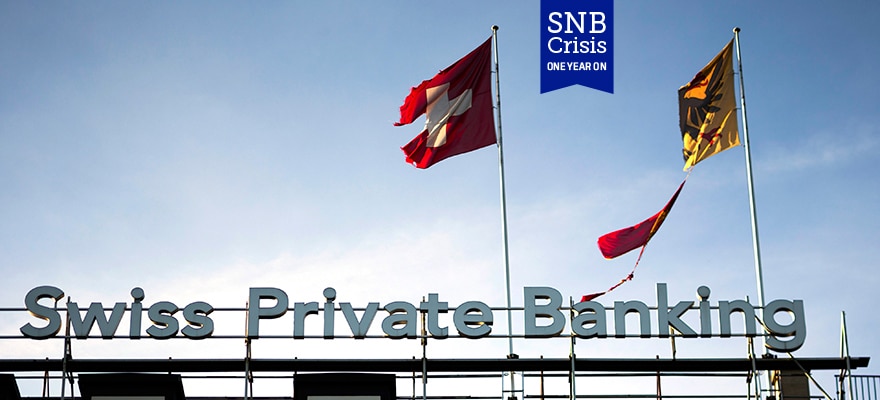
Last year's surprise SNB action has left lasting impacts on the FX community, but have any risk management lessons been learned?
(Photo: Bloomberg)
“There are certain events in markets that stick in your memory, a bit like remembering where you were when Elvis died, although I was too young to remember that one,” said Simon Smith, Chief Economist at FxPro.
But he does remember where he was on that fateful day of 1/15: in the office reading headlines with a sense of disbelief.
It was not a fun day, he added, particularly as firms started going under. FxPro suffered losses in the range of several million dollars, according to a source speaking to the Wall Street Journal.
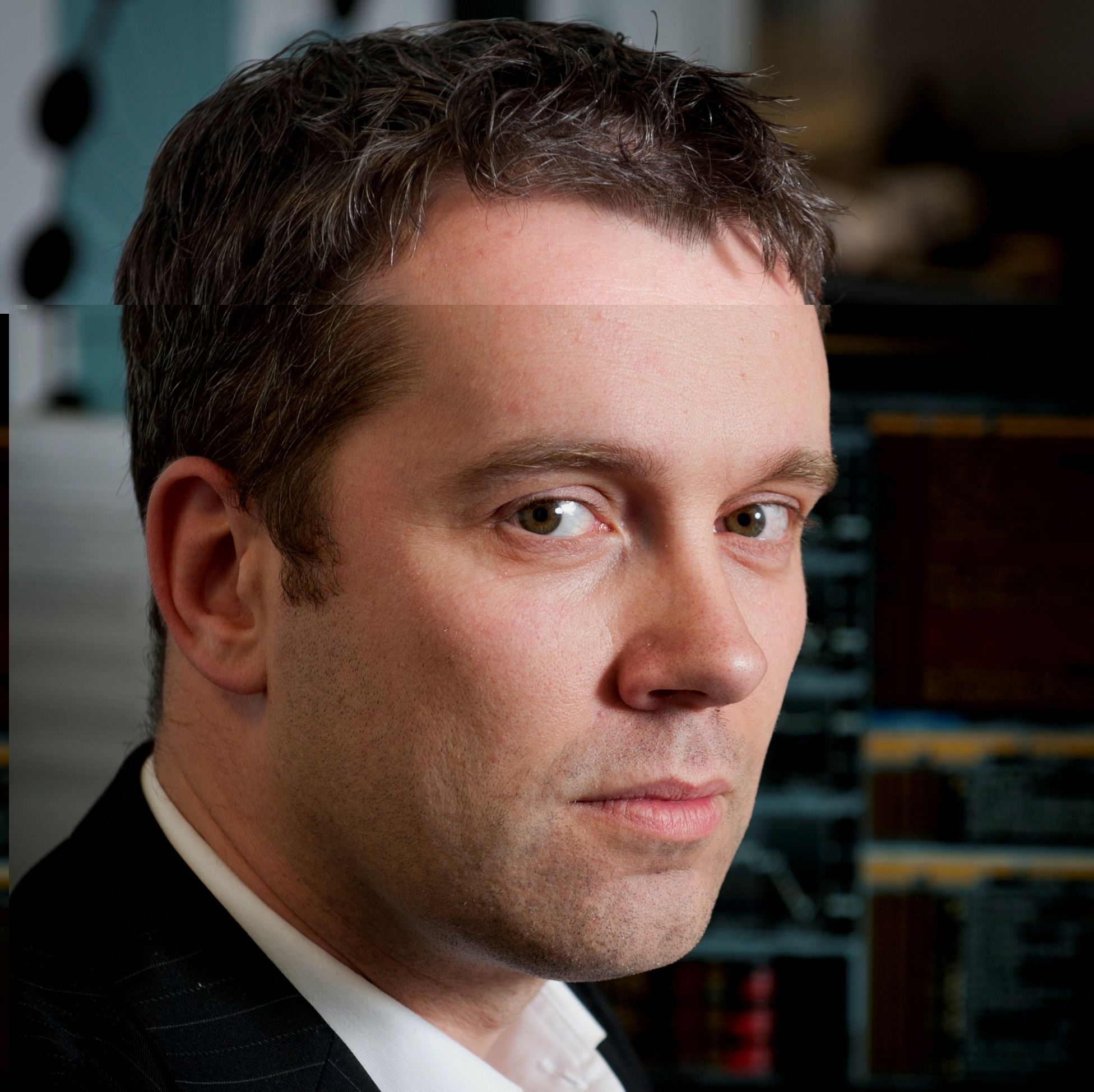
Simon Smith, Chief Economist, FxPro
“The cap on the Swiss franc was such a cornerstone of (the Swiss National Bank’s) monetary policy,” said Smith. “We suffered a negative financial impact from adhering to our negative balance protection policy, but that is well behind us now.”
(Smith declined to comment on the WSJ’s estimate).
FXCM was one of the firms making headlines when clients started racking up losses in the hundreds of millions of dollars, and ultimately required a bail out to the tune of $300 million from Leucadia. A few months later, the broker released detailed data on what it called the “SNB Flash Crash”. In the UK, Alpari became insolvent.
...the first reaction was: there is no way, this is not real...
The aftershocks hit FX brokers across the world, and asset managers did not escape unscathed either. US-based Everest Capital became one of the highest profile casualties when it closed an $830 million fund.
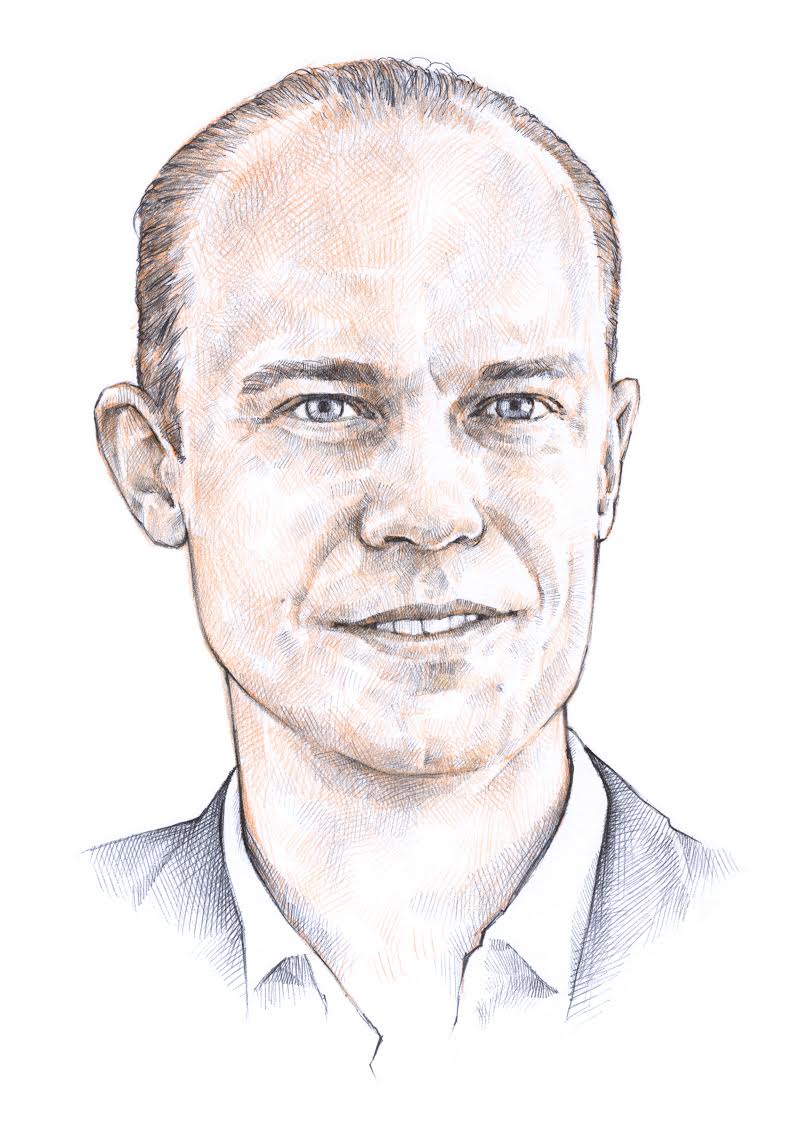
“When I saw the charts, the first reaction was: there is no way, this is not real, this is a data spike,” said Andreas Clenow, Chief Investment Officer at ACIES, an asset manager based in Zurich with some $300 million in AuM.
“The intraday move was over 30% in major a currency in a day. I am not sure if that ever happened before in a major Western currency,” Clenow said. “We had been spending a year and half thinking, of course it is going to happen, they’re going to break it, these things always break.”
From a purely standard, mathematical, trend following point of view, using futures products, a system would have flagged three positions: short the euro contract, short the franc, short the RF contract (EUR/CHF).
“Mathematically that’s what the model will show you, but you have to wonder if the manager, even a quant manager, has any sort of rational critical questioning of their own models,” said Clenow. “It didn’t make any sense – the euro and swissie future had an enormous correlation because they were de facto pegged.”
The point at which people went wrong, he added, is trusting the short term volatility analytics, which were based on artificial political constructs. Instead, managers should be looking at long-term volatility, the size of peak volatility, and stress testing. In other words, figuring out what could happen if volatility goes back to highs of the past, and putting a cap on position sizes based on analyzing those factors.
For our industry, it’s no doubt made it harder for new entrants in terms of set-up costs...
That, of course, means not making huge profits if a sudden unexpected move goes in a favorable direction, but that’s just part of effective risk management, Clenow noted.
After the shock, it took days to a few weeks until banks adapted their risk management, according to the Swiss Bankers Association, referring to comments made by its members. Considering the importance of the SNB’s move, this was very quick, said a spokesperson for SBA.
Lasting impacts
A less obvious impact, noted ACIES' Clenow, is that a lot of investment products are denominated in US dollars, and therefore pay out fees in that currency.
Another issue has been higher hedging costs for banks, punctuating a consolidation trend as Switzerland’s financial centre faces international competition and pressure on margins.
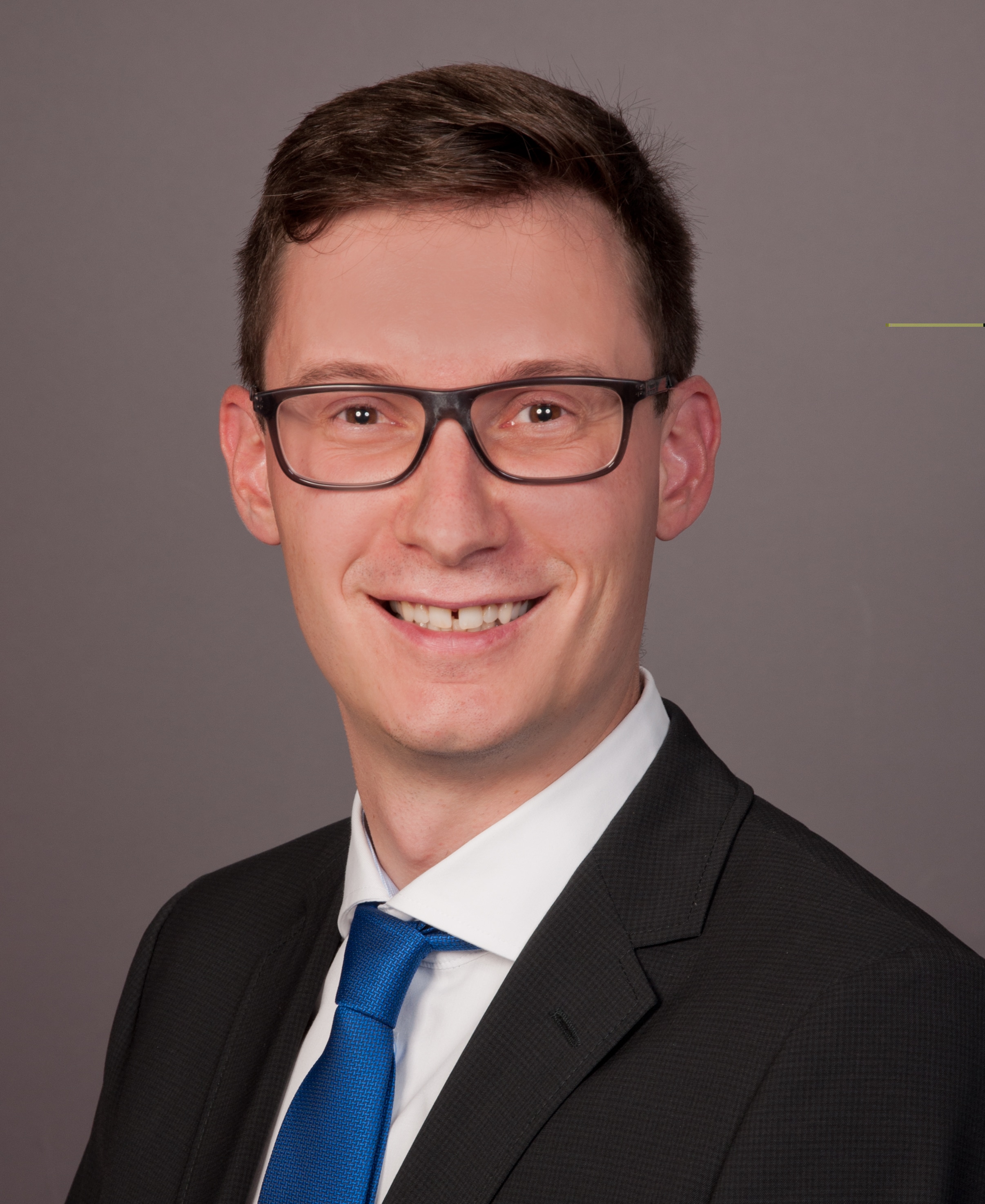
Maxime Botteron, Economist, Credit Suisse
Moreover, the directly increased costs of the SNB’s move for the banks became harder to bear with regards to the introduction of negative interest rates at the end of 2014.
“We understand that the SNB acts in a very difficult environment. However, there are measures that are necessary and possible to ease the situation for the financial centre, (such as) reducing costs of regulation, reducing tax burdens etc,” the spokesperson said.
In the aftermath of its shock move, the SNB received a great deal of criticism from the financial sector.
Maxime Botteron, Economist at Credit Suisse, said that it’s become difficult to trust what the SNB’s next steps will be, as just a few days before removing the floor, the central bank’s former Vice Chairman, Jean-Pierre Danthine, made statements that it would be kept in place. The assumption was that it would remain until the end of 2015, or maybe even throughout 2016.
“This changed all of our assumptions that we had, and forced us to revise forecasts,” Botteron said. “The implication for asset allocation is more uncertain than it used to be, at least on the Swiss franc and Swiss monetary policy.”
One of the reasons the SNB was enforcing the EUR/CHF floor in the first place related to capital flows into Switzerland. That inflow originated from cross border lending activities – foreign banks and investors putting cash in Swiss banks or foreign branches in Switzerland, as well as Swiss investors selling bonds in euros and repatriating capital back to Switzerland.
Lasting is always a dangerous word
Botteron noted that after all is said and done, there has not been a reversal of this trend. “We see a large stock of excess capital in Switzerland, which is why our FX strategists don’t expect any depreciation of the Swiss franc against the euro.”
There’s also been a concerted push by the SNB on institutional investors to go abroad, but there doesn’t seem to be any sign of that happening. To avoid paying negative interest rates, pension funds in particular have reduced deposits on bank accounts and increased investment in real estate. In other words, explained Botteron, negative interest rates have had an impact on the asset allocation of pension funds, but this has not translated into more outflows based on Credit Suisse’s data.
“We don’t have the trigger for normalization, or reversal of this capital inflow,” he added.
Lasting lessons
One year on, some lasting impacts have managed to hang on. What’s most important, said FxPro’s Simon Smith, is to be adaptable, both to events and the changing environment.
“It was clear before the SNB decision that the landscape was changing in terms of the prime brokerage business for banks. They were already either pulling out entirely in some areas, or placing more costs and margin requirements on clients as a result of the increased regulatory constraints they were under,” he said.
But it’s also a question of how much the initial reaction remains in place, or both systems and people forget, Simon added.
Clenow echoed this sentiment when asked what the lasting lessons are: “Lasting is always a dangerous word. Unless you actually had your money in one of these funds that lost 80% in January last year, give it a couple of years and people will forget about it.”
“There are certain events in markets that stick in your memory, a bit like remembering where you were when Elvis died, although I was too young to remember that one,” said Simon Smith, Chief Economist at FxPro.
But he does remember where he was on that fateful day of 1/15: in the office reading headlines with a sense of disbelief.
It was not a fun day, he added, particularly as firms started going under. FxPro suffered losses in the range of several million dollars, according to a source speaking to the Wall Street Journal.
Simon Smith, Chief Economist, FxPro
“The cap on the Swiss franc was such a cornerstone of (the Swiss National Bank’s) monetary policy,” said Smith. “We suffered a negative financial impact from adhering to our negative balance protection policy, but that is well behind us now.”
(Smith declined to comment on the WSJ’s estimate).
FXCM was one of the firms making headlines when clients started racking up losses in the hundreds of millions of dollars, and ultimately required a bail out to the tune of $300 million from Leucadia. A few months later, the broker released detailed data on what it called the “SNB Flash Crash”. In the UK, Alpari became insolvent.
...the first reaction was: there is no way, this is not real...
The aftershocks hit FX brokers across the world, and asset managers did not escape unscathed either. US-based Everest Capital became one of the highest profile casualties when it closed an $830 million fund.
“When I saw the charts, the first reaction was: there is no way, this is not real, this is a data spike,” said Andreas Clenow, Chief Investment Officer at ACIES, an asset manager based in Zurich with some $300 million in AuM.
“The intraday move was over 30% in major a currency in a day. I am not sure if that ever happened before in a major Western currency,” Clenow said. “We had been spending a year and half thinking, of course it is going to happen, they’re going to break it, these things always break.”
From a purely standard, mathematical, trend following point of view, using futures products, a system would have flagged three positions: short the euro contract, short the franc, short the RF contract (EUR/CHF).
“Mathematically that’s what the model will show you, but you have to wonder if the manager, even a quant manager, has any sort of rational critical questioning of their own models,” said Clenow. “It didn’t make any sense – the euro and swissie future had an enormous correlation because they were de facto pegged.”
The point at which people went wrong, he added, is trusting the short term volatility analytics, which were based on artificial political constructs. Instead, managers should be looking at long-term volatility, the size of peak volatility, and stress testing. In other words, figuring out what could happen if volatility goes back to highs of the past, and putting a cap on position sizes based on analyzing those factors.
For our industry, it’s no doubt made it harder for new entrants in terms of set-up costs...
That, of course, means not making huge profits if a sudden unexpected move goes in a favorable direction, but that’s just part of effective risk management, Clenow noted.
After the shock, it took days to a few weeks until banks adapted their risk management, according to the Swiss Bankers Association, referring to comments made by its members. Considering the importance of the SNB’s move, this was very quick, said a spokesperson for SBA.
Lasting impacts
A less obvious impact, noted ACIES' Clenow, is that a lot of investment products are denominated in US dollars, and therefore pay out fees in that currency.
Another issue has been higher hedging costs for banks, punctuating a consolidation trend as Switzerland’s financial centre faces international competition and pressure on margins.
Maxime Botteron, Economist, Credit Suisse
Moreover, the directly increased costs of the SNB’s move for the banks became harder to bear with regards to the introduction of negative interest rates at the end of 2014.
“We understand that the SNB acts in a very difficult environment. However, there are measures that are necessary and possible to ease the situation for the financial centre, (such as) reducing costs of regulation, reducing tax burdens etc,” the spokesperson said.
In the aftermath of its shock move, the SNB received a great deal of criticism from the financial sector.
Maxime Botteron, Economist at Credit Suisse, said that it’s become difficult to trust what the SNB’s next steps will be, as just a few days before removing the floor, the central bank’s former Vice Chairman, Jean-Pierre Danthine, made statements that it would be kept in place. The assumption was that it would remain until the end of 2015, or maybe even throughout 2016.
“This changed all of our assumptions that we had, and forced us to revise forecasts,” Botteron said. “The implication for asset allocation is more uncertain than it used to be, at least on the Swiss franc and Swiss monetary policy.”
One of the reasons the SNB was enforcing the EUR/CHF floor in the first place related to capital flows into Switzerland. That inflow originated from cross border lending activities – foreign banks and investors putting cash in Swiss banks or foreign branches in Switzerland, as well as Swiss investors selling bonds in euros and repatriating capital back to Switzerland.
Lasting is always a dangerous word
Botteron noted that after all is said and done, there has not been a reversal of this trend. “We see a large stock of excess capital in Switzerland, which is why our FX strategists don’t expect any depreciation of the Swiss franc against the euro.”
There’s also been a concerted push by the SNB on institutional investors to go abroad, but there doesn’t seem to be any sign of that happening. To avoid paying negative interest rates, pension funds in particular have reduced deposits on bank accounts and increased investment in real estate. In other words, explained Botteron, negative interest rates have had an impact on the asset allocation of pension funds, but this has not translated into more outflows based on Credit Suisse’s data.
“We don’t have the trigger for normalization, or reversal of this capital inflow,” he added.
Lasting lessons
One year on, some lasting impacts have managed to hang on. What’s most important, said FxPro’s Simon Smith, is to be adaptable, both to events and the changing environment.
“It was clear before the SNB decision that the landscape was changing in terms of the prime brokerage business for banks. They were already either pulling out entirely in some areas, or placing more costs and margin requirements on clients as a result of the increased regulatory constraints they were under,” he said.
But it’s also a question of how much the initial reaction remains in place, or both systems and people forget, Simon added.
Clenow echoed this sentiment when asked what the lasting lessons are: “Lasting is always a dangerous word. Unless you actually had your money in one of these funds that lost 80% in January last year, give it a couple of years and people will forget about it.”
GCEX Secures MiCA Licence in Denmark as EU Crypto Regulation Takes Shape
Featured Videos
Executive Interview | Charlotte Bullock | Chief Product Officer, Bank of London | FMLS:25
In this interview, we sat down with Charlotte Bullock, Head of Product at The Bank of London, previously at SAP and now shaping product at one of the sector’s most ambitious new banking players.
Charlotte reflects on the Summit so far and talks about the culture inside fintech banks today. We look at the pressures that come with scaling, and how firms can hold onto the nimble approach that made them stand out early on.
We also cover the state of payments ahead of her appearance on the payments roundtable: the blockages financial firms face, the areas that still need fixing, and what a realistic solution looks like in 2026.
In this interview, we sat down with Charlotte Bullock, Head of Product at The Bank of London, previously at SAP and now shaping product at one of the sector’s most ambitious new banking players.
Charlotte reflects on the Summit so far and talks about the culture inside fintech banks today. We look at the pressures that come with scaling, and how firms can hold onto the nimble approach that made them stand out early on.
We also cover the state of payments ahead of her appearance on the payments roundtable: the blockages financial firms face, the areas that still need fixing, and what a realistic solution looks like in 2026.
In this interview, we sat down with Charlotte Bullock, Head of Product at The Bank of London, previously at SAP and now shaping product at one of the sector’s most ambitious new banking players.
Charlotte reflects on the Summit so far and talks about the culture inside fintech banks today. We look at the pressures that come with scaling, and how firms can hold onto the nimble approach that made them stand out early on.
We also cover the state of payments ahead of her appearance on the payments roundtable: the blockages financial firms face, the areas that still need fixing, and what a realistic solution looks like in 2026.
In this interview, we sat down with Charlotte Bullock, Head of Product at The Bank of London, previously at SAP and now shaping product at one of the sector’s most ambitious new banking players.
Charlotte reflects on the Summit so far and talks about the culture inside fintech banks today. We look at the pressures that come with scaling, and how firms can hold onto the nimble approach that made them stand out early on.
We also cover the state of payments ahead of her appearance on the payments roundtable: the blockages financial firms face, the areas that still need fixing, and what a realistic solution looks like in 2026.
In this conversation, we sit down with Drew Niv, CSO at ATFX Connect and one of the most influential figures in modern FX.
We speak about market structure, the institutional view on liquidity, and the sharp rise of prop trading, a sector Drew has been commenting on in recent months. Drew explains why he once dismissed prop trading, why his view changed, and what he now thinks the model means for brokers, clients and risk managers.
We explore subscription-fee dependency, the high reneging rate, and the long-term challenge: how brokers can build a more stable and honest version of the model. Drew also talks about the traffic advantage standalone prop firms have built and why brokers may still win in the long run if they take the right approach.
In this conversation, we sit down with Drew Niv, CSO at ATFX Connect and one of the most influential figures in modern FX.
We speak about market structure, the institutional view on liquidity, and the sharp rise of prop trading, a sector Drew has been commenting on in recent months. Drew explains why he once dismissed prop trading, why his view changed, and what he now thinks the model means for brokers, clients and risk managers.
We explore subscription-fee dependency, the high reneging rate, and the long-term challenge: how brokers can build a more stable and honest version of the model. Drew also talks about the traffic advantage standalone prop firms have built and why brokers may still win in the long run if they take the right approach.
In this conversation, we sit down with Drew Niv, CSO at ATFX Connect and one of the most influential figures in modern FX.
We speak about market structure, the institutional view on liquidity, and the sharp rise of prop trading, a sector Drew has been commenting on in recent months. Drew explains why he once dismissed prop trading, why his view changed, and what he now thinks the model means for brokers, clients and risk managers.
We explore subscription-fee dependency, the high reneging rate, and the long-term challenge: how brokers can build a more stable and honest version of the model. Drew also talks about the traffic advantage standalone prop firms have built and why brokers may still win in the long run if they take the right approach.
In this conversation, we sit down with Drew Niv, CSO at ATFX Connect and one of the most influential figures in modern FX.
We speak about market structure, the institutional view on liquidity, and the sharp rise of prop trading, a sector Drew has been commenting on in recent months. Drew explains why he once dismissed prop trading, why his view changed, and what he now thinks the model means for brokers, clients and risk managers.
We explore subscription-fee dependency, the high reneging rate, and the long-term challenge: how brokers can build a more stable and honest version of the model. Drew also talks about the traffic advantage standalone prop firms have built and why brokers may still win in the long run if they take the right approach.
In this conversation, we sit down with Drew Niv, CSO at ATFX Connect and one of the most influential figures in modern FX.
We speak about market structure, the institutional view on liquidity, and the sharp rise of prop trading, a sector Drew has been commenting on in recent months. Drew explains why he once dismissed prop trading, why his view changed, and what he now thinks the model means for brokers, clients and risk managers.
We explore subscription-fee dependency, the high reneging rate, and the long-term challenge: how brokers can build a more stable and honest version of the model. Drew also talks about the traffic advantage standalone prop firms have built and why brokers may still win in the long run if they take the right approach.
In this conversation, we sit down with Drew Niv, CSO at ATFX Connect and one of the most influential figures in modern FX.
We speak about market structure, the institutional view on liquidity, and the sharp rise of prop trading, a sector Drew has been commenting on in recent months. Drew explains why he once dismissed prop trading, why his view changed, and what he now thinks the model means for brokers, clients and risk managers.
We explore subscription-fee dependency, the high reneging rate, and the long-term challenge: how brokers can build a more stable and honest version of the model. Drew also talks about the traffic advantage standalone prop firms have built and why brokers may still win in the long run if they take the right approach.
Executive Interview | Remonda Z. Kirketerp Møller| CEO & Founder Muinmos | FMLS:25
In this interview, Remonda Z. Kirketerp Møller, founder of Muinmos, breaks down the state of AI in regtech and what responsible adoption really looks like for brokers. We talk about rising fragmentation, the pressures around compliance accuracy, and why most firms are still in the early stages of AI maturity.
Ramanda also shares insights on regulator sandboxes, shifting expectations around accountability, and the current reality of MiCA licensing and passporting in Europe.
A concise look at where compliance, onboarding, and AI-driven processes are heading next.
In this interview, Remonda Z. Kirketerp Møller, founder of Muinmos, breaks down the state of AI in regtech and what responsible adoption really looks like for brokers. We talk about rising fragmentation, the pressures around compliance accuracy, and why most firms are still in the early stages of AI maturity.
Ramanda also shares insights on regulator sandboxes, shifting expectations around accountability, and the current reality of MiCA licensing and passporting in Europe.
A concise look at where compliance, onboarding, and AI-driven processes are heading next.
In this interview, Remonda Z. Kirketerp Møller, founder of Muinmos, breaks down the state of AI in regtech and what responsible adoption really looks like for brokers. We talk about rising fragmentation, the pressures around compliance accuracy, and why most firms are still in the early stages of AI maturity.
Ramanda also shares insights on regulator sandboxes, shifting expectations around accountability, and the current reality of MiCA licensing and passporting in Europe.
A concise look at where compliance, onboarding, and AI-driven processes are heading next.
In this interview, Remonda Z. Kirketerp Møller, founder of Muinmos, breaks down the state of AI in regtech and what responsible adoption really looks like for brokers. We talk about rising fragmentation, the pressures around compliance accuracy, and why most firms are still in the early stages of AI maturity.
Ramanda also shares insights on regulator sandboxes, shifting expectations around accountability, and the current reality of MiCA licensing and passporting in Europe.
A concise look at where compliance, onboarding, and AI-driven processes are heading next.
In this interview, Remonda Z. Kirketerp Møller, founder of Muinmos, breaks down the state of AI in regtech and what responsible adoption really looks like for brokers. We talk about rising fragmentation, the pressures around compliance accuracy, and why most firms are still in the early stages of AI maturity.
Ramanda also shares insights on regulator sandboxes, shifting expectations around accountability, and the current reality of MiCA licensing and passporting in Europe.
A concise look at where compliance, onboarding, and AI-driven processes are heading next.
In this interview, Remonda Z. Kirketerp Møller, founder of Muinmos, breaks down the state of AI in regtech and what responsible adoption really looks like for brokers. We talk about rising fragmentation, the pressures around compliance accuracy, and why most firms are still in the early stages of AI maturity.
Ramanda also shares insights on regulator sandboxes, shifting expectations around accountability, and the current reality of MiCA licensing and passporting in Europe.
A concise look at where compliance, onboarding, and AI-driven processes are heading next.
In this conversation, we speak with Aydin Bonabi, CEO and co-founder of Surveill, a firm focused on fraud detection and AI-driven compliance tools for financial institutions.
We start with Aydin’s view of the Summit and the challenges brokers face as fraud tactics grow more complex. He explains how firms can stay ahead through real-time signals, data patterns, and early-stage detection.
We also talk about AI training and why compliance teams often struggle to keep models accurate, fair, and aligned with regulatory expectations. Aydin breaks down what “good” AI training looks like inside a financial environment, including the importance of clean data, domain expertise, and human oversight.
He closes with a clear message: fraud is scaling, and so must the tools that stop it.
In this conversation, we speak with Aydin Bonabi, CEO and co-founder of Surveill, a firm focused on fraud detection and AI-driven compliance tools for financial institutions.
We start with Aydin’s view of the Summit and the challenges brokers face as fraud tactics grow more complex. He explains how firms can stay ahead through real-time signals, data patterns, and early-stage detection.
We also talk about AI training and why compliance teams often struggle to keep models accurate, fair, and aligned with regulatory expectations. Aydin breaks down what “good” AI training looks like inside a financial environment, including the importance of clean data, domain expertise, and human oversight.
He closes with a clear message: fraud is scaling, and so must the tools that stop it.
In this conversation, we speak with Aydin Bonabi, CEO and co-founder of Surveill, a firm focused on fraud detection and AI-driven compliance tools for financial institutions.
We start with Aydin’s view of the Summit and the challenges brokers face as fraud tactics grow more complex. He explains how firms can stay ahead through real-time signals, data patterns, and early-stage detection.
We also talk about AI training and why compliance teams often struggle to keep models accurate, fair, and aligned with regulatory expectations. Aydin breaks down what “good” AI training looks like inside a financial environment, including the importance of clean data, domain expertise, and human oversight.
He closes with a clear message: fraud is scaling, and so must the tools that stop it.
In this conversation, we speak with Aydin Bonabi, CEO and co-founder of Surveill, a firm focused on fraud detection and AI-driven compliance tools for financial institutions.
We start with Aydin’s view of the Summit and the challenges brokers face as fraud tactics grow more complex. He explains how firms can stay ahead through real-time signals, data patterns, and early-stage detection.
We also talk about AI training and why compliance teams often struggle to keep models accurate, fair, and aligned with regulatory expectations. Aydin breaks down what “good” AI training looks like inside a financial environment, including the importance of clean data, domain expertise, and human oversight.
He closes with a clear message: fraud is scaling, and so must the tools that stop it.
In this conversation, we speak with Aydin Bonabi, CEO and co-founder of Surveill, a firm focused on fraud detection and AI-driven compliance tools for financial institutions.
We start with Aydin’s view of the Summit and the challenges brokers face as fraud tactics grow more complex. He explains how firms can stay ahead through real-time signals, data patterns, and early-stage detection.
We also talk about AI training and why compliance teams often struggle to keep models accurate, fair, and aligned with regulatory expectations. Aydin breaks down what “good” AI training looks like inside a financial environment, including the importance of clean data, domain expertise, and human oversight.
He closes with a clear message: fraud is scaling, and so must the tools that stop it.
In this conversation, we speak with Aydin Bonabi, CEO and co-founder of Surveill, a firm focused on fraud detection and AI-driven compliance tools for financial institutions.
We start with Aydin’s view of the Summit and the challenges brokers face as fraud tactics grow more complex. He explains how firms can stay ahead through real-time signals, data patterns, and early-stage detection.
We also talk about AI training and why compliance teams often struggle to keep models accurate, fair, and aligned with regulatory expectations. Aydin breaks down what “good” AI training looks like inside a financial environment, including the importance of clean data, domain expertise, and human oversight.
He closes with a clear message: fraud is scaling, and so must the tools that stop it.
Exness expands its presence in Africa: Inside our interview with Paul Margarites in Cape Town
Finance Magnates met with Paul Margarites, Exness regional commercial director for Sub-Saharan Africa, during a visit to the firm’s office opening in Cape Town. In this talk, led by Andrea Badiola Mateos, Co-CEO at Finance Magnates, Paul shares views on the South African trading space, local user behavior, mobile trends, regulation, team growth, and how Exness plans to grow in more markets across the region. @Exness
Read the article at: https://www.financemagnates.com/thought-leadership/exness-expands-its-presence-in-africa-inside-our-interview-with-paul-margarites/
#exness #financemagnates #exnesstrading #CFDtrading #tradeonline #africanews #capetown
Finance Magnates met with Paul Margarites, Exness regional commercial director for Sub-Saharan Africa, during a visit to the firm’s office opening in Cape Town. In this talk, led by Andrea Badiola Mateos, Co-CEO at Finance Magnates, Paul shares views on the South African trading space, local user behavior, mobile trends, regulation, team growth, and how Exness plans to grow in more markets across the region. @Exness
Read the article at: https://www.financemagnates.com/thought-leadership/exness-expands-its-presence-in-africa-inside-our-interview-with-paul-margarites/
#exness #financemagnates #exnesstrading #CFDtrading #tradeonline #africanews #capetown
Finance Magnates met with Paul Margarites, Exness regional commercial director for Sub-Saharan Africa, during a visit to the firm’s office opening in Cape Town. In this talk, led by Andrea Badiola Mateos, Co-CEO at Finance Magnates, Paul shares views on the South African trading space, local user behavior, mobile trends, regulation, team growth, and how Exness plans to grow in more markets across the region. @Exness
Read the article at: https://www.financemagnates.com/thought-leadership/exness-expands-its-presence-in-africa-inside-our-interview-with-paul-margarites/
#exness #financemagnates #exnesstrading #CFDtrading #tradeonline #africanews #capetown
Finance Magnates met with Paul Margarites, Exness regional commercial director for Sub-Saharan Africa, during a visit to the firm’s office opening in Cape Town. In this talk, led by Andrea Badiola Mateos, Co-CEO at Finance Magnates, Paul shares views on the South African trading space, local user behavior, mobile trends, regulation, team growth, and how Exness plans to grow in more markets across the region. @Exness
Read the article at: https://www.financemagnates.com/thought-leadership/exness-expands-its-presence-in-africa-inside-our-interview-with-paul-margarites/
#exness #financemagnates #exnesstrading #CFDtrading #tradeonline #africanews #capetown
Finance Magnates met with Paul Margarites, Exness regional commercial director for Sub-Saharan Africa, during a visit to the firm’s office opening in Cape Town. In this talk, led by Andrea Badiola Mateos, Co-CEO at Finance Magnates, Paul shares views on the South African trading space, local user behavior, mobile trends, regulation, team growth, and how Exness plans to grow in more markets across the region. @Exness
Read the article at: https://www.financemagnates.com/thought-leadership/exness-expands-its-presence-in-africa-inside-our-interview-with-paul-margarites/
#exness #financemagnates #exnesstrading #CFDtrading #tradeonline #africanews #capetown
Finance Magnates met with Paul Margarites, Exness regional commercial director for Sub-Saharan Africa, during a visit to the firm’s office opening in Cape Town. In this talk, led by Andrea Badiola Mateos, Co-CEO at Finance Magnates, Paul shares views on the South African trading space, local user behavior, mobile trends, regulation, team growth, and how Exness plans to grow in more markets across the region. @Exness
Read the article at: https://www.financemagnates.com/thought-leadership/exness-expands-its-presence-in-africa-inside-our-interview-with-paul-margarites/
#exness #financemagnates #exnesstrading #CFDtrading #tradeonline #africanews #capetown