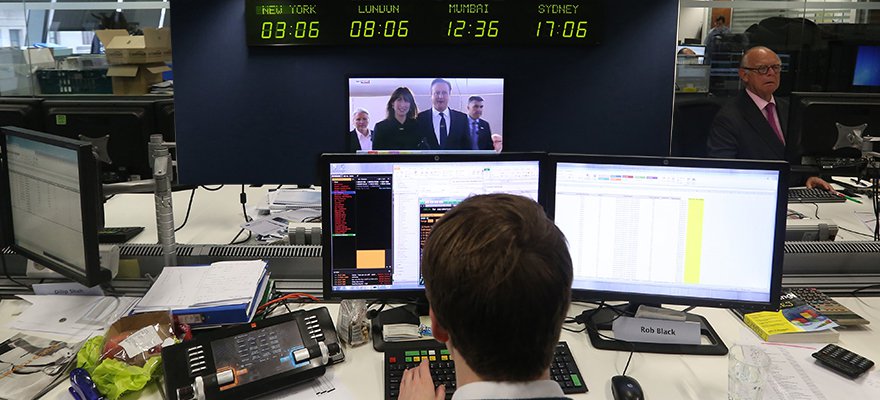
The set of regulations, which has the stated aim of enhancing the conduct of business rules for firms providing contract for difference products to retail clients, proposes a series of significant restrictions. Once implemented, these regulations could entirely change the face of trading as we know it, with major changes to CFDs, leverage and bonuses.
[gptAdvertisement]
These regulations could entirely change the face of the trading as we know it
Essentially, the restrictions outlined by the British watchdog include enhanced disclosure requirements, where all firms must provide a risk warning on trading CFDs and visibly display the firm’s average client profit-loss performance.
The proposal also specifies lower leverage limits, where clients with less than 12 months of active trading experience will have access to a maximum leverage of 25:1, and those who can demonstrate trading experience will have access to a maximum leverage of 50:1. In addition to this, there is also a prohibition on bonus promotions, particularly those used to attract new clients.
What was happening until now?
Prior to the development of these stringent regulation proposals, there is no question that the reputation of the industry was rapidly dwindling into disrepute. Throughout the '70s and '80s the providers of retail CFDs were almost exclusively the domain of financially sophisticated retail investors and involved telephone based broking.
Since this time, the increased popularity of CFD trading products has been attributed to a number of factors:
The ability to trade on margin and to trade short and long.
Tax efficiency. Typically there is no stamp duty for CFDs on equity. Spread betting also has no capital gains tax.
The opportunity to gain exposure to assets, such as commodities or an index that would otherwise be out of the price range of most retail clients.
The client’s direct accessibility that is afforded by online platforms, in terms of executing trading controls and orders.
These provisions contributed to a much larger pool of traders, who unlike trained investors, possessed much less knowledge about trading and had far less financial reserves to cover their losses.
The development of online trading platforms significantly contributed to the growth of small firms that provide services across borders. The use of internet trading platforms has dramatically lowered the cost of setting up shop, making it much easier to manage their business on an international level.
Yet, not only is it easier to operate an international brokerage service, the digital era has also made it much easier to market CFD trading to an audience scattered across the globe. Using online digital marketing methods such as Search Engine Optimization, social media and online banner adverts, brokerages have been able to generate mass-market awareness of their offerings as they attract prospective leads to their websites.
The enhanced disclosure requirement was born out of the identified need to change the behavior of clients as they look to open a CFD account.
Through its investigation, the FCA identified that “firms often failed to clearly set out the high risk, leverage and OTC nature of these products."
"In particular, risk disclosures and warnings often did not clearly explain the potential for rapid losses that could exceed deposited funds, or these messages were diluted by the way warnings were presented or countered by statements about potential profits.”
The policy therefore seeks to ensure that the inherent risk is clearly stated and in an easily comprehensible way, such as the definitive percentages of the brokerage’s profit and loss results of their clients.
Whilst this is a significant, compared to the outright marketing bans in France and Britain, this disclosure requirement is not as severe as it potentially could be. Similarly, the ban on bonuses also came out of concerns that misleading information was being used to entice traders.
The situation with leverage was identified as being not much better
The FCA identified a number of flawed implications of the bonus programs. Bonuses are typically offered to clients upon placing a trade, but then became contingent on the client reaching a certain volume of trades. The funds are applied to the trader’s initial margin, and once that total margin is leveraged, it exposes clients to even greater potential losses.
The FCA added that in their investigations, clients are often not aware of the actual conditions around using bonuses and often reported difficulties in withdrawing their funds once a bonus promotion has been applied.
The situation with leverage was identified as being not much better. Brokers would apply leverage to an account to enhance the trader’s exposure of the underlying financial asset, so that it incurs the potential to multiply winnings, but by the same token, multiplies the potential for losses.
In its assessment, the FCA found that in conditions of ‘normal’ market volatility, a client is likely to make a loss due to automatic margin closeouts set by the brokerage firm. This means that because brokerages typically set their margin closeouts at 50% of the initial margin posted, with a leverage ratio of 500:1, a 0.1% fluctuation in the price of an instrument is all that would be required to trigger an automatic close out of the client’s position.
The report also addressed the inequality in the manner that leverage was applied, whereby the leverage would vary according to the credit risk of the firm, rather than a level appropriate for the client. Higher leverage levels were given to traders with smaller deposits, while lower levels were attributed to clients taking larger trading positions. This is a practice that the FCA felt was unfairly “targeting lower value and less experienced clients.”
How these restrictions are going to affect retail brokers?
According to the FCA’s own cost benefit analysis of the expected indirect costs to brokerage firms, the proposals would cause dramatic changes to the industry’s operation in the UK. “We expect that these measures will reduce the overall number of clients, the total volume and value of trades and total firm revenues.”
To begin with, the disclosure statement and risk warnings could have the impact of reducing the total number of retail clients, particularly those clients who lack the necessary knowledge and money to trade. In relation to the collective ban on bonuses, many brokers feel that this represents a major barrier that will be difficult to overcome. Often a broker’s online business model heavily depends on rewards to convert and retain users.
Already, many brokers are looking at alternatives to outright deposit bonuses that will still meet these new requirements, mitigating the restrictions whilst still retaining a vital part of their business operations.
In relation to leverage, the FCA anticipated that at least 40% of retail clients would be classified as inexperienced and 60% as experienced. Their modeling anticipated that market maker brokerages earn on average £400 from inexperienced traders and £3,500 from experienced retail clients.
With the implementation of the suggested leverage caps, the FCA expects that investor losses will be between 20% to 40% less, bringing earnings to £80 and £160 per inexperienced trader and between £700 and £1400 per experienced investor.
Bloomberg
The industry’s response
The degree to which brokerage firms are likely to welcome the proposed changes is going to come down to their structural set up. Brokers that tend to have a client base of more experienced traders, offer greater diversification in terms of investment instruments and are structured to provide STP, are likely to ride this wave of tightened regulation quite happily. However, the majority of brokerages who don’t share this set-up are going to be less than cordial in welcoming these new changes.
Naomi Ewart-Simcock, Head of the Chinese Desk at AFX Group in London, believes that these changes by the FCA is a move in the right direction and should come as good news, at least for STP brokers. These changes will have the effect of reducing the operational risks of the STP business model and effectively make their business an attractive entity for traders in the UK.
Ms Ewart-Simcock went on to explain that new rules to reduce leverage to 50:1 will reduce the incurred exposure of an STP broker, yet it is a leverage level that is still high enough to "speculate" the market and not “invest” in the market. “New rules will not only tidy up the mess which was built by ‘casino banking’, but will also take us back to a time when the market had a rhythm and could be analyzed.”
The outlook of many brokerage managers is that the new regulations will have the effect of creating consolidation
The outlook of many brokerage managers is that the new regulations will have the effect of creating consolidation amongst forex brokerages. It is expected that long term you will only see larger, established and better resourced brokerages with the necessary risk management business model in place, servicing the trading objectives of well capitalized and well informed players.
Smaller retail firms that are currently seen as “warehousing client risk”, will experience an externalization of their flows because they don’t have the necessary business model, nor enough capital, to either attract new clients or manage risk books.
The trader’s response
These changes might not necessarily mean the end of the small market maker brokerage in Britain, and for that they have to thank their traders. Inexperienced retail clients who typically trade in small amounts of just £100 or £200 may be rejected by larger established firms because they are no longer profitable.
Higher margin requirements will force brokers to increase the minimum size for opening an account. Inevitably, these clients who want to trade will simply channel their funds to brokers regulated under more lenient jurisdictions. While the CP does hold a clause requiring foreign brokerages marketing or operating in the UK to abide by these standards, there is little to stop a trader from venturing on to the web and seeking an overseas broker who will facilitate their trades.
According to Nicc Lewis, Chief Marketing Officer at Leverate: “Regulation relies on a three way partnership between the trader, who seeks consumer protection, the broker, who seeks trust and the ability to market freely, and the regulator, who seeks to moderate the balance between the broker and the trader while generating fees and taxes for the economy.
If the balance is upset, it may force brokers into reconsidering their position while giving an upper hand to small market maker brokerage’s who are characterized by enormous leverages and churning through clients. It could appear that regulators are coming down hard on the regulated while offshore companies appear to operate without restriction. Should brokers start abandoning stricter regulation, the regulator may start to see revenues decline.
The question is whether this trend will eventually pull the regulation pendulum into a more moderate position. In its current state, this body of regulation will make Britain one of the most stringent jurisdictions in the world, on par to America and Japan. If the objective of the regulator is to secure and protect the needs of the consumer, then creating a situation where they are forcing the traders to move toward offshore regulated brokerages is counterproductive to say the least.”
Instead of making it harder for brokers to achieve regulation and provide service for all retail traders, perhaps the FCA should be making it more difficult for unregulated brokers to operate. Perhaps the FCA should be seeking to ensure that brokerages that do meet retail traders' needs have a series of regulation that covers their operational environment, to create a situation where well-regulated options exist for all traders.
Whilst strong regulations for consumer protection is always a positive, the limitations that this regulation will bring in terms of hindering consumer freedom demands a reassessment. As it stands, it is questionable whether the FCA is ultimately protecting the retail trader’s interests and investing habits.
This article was written by Adinah Brown of Leverate.
The set of regulations, which has the stated aim of enhancing the conduct of business rules for firms providing contract for difference products to retail clients, proposes a series of significant restrictions. Once implemented, these regulations could entirely change the face of trading as we know it, with major changes to CFDs, leverage and bonuses.
[gptAdvertisement]
These regulations could entirely change the face of the trading as we know it
Essentially, the restrictions outlined by the British watchdog include enhanced disclosure requirements, where all firms must provide a risk warning on trading CFDs and visibly display the firm’s average client profit-loss performance.
The proposal also specifies lower leverage limits, where clients with less than 12 months of active trading experience will have access to a maximum leverage of 25:1, and those who can demonstrate trading experience will have access to a maximum leverage of 50:1. In addition to this, there is also a prohibition on bonus promotions, particularly those used to attract new clients.
What was happening until now?
Prior to the development of these stringent regulation proposals, there is no question that the reputation of the industry was rapidly dwindling into disrepute. Throughout the '70s and '80s the providers of retail CFDs were almost exclusively the domain of financially sophisticated retail investors and involved telephone based broking.
Since this time, the increased popularity of CFD trading products has been attributed to a number of factors:
The ability to trade on margin and to trade short and long.
Tax efficiency. Typically there is no stamp duty for CFDs on equity. Spread betting also has no capital gains tax.
The opportunity to gain exposure to assets, such as commodities or an index that would otherwise be out of the price range of most retail clients.
The client’s direct accessibility that is afforded by online platforms, in terms of executing trading controls and orders.
These provisions contributed to a much larger pool of traders, who unlike trained investors, possessed much less knowledge about trading and had far less financial reserves to cover their losses.
The development of online trading platforms significantly contributed to the growth of small firms that provide services across borders. The use of internet trading platforms has dramatically lowered the cost of setting up shop, making it much easier to manage their business on an international level.
Yet, not only is it easier to operate an international brokerage service, the digital era has also made it much easier to market CFD trading to an audience scattered across the globe. Using online digital marketing methods such as Search Engine Optimization, social media and online banner adverts, brokerages have been able to generate mass-market awareness of their offerings as they attract prospective leads to their websites.
The enhanced disclosure requirement was born out of the identified need to change the behavior of clients as they look to open a CFD account.
Through its investigation, the FCA identified that “firms often failed to clearly set out the high risk, leverage and OTC nature of these products."
"In particular, risk disclosures and warnings often did not clearly explain the potential for rapid losses that could exceed deposited funds, or these messages were diluted by the way warnings were presented or countered by statements about potential profits.”
The policy therefore seeks to ensure that the inherent risk is clearly stated and in an easily comprehensible way, such as the definitive percentages of the brokerage’s profit and loss results of their clients.
Whilst this is a significant, compared to the outright marketing bans in France and Britain, this disclosure requirement is not as severe as it potentially could be. Similarly, the ban on bonuses also came out of concerns that misleading information was being used to entice traders.
The situation with leverage was identified as being not much better
The FCA identified a number of flawed implications of the bonus programs. Bonuses are typically offered to clients upon placing a trade, but then became contingent on the client reaching a certain volume of trades. The funds are applied to the trader’s initial margin, and once that total margin is leveraged, it exposes clients to even greater potential losses.
The FCA added that in their investigations, clients are often not aware of the actual conditions around using bonuses and often reported difficulties in withdrawing their funds once a bonus promotion has been applied.
The situation with leverage was identified as being not much better. Brokers would apply leverage to an account to enhance the trader’s exposure of the underlying financial asset, so that it incurs the potential to multiply winnings, but by the same token, multiplies the potential for losses.
In its assessment, the FCA found that in conditions of ‘normal’ market volatility, a client is likely to make a loss due to automatic margin closeouts set by the brokerage firm. This means that because brokerages typically set their margin closeouts at 50% of the initial margin posted, with a leverage ratio of 500:1, a 0.1% fluctuation in the price of an instrument is all that would be required to trigger an automatic close out of the client’s position.
The report also addressed the inequality in the manner that leverage was applied, whereby the leverage would vary according to the credit risk of the firm, rather than a level appropriate for the client. Higher leverage levels were given to traders with smaller deposits, while lower levels were attributed to clients taking larger trading positions. This is a practice that the FCA felt was unfairly “targeting lower value and less experienced clients.”
How these restrictions are going to affect retail brokers?
According to the FCA’s own cost benefit analysis of the expected indirect costs to brokerage firms, the proposals would cause dramatic changes to the industry’s operation in the UK. “We expect that these measures will reduce the overall number of clients, the total volume and value of trades and total firm revenues.”
To begin with, the disclosure statement and risk warnings could have the impact of reducing the total number of retail clients, particularly those clients who lack the necessary knowledge and money to trade. In relation to the collective ban on bonuses, many brokers feel that this represents a major barrier that will be difficult to overcome. Often a broker’s online business model heavily depends on rewards to convert and retain users.
Already, many brokers are looking at alternatives to outright deposit bonuses that will still meet these new requirements, mitigating the restrictions whilst still retaining a vital part of their business operations.
In relation to leverage, the FCA anticipated that at least 40% of retail clients would be classified as inexperienced and 60% as experienced. Their modeling anticipated that market maker brokerages earn on average £400 from inexperienced traders and £3,500 from experienced retail clients.
With the implementation of the suggested leverage caps, the FCA expects that investor losses will be between 20% to 40% less, bringing earnings to £80 and £160 per inexperienced trader and between £700 and £1400 per experienced investor.
Bloomberg
The industry’s response
The degree to which brokerage firms are likely to welcome the proposed changes is going to come down to their structural set up. Brokers that tend to have a client base of more experienced traders, offer greater diversification in terms of investment instruments and are structured to provide STP, are likely to ride this wave of tightened regulation quite happily. However, the majority of brokerages who don’t share this set-up are going to be less than cordial in welcoming these new changes.
Naomi Ewart-Simcock, Head of the Chinese Desk at AFX Group in London, believes that these changes by the FCA is a move in the right direction and should come as good news, at least for STP brokers. These changes will have the effect of reducing the operational risks of the STP business model and effectively make their business an attractive entity for traders in the UK.
Ms Ewart-Simcock went on to explain that new rules to reduce leverage to 50:1 will reduce the incurred exposure of an STP broker, yet it is a leverage level that is still high enough to "speculate" the market and not “invest” in the market. “New rules will not only tidy up the mess which was built by ‘casino banking’, but will also take us back to a time when the market had a rhythm and could be analyzed.”
The outlook of many brokerage managers is that the new regulations will have the effect of creating consolidation
The outlook of many brokerage managers is that the new regulations will have the effect of creating consolidation amongst forex brokerages. It is expected that long term you will only see larger, established and better resourced brokerages with the necessary risk management business model in place, servicing the trading objectives of well capitalized and well informed players.
Smaller retail firms that are currently seen as “warehousing client risk”, will experience an externalization of their flows because they don’t have the necessary business model, nor enough capital, to either attract new clients or manage risk books.
The trader’s response
These changes might not necessarily mean the end of the small market maker brokerage in Britain, and for that they have to thank their traders. Inexperienced retail clients who typically trade in small amounts of just £100 or £200 may be rejected by larger established firms because they are no longer profitable.
Higher margin requirements will force brokers to increase the minimum size for opening an account. Inevitably, these clients who want to trade will simply channel their funds to brokers regulated under more lenient jurisdictions. While the CP does hold a clause requiring foreign brokerages marketing or operating in the UK to abide by these standards, there is little to stop a trader from venturing on to the web and seeking an overseas broker who will facilitate their trades.
According to Nicc Lewis, Chief Marketing Officer at Leverate: “Regulation relies on a three way partnership between the trader, who seeks consumer protection, the broker, who seeks trust and the ability to market freely, and the regulator, who seeks to moderate the balance between the broker and the trader while generating fees and taxes for the economy.
If the balance is upset, it may force brokers into reconsidering their position while giving an upper hand to small market maker brokerage’s who are characterized by enormous leverages and churning through clients. It could appear that regulators are coming down hard on the regulated while offshore companies appear to operate without restriction. Should brokers start abandoning stricter regulation, the regulator may start to see revenues decline.
The question is whether this trend will eventually pull the regulation pendulum into a more moderate position. In its current state, this body of regulation will make Britain one of the most stringent jurisdictions in the world, on par to America and Japan. If the objective of the regulator is to secure and protect the needs of the consumer, then creating a situation where they are forcing the traders to move toward offshore regulated brokerages is counterproductive to say the least.”
Instead of making it harder for brokers to achieve regulation and provide service for all retail traders, perhaps the FCA should be making it more difficult for unregulated brokers to operate. Perhaps the FCA should be seeking to ensure that brokerages that do meet retail traders' needs have a series of regulation that covers their operational environment, to create a situation where well-regulated options exist for all traders.
Whilst strong regulations for consumer protection is always a positive, the limitations that this regulation will bring in terms of hindering consumer freedom demands a reassessment. As it stands, it is questionable whether the FCA is ultimately protecting the retail trader’s interests and investing habits.
This article was written by Adinah Brown of Leverate.
iSAM Securities Adds Futures CFDs as Volatility Raises Demand for Consistent Pricing
Featured Videos
Hannah Hill on Innovation, Branding & Award-Winning Technology | Executive Interview | AXI
Hannah Hill on Innovation, Branding & Award-Winning Technology | Executive Interview | AXI
Hannah Hill on Innovation, Branding & Award-Winning Technology | Executive Interview | AXI
Hannah Hill on Innovation, Branding & Award-Winning Technology | Executive Interview | AXI
Recorded live at FMLS:25, this executive interview features Hannah Hill, Head of Brand and Sponsorship at AXI, in conversation with Finance Magnates, following AXI’s win for Most Innovative Broker of the Year 2025.
In this wide-ranging discussion, Hannah shares insights on:
🔹What winning the Finance Magnates award means for AXI’s credibility and innovation
🔹How the launch of AXI Select, the capital allocation program, is redefining industry standards
🔹The development and rollout of the AXI trading app across multiple markets
🔹Driving brand evolution alongside technological advancements
🔹Encouraging and recognizing teams behind the scenes
🔹The role of marketing, content, and social media in building product awareness
Hannah explains why standout products, strategic branding, and a focus on innovation are key to growing visibility and staying ahead in a competitive brokerage landscape.
🏆 Award Highlight: Most Innovative Broker of the Year 2025
👉 Subscribe to Finance Magnates for more executive interviews, industry insights, and exclusive coverage from the world’s leading financial events.
#FMLS25 #FinanceMagnates #MostInnovativeBroker #TradingTechnology #FinTech #Brokerage #ExecutiveInterview #AXI
Recorded live at FMLS:25, this executive interview features Hannah Hill, Head of Brand and Sponsorship at AXI, in conversation with Finance Magnates, following AXI’s win for Most Innovative Broker of the Year 2025.
In this wide-ranging discussion, Hannah shares insights on:
🔹What winning the Finance Magnates award means for AXI’s credibility and innovation
🔹How the launch of AXI Select, the capital allocation program, is redefining industry standards
🔹The development and rollout of the AXI trading app across multiple markets
🔹Driving brand evolution alongside technological advancements
🔹Encouraging and recognizing teams behind the scenes
🔹The role of marketing, content, and social media in building product awareness
Hannah explains why standout products, strategic branding, and a focus on innovation are key to growing visibility and staying ahead in a competitive brokerage landscape.
🏆 Award Highlight: Most Innovative Broker of the Year 2025
👉 Subscribe to Finance Magnates for more executive interviews, industry insights, and exclusive coverage from the world’s leading financial events.
#FMLS25 #FinanceMagnates #MostInnovativeBroker #TradingTechnology #FinTech #Brokerage #ExecutiveInterview #AXI
Recorded live at FMLS:25, this executive interview features Hannah Hill, Head of Brand and Sponsorship at AXI, in conversation with Finance Magnates, following AXI’s win for Most Innovative Broker of the Year 2025.
In this wide-ranging discussion, Hannah shares insights on:
🔹What winning the Finance Magnates award means for AXI’s credibility and innovation
🔹How the launch of AXI Select, the capital allocation program, is redefining industry standards
🔹The development and rollout of the AXI trading app across multiple markets
🔹Driving brand evolution alongside technological advancements
🔹Encouraging and recognizing teams behind the scenes
🔹The role of marketing, content, and social media in building product awareness
Hannah explains why standout products, strategic branding, and a focus on innovation are key to growing visibility and staying ahead in a competitive brokerage landscape.
🏆 Award Highlight: Most Innovative Broker of the Year 2025
👉 Subscribe to Finance Magnates for more executive interviews, industry insights, and exclusive coverage from the world’s leading financial events.
#FMLS25 #FinanceMagnates #MostInnovativeBroker #TradingTechnology #FinTech #Brokerage #ExecutiveInterview #AXI
Recorded live at FMLS:25, this executive interview features Hannah Hill, Head of Brand and Sponsorship at AXI, in conversation with Finance Magnates, following AXI’s win for Most Innovative Broker of the Year 2025.
In this wide-ranging discussion, Hannah shares insights on:
🔹What winning the Finance Magnates award means for AXI’s credibility and innovation
🔹How the launch of AXI Select, the capital allocation program, is redefining industry standards
🔹The development and rollout of the AXI trading app across multiple markets
🔹Driving brand evolution alongside technological advancements
🔹Encouraging and recognizing teams behind the scenes
🔹The role of marketing, content, and social media in building product awareness
Hannah explains why standout products, strategic branding, and a focus on innovation are key to growing visibility and staying ahead in a competitive brokerage landscape.
🏆 Award Highlight: Most Innovative Broker of the Year 2025
👉 Subscribe to Finance Magnates for more executive interviews, industry insights, and exclusive coverage from the world’s leading financial events.
#FMLS25 #FinanceMagnates #MostInnovativeBroker #TradingTechnology #FinTech #Brokerage #ExecutiveInterview #AXI
Executive Interview | Dor Eligula | Co-Founder & Chief Business Officer, BridgeWise | FMLS:25
Executive Interview | Dor Eligula | Co-Founder & Chief Business Officer, BridgeWise | FMLS:25
Executive Interview | Dor Eligula | Co-Founder & Chief Business Officer, BridgeWise | FMLS:25
Executive Interview | Dor Eligula | Co-Founder & Chief Business Officer, BridgeWise | FMLS:25
Executive Interview | Dor Eligula | Co-Founder & Chief Business Officer, BridgeWise | FMLS:25
Executive Interview | Dor Eligula | Co-Founder & Chief Business Officer, BridgeWise | FMLS:25
In this session, Jonathan Fine form Ultimate Group speaks with Dor Eligula from Bridgewise, a fast-growing AI-powered research and analytics firm supporting brokers and exchanges worldwide.
We start with Dor’s reaction to the Summit and then move to broker growth and the quick wins brokers often overlook. Dor shares where he sees “blue ocean” growth across Asian markets and how local client behaviour shapes demand.
We also discuss the rollout of AI across investment research. Dor gives real examples of how automation and human judgment meet at Bridgewise — including moments when analysts corrected AI output, and times when AI prevented an error.
We close with a practical question: how retail investors can actually use AI without falling into common traps.
In this session, Jonathan Fine form Ultimate Group speaks with Dor Eligula from Bridgewise, a fast-growing AI-powered research and analytics firm supporting brokers and exchanges worldwide.
We start with Dor’s reaction to the Summit and then move to broker growth and the quick wins brokers often overlook. Dor shares where he sees “blue ocean” growth across Asian markets and how local client behaviour shapes demand.
We also discuss the rollout of AI across investment research. Dor gives real examples of how automation and human judgment meet at Bridgewise — including moments when analysts corrected AI output, and times when AI prevented an error.
We close with a practical question: how retail investors can actually use AI without falling into common traps.
In this session, Jonathan Fine form Ultimate Group speaks with Dor Eligula from Bridgewise, a fast-growing AI-powered research and analytics firm supporting brokers and exchanges worldwide.
We start with Dor’s reaction to the Summit and then move to broker growth and the quick wins brokers often overlook. Dor shares where he sees “blue ocean” growth across Asian markets and how local client behaviour shapes demand.
We also discuss the rollout of AI across investment research. Dor gives real examples of how automation and human judgment meet at Bridgewise — including moments when analysts corrected AI output, and times when AI prevented an error.
We close with a practical question: how retail investors can actually use AI without falling into common traps.
In this session, Jonathan Fine form Ultimate Group speaks with Dor Eligula from Bridgewise, a fast-growing AI-powered research and analytics firm supporting brokers and exchanges worldwide.
We start with Dor’s reaction to the Summit and then move to broker growth and the quick wins brokers often overlook. Dor shares where he sees “blue ocean” growth across Asian markets and how local client behaviour shapes demand.
We also discuss the rollout of AI across investment research. Dor gives real examples of how automation and human judgment meet at Bridgewise — including moments when analysts corrected AI output, and times when AI prevented an error.
We close with a practical question: how retail investors can actually use AI without falling into common traps.
In this session, Jonathan Fine form Ultimate Group speaks with Dor Eligula from Bridgewise, a fast-growing AI-powered research and analytics firm supporting brokers and exchanges worldwide.
We start with Dor’s reaction to the Summit and then move to broker growth and the quick wins brokers often overlook. Dor shares where he sees “blue ocean” growth across Asian markets and how local client behaviour shapes demand.
We also discuss the rollout of AI across investment research. Dor gives real examples of how automation and human judgment meet at Bridgewise — including moments when analysts corrected AI output, and times when AI prevented an error.
We close with a practical question: how retail investors can actually use AI without falling into common traps.
In this session, Jonathan Fine form Ultimate Group speaks with Dor Eligula from Bridgewise, a fast-growing AI-powered research and analytics firm supporting brokers and exchanges worldwide.
We start with Dor’s reaction to the Summit and then move to broker growth and the quick wins brokers often overlook. Dor shares where he sees “blue ocean” growth across Asian markets and how local client behaviour shapes demand.
We also discuss the rollout of AI across investment research. Dor gives real examples of how automation and human judgment meet at Bridgewise — including moments when analysts corrected AI output, and times when AI prevented an error.
We close with a practical question: how retail investors can actually use AI without falling into common traps.
Brendan Callan joined us fresh off the Summit’s most anticipated debate: “Is Prop Trading Good for the Industry?” Brendan argued against the motion — and the audience voted him the winner.
In this interview, Brendan explains the reasoning behind his position. He walks through the message he believes many firms avoid: that the current prop trading model is too dependent on fees, too loose on risk, and too confusing for retail audiences.
We discuss why he thinks the model grew fast, why it may run into walls, and what he believes is needed for a cleaner, more responsible version of prop trading.
This is Brendan at his frankest — sharp, grounded, and very clear about what changes are overdue.
Brendan Callan joined us fresh off the Summit’s most anticipated debate: “Is Prop Trading Good for the Industry?” Brendan argued against the motion — and the audience voted him the winner.
In this interview, Brendan explains the reasoning behind his position. He walks through the message he believes many firms avoid: that the current prop trading model is too dependent on fees, too loose on risk, and too confusing for retail audiences.
We discuss why he thinks the model grew fast, why it may run into walls, and what he believes is needed for a cleaner, more responsible version of prop trading.
This is Brendan at his frankest — sharp, grounded, and very clear about what changes are overdue.
Brendan Callan joined us fresh off the Summit’s most anticipated debate: “Is Prop Trading Good for the Industry?” Brendan argued against the motion — and the audience voted him the winner.
In this interview, Brendan explains the reasoning behind his position. He walks through the message he believes many firms avoid: that the current prop trading model is too dependent on fees, too loose on risk, and too confusing for retail audiences.
We discuss why he thinks the model grew fast, why it may run into walls, and what he believes is needed for a cleaner, more responsible version of prop trading.
This is Brendan at his frankest — sharp, grounded, and very clear about what changes are overdue.
Brendan Callan joined us fresh off the Summit’s most anticipated debate: “Is Prop Trading Good for the Industry?” Brendan argued against the motion — and the audience voted him the winner.
In this interview, Brendan explains the reasoning behind his position. He walks through the message he believes many firms avoid: that the current prop trading model is too dependent on fees, too loose on risk, and too confusing for retail audiences.
We discuss why he thinks the model grew fast, why it may run into walls, and what he believes is needed for a cleaner, more responsible version of prop trading.
This is Brendan at his frankest — sharp, grounded, and very clear about what changes are overdue.
Brendan Callan joined us fresh off the Summit’s most anticipated debate: “Is Prop Trading Good for the Industry?” Brendan argued against the motion — and the audience voted him the winner.
In this interview, Brendan explains the reasoning behind his position. He walks through the message he believes many firms avoid: that the current prop trading model is too dependent on fees, too loose on risk, and too confusing for retail audiences.
We discuss why he thinks the model grew fast, why it may run into walls, and what he believes is needed for a cleaner, more responsible version of prop trading.
This is Brendan at his frankest — sharp, grounded, and very clear about what changes are overdue.
Brendan Callan joined us fresh off the Summit’s most anticipated debate: “Is Prop Trading Good for the Industry?” Brendan argued against the motion — and the audience voted him the winner.
In this interview, Brendan explains the reasoning behind his position. He walks through the message he believes many firms avoid: that the current prop trading model is too dependent on fees, too loose on risk, and too confusing for retail audiences.
We discuss why he thinks the model grew fast, why it may run into walls, and what he believes is needed for a cleaner, more responsible version of prop trading.
This is Brendan at his frankest — sharp, grounded, and very clear about what changes are overdue.
Elina Pedersen on Growth, Stability & Ultra-Low Latency | Executive Interview | Your Bourse
Elina Pedersen on Growth, Stability & Ultra-Low Latency | Executive Interview | Your Bourse
Elina Pedersen on Growth, Stability & Ultra-Low Latency | Executive Interview | Your Bourse
Elina Pedersen on Growth, Stability & Ultra-Low Latency | Executive Interview | Your Bourse
Elina Pedersen on Growth, Stability & Ultra-Low Latency | Executive Interview | Your Bourse
Elina Pedersen on Growth, Stability & Ultra-Low Latency | Executive Interview | Your Bourse
Recorded live at FMLS:25 London, this executive interview features Elina Pedersen, in conversation with Finance Magnates, following her company’s win for Best Connectivity 2025.
🔹In this wide-ranging discussion, Elina shares insights on:
🔹What winning a Finance Magnates award means for credibility and reputation
🔹How broker demand for stability and reliability is driving rapid growth
🔹The launch of a new trade server enabling flexible front-end integrations
🔹Why ultra-low latency must be proven with data, not buzzwords
🔹Common mistakes brokers make when scaling globally
🔹Educating the industry through a newly launched Dealers Academy
🔹Where AI fits into trading infrastructure and where it doesn’t
Elina explains why resilient back-end infrastructure, deep client partnerships, and disciplined focus are critical for brokers looking to scale sustainably in today’s competitive market.
🏆 Award Highlight: Best Connectivity 2025
👉 Subscribe to Finance Magnates for more executive interviews, industry insights, and exclusive coverage from the world’s leading financial events.
#FMLS25 #FinanceMagnates #BestConnectivity #TradingTechnology #UltraLowLatency #FinTech #Brokerage #ExecutiveInterview
Recorded live at FMLS:25 London, this executive interview features Elina Pedersen, in conversation with Finance Magnates, following her company’s win for Best Connectivity 2025.
🔹In this wide-ranging discussion, Elina shares insights on:
🔹What winning a Finance Magnates award means for credibility and reputation
🔹How broker demand for stability and reliability is driving rapid growth
🔹The launch of a new trade server enabling flexible front-end integrations
🔹Why ultra-low latency must be proven with data, not buzzwords
🔹Common mistakes brokers make when scaling globally
🔹Educating the industry through a newly launched Dealers Academy
🔹Where AI fits into trading infrastructure and where it doesn’t
Elina explains why resilient back-end infrastructure, deep client partnerships, and disciplined focus are critical for brokers looking to scale sustainably in today’s competitive market.
🏆 Award Highlight: Best Connectivity 2025
👉 Subscribe to Finance Magnates for more executive interviews, industry insights, and exclusive coverage from the world’s leading financial events.
#FMLS25 #FinanceMagnates #BestConnectivity #TradingTechnology #UltraLowLatency #FinTech #Brokerage #ExecutiveInterview
Recorded live at FMLS:25 London, this executive interview features Elina Pedersen, in conversation with Finance Magnates, following her company’s win for Best Connectivity 2025.
🔹In this wide-ranging discussion, Elina shares insights on:
🔹What winning a Finance Magnates award means for credibility and reputation
🔹How broker demand for stability and reliability is driving rapid growth
🔹The launch of a new trade server enabling flexible front-end integrations
🔹Why ultra-low latency must be proven with data, not buzzwords
🔹Common mistakes brokers make when scaling globally
🔹Educating the industry through a newly launched Dealers Academy
🔹Where AI fits into trading infrastructure and where it doesn’t
Elina explains why resilient back-end infrastructure, deep client partnerships, and disciplined focus are critical for brokers looking to scale sustainably in today’s competitive market.
🏆 Award Highlight: Best Connectivity 2025
👉 Subscribe to Finance Magnates for more executive interviews, industry insights, and exclusive coverage from the world’s leading financial events.
#FMLS25 #FinanceMagnates #BestConnectivity #TradingTechnology #UltraLowLatency #FinTech #Brokerage #ExecutiveInterview
Recorded live at FMLS:25 London, this executive interview features Elina Pedersen, in conversation with Finance Magnates, following her company’s win for Best Connectivity 2025.
🔹In this wide-ranging discussion, Elina shares insights on:
🔹What winning a Finance Magnates award means for credibility and reputation
🔹How broker demand for stability and reliability is driving rapid growth
🔹The launch of a new trade server enabling flexible front-end integrations
🔹Why ultra-low latency must be proven with data, not buzzwords
🔹Common mistakes brokers make when scaling globally
🔹Educating the industry through a newly launched Dealers Academy
🔹Where AI fits into trading infrastructure and where it doesn’t
Elina explains why resilient back-end infrastructure, deep client partnerships, and disciplined focus are critical for brokers looking to scale sustainably in today’s competitive market.
🏆 Award Highlight: Best Connectivity 2025
👉 Subscribe to Finance Magnates for more executive interviews, industry insights, and exclusive coverage from the world’s leading financial events.
#FMLS25 #FinanceMagnates #BestConnectivity #TradingTechnology #UltraLowLatency #FinTech #Brokerage #ExecutiveInterview
Recorded live at FMLS:25 London, this executive interview features Elina Pedersen, in conversation with Finance Magnates, following her company’s win for Best Connectivity 2025.
🔹In this wide-ranging discussion, Elina shares insights on:
🔹What winning a Finance Magnates award means for credibility and reputation
🔹How broker demand for stability and reliability is driving rapid growth
🔹The launch of a new trade server enabling flexible front-end integrations
🔹Why ultra-low latency must be proven with data, not buzzwords
🔹Common mistakes brokers make when scaling globally
🔹Educating the industry through a newly launched Dealers Academy
🔹Where AI fits into trading infrastructure and where it doesn’t
Elina explains why resilient back-end infrastructure, deep client partnerships, and disciplined focus are critical for brokers looking to scale sustainably in today’s competitive market.
🏆 Award Highlight: Best Connectivity 2025
👉 Subscribe to Finance Magnates for more executive interviews, industry insights, and exclusive coverage from the world’s leading financial events.
#FMLS25 #FinanceMagnates #BestConnectivity #TradingTechnology #UltraLowLatency #FinTech #Brokerage #ExecutiveInterview
Recorded live at FMLS:25 London, this executive interview features Elina Pedersen, in conversation with Finance Magnates, following her company’s win for Best Connectivity 2025.
🔹In this wide-ranging discussion, Elina shares insights on:
🔹What winning a Finance Magnates award means for credibility and reputation
🔹How broker demand for stability and reliability is driving rapid growth
🔹The launch of a new trade server enabling flexible front-end integrations
🔹Why ultra-low latency must be proven with data, not buzzwords
🔹Common mistakes brokers make when scaling globally
🔹Educating the industry through a newly launched Dealers Academy
🔹Where AI fits into trading infrastructure and where it doesn’t
Elina explains why resilient back-end infrastructure, deep client partnerships, and disciplined focus are critical for brokers looking to scale sustainably in today’s competitive market.
🏆 Award Highlight: Best Connectivity 2025
👉 Subscribe to Finance Magnates for more executive interviews, industry insights, and exclusive coverage from the world’s leading financial events.
#FMLS25 #FinanceMagnates #BestConnectivity #TradingTechnology #UltraLowLatency #FinTech #Brokerage #ExecutiveInterview
In this video, we take an in-depth look at @BlueberryMarketsForex , a forex and CFD broker operating since 2016, offering access to multiple trading platforms, over 1,000 instruments, and flexible account types for different trading styles.
We break down Blueberry’s regulatory structure, including its Australian Financial Services License (AFSL), as well as its authorisation and registrations in other jurisdictions. The review also covers supported platforms such as MetaTrader 4, MetaTrader 5, cTrader, TradingView, Blueberry.X, and web-based trading.
You’ll learn about available instruments across forex, commodities, indices, share CFDs, and crypto CFDs, along with leverage options, minimum and maximum trade sizes, and how Blueberry structures its Standard and Raw accounts.
We also explain spreads, commissions, swap rates, swap-free account availability, funding and withdrawal methods, processing times, and what traders can expect from customer support and additional services.
Watch the full review to see whether Blueberry’s trading setup aligns with your experience level, strategy, and risk tolerance.
📣 Stay up to date with the latest in finance and trading. Follow Finance Magnates for industry news, insights, and global event coverage.
Connect with us:
🔗 LinkedIn: /financemagnates
👍 Facebook: /financemagnates
📸 Instagram: https://www.instagram.com/financemagnates
🐦 X: https://x.com/financemagnates
🎥 TikTok: https://www.tiktok.com/tag/financemagnates
▶️ YouTube: /@financemagnates_official
#Blueberry #BlueberryMarkets #BrokerReview #ForexBroker #CFDTrading #OnlineTrading #FinanceMagnates #TradingPlatforms #MarketInsights
In this video, we take an in-depth look at @BlueberryMarketsForex , a forex and CFD broker operating since 2016, offering access to multiple trading platforms, over 1,000 instruments, and flexible account types for different trading styles.
We break down Blueberry’s regulatory structure, including its Australian Financial Services License (AFSL), as well as its authorisation and registrations in other jurisdictions. The review also covers supported platforms such as MetaTrader 4, MetaTrader 5, cTrader, TradingView, Blueberry.X, and web-based trading.
You’ll learn about available instruments across forex, commodities, indices, share CFDs, and crypto CFDs, along with leverage options, minimum and maximum trade sizes, and how Blueberry structures its Standard and Raw accounts.
We also explain spreads, commissions, swap rates, swap-free account availability, funding and withdrawal methods, processing times, and what traders can expect from customer support and additional services.
Watch the full review to see whether Blueberry’s trading setup aligns with your experience level, strategy, and risk tolerance.
📣 Stay up to date with the latest in finance and trading. Follow Finance Magnates for industry news, insights, and global event coverage.
Connect with us:
🔗 LinkedIn: /financemagnates
👍 Facebook: /financemagnates
📸 Instagram: https://www.instagram.com/financemagnates
🐦 X: https://x.com/financemagnates
🎥 TikTok: https://www.tiktok.com/tag/financemagnates
▶️ YouTube: /@financemagnates_official
#Blueberry #BlueberryMarkets #BrokerReview #ForexBroker #CFDTrading #OnlineTrading #FinanceMagnates #TradingPlatforms #MarketInsights
In this video, we take an in-depth look at @BlueberryMarketsForex , a forex and CFD broker operating since 2016, offering access to multiple trading platforms, over 1,000 instruments, and flexible account types for different trading styles.
We break down Blueberry’s regulatory structure, including its Australian Financial Services License (AFSL), as well as its authorisation and registrations in other jurisdictions. The review also covers supported platforms such as MetaTrader 4, MetaTrader 5, cTrader, TradingView, Blueberry.X, and web-based trading.
You’ll learn about available instruments across forex, commodities, indices, share CFDs, and crypto CFDs, along with leverage options, minimum and maximum trade sizes, and how Blueberry structures its Standard and Raw accounts.
We also explain spreads, commissions, swap rates, swap-free account availability, funding and withdrawal methods, processing times, and what traders can expect from customer support and additional services.
Watch the full review to see whether Blueberry’s trading setup aligns with your experience level, strategy, and risk tolerance.
📣 Stay up to date with the latest in finance and trading. Follow Finance Magnates for industry news, insights, and global event coverage.
Connect with us:
🔗 LinkedIn: /financemagnates
👍 Facebook: /financemagnates
📸 Instagram: https://www.instagram.com/financemagnates
🐦 X: https://x.com/financemagnates
🎥 TikTok: https://www.tiktok.com/tag/financemagnates
▶️ YouTube: /@financemagnates_official
#Blueberry #BlueberryMarkets #BrokerReview #ForexBroker #CFDTrading #OnlineTrading #FinanceMagnates #TradingPlatforms #MarketInsights
In this video, we take an in-depth look at @BlueberryMarketsForex , a forex and CFD broker operating since 2016, offering access to multiple trading platforms, over 1,000 instruments, and flexible account types for different trading styles.
We break down Blueberry’s regulatory structure, including its Australian Financial Services License (AFSL), as well as its authorisation and registrations in other jurisdictions. The review also covers supported platforms such as MetaTrader 4, MetaTrader 5, cTrader, TradingView, Blueberry.X, and web-based trading.
You’ll learn about available instruments across forex, commodities, indices, share CFDs, and crypto CFDs, along with leverage options, minimum and maximum trade sizes, and how Blueberry structures its Standard and Raw accounts.
We also explain spreads, commissions, swap rates, swap-free account availability, funding and withdrawal methods, processing times, and what traders can expect from customer support and additional services.
Watch the full review to see whether Blueberry’s trading setup aligns with your experience level, strategy, and risk tolerance.
📣 Stay up to date with the latest in finance and trading. Follow Finance Magnates for industry news, insights, and global event coverage.
Connect with us:
🔗 LinkedIn: /financemagnates
👍 Facebook: /financemagnates
📸 Instagram: https://www.instagram.com/financemagnates
🐦 X: https://x.com/financemagnates
🎥 TikTok: https://www.tiktok.com/tag/financemagnates
▶️ YouTube: /@financemagnates_official
#Blueberry #BlueberryMarkets #BrokerReview #ForexBroker #CFDTrading #OnlineTrading #FinanceMagnates #TradingPlatforms #MarketInsights
In this video, we take an in-depth look at @BlueberryMarketsForex , a forex and CFD broker operating since 2016, offering access to multiple trading platforms, over 1,000 instruments, and flexible account types for different trading styles.
We break down Blueberry’s regulatory structure, including its Australian Financial Services License (AFSL), as well as its authorisation and registrations in other jurisdictions. The review also covers supported platforms such as MetaTrader 4, MetaTrader 5, cTrader, TradingView, Blueberry.X, and web-based trading.
You’ll learn about available instruments across forex, commodities, indices, share CFDs, and crypto CFDs, along with leverage options, minimum and maximum trade sizes, and how Blueberry structures its Standard and Raw accounts.
We also explain spreads, commissions, swap rates, swap-free account availability, funding and withdrawal methods, processing times, and what traders can expect from customer support and additional services.
Watch the full review to see whether Blueberry’s trading setup aligns with your experience level, strategy, and risk tolerance.
📣 Stay up to date with the latest in finance and trading. Follow Finance Magnates for industry news, insights, and global event coverage.
Connect with us:
🔗 LinkedIn: /financemagnates
👍 Facebook: /financemagnates
📸 Instagram: https://www.instagram.com/financemagnates
🐦 X: https://x.com/financemagnates
🎥 TikTok: https://www.tiktok.com/tag/financemagnates
▶️ YouTube: /@financemagnates_official
#Blueberry #BlueberryMarkets #BrokerReview #ForexBroker #CFDTrading #OnlineTrading #FinanceMagnates #TradingPlatforms #MarketInsights
In this video, we take an in-depth look at @BlueberryMarketsForex , a forex and CFD broker operating since 2016, offering access to multiple trading platforms, over 1,000 instruments, and flexible account types for different trading styles.
We break down Blueberry’s regulatory structure, including its Australian Financial Services License (AFSL), as well as its authorisation and registrations in other jurisdictions. The review also covers supported platforms such as MetaTrader 4, MetaTrader 5, cTrader, TradingView, Blueberry.X, and web-based trading.
You’ll learn about available instruments across forex, commodities, indices, share CFDs, and crypto CFDs, along with leverage options, minimum and maximum trade sizes, and how Blueberry structures its Standard and Raw accounts.
We also explain spreads, commissions, swap rates, swap-free account availability, funding and withdrawal methods, processing times, and what traders can expect from customer support and additional services.
Watch the full review to see whether Blueberry’s trading setup aligns with your experience level, strategy, and risk tolerance.
📣 Stay up to date with the latest in finance and trading. Follow Finance Magnates for industry news, insights, and global event coverage.
Connect with us:
🔗 LinkedIn: /financemagnates
👍 Facebook: /financemagnates
📸 Instagram: https://www.instagram.com/financemagnates
🐦 X: https://x.com/financemagnates
🎥 TikTok: https://www.tiktok.com/tag/financemagnates
▶️ YouTube: /@financemagnates_official
#Blueberry #BlueberryMarkets #BrokerReview #ForexBroker #CFDTrading #OnlineTrading #FinanceMagnates #TradingPlatforms #MarketInsights