
In this week's Fintech Spotlight, we meet Neighborly and their platform, connecting investors with municipal projects that they care about.
Having grown up in San Diego and following the local sports teams, I became a pretty avid fan of the Chargers. Even though I am now years removed from living there and reside on the other side of world, I’ll still find myself following up on my favorite NFL team and overall news from the city.
For Charger fans, it’s become a bit of a tough time as the team faces a possible relocation to Los Angeles if a new stadium can’t be built. But, what if instead of having to tap public money, fans could utilize a crowdfunding campaign, with the possibility of acquiring a small ownership stake or other incentives to raise a portion of funds needed to build a new stadium. In a different case, but similarly affecting California, William Shatner floated the idea of a multi-billion dollar Kickstarter campaign to solve the state’s water crisis.
Perhaps crowdfunding could and should be the future of public finance. Such a model would allow citizens to back projects that they care about, and possibly even make a by participating in the deal.
Neighborly is making it easier for citizens to invest in their local community
One firm aiming to make this a reality is Neighborly. Based in San Francisco and counting Ashton Kutcher among its list of investors, Neighborly is creating a platform to allow its users to invest in municipal projects they care about. The platform works by listing municipal bond offerings and their associated project, with investors able to review programs they want to back and invest in. While not yet a pure crowdfunding platform for public finance, Neighborly appears to be bringing us a step closer to this reality by connecting investors with specific municipal projects they care about.
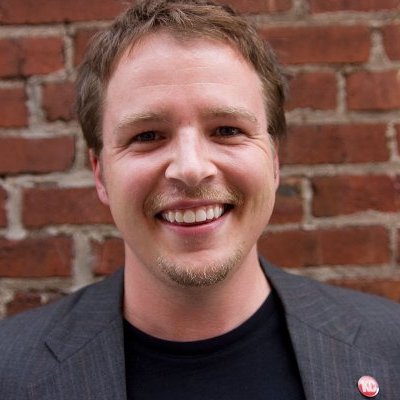
Taking a closer look at Neighborly, and to learn whether crowdfunding can become the future of public finance, in today’s Fintech Spotlight we connect with Neighborly CEO Jase Wilson for a Q&A session. Among topics of discussion are my Chargers, whether municipalities will partner with crowdfunding platforms, and Neighborly’s upcoming launch.
Just to understand the business model correctly, is Neighborly slicing up municipal bonds to make them more accessible for investors or are you creating a different type of investable security?
Neighborly is making it easier for citizens to invest in their local community by eliminating all the barriers and hurdles to finding the right municipal bond and making that investment. We are selling whole bonds, not slicing them up. The best part is that anyone can invest -- you do not need to be accredited or meet a minimum level of investment savviness. Any retail investor who wants to be able to support their community can join and invest with Neighborly.
In the long run, we plan to work with the industry to help bring down the minimum denomination, currently at about $5,000 per bond, so we can bring many more people into the market.
Currently, none. This is already happening everyday. We are simply making it easier to invest, though someday we might explore better ways for communities to borrow in the first place.
As a crowdfunding platform for munis, have any of the rules from the JOBS Act been necessary for Neighborly to come to market?
Proudly to say, nope! Anyone can invest, regardless of income level or education. Our buyers consist of people across the US from all backgrounds.
What municipalities is Neighborly working with to assist in creating debt sells that best fit your audience?
Do you envision that in the future Neighborly investors will band together to suggest public finance projects for municipalities to work on?
Yes, definitely. That's a long-term play given the momentum required to pull off an effort like that but it's definitely something we'd love to do.
Currently in California there are two NFL teams (the San Diego Chargers and Oakland Raiders) that potentially will be moving to LA. In this example you have large populations that don't want to see taxes raised to keep their teams. Do you envision in the future that municipalities will begin to use crowdfunding for public finance to raise money for projects such as sports teams where only a portion of the population has a strong desire for the end-product?
That's an interesting example because there is high affinity among a select group of individuals. It's been a hot topic in the news lately. In fact, there was a recent segment on John Oliver's Last Week Tonight about this exact topic. Neighborly doesn't take a position on this right now except to say that whatever route cities decide to take, we will be there to help the city/team/fans raise the money necessary to build better and safer stadiums.
What are Neighborly's launch plans in terms of timing and states you plan offering investments in?
We will likely start with high-affinity muni bonds, like parks, green spaces, and education. We've noticed strong interest in California, New York, Missouri, and Illinois. That said, we are open to working with any municipalities that are excited about what we are trying to do.
Fintech Spotlight is a new column on Finance Magnates devoted to reviewing innovative financial technology companies and sector trends.
Having grown up in San Diego and following the local sports teams, I became a pretty avid fan of the Chargers. Even though I am now years removed from living there and reside on the other side of world, I’ll still find myself following up on my favorite NFL team and overall news from the city.
For Charger fans, it’s become a bit of a tough time as the team faces a possible relocation to Los Angeles if a new stadium can’t be built. But, what if instead of having to tap public money, fans could utilize a crowdfunding campaign, with the possibility of acquiring a small ownership stake or other incentives to raise a portion of funds needed to build a new stadium. In a different case, but similarly affecting California, William Shatner floated the idea of a multi-billion dollar Kickstarter campaign to solve the state’s water crisis.
Perhaps crowdfunding could and should be the future of public finance. Such a model would allow citizens to back projects that they care about, and possibly even make a by participating in the deal.
Neighborly is making it easier for citizens to invest in their local community
One firm aiming to make this a reality is Neighborly. Based in San Francisco and counting Ashton Kutcher among its list of investors, Neighborly is creating a platform to allow its users to invest in municipal projects they care about. The platform works by listing municipal bond offerings and their associated project, with investors able to review programs they want to back and invest in. While not yet a pure crowdfunding platform for public finance, Neighborly appears to be bringing us a step closer to this reality by connecting investors with specific municipal projects they care about.
Taking a closer look at Neighborly, and to learn whether crowdfunding can become the future of public finance, in today’s Fintech Spotlight we connect with Neighborly CEO Jase Wilson for a Q&A session. Among topics of discussion are my Chargers, whether municipalities will partner with crowdfunding platforms, and Neighborly’s upcoming launch.
Just to understand the business model correctly, is Neighborly slicing up municipal bonds to make them more accessible for investors or are you creating a different type of investable security?
Neighborly is making it easier for citizens to invest in their local community by eliminating all the barriers and hurdles to finding the right municipal bond and making that investment. We are selling whole bonds, not slicing them up. The best part is that anyone can invest -- you do not need to be accredited or meet a minimum level of investment savviness. Any retail investor who wants to be able to support their community can join and invest with Neighborly.
In the long run, we plan to work with the industry to help bring down the minimum denomination, currently at about $5,000 per bond, so we can bring many more people into the market.
Currently, none. This is already happening everyday. We are simply making it easier to invest, though someday we might explore better ways for communities to borrow in the first place.
As a crowdfunding platform for munis, have any of the rules from the JOBS Act been necessary for Neighborly to come to market?
Proudly to say, nope! Anyone can invest, regardless of income level or education. Our buyers consist of people across the US from all backgrounds.
What municipalities is Neighborly working with to assist in creating debt sells that best fit your audience?
Do you envision that in the future Neighborly investors will band together to suggest public finance projects for municipalities to work on?
Yes, definitely. That's a long-term play given the momentum required to pull off an effort like that but it's definitely something we'd love to do.
Currently in California there are two NFL teams (the San Diego Chargers and Oakland Raiders) that potentially will be moving to LA. In this example you have large populations that don't want to see taxes raised to keep their teams. Do you envision in the future that municipalities will begin to use crowdfunding for public finance to raise money for projects such as sports teams where only a portion of the population has a strong desire for the end-product?
That's an interesting example because there is high affinity among a select group of individuals. It's been a hot topic in the news lately. In fact, there was a recent segment on John Oliver's Last Week Tonight about this exact topic. Neighborly doesn't take a position on this right now except to say that whatever route cities decide to take, we will be there to help the city/team/fans raise the money necessary to build better and safer stadiums.
What are Neighborly's launch plans in terms of timing and states you plan offering investments in?
We will likely start with high-affinity muni bonds, like parks, green spaces, and education. We've noticed strong interest in California, New York, Missouri, and Illinois. That said, we are open to working with any municipalities that are excited about what we are trying to do.
Fintech Spotlight is a new column on Finance Magnates devoted to reviewing innovative financial technology companies and sector trends.
Visa Brings Stablecoins to Main Street Banking With U.S. Rollout
Featured Videos
Executive Interview | Charlotte Bullock | Chief Product Officer, Bank of London | FMLS:25
In this interview, we sat down with Charlotte Bullock, Head of Product at The Bank of London, previously at SAP and now shaping product at one of the sector’s most ambitious new banking players.
Charlotte reflects on the Summit so far and talks about the culture inside fintech banks today. We look at the pressures that come with scaling, and how firms can hold onto the nimble approach that made them stand out early on.
We also cover the state of payments ahead of her appearance on the payments roundtable: the blockages financial firms face, the areas that still need fixing, and what a realistic solution looks like in 2026.
In this interview, we sat down with Charlotte Bullock, Head of Product at The Bank of London, previously at SAP and now shaping product at one of the sector’s most ambitious new banking players.
Charlotte reflects on the Summit so far and talks about the culture inside fintech banks today. We look at the pressures that come with scaling, and how firms can hold onto the nimble approach that made them stand out early on.
We also cover the state of payments ahead of her appearance on the payments roundtable: the blockages financial firms face, the areas that still need fixing, and what a realistic solution looks like in 2026.
In this interview, we sat down with Charlotte Bullock, Head of Product at The Bank of London, previously at SAP and now shaping product at one of the sector’s most ambitious new banking players.
Charlotte reflects on the Summit so far and talks about the culture inside fintech banks today. We look at the pressures that come with scaling, and how firms can hold onto the nimble approach that made them stand out early on.
We also cover the state of payments ahead of her appearance on the payments roundtable: the blockages financial firms face, the areas that still need fixing, and what a realistic solution looks like in 2026.
In this interview, we sat down with Charlotte Bullock, Head of Product at The Bank of London, previously at SAP and now shaping product at one of the sector’s most ambitious new banking players.
Charlotte reflects on the Summit so far and talks about the culture inside fintech banks today. We look at the pressures that come with scaling, and how firms can hold onto the nimble approach that made them stand out early on.
We also cover the state of payments ahead of her appearance on the payments roundtable: the blockages financial firms face, the areas that still need fixing, and what a realistic solution looks like in 2026.
In this conversation, we sit down with Drew Niv, CSO at ATFX Connect and one of the most influential figures in modern FX.
We speak about market structure, the institutional view on liquidity, and the sharp rise of prop trading, a sector Drew has been commenting on in recent months. Drew explains why he once dismissed prop trading, why his view changed, and what he now thinks the model means for brokers, clients and risk managers.
We explore subscription-fee dependency, the high reneging rate, and the long-term challenge: how brokers can build a more stable and honest version of the model. Drew also talks about the traffic advantage standalone prop firms have built and why brokers may still win in the long run if they take the right approach.
In this conversation, we sit down with Drew Niv, CSO at ATFX Connect and one of the most influential figures in modern FX.
We speak about market structure, the institutional view on liquidity, and the sharp rise of prop trading, a sector Drew has been commenting on in recent months. Drew explains why he once dismissed prop trading, why his view changed, and what he now thinks the model means for brokers, clients and risk managers.
We explore subscription-fee dependency, the high reneging rate, and the long-term challenge: how brokers can build a more stable and honest version of the model. Drew also talks about the traffic advantage standalone prop firms have built and why brokers may still win in the long run if they take the right approach.
In this conversation, we sit down with Drew Niv, CSO at ATFX Connect and one of the most influential figures in modern FX.
We speak about market structure, the institutional view on liquidity, and the sharp rise of prop trading, a sector Drew has been commenting on in recent months. Drew explains why he once dismissed prop trading, why his view changed, and what he now thinks the model means for brokers, clients and risk managers.
We explore subscription-fee dependency, the high reneging rate, and the long-term challenge: how brokers can build a more stable and honest version of the model. Drew also talks about the traffic advantage standalone prop firms have built and why brokers may still win in the long run if they take the right approach.
In this conversation, we sit down with Drew Niv, CSO at ATFX Connect and one of the most influential figures in modern FX.
We speak about market structure, the institutional view on liquidity, and the sharp rise of prop trading, a sector Drew has been commenting on in recent months. Drew explains why he once dismissed prop trading, why his view changed, and what he now thinks the model means for brokers, clients and risk managers.
We explore subscription-fee dependency, the high reneging rate, and the long-term challenge: how brokers can build a more stable and honest version of the model. Drew also talks about the traffic advantage standalone prop firms have built and why brokers may still win in the long run if they take the right approach.
In this conversation, we sit down with Drew Niv, CSO at ATFX Connect and one of the most influential figures in modern FX.
We speak about market structure, the institutional view on liquidity, and the sharp rise of prop trading, a sector Drew has been commenting on in recent months. Drew explains why he once dismissed prop trading, why his view changed, and what he now thinks the model means for brokers, clients and risk managers.
We explore subscription-fee dependency, the high reneging rate, and the long-term challenge: how brokers can build a more stable and honest version of the model. Drew also talks about the traffic advantage standalone prop firms have built and why brokers may still win in the long run if they take the right approach.
In this conversation, we sit down with Drew Niv, CSO at ATFX Connect and one of the most influential figures in modern FX.
We speak about market structure, the institutional view on liquidity, and the sharp rise of prop trading, a sector Drew has been commenting on in recent months. Drew explains why he once dismissed prop trading, why his view changed, and what he now thinks the model means for brokers, clients and risk managers.
We explore subscription-fee dependency, the high reneging rate, and the long-term challenge: how brokers can build a more stable and honest version of the model. Drew also talks about the traffic advantage standalone prop firms have built and why brokers may still win in the long run if they take the right approach.
Executive Interview | Remonda Z. Kirketerp Møller| CEO & Founder Muinmos | FMLS:25
In this interview, Remonda Z. Kirketerp Møller, founder of Muinmos, breaks down the state of AI in regtech and what responsible adoption really looks like for brokers. We talk about rising fragmentation, the pressures around compliance accuracy, and why most firms are still in the early stages of AI maturity.
Ramanda also shares insights on regulator sandboxes, shifting expectations around accountability, and the current reality of MiCA licensing and passporting in Europe.
A concise look at where compliance, onboarding, and AI-driven processes are heading next.
In this interview, Remonda Z. Kirketerp Møller, founder of Muinmos, breaks down the state of AI in regtech and what responsible adoption really looks like for brokers. We talk about rising fragmentation, the pressures around compliance accuracy, and why most firms are still in the early stages of AI maturity.
Ramanda also shares insights on regulator sandboxes, shifting expectations around accountability, and the current reality of MiCA licensing and passporting in Europe.
A concise look at where compliance, onboarding, and AI-driven processes are heading next.
In this interview, Remonda Z. Kirketerp Møller, founder of Muinmos, breaks down the state of AI in regtech and what responsible adoption really looks like for brokers. We talk about rising fragmentation, the pressures around compliance accuracy, and why most firms are still in the early stages of AI maturity.
Ramanda also shares insights on regulator sandboxes, shifting expectations around accountability, and the current reality of MiCA licensing and passporting in Europe.
A concise look at where compliance, onboarding, and AI-driven processes are heading next.
In this interview, Remonda Z. Kirketerp Møller, founder of Muinmos, breaks down the state of AI in regtech and what responsible adoption really looks like for brokers. We talk about rising fragmentation, the pressures around compliance accuracy, and why most firms are still in the early stages of AI maturity.
Ramanda also shares insights on regulator sandboxes, shifting expectations around accountability, and the current reality of MiCA licensing and passporting in Europe.
A concise look at where compliance, onboarding, and AI-driven processes are heading next.
In this interview, Remonda Z. Kirketerp Møller, founder of Muinmos, breaks down the state of AI in regtech and what responsible adoption really looks like for brokers. We talk about rising fragmentation, the pressures around compliance accuracy, and why most firms are still in the early stages of AI maturity.
Ramanda also shares insights on regulator sandboxes, shifting expectations around accountability, and the current reality of MiCA licensing and passporting in Europe.
A concise look at where compliance, onboarding, and AI-driven processes are heading next.
In this interview, Remonda Z. Kirketerp Møller, founder of Muinmos, breaks down the state of AI in regtech and what responsible adoption really looks like for brokers. We talk about rising fragmentation, the pressures around compliance accuracy, and why most firms are still in the early stages of AI maturity.
Ramanda also shares insights on regulator sandboxes, shifting expectations around accountability, and the current reality of MiCA licensing and passporting in Europe.
A concise look at where compliance, onboarding, and AI-driven processes are heading next.
In this conversation, we speak with Aydin Bonabi, CEO and co-founder of Surveill, a firm focused on fraud detection and AI-driven compliance tools for financial institutions.
We start with Aydin’s view of the Summit and the challenges brokers face as fraud tactics grow more complex. He explains how firms can stay ahead through real-time signals, data patterns, and early-stage detection.
We also talk about AI training and why compliance teams often struggle to keep models accurate, fair, and aligned with regulatory expectations. Aydin breaks down what “good” AI training looks like inside a financial environment, including the importance of clean data, domain expertise, and human oversight.
He closes with a clear message: fraud is scaling, and so must the tools that stop it.
In this conversation, we speak with Aydin Bonabi, CEO and co-founder of Surveill, a firm focused on fraud detection and AI-driven compliance tools for financial institutions.
We start with Aydin’s view of the Summit and the challenges brokers face as fraud tactics grow more complex. He explains how firms can stay ahead through real-time signals, data patterns, and early-stage detection.
We also talk about AI training and why compliance teams often struggle to keep models accurate, fair, and aligned with regulatory expectations. Aydin breaks down what “good” AI training looks like inside a financial environment, including the importance of clean data, domain expertise, and human oversight.
He closes with a clear message: fraud is scaling, and so must the tools that stop it.
In this conversation, we speak with Aydin Bonabi, CEO and co-founder of Surveill, a firm focused on fraud detection and AI-driven compliance tools for financial institutions.
We start with Aydin’s view of the Summit and the challenges brokers face as fraud tactics grow more complex. He explains how firms can stay ahead through real-time signals, data patterns, and early-stage detection.
We also talk about AI training and why compliance teams often struggle to keep models accurate, fair, and aligned with regulatory expectations. Aydin breaks down what “good” AI training looks like inside a financial environment, including the importance of clean data, domain expertise, and human oversight.
He closes with a clear message: fraud is scaling, and so must the tools that stop it.
In this conversation, we speak with Aydin Bonabi, CEO and co-founder of Surveill, a firm focused on fraud detection and AI-driven compliance tools for financial institutions.
We start with Aydin’s view of the Summit and the challenges brokers face as fraud tactics grow more complex. He explains how firms can stay ahead through real-time signals, data patterns, and early-stage detection.
We also talk about AI training and why compliance teams often struggle to keep models accurate, fair, and aligned with regulatory expectations. Aydin breaks down what “good” AI training looks like inside a financial environment, including the importance of clean data, domain expertise, and human oversight.
He closes with a clear message: fraud is scaling, and so must the tools that stop it.
In this conversation, we speak with Aydin Bonabi, CEO and co-founder of Surveill, a firm focused on fraud detection and AI-driven compliance tools for financial institutions.
We start with Aydin’s view of the Summit and the challenges brokers face as fraud tactics grow more complex. He explains how firms can stay ahead through real-time signals, data patterns, and early-stage detection.
We also talk about AI training and why compliance teams often struggle to keep models accurate, fair, and aligned with regulatory expectations. Aydin breaks down what “good” AI training looks like inside a financial environment, including the importance of clean data, domain expertise, and human oversight.
He closes with a clear message: fraud is scaling, and so must the tools that stop it.
In this conversation, we speak with Aydin Bonabi, CEO and co-founder of Surveill, a firm focused on fraud detection and AI-driven compliance tools for financial institutions.
We start with Aydin’s view of the Summit and the challenges brokers face as fraud tactics grow more complex. He explains how firms can stay ahead through real-time signals, data patterns, and early-stage detection.
We also talk about AI training and why compliance teams often struggle to keep models accurate, fair, and aligned with regulatory expectations. Aydin breaks down what “good” AI training looks like inside a financial environment, including the importance of clean data, domain expertise, and human oversight.
He closes with a clear message: fraud is scaling, and so must the tools that stop it.
Exness expands its presence in Africa: Inside our interview with Paul Margarites in Cape Town
Finance Magnates met with Paul Margarites, Exness regional commercial director for Sub-Saharan Africa, during a visit to the firm’s office opening in Cape Town. In this talk, led by Andrea Badiola Mateos, Co-CEO at Finance Magnates, Paul shares views on the South African trading space, local user behavior, mobile trends, regulation, team growth, and how Exness plans to grow in more markets across the region. @Exness
Read the article at: https://www.financemagnates.com/thought-leadership/exness-expands-its-presence-in-africa-inside-our-interview-with-paul-margarites/
#exness #financemagnates #exnesstrading #CFDtrading #tradeonline #africanews #capetown
Finance Magnates met with Paul Margarites, Exness regional commercial director for Sub-Saharan Africa, during a visit to the firm’s office opening in Cape Town. In this talk, led by Andrea Badiola Mateos, Co-CEO at Finance Magnates, Paul shares views on the South African trading space, local user behavior, mobile trends, regulation, team growth, and how Exness plans to grow in more markets across the region. @Exness
Read the article at: https://www.financemagnates.com/thought-leadership/exness-expands-its-presence-in-africa-inside-our-interview-with-paul-margarites/
#exness #financemagnates #exnesstrading #CFDtrading #tradeonline #africanews #capetown
Finance Magnates met with Paul Margarites, Exness regional commercial director for Sub-Saharan Africa, during a visit to the firm’s office opening in Cape Town. In this talk, led by Andrea Badiola Mateos, Co-CEO at Finance Magnates, Paul shares views on the South African trading space, local user behavior, mobile trends, regulation, team growth, and how Exness plans to grow in more markets across the region. @Exness
Read the article at: https://www.financemagnates.com/thought-leadership/exness-expands-its-presence-in-africa-inside-our-interview-with-paul-margarites/
#exness #financemagnates #exnesstrading #CFDtrading #tradeonline #africanews #capetown
Finance Magnates met with Paul Margarites, Exness regional commercial director for Sub-Saharan Africa, during a visit to the firm’s office opening in Cape Town. In this talk, led by Andrea Badiola Mateos, Co-CEO at Finance Magnates, Paul shares views on the South African trading space, local user behavior, mobile trends, regulation, team growth, and how Exness plans to grow in more markets across the region. @Exness
Read the article at: https://www.financemagnates.com/thought-leadership/exness-expands-its-presence-in-africa-inside-our-interview-with-paul-margarites/
#exness #financemagnates #exnesstrading #CFDtrading #tradeonline #africanews #capetown
Finance Magnates met with Paul Margarites, Exness regional commercial director for Sub-Saharan Africa, during a visit to the firm’s office opening in Cape Town. In this talk, led by Andrea Badiola Mateos, Co-CEO at Finance Magnates, Paul shares views on the South African trading space, local user behavior, mobile trends, regulation, team growth, and how Exness plans to grow in more markets across the region. @Exness
Read the article at: https://www.financemagnates.com/thought-leadership/exness-expands-its-presence-in-africa-inside-our-interview-with-paul-margarites/
#exness #financemagnates #exnesstrading #CFDtrading #tradeonline #africanews #capetown
Finance Magnates met with Paul Margarites, Exness regional commercial director for Sub-Saharan Africa, during a visit to the firm’s office opening in Cape Town. In this talk, led by Andrea Badiola Mateos, Co-CEO at Finance Magnates, Paul shares views on the South African trading space, local user behavior, mobile trends, regulation, team growth, and how Exness plans to grow in more markets across the region. @Exness
Read the article at: https://www.financemagnates.com/thought-leadership/exness-expands-its-presence-in-africa-inside-our-interview-with-paul-margarites/
#exness #financemagnates #exnesstrading #CFDtrading #tradeonline #africanews #capetown