
Yuji Kusunoki lends his perspective on the Japanese FinTech scene, along with the rationale behind the FXCM Hong Kong Acquisition.
Finance Magnates
Finance Magnates spoke with Yuji Kusunoki, President of Rakuten Securities, the recent buyer of FXCM’s Asiatic subsidiary, FXCM Hong Kong – in a full length interview he also discusses the composition and growth of Japan’s fintech realm.
The deal between FXCM and Rakuten Securities was first reported back in March as worth $62 million. Rakuten Securities is one of the five largest foreign exchange (FX) brokers in Japan, itself a subsidiary of Rakuten, Inc., one of the world’s largest Internet services companies. In addition to an insider perspective on the deal, Mr. Kusunoki outlines Rakuten's growth in the region along with its involvement in the fintech scene in Japan, having been fueled with a number of innovations and utilities.
It was significant to be able to acquire the strong customer base of FXCM Japan, with about 250,000 accounts, totaling 30 billion yen margin deposits
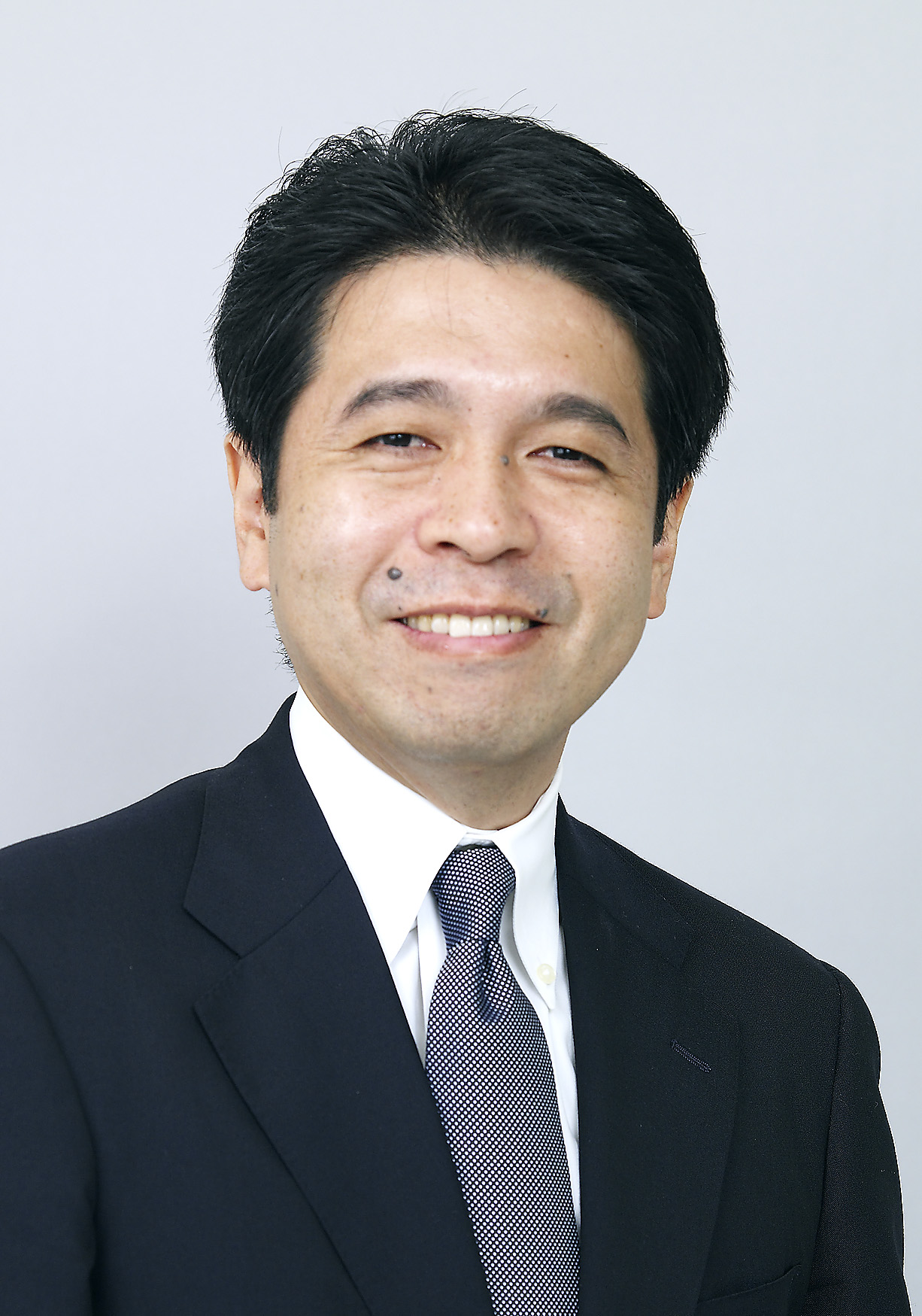
Yuji Kusunoki, President, Rakuten Securities
How do you explain Rakuten’s rapid ascension from an e-commerce site to one of the biggest brokers in Japan?
DLJ Direct SFG Securities, the precursor of Rakuten Securities, was established in 1999, and was subsequently acquired by Rakuten and entered into Rakuten Group in 2003.
Although we were already in the position of the major internet securities firm when entering into Rakuten Group in 2003, it meant a lot to be able to operate as a Rakuten Group for the subsequent growth.
To enter the Japanese market, a “Japanization” is needed with the Japanese ways of thinking and actions, rather than relying on successful projects overseas
For our customer base, we are able to give an exclusive promotion to 100 million people who are members of Rakuten, including the Rakuten ICHIBA (marketplace). There is a very large effect from that promotion as about 30% of the new accounts of Securities are introduced by Rakuten Group.
We have also mobilized the power of the group in terms of the technical capabilities as an internet company, enabling us to provide customers with a state-of-art service by introducing smart phone support and other new technologies.
How would you describe Rakuten’s involvement in the Japanese (financial technology) fintech scene?
Rakuten Securities itself is in a position to lead the fintech realm in Japan. We have continued to provide state-of-art services such as launching the first personal stock-trading tool in the industry, "MARKETSPEED" in 1999.
Apart from whether we invest in it or not, “Robo-Adviser" technology is considered to have high possibility to be promising
In recent years, we proceeded with the development of smart phone applications, a Mac specialized trading tool, and providing stock information to the Apple Watch. In collaboration with fintech companies outside the group, we are also co-developing “Asukabu,” an investment education application.
Additionally, with Rakuten Card, Rakuten Bank, and Rakuten Life, among other developments, we are working on fintech as a whole financial group. We held a "Rakuten Financial Conference”, inviting top fintech professionals, and had a lively discussion in February 2015.
What advice would you give a non-Japanese fintech entrepreneur that wishes to enter the market in Japan?
We believe that following elements are necessary: “Japanization” – a localization approach in accordance with the Japan market as well as the Japanese ways of thinking and Japanese actions, rather than simply relying on successful projects overseas.
Additionally, we see low cost and commitment as paramount attributes for any entrepreneurial success. You need to have a proposal, which can initially start at a low price with the intention of a continuing long-term service to the Japanese market.
What benefits did acquiring FXCM Japan bring to Rakuten?
Firstly, it was significant to be able to acquire the strong customer base of FXCM Japan. About 250,000 accounts, totaling 30 billion yen margin deposits have joined the customer base of Rakuten Securities. For this customer base, we believe that it is possible to expand not only the use of the FX service but also the larger field of securities investment such as stocks and investment trusts.
Was the goal of acquiring FXCM’s Hong Kong branch to expand to other Asian markets?
The purpose of the acquisition of FXCM Asia was above all to expand the FX business in Hong Kong. FXCM Asia has already had a stable customer base as a leading FX broker in Hong Kong and it can be expected to have an organic growth by adding elements of FX services and promotions provided by Rakuten Securities.
This is the first overseas expansion project for Rakuten Securities, so first and foremost we would like to aim for just expanding the Hong Kong business on our own footing. Then, taking into account the status of the regulations in each country, we also would like to consider expansion into other Asian countries. Currently, we do not have any other acquisition plans.
What are your plans for supporting the trading systems that FXCM offered and offering new services?
Since the FXCM platforms are familiar to customers, we plan to continue to use them in the future. We are also considering introducing an additional proprietary platform of Rakuten Securities as well.
Unfortunately, because Mirror Trader was at a disappointing situation as a business, we determined to terminate the service. However, the MT4 trading platform has a global reputation, so we will treat it as a strategic and differentiated service in the future.
Finance Magnates spoke with Yuji Kusunoki, President of Rakuten Securities, the recent buyer of FXCM’s Asiatic subsidiary, FXCM Hong Kong – in a full length interview he also discusses the composition and growth of Japan’s fintech realm.
The deal between FXCM and Rakuten Securities was first reported back in March as worth $62 million. Rakuten Securities is one of the five largest foreign exchange (FX) brokers in Japan, itself a subsidiary of Rakuten, Inc., one of the world’s largest Internet services companies. In addition to an insider perspective on the deal, Mr. Kusunoki outlines Rakuten's growth in the region along with its involvement in the fintech scene in Japan, having been fueled with a number of innovations and utilities.
It was significant to be able to acquire the strong customer base of FXCM Japan, with about 250,000 accounts, totaling 30 billion yen margin deposits
Yuji Kusunoki, President, Rakuten Securities
How do you explain Rakuten’s rapid ascension from an e-commerce site to one of the biggest brokers in Japan?
DLJ Direct SFG Securities, the precursor of Rakuten Securities, was established in 1999, and was subsequently acquired by Rakuten and entered into Rakuten Group in 2003.
Although we were already in the position of the major internet securities firm when entering into Rakuten Group in 2003, it meant a lot to be able to operate as a Rakuten Group for the subsequent growth.
To enter the Japanese market, a “Japanization” is needed with the Japanese ways of thinking and actions, rather than relying on successful projects overseas
For our customer base, we are able to give an exclusive promotion to 100 million people who are members of Rakuten, including the Rakuten ICHIBA (marketplace). There is a very large effect from that promotion as about 30% of the new accounts of Securities are introduced by Rakuten Group.
We have also mobilized the power of the group in terms of the technical capabilities as an internet company, enabling us to provide customers with a state-of-art service by introducing smart phone support and other new technologies.
How would you describe Rakuten’s involvement in the Japanese (financial technology) fintech scene?
Rakuten Securities itself is in a position to lead the fintech realm in Japan. We have continued to provide state-of-art services such as launching the first personal stock-trading tool in the industry, "MARKETSPEED" in 1999.
Apart from whether we invest in it or not, “Robo-Adviser" technology is considered to have high possibility to be promising
In recent years, we proceeded with the development of smart phone applications, a Mac specialized trading tool, and providing stock information to the Apple Watch. In collaboration with fintech companies outside the group, we are also co-developing “Asukabu,” an investment education application.
Additionally, with Rakuten Card, Rakuten Bank, and Rakuten Life, among other developments, we are working on fintech as a whole financial group. We held a "Rakuten Financial Conference”, inviting top fintech professionals, and had a lively discussion in February 2015.
What advice would you give a non-Japanese fintech entrepreneur that wishes to enter the market in Japan?
We believe that following elements are necessary: “Japanization” – a localization approach in accordance with the Japan market as well as the Japanese ways of thinking and Japanese actions, rather than simply relying on successful projects overseas.
Additionally, we see low cost and commitment as paramount attributes for any entrepreneurial success. You need to have a proposal, which can initially start at a low price with the intention of a continuing long-term service to the Japanese market.
What benefits did acquiring FXCM Japan bring to Rakuten?
Firstly, it was significant to be able to acquire the strong customer base of FXCM Japan. About 250,000 accounts, totaling 30 billion yen margin deposits have joined the customer base of Rakuten Securities. For this customer base, we believe that it is possible to expand not only the use of the FX service but also the larger field of securities investment such as stocks and investment trusts.
Was the goal of acquiring FXCM’s Hong Kong branch to expand to other Asian markets?
The purpose of the acquisition of FXCM Asia was above all to expand the FX business in Hong Kong. FXCM Asia has already had a stable customer base as a leading FX broker in Hong Kong and it can be expected to have an organic growth by adding elements of FX services and promotions provided by Rakuten Securities.
This is the first overseas expansion project for Rakuten Securities, so first and foremost we would like to aim for just expanding the Hong Kong business on our own footing. Then, taking into account the status of the regulations in each country, we also would like to consider expansion into other Asian countries. Currently, we do not have any other acquisition plans.
What are your plans for supporting the trading systems that FXCM offered and offering new services?
Since the FXCM platforms are familiar to customers, we plan to continue to use them in the future. We are also considering introducing an additional proprietary platform of Rakuten Securities as well.
Unfortunately, because Mirror Trader was at a disappointing situation as a business, we determined to terminate the service. However, the MT4 trading platform has a global reputation, so we will treat it as a strategic and differentiated service in the future.
Bank of London Product Head: “Clients Don’t Want to Wait for Cutoff Times” On-Chain
Featured Videos
Executive Interview | Charlotte Bullock | Chief Product Officer, Bank of London | FMLS:25
In this interview, we sat down with Charlotte Bullock, Head of Product at The Bank of London, previously at SAP and now shaping product at one of the sector’s most ambitious new banking players.
Charlotte reflects on the Summit so far and talks about the culture inside fintech banks today. We look at the pressures that come with scaling, and how firms can hold onto the nimble approach that made them stand out early on.
We also cover the state of payments ahead of her appearance on the payments roundtable: the blockages financial firms face, the areas that still need fixing, and what a realistic solution looks like in 2026.
In this interview, we sat down with Charlotte Bullock, Head of Product at The Bank of London, previously at SAP and now shaping product at one of the sector’s most ambitious new banking players.
Charlotte reflects on the Summit so far and talks about the culture inside fintech banks today. We look at the pressures that come with scaling, and how firms can hold onto the nimble approach that made them stand out early on.
We also cover the state of payments ahead of her appearance on the payments roundtable: the blockages financial firms face, the areas that still need fixing, and what a realistic solution looks like in 2026.
In this interview, we sat down with Charlotte Bullock, Head of Product at The Bank of London, previously at SAP and now shaping product at one of the sector’s most ambitious new banking players.
Charlotte reflects on the Summit so far and talks about the culture inside fintech banks today. We look at the pressures that come with scaling, and how firms can hold onto the nimble approach that made them stand out early on.
We also cover the state of payments ahead of her appearance on the payments roundtable: the blockages financial firms face, the areas that still need fixing, and what a realistic solution looks like in 2026.
In this interview, we sat down with Charlotte Bullock, Head of Product at The Bank of London, previously at SAP and now shaping product at one of the sector’s most ambitious new banking players.
Charlotte reflects on the Summit so far and talks about the culture inside fintech banks today. We look at the pressures that come with scaling, and how firms can hold onto the nimble approach that made them stand out early on.
We also cover the state of payments ahead of her appearance on the payments roundtable: the blockages financial firms face, the areas that still need fixing, and what a realistic solution looks like in 2026.
In this conversation, we sit down with Drew Niv, CSO at ATFX Connect and one of the most influential figures in modern FX.
We speak about market structure, the institutional view on liquidity, and the sharp rise of prop trading, a sector Drew has been commenting on in recent months. Drew explains why he once dismissed prop trading, why his view changed, and what he now thinks the model means for brokers, clients and risk managers.
We explore subscription-fee dependency, the high reneging rate, and the long-term challenge: how brokers can build a more stable and honest version of the model. Drew also talks about the traffic advantage standalone prop firms have built and why brokers may still win in the long run if they take the right approach.
In this conversation, we sit down with Drew Niv, CSO at ATFX Connect and one of the most influential figures in modern FX.
We speak about market structure, the institutional view on liquidity, and the sharp rise of prop trading, a sector Drew has been commenting on in recent months. Drew explains why he once dismissed prop trading, why his view changed, and what he now thinks the model means for brokers, clients and risk managers.
We explore subscription-fee dependency, the high reneging rate, and the long-term challenge: how brokers can build a more stable and honest version of the model. Drew also talks about the traffic advantage standalone prop firms have built and why brokers may still win in the long run if they take the right approach.
In this conversation, we sit down with Drew Niv, CSO at ATFX Connect and one of the most influential figures in modern FX.
We speak about market structure, the institutional view on liquidity, and the sharp rise of prop trading, a sector Drew has been commenting on in recent months. Drew explains why he once dismissed prop trading, why his view changed, and what he now thinks the model means for brokers, clients and risk managers.
We explore subscription-fee dependency, the high reneging rate, and the long-term challenge: how brokers can build a more stable and honest version of the model. Drew also talks about the traffic advantage standalone prop firms have built and why brokers may still win in the long run if they take the right approach.
In this conversation, we sit down with Drew Niv, CSO at ATFX Connect and one of the most influential figures in modern FX.
We speak about market structure, the institutional view on liquidity, and the sharp rise of prop trading, a sector Drew has been commenting on in recent months. Drew explains why he once dismissed prop trading, why his view changed, and what he now thinks the model means for brokers, clients and risk managers.
We explore subscription-fee dependency, the high reneging rate, and the long-term challenge: how brokers can build a more stable and honest version of the model. Drew also talks about the traffic advantage standalone prop firms have built and why brokers may still win in the long run if they take the right approach.
In this conversation, we sit down with Drew Niv, CSO at ATFX Connect and one of the most influential figures in modern FX.
We speak about market structure, the institutional view on liquidity, and the sharp rise of prop trading, a sector Drew has been commenting on in recent months. Drew explains why he once dismissed prop trading, why his view changed, and what he now thinks the model means for brokers, clients and risk managers.
We explore subscription-fee dependency, the high reneging rate, and the long-term challenge: how brokers can build a more stable and honest version of the model. Drew also talks about the traffic advantage standalone prop firms have built and why brokers may still win in the long run if they take the right approach.
In this conversation, we sit down with Drew Niv, CSO at ATFX Connect and one of the most influential figures in modern FX.
We speak about market structure, the institutional view on liquidity, and the sharp rise of prop trading, a sector Drew has been commenting on in recent months. Drew explains why he once dismissed prop trading, why his view changed, and what he now thinks the model means for brokers, clients and risk managers.
We explore subscription-fee dependency, the high reneging rate, and the long-term challenge: how brokers can build a more stable and honest version of the model. Drew also talks about the traffic advantage standalone prop firms have built and why brokers may still win in the long run if they take the right approach.
Executive Interview | Remonda Z. Kirketerp Møller| CEO & Founder Muinmos | FMLS:25
In this interview, Remonda Z. Kirketerp Møller, founder of Muinmos, breaks down the state of AI in regtech and what responsible adoption really looks like for brokers. We talk about rising fragmentation, the pressures around compliance accuracy, and why most firms are still in the early stages of AI maturity.
Ramanda also shares insights on regulator sandboxes, shifting expectations around accountability, and the current reality of MiCA licensing and passporting in Europe.
A concise look at where compliance, onboarding, and AI-driven processes are heading next.
In this interview, Remonda Z. Kirketerp Møller, founder of Muinmos, breaks down the state of AI in regtech and what responsible adoption really looks like for brokers. We talk about rising fragmentation, the pressures around compliance accuracy, and why most firms are still in the early stages of AI maturity.
Ramanda also shares insights on regulator sandboxes, shifting expectations around accountability, and the current reality of MiCA licensing and passporting in Europe.
A concise look at where compliance, onboarding, and AI-driven processes are heading next.
In this interview, Remonda Z. Kirketerp Møller, founder of Muinmos, breaks down the state of AI in regtech and what responsible adoption really looks like for brokers. We talk about rising fragmentation, the pressures around compliance accuracy, and why most firms are still in the early stages of AI maturity.
Ramanda also shares insights on regulator sandboxes, shifting expectations around accountability, and the current reality of MiCA licensing and passporting in Europe.
A concise look at where compliance, onboarding, and AI-driven processes are heading next.
In this interview, Remonda Z. Kirketerp Møller, founder of Muinmos, breaks down the state of AI in regtech and what responsible adoption really looks like for brokers. We talk about rising fragmentation, the pressures around compliance accuracy, and why most firms are still in the early stages of AI maturity.
Ramanda also shares insights on regulator sandboxes, shifting expectations around accountability, and the current reality of MiCA licensing and passporting in Europe.
A concise look at where compliance, onboarding, and AI-driven processes are heading next.
In this interview, Remonda Z. Kirketerp Møller, founder of Muinmos, breaks down the state of AI in regtech and what responsible adoption really looks like for brokers. We talk about rising fragmentation, the pressures around compliance accuracy, and why most firms are still in the early stages of AI maturity.
Ramanda also shares insights on regulator sandboxes, shifting expectations around accountability, and the current reality of MiCA licensing and passporting in Europe.
A concise look at where compliance, onboarding, and AI-driven processes are heading next.
In this interview, Remonda Z. Kirketerp Møller, founder of Muinmos, breaks down the state of AI in regtech and what responsible adoption really looks like for brokers. We talk about rising fragmentation, the pressures around compliance accuracy, and why most firms are still in the early stages of AI maturity.
Ramanda also shares insights on regulator sandboxes, shifting expectations around accountability, and the current reality of MiCA licensing and passporting in Europe.
A concise look at where compliance, onboarding, and AI-driven processes are heading next.
In this conversation, we speak with Aydin Bonabi, CEO and co-founder of Surveill, a firm focused on fraud detection and AI-driven compliance tools for financial institutions.
We start with Aydin’s view of the Summit and the challenges brokers face as fraud tactics grow more complex. He explains how firms can stay ahead through real-time signals, data patterns, and early-stage detection.
We also talk about AI training and why compliance teams often struggle to keep models accurate, fair, and aligned with regulatory expectations. Aydin breaks down what “good” AI training looks like inside a financial environment, including the importance of clean data, domain expertise, and human oversight.
He closes with a clear message: fraud is scaling, and so must the tools that stop it.
In this conversation, we speak with Aydin Bonabi, CEO and co-founder of Surveill, a firm focused on fraud detection and AI-driven compliance tools for financial institutions.
We start with Aydin’s view of the Summit and the challenges brokers face as fraud tactics grow more complex. He explains how firms can stay ahead through real-time signals, data patterns, and early-stage detection.
We also talk about AI training and why compliance teams often struggle to keep models accurate, fair, and aligned with regulatory expectations. Aydin breaks down what “good” AI training looks like inside a financial environment, including the importance of clean data, domain expertise, and human oversight.
He closes with a clear message: fraud is scaling, and so must the tools that stop it.
In this conversation, we speak with Aydin Bonabi, CEO and co-founder of Surveill, a firm focused on fraud detection and AI-driven compliance tools for financial institutions.
We start with Aydin’s view of the Summit and the challenges brokers face as fraud tactics grow more complex. He explains how firms can stay ahead through real-time signals, data patterns, and early-stage detection.
We also talk about AI training and why compliance teams often struggle to keep models accurate, fair, and aligned with regulatory expectations. Aydin breaks down what “good” AI training looks like inside a financial environment, including the importance of clean data, domain expertise, and human oversight.
He closes with a clear message: fraud is scaling, and so must the tools that stop it.
In this conversation, we speak with Aydin Bonabi, CEO and co-founder of Surveill, a firm focused on fraud detection and AI-driven compliance tools for financial institutions.
We start with Aydin’s view of the Summit and the challenges brokers face as fraud tactics grow more complex. He explains how firms can stay ahead through real-time signals, data patterns, and early-stage detection.
We also talk about AI training and why compliance teams often struggle to keep models accurate, fair, and aligned with regulatory expectations. Aydin breaks down what “good” AI training looks like inside a financial environment, including the importance of clean data, domain expertise, and human oversight.
He closes with a clear message: fraud is scaling, and so must the tools that stop it.
In this conversation, we speak with Aydin Bonabi, CEO and co-founder of Surveill, a firm focused on fraud detection and AI-driven compliance tools for financial institutions.
We start with Aydin’s view of the Summit and the challenges brokers face as fraud tactics grow more complex. He explains how firms can stay ahead through real-time signals, data patterns, and early-stage detection.
We also talk about AI training and why compliance teams often struggle to keep models accurate, fair, and aligned with regulatory expectations. Aydin breaks down what “good” AI training looks like inside a financial environment, including the importance of clean data, domain expertise, and human oversight.
He closes with a clear message: fraud is scaling, and so must the tools that stop it.
In this conversation, we speak with Aydin Bonabi, CEO and co-founder of Surveill, a firm focused on fraud detection and AI-driven compliance tools for financial institutions.
We start with Aydin’s view of the Summit and the challenges brokers face as fraud tactics grow more complex. He explains how firms can stay ahead through real-time signals, data patterns, and early-stage detection.
We also talk about AI training and why compliance teams often struggle to keep models accurate, fair, and aligned with regulatory expectations. Aydin breaks down what “good” AI training looks like inside a financial environment, including the importance of clean data, domain expertise, and human oversight.
He closes with a clear message: fraud is scaling, and so must the tools that stop it.
Exness expands its presence in Africa: Inside our interview with Paul Margarites in Cape Town
Finance Magnates met with Paul Margarites, Exness regional commercial director for Sub-Saharan Africa, during a visit to the firm’s office opening in Cape Town. In this talk, led by Andrea Badiola Mateos, Co-CEO at Finance Magnates, Paul shares views on the South African trading space, local user behavior, mobile trends, regulation, team growth, and how Exness plans to grow in more markets across the region. @Exness
Read the article at: https://www.financemagnates.com/thought-leadership/exness-expands-its-presence-in-africa-inside-our-interview-with-paul-margarites/
#exness #financemagnates #exnesstrading #CFDtrading #tradeonline #africanews #capetown
Finance Magnates met with Paul Margarites, Exness regional commercial director for Sub-Saharan Africa, during a visit to the firm’s office opening in Cape Town. In this talk, led by Andrea Badiola Mateos, Co-CEO at Finance Magnates, Paul shares views on the South African trading space, local user behavior, mobile trends, regulation, team growth, and how Exness plans to grow in more markets across the region. @Exness
Read the article at: https://www.financemagnates.com/thought-leadership/exness-expands-its-presence-in-africa-inside-our-interview-with-paul-margarites/
#exness #financemagnates #exnesstrading #CFDtrading #tradeonline #africanews #capetown
Finance Magnates met with Paul Margarites, Exness regional commercial director for Sub-Saharan Africa, during a visit to the firm’s office opening in Cape Town. In this talk, led by Andrea Badiola Mateos, Co-CEO at Finance Magnates, Paul shares views on the South African trading space, local user behavior, mobile trends, regulation, team growth, and how Exness plans to grow in more markets across the region. @Exness
Read the article at: https://www.financemagnates.com/thought-leadership/exness-expands-its-presence-in-africa-inside-our-interview-with-paul-margarites/
#exness #financemagnates #exnesstrading #CFDtrading #tradeonline #africanews #capetown
Finance Magnates met with Paul Margarites, Exness regional commercial director for Sub-Saharan Africa, during a visit to the firm’s office opening in Cape Town. In this talk, led by Andrea Badiola Mateos, Co-CEO at Finance Magnates, Paul shares views on the South African trading space, local user behavior, mobile trends, regulation, team growth, and how Exness plans to grow in more markets across the region. @Exness
Read the article at: https://www.financemagnates.com/thought-leadership/exness-expands-its-presence-in-africa-inside-our-interview-with-paul-margarites/
#exness #financemagnates #exnesstrading #CFDtrading #tradeonline #africanews #capetown
Finance Magnates met with Paul Margarites, Exness regional commercial director for Sub-Saharan Africa, during a visit to the firm’s office opening in Cape Town. In this talk, led by Andrea Badiola Mateos, Co-CEO at Finance Magnates, Paul shares views on the South African trading space, local user behavior, mobile trends, regulation, team growth, and how Exness plans to grow in more markets across the region. @Exness
Read the article at: https://www.financemagnates.com/thought-leadership/exness-expands-its-presence-in-africa-inside-our-interview-with-paul-margarites/
#exness #financemagnates #exnesstrading #CFDtrading #tradeonline #africanews #capetown
Finance Magnates met with Paul Margarites, Exness regional commercial director for Sub-Saharan Africa, during a visit to the firm’s office opening in Cape Town. In this talk, led by Andrea Badiola Mateos, Co-CEO at Finance Magnates, Paul shares views on the South African trading space, local user behavior, mobile trends, regulation, team growth, and how Exness plans to grow in more markets across the region. @Exness
Read the article at: https://www.financemagnates.com/thought-leadership/exness-expands-its-presence-in-africa-inside-our-interview-with-paul-margarites/
#exness #financemagnates #exnesstrading #CFDtrading #tradeonline #africanews #capetown