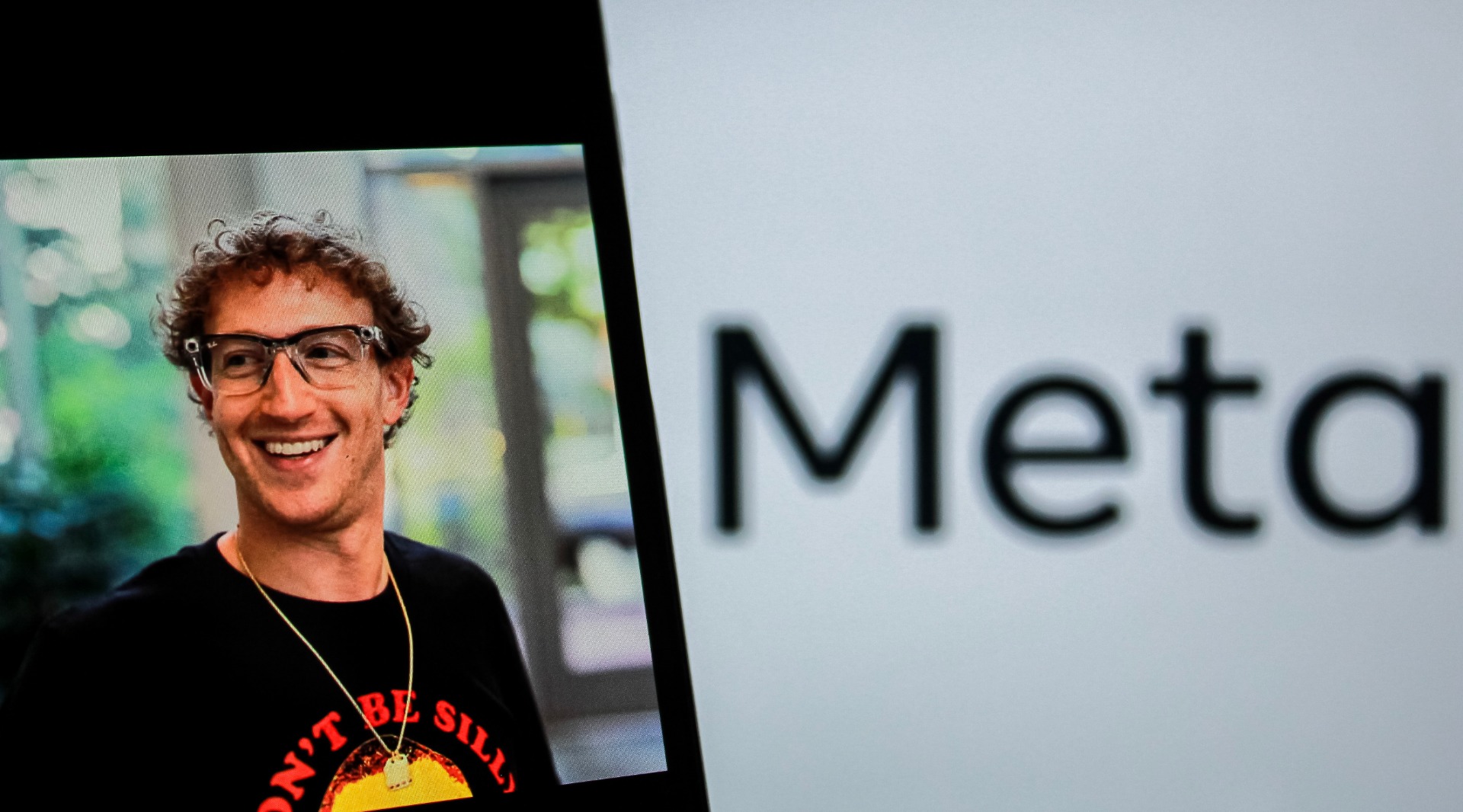
Chevron shipments keep Venezuelan crude arriving, despite sanctions and bluster.
US and Venezuela posture at sea, tankers still sail.
Future depends on licenses, insurance, and any misstep at sea.
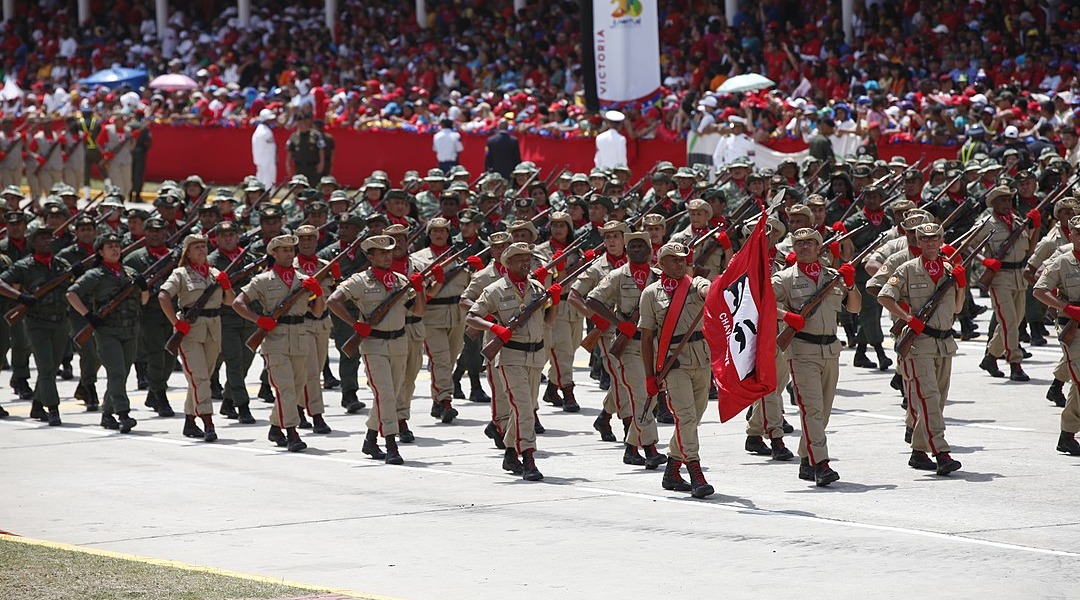
Venezuelan militia on parade, by Cancillería del Ecuador, Creative Commons.
Venezuelan crude is still reaching US ports despite sanctions and a US
naval buildup. The oil flows today. Tomorrow is a question mark.
Oil Moves While Rhetoric Spikes
Everyone is pretending it isn’t happening, but oil is still moving from
Venezuela to the United States in the middle of a diplomatic knife fight.
Business Today flagged the issue, citing
energy analyst Anas Alhajji: “Today, we have tankers arriving from
Venezuela delivering oil to the United States despite the sanctions.” The point
was delivered with a side of realpolitik. The trade is happening. The rules are
a moving target.
The Chevron Carve-Out in Action
What keeps the flow alive is not magic. It is licensing. In July, the
US Treasury reportedly issued
a restricted license to Chevron that allowed operations and exports from
Venezuela to resume after a pause. Two Chevron-chartered tankers, Mediterranean
Voyager and Canopus Voyager, loaded Boscan and Hamaca crudes and reached US
waters. That
is not rumor. It is shipping threaded through a sanctions maze that
Washington built, then partially unlocked for one company.
Double Standards or Just Another Friday?
Alhajji did not hold back on the optics. He pointed out that tankers are
arriving from Venezuela while Washington publicly punishes some buyers and
quietly creates exceptions, even as Europe
keeps importing Russian gas and LNG. He also noted, “The US still imports
uranium from Russia. No one is saying anything about it.” You do not have to
agree with the framing to recognize the punchline. Energy policy often reads
like a choose-your-own-principles adventure.
Caracas to the Pentagon: Not Today
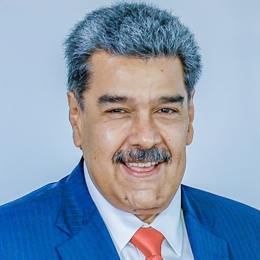
Nicolás Maduro, President of Venezuela, by Palácio do Planalto, Creative Commons.
Across the water, the mood is not calm. Al Jazeera quotes President
Nicolás Maduro telling troops, “There’s
no way they can enter Venezuela,” while vowing the country is ready to
defend its sovereignty as US warships arrive to run an anti-cartel operation in
the Southern Caribbean. Maduro’s line was not subtle, and it was not meant to
be. It was domestic theatre and strategic messaging in the same breath.
An Armada, an Echo
Seven US warships and a nuclear-powered fast attack submarine are in or
heading to the region. More than 4,500 US service members are aboard, including
about 2,200 Marines. Those are not rhetorical devices. They are hulls, engines,
and payrolls. Caracas has answered with its own show of force, sending warships
and drones to patrol the coast and urging militia recruitment. None of that
turns valves, but all of it raises the risk that politics, not geology, decides
where barrels go next.
Maduro’s government has also deployed 15,000 troops to the border with
Colombia to confront drug-trafficking groups. You can read that as
law-and-order theater or border security. Either way, it adds to the sense of a
tightening perimeter around an oil trade that is simultaneously open and
precarious.
Today’s Barrels, Tomorrow’s Question Mark
Put the pieces together. On the one hand, the market has a functioning
channel. Chevron’s shipments show that sanctioned energy can still thread the
needle if the paperwork aligns. On the other hand, the military temperature is
rising, and leaders are getting a little hot under the collar. Oil companies do
not like uncertainty. Traders like it even less. One policy memo in Washington
or one incident at sea could flip the script from carve-outs to clampdown in a
day. That is the part nobody can model.
What to Watch Next
Watch the license terms. If the restricted license that enabled
Chevron’s movements is narrowed, the flow tightens. If it is extended, barrels
keep crossing the Gulf. Watch the choreography at sea. More ships, closer
passes, or a hot mic could spook insurers and charterers faster than any press
conference. And listen for fewer speeches and more customs stamps. In this
story, the most honest sentences are on bills of lading.
For more stories from the edges of business and finance, visit our Trending pages.
Venezuelan crude is still reaching US ports despite sanctions and a US
naval buildup. The oil flows today. Tomorrow is a question mark.
Oil Moves While Rhetoric Spikes
Everyone is pretending it isn’t happening, but oil is still moving from
Venezuela to the United States in the middle of a diplomatic knife fight.
Business Today flagged the issue, citing
energy analyst Anas Alhajji: “Today, we have tankers arriving from
Venezuela delivering oil to the United States despite the sanctions.” The point
was delivered with a side of realpolitik. The trade is happening. The rules are
a moving target.
The Chevron Carve-Out in Action
What keeps the flow alive is not magic. It is licensing. In July, the
US Treasury reportedly issued
a restricted license to Chevron that allowed operations and exports from
Venezuela to resume after a pause. Two Chevron-chartered tankers, Mediterranean
Voyager and Canopus Voyager, loaded Boscan and Hamaca crudes and reached US
waters. That
is not rumor. It is shipping threaded through a sanctions maze that
Washington built, then partially unlocked for one company.
Double Standards or Just Another Friday?
Alhajji did not hold back on the optics. He pointed out that tankers are
arriving from Venezuela while Washington publicly punishes some buyers and
quietly creates exceptions, even as Europe
keeps importing Russian gas and LNG. He also noted, “The US still imports
uranium from Russia. No one is saying anything about it.” You do not have to
agree with the framing to recognize the punchline. Energy policy often reads
like a choose-your-own-principles adventure.
Caracas to the Pentagon: Not Today
Nicolás Maduro, President of Venezuela, by Palácio do Planalto, Creative Commons.
Across the water, the mood is not calm. Al Jazeera quotes President
Nicolás Maduro telling troops, “There’s
no way they can enter Venezuela,” while vowing the country is ready to
defend its sovereignty as US warships arrive to run an anti-cartel operation in
the Southern Caribbean. Maduro’s line was not subtle, and it was not meant to
be. It was domestic theatre and strategic messaging in the same breath.
An Armada, an Echo
Seven US warships and a nuclear-powered fast attack submarine are in or
heading to the region. More than 4,500 US service members are aboard, including
about 2,200 Marines. Those are not rhetorical devices. They are hulls, engines,
and payrolls. Caracas has answered with its own show of force, sending warships
and drones to patrol the coast and urging militia recruitment. None of that
turns valves, but all of it raises the risk that politics, not geology, decides
where barrels go next.
Maduro’s government has also deployed 15,000 troops to the border with
Colombia to confront drug-trafficking groups. You can read that as
law-and-order theater or border security. Either way, it adds to the sense of a
tightening perimeter around an oil trade that is simultaneously open and
precarious.
Today’s Barrels, Tomorrow’s Question Mark
Put the pieces together. On the one hand, the market has a functioning
channel. Chevron’s shipments show that sanctioned energy can still thread the
needle if the paperwork aligns. On the other hand, the military temperature is
rising, and leaders are getting a little hot under the collar. Oil companies do
not like uncertainty. Traders like it even less. One policy memo in Washington
or one incident at sea could flip the script from carve-outs to clampdown in a
day. That is the part nobody can model.
What to Watch Next
Watch the license terms. If the restricted license that enabled
Chevron’s movements is narrowed, the flow tightens. If it is extended, barrels
keep crossing the Gulf. Watch the choreography at sea. More ships, closer
passes, or a hot mic could spook insurers and charterers faster than any press
conference. And listen for fewer speeches and more customs stamps. In this
story, the most honest sentences are on bills of lading.
For more stories from the edges of business and finance, visit our Trending pages.
Louis Parks has lived and worked in and around the Middle East for much of his professional career. He writes about the meeting of the tech and finance worlds.
Inside the Prediction Markets: $1.6B Institutional Inflow Meets a Federal Crackdown
FP Markets Winner Spotlight 🏆 | Global Broker of the Year 2025 #Trading #Broker #Innovation #Shorts
FP Markets Winner Spotlight 🏆 | Global Broker of the Year 2025 #Trading #Broker #Innovation #Shorts
FP Markets takes the spotlight as Global Broker of the Year 2025 at the Finance Magnates Awards.
Martin Stoilov, Head of Client Experience, shares that trust, innovation, and people played a key role in the company’s success, supported by a strong foundation of integrity and client-centricity.
Following this milestone, FP Markets continues to focus on growth, technology investment, and its core values of transparency and excellence.
👉 Be part of FM Awards 2026: https://awards.financemagnates.com/#nominate
FP Markets takes the spotlight as Global Broker of the Year 2025 at the Finance Magnates Awards.
Martin Stoilov, Head of Client Experience, shares that trust, innovation, and people played a key role in the company’s success, supported by a strong foundation of integrity and client-centricity.
Following this milestone, FP Markets continues to focus on growth, technology investment, and its core values of transparency and excellence.
👉 Be part of FM Awards 2026: https://awards.financemagnates.com/#nominate
In this video, we review @HolaPrimeMarketsOfficial, a multi-asset forex and CFDs broker offering different account types, trading platforms, and flexible trading conditions.
We cover the broker’s overall offering, including account options, trading environment, platforms like MT4 and MT5, and additional services such as managed accounts and fast withdrawals.
Watch the full video to see if Hola Prime Markets fits your trading needs.
📣 Stay up to date with the latest in finance and trading. Follow Finance Magnates for industry news, insights, and global event coverage.
Connect with us:
🔗 LinkedIn: /financemagnates
👍 Facebook: /financemagnates
📸 Instagram: https://www.instagram.com/financemagnates
🐦 X: https://x.com/financemagnates
🎥 TikTok: https://www.tiktok.com/tag/financemagnates
▶️ YouTube: /@financemagnates_official
#HolaPrime #ForexBroker #CFDTrading #FinanceMagnates #Trading #Forex #BrokerReview
In this video, we review @HolaPrimeMarketsOfficial, a multi-asset forex and CFDs broker offering different account types, trading platforms, and flexible trading conditions.
We cover the broker’s overall offering, including account options, trading environment, platforms like MT4 and MT5, and additional services such as managed accounts and fast withdrawals.
Watch the full video to see if Hola Prime Markets fits your trading needs.
📣 Stay up to date with the latest in finance and trading. Follow Finance Magnates for industry news, insights, and global event coverage.
Connect with us:
🔗 LinkedIn: /financemagnates
👍 Facebook: /financemagnates
📸 Instagram: https://www.instagram.com/financemagnates
🐦 X: https://x.com/financemagnates
🎥 TikTok: https://www.tiktok.com/tag/financemagnates
▶️ YouTube: /@financemagnates_official
#HolaPrime #ForexBroker #CFDTrading #FinanceMagnates #Trading #Forex #BrokerReview
Hola Prime Review: What You Need to Know | Full Breakdown by Finance Magnates
Hola Prime Review: What You Need to Know | Full Breakdown by Finance Magnates
In this video, we review @HolaPrime_Global, a proprietary trading firm offering evaluation programs and performance-based payouts in simulated market environments.
We cover how the challenge model works, including account types, profit splits (up to 95%), trading rules, and what it takes to reach a funded account. You’ll also learn about available platforms like MT4, MT5, cTrader, and more, along with insights into payouts, support, and trading conditions.
Watch the full video to see if Hola Prime fits your trading style.
📣 Stay up to date with the latest in finance and trading. Follow Finance Magnates for industry news, insights, and global event coverage.
Connect with us:
🔗 LinkedIn: /financemagnates
👍 Facebook: /financemagnates
📸 Instagram: https://www.instagram.com/financemagnates
🐦 X: https://x.com/financemagnates
🎥 TikTok: https://www.tiktok.com/tag/financemagnates
▶️ YouTube: /@financemagnates_official
#HolaPrime #PropFirm #Trading #FinanceMagnates #Forex #FuturesTrading #TradingReview #PropFirmReview
In this video, we review @HolaPrime_Global, a proprietary trading firm offering evaluation programs and performance-based payouts in simulated market environments.
We cover how the challenge model works, including account types, profit splits (up to 95%), trading rules, and what it takes to reach a funded account. You’ll also learn about available platforms like MT4, MT5, cTrader, and more, along with insights into payouts, support, and trading conditions.
Watch the full video to see if Hola Prime fits your trading style.
📣 Stay up to date with the latest in finance and trading. Follow Finance Magnates for industry news, insights, and global event coverage.
Connect with us:
🔗 LinkedIn: /financemagnates
👍 Facebook: /financemagnates
📸 Instagram: https://www.instagram.com/financemagnates
🐦 X: https://x.com/financemagnates
🎥 TikTok: https://www.tiktok.com/tag/financemagnates
▶️ YouTube: /@financemagnates_official
#HolaPrime #PropFirm #Trading #FinanceMagnates #Forex #FuturesTrading #TradingReview #PropFirmReview
Axi Winner Spotlight 🏆 | Global Most Innovative Broker 2025 #Innovation #Trading #Fintech #Broker
Axi Winner Spotlight 🏆 | Global Most Innovative Broker 2025 #Innovation #Trading #Fintech #Broker
Axi takes the spotlight at the Finance Magnates Awards, winning Global Most Innovative Broker 2025.
Olivia Xenofontos and Ivanna Openko share how the team will feel: proud, motivated, and ready to keep delivering.
They also describe the night as well-organized, focused, and enjoyable for all.
👉 Be part of FM Awards 2026.
Axi takes the spotlight at the Finance Magnates Awards, winning Global Most Innovative Broker 2025.
Olivia Xenofontos and Ivanna Openko share how the team will feel: proud, motivated, and ready to keep delivering.
They also describe the night as well-organized, focused, and enjoyable for all.
👉 Be part of FM Awards 2026.
Recognition that matters.
Built on transparency.
Driven by the industry.
The Finance Magnates Awards 2026.
Nominations are now open.
🔗 https://awards.financemagnates.com/?utm_source=SM&utm_medium=social&utm_campaign=recognition-matters
Recognition that matters.
Built on transparency.
Driven by the industry.
The Finance Magnates Awards 2026.
Nominations are now open.
🔗 https://awards.financemagnates.com/?utm_source=SM&utm_medium=social&utm_campaign=recognition-matters