Intel’s in trouble, but Trump might just buy a piece of it.
Nvidia and AMD got back into China — for a 15% cut to Uncle Sam.
The US chip strategy looks a lot like “pay to play.”
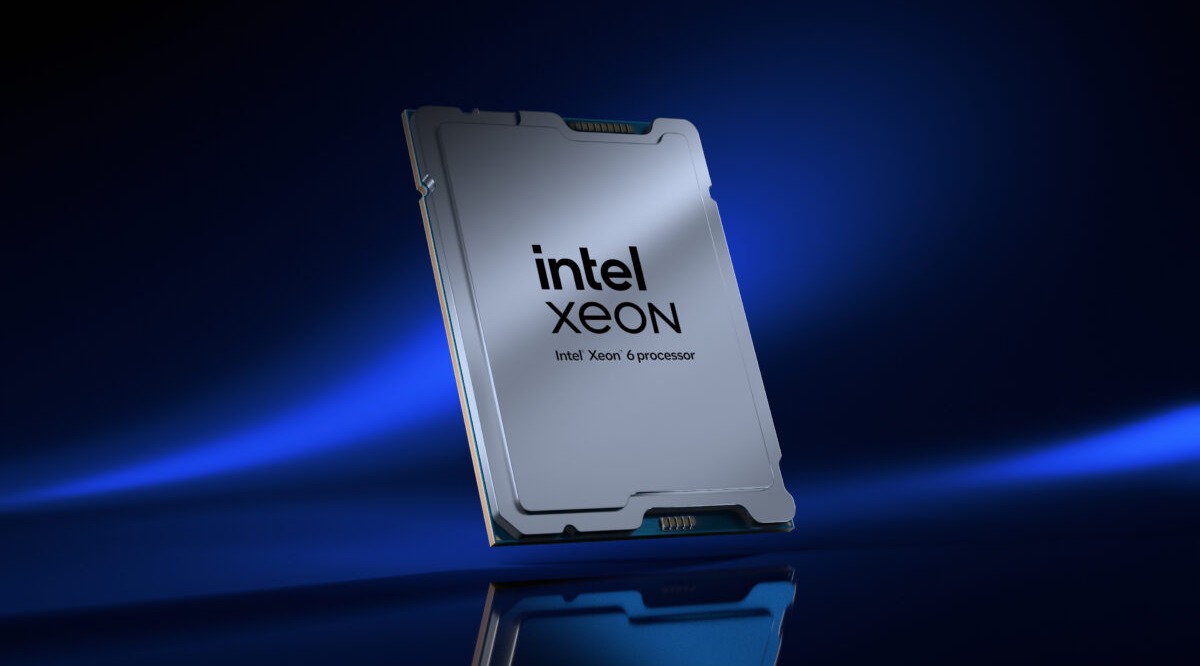
Xeon 6 processors are designed for AI applications, but can't compete with AMD and Nvidia (Intel).
Trump may take a stake in Intel as part of his chip power play, fresh
off cutting a 15% China-sales deal with Nvidia and AMD.
The White House Wants Chips. And Change.
Forget subtle industrial policy. The Trump administration is openly
flirting with buying a stake in Intel, the last major US-born company capable
of making the fastest semiconductors on home soil. According to Bloomberg
and other outlets, President Trump met with Intel CEO Lip-Bu Tan this week,
after which talk of a direct government investment sent Intel’s
stock up over 7%.
It’s an unusual move for the US, Uncle Sam normally sticks to regulation
and subsidies rather than buying a seat at the corporate table. But for Trump,
it’s part of a broader push to turn America into the OPEC of chips — except
instead of oil, the product is measured in nanometers and patent disputes.
Intel CEO Lip-Bu Tan (LinkedIn).
Intel, meanwhile, is not exactly coming from a position of strength.
The onetime king of microprocessors has been dethroned by rivals, missed
multiple technology waves, and repeatedly delayed a much-hyped new Ohio
manufacturing plant. Tan, who took over in March, has already swung
the axe on 15% of the workforce in a bid to stop the slide.
The Chip Empire Plan?
Why Intel? It’s the only US company that can (in theory at least) make
bleeding-edge chips domestically. Taiwan’s TSMC and South Korea’s Samsung can match
or surpass Intel’s capabilities, but they’re foreign firms — which, in Trump’s
America, means no free pass to the apple pie buffet.
The rumored government stake would not only pump cash into Intel’s
turnaround but also serve as a pilot for similar moves in “critical
industries.” Think rare earths, AI data centers, and possibly other sectors
where the administration thinks America needs to secure supply chains.
This strategy comes alongside other deals that blur the line between
economic nationalism and political deal-making. Case in point: the freshly
inked arrangement with Nvidia and AMD.
Nvidia and AMD: Back in China, for a Price
Just months ago, Nvidia and AMD were effectively locked out of China’s artificial intelligence (AI) chip market. The Trump administration banned sales of certain
high-performance chips, including Nvidia’s H20 and AMD’s MI308, citing national
security. That decision blew a multi-billion-dollar hole in their forecasts.
Now, after some high-level lobbying (and one Jensen Huang meeting at the
White House), the ban is gone … to be replaced
by a 15% levy on all Chinese revenue from those chips. Nvidia could see up
to $23 billion in 2025 H20 sales to China, which means the US government’s
slice could be in the billions.
It’s a unique arrangement. As one analyst told the BBC, “You either
have a national security problem or you don’t. If you have a 15% payment, it
doesn’t somehow eliminate the national security issue.” But in Washington’s
current mood, “national security” is apparently negotiable at the right price.
The Intel Question: Security, Symbolism, or Both?
Buying a stake in Intel would fit neatly into this transactional
approach. It would also be a symbolic middle finger to the idea that America’s
most critical chip capacity should rely on foreign firms.
Still, the timing is delicate. Intel is in turnaround mode, and any
government involvement could spook shareholders or clash with Tan’s strategy. The
company’s official line is cautious, saying that Intel “… is deeply
committed to supporting President Trump’s efforts to strengthen US technology
and manufacturing leadership… but we are not going to comment on rumors or
speculation.” Translation: thanks for the attention, but let’s not tank the
share price while we’re negotiating…?
Trump, for his part, is leaning into the drama. He called his meeting
with Tan “very interesting” and praised the CEO’s “amazing story,” even after reportedly demanding his
resignation over alleged China ties. The White House insists no deal is
signed, but also makes no secret that it wants similar arrangements with other
“critical industry” players.
Pay to Play, the Industrial Policy Edition
Between the Nvidia-AMD levy and a potential Intel buy-in, the
administration is building a pattern. Companies cut into Uncle Sam’s bottom
line, commit to US production, or accept investment, in return they get market
access, export licenses, or direct political backing.
It’s a sharp pivot from the old model of handing out tax credits and
hoping companies stay loyal. Instead, Washington is acting more like a venture
capitalist with a geopolitical agenda. If it works, the US could lock down
control over strategic technologies. If it fails, well, at least the Treasury
gets a cut before the next supply chain crisis.
For Intel, the stakes are existential. The company has fallen behind in
process technology, ceded dominance in AI chips to Nvidia, and is trying to
claw back relevance. A government stake could give it both the funding and the
political cover to survive the next decade, or saddle it with political baggage
just as it’s trying to run lean.
For more stories around the edges of finance and tech, visit our Trending pages.
Trump may take a stake in Intel as part of his chip power play, fresh
off cutting a 15% China-sales deal with Nvidia and AMD.
The White House Wants Chips. And Change.
Forget subtle industrial policy. The Trump administration is openly
flirting with buying a stake in Intel, the last major US-born company capable
of making the fastest semiconductors on home soil. According to Bloomberg
and other outlets, President Trump met with Intel CEO Lip-Bu Tan this week,
after which talk of a direct government investment sent Intel’s
stock up over 7%.
It’s an unusual move for the US, Uncle Sam normally sticks to regulation
and subsidies rather than buying a seat at the corporate table. But for Trump,
it’s part of a broader push to turn America into the OPEC of chips — except
instead of oil, the product is measured in nanometers and patent disputes.
Intel CEO Lip-Bu Tan (LinkedIn).
Intel, meanwhile, is not exactly coming from a position of strength.
The onetime king of microprocessors has been dethroned by rivals, missed
multiple technology waves, and repeatedly delayed a much-hyped new Ohio
manufacturing plant. Tan, who took over in March, has already swung
the axe on 15% of the workforce in a bid to stop the slide.
The Chip Empire Plan?
Why Intel? It’s the only US company that can (in theory at least) make
bleeding-edge chips domestically. Taiwan’s TSMC and South Korea’s Samsung can match
or surpass Intel’s capabilities, but they’re foreign firms — which, in Trump’s
America, means no free pass to the apple pie buffet.
The rumored government stake would not only pump cash into Intel’s
turnaround but also serve as a pilot for similar moves in “critical
industries.” Think rare earths, AI data centers, and possibly other sectors
where the administration thinks America needs to secure supply chains.
This strategy comes alongside other deals that blur the line between
economic nationalism and political deal-making. Case in point: the freshly
inked arrangement with Nvidia and AMD.
Nvidia and AMD: Back in China, for a Price
Just months ago, Nvidia and AMD were effectively locked out of China’s artificial intelligence (AI) chip market. The Trump administration banned sales of certain
high-performance chips, including Nvidia’s H20 and AMD’s MI308, citing national
security. That decision blew a multi-billion-dollar hole in their forecasts.
Now, after some high-level lobbying (and one Jensen Huang meeting at the
White House), the ban is gone … to be replaced
by a 15% levy on all Chinese revenue from those chips. Nvidia could see up
to $23 billion in 2025 H20 sales to China, which means the US government’s
slice could be in the billions.
It’s a unique arrangement. As one analyst told the BBC, “You either
have a national security problem or you don’t. If you have a 15% payment, it
doesn’t somehow eliminate the national security issue.” But in Washington’s
current mood, “national security” is apparently negotiable at the right price.
The Intel Question: Security, Symbolism, or Both?
Buying a stake in Intel would fit neatly into this transactional
approach. It would also be a symbolic middle finger to the idea that America’s
most critical chip capacity should rely on foreign firms.
Still, the timing is delicate. Intel is in turnaround mode, and any
government involvement could spook shareholders or clash with Tan’s strategy. The
company’s official line is cautious, saying that Intel “… is deeply
committed to supporting President Trump’s efforts to strengthen US technology
and manufacturing leadership… but we are not going to comment on rumors or
speculation.” Translation: thanks for the attention, but let’s not tank the
share price while we’re negotiating…?
Trump, for his part, is leaning into the drama. He called his meeting
with Tan “very interesting” and praised the CEO’s “amazing story,” even after reportedly demanding his
resignation over alleged China ties. The White House insists no deal is
signed, but also makes no secret that it wants similar arrangements with other
“critical industry” players.
Pay to Play, the Industrial Policy Edition
Between the Nvidia-AMD levy and a potential Intel buy-in, the
administration is building a pattern. Companies cut into Uncle Sam’s bottom
line, commit to US production, or accept investment, in return they get market
access, export licenses, or direct political backing.
It’s a sharp pivot from the old model of handing out tax credits and
hoping companies stay loyal. Instead, Washington is acting more like a venture
capitalist with a geopolitical agenda. If it works, the US could lock down
control over strategic technologies. If it fails, well, at least the Treasury
gets a cut before the next supply chain crisis.
For Intel, the stakes are existential. The company has fallen behind in
process technology, ceded dominance in AI chips to Nvidia, and is trying to
claw back relevance. A government stake could give it both the funding and the
political cover to survive the next decade, or saddle it with political baggage
just as it’s trying to run lean.
For more stories around the edges of finance and tech, visit our Trending pages.
Louis Parks has lived and worked in and around the Middle East for much of his professional career. He writes about the meeting of the tech and finance worlds.
Inside the Prediction Markets: $1.6B Institutional Inflow Meets a Federal Crackdown
FP Markets Winner Spotlight 🏆 | Global Broker of the Year 2025 #Trading #Broker #Innovation #Shorts
FP Markets Winner Spotlight 🏆 | Global Broker of the Year 2025 #Trading #Broker #Innovation #Shorts
FP Markets takes the spotlight as Global Broker of the Year 2025 at the Finance Magnates Awards.
Martin Stoilov, Head of Client Experience, shares that trust, innovation, and people played a key role in the company’s success, supported by a strong foundation of integrity and client-centricity.
Following this milestone, FP Markets continues to focus on growth, technology investment, and its core values of transparency and excellence.
👉 Be part of FM Awards 2026: https://awards.financemagnates.com/#nominate
FP Markets takes the spotlight as Global Broker of the Year 2025 at the Finance Magnates Awards.
Martin Stoilov, Head of Client Experience, shares that trust, innovation, and people played a key role in the company’s success, supported by a strong foundation of integrity and client-centricity.
Following this milestone, FP Markets continues to focus on growth, technology investment, and its core values of transparency and excellence.
👉 Be part of FM Awards 2026: https://awards.financemagnates.com/#nominate
In this video, we review @HolaPrimeMarketsOfficial, a multi-asset forex and CFDs broker offering different account types, trading platforms, and flexible trading conditions.
We cover the broker’s overall offering, including account options, trading environment, platforms like MT4 and MT5, and additional services such as managed accounts and fast withdrawals.
Watch the full video to see if Hola Prime Markets fits your trading needs.
📣 Stay up to date with the latest in finance and trading. Follow Finance Magnates for industry news, insights, and global event coverage.
Connect with us:
🔗 LinkedIn: /financemagnates
👍 Facebook: /financemagnates
📸 Instagram: https://www.instagram.com/financemagnates
🐦 X: https://x.com/financemagnates
🎥 TikTok: https://www.tiktok.com/tag/financemagnates
▶️ YouTube: /@financemagnates_official
#HolaPrime #ForexBroker #CFDTrading #FinanceMagnates #Trading #Forex #BrokerReview
In this video, we review @HolaPrimeMarketsOfficial, a multi-asset forex and CFDs broker offering different account types, trading platforms, and flexible trading conditions.
We cover the broker’s overall offering, including account options, trading environment, platforms like MT4 and MT5, and additional services such as managed accounts and fast withdrawals.
Watch the full video to see if Hola Prime Markets fits your trading needs.
📣 Stay up to date with the latest in finance and trading. Follow Finance Magnates for industry news, insights, and global event coverage.
Connect with us:
🔗 LinkedIn: /financemagnates
👍 Facebook: /financemagnates
📸 Instagram: https://www.instagram.com/financemagnates
🐦 X: https://x.com/financemagnates
🎥 TikTok: https://www.tiktok.com/tag/financemagnates
▶️ YouTube: /@financemagnates_official
#HolaPrime #ForexBroker #CFDTrading #FinanceMagnates #Trading #Forex #BrokerReview
Hola Prime Review: What You Need to Know | Full Breakdown by Finance Magnates
Hola Prime Review: What You Need to Know | Full Breakdown by Finance Magnates
In this video, we review @HolaPrime_Global, a proprietary trading firm offering evaluation programs and performance-based payouts in simulated market environments.
We cover how the challenge model works, including account types, profit splits (up to 95%), trading rules, and what it takes to reach a funded account. You’ll also learn about available platforms like MT4, MT5, cTrader, and more, along with insights into payouts, support, and trading conditions.
Watch the full video to see if Hola Prime fits your trading style.
📣 Stay up to date with the latest in finance and trading. Follow Finance Magnates for industry news, insights, and global event coverage.
Connect with us:
🔗 LinkedIn: /financemagnates
👍 Facebook: /financemagnates
📸 Instagram: https://www.instagram.com/financemagnates
🐦 X: https://x.com/financemagnates
🎥 TikTok: https://www.tiktok.com/tag/financemagnates
▶️ YouTube: /@financemagnates_official
#HolaPrime #PropFirm #Trading #FinanceMagnates #Forex #FuturesTrading #TradingReview #PropFirmReview
In this video, we review @HolaPrime_Global, a proprietary trading firm offering evaluation programs and performance-based payouts in simulated market environments.
We cover how the challenge model works, including account types, profit splits (up to 95%), trading rules, and what it takes to reach a funded account. You’ll also learn about available platforms like MT4, MT5, cTrader, and more, along with insights into payouts, support, and trading conditions.
Watch the full video to see if Hola Prime fits your trading style.
📣 Stay up to date with the latest in finance and trading. Follow Finance Magnates for industry news, insights, and global event coverage.
Connect with us:
🔗 LinkedIn: /financemagnates
👍 Facebook: /financemagnates
📸 Instagram: https://www.instagram.com/financemagnates
🐦 X: https://x.com/financemagnates
🎥 TikTok: https://www.tiktok.com/tag/financemagnates
▶️ YouTube: /@financemagnates_official
#HolaPrime #PropFirm #Trading #FinanceMagnates #Forex #FuturesTrading #TradingReview #PropFirmReview
Axi Winner Spotlight 🏆 | Global Most Innovative Broker 2025 #Innovation #Trading #Fintech #Broker
Axi Winner Spotlight 🏆 | Global Most Innovative Broker 2025 #Innovation #Trading #Fintech #Broker
Axi takes the spotlight at the Finance Magnates Awards, winning Global Most Innovative Broker 2025.
Olivia Xenofontos and Ivanna Openko share how the team will feel: proud, motivated, and ready to keep delivering.
They also describe the night as well-organized, focused, and enjoyable for all.
👉 Be part of FM Awards 2026.
Axi takes the spotlight at the Finance Magnates Awards, winning Global Most Innovative Broker 2025.
Olivia Xenofontos and Ivanna Openko share how the team will feel: proud, motivated, and ready to keep delivering.
They also describe the night as well-organized, focused, and enjoyable for all.
👉 Be part of FM Awards 2026.
Recognition that matters.
Built on transparency.
Driven by the industry.
The Finance Magnates Awards 2026.
Nominations are now open.
🔗 https://awards.financemagnates.com/?utm_source=SM&utm_medium=social&utm_campaign=recognition-matters
Recognition that matters.
Built on transparency.
Driven by the industry.
The Finance Magnates Awards 2026.
Nominations are now open.
🔗 https://awards.financemagnates.com/?utm_source=SM&utm_medium=social&utm_campaign=recognition-matters