Mastercard aims to speed up B2B healthcare payments.
Virtual cards streamline the payment process.
The new system will launch in India.
By leveraging its virtual card technology, Mastercard aims to expedite
payments, providing a swift and secure financial ecosystem for healthcare
providers and insurers.
Mastercard's Healthcare Vision Unveiled
In a strategic collaboration with Remedinet, a cloud-based healthtech
platform, card giant Mastercard's B2B healthcare payment solution is making its debut in India. The goal is clear: to simplify
cashless claims and foster seamless transactions between hospitals, health
insurers, and third-party administrators.
How Does It Work?
Mastercard's end-to-end payments solution is crafted around virtual
card technology. By embedding virtual cards within healthtech platforms, like
Remedinet, through API connectivity, Mastercard ensures that B2B payments
become both faster and more secure.
Remedinet gains instant access to virtually generated cards issued by
their bank the moment they submit a medical claim to an insurance company. This
move significantly accelerates the payout process for hospitals, transforming a
historically lengthy waiting period into almost immediate compensation.
For insurers, the introduction of Mastercard's virtual cards means
enhanced transparency. Transaction-level data accompanies claim settlement
information, facilitating streamlined processes and automated reconciliation.
Chad Wallace, Global Head of Commercial Solutions at Mastercard (LinkedIn).
“We’re on a mission to integrate our technology into platform providers
to drive seamless B2B payment experiences at greater scale. As we assessed
industries where we can contribute with impact, healthcare emerged as a
critical industry to unlock payment efficiencies,” said Chad Wallace, Global
Head of Commercial Solutions at Mastercard.
Addressing B2B Healthcare Challenges
Mastercard's foray into solving B2B healthcare payments is designed to
align fintech and healthtech to tackle inefficiencies. Particularly in emerging
markets like India, legacy systems in use by insurers contribute to
bottlenecks, resulting in payment delays and increased borrowing costs for
healthcare providers.
Manual claims processes and reconciliation add to the challenge,
creating uncertainty for healthcare providers and straining billing teams.
Healthtech startups, despite being instrumental in driving efficiencies, often
lack the resources needed to independently address these issues, according to
the company.
The Power of Partnerships
Through partnerships with industry leaders like Mastercard, healthtech
enablers can bridge the gap, accessing the necessary solutions to improve
connectivity between healthcare parties and revolutionize the payments process.
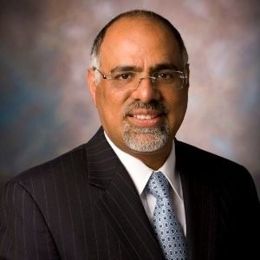
Raja Rajamannar, Chief Marketing and Communications Officer (LinkedIn).
Raja Rajamannar, Chief Marketing and Communications Officer and
President of healthcare at Mastercard, said of the current situation in
healthcare, “The healthcare industry is at an inflection point, with evolving
digital-first expectations challenging industry norms. Around the world, we’ve
been working closely with healthcare organizations to better serve their
partners and patients with a range of products and services well-tuned to drive
simplicity, convenience and efficiency in payments and beyond.”
The partnership with Remedinet represents yet another global
collaboration for Mastercard.
By leveraging its virtual card technology, Mastercard aims to expedite
payments, providing a swift and secure financial ecosystem for healthcare
providers and insurers.
Mastercard's Healthcare Vision Unveiled
In a strategic collaboration with Remedinet, a cloud-based healthtech
platform, card giant Mastercard's B2B healthcare payment solution is making its debut in India. The goal is clear: to simplify
cashless claims and foster seamless transactions between hospitals, health
insurers, and third-party administrators.
How Does It Work?
Mastercard's end-to-end payments solution is crafted around virtual
card technology. By embedding virtual cards within healthtech platforms, like
Remedinet, through API connectivity, Mastercard ensures that B2B payments
become both faster and more secure.
Remedinet gains instant access to virtually generated cards issued by
their bank the moment they submit a medical claim to an insurance company. This
move significantly accelerates the payout process for hospitals, transforming a
historically lengthy waiting period into almost immediate compensation.
For insurers, the introduction of Mastercard's virtual cards means
enhanced transparency. Transaction-level data accompanies claim settlement
information, facilitating streamlined processes and automated reconciliation.
Chad Wallace, Global Head of Commercial Solutions at Mastercard (LinkedIn).
“We’re on a mission to integrate our technology into platform providers
to drive seamless B2B payment experiences at greater scale. As we assessed
industries where we can contribute with impact, healthcare emerged as a
critical industry to unlock payment efficiencies,” said Chad Wallace, Global
Head of Commercial Solutions at Mastercard.
Addressing B2B Healthcare Challenges
Mastercard's foray into solving B2B healthcare payments is designed to
align fintech and healthtech to tackle inefficiencies. Particularly in emerging
markets like India, legacy systems in use by insurers contribute to
bottlenecks, resulting in payment delays and increased borrowing costs for
healthcare providers.
Manual claims processes and reconciliation add to the challenge,
creating uncertainty for healthcare providers and straining billing teams.
Healthtech startups, despite being instrumental in driving efficiencies, often
lack the resources needed to independently address these issues, according to
the company.
The Power of Partnerships
Through partnerships with industry leaders like Mastercard, healthtech
enablers can bridge the gap, accessing the necessary solutions to improve
connectivity between healthcare parties and revolutionize the payments process.
Raja Rajamannar, Chief Marketing and Communications Officer (LinkedIn).
Raja Rajamannar, Chief Marketing and Communications Officer and
President of healthcare at Mastercard, said of the current situation in
healthcare, “The healthcare industry is at an inflection point, with evolving
digital-first expectations challenging industry norms. Around the world, we’ve
been working closely with healthcare organizations to better serve their
partners and patients with a range of products and services well-tuned to drive
simplicity, convenience and efficiency in payments and beyond.”
The partnership with Remedinet represents yet another global
collaboration for Mastercard.
Louis Parks has lived and worked in and around the Middle East for much of his professional career. He writes about the meeting of the tech and finance worlds.
Inside the Prediction Markets: $1.6B Institutional Inflow Meets a Federal Crackdown
FP Markets Winner Spotlight 🏆 | Global Broker of the Year 2025 #Trading #Broker #Innovation #Shorts
FP Markets Winner Spotlight 🏆 | Global Broker of the Year 2025 #Trading #Broker #Innovation #Shorts
FP Markets takes the spotlight as Global Broker of the Year 2025 at the Finance Magnates Awards.
Martin Stoilov, Head of Client Experience, shares that trust, innovation, and people played a key role in the company’s success, supported by a strong foundation of integrity and client-centricity.
Following this milestone, FP Markets continues to focus on growth, technology investment, and its core values of transparency and excellence.
👉 Be part of FM Awards 2026: https://awards.financemagnates.com/#nominate
FP Markets takes the spotlight as Global Broker of the Year 2025 at the Finance Magnates Awards.
Martin Stoilov, Head of Client Experience, shares that trust, innovation, and people played a key role in the company’s success, supported by a strong foundation of integrity and client-centricity.
Following this milestone, FP Markets continues to focus on growth, technology investment, and its core values of transparency and excellence.
👉 Be part of FM Awards 2026: https://awards.financemagnates.com/#nominate
In this video, we review @HolaPrimeMarketsOfficial, a multi-asset forex and CFDs broker offering different account types, trading platforms, and flexible trading conditions.
We cover the broker’s overall offering, including account options, trading environment, platforms like MT4 and MT5, and additional services such as managed accounts and fast withdrawals.
Watch the full video to see if Hola Prime Markets fits your trading needs.
📣 Stay up to date with the latest in finance and trading. Follow Finance Magnates for industry news, insights, and global event coverage.
Connect with us:
🔗 LinkedIn: /financemagnates
👍 Facebook: /financemagnates
📸 Instagram: https://www.instagram.com/financemagnates
🐦 X: https://x.com/financemagnates
🎥 TikTok: https://www.tiktok.com/tag/financemagnates
▶️ YouTube: /@financemagnates_official
#HolaPrime #ForexBroker #CFDTrading #FinanceMagnates #Trading #Forex #BrokerReview
In this video, we review @HolaPrimeMarketsOfficial, a multi-asset forex and CFDs broker offering different account types, trading platforms, and flexible trading conditions.
We cover the broker’s overall offering, including account options, trading environment, platforms like MT4 and MT5, and additional services such as managed accounts and fast withdrawals.
Watch the full video to see if Hola Prime Markets fits your trading needs.
📣 Stay up to date with the latest in finance and trading. Follow Finance Magnates for industry news, insights, and global event coverage.
Connect with us:
🔗 LinkedIn: /financemagnates
👍 Facebook: /financemagnates
📸 Instagram: https://www.instagram.com/financemagnates
🐦 X: https://x.com/financemagnates
🎥 TikTok: https://www.tiktok.com/tag/financemagnates
▶️ YouTube: /@financemagnates_official
#HolaPrime #ForexBroker #CFDTrading #FinanceMagnates #Trading #Forex #BrokerReview
Hola Prime Review: What You Need to Know | Full Breakdown by Finance Magnates
Hola Prime Review: What You Need to Know | Full Breakdown by Finance Magnates
In this video, we review @HolaPrime_Global, a proprietary trading firm offering evaluation programs and performance-based payouts in simulated market environments.
We cover how the challenge model works, including account types, profit splits (up to 95%), trading rules, and what it takes to reach a funded account. You’ll also learn about available platforms like MT4, MT5, cTrader, and more, along with insights into payouts, support, and trading conditions.
Watch the full video to see if Hola Prime fits your trading style.
📣 Stay up to date with the latest in finance and trading. Follow Finance Magnates for industry news, insights, and global event coverage.
Connect with us:
🔗 LinkedIn: /financemagnates
👍 Facebook: /financemagnates
📸 Instagram: https://www.instagram.com/financemagnates
🐦 X: https://x.com/financemagnates
🎥 TikTok: https://www.tiktok.com/tag/financemagnates
▶️ YouTube: /@financemagnates_official
#HolaPrime #PropFirm #Trading #FinanceMagnates #Forex #FuturesTrading #TradingReview #PropFirmReview
In this video, we review @HolaPrime_Global, a proprietary trading firm offering evaluation programs and performance-based payouts in simulated market environments.
We cover how the challenge model works, including account types, profit splits (up to 95%), trading rules, and what it takes to reach a funded account. You’ll also learn about available platforms like MT4, MT5, cTrader, and more, along with insights into payouts, support, and trading conditions.
Watch the full video to see if Hola Prime fits your trading style.
📣 Stay up to date with the latest in finance and trading. Follow Finance Magnates for industry news, insights, and global event coverage.
Connect with us:
🔗 LinkedIn: /financemagnates
👍 Facebook: /financemagnates
📸 Instagram: https://www.instagram.com/financemagnates
🐦 X: https://x.com/financemagnates
🎥 TikTok: https://www.tiktok.com/tag/financemagnates
▶️ YouTube: /@financemagnates_official
#HolaPrime #PropFirm #Trading #FinanceMagnates #Forex #FuturesTrading #TradingReview #PropFirmReview
Axi Winner Spotlight 🏆 | Global Most Innovative Broker 2025 #Innovation #Trading #Fintech #Broker
Axi Winner Spotlight 🏆 | Global Most Innovative Broker 2025 #Innovation #Trading #Fintech #Broker
Axi takes the spotlight at the Finance Magnates Awards, winning Global Most Innovative Broker 2025.
Olivia Xenofontos and Ivanna Openko share how the team will feel: proud, motivated, and ready to keep delivering.
They also describe the night as well-organized, focused, and enjoyable for all.
👉 Be part of FM Awards 2026.
Axi takes the spotlight at the Finance Magnates Awards, winning Global Most Innovative Broker 2025.
Olivia Xenofontos and Ivanna Openko share how the team will feel: proud, motivated, and ready to keep delivering.
They also describe the night as well-organized, focused, and enjoyable for all.
👉 Be part of FM Awards 2026.
Recognition that matters.
Built on transparency.
Driven by the industry.
The Finance Magnates Awards 2026.
Nominations are now open.
🔗 https://awards.financemagnates.com/?utm_source=SM&utm_medium=social&utm_campaign=recognition-matters
Recognition that matters.
Built on transparency.
Driven by the industry.
The Finance Magnates Awards 2026.
Nominations are now open.
🔗 https://awards.financemagnates.com/?utm_source=SM&utm_medium=social&utm_campaign=recognition-matters