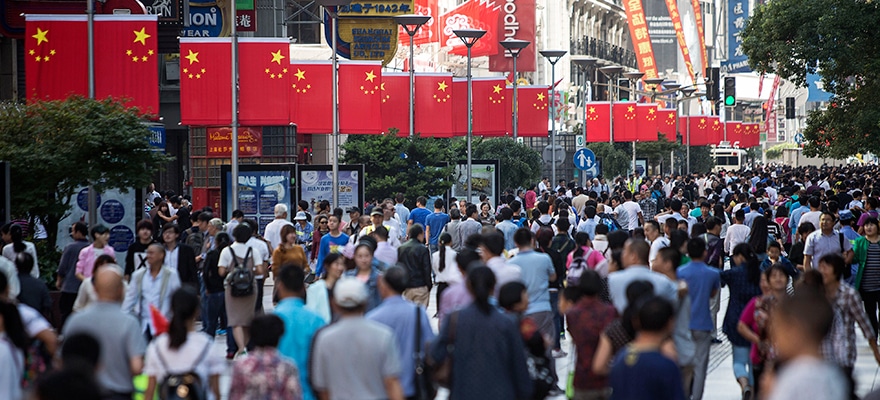
It's hard to forget the January 2016 drop in the Shanghai Composite Index that caused declines in international equity indexes.
Bloomberg
The International Monetary Fund expects that worries over China will increase speculation over its economy as market dependence between emerging and developed countries increases.
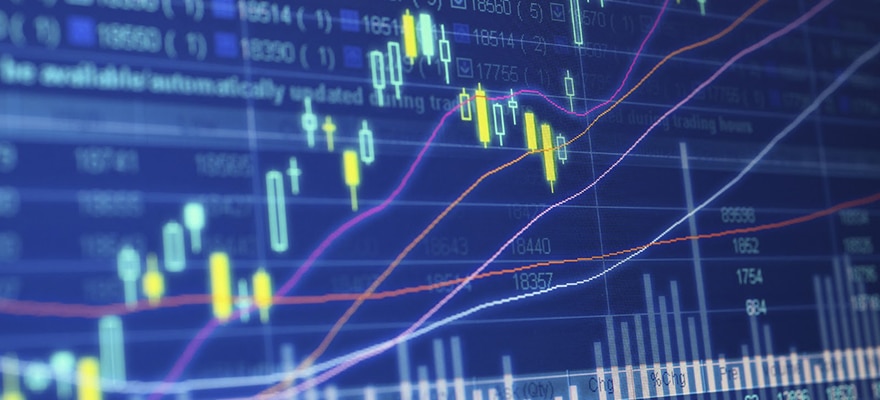
Compared to the 50 percent linkage in 1995, movement in the global equity markets in 2015 was 80 percent, which shows an increased correlation between markets.
Following the crisis in 2008, the world markets from market spillovers to avant-garde economies has grown by 28 percent, as stated in the IMF report.
It was also indicated that China’s influence in the world financial system will continue to increase alongside the country’s economic and policy developments over global market stability. Forecasts also state that spillovers from China will increase dramatically over the next few years.
Overall, Chinese exports to the United States represent a minor part of the latter's economy, in other words, speculations over China’s economic health should not reflect so much on companies based in the world’s strongest economy.
The Chinese financial system, on the other hand, has direct links to the Japanese economy and any problems can be clearly sensed in the land of the rising sun.
While the current impact may be small for the American economy, the rate of growth of market contagion between matured and emerging markets appears to increase. According to the IMF report, the main reason is the fundamental connection, for example, stocks of commodity producers declining when Chinese industrial giants start losing.
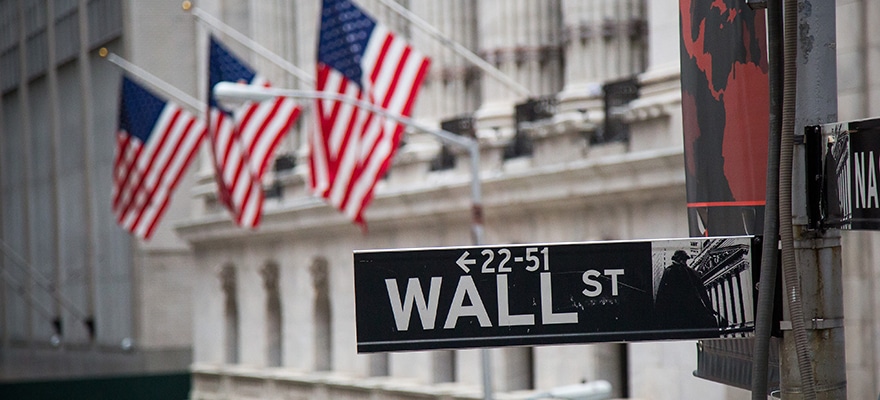
It is hard to forget the 7th of January 2016, when the sudden, unexpected 7 percent drop in the Shanghai Composite Index caused declines in equity indexes around the world, including the United States, Japan, and Australia. The same month was the worst since August for the Dow Jones Industrial average, yet again caused by concerns over China.
The IMF has indicated a stronger link and elevated market integration due to global trends contributing to spillovers in equity markets usually between emerging and advanced economies.
The IMF also stated that all analysed data could not explain the contagion, part of it resulting in the day-to-day decisions of millions of investors.
The International Monetary Fund expects that worries over China will increase speculation over its economy as market dependence between emerging and developed countries increases.
Compared to the 50 percent linkage in 1995, movement in the global equity markets in 2015 was 80 percent, which shows an increased correlation between markets.
Following the crisis in 2008, the world markets from market spillovers to avant-garde economies has grown by 28 percent, as stated in the IMF report.
It was also indicated that China’s influence in the world financial system will continue to increase alongside the country’s economic and policy developments over global market stability. Forecasts also state that spillovers from China will increase dramatically over the next few years.
Overall, Chinese exports to the United States represent a minor part of the latter's economy, in other words, speculations over China’s economic health should not reflect so much on companies based in the world’s strongest economy.
The Chinese financial system, on the other hand, has direct links to the Japanese economy and any problems can be clearly sensed in the land of the rising sun.
While the current impact may be small for the American economy, the rate of growth of market contagion between matured and emerging markets appears to increase. According to the IMF report, the main reason is the fundamental connection, for example, stocks of commodity producers declining when Chinese industrial giants start losing.
It is hard to forget the 7th of January 2016, when the sudden, unexpected 7 percent drop in the Shanghai Composite Index caused declines in equity indexes around the world, including the United States, Japan, and Australia. The same month was the worst since August for the Dow Jones Industrial average, yet again caused by concerns over China.
The IMF has indicated a stronger link and elevated market integration due to global trends contributing to spillovers in equity markets usually between emerging and advanced economies.
The IMF also stated that all analysed data could not explain the contagion, part of it resulting in the day-to-day decisions of millions of investors.
Clearstream to Settle LCH-Cleared Equity Contracts
FP Markets Winner Spotlight 🏆 | Global Broker of the Year 2025 #Trading #Broker #Innovation #Shorts
FP Markets Winner Spotlight 🏆 | Global Broker of the Year 2025 #Trading #Broker #Innovation #Shorts
FP Markets takes the spotlight as Global Broker of the Year 2025 at the Finance Magnates Awards.
Martin Stoilov, Head of Client Experience, shares that trust, innovation, and people played a key role in the company’s success, supported by a strong foundation of integrity and client-centricity.
Following this milestone, FP Markets continues to focus on growth, technology investment, and its core values of transparency and excellence.
👉 Be part of FM Awards 2026: https://awards.financemagnates.com/#nominate
FP Markets takes the spotlight as Global Broker of the Year 2025 at the Finance Magnates Awards.
Martin Stoilov, Head of Client Experience, shares that trust, innovation, and people played a key role in the company’s success, supported by a strong foundation of integrity and client-centricity.
Following this milestone, FP Markets continues to focus on growth, technology investment, and its core values of transparency and excellence.
👉 Be part of FM Awards 2026: https://awards.financemagnates.com/#nominate
In this video, we review @HolaPrimeMarketsOfficial, a multi-asset forex and CFDs broker offering different account types, trading platforms, and flexible trading conditions.
We cover the broker’s overall offering, including account options, trading environment, platforms like MT4 and MT5, and additional services such as managed accounts and fast withdrawals.
Watch the full video to see if Hola Prime Markets fits your trading needs.
📣 Stay up to date with the latest in finance and trading. Follow Finance Magnates for industry news, insights, and global event coverage.
Connect with us:
🔗 LinkedIn: /financemagnates
👍 Facebook: /financemagnates
📸 Instagram: https://www.instagram.com/financemagnates
🐦 X: https://x.com/financemagnates
🎥 TikTok: https://www.tiktok.com/tag/financemagnates
▶️ YouTube: /@financemagnates_official
#HolaPrime #ForexBroker #CFDTrading #FinanceMagnates #Trading #Forex #BrokerReview
In this video, we review @HolaPrimeMarketsOfficial, a multi-asset forex and CFDs broker offering different account types, trading platforms, and flexible trading conditions.
We cover the broker’s overall offering, including account options, trading environment, platforms like MT4 and MT5, and additional services such as managed accounts and fast withdrawals.
Watch the full video to see if Hola Prime Markets fits your trading needs.
📣 Stay up to date with the latest in finance and trading. Follow Finance Magnates for industry news, insights, and global event coverage.
Connect with us:
🔗 LinkedIn: /financemagnates
👍 Facebook: /financemagnates
📸 Instagram: https://www.instagram.com/financemagnates
🐦 X: https://x.com/financemagnates
🎥 TikTok: https://www.tiktok.com/tag/financemagnates
▶️ YouTube: /@financemagnates_official
#HolaPrime #ForexBroker #CFDTrading #FinanceMagnates #Trading #Forex #BrokerReview
Hola Prime Review: What You Need to Know | Full Breakdown by Finance Magnates
Hola Prime Review: What You Need to Know | Full Breakdown by Finance Magnates
In this video, we review @HolaPrime_Global, a proprietary trading firm offering evaluation programs and performance-based payouts in simulated market environments.
We cover how the challenge model works, including account types, profit splits (up to 95%), trading rules, and what it takes to reach a funded account. You’ll also learn about available platforms like MT4, MT5, cTrader, and more, along with insights into payouts, support, and trading conditions.
Watch the full video to see if Hola Prime fits your trading style.
📣 Stay up to date with the latest in finance and trading. Follow Finance Magnates for industry news, insights, and global event coverage.
Connect with us:
🔗 LinkedIn: /financemagnates
👍 Facebook: /financemagnates
📸 Instagram: https://www.instagram.com/financemagnates
🐦 X: https://x.com/financemagnates
🎥 TikTok: https://www.tiktok.com/tag/financemagnates
▶️ YouTube: /@financemagnates_official
#HolaPrime #PropFirm #Trading #FinanceMagnates #Forex #FuturesTrading #TradingReview #PropFirmReview
In this video, we review @HolaPrime_Global, a proprietary trading firm offering evaluation programs and performance-based payouts in simulated market environments.
We cover how the challenge model works, including account types, profit splits (up to 95%), trading rules, and what it takes to reach a funded account. You’ll also learn about available platforms like MT4, MT5, cTrader, and more, along with insights into payouts, support, and trading conditions.
Watch the full video to see if Hola Prime fits your trading style.
📣 Stay up to date with the latest in finance and trading. Follow Finance Magnates for industry news, insights, and global event coverage.
Connect with us:
🔗 LinkedIn: /financemagnates
👍 Facebook: /financemagnates
📸 Instagram: https://www.instagram.com/financemagnates
🐦 X: https://x.com/financemagnates
🎥 TikTok: https://www.tiktok.com/tag/financemagnates
▶️ YouTube: /@financemagnates_official
#HolaPrime #PropFirm #Trading #FinanceMagnates #Forex #FuturesTrading #TradingReview #PropFirmReview
Axi Winner Spotlight 🏆 | Global Most Innovative Broker 2025 #Innovation #Trading #Fintech #Broker
Axi Winner Spotlight 🏆 | Global Most Innovative Broker 2025 #Innovation #Trading #Fintech #Broker
Axi takes the spotlight at the Finance Magnates Awards, winning Global Most Innovative Broker 2025.
Olivia Xenofontos and Ivanna Openko share how the team will feel: proud, motivated, and ready to keep delivering.
They also describe the night as well-organized, focused, and enjoyable for all.
👉 Be part of FM Awards 2026.
Axi takes the spotlight at the Finance Magnates Awards, winning Global Most Innovative Broker 2025.
Olivia Xenofontos and Ivanna Openko share how the team will feel: proud, motivated, and ready to keep delivering.
They also describe the night as well-organized, focused, and enjoyable for all.
👉 Be part of FM Awards 2026.
Recognition that matters.
Built on transparency.
Driven by the industry.
The Finance Magnates Awards 2026.
Nominations are now open.
🔗 https://awards.financemagnates.com/?utm_source=SM&utm_medium=social&utm_campaign=recognition-matters
Recognition that matters.
Built on transparency.
Driven by the industry.
The Finance Magnates Awards 2026.
Nominations are now open.
🔗 https://awards.financemagnates.com/?utm_source=SM&utm_medium=social&utm_campaign=recognition-matters