6 Things that Could Trigger a Global Financial Crisis
Monday,14/03/2016|10:02GMTby
Vassil Nikolov
A list of current financial troubles that could potentially bring about a new global financial crisis.
1. Strong dollar
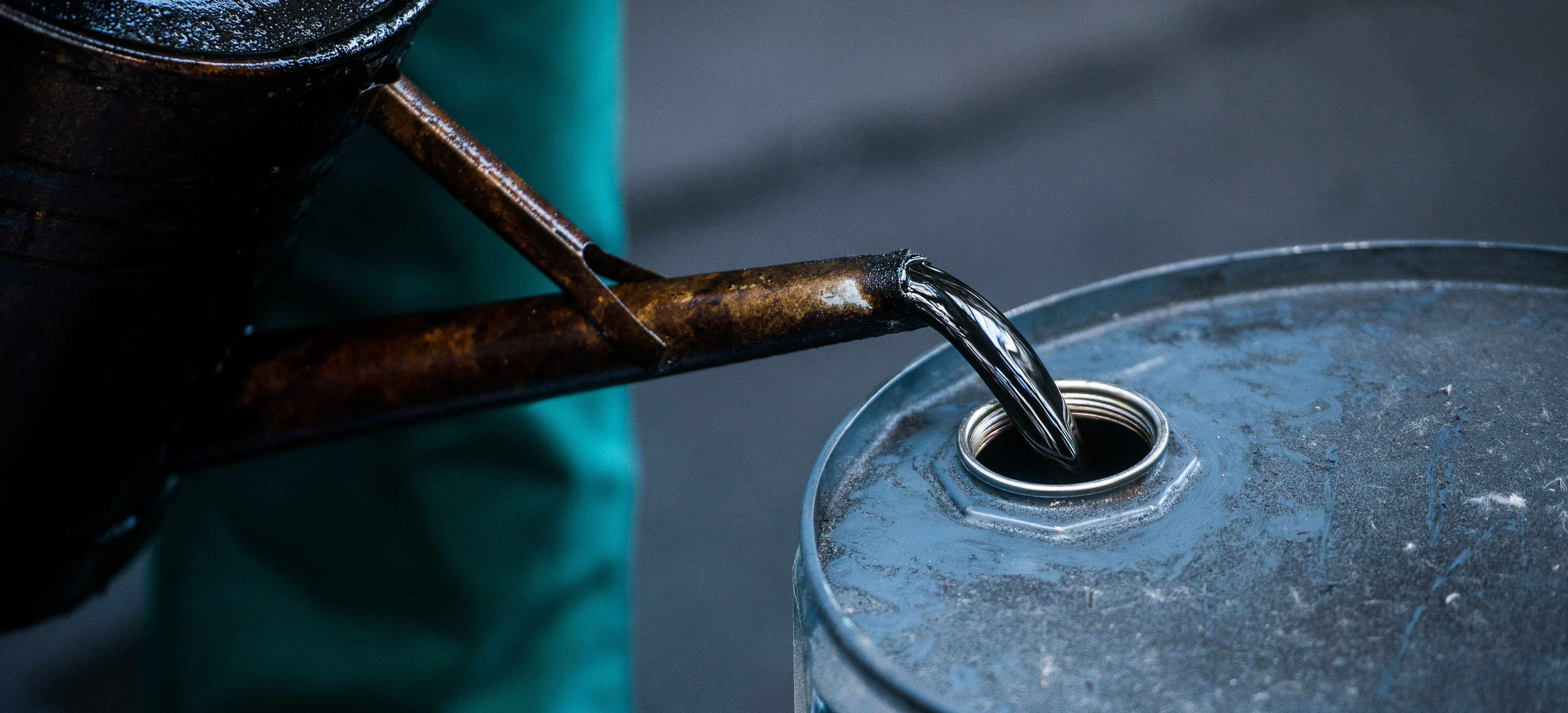
We know that the strong performance of the dollar crimps American exports and earnings overseas. Fragility in emerging markets influences companies in the technology, aerospace, consumer products, and luxury products industries. Devaluation of currencies together with excess capacity, caused by an abundance of investment in China, increases the possibility of deflation, which decreases pricing power. Lower oil prices have a negative influence on earnings and the value of energy producers’ assets.
At the same time, incomes and Liquidity pressures cut activity in mergers and stock buybacks that supported values of equity. American stocks drop, and this negatively affects the world’s equity markets.
2. Debt markets
Energy companies with huge liabilities and emerging market borrowers see higher financial risk. Basically, the focus will be on the U.S. oil and gas industry, being significantly leveraged with debts that are more than three times higher than gross operating profits.
3. Shift in liquidity
We are experiencing an era of asynchronous monetary policy. The Federal Reserve diminished its operations, stopping buys of government bonds and securities backed by mortgage, which brought more than $1 trillion per year at their highest level.
The need for U.S. dollar liquidity is explained by the large volume of foreign currency liabilities, especially those issued by borrowers from emerging markets, being denominated in dollars. According to information from the Bank of International Settlements, dollar credit to non-bank borrowers overseas amounted to over $9 trillion in debt securities and bank loans.
Tightening of current dollar liquidity together with a more solid dollar would bring losses on such borrowings. The risk is escalated by the Volatility of a number of emerging markets. Low prices on main commodities also contribute to the problems. It decreases the dollar-denominated earnings available to meet obligations on the liabilities of exporters, strengthening the possibility of currency instability.
U.S. dollar liquidity on global markets is impacted also by altered capital flows. Since the first oil crisis, the surplus earnings from oil exporters have been a vital part of the world’s capital flows, financing, increasing the prices of assets, and keeping interest rates low. A continued period of decreasing oil prices will cut petrodollar liquidity and may force sales of overseas investments.
Foreign currency reserves are also going down in emerging markets, led by significant drops in Chinese reserves caused by a mix of weak trading conditions and capital movements to support the Chinese economy.
4. World economic activity
Let’s concentrate on the energy sector. The expectations that lower prices for oil will lead to growth may be wrong, with the troubles of producers offsetting the benefits for their customers. About $1 trillion of new investment won’t be reasonable considering the low oil prices. Mixed with the drop in forecasted investment in resource sectors, the adverse influence on economies will be huge. Currency fluctuations will also put pressure on growth.
Problems will grow in emerging markets also. Growth is slowing as result of weak demand from developed countries and unaddressed structural problems. For countries producing commodities, lower earnings will also bring a re-rating.
5. Growth
The fifth trigger is that slow growth, dropping inflation, and financial troubles will draw attention to sovereign debt. The public debt issues of the U.S. and Japan will bring about the renewed scrutiny of investor. In the EU, sovereign debt issues will influence important members like Italy and France.
6. Investors
The sixth and final trigger is that investors will negatively appraise government policies. Financial stability supported by low rates and QE is broken by the issue of the influence of these policies.
Conclusion
These financial troubles could bring in a new global financial crisis. The situation is really similar to 1997 with dropping commodity prices and the strong performance of the dollar, increasing U.S. interest rates, emerging-market debt problems leading to monetary crisis in Asia, and default in Russia.
1. Strong dollar
We know that the strong performance of the dollar crimps American exports and earnings overseas. Fragility in emerging markets influences companies in the technology, aerospace, consumer products, and luxury products industries. Devaluation of currencies together with excess capacity, caused by an abundance of investment in China, increases the possibility of deflation, which decreases pricing power. Lower oil prices have a negative influence on earnings and the value of energy producers’ assets.
At the same time, incomes and Liquidity pressures cut activity in mergers and stock buybacks that supported values of equity. American stocks drop, and this negatively affects the world’s equity markets.
2. Debt markets
Energy companies with huge liabilities and emerging market borrowers see higher financial risk. Basically, the focus will be on the U.S. oil and gas industry, being significantly leveraged with debts that are more than three times higher than gross operating profits.
3. Shift in liquidity
We are experiencing an era of asynchronous monetary policy. The Federal Reserve diminished its operations, stopping buys of government bonds and securities backed by mortgage, which brought more than $1 trillion per year at their highest level.
The need for U.S. dollar liquidity is explained by the large volume of foreign currency liabilities, especially those issued by borrowers from emerging markets, being denominated in dollars. According to information from the Bank of International Settlements, dollar credit to non-bank borrowers overseas amounted to over $9 trillion in debt securities and bank loans.
Tightening of current dollar liquidity together with a more solid dollar would bring losses on such borrowings. The risk is escalated by the Volatility of a number of emerging markets. Low prices on main commodities also contribute to the problems. It decreases the dollar-denominated earnings available to meet obligations on the liabilities of exporters, strengthening the possibility of currency instability.
U.S. dollar liquidity on global markets is impacted also by altered capital flows. Since the first oil crisis, the surplus earnings from oil exporters have been a vital part of the world’s capital flows, financing, increasing the prices of assets, and keeping interest rates low. A continued period of decreasing oil prices will cut petrodollar liquidity and may force sales of overseas investments.
Foreign currency reserves are also going down in emerging markets, led by significant drops in Chinese reserves caused by a mix of weak trading conditions and capital movements to support the Chinese economy.
4. World economic activity
Let’s concentrate on the energy sector. The expectations that lower prices for oil will lead to growth may be wrong, with the troubles of producers offsetting the benefits for their customers. About $1 trillion of new investment won’t be reasonable considering the low oil prices. Mixed with the drop in forecasted investment in resource sectors, the adverse influence on economies will be huge. Currency fluctuations will also put pressure on growth.
Problems will grow in emerging markets also. Growth is slowing as result of weak demand from developed countries and unaddressed structural problems. For countries producing commodities, lower earnings will also bring a re-rating.
5. Growth
The fifth trigger is that slow growth, dropping inflation, and financial troubles will draw attention to sovereign debt. The public debt issues of the U.S. and Japan will bring about the renewed scrutiny of investor. In the EU, sovereign debt issues will influence important members like Italy and France.
6. Investors
The sixth and final trigger is that investors will negatively appraise government policies. Financial stability supported by low rates and QE is broken by the issue of the influence of these policies.
Conclusion
These financial troubles could bring in a new global financial crisis. The situation is really similar to 1997 with dropping commodity prices and the strong performance of the dollar, increasing U.S. interest rates, emerging-market debt problems leading to monetary crisis in Asia, and default in Russia.
Clearstream to Settle LCH-Cleared Equity Contracts
CMC Markets’ Artur Delijergijevs on Metals Demand, Volatility, & Stable Execution
CMC Markets’ Artur Delijergijevs on Metals Demand, Volatility, & Stable Execution
In this exclusive Executive Interview, Finance Magnates speaks with Artur Delijergijevs, Head of Systematic Market Making at CMC Markets, about the current state of metals demand and market volatility.
Delijergijevs offers a desk-level view on:
- Metals Demand: Why metals are seeing the strongest demand from both retail and institutional clients right now.
- The Safe-Haven Debate: Questioning whether gold still fits the classic safe-haven definition given large daily price movements.
- Volatile Market Prep: How a market-making desk prepares its systems and pricing for stressed market conditions and high-impact economic events.
- Hybrid Execution: Why the best execution model combines electronic speed with human relationship support, especially during volatility.
- AI in Workflow: Where CMC Markets is integrating machine learning for risk management and pricing, and the limitations of AI during stressed markets.
- Dubai's Role: The strategic importance of Dubai’s location for covering global trading sessions across Asia, Europe, and the US.
Watch to understand how CMC Markets maintains stable pricing and reliable execution quality in high-volatility environments.
#CMCmarkets #forex #metals #gold #trading #volatility #MarketMaking #iFXDubai #FinanceMagnates #Finance #Fintech #Execution #AlgorithmicTrading #RiskManagement
In this exclusive Executive Interview, Finance Magnates speaks with Artur Delijergijevs, Head of Systematic Market Making at CMC Markets, about the current state of metals demand and market volatility.
Delijergijevs offers a desk-level view on:
- Metals Demand: Why metals are seeing the strongest demand from both retail and institutional clients right now.
- The Safe-Haven Debate: Questioning whether gold still fits the classic safe-haven definition given large daily price movements.
- Volatile Market Prep: How a market-making desk prepares its systems and pricing for stressed market conditions and high-impact economic events.
- Hybrid Execution: Why the best execution model combines electronic speed with human relationship support, especially during volatility.
- AI in Workflow: Where CMC Markets is integrating machine learning for risk management and pricing, and the limitations of AI during stressed markets.
- Dubai's Role: The strategic importance of Dubai’s location for covering global trading sessions across Asia, Europe, and the US.
Watch to understand how CMC Markets maintains stable pricing and reliable execution quality in high-volatility environments.
#CMCmarkets #forex #metals #gold #trading #volatility #MarketMaking #iFXDubai #FinanceMagnates #Finance #Fintech #Execution #AlgorithmicTrading #RiskManagement
Finance Magnates Awards 2026 – Nominations Now Open
Finance Magnates Awards 2026 – Nominations Now Open
The Finance Magnates Awards 2026 nominations are now open. 🏆
From fintech innovators to leading brokers, this is where the finance industry celebrates its biggest achievements.
Winners will be announced at the Cyprus Gala Dinner on November 6, 2026.
Nominate your brand now.
https://awards.financemagnates.com/?utm_source=linkedin&utm_medium=video&utm_campaign=nominations-open
#FMAwards #FinanceMagnates #FintechAwards #Fintech #FinanceIndustry
The Finance Magnates Awards 2026 nominations are now open. 🏆
From fintech innovators to leading brokers, this is where the finance industry celebrates its biggest achievements.
Winners will be announced at the Cyprus Gala Dinner on November 6, 2026.
Nominate your brand now.
https://awards.financemagnates.com/?utm_source=linkedin&utm_medium=video&utm_campaign=nominations-open
#FMAwards #FinanceMagnates #FintechAwards #Fintech #FinanceIndustry
Finance Magnates Awards 2026 | Nominations Now Open 🏆#Fintech #FMAwards #TradingIndustry
Finance Magnates Awards 2026 | Nominations Now Open 🏆#Fintech #FMAwards #TradingIndustry
Lights on. Cameras ready. 🎬
Finance Magnates Awards 2026 nominations are now open. 🏆
#FMAwards #FinanceMagnates #FintechAwards #Fintech
Lights on. Cameras ready. 🎬
Finance Magnates Awards 2026 nominations are now open. 🏆
#FMAwards #FinanceMagnates #FintechAwards #Fintech
Exness sees trust as the key theme for growth in MENA Trading Growth for 2026
Exness sees trust as the key theme for growth in MENA Trading Growth for 2026
Mohammad Amer, Regional Commercial Director at Exness, sits down to discuss the booming MENA financial trading market. Find out why Dubai is key to the company's growth strategy, how a mobile-first generation is changing expectations, and why trust will be the defining theme for traders in 2026.
In this interview, you'll learn:
* Why Dubai and the MENA region are critical growth markets for fintech and online trading.
* How Exness is addressing the demands of mobile-first, younger traders through engineering, platform stability, and transparent conditions.
* The essential role local talent plays in providing a culturally relevant and compliant user experience.
* Mohammad Amer's outlook on the future of the online trading industry and why stronger controls and systems are necessary.
* Why "trust" isn't just a brand value, but has commercial value—and why he predicts 2026 will be the "Year of Trust."
Key Takeaways:
➡️ The MENA region is rapidly shaping global financial markets.
➡️ New traders expect stability, precise execution, and transparency.
➡️ Local expertise is key to regulatory compliance and user experience.
➡️ Future success belongs to firms capable of meeting rising standards across regulation and platform consistency.
Read the full article at: https://www.financemagnates.com/thought-leadership/exness-sees-trust-as-the-key-theme-for-growth-in-mena-trading-growth-for-2026/
#Exness #MENA #Trading #FinTech #Dubai #OnlineTrading #FinanceMagnates #MohammadAmer #Trust #MobileTrading
Mohammad Amer, Regional Commercial Director at Exness, sits down to discuss the booming MENA financial trading market. Find out why Dubai is key to the company's growth strategy, how a mobile-first generation is changing expectations, and why trust will be the defining theme for traders in 2026.
In this interview, you'll learn:
* Why Dubai and the MENA region are critical growth markets for fintech and online trading.
* How Exness is addressing the demands of mobile-first, younger traders through engineering, platform stability, and transparent conditions.
* The essential role local talent plays in providing a culturally relevant and compliant user experience.
* Mohammad Amer's outlook on the future of the online trading industry and why stronger controls and systems are necessary.
* Why "trust" isn't just a brand value, but has commercial value—and why he predicts 2026 will be the "Year of Trust."
Key Takeaways:
➡️ The MENA region is rapidly shaping global financial markets.
➡️ New traders expect stability, precise execution, and transparency.
➡️ Local expertise is key to regulatory compliance and user experience.
➡️ Future success belongs to firms capable of meeting rising standards across regulation and platform consistency.
Read the full article at: https://www.financemagnates.com/thought-leadership/exness-sees-trust-as-the-key-theme-for-growth-in-mena-trading-growth-for-2026/
#Exness #MENA #Trading #FinTech #Dubai #OnlineTrading #FinanceMagnates #MohammadAmer #Trust #MobileTrading
Paytiko CEO Razi Salih on Why Payment Orchestration is a MUST-HAVE for Brokers in 2026
Paytiko CEO Razi Salih on Why Payment Orchestration is a MUST-HAVE for Brokers in 2026
At iFX Expo Dubai, Finance Magnates spoke with Razi Salih, CEO at Paytiko, about the evolution of the payments ecosystem and why payment orchestration has shifted from an option to a necessity for brokers, prop firms, and exchanges.
Mr. Salih explains how global expansion, the need for deep localisation, and the sheer number of new payment methods, from instant banking to stablecoins, are driving this critical infrastructure shift.
#PaymentOrchestration #Fintech #Brokerage #TradingPayments #RaziSalih #Paytiko #iFXExpoDubai #Stablecoins #AIinFintech
At iFX Expo Dubai, Finance Magnates spoke with Razi Salih, CEO at Paytiko, about the evolution of the payments ecosystem and why payment orchestration has shifted from an option to a necessity for brokers, prop firms, and exchanges.
Mr. Salih explains how global expansion, the need for deep localisation, and the sheer number of new payment methods, from instant banking to stablecoins, are driving this critical infrastructure shift.
#PaymentOrchestration #Fintech #Brokerage #TradingPayments #RaziSalih #Paytiko #iFXExpoDubai #Stablecoins #AIinFintech