>
What Can We Expect in 2019? A Financial Market Outlook by BDSwiss’ Analysts
Disclaimer
What Can We Expect in 2019? A Financial Market Outlook by BDSwiss’ Analysts
Wednesday,02/01/2019|14:28GMTby
FM
Disclaimer
Which major events are expected to shape the markets in 2019 and what are the most probable scenarios?
BDSwiss
As markets move into 2019, investors are on the lookout for key forecasts and market predictions by senior analysts in order to strategize for the year ahead.
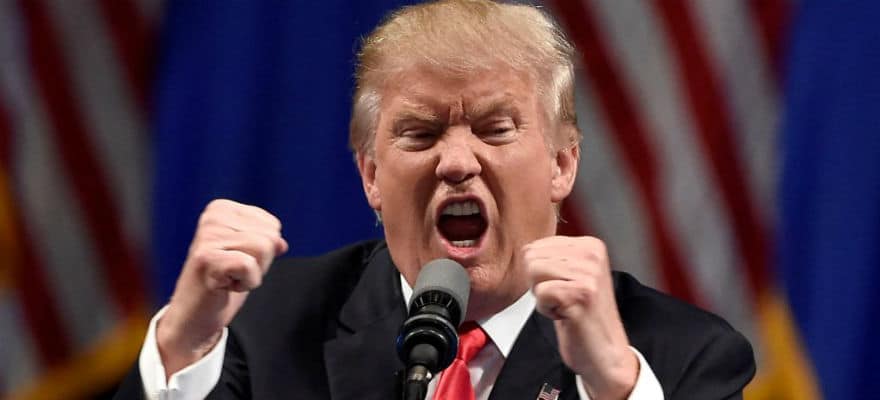
In retrospect, 2018 was quite an eventful year; it started with a complete shutdown of the US government back in January and ended with an utter Brexit debacle which caused havoc in the U.K. markets. Overall however, markets remained largely bullish in 2018.
Bloomberg
Another Eventful Year
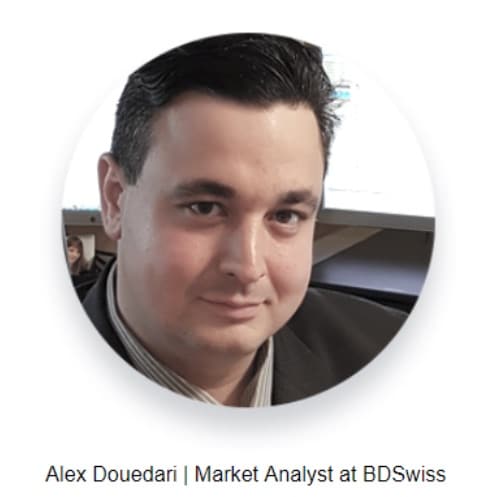
According to BDSwiss’ market analysts Alex Douedari and Frank Walbaum, we should not expect 2019 to be any different. In their extensive 2019 Global Market Outlook, the two veteran analysts elaborate on the views of Wall Street strategists to create a detailed report with the key fundamental scenarios that traders and investors may be faced with in 2019.
Alex and Frank’s report includes the biggest disruptions, innovations, and opportunities that are likely to present themselves next year.
Markets Remain Largely Bullish
In 2019, markets will remain largely bullish but will be dictated predominantly by politics according to Alex and Frank, “We see a choppier year ahead for global markets, oil will remain a wild card and investors will maintain a largely defensive stance when it comes to stocks as they continue to worry about a possible recession in 2020.”
“The median forecast indicates the US economy will grow 2.6 percent in 2019 which is good news for major US retail shares. In Europe however, the macroeconomic picture will be very different, shares are expected to move in a tight range throughout 2019, as slowing growth, political risks and worries over Washington’s protectionist policies keep investors on the sidelines.” comments Alex.
To help investors navigate next year’s markets the two analysts have broken down the most probable and improbable macroeconomic scenarios.
The China/US Scenario
For much of this year the raging trade war between China and the US has caused the dollar to rally against its rivals as the US continued to impose hefty tariffs on Chinese imported goods.
As Frank explains, the Sino-US trade war is currently undergoing a 90-day cease fire, ending sometime in March 2019. “The current trade truce has done nothing to alleviate China’s deteriorating A-shares market. Looking at China’s current declining numbers on fixed asset investments, a retreating industrial production and a slowing growth in the property market growth, China will be paying the heaviest toll in an extreme 2019 trade war scenario.”
“Halfhearted stimulus attempts simply won’t work. China will simply need to take time to deleverage and rebalance.” comments Frank, adding that on a longer-term basis we could see China recover if the Communist Party of China General Secretary, Xi Jinping makes good on his promises to move the nation away from fixed asset investing and into the high-tech engineering fields. If successful, this would likely propel China’s growth after 2025.”
The Brexit Headache
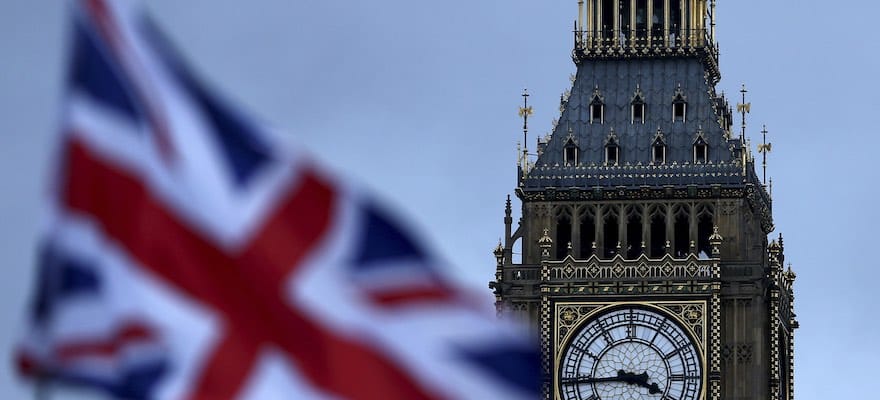
If there’s one thing everyone agrees on when it comes to 2019, is that navigating Brexit uncertainty will remain the U.K.’s biggest challenge. As Alex explains, the recent failed no-confidence vote in Theresa May seems to have reduced the risk of a no-deal, but the most likely final scenario still remains something close to the current deal, especially after a threatened or actual second referendum.
“How the UK fares beyond March 29 is the big question. A less favourable deal will limit U.K.’s access to EU financial services markets and cause a short-term depreciation of the sterling. We will also likely see more bear trends for U.K. high street stocks. Retail shares like Debenhams are already at all time lows so we could even witness sell-offs, merges, takeovers and even bankruptcies when it comes to retail shares. A digital services tax could save the ailing U.K. high street but that won’t happen until 2020,” says Alex.
Reuters
Alex adds that when it comes to the overall U.K. economy, it all boils down to how fast and effectively the Bank of England will be able to react to any Brexit outcome after March 29. The worst-case Brexit scenario is that Britain crashes out of the EU with no deal and with insufficient preparation.
In such a case, the BoE will have little choice but to hike rates sharply to shore up the pound and hold inflation down. As Alex explains, “Under the Bank’s model for a no-deal Brexit, the base rate jumps to 5.5%. If no-deal is mitigated by a transition arrangement, the base rate is anticipated to hit 1.75%. For the sterling this could mean two extremely different outcomes, if the BoE choses to hike rates sharply to hold inflation down, the sterling will soar.
On the flipside, if the BoE slices rates as it did after the brexit vote in 2016, this would in turn cause the GBP to tumble against its rivals.”
EU Members Struggle with More Budget Deficits
The Italian Fiasco sent shockwaves to the bond market in 2018, as the German-Italian spread exploded not too long ago.
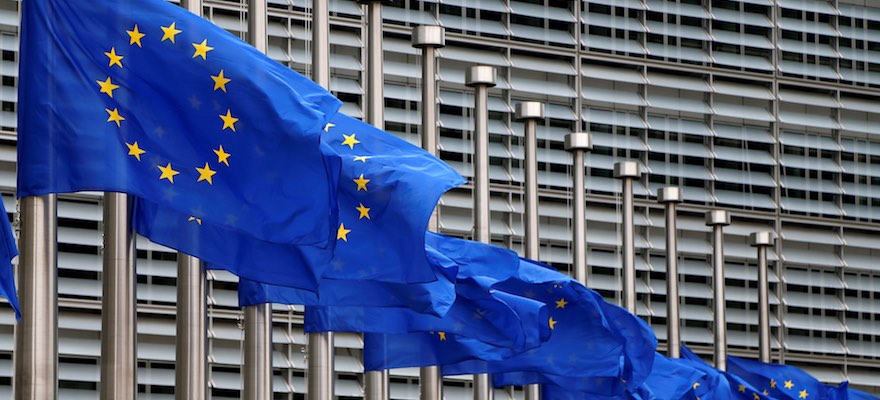
“Since taking power in June, Italy’s populist government has given rise to torturous negotiations, and major internal tensions that put pressure on the euro. On Dec 20, 2018 however, Italy’s populist leaders bowed to the demands of the E.U. and reached an all-important budget deal with the European Commission, sending the EURUSD more than 1 percent higher on the day.” Frank comments.
Reuters
Looking into 2019, it is important to keep in mind that Italy is not the only EU member faced with budget deficit challenges. As Frank explains, “France will struggle to finance itself after President Emmanuel Macron gave in to anti-government street protests by yellow vest citizens struggling to make ends meet, while in Poland a defiant nationalist government may soon have to face a series of serious EU lawsuits.”
What is more, Frank underlines that the political landscape in Germany could reshape the entire European political scene completely. “When Angela Merkel leaves, we will see serious trouble come out of Germany which is also bound to put more pressure on the euro. In fact, during 2018 the Euro weakened a fair bit from a previously strong position to rather moderate levels.”
“The Eurozone economy has also grown less than expected in the third quarter at only 0.2%. This was 0.2% less than both previous quarters and it is clear that Germany was the reason of the lower than expected figures this time. All in all, 2019 is going to be a challenging year for the E.U. and the single currency.” Frank comments.
Overall, 2019 will be quite the year according to Alex and Frank, with a lot of opportunities for investors and many decisive developments in the broader geopolitical sphere.
Click here to learn more about Alex and Frank’s co-hosted Live Webinar or read the full 2019 Global Market Outlook Report.
Disclaimer: The content of this article is sponsored and does not represent the opinions of Finance Magnates.
As markets move into 2019, investors are on the lookout for key forecasts and market predictions by senior analysts in order to strategize for the year ahead.
In retrospect, 2018 was quite an eventful year; it started with a complete shutdown of the US government back in January and ended with an utter Brexit debacle which caused havoc in the U.K. markets. Overall however, markets remained largely bullish in 2018.
Bloomberg
Another Eventful Year
According to BDSwiss’ market analysts Alex Douedari and Frank Walbaum, we should not expect 2019 to be any different. In their extensive 2019 Global Market Outlook, the two veteran analysts elaborate on the views of Wall Street strategists to create a detailed report with the key fundamental scenarios that traders and investors may be faced with in 2019.
Alex and Frank’s report includes the biggest disruptions, innovations, and opportunities that are likely to present themselves next year.
Markets Remain Largely Bullish
In 2019, markets will remain largely bullish but will be dictated predominantly by politics according to Alex and Frank, “We see a choppier year ahead for global markets, oil will remain a wild card and investors will maintain a largely defensive stance when it comes to stocks as they continue to worry about a possible recession in 2020.”
“The median forecast indicates the US economy will grow 2.6 percent in 2019 which is good news for major US retail shares. In Europe however, the macroeconomic picture will be very different, shares are expected to move in a tight range throughout 2019, as slowing growth, political risks and worries over Washington’s protectionist policies keep investors on the sidelines.” comments Alex.
To help investors navigate next year’s markets the two analysts have broken down the most probable and improbable macroeconomic scenarios.
The China/US Scenario
For much of this year the raging trade war between China and the US has caused the dollar to rally against its rivals as the US continued to impose hefty tariffs on Chinese imported goods.
As Frank explains, the Sino-US trade war is currently undergoing a 90-day cease fire, ending sometime in March 2019. “The current trade truce has done nothing to alleviate China’s deteriorating A-shares market. Looking at China’s current declining numbers on fixed asset investments, a retreating industrial production and a slowing growth in the property market growth, China will be paying the heaviest toll in an extreme 2019 trade war scenario.”
“Halfhearted stimulus attempts simply won’t work. China will simply need to take time to deleverage and rebalance.” comments Frank, adding that on a longer-term basis we could see China recover if the Communist Party of China General Secretary, Xi Jinping makes good on his promises to move the nation away from fixed asset investing and into the high-tech engineering fields. If successful, this would likely propel China’s growth after 2025.”
The Brexit Headache
If there’s one thing everyone agrees on when it comes to 2019, is that navigating Brexit uncertainty will remain the U.K.’s biggest challenge. As Alex explains, the recent failed no-confidence vote in Theresa May seems to have reduced the risk of a no-deal, but the most likely final scenario still remains something close to the current deal, especially after a threatened or actual second referendum.
“How the UK fares beyond March 29 is the big question. A less favourable deal will limit U.K.’s access to EU financial services markets and cause a short-term depreciation of the sterling. We will also likely see more bear trends for U.K. high street stocks. Retail shares like Debenhams are already at all time lows so we could even witness sell-offs, merges, takeovers and even bankruptcies when it comes to retail shares. A digital services tax could save the ailing U.K. high street but that won’t happen until 2020,” says Alex.
Reuters
Alex adds that when it comes to the overall U.K. economy, it all boils down to how fast and effectively the Bank of England will be able to react to any Brexit outcome after March 29. The worst-case Brexit scenario is that Britain crashes out of the EU with no deal and with insufficient preparation.
In such a case, the BoE will have little choice but to hike rates sharply to shore up the pound and hold inflation down. As Alex explains, “Under the Bank’s model for a no-deal Brexit, the base rate jumps to 5.5%. If no-deal is mitigated by a transition arrangement, the base rate is anticipated to hit 1.75%. For the sterling this could mean two extremely different outcomes, if the BoE choses to hike rates sharply to hold inflation down, the sterling will soar.
On the flipside, if the BoE slices rates as it did after the brexit vote in 2016, this would in turn cause the GBP to tumble against its rivals.”
EU Members Struggle with More Budget Deficits
The Italian Fiasco sent shockwaves to the bond market in 2018, as the German-Italian spread exploded not too long ago.
“Since taking power in June, Italy’s populist government has given rise to torturous negotiations, and major internal tensions that put pressure on the euro. On Dec 20, 2018 however, Italy’s populist leaders bowed to the demands of the E.U. and reached an all-important budget deal with the European Commission, sending the EURUSD more than 1 percent higher on the day.” Frank comments.
Reuters
Looking into 2019, it is important to keep in mind that Italy is not the only EU member faced with budget deficit challenges. As Frank explains, “France will struggle to finance itself after President Emmanuel Macron gave in to anti-government street protests by yellow vest citizens struggling to make ends meet, while in Poland a defiant nationalist government may soon have to face a series of serious EU lawsuits.”
What is more, Frank underlines that the political landscape in Germany could reshape the entire European political scene completely. “When Angela Merkel leaves, we will see serious trouble come out of Germany which is also bound to put more pressure on the euro. In fact, during 2018 the Euro weakened a fair bit from a previously strong position to rather moderate levels.”
“The Eurozone economy has also grown less than expected in the third quarter at only 0.2%. This was 0.2% less than both previous quarters and it is clear that Germany was the reason of the lower than expected figures this time. All in all, 2019 is going to be a challenging year for the E.U. and the single currency.” Frank comments.
Overall, 2019 will be quite the year according to Alex and Frank, with a lot of opportunities for investors and many decisive developments in the broader geopolitical sphere.
Click here to learn more about Alex and Frank’s co-hosted Live Webinar or read the full 2019 Global Market Outlook Report.
Disclaimer: The content of this article is sponsored and does not represent the opinions of Finance Magnates.
Engineered Trust – A Conversation with Adam Phillips, CEO of FXT
Featured Videos
CMC Markets’ Artur Delijergijevs on Metals Demand, Volatility, & Stable Execution
CMC Markets’ Artur Delijergijevs on Metals Demand, Volatility, & Stable Execution
CMC Markets’ Artur Delijergijevs on Metals Demand, Volatility, & Stable Execution
CMC Markets’ Artur Delijergijevs on Metals Demand, Volatility, & Stable Execution
In this exclusive Executive Interview, Finance Magnates speaks with Artur Delijergijevs, Head of Systematic Market Making at CMC Markets, about the current state of metals demand and market volatility.
Delijergijevs offers a desk-level view on:
- Metals Demand: Why metals are seeing the strongest demand from both retail and institutional clients right now.
- The Safe-Haven Debate: Questioning whether gold still fits the classic safe-haven definition given large daily price movements.
- Volatile Market Prep: How a market-making desk prepares its systems and pricing for stressed market conditions and high-impact economic events.
- Hybrid Execution: Why the best execution model combines electronic speed with human relationship support, especially during volatility.
- AI in Workflow: Where CMC Markets is integrating machine learning for risk management and pricing, and the limitations of AI during stressed markets.
- Dubai's Role: The strategic importance of Dubai’s location for covering global trading sessions across Asia, Europe, and the US.
Watch to understand how CMC Markets maintains stable pricing and reliable execution quality in high-volatility environments.
#CMCmarkets #forex #metals #gold #trading #volatility #MarketMaking #iFXDubai #FinanceMagnates #Finance #Fintech #Execution #AlgorithmicTrading #RiskManagement
In this exclusive Executive Interview, Finance Magnates speaks with Artur Delijergijevs, Head of Systematic Market Making at CMC Markets, about the current state of metals demand and market volatility.
Delijergijevs offers a desk-level view on:
- Metals Demand: Why metals are seeing the strongest demand from both retail and institutional clients right now.
- The Safe-Haven Debate: Questioning whether gold still fits the classic safe-haven definition given large daily price movements.
- Volatile Market Prep: How a market-making desk prepares its systems and pricing for stressed market conditions and high-impact economic events.
- Hybrid Execution: Why the best execution model combines electronic speed with human relationship support, especially during volatility.
- AI in Workflow: Where CMC Markets is integrating machine learning for risk management and pricing, and the limitations of AI during stressed markets.
- Dubai's Role: The strategic importance of Dubai’s location for covering global trading sessions across Asia, Europe, and the US.
Watch to understand how CMC Markets maintains stable pricing and reliable execution quality in high-volatility environments.
#CMCmarkets #forex #metals #gold #trading #volatility #MarketMaking #iFXDubai #FinanceMagnates #Finance #Fintech #Execution #AlgorithmicTrading #RiskManagement
In this exclusive Executive Interview, Finance Magnates speaks with Artur Delijergijevs, Head of Systematic Market Making at CMC Markets, about the current state of metals demand and market volatility.
Delijergijevs offers a desk-level view on:
- Metals Demand: Why metals are seeing the strongest demand from both retail and institutional clients right now.
- The Safe-Haven Debate: Questioning whether gold still fits the classic safe-haven definition given large daily price movements.
- Volatile Market Prep: How a market-making desk prepares its systems and pricing for stressed market conditions and high-impact economic events.
- Hybrid Execution: Why the best execution model combines electronic speed with human relationship support, especially during volatility.
- AI in Workflow: Where CMC Markets is integrating machine learning for risk management and pricing, and the limitations of AI during stressed markets.
- Dubai's Role: The strategic importance of Dubai’s location for covering global trading sessions across Asia, Europe, and the US.
Watch to understand how CMC Markets maintains stable pricing and reliable execution quality in high-volatility environments.
#CMCmarkets #forex #metals #gold #trading #volatility #MarketMaking #iFXDubai #FinanceMagnates #Finance #Fintech #Execution #AlgorithmicTrading #RiskManagement
In this exclusive Executive Interview, Finance Magnates speaks with Artur Delijergijevs, Head of Systematic Market Making at CMC Markets, about the current state of metals demand and market volatility.
Delijergijevs offers a desk-level view on:
- Metals Demand: Why metals are seeing the strongest demand from both retail and institutional clients right now.
- The Safe-Haven Debate: Questioning whether gold still fits the classic safe-haven definition given large daily price movements.
- Volatile Market Prep: How a market-making desk prepares its systems and pricing for stressed market conditions and high-impact economic events.
- Hybrid Execution: Why the best execution model combines electronic speed with human relationship support, especially during volatility.
- AI in Workflow: Where CMC Markets is integrating machine learning for risk management and pricing, and the limitations of AI during stressed markets.
- Dubai's Role: The strategic importance of Dubai’s location for covering global trading sessions across Asia, Europe, and the US.
Watch to understand how CMC Markets maintains stable pricing and reliable execution quality in high-volatility environments.
#CMCmarkets #forex #metals #gold #trading #volatility #MarketMaking #iFXDubai #FinanceMagnates #Finance #Fintech #Execution #AlgorithmicTrading #RiskManagement
Finance Magnates Awards 2026 – Nominations Now Open
Finance Magnates Awards 2026 – Nominations Now Open
Finance Magnates Awards 2026 – Nominations Now Open
Finance Magnates Awards 2026 – Nominations Now Open
Finance Magnates Awards 2026 – Nominations Now Open
Finance Magnates Awards 2026 – Nominations Now Open
The Finance Magnates Awards 2026 nominations are now open. 🏆
From fintech innovators to leading brokers, this is where the finance industry celebrates its biggest achievements.
Winners will be announced at the Cyprus Gala Dinner on November 6, 2026.
Nominate your brand now.
https://awards.financemagnates.com/?utm_source=linkedin&utm_medium=video&utm_campaign=nominations-open
#FMAwards #FinanceMagnates #FintechAwards #Fintech #FinanceIndustry
The Finance Magnates Awards 2026 nominations are now open. 🏆
From fintech innovators to leading brokers, this is where the finance industry celebrates its biggest achievements.
Winners will be announced at the Cyprus Gala Dinner on November 6, 2026.
Nominate your brand now.
https://awards.financemagnates.com/?utm_source=linkedin&utm_medium=video&utm_campaign=nominations-open
#FMAwards #FinanceMagnates #FintechAwards #Fintech #FinanceIndustry
The Finance Magnates Awards 2026 nominations are now open. 🏆
From fintech innovators to leading brokers, this is where the finance industry celebrates its biggest achievements.
Winners will be announced at the Cyprus Gala Dinner on November 6, 2026.
Nominate your brand now.
https://awards.financemagnates.com/?utm_source=linkedin&utm_medium=video&utm_campaign=nominations-open
#FMAwards #FinanceMagnates #FintechAwards #Fintech #FinanceIndustry
The Finance Magnates Awards 2026 nominations are now open. 🏆
From fintech innovators to leading brokers, this is where the finance industry celebrates its biggest achievements.
Winners will be announced at the Cyprus Gala Dinner on November 6, 2026.
Nominate your brand now.
https://awards.financemagnates.com/?utm_source=linkedin&utm_medium=video&utm_campaign=nominations-open
#FMAwards #FinanceMagnates #FintechAwards #Fintech #FinanceIndustry
The Finance Magnates Awards 2026 nominations are now open. 🏆
From fintech innovators to leading brokers, this is where the finance industry celebrates its biggest achievements.
Winners will be announced at the Cyprus Gala Dinner on November 6, 2026.
Nominate your brand now.
https://awards.financemagnates.com/?utm_source=linkedin&utm_medium=video&utm_campaign=nominations-open
#FMAwards #FinanceMagnates #FintechAwards #Fintech #FinanceIndustry
The Finance Magnates Awards 2026 nominations are now open. 🏆
From fintech innovators to leading brokers, this is where the finance industry celebrates its biggest achievements.
Winners will be announced at the Cyprus Gala Dinner on November 6, 2026.
Nominate your brand now.
https://awards.financemagnates.com/?utm_source=linkedin&utm_medium=video&utm_campaign=nominations-open
#FMAwards #FinanceMagnates #FintechAwards #Fintech #FinanceIndustry
Finance Magnates Awards 2026 | Nominations Now Open 🏆#Fintech #FMAwards #TradingIndustry
Finance Magnates Awards 2026 | Nominations Now Open 🏆#Fintech #FMAwards #TradingIndustry
Finance Magnates Awards 2026 | Nominations Now Open 🏆#Fintech #FMAwards #TradingIndustry
Finance Magnates Awards 2026 | Nominations Now Open 🏆#Fintech #FMAwards #TradingIndustry
Finance Magnates Awards 2026 | Nominations Now Open 🏆#Fintech #FMAwards #TradingIndustry
Finance Magnates Awards 2026 | Nominations Now Open 🏆#Fintech #FMAwards #TradingIndustry
Lights on. Cameras ready. 🎬
Finance Magnates Awards 2026 nominations are now open. 🏆
#FMAwards #FinanceMagnates #FintechAwards #Fintech
Lights on. Cameras ready. 🎬
Finance Magnates Awards 2026 nominations are now open. 🏆
#FMAwards #FinanceMagnates #FintechAwards #Fintech
Lights on. Cameras ready. 🎬
Finance Magnates Awards 2026 nominations are now open. 🏆
#FMAwards #FinanceMagnates #FintechAwards #Fintech
Lights on. Cameras ready. 🎬
Finance Magnates Awards 2026 nominations are now open. 🏆
#FMAwards #FinanceMagnates #FintechAwards #Fintech
Lights on. Cameras ready. 🎬
Finance Magnates Awards 2026 nominations are now open. 🏆
#FMAwards #FinanceMagnates #FintechAwards #Fintech
Lights on. Cameras ready. 🎬
Finance Magnates Awards 2026 nominations are now open. 🏆
#FMAwards #FinanceMagnates #FintechAwards #Fintech
Exness sees trust as the key theme for growth in MENA Trading Growth for 2026
Exness sees trust as the key theme for growth in MENA Trading Growth for 2026
Exness sees trust as the key theme for growth in MENA Trading Growth for 2026
Exness sees trust as the key theme for growth in MENA Trading Growth for 2026
Exness sees trust as the key theme for growth in MENA Trading Growth for 2026
Exness sees trust as the key theme for growth in MENA Trading Growth for 2026
Mohammad Amer, Regional Commercial Director at Exness, sits down to discuss the booming MENA financial trading market. Find out why Dubai is key to the company's growth strategy, how a mobile-first generation is changing expectations, and why trust will be the defining theme for traders in 2026.
In this interview, you'll learn:
* Why Dubai and the MENA region are critical growth markets for fintech and online trading.
* How Exness is addressing the demands of mobile-first, younger traders through engineering, platform stability, and transparent conditions.
* The essential role local talent plays in providing a culturally relevant and compliant user experience.
* Mohammad Amer's outlook on the future of the online trading industry and why stronger controls and systems are necessary.
* Why "trust" isn't just a brand value, but has commercial value—and why he predicts 2026 will be the "Year of Trust."
Key Takeaways:
➡️ The MENA region is rapidly shaping global financial markets.
➡️ New traders expect stability, precise execution, and transparency.
➡️ Local expertise is key to regulatory compliance and user experience.
➡️ Future success belongs to firms capable of meeting rising standards across regulation and platform consistency.
Read the full article at: https://www.financemagnates.com/thought-leadership/exness-sees-trust-as-the-key-theme-for-growth-in-mena-trading-growth-for-2026/
#Exness #MENA #Trading #FinTech #Dubai #OnlineTrading #FinanceMagnates #MohammadAmer #Trust #MobileTrading
Mohammad Amer, Regional Commercial Director at Exness, sits down to discuss the booming MENA financial trading market. Find out why Dubai is key to the company's growth strategy, how a mobile-first generation is changing expectations, and why trust will be the defining theme for traders in 2026.
In this interview, you'll learn:
* Why Dubai and the MENA region are critical growth markets for fintech and online trading.
* How Exness is addressing the demands of mobile-first, younger traders through engineering, platform stability, and transparent conditions.
* The essential role local talent plays in providing a culturally relevant and compliant user experience.
* Mohammad Amer's outlook on the future of the online trading industry and why stronger controls and systems are necessary.
* Why "trust" isn't just a brand value, but has commercial value—and why he predicts 2026 will be the "Year of Trust."
Key Takeaways:
➡️ The MENA region is rapidly shaping global financial markets.
➡️ New traders expect stability, precise execution, and transparency.
➡️ Local expertise is key to regulatory compliance and user experience.
➡️ Future success belongs to firms capable of meeting rising standards across regulation and platform consistency.
Read the full article at: https://www.financemagnates.com/thought-leadership/exness-sees-trust-as-the-key-theme-for-growth-in-mena-trading-growth-for-2026/
#Exness #MENA #Trading #FinTech #Dubai #OnlineTrading #FinanceMagnates #MohammadAmer #Trust #MobileTrading
Mohammad Amer, Regional Commercial Director at Exness, sits down to discuss the booming MENA financial trading market. Find out why Dubai is key to the company's growth strategy, how a mobile-first generation is changing expectations, and why trust will be the defining theme for traders in 2026.
In this interview, you'll learn:
* Why Dubai and the MENA region are critical growth markets for fintech and online trading.
* How Exness is addressing the demands of mobile-first, younger traders through engineering, platform stability, and transparent conditions.
* The essential role local talent plays in providing a culturally relevant and compliant user experience.
* Mohammad Amer's outlook on the future of the online trading industry and why stronger controls and systems are necessary.
* Why "trust" isn't just a brand value, but has commercial value—and why he predicts 2026 will be the "Year of Trust."
Key Takeaways:
➡️ The MENA region is rapidly shaping global financial markets.
➡️ New traders expect stability, precise execution, and transparency.
➡️ Local expertise is key to regulatory compliance and user experience.
➡️ Future success belongs to firms capable of meeting rising standards across regulation and platform consistency.
Read the full article at: https://www.financemagnates.com/thought-leadership/exness-sees-trust-as-the-key-theme-for-growth-in-mena-trading-growth-for-2026/
#Exness #MENA #Trading #FinTech #Dubai #OnlineTrading #FinanceMagnates #MohammadAmer #Trust #MobileTrading
Mohammad Amer, Regional Commercial Director at Exness, sits down to discuss the booming MENA financial trading market. Find out why Dubai is key to the company's growth strategy, how a mobile-first generation is changing expectations, and why trust will be the defining theme for traders in 2026.
In this interview, you'll learn:
* Why Dubai and the MENA region are critical growth markets for fintech and online trading.
* How Exness is addressing the demands of mobile-first, younger traders through engineering, platform stability, and transparent conditions.
* The essential role local talent plays in providing a culturally relevant and compliant user experience.
* Mohammad Amer's outlook on the future of the online trading industry and why stronger controls and systems are necessary.
* Why "trust" isn't just a brand value, but has commercial value—and why he predicts 2026 will be the "Year of Trust."
Key Takeaways:
➡️ The MENA region is rapidly shaping global financial markets.
➡️ New traders expect stability, precise execution, and transparency.
➡️ Local expertise is key to regulatory compliance and user experience.
➡️ Future success belongs to firms capable of meeting rising standards across regulation and platform consistency.
Read the full article at: https://www.financemagnates.com/thought-leadership/exness-sees-trust-as-the-key-theme-for-growth-in-mena-trading-growth-for-2026/
#Exness #MENA #Trading #FinTech #Dubai #OnlineTrading #FinanceMagnates #MohammadAmer #Trust #MobileTrading
Mohammad Amer, Regional Commercial Director at Exness, sits down to discuss the booming MENA financial trading market. Find out why Dubai is key to the company's growth strategy, how a mobile-first generation is changing expectations, and why trust will be the defining theme for traders in 2026.
In this interview, you'll learn:
* Why Dubai and the MENA region are critical growth markets for fintech and online trading.
* How Exness is addressing the demands of mobile-first, younger traders through engineering, platform stability, and transparent conditions.
* The essential role local talent plays in providing a culturally relevant and compliant user experience.
* Mohammad Amer's outlook on the future of the online trading industry and why stronger controls and systems are necessary.
* Why "trust" isn't just a brand value, but has commercial value—and why he predicts 2026 will be the "Year of Trust."
Key Takeaways:
➡️ The MENA region is rapidly shaping global financial markets.
➡️ New traders expect stability, precise execution, and transparency.
➡️ Local expertise is key to regulatory compliance and user experience.
➡️ Future success belongs to firms capable of meeting rising standards across regulation and platform consistency.
Read the full article at: https://www.financemagnates.com/thought-leadership/exness-sees-trust-as-the-key-theme-for-growth-in-mena-trading-growth-for-2026/
#Exness #MENA #Trading #FinTech #Dubai #OnlineTrading #FinanceMagnates #MohammadAmer #Trust #MobileTrading
Mohammad Amer, Regional Commercial Director at Exness, sits down to discuss the booming MENA financial trading market. Find out why Dubai is key to the company's growth strategy, how a mobile-first generation is changing expectations, and why trust will be the defining theme for traders in 2026.
In this interview, you'll learn:
* Why Dubai and the MENA region are critical growth markets for fintech and online trading.
* How Exness is addressing the demands of mobile-first, younger traders through engineering, platform stability, and transparent conditions.
* The essential role local talent plays in providing a culturally relevant and compliant user experience.
* Mohammad Amer's outlook on the future of the online trading industry and why stronger controls and systems are necessary.
* Why "trust" isn't just a brand value, but has commercial value—and why he predicts 2026 will be the "Year of Trust."
Key Takeaways:
➡️ The MENA region is rapidly shaping global financial markets.
➡️ New traders expect stability, precise execution, and transparency.
➡️ Local expertise is key to regulatory compliance and user experience.
➡️ Future success belongs to firms capable of meeting rising standards across regulation and platform consistency.
Read the full article at: https://www.financemagnates.com/thought-leadership/exness-sees-trust-as-the-key-theme-for-growth-in-mena-trading-growth-for-2026/
#Exness #MENA #Trading #FinTech #Dubai #OnlineTrading #FinanceMagnates #MohammadAmer #Trust #MobileTrading
Paytiko CEO Razi Salih on Why Payment Orchestration is a MUST-HAVE for Brokers in 2026
Paytiko CEO Razi Salih on Why Payment Orchestration is a MUST-HAVE for Brokers in 2026
Paytiko CEO Razi Salih on Why Payment Orchestration is a MUST-HAVE for Brokers in 2026
Paytiko CEO Razi Salih on Why Payment Orchestration is a MUST-HAVE for Brokers in 2026
Paytiko CEO Razi Salih on Why Payment Orchestration is a MUST-HAVE for Brokers in 2026
Paytiko CEO Razi Salih on Why Payment Orchestration is a MUST-HAVE for Brokers in 2026
At iFX Expo Dubai, Finance Magnates spoke with Razi Salih, CEO at Paytiko, about the evolution of the payments ecosystem and why payment orchestration has shifted from an option to a necessity for brokers, prop firms, and exchanges.
Mr. Salih explains how global expansion, the need for deep localisation, and the sheer number of new payment methods, from instant banking to stablecoins, are driving this critical infrastructure shift.
#PaymentOrchestration #Fintech #Brokerage #TradingPayments #RaziSalih #Paytiko #iFXExpoDubai #Stablecoins #AIinFintech
At iFX Expo Dubai, Finance Magnates spoke with Razi Salih, CEO at Paytiko, about the evolution of the payments ecosystem and why payment orchestration has shifted from an option to a necessity for brokers, prop firms, and exchanges.
Mr. Salih explains how global expansion, the need for deep localisation, and the sheer number of new payment methods, from instant banking to stablecoins, are driving this critical infrastructure shift.
#PaymentOrchestration #Fintech #Brokerage #TradingPayments #RaziSalih #Paytiko #iFXExpoDubai #Stablecoins #AIinFintech
At iFX Expo Dubai, Finance Magnates spoke with Razi Salih, CEO at Paytiko, about the evolution of the payments ecosystem and why payment orchestration has shifted from an option to a necessity for brokers, prop firms, and exchanges.
Mr. Salih explains how global expansion, the need for deep localisation, and the sheer number of new payment methods, from instant banking to stablecoins, are driving this critical infrastructure shift.
#PaymentOrchestration #Fintech #Brokerage #TradingPayments #RaziSalih #Paytiko #iFXExpoDubai #Stablecoins #AIinFintech
At iFX Expo Dubai, Finance Magnates spoke with Razi Salih, CEO at Paytiko, about the evolution of the payments ecosystem and why payment orchestration has shifted from an option to a necessity for brokers, prop firms, and exchanges.
Mr. Salih explains how global expansion, the need for deep localisation, and the sheer number of new payment methods, from instant banking to stablecoins, are driving this critical infrastructure shift.
#PaymentOrchestration #Fintech #Brokerage #TradingPayments #RaziSalih #Paytiko #iFXExpoDubai #Stablecoins #AIinFintech
At iFX Expo Dubai, Finance Magnates spoke with Razi Salih, CEO at Paytiko, about the evolution of the payments ecosystem and why payment orchestration has shifted from an option to a necessity for brokers, prop firms, and exchanges.
Mr. Salih explains how global expansion, the need for deep localisation, and the sheer number of new payment methods, from instant banking to stablecoins, are driving this critical infrastructure shift.
#PaymentOrchestration #Fintech #Brokerage #TradingPayments #RaziSalih #Paytiko #iFXExpoDubai #Stablecoins #AIinFintech
At iFX Expo Dubai, Finance Magnates spoke with Razi Salih, CEO at Paytiko, about the evolution of the payments ecosystem and why payment orchestration has shifted from an option to a necessity for brokers, prop firms, and exchanges.
Mr. Salih explains how global expansion, the need for deep localisation, and the sheer number of new payment methods, from instant banking to stablecoins, are driving this critical infrastructure shift.
#PaymentOrchestration #Fintech #Brokerage #TradingPayments #RaziSalih #Paytiko #iFXExpoDubai #Stablecoins #AIinFintech