Utility at Scale: How Playnance’s G Coin Is Built Around Real Platform Activity

Thursday, 05/03/2026 | 12:49 GMT by FM
Disclaimer
  • Playnance G Coin: A utility token powering a massive entertainment ecosystem based on real usage.
G coin

One of the most persistent criticisms of Web3 token models is that many tokens exist primarily for speculation rather than for powering real digital activity. While blockchain infrastructure has matured significantly over the past decade, relatively few ecosystems have successfully tied token demand directly to everyday platform usage.

Playnance’s G Coin is an example of a model that attempts to address that challenge by embedding a token within an already active digital entertainment ecosystem.

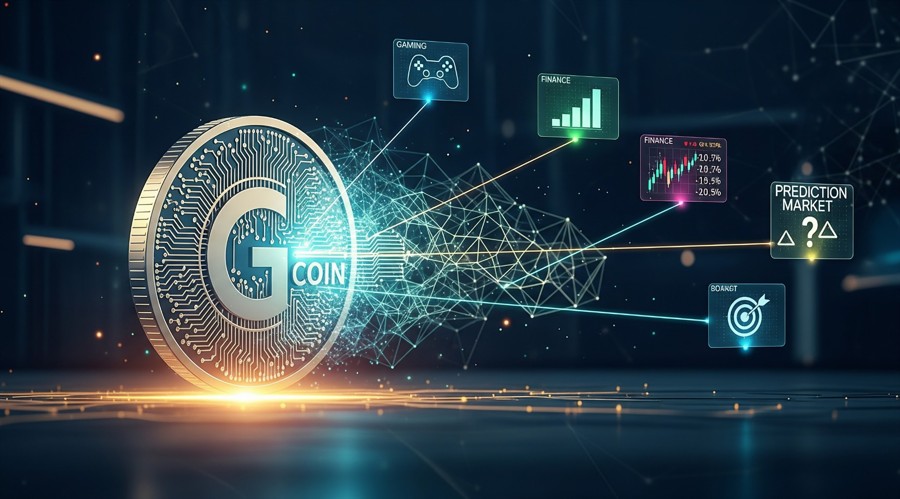
Developed as the utility token of the Playnance platform, G Coin functions as the economic layer across a network of gaming environments, prediction markets, and interactive financial experiences. Rather than existing separately, the token powers the core activity of the ecosystem.

Every interaction within the network, from gameplay entries and predictions to rewards and settlements, runs through G Coin. In practical terms, the token operates as the transactional infrastructure connecting users, games, and platforms.

The scale of activity within the ecosystem is notable. According to Playnance data, the network currently processes more than 1.5 million on-chain transactions per day, while supporting over 10,000 on-chain games and millions of prediction-style interactions across sports and financial markets.

The platform’s entertainment network also extends beyond a single application. The ecosystem includes more than 2,000 social partner platforms with its “Be The Boss” program, over 5,000 affiliate partners and creators, and 30 integrated game studios contributing content.

Across these environments, G Coin acts as the common economic layer that connects all activity.

The architecture reflects a broader design philosophy emerging within parts of the Web3 industry: tokens should function as infrastructure rather than as detached financial assets. In systems built around this principle, token usage scales alongside platform participation.

Playnance describes this model as an activity-driven ecosystem. As more players interact with games and prediction markets, the number of token-based transactions increases, reinforcing the role of the token as a core operational component of the network.

Early adoption metrics suggest measurable traction. The token currently has more than 180,000 holders, while the broader platform has over 300,000 accounts interacting with the ecosystem. G Coin’s market capitalization has also surpassed $35 million, reflecting growing participation across the network.

As Web3 platforms continue experimenting with sustainable token models, infrastructure tokens tied to real digital activity are attracting increasing attention. The premise is relatively simple: when tokens power functioning ecosystems, their relevance is determined less by market speculation and more by the activity of the networks they support.

In the case of Playnance, G Coin represents an attempt to embed token economics directly into the mechanics of a large-scale entertainment platform, a design that places usage, rather than narrative cycles, at the center of its economic model.

One of the most persistent criticisms of Web3 token models is that many tokens exist primarily for speculation rather than for powering real digital activity. While blockchain infrastructure has matured significantly over the past decade, relatively few ecosystems have successfully tied token demand directly to everyday platform usage.

Playnance’s G Coin is an example of a model that attempts to address that challenge by embedding a token within an already active digital entertainment ecosystem.

Developed as the utility token of the Playnance platform, G Coin functions as the economic layer across a network of gaming environments, prediction markets, and interactive financial experiences. Rather than existing separately, the token powers the core activity of the ecosystem.

Every interaction within the network, from gameplay entries and predictions to rewards and settlements, runs through G Coin. In practical terms, the token operates as the transactional infrastructure connecting users, games, and platforms.

The scale of activity within the ecosystem is notable. According to Playnance data, the network currently processes more than 1.5 million on-chain transactions per day, while supporting over 10,000 on-chain games and millions of prediction-style interactions across sports and financial markets.

The platform’s entertainment network also extends beyond a single application. The ecosystem includes more than 2,000 social partner platforms with its “Be The Boss” program, over 5,000 affiliate partners and creators, and 30 integrated game studios contributing content.

Across these environments, G Coin acts as the common economic layer that connects all activity.

The architecture reflects a broader design philosophy emerging within parts of the Web3 industry: tokens should function as infrastructure rather than as detached financial assets. In systems built around this principle, token usage scales alongside platform participation.

Playnance describes this model as an activity-driven ecosystem. As more players interact with games and prediction markets, the number of token-based transactions increases, reinforcing the role of the token as a core operational component of the network.

Early adoption metrics suggest measurable traction. The token currently has more than 180,000 holders, while the broader platform has over 300,000 accounts interacting with the ecosystem. G Coin’s market capitalization has also surpassed $35 million, reflecting growing participation across the network.

As Web3 platforms continue experimenting with sustainable token models, infrastructure tokens tied to real digital activity are attracting increasing attention. The premise is relatively simple: when tokens power functioning ecosystems, their relevance is determined less by market speculation and more by the activity of the networks they support.

In the case of Playnance, G Coin represents an attempt to embed token economics directly into the mechanics of a large-scale entertainment platform, a design that places usage, rather than narrative cycles, at the center of its economic model.

Disclaimer

Thought Leadership

!"#$%&'()*+,-./0123456789:;<=>?@ABCDEFGHIJKLMNOPQRSTUVWXYZ[\]^_`abcdefghijklmnopqrstuvwxyz{|} !"#$%&'()*+,-./0123456789:;<=>?@ABCDEFGHIJKLMNOPQRSTUVWXYZ[\]^_`abcdefghijklmnopqrstuvwxyz{|}