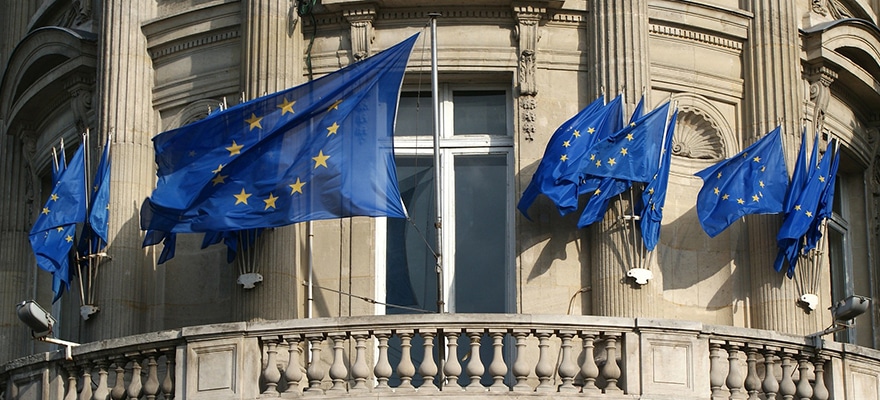
Less certain is where the industry goes from here or what exactly the fallout will be in the short- and long-term. Furthermore, March saw a series of advertising bans from Google, which will affect both FX and contracts-for-difference (CFD) offerings.
Finance Magnates spoke with Aleksey Kutsenko, Chief Executive Officer and Albina Zhdanova, Chief Operation Officer at Tools For Brokers Pte. Ltd for their thoughts on both developments. Given his strategic placement in the industry, both individuals outlined the ramifications of these events and outlined is perspective on where the industry is headed.
How do you think the ESMA’s recent decisions will impact brokers?
Aleksey Kutsenko
According to Mr. Kutsenko, “Even though decreased leverage and new guidelines for the refinement of Stopout are geared towards protection of the trader, it does, in fact, affect brokers. For brokers, it may mean reduced trading volumes (trading volumes are commissionable and are dependent on leverage).”
“Additionally, for a broker this may lead to a reduction in revenue. Brokers have to be a lot more diligent to adapt their technical decisions and practices to reflect the new regulations. The new requirements for Stopout plug-in are more complicated than may appear initially if you analyze specific examples.”
“Some trading platforms will require additional development, which in turn means other operating costs. In a long-term projection, if you take all of this in to account, coupled with tighter regulations on brokers to allow for increased investor protection, this may lead to market consolidation and potential loss of active brokers,” he added.
Do you think the business model of market makers will retain sufficient profitability to remain viable at the new levels of leverage?
“We have been observing this trend of tightening regulations for quite some time. Brokers should always be prepared to adapt their business models to reflect new regulatory changes,” explained Mr. Kutsenko.
Ms. Zhdanova also commented on the new forms of leverage, noting: “I do believe that these new measures will help us weed out unethical players. In speaking with our partners, we agree that professionals with a robust business model should not have a problem adjusting to new regulations.”
Albina Zhdanova
“Tiered leverage undeniably will reduce the incoming threshold of a new customer. Overall it should launch a positive trend in the industry as a whole. Interestingly enough, this innovation directly corresponds to the recent market inquiry to provide an automatic change in leverage depending on the open traded volume. This practice takes into accounts the risks of the trader as well as the broker.”
How do you see the development of the industry going forward in this new regulatory environment?
According to Mr. Kutsenko: “This industry is alive and growing. It has experienced a multitude of changes throughout its existence. In my opinion, the regulators should give more thought to the protection of hard-working, ethical brokers.”
“We have seen instances where excessive regulation leads to the whole business going into the grey zone. However, if unregulated brokers, without any restrictions, can attract clients continuously, we might arrive at an opposite side of the spectrum where unethical brokers can entice clients with high bonuses and inflated leverage, while the regulated brokers will not be able to offer an alternative.”
“We have been observing this trend of tightening regulations for quite some time. Brokers should always be prepared to adapt their business models to reflect new regulatory changes,” reiterated Mr. Kutsenko.
Additionally, “As to the point of the new regulations, specifically pertaining to communication and notification, the situation is a bit more complicated. The proposed procedures and descriptions are somewhat confusing. They raise more questions than they provide answers. For example: At what point are you required send a notification? What is the desired frequency? What should and should not be communicated? Is the internal mail sufficient, or is there a need for an alternative method? These are some of the questions of uncertainty,” cautioned Ms. Zhdanova
How do you think Google’s ban on Google Ads for FX and CFDs brokers will affect the industry and could it actually be good for regulated brokers?
“It’s important to note that Google has not announced a total ban of the FX and CFD ads. They merely tightened moderator acceptance requirements for advertisement of this category. To run ads of this type, we will need to provide a license from the local moderator,” clarified Mr. Kutsenko.
“The real question is; how much do Google moderators understand what is allowed or forbidden by any given license? What are the given broker’s authorizations and what countries are enveloped by the said license?”
“Also, if you take a look at the list of countries Google will be restricting, the list is not that long. It doesn’t seem like a ban. In a long-term perspective, measures suggested by Google allow for protection of a licensed broker with their particular regulatory restriction. It should in some way halt, or even reverse the tightening of regulations.”
“On the other hand, these types of restrictions have been in existence on Russian search engines for years. And yet unlicensed brokers continue to attract clientele, through linked services and nested pages that have no relation to the brokers' domain. An example of this may be an offer for a sales training course, advertisement of which is not formally forbidden. We still don't know if Google plans to ban those types of advertisements,” he concluded.
Less certain is where the industry goes from here or what exactly the fallout will be in the short- and long-term. Furthermore, March saw a series of advertising bans from Google, which will affect both FX and contracts-for-difference (CFD) offerings.
Finance Magnates spoke with Aleksey Kutsenko, Chief Executive Officer and Albina Zhdanova, Chief Operation Officer at Tools For Brokers Pte. Ltd for their thoughts on both developments. Given his strategic placement in the industry, both individuals outlined the ramifications of these events and outlined is perspective on where the industry is headed.
How do you think the ESMA’s recent decisions will impact brokers?
Aleksey Kutsenko
According to Mr. Kutsenko, “Even though decreased leverage and new guidelines for the refinement of Stopout are geared towards protection of the trader, it does, in fact, affect brokers. For brokers, it may mean reduced trading volumes (trading volumes are commissionable and are dependent on leverage).”
“Additionally, for a broker this may lead to a reduction in revenue. Brokers have to be a lot more diligent to adapt their technical decisions and practices to reflect the new regulations. The new requirements for Stopout plug-in are more complicated than may appear initially if you analyze specific examples.”
“Some trading platforms will require additional development, which in turn means other operating costs. In a long-term projection, if you take all of this in to account, coupled with tighter regulations on brokers to allow for increased investor protection, this may lead to market consolidation and potential loss of active brokers,” he added.
Do you think the business model of market makers will retain sufficient profitability to remain viable at the new levels of leverage?
“We have been observing this trend of tightening regulations for quite some time. Brokers should always be prepared to adapt their business models to reflect new regulatory changes,” explained Mr. Kutsenko.
Ms. Zhdanova also commented on the new forms of leverage, noting: “I do believe that these new measures will help us weed out unethical players. In speaking with our partners, we agree that professionals with a robust business model should not have a problem adjusting to new regulations.”
Albina Zhdanova
“Tiered leverage undeniably will reduce the incoming threshold of a new customer. Overall it should launch a positive trend in the industry as a whole. Interestingly enough, this innovation directly corresponds to the recent market inquiry to provide an automatic change in leverage depending on the open traded volume. This practice takes into accounts the risks of the trader as well as the broker.”
How do you see the development of the industry going forward in this new regulatory environment?
According to Mr. Kutsenko: “This industry is alive and growing. It has experienced a multitude of changes throughout its existence. In my opinion, the regulators should give more thought to the protection of hard-working, ethical brokers.”
“We have seen instances where excessive regulation leads to the whole business going into the grey zone. However, if unregulated brokers, without any restrictions, can attract clients continuously, we might arrive at an opposite side of the spectrum where unethical brokers can entice clients with high bonuses and inflated leverage, while the regulated brokers will not be able to offer an alternative.”
“We have been observing this trend of tightening regulations for quite some time. Brokers should always be prepared to adapt their business models to reflect new regulatory changes,” reiterated Mr. Kutsenko.
Additionally, “As to the point of the new regulations, specifically pertaining to communication and notification, the situation is a bit more complicated. The proposed procedures and descriptions are somewhat confusing. They raise more questions than they provide answers. For example: At what point are you required send a notification? What is the desired frequency? What should and should not be communicated? Is the internal mail sufficient, or is there a need for an alternative method? These are some of the questions of uncertainty,” cautioned Ms. Zhdanova
How do you think Google’s ban on Google Ads for FX and CFDs brokers will affect the industry and could it actually be good for regulated brokers?
“It’s important to note that Google has not announced a total ban of the FX and CFD ads. They merely tightened moderator acceptance requirements for advertisement of this category. To run ads of this type, we will need to provide a license from the local moderator,” clarified Mr. Kutsenko.
“The real question is; how much do Google moderators understand what is allowed or forbidden by any given license? What are the given broker’s authorizations and what countries are enveloped by the said license?”
“Also, if you take a look at the list of countries Google will be restricting, the list is not that long. It doesn’t seem like a ban. In a long-term perspective, measures suggested by Google allow for protection of a licensed broker with their particular regulatory restriction. It should in some way halt, or even reverse the tightening of regulations.”
“On the other hand, these types of restrictions have been in existence on Russian search engines for years. And yet unlicensed brokers continue to attract clientele, through linked services and nested pages that have no relation to the brokers' domain. An example of this may be an offer for a sales training course, advertisement of which is not formally forbidden. We still don't know if Google plans to ban those types of advertisements,” he concluded.
FP Markets Winner Spotlight 🏆 | Global Broker of the Year 2025 #Trading #Broker #Innovation #Shorts
FP Markets Winner Spotlight 🏆 | Global Broker of the Year 2025 #Trading #Broker #Innovation #Shorts
FP Markets Winner Spotlight 🏆 | Global Broker of the Year 2025 #Trading #Broker #Innovation #Shorts
FP Markets Winner Spotlight 🏆 | Global Broker of the Year 2025 #Trading #Broker #Innovation #Shorts
FP Markets takes the spotlight as Global Broker of the Year 2025 at the Finance Magnates Awards.
Martin Stoilov, Head of Client Experience, shares that trust, innovation, and people played a key role in the company’s success, supported by a strong foundation of integrity and client-centricity.
Following this milestone, FP Markets continues to focus on growth, technology investment, and its core values of transparency and excellence.
👉 Be part of FM Awards 2026: https://awards.financemagnates.com/#nominate
FP Markets takes the spotlight as Global Broker of the Year 2025 at the Finance Magnates Awards.
Martin Stoilov, Head of Client Experience, shares that trust, innovation, and people played a key role in the company’s success, supported by a strong foundation of integrity and client-centricity.
Following this milestone, FP Markets continues to focus on growth, technology investment, and its core values of transparency and excellence.
👉 Be part of FM Awards 2026: https://awards.financemagnates.com/#nominate
FP Markets takes the spotlight as Global Broker of the Year 2025 at the Finance Magnates Awards.
Martin Stoilov, Head of Client Experience, shares that trust, innovation, and people played a key role in the company’s success, supported by a strong foundation of integrity and client-centricity.
Following this milestone, FP Markets continues to focus on growth, technology investment, and its core values of transparency and excellence.
👉 Be part of FM Awards 2026: https://awards.financemagnates.com/#nominate
FP Markets takes the spotlight as Global Broker of the Year 2025 at the Finance Magnates Awards.
Martin Stoilov, Head of Client Experience, shares that trust, innovation, and people played a key role in the company’s success, supported by a strong foundation of integrity and client-centricity.
Following this milestone, FP Markets continues to focus on growth, technology investment, and its core values of transparency and excellence.
👉 Be part of FM Awards 2026: https://awards.financemagnates.com/#nominate
In this video, we review @HolaPrimeMarketsOfficial, a multi-asset forex and CFDs broker offering different account types, trading platforms, and flexible trading conditions.
We cover the broker’s overall offering, including account options, trading environment, platforms like MT4 and MT5, and additional services such as managed accounts and fast withdrawals.
Watch the full video to see if Hola Prime Markets fits your trading needs.
📣 Stay up to date with the latest in finance and trading. Follow Finance Magnates for industry news, insights, and global event coverage.
Connect with us:
🔗 LinkedIn: /financemagnates
👍 Facebook: /financemagnates
📸 Instagram: https://www.instagram.com/financemagnates
🐦 X: https://x.com/financemagnates
🎥 TikTok: https://www.tiktok.com/tag/financemagnates
▶️ YouTube: /@financemagnates_official
#HolaPrime #ForexBroker #CFDTrading #FinanceMagnates #Trading #Forex #BrokerReview
In this video, we review @HolaPrimeMarketsOfficial, a multi-asset forex and CFDs broker offering different account types, trading platforms, and flexible trading conditions.
We cover the broker’s overall offering, including account options, trading environment, platforms like MT4 and MT5, and additional services such as managed accounts and fast withdrawals.
Watch the full video to see if Hola Prime Markets fits your trading needs.
📣 Stay up to date with the latest in finance and trading. Follow Finance Magnates for industry news, insights, and global event coverage.
Connect with us:
🔗 LinkedIn: /financemagnates
👍 Facebook: /financemagnates
📸 Instagram: https://www.instagram.com/financemagnates
🐦 X: https://x.com/financemagnates
🎥 TikTok: https://www.tiktok.com/tag/financemagnates
▶️ YouTube: /@financemagnates_official
#HolaPrime #ForexBroker #CFDTrading #FinanceMagnates #Trading #Forex #BrokerReview
In this video, we review @HolaPrimeMarketsOfficial, a multi-asset forex and CFDs broker offering different account types, trading platforms, and flexible trading conditions.
We cover the broker’s overall offering, including account options, trading environment, platforms like MT4 and MT5, and additional services such as managed accounts and fast withdrawals.
Watch the full video to see if Hola Prime Markets fits your trading needs.
📣 Stay up to date with the latest in finance and trading. Follow Finance Magnates for industry news, insights, and global event coverage.
Connect with us:
🔗 LinkedIn: /financemagnates
👍 Facebook: /financemagnates
📸 Instagram: https://www.instagram.com/financemagnates
🐦 X: https://x.com/financemagnates
🎥 TikTok: https://www.tiktok.com/tag/financemagnates
▶️ YouTube: /@financemagnates_official
#HolaPrime #ForexBroker #CFDTrading #FinanceMagnates #Trading #Forex #BrokerReview
In this video, we review @HolaPrimeMarketsOfficial, a multi-asset forex and CFDs broker offering different account types, trading platforms, and flexible trading conditions.
We cover the broker’s overall offering, including account options, trading environment, platforms like MT4 and MT5, and additional services such as managed accounts and fast withdrawals.
Watch the full video to see if Hola Prime Markets fits your trading needs.
📣 Stay up to date with the latest in finance and trading. Follow Finance Magnates for industry news, insights, and global event coverage.
Connect with us:
🔗 LinkedIn: /financemagnates
👍 Facebook: /financemagnates
📸 Instagram: https://www.instagram.com/financemagnates
🐦 X: https://x.com/financemagnates
🎥 TikTok: https://www.tiktok.com/tag/financemagnates
▶️ YouTube: /@financemagnates_official
#HolaPrime #ForexBroker #CFDTrading #FinanceMagnates #Trading #Forex #BrokerReview
In this video, we review @HolaPrimeMarketsOfficial, a multi-asset forex and CFDs broker offering different account types, trading platforms, and flexible trading conditions.
We cover the broker’s overall offering, including account options, trading environment, platforms like MT4 and MT5, and additional services such as managed accounts and fast withdrawals.
Watch the full video to see if Hola Prime Markets fits your trading needs.
📣 Stay up to date with the latest in finance and trading. Follow Finance Magnates for industry news, insights, and global event coverage.
Connect with us:
🔗 LinkedIn: /financemagnates
👍 Facebook: /financemagnates
📸 Instagram: https://www.instagram.com/financemagnates
🐦 X: https://x.com/financemagnates
🎥 TikTok: https://www.tiktok.com/tag/financemagnates
▶️ YouTube: /@financemagnates_official
#HolaPrime #ForexBroker #CFDTrading #FinanceMagnates #Trading #Forex #BrokerReview
In this video, we review @HolaPrimeMarketsOfficial, a multi-asset forex and CFDs broker offering different account types, trading platforms, and flexible trading conditions.
We cover the broker’s overall offering, including account options, trading environment, platforms like MT4 and MT5, and additional services such as managed accounts and fast withdrawals.
Watch the full video to see if Hola Prime Markets fits your trading needs.
📣 Stay up to date with the latest in finance and trading. Follow Finance Magnates for industry news, insights, and global event coverage.
Connect with us:
🔗 LinkedIn: /financemagnates
👍 Facebook: /financemagnates
📸 Instagram: https://www.instagram.com/financemagnates
🐦 X: https://x.com/financemagnates
🎥 TikTok: https://www.tiktok.com/tag/financemagnates
▶️ YouTube: /@financemagnates_official
#HolaPrime #ForexBroker #CFDTrading #FinanceMagnates #Trading #Forex #BrokerReview
Hola Prime Review: What You Need to Know | Full Breakdown by Finance Magnates
Hola Prime Review: What You Need to Know | Full Breakdown by Finance Magnates
Hola Prime Review: What You Need to Know | Full Breakdown by Finance Magnates
Hola Prime Review: What You Need to Know | Full Breakdown by Finance Magnates
Hola Prime Review: What You Need to Know | Full Breakdown by Finance Magnates
Hola Prime Review: What You Need to Know | Full Breakdown by Finance Magnates
In this video, we review @HolaPrime_Global, a proprietary trading firm offering evaluation programs and performance-based payouts in simulated market environments.
We cover how the challenge model works, including account types, profit splits (up to 95%), trading rules, and what it takes to reach a funded account. You’ll also learn about available platforms like MT4, MT5, cTrader, and more, along with insights into payouts, support, and trading conditions.
Watch the full video to see if Hola Prime fits your trading style.
📣 Stay up to date with the latest in finance and trading. Follow Finance Magnates for industry news, insights, and global event coverage.
Connect with us:
🔗 LinkedIn: /financemagnates
👍 Facebook: /financemagnates
📸 Instagram: https://www.instagram.com/financemagnates
🐦 X: https://x.com/financemagnates
🎥 TikTok: https://www.tiktok.com/tag/financemagnates
▶️ YouTube: /@financemagnates_official
#HolaPrime #PropFirm #Trading #FinanceMagnates #Forex #FuturesTrading #TradingReview #PropFirmReview
In this video, we review @HolaPrime_Global, a proprietary trading firm offering evaluation programs and performance-based payouts in simulated market environments.
We cover how the challenge model works, including account types, profit splits (up to 95%), trading rules, and what it takes to reach a funded account. You’ll also learn about available platforms like MT4, MT5, cTrader, and more, along with insights into payouts, support, and trading conditions.
Watch the full video to see if Hola Prime fits your trading style.
📣 Stay up to date with the latest in finance and trading. Follow Finance Magnates for industry news, insights, and global event coverage.
Connect with us:
🔗 LinkedIn: /financemagnates
👍 Facebook: /financemagnates
📸 Instagram: https://www.instagram.com/financemagnates
🐦 X: https://x.com/financemagnates
🎥 TikTok: https://www.tiktok.com/tag/financemagnates
▶️ YouTube: /@financemagnates_official
#HolaPrime #PropFirm #Trading #FinanceMagnates #Forex #FuturesTrading #TradingReview #PropFirmReview
In this video, we review @HolaPrime_Global, a proprietary trading firm offering evaluation programs and performance-based payouts in simulated market environments.
We cover how the challenge model works, including account types, profit splits (up to 95%), trading rules, and what it takes to reach a funded account. You’ll also learn about available platforms like MT4, MT5, cTrader, and more, along with insights into payouts, support, and trading conditions.
Watch the full video to see if Hola Prime fits your trading style.
📣 Stay up to date with the latest in finance and trading. Follow Finance Magnates for industry news, insights, and global event coverage.
Connect with us:
🔗 LinkedIn: /financemagnates
👍 Facebook: /financemagnates
📸 Instagram: https://www.instagram.com/financemagnates
🐦 X: https://x.com/financemagnates
🎥 TikTok: https://www.tiktok.com/tag/financemagnates
▶️ YouTube: /@financemagnates_official
#HolaPrime #PropFirm #Trading #FinanceMagnates #Forex #FuturesTrading #TradingReview #PropFirmReview
In this video, we review @HolaPrime_Global, a proprietary trading firm offering evaluation programs and performance-based payouts in simulated market environments.
We cover how the challenge model works, including account types, profit splits (up to 95%), trading rules, and what it takes to reach a funded account. You’ll also learn about available platforms like MT4, MT5, cTrader, and more, along with insights into payouts, support, and trading conditions.
Watch the full video to see if Hola Prime fits your trading style.
📣 Stay up to date with the latest in finance and trading. Follow Finance Magnates for industry news, insights, and global event coverage.
Connect with us:
🔗 LinkedIn: /financemagnates
👍 Facebook: /financemagnates
📸 Instagram: https://www.instagram.com/financemagnates
🐦 X: https://x.com/financemagnates
🎥 TikTok: https://www.tiktok.com/tag/financemagnates
▶️ YouTube: /@financemagnates_official
#HolaPrime #PropFirm #Trading #FinanceMagnates #Forex #FuturesTrading #TradingReview #PropFirmReview
In this video, we review @HolaPrime_Global, a proprietary trading firm offering evaluation programs and performance-based payouts in simulated market environments.
We cover how the challenge model works, including account types, profit splits (up to 95%), trading rules, and what it takes to reach a funded account. You’ll also learn about available platforms like MT4, MT5, cTrader, and more, along with insights into payouts, support, and trading conditions.
Watch the full video to see if Hola Prime fits your trading style.
📣 Stay up to date with the latest in finance and trading. Follow Finance Magnates for industry news, insights, and global event coverage.
Connect with us:
🔗 LinkedIn: /financemagnates
👍 Facebook: /financemagnates
📸 Instagram: https://www.instagram.com/financemagnates
🐦 X: https://x.com/financemagnates
🎥 TikTok: https://www.tiktok.com/tag/financemagnates
▶️ YouTube: /@financemagnates_official
#HolaPrime #PropFirm #Trading #FinanceMagnates #Forex #FuturesTrading #TradingReview #PropFirmReview
In this video, we review @HolaPrime_Global, a proprietary trading firm offering evaluation programs and performance-based payouts in simulated market environments.
We cover how the challenge model works, including account types, profit splits (up to 95%), trading rules, and what it takes to reach a funded account. You’ll also learn about available platforms like MT4, MT5, cTrader, and more, along with insights into payouts, support, and trading conditions.
Watch the full video to see if Hola Prime fits your trading style.
📣 Stay up to date with the latest in finance and trading. Follow Finance Magnates for industry news, insights, and global event coverage.
Connect with us:
🔗 LinkedIn: /financemagnates
👍 Facebook: /financemagnates
📸 Instagram: https://www.instagram.com/financemagnates
🐦 X: https://x.com/financemagnates
🎥 TikTok: https://www.tiktok.com/tag/financemagnates
▶️ YouTube: /@financemagnates_official
#HolaPrime #PropFirm #Trading #FinanceMagnates #Forex #FuturesTrading #TradingReview #PropFirmReview
Axi Winner Spotlight 🏆 | Global Most Innovative Broker 2025 #Innovation #Trading #Fintech #Broker
Axi Winner Spotlight 🏆 | Global Most Innovative Broker 2025 #Innovation #Trading #Fintech #Broker
Axi Winner Spotlight 🏆 | Global Most Innovative Broker 2025 #Innovation #Trading #Fintech #Broker
Axi Winner Spotlight 🏆 | Global Most Innovative Broker 2025 #Innovation #Trading #Fintech #Broker
Axi Winner Spotlight 🏆 | Global Most Innovative Broker 2025 #Innovation #Trading #Fintech #Broker
Axi Winner Spotlight 🏆 | Global Most Innovative Broker 2025 #Innovation #Trading #Fintech #Broker
Axi takes the spotlight at the Finance Magnates Awards, winning Global Most Innovative Broker 2025.
Olivia Xenofontos and Ivanna Openko share how the team will feel: proud, motivated, and ready to keep delivering.
They also describe the night as well-organized, focused, and enjoyable for all.
👉 Be part of FM Awards 2026.
Axi takes the spotlight at the Finance Magnates Awards, winning Global Most Innovative Broker 2025.
Olivia Xenofontos and Ivanna Openko share how the team will feel: proud, motivated, and ready to keep delivering.
They also describe the night as well-organized, focused, and enjoyable for all.
👉 Be part of FM Awards 2026.
Axi takes the spotlight at the Finance Magnates Awards, winning Global Most Innovative Broker 2025.
Olivia Xenofontos and Ivanna Openko share how the team will feel: proud, motivated, and ready to keep delivering.
They also describe the night as well-organized, focused, and enjoyable for all.
👉 Be part of FM Awards 2026.
Axi takes the spotlight at the Finance Magnates Awards, winning Global Most Innovative Broker 2025.
Olivia Xenofontos and Ivanna Openko share how the team will feel: proud, motivated, and ready to keep delivering.
They also describe the night as well-organized, focused, and enjoyable for all.
👉 Be part of FM Awards 2026.
Axi takes the spotlight at the Finance Magnates Awards, winning Global Most Innovative Broker 2025.
Olivia Xenofontos and Ivanna Openko share how the team will feel: proud, motivated, and ready to keep delivering.
They also describe the night as well-organized, focused, and enjoyable for all.
👉 Be part of FM Awards 2026.
Axi takes the spotlight at the Finance Magnates Awards, winning Global Most Innovative Broker 2025.
Olivia Xenofontos and Ivanna Openko share how the team will feel: proud, motivated, and ready to keep delivering.
They also describe the night as well-organized, focused, and enjoyable for all.
👉 Be part of FM Awards 2026.
Recognition that matters.
Built on transparency.
Driven by the industry.
The Finance Magnates Awards 2026.
Nominations are now open.
🔗 https://awards.financemagnates.com/?utm_source=SM&utm_medium=social&utm_campaign=recognition-matters
Recognition that matters.
Built on transparency.
Driven by the industry.
The Finance Magnates Awards 2026.
Nominations are now open.
🔗 https://awards.financemagnates.com/?utm_source=SM&utm_medium=social&utm_campaign=recognition-matters
Recognition that matters.
Built on transparency.
Driven by the industry.
The Finance Magnates Awards 2026.
Nominations are now open.
🔗 https://awards.financemagnates.com/?utm_source=SM&utm_medium=social&utm_campaign=recognition-matters
Recognition that matters.
Built on transparency.
Driven by the industry.
The Finance Magnates Awards 2026.
Nominations are now open.
🔗 https://awards.financemagnates.com/?utm_source=SM&utm_medium=social&utm_campaign=recognition-matters
Recognition that matters.
Built on transparency.
Driven by the industry.
The Finance Magnates Awards 2026.
Nominations are now open.
🔗 https://awards.financemagnates.com/?utm_source=SM&utm_medium=social&utm_campaign=recognition-matters
Recognition that matters.
Built on transparency.
Driven by the industry.
The Finance Magnates Awards 2026.
Nominations are now open.
🔗 https://awards.financemagnates.com/?utm_source=SM&utm_medium=social&utm_campaign=recognition-matters