
The Industry Isn’t Breaking — It’s Hardening

Tuesday, 10/02/2026 | 11:06 GMT by Brokerpilot
Disclaimer
  • Finance is tightening: Focus shifts from speed to control, resilient systems, and predictability.
Brokerpilot

What market leaders keep repeating, even when the headlines change

If you listen closely to how long-time industry operators talk today — not on stage, not in press releases, but in real conversations — a pattern starts to emerge.

They’re not warning about crashes.
They’re not predicting the end of retail trading.
And they’re not particularly excited about shiny features for their own sake.

What they keep coming back to is something quieter:

The industry isn’t falling apart — it’s becoming less forgiving.

And that changes how everything else works.

Growth Didn’t Make Things Easier. It Made Them Tighter.

One idea comes up again and again when people who build liquidity, infrastructure, and broker technology talk about the last few years: growth didn’t simplify the business — it compressed it.

More flow didn’t spread risk evenly.
It concentrated pressure.

Liquidity became deeper, but also more conditional.
Technology became faster, but also more sensitive to timing.
Clients became more numerous, but less predictable as a group.

This is why experienced operators rarely talk about “more trades” as a win by itself anymore. What matters is how those trades interact with infrastructure — not just pricing, but routing, hedging logic, session effects, and operational timing.

In simple terms: growth raised the cost of being slightly wrong.

Execution Is No Longer a Feature — It’s an Environment

Another shift that’s easy to miss if you only read headlines: execution is no longer discussed as a single capability.

It used to sound like this:
“We execute well.”

Now it sounds more like this:
“Our execution behaves predictably under stress.”

That difference is subtle, but important.

People who’ve watched multiple market cycles know that the hardest problems rarely come from dramatic moves. They come from small structural mismatches that repeat quietly.

Trades are correct.
Prices are correct.
Reports look clean.

But decisions arrive a bit late.
Rules fire slightly out of context.
Exposure normalizes slower than expected.
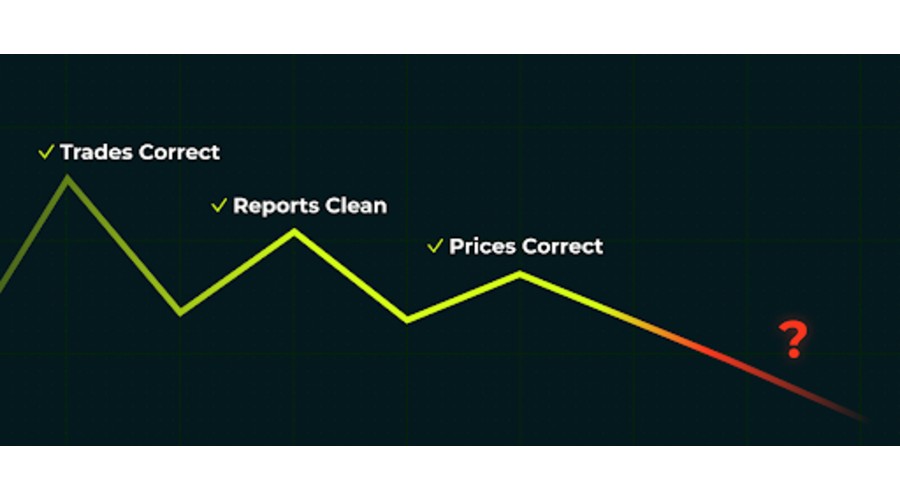
Nothing breaks.
And yet P&L slowly erodes.

Liquidity Is Abundant — Until It Isn’t

Liquidity didn’t disappear. It evolved.

This is something you hear consistently from people who work closest to liquidity and execution infrastructure: liquidity today is conditional. It reacts to behaviour, not just market direction.

Flow quality matters more than raw volume.
Consistency matters more than speed.
Predictability matters more than size.

From a broker’s point of view, this creates a quiet challenge. You’re no longer managing “good liquidity versus bad liquidity.” You’re managing states — moments where liquidity behaves one way, then subtly switches.

Those switches don’t trigger alarms.
They show up later, as:

  • slightly worse fills in certain sessions,

  • hedges landing a bit off,

  • exposure that looks neutral… until it isn’t.

That’s why seasoned teams don’t talk about “finding better LPs” as a universal fix. They talk about seeing behaviour early enough to adapt.

Regulation Didn’t Kill Innovation — It Redirected It

Another recurring observation from people who’ve built through multiple regulatory cycles: regulation didn’t slow the industry. It forced it to grow up.

Every major regulatory wave narrowed freedom in one place — and pushed innovation somewhere else.

Marketing became more constrained.
Leverage was capped.
Disclosures multiplied.

So innovation moved inward.

Into operations.
Into controls.
Into decision logic.
Into auditability and resilience.

That’s why modern broker technology discussions sound less flashy and more practical. The questions aren’t “what can we add?” anymore. They’re “what can we control — consistently, explainably, and at scale?”

Automation Isn’t About Speed Anymore

There’s also been a quiet shift in how automation is understood by people who’ve lived with its consequences.

Early automation was about speed:
faster execution, faster onboarding, faster reports.

Today, automation is about removing hesitation.

About making sure responses don’t depend on who is on shift.
About turning “we usually do this” into “this always happens.”
About ensuring policies are applied the same way, every time.

That’s why experienced teams care less about clever algorithms and more about rules, triggers, reversibility, and logs. Automation isn’t impressive when it’s smart. It’s impressive when it’s boring — and correct.

The Quiet Fear Nobody Puts on Slides

There’s one concern that keeps surfacing off-stage, never on slides.

It sounds something like this:
“What if everything looks fine — and we still don’t see the problem forming?”

That’s the modern anxiety.

Not missing a crash.
Not failing a margin call.
Not blowing up overnight.

But slowly drifting into a position where losses only make sense in hindsight.

That’s why the focus has shifted away from predictions and toward reaction time.

How quickly can we notice something forming?
How quickly can we constrain it?
How quickly can we explain what happened — internally and externally?

Where This Leaves Brokers Today

Strip away buzzwords and forecasts, and the message from people who’ve been here longest is surprisingly consistent:

  • The industry is more stable than it looks.

  • It’s also less tolerant of sloppy control.

  • Advantage comes from structure, not bravado.

  • And competition is no longer on spreads — it’s on how systems behave under normal conditions.

The brokers who do well aren’t always the boldest. They’re the ones who build reflexes instead of reactions, and visibility instead of assumptions.

Final Thought

The industry doesn’t collapse when it’s weak.
It reshapes itself when it gets tight.

Right now, it’s tightening — quietly, structurally, without drama.

That’s exactly when control matters most.

We work with brokers who face these exact questions every day: timing issues, control gaps, operational friction that doesn’t show up in reports until it’s already costly. There’s no universal setup that works for everyone, which is why we don’t believe in one-size-fits-all answers.

If you want to talk through your specific setup, your specific risks, and the constraints you’re dealing with, just reach out. We take the time to understand whether your technical needs and our technology are actually a good match. That’s usually why our clients stay — not because problems magically disappear, but because they’re solved in a way that fits how their business really works.

What market leaders keep repeating, even when the headlines change

If you listen closely to how long-time industry operators talk today — not on stage, not in press releases, but in real conversations — a pattern starts to emerge.

They’re not warning about crashes.
They’re not predicting the end of retail trading.
And they’re not particularly excited about shiny features for their own sake.

What they keep coming back to is something quieter:

The industry isn’t falling apart — it’s becoming less forgiving.

And that changes how everything else works.

Growth Didn’t Make Things Easier. It Made Them Tighter.

One idea comes up again and again when people who build liquidity, infrastructure, and broker technology talk about the last few years: growth didn’t simplify the business — it compressed it.

More flow didn’t spread risk evenly.
It concentrated pressure.

Liquidity became deeper, but also more conditional.
Technology became faster, but also more sensitive to timing.
Clients became more numerous, but less predictable as a group.

This is why experienced operators rarely talk about “more trades” as a win by itself anymore. What matters is how those trades interact with infrastructure — not just pricing, but routing, hedging logic, session effects, and operational timing.

In simple terms: growth raised the cost of being slightly wrong.

Execution Is No Longer a Feature — It’s an Environment

Another shift that’s easy to miss if you only read headlines: execution is no longer discussed as a single capability.

It used to sound like this:
“We execute well.”

Now it sounds more like this:
“Our execution behaves predictably under stress.”

That difference is subtle, but important.

People who’ve watched multiple market cycles know that the hardest problems rarely come from dramatic moves. They come from small structural mismatches that repeat quietly.

Trades are correct.
Prices are correct.
Reports look clean.

But decisions arrive a bit late.
Rules fire slightly out of context.
Exposure normalizes slower than expected.

Nothing breaks.
And yet P&L slowly erodes.

Liquidity Is Abundant — Until It Isn’t

Liquidity didn’t disappear. It evolved.

This is something you hear consistently from people who work closest to liquidity and execution infrastructure: liquidity today is conditional. It reacts to behaviour, not just market direction.

Flow quality matters more than raw volume.
Consistency matters more than speed.
Predictability matters more than size.

From a broker’s point of view, this creates a quiet challenge. You’re no longer managing “good liquidity versus bad liquidity.” You’re managing states — moments where liquidity behaves one way, then subtly switches.

Those switches don’t trigger alarms.
They show up later, as:

  • slightly worse fills in certain sessions,

  • hedges landing a bit off,

  • exposure that looks neutral… until it isn’t.

That’s why seasoned teams don’t talk about “finding better LPs” as a universal fix. They talk about seeing behaviour early enough to adapt.

Regulation Didn’t Kill Innovation — It Redirected It

Another recurring observation from people who’ve built through multiple regulatory cycles: regulation didn’t slow the industry. It forced it to grow up.

Every major regulatory wave narrowed freedom in one place — and pushed innovation somewhere else.

Marketing became more constrained.
Leverage was capped.
Disclosures multiplied.

So innovation moved inward.

Into operations.
Into controls.
Into decision logic.
Into auditability and resilience.

That’s why modern broker technology discussions sound less flashy and more practical. The questions aren’t “what can we add?” anymore. They’re “what can we control — consistently, explainably, and at scale?”

Automation Isn’t About Speed Anymore

There’s also been a quiet shift in how automation is understood by people who’ve lived with its consequences.

Early automation was about speed:
faster execution, faster onboarding, faster reports.

Today, automation is about removing hesitation.

About making sure responses don’t depend on who is on shift.
About turning “we usually do this” into “this always happens.”
About ensuring policies are applied the same way, every time.

That’s why experienced teams care less about clever algorithms and more about rules, triggers, reversibility, and logs. Automation isn’t impressive when it’s smart. It’s impressive when it’s boring — and correct.

The Quiet Fear Nobody Puts on Slides

There’s one concern that keeps surfacing off-stage, never on slides.

It sounds something like this:
“What if everything looks fine — and we still don’t see the problem forming?”

That’s the modern anxiety.

Not missing a crash.
Not failing a margin call.
Not blowing up overnight.

But slowly drifting into a position where losses only make sense in hindsight.

That’s why the focus has shifted away from predictions and toward reaction time.

How quickly can we notice something forming?
How quickly can we constrain it?
How quickly can we explain what happened — internally and externally?

Where This Leaves Brokers Today

Strip away buzzwords and forecasts, and the message from people who’ve been here longest is surprisingly consistent:

  • The industry is more stable than it looks.

  • It’s also less tolerant of sloppy control.

  • Advantage comes from structure, not bravado.

  • And competition is no longer on spreads — it’s on how systems behave under normal conditions.

The brokers who do well aren’t always the boldest. They’re the ones who build reflexes instead of reactions, and visibility instead of assumptions.

Final Thought

The industry doesn’t collapse when it’s weak.
It reshapes itself when it gets tight.

Right now, it’s tightening — quietly, structurally, without drama.

That’s exactly when control matters most.

We work with brokers who face these exact questions every day: timing issues, control gaps, operational friction that doesn’t show up in reports until it’s already costly. There’s no universal setup that works for everyone, which is why we don’t believe in one-size-fits-all answers.

If you want to talk through your specific setup, your specific risks, and the constraints you’re dealing with, just reach out. We take the time to understand whether your technical needs and our technology are actually a good match. That’s usually why our clients stay — not because problems magically disappear, but because they’re solved in a way that fits how their business really works.

Disclaimer

Thought Leadership

!"#$%&'()*+,-./0123456789:;<=>?@ABCDEFGHIJKLMNOPQRSTUVWXYZ[\]^_`abcdefghijklmnopqrstuvwxyz{|} !"#$%&'()*+,-./0123456789:;<=>?@ABCDEFGHIJKLMNOPQRSTUVWXYZ[\]^_`abcdefghijklmnopqrstuvwxyz{|}