Chris Papageorgiou talks about FX partner opportunities in the burgeoning market of Southeast Asia
Swiss Markets
Why is Southeast Asia one of the most promising emerging markets for the Forex CFD industry? How can Forex partners expand their business in this burgeoning region and what are the challenges that they may face?
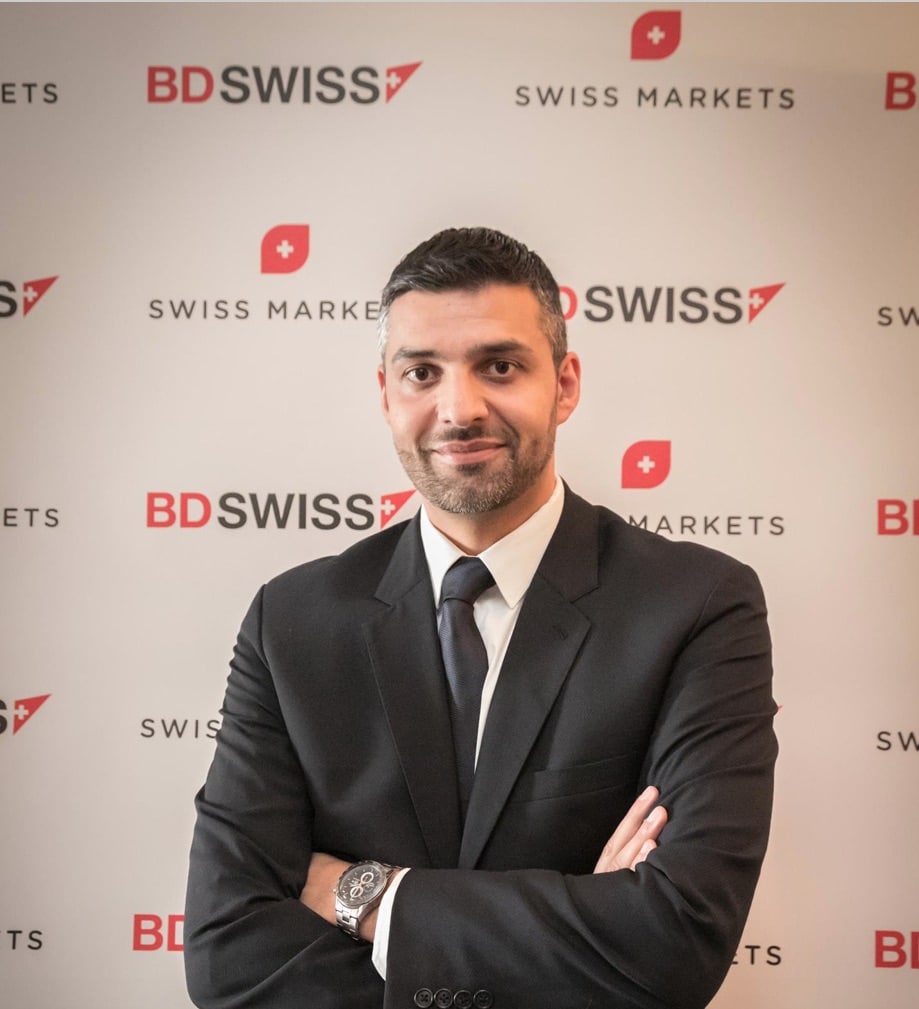
Director of Operations of the Swiss Markets brand Chris Papageorgiou talks about forex partner opportunities in Southeast Asia and gives us his own insights into what it takes to be a successful partner in 2019.
Why is it all about Southeast Asia for the forex partners industry in 2019?
As we approach the end of the year, we are seeing some very positive trends for the forex industry and especially when it comes to new markets and localised business development. In 2019, we believe it’s going to be all about emerging markets in Southeast Asia.
Chris Papageorgiou, Director of Operations of Swiss Markets
With a population of almost 650 million people, Southeast Asia is a vast and highly promising emerging market that has relatively recently been introduced to the forex industry, which also makes it a largely new and unexplored market for partners.
The rapid economic expansion of different nations in Southeast Asia has also brought about an increasing interest in online investments and trading Forex and CFD products. That being said, there are some very important challenges to consider before venturing into this region.
The most important of which being that there are a lot of fairly new and not well regulated brokers, that may not be able to provide the security, transparency and solid reputation required for high-end partners.
What are some of the current forex partner trends in Southeast Asia?
From what we’ve seen thus far, Southeast Asia is a largely IB oriented region, with clients opting for a face to a face approach when it comes to choosing a forex broker to trade with. However, 2018 has seen a rapid increase in online Southeast Asia traffic. I think this translates into a very promising and highly unexplored market for online affiliates and forex marketeers.
The most popular channels for affiliates seeking to target Southeast Asia traffic are through educational forums or websites and well-established social media platforms such as Facebook. In fact, Facebook is a key driver of growth across the region with Indonesia, the Philippines and Vietnam boasting more than 250 million users combined.
What are the most prevalent niches when it comes to targeting Southeast Asia as a Forex partner?
It shouldn’t come as a surprise that education is the most sought after subject in relation to Forex and CFD trading. This is a new audience of demanding Fin-Tech adopters that are curious to learn everything there is to know about Forex / CFD trading.
They are looking into educational courses and videos, broker reviews, comparison websites, professional trader strategies by influencers, youtubers and bloggers and of course news sites and social pages that can keep them up to date with what is happening in the financial markets. There is therefore a broad spectrum of niches for partners and affiliates to explore when it comes to Southeast Asia.
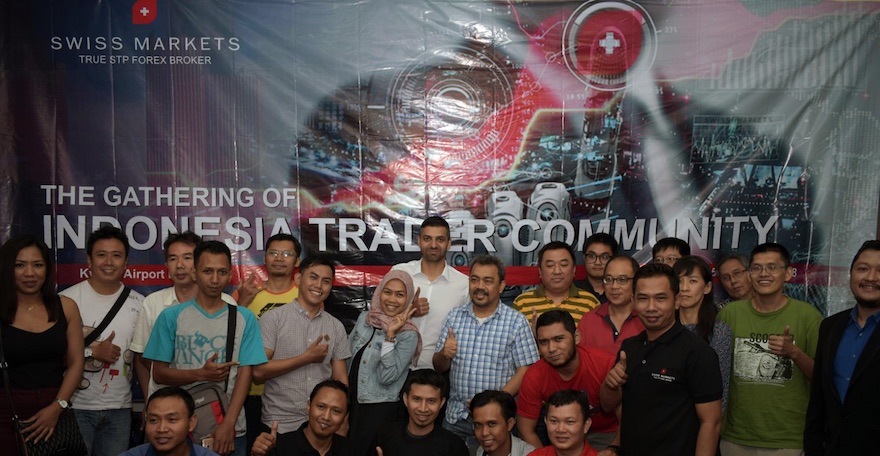
For Introducing Brokers, there are also a lot of business development opportunities since as I’ve already mentioned there is a preference for a more personal, face to face approach in the region. From our personal experience, educational seminars, workshops and gatherings enjoy great success with Southeast Asia audiences.
What are some of the challenges that Forex Brokers and Partners may face in Southeast Asia?
How did Swiss Markets manage to build such a robust Partner network in Southeast Asia?
I think that our decision to open our new Swiss Markets offices in Kuala Lumpur, at the heart of Malaysia, was a catalyst for our success in the broader Southeast Asia region as it gave us an immense competitive advantage. We established an all-star multi-lingual team that introduced our products through a series of regional seminars and expanded our broader business development efforts in Southeast Asia.
At Swiss Markets, we believe in sharing our experience with our partners and in supporting them every step of the way. We therefore choose to use in house support centers that comprise of experienced business developers instead of using of local call centers that cannot truly cater to our Partners’ needs.
What is more, the BDSwiss Group, which includes both BDSwiss & Swiss Markets brands covers all the products traders are looking for. We thus ensure that we give our partners’ referrals a reason to trade with our brands in the long run.
We further offer our Partners a full Support Kit, to cater for a broad spectrum of niches and help them successfully expand in Southeast Asia. This also entails having new and innovative marketing material translated in 25+ languages, hosting local events, introducing new products and broadening our offering.
Last but not least, we offer our partners customised solutions, enabling them to create their own payout plans and ensure that we have the latest tools in place to help our partners keep track of their progress. Our partners understand that by signing up with us, they become part of the Swiss Markets family. They don’t even consider switching to another broker, because they feel it’s just so easy and profitable to work with us.
Interested in learning more about Swiss Markets Partners Program?
Disclaimer: The content of this article is sponsored and does not represent the opinions of Finance Magnates.
Why is Southeast Asia one of the most promising emerging markets for the Forex CFD industry? How can Forex partners expand their business in this burgeoning region and what are the challenges that they may face?
Director of Operations of the Swiss Markets brand Chris Papageorgiou talks about forex partner opportunities in Southeast Asia and gives us his own insights into what it takes to be a successful partner in 2019.
Why is it all about Southeast Asia for the forex partners industry in 2019?
As we approach the end of the year, we are seeing some very positive trends for the forex industry and especially when it comes to new markets and localised business development. In 2019, we believe it’s going to be all about emerging markets in Southeast Asia.
Chris Papageorgiou, Director of Operations of Swiss Markets
With a population of almost 650 million people, Southeast Asia is a vast and highly promising emerging market that has relatively recently been introduced to the forex industry, which also makes it a largely new and unexplored market for partners.
The rapid economic expansion of different nations in Southeast Asia has also brought about an increasing interest in online investments and trading Forex and CFD products. That being said, there are some very important challenges to consider before venturing into this region.
The most important of which being that there are a lot of fairly new and not well regulated brokers, that may not be able to provide the security, transparency and solid reputation required for high-end partners.
What are some of the current forex partner trends in Southeast Asia?
From what we’ve seen thus far, Southeast Asia is a largely IB oriented region, with clients opting for a face to a face approach when it comes to choosing a forex broker to trade with. However, 2018 has seen a rapid increase in online Southeast Asia traffic. I think this translates into a very promising and highly unexplored market for online affiliates and forex marketeers.
The most popular channels for affiliates seeking to target Southeast Asia traffic are through educational forums or websites and well-established social media platforms such as Facebook. In fact, Facebook is a key driver of growth across the region with Indonesia, the Philippines and Vietnam boasting more than 250 million users combined.
What are the most prevalent niches when it comes to targeting Southeast Asia as a Forex partner?
It shouldn’t come as a surprise that education is the most sought after subject in relation to Forex and CFD trading. This is a new audience of demanding Fin-Tech adopters that are curious to learn everything there is to know about Forex / CFD trading.
They are looking into educational courses and videos, broker reviews, comparison websites, professional trader strategies by influencers, youtubers and bloggers and of course news sites and social pages that can keep them up to date with what is happening in the financial markets. There is therefore a broad spectrum of niches for partners and affiliates to explore when it comes to Southeast Asia.
For Introducing Brokers, there are also a lot of business development opportunities since as I’ve already mentioned there is a preference for a more personal, face to face approach in the region. From our personal experience, educational seminars, workshops and gatherings enjoy great success with Southeast Asia audiences.
What are some of the challenges that Forex Brokers and Partners may face in Southeast Asia?
How did Swiss Markets manage to build such a robust Partner network in Southeast Asia?
I think that our decision to open our new Swiss Markets offices in Kuala Lumpur, at the heart of Malaysia, was a catalyst for our success in the broader Southeast Asia region as it gave us an immense competitive advantage. We established an all-star multi-lingual team that introduced our products through a series of regional seminars and expanded our broader business development efforts in Southeast Asia.
At Swiss Markets, we believe in sharing our experience with our partners and in supporting them every step of the way. We therefore choose to use in house support centers that comprise of experienced business developers instead of using of local call centers that cannot truly cater to our Partners’ needs.
What is more, the BDSwiss Group, which includes both BDSwiss & Swiss Markets brands covers all the products traders are looking for. We thus ensure that we give our partners’ referrals a reason to trade with our brands in the long run.
We further offer our Partners a full Support Kit, to cater for a broad spectrum of niches and help them successfully expand in Southeast Asia. This also entails having new and innovative marketing material translated in 25+ languages, hosting local events, introducing new products and broadening our offering.
Last but not least, we offer our partners customised solutions, enabling them to create their own payout plans and ensure that we have the latest tools in place to help our partners keep track of their progress. Our partners understand that by signing up with us, they become part of the Swiss Markets family. They don’t even consider switching to another broker, because they feel it’s just so easy and profitable to work with us.
Interested in learning more about Swiss Markets Partners Program?
FP Markets Winner Spotlight 🏆 | Global Broker of the Year 2025 #Trading #Broker #Innovation #Shorts
FP Markets Winner Spotlight 🏆 | Global Broker of the Year 2025 #Trading #Broker #Innovation #Shorts
FP Markets Winner Spotlight 🏆 | Global Broker of the Year 2025 #Trading #Broker #Innovation #Shorts
FP Markets Winner Spotlight 🏆 | Global Broker of the Year 2025 #Trading #Broker #Innovation #Shorts
FP Markets takes the spotlight as Global Broker of the Year 2025 at the Finance Magnates Awards.
Martin Stoilov, Head of Client Experience, shares that trust, innovation, and people played a key role in the company’s success, supported by a strong foundation of integrity and client-centricity.
Following this milestone, FP Markets continues to focus on growth, technology investment, and its core values of transparency and excellence.
👉 Be part of FM Awards 2026: https://awards.financemagnates.com/#nominate
FP Markets takes the spotlight as Global Broker of the Year 2025 at the Finance Magnates Awards.
Martin Stoilov, Head of Client Experience, shares that trust, innovation, and people played a key role in the company’s success, supported by a strong foundation of integrity and client-centricity.
Following this milestone, FP Markets continues to focus on growth, technology investment, and its core values of transparency and excellence.
👉 Be part of FM Awards 2026: https://awards.financemagnates.com/#nominate
FP Markets takes the spotlight as Global Broker of the Year 2025 at the Finance Magnates Awards.
Martin Stoilov, Head of Client Experience, shares that trust, innovation, and people played a key role in the company’s success, supported by a strong foundation of integrity and client-centricity.
Following this milestone, FP Markets continues to focus on growth, technology investment, and its core values of transparency and excellence.
👉 Be part of FM Awards 2026: https://awards.financemagnates.com/#nominate
FP Markets takes the spotlight as Global Broker of the Year 2025 at the Finance Magnates Awards.
Martin Stoilov, Head of Client Experience, shares that trust, innovation, and people played a key role in the company’s success, supported by a strong foundation of integrity and client-centricity.
Following this milestone, FP Markets continues to focus on growth, technology investment, and its core values of transparency and excellence.
👉 Be part of FM Awards 2026: https://awards.financemagnates.com/#nominate
In this video, we review @HolaPrimeMarketsOfficial, a multi-asset forex and CFDs broker offering different account types, trading platforms, and flexible trading conditions.
We cover the broker’s overall offering, including account options, trading environment, platforms like MT4 and MT5, and additional services such as managed accounts and fast withdrawals.
Watch the full video to see if Hola Prime Markets fits your trading needs.
📣 Stay up to date with the latest in finance and trading. Follow Finance Magnates for industry news, insights, and global event coverage.
Connect with us:
🔗 LinkedIn: /financemagnates
👍 Facebook: /financemagnates
📸 Instagram: https://www.instagram.com/financemagnates
🐦 X: https://x.com/financemagnates
🎥 TikTok: https://www.tiktok.com/tag/financemagnates
▶️ YouTube: /@financemagnates_official
#HolaPrime #ForexBroker #CFDTrading #FinanceMagnates #Trading #Forex #BrokerReview
In this video, we review @HolaPrimeMarketsOfficial, a multi-asset forex and CFDs broker offering different account types, trading platforms, and flexible trading conditions.
We cover the broker’s overall offering, including account options, trading environment, platforms like MT4 and MT5, and additional services such as managed accounts and fast withdrawals.
Watch the full video to see if Hola Prime Markets fits your trading needs.
📣 Stay up to date with the latest in finance and trading. Follow Finance Magnates for industry news, insights, and global event coverage.
Connect with us:
🔗 LinkedIn: /financemagnates
👍 Facebook: /financemagnates
📸 Instagram: https://www.instagram.com/financemagnates
🐦 X: https://x.com/financemagnates
🎥 TikTok: https://www.tiktok.com/tag/financemagnates
▶️ YouTube: /@financemagnates_official
#HolaPrime #ForexBroker #CFDTrading #FinanceMagnates #Trading #Forex #BrokerReview
In this video, we review @HolaPrimeMarketsOfficial, a multi-asset forex and CFDs broker offering different account types, trading platforms, and flexible trading conditions.
We cover the broker’s overall offering, including account options, trading environment, platforms like MT4 and MT5, and additional services such as managed accounts and fast withdrawals.
Watch the full video to see if Hola Prime Markets fits your trading needs.
📣 Stay up to date with the latest in finance and trading. Follow Finance Magnates for industry news, insights, and global event coverage.
Connect with us:
🔗 LinkedIn: /financemagnates
👍 Facebook: /financemagnates
📸 Instagram: https://www.instagram.com/financemagnates
🐦 X: https://x.com/financemagnates
🎥 TikTok: https://www.tiktok.com/tag/financemagnates
▶️ YouTube: /@financemagnates_official
#HolaPrime #ForexBroker #CFDTrading #FinanceMagnates #Trading #Forex #BrokerReview
In this video, we review @HolaPrimeMarketsOfficial, a multi-asset forex and CFDs broker offering different account types, trading platforms, and flexible trading conditions.
We cover the broker’s overall offering, including account options, trading environment, platforms like MT4 and MT5, and additional services such as managed accounts and fast withdrawals.
Watch the full video to see if Hola Prime Markets fits your trading needs.
📣 Stay up to date with the latest in finance and trading. Follow Finance Magnates for industry news, insights, and global event coverage.
Connect with us:
🔗 LinkedIn: /financemagnates
👍 Facebook: /financemagnates
📸 Instagram: https://www.instagram.com/financemagnates
🐦 X: https://x.com/financemagnates
🎥 TikTok: https://www.tiktok.com/tag/financemagnates
▶️ YouTube: /@financemagnates_official
#HolaPrime #ForexBroker #CFDTrading #FinanceMagnates #Trading #Forex #BrokerReview
In this video, we review @HolaPrimeMarketsOfficial, a multi-asset forex and CFDs broker offering different account types, trading platforms, and flexible trading conditions.
We cover the broker’s overall offering, including account options, trading environment, platforms like MT4 and MT5, and additional services such as managed accounts and fast withdrawals.
Watch the full video to see if Hola Prime Markets fits your trading needs.
📣 Stay up to date with the latest in finance and trading. Follow Finance Magnates for industry news, insights, and global event coverage.
Connect with us:
🔗 LinkedIn: /financemagnates
👍 Facebook: /financemagnates
📸 Instagram: https://www.instagram.com/financemagnates
🐦 X: https://x.com/financemagnates
🎥 TikTok: https://www.tiktok.com/tag/financemagnates
▶️ YouTube: /@financemagnates_official
#HolaPrime #ForexBroker #CFDTrading #FinanceMagnates #Trading #Forex #BrokerReview
In this video, we review @HolaPrimeMarketsOfficial, a multi-asset forex and CFDs broker offering different account types, trading platforms, and flexible trading conditions.
We cover the broker’s overall offering, including account options, trading environment, platforms like MT4 and MT5, and additional services such as managed accounts and fast withdrawals.
Watch the full video to see if Hola Prime Markets fits your trading needs.
📣 Stay up to date with the latest in finance and trading. Follow Finance Magnates for industry news, insights, and global event coverage.
Connect with us:
🔗 LinkedIn: /financemagnates
👍 Facebook: /financemagnates
📸 Instagram: https://www.instagram.com/financemagnates
🐦 X: https://x.com/financemagnates
🎥 TikTok: https://www.tiktok.com/tag/financemagnates
▶️ YouTube: /@financemagnates_official
#HolaPrime #ForexBroker #CFDTrading #FinanceMagnates #Trading #Forex #BrokerReview
Hola Prime Review: What You Need to Know | Full Breakdown by Finance Magnates
Hola Prime Review: What You Need to Know | Full Breakdown by Finance Magnates
Hola Prime Review: What You Need to Know | Full Breakdown by Finance Magnates
Hola Prime Review: What You Need to Know | Full Breakdown by Finance Magnates
Hola Prime Review: What You Need to Know | Full Breakdown by Finance Magnates
Hola Prime Review: What You Need to Know | Full Breakdown by Finance Magnates
In this video, we review @HolaPrime_Global, a proprietary trading firm offering evaluation programs and performance-based payouts in simulated market environments.
We cover how the challenge model works, including account types, profit splits (up to 95%), trading rules, and what it takes to reach a funded account. You’ll also learn about available platforms like MT4, MT5, cTrader, and more, along with insights into payouts, support, and trading conditions.
Watch the full video to see if Hola Prime fits your trading style.
📣 Stay up to date with the latest in finance and trading. Follow Finance Magnates for industry news, insights, and global event coverage.
Connect with us:
🔗 LinkedIn: /financemagnates
👍 Facebook: /financemagnates
📸 Instagram: https://www.instagram.com/financemagnates
🐦 X: https://x.com/financemagnates
🎥 TikTok: https://www.tiktok.com/tag/financemagnates
▶️ YouTube: /@financemagnates_official
#HolaPrime #PropFirm #Trading #FinanceMagnates #Forex #FuturesTrading #TradingReview #PropFirmReview
In this video, we review @HolaPrime_Global, a proprietary trading firm offering evaluation programs and performance-based payouts in simulated market environments.
We cover how the challenge model works, including account types, profit splits (up to 95%), trading rules, and what it takes to reach a funded account. You’ll also learn about available platforms like MT4, MT5, cTrader, and more, along with insights into payouts, support, and trading conditions.
Watch the full video to see if Hola Prime fits your trading style.
📣 Stay up to date with the latest in finance and trading. Follow Finance Magnates for industry news, insights, and global event coverage.
Connect with us:
🔗 LinkedIn: /financemagnates
👍 Facebook: /financemagnates
📸 Instagram: https://www.instagram.com/financemagnates
🐦 X: https://x.com/financemagnates
🎥 TikTok: https://www.tiktok.com/tag/financemagnates
▶️ YouTube: /@financemagnates_official
#HolaPrime #PropFirm #Trading #FinanceMagnates #Forex #FuturesTrading #TradingReview #PropFirmReview
In this video, we review @HolaPrime_Global, a proprietary trading firm offering evaluation programs and performance-based payouts in simulated market environments.
We cover how the challenge model works, including account types, profit splits (up to 95%), trading rules, and what it takes to reach a funded account. You’ll also learn about available platforms like MT4, MT5, cTrader, and more, along with insights into payouts, support, and trading conditions.
Watch the full video to see if Hola Prime fits your trading style.
📣 Stay up to date with the latest in finance and trading. Follow Finance Magnates for industry news, insights, and global event coverage.
Connect with us:
🔗 LinkedIn: /financemagnates
👍 Facebook: /financemagnates
📸 Instagram: https://www.instagram.com/financemagnates
🐦 X: https://x.com/financemagnates
🎥 TikTok: https://www.tiktok.com/tag/financemagnates
▶️ YouTube: /@financemagnates_official
#HolaPrime #PropFirm #Trading #FinanceMagnates #Forex #FuturesTrading #TradingReview #PropFirmReview
In this video, we review @HolaPrime_Global, a proprietary trading firm offering evaluation programs and performance-based payouts in simulated market environments.
We cover how the challenge model works, including account types, profit splits (up to 95%), trading rules, and what it takes to reach a funded account. You’ll also learn about available platforms like MT4, MT5, cTrader, and more, along with insights into payouts, support, and trading conditions.
Watch the full video to see if Hola Prime fits your trading style.
📣 Stay up to date with the latest in finance and trading. Follow Finance Magnates for industry news, insights, and global event coverage.
Connect with us:
🔗 LinkedIn: /financemagnates
👍 Facebook: /financemagnates
📸 Instagram: https://www.instagram.com/financemagnates
🐦 X: https://x.com/financemagnates
🎥 TikTok: https://www.tiktok.com/tag/financemagnates
▶️ YouTube: /@financemagnates_official
#HolaPrime #PropFirm #Trading #FinanceMagnates #Forex #FuturesTrading #TradingReview #PropFirmReview
In this video, we review @HolaPrime_Global, a proprietary trading firm offering evaluation programs and performance-based payouts in simulated market environments.
We cover how the challenge model works, including account types, profit splits (up to 95%), trading rules, and what it takes to reach a funded account. You’ll also learn about available platforms like MT4, MT5, cTrader, and more, along with insights into payouts, support, and trading conditions.
Watch the full video to see if Hola Prime fits your trading style.
📣 Stay up to date with the latest in finance and trading. Follow Finance Magnates for industry news, insights, and global event coverage.
Connect with us:
🔗 LinkedIn: /financemagnates
👍 Facebook: /financemagnates
📸 Instagram: https://www.instagram.com/financemagnates
🐦 X: https://x.com/financemagnates
🎥 TikTok: https://www.tiktok.com/tag/financemagnates
▶️ YouTube: /@financemagnates_official
#HolaPrime #PropFirm #Trading #FinanceMagnates #Forex #FuturesTrading #TradingReview #PropFirmReview
In this video, we review @HolaPrime_Global, a proprietary trading firm offering evaluation programs and performance-based payouts in simulated market environments.
We cover how the challenge model works, including account types, profit splits (up to 95%), trading rules, and what it takes to reach a funded account. You’ll also learn about available platforms like MT4, MT5, cTrader, and more, along with insights into payouts, support, and trading conditions.
Watch the full video to see if Hola Prime fits your trading style.
📣 Stay up to date with the latest in finance and trading. Follow Finance Magnates for industry news, insights, and global event coverage.
Connect with us:
🔗 LinkedIn: /financemagnates
👍 Facebook: /financemagnates
📸 Instagram: https://www.instagram.com/financemagnates
🐦 X: https://x.com/financemagnates
🎥 TikTok: https://www.tiktok.com/tag/financemagnates
▶️ YouTube: /@financemagnates_official
#HolaPrime #PropFirm #Trading #FinanceMagnates #Forex #FuturesTrading #TradingReview #PropFirmReview
Axi Winner Spotlight 🏆 | Global Most Innovative Broker 2025 #Innovation #Trading #Fintech #Broker
Axi Winner Spotlight 🏆 | Global Most Innovative Broker 2025 #Innovation #Trading #Fintech #Broker
Axi Winner Spotlight 🏆 | Global Most Innovative Broker 2025 #Innovation #Trading #Fintech #Broker
Axi Winner Spotlight 🏆 | Global Most Innovative Broker 2025 #Innovation #Trading #Fintech #Broker
Axi Winner Spotlight 🏆 | Global Most Innovative Broker 2025 #Innovation #Trading #Fintech #Broker
Axi Winner Spotlight 🏆 | Global Most Innovative Broker 2025 #Innovation #Trading #Fintech #Broker
Axi takes the spotlight at the Finance Magnates Awards, winning Global Most Innovative Broker 2025.
Olivia Xenofontos and Ivanna Openko share how the team will feel: proud, motivated, and ready to keep delivering.
They also describe the night as well-organized, focused, and enjoyable for all.
👉 Be part of FM Awards 2026.
Axi takes the spotlight at the Finance Magnates Awards, winning Global Most Innovative Broker 2025.
Olivia Xenofontos and Ivanna Openko share how the team will feel: proud, motivated, and ready to keep delivering.
They also describe the night as well-organized, focused, and enjoyable for all.
👉 Be part of FM Awards 2026.
Axi takes the spotlight at the Finance Magnates Awards, winning Global Most Innovative Broker 2025.
Olivia Xenofontos and Ivanna Openko share how the team will feel: proud, motivated, and ready to keep delivering.
They also describe the night as well-organized, focused, and enjoyable for all.
👉 Be part of FM Awards 2026.
Axi takes the spotlight at the Finance Magnates Awards, winning Global Most Innovative Broker 2025.
Olivia Xenofontos and Ivanna Openko share how the team will feel: proud, motivated, and ready to keep delivering.
They also describe the night as well-organized, focused, and enjoyable for all.
👉 Be part of FM Awards 2026.
Axi takes the spotlight at the Finance Magnates Awards, winning Global Most Innovative Broker 2025.
Olivia Xenofontos and Ivanna Openko share how the team will feel: proud, motivated, and ready to keep delivering.
They also describe the night as well-organized, focused, and enjoyable for all.
👉 Be part of FM Awards 2026.
Axi takes the spotlight at the Finance Magnates Awards, winning Global Most Innovative Broker 2025.
Olivia Xenofontos and Ivanna Openko share how the team will feel: proud, motivated, and ready to keep delivering.
They also describe the night as well-organized, focused, and enjoyable for all.
👉 Be part of FM Awards 2026.
Recognition that matters.
Built on transparency.
Driven by the industry.
The Finance Magnates Awards 2026.
Nominations are now open.
🔗 https://awards.financemagnates.com/?utm_source=SM&utm_medium=social&utm_campaign=recognition-matters
Recognition that matters.
Built on transparency.
Driven by the industry.
The Finance Magnates Awards 2026.
Nominations are now open.
🔗 https://awards.financemagnates.com/?utm_source=SM&utm_medium=social&utm_campaign=recognition-matters
Recognition that matters.
Built on transparency.
Driven by the industry.
The Finance Magnates Awards 2026.
Nominations are now open.
🔗 https://awards.financemagnates.com/?utm_source=SM&utm_medium=social&utm_campaign=recognition-matters
Recognition that matters.
Built on transparency.
Driven by the industry.
The Finance Magnates Awards 2026.
Nominations are now open.
🔗 https://awards.financemagnates.com/?utm_source=SM&utm_medium=social&utm_campaign=recognition-matters
Recognition that matters.
Built on transparency.
Driven by the industry.
The Finance Magnates Awards 2026.
Nominations are now open.
🔗 https://awards.financemagnates.com/?utm_source=SM&utm_medium=social&utm_campaign=recognition-matters
Recognition that matters.
Built on transparency.
Driven by the industry.
The Finance Magnates Awards 2026.
Nominations are now open.
🔗 https://awards.financemagnates.com/?utm_source=SM&utm_medium=social&utm_campaign=recognition-matters