South Florida Luxury Real Estate Forecast 2026: Prices & Demand

Monday, 20/04/2026 | 07:14 GMT by FM
Disclaimer
  • South Florida luxury real estate demand & prices will grow through 2026, driven by wealth migration.
Bazoom

South Florida has firmly reasserted itself as one of the most dynamic luxury real estate markets in the United States. Once viewed primarily as a lifestyle destination, the region is now a magnet for ultra-high-net-worth individuals seeking long-term value, tax efficiency, and global connectivity. Recent sales figures and investor behavior suggest that the luxury segment is not only resilient but positioned for sustained growth well into 2026 and beyond.

The surge reflects a broader shift in how wealth is allocated post-pandemic, with South Florida emerging as a strategic hub rather than a speculative outlier.

Record-Breaking Ultra-Luxury Sales Redefine the Market

The numbers tell a compelling story. In 2025 alone, South Florida recorded 361 residential property sales above $10 million, the highest total since 2021. Miami-Dade, Broward, and Palm Beach counties all contributed to this momentum, underscoring the region’s depth and diversity at the top end of the market.

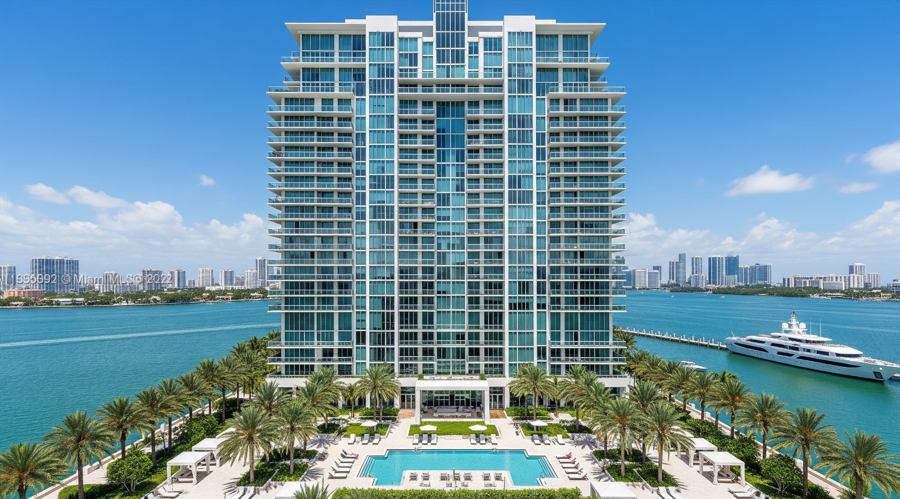
These transactions are not isolated anomalies. They represent a sustained appetite for waterfront estates, branded residences, and high-amenity condominiums that cater to buyers who prioritize privacy, security, and lifestyle integration. Even as inventory levels have risen in other segments of the U.S. housing market, luxury prices in South Florida have remained notably resilient.

According to market insights published by MILLION Luxury, the combination of limited waterfront supply and branded residential developments continues to support pricing resilience across South Florida’s ultra-luxury segment.

This performance has positioned South Florida luxury real estate as a benchmark for post-pandemic confidence among affluent buyers.

Wealth Migration and Florida’s Tax Advantage

A major driver behind this growth is domestic wealth migration. High-income earners from states such as New York, California, and Illinois continue to relocate to Florida, drawn by the absence of state income tax, a business-friendly regulatory environment, and year-round livability.

South Florida, in particular, has become a preferred landing point for Fortune 500 executives, hedge fund managers, and technology entrepreneurs. Miami’s transformation into a serious financial and tech center has accelerated this trend, reinforcing the idea that relocating does not require sacrificing professional networks or opportunity.

For many buyers, acquiring luxury property in the region serves both as a primary residence and a strategic financial decision, allowing them to optimize long-term tax exposure while investing in a high-demand market.

Global Investor Demand Remains Strong

International capital continues to play a critical role in shaping South Florida’s luxury landscape. In 2025, approximately 15% of Miami-area home purchases were made by foreign buyers, compared to a national average of just 2%. The region once again ranked number one in the United States for international real estate investment.

Buyers from Latin America and Europe are especially active, viewing South Florida as a stable, dollar-denominated safe haven. In total, foreign investors committed $4.4 billion to South Florida real estate in 2025, a 42% increase over the previous year.

Political stability, strong property rights, and the ease of accessing Miami through direct international flights continue to differentiate the region from competing global markets.

Luxury Development Tailored to Global Demand

Developers have responded aggressively to this influx of capital and demand by launching a new generation of ultra-luxury projects. Across Miami and West Palm Beach, branded residences and high-end condominium towers are redefining expectations for residential living.

New developments feature amenities once reserved for five-star resorts: private wellness clubs, concierge health services, exclusive dining concepts, and curated lifestyle programming. Partnerships with globally recognized brands such as Waldorf Astoria and Aman have added an additional layer of prestige and price stability.

At the same time, the scarcity of prime waterfront land has created a natural supply constraint. This imbalance between limited inventory and sustained global demand has helped insulate luxury pricing, even as broader housing markets adjust to higher interest rates.

Outlook for 2026 and Beyond

Looking ahead, market fundamentals suggest continued strength rather than correction. Analysts forecast annual price growth of approximately 3% through 2026 and 2027 for South Florida’s luxury segment. While financing costs remain elevated, most ultra-luxury transactions are either cash-based or minimally leveraged, reducing sensitivity to rate fluctuations.

The convergence of ongoing inbound migration, international investment, and South Florida’s evolving economic profile supports a long-term bullish outlook. As Miami and its surrounding markets further entrench themselves as global centers for finance, technology, and lifestyle, demand for high-end residential real estate is expected to remain structurally strong.

For investors and end users alike, South Florida no longer represents a cyclical play. It has matured into a core luxury market with global relevance, positioned to sustain momentum well into the next decade.

South Florida has firmly reasserted itself as one of the most dynamic luxury real estate markets in the United States. Once viewed primarily as a lifestyle destination, the region is now a magnet for ultra-high-net-worth individuals seeking long-term value, tax efficiency, and global connectivity. Recent sales figures and investor behavior suggest that the luxury segment is not only resilient but positioned for sustained growth well into 2026 and beyond.

The surge reflects a broader shift in how wealth is allocated post-pandemic, with South Florida emerging as a strategic hub rather than a speculative outlier.

Record-Breaking Ultra-Luxury Sales Redefine the Market

The numbers tell a compelling story. In 2025 alone, South Florida recorded 361 residential property sales above $10 million, the highest total since 2021. Miami-Dade, Broward, and Palm Beach counties all contributed to this momentum, underscoring the region’s depth and diversity at the top end of the market.

These transactions are not isolated anomalies. They represent a sustained appetite for waterfront estates, branded residences, and high-amenity condominiums that cater to buyers who prioritize privacy, security, and lifestyle integration. Even as inventory levels have risen in other segments of the U.S. housing market, luxury prices in South Florida have remained notably resilient.

According to market insights published by MILLION Luxury, the combination of limited waterfront supply and branded residential developments continues to support pricing resilience across South Florida’s ultra-luxury segment.

This performance has positioned South Florida luxury real estate as a benchmark for post-pandemic confidence among affluent buyers.

Wealth Migration and Florida’s Tax Advantage

A major driver behind this growth is domestic wealth migration. High-income earners from states such as New York, California, and Illinois continue to relocate to Florida, drawn by the absence of state income tax, a business-friendly regulatory environment, and year-round livability.

South Florida, in particular, has become a preferred landing point for Fortune 500 executives, hedge fund managers, and technology entrepreneurs. Miami’s transformation into a serious financial and tech center has accelerated this trend, reinforcing the idea that relocating does not require sacrificing professional networks or opportunity.

For many buyers, acquiring luxury property in the region serves both as a primary residence and a strategic financial decision, allowing them to optimize long-term tax exposure while investing in a high-demand market.

Global Investor Demand Remains Strong

International capital continues to play a critical role in shaping South Florida’s luxury landscape. In 2025, approximately 15% of Miami-area home purchases were made by foreign buyers, compared to a national average of just 2%. The region once again ranked number one in the United States for international real estate investment.

Buyers from Latin America and Europe are especially active, viewing South Florida as a stable, dollar-denominated safe haven. In total, foreign investors committed $4.4 billion to South Florida real estate in 2025, a 42% increase over the previous year.

Political stability, strong property rights, and the ease of accessing Miami through direct international flights continue to differentiate the region from competing global markets.

Luxury Development Tailored to Global Demand

Developers have responded aggressively to this influx of capital and demand by launching a new generation of ultra-luxury projects. Across Miami and West Palm Beach, branded residences and high-end condominium towers are redefining expectations for residential living.

New developments feature amenities once reserved for five-star resorts: private wellness clubs, concierge health services, exclusive dining concepts, and curated lifestyle programming. Partnerships with globally recognized brands such as Waldorf Astoria and Aman have added an additional layer of prestige and price stability.

At the same time, the scarcity of prime waterfront land has created a natural supply constraint. This imbalance between limited inventory and sustained global demand has helped insulate luxury pricing, even as broader housing markets adjust to higher interest rates.

Outlook for 2026 and Beyond

Looking ahead, market fundamentals suggest continued strength rather than correction. Analysts forecast annual price growth of approximately 3% through 2026 and 2027 for South Florida’s luxury segment. While financing costs remain elevated, most ultra-luxury transactions are either cash-based or minimally leveraged, reducing sensitivity to rate fluctuations.

The convergence of ongoing inbound migration, international investment, and South Florida’s evolving economic profile supports a long-term bullish outlook. As Miami and its surrounding markets further entrench themselves as global centers for finance, technology, and lifestyle, demand for high-end residential real estate is expected to remain structurally strong.

For investors and end users alike, South Florida no longer represents a cyclical play. It has matured into a core luxury market with global relevance, positioned to sustain momentum well into the next decade.

Disclaimer

Thought Leadership

!"#$%&'()*+,-./0123456789:;<=>?@ABCDEFGHIJKLMNOPQRSTUVWXYZ[\]^_`abcdefghijklmnopqrstuvwxyz{|} !"#$%&'()*+,-./0123456789:;<=>?@ABCDEFGHIJKLMNOPQRSTUVWXYZ[\]^_`abcdefghijklmnopqrstuvwxyz{|}