This guide teaches you about the best penny stocks to buy this month.
FM
Picking the right stock is critical to your success as a trader. Statistics suggest that the average Return on Investment (ROI)for stocks over the past 10 years hovers around 9.2% (Goldman Sachs data).
This headline rate of return (approximately 10%) is reduced by approximately 2% – 3% per annum, owing to inflation, generating approximately 6% + in average annual returns.
Compared to fixed-interest bearing accounts (CDs), and bank deposits, this figure is plenty generous.
However, it pales in comparison to the potential earnings of low-cost financial instruments known as penny stocks. The best ones have the potential to yield substantial profits, provided all of the right conditions are met.
Day traders occupy an important space in the financial markets. They roll over huge amounts of capital in double-quick time by buying and selling stocks within the course of a trading day.
Outsized yields are possible on low-cost stock options with high volatility. Traditional stocks have the propensity for marginal movements (peaks and troughs) on a daily basis, barring exceptional trading circumstances.
The novel coronavirus has impacted global equities market in a big way, stifling productivity, demand, and supply. But this year has also facilitated the rise of waves of penny stocks traders – retail traders – to supplement all the institutional traders out there.
A niche sector of stocks – penny stocks – has come into sharp focus in recent months.
Penny stocks are often associated with fledgling companies with limited media exposure, and no proven track record. As a result, trading volumes are lower than established stocks, and the possibility for increased volatility is there too.
In the United States, the SEC (Securities and Exchange Commission) defines penny stocks as any stock that trades for under $5 per share. In the United Kingdom, a penny stock is a stock that trades for £1, or less.
How to Pick Your Tier of Penny Stock
Penny stocks are often traded OTC (over-the-counter) or as Pink Sheets. However, there is a class of these stocks known as Tier 1 Penny Stocks which are traded on major exchanges.
These are the most reputable penny stocks to trade, since they are listed on the NASDAQ, and the NYSE. Unlike other tiers of penny stocks which are not held to the SEC standards in terms of reporting and accountability, Tier 1 Penny Stocks are safer to trade.
There are several other tiers of penny stocks, including Tier 2 ($0.01 – $0.99), Tier 3 (less than $0.01), and Tier 4 ($0.001 – $0.009). Our discussion of the best penny stocks, we will generally focus on Tier 1 and Tier 2 penny stocks.
The best penny stocks investments are those which are backed by substance. Companies with a clearly formulated vision, mission, and product/service offering stand a better chance of succeeding than companies with no discernible plan, product, or service.
SMEs which are value propositions tend to generate lots of media hype. For example, a biotech company with viable and cost-effective treatments for viruses and bacteria will generally fare well.
By the same token, a cutting-edge technology company which is in talks with a Silicon Valley juggernaut is likely to generate tremendous trader interest.
These are the types of penny stocks companies worth investigating.
Be advised that penny stocks move rapidly, and striking while the proverbial iron is hot is really important. If you miss an opportunity, chances are that stock is no longer viable. Timing the trade is everything.
Getting in at the right price, and cashing out at a predetermined take profit level is important. Traders who stay invested in a trade longer than they ought to, invariably end up losing.
The objective of penny stocks trading is to stick to a well formulated strategy. It is entirely possible for a stock to rise 10, 20, 30, 40, or even 50+ times its value during the course of a day, when trading is hot.
That's because penny stocks are priced so cheaply – they have near unlimited upward potential.
The relatively cheap price of penny stocks (<$5) makes them extremely affordable to a market of investors and traders.
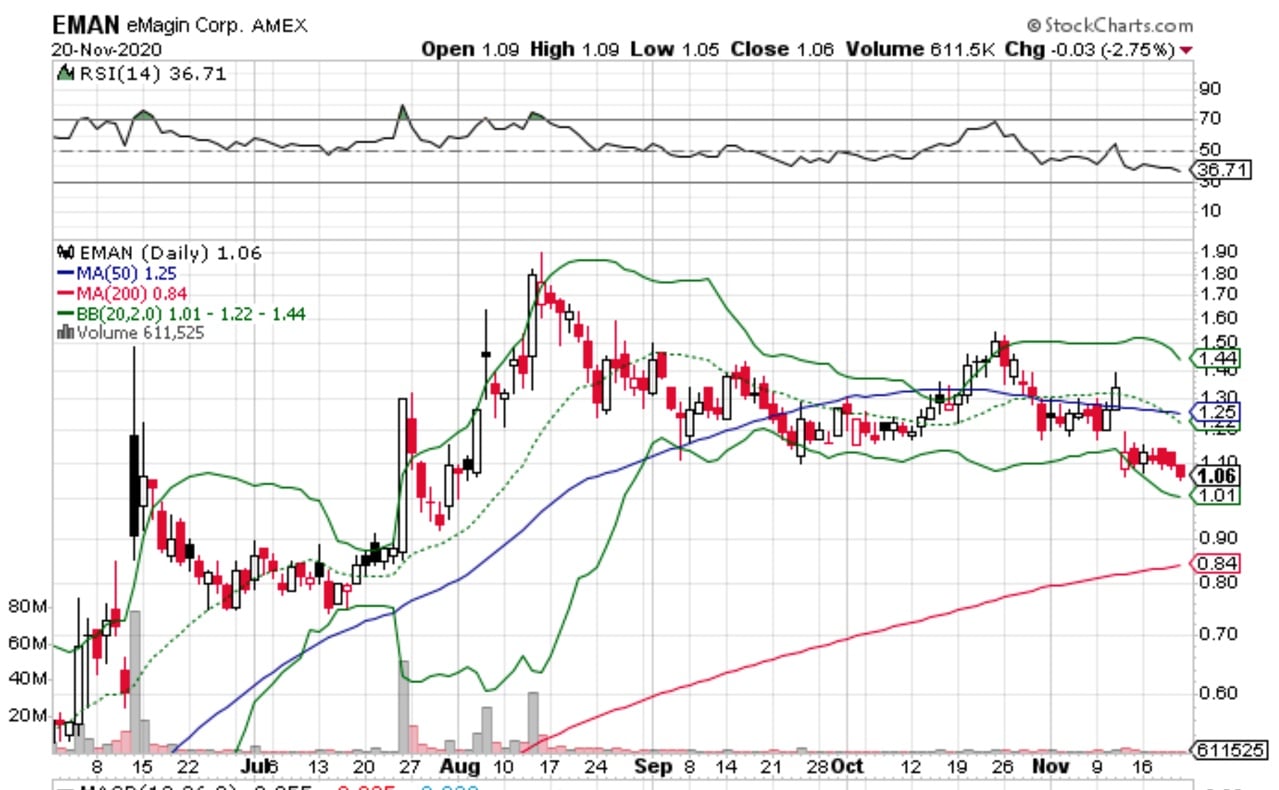
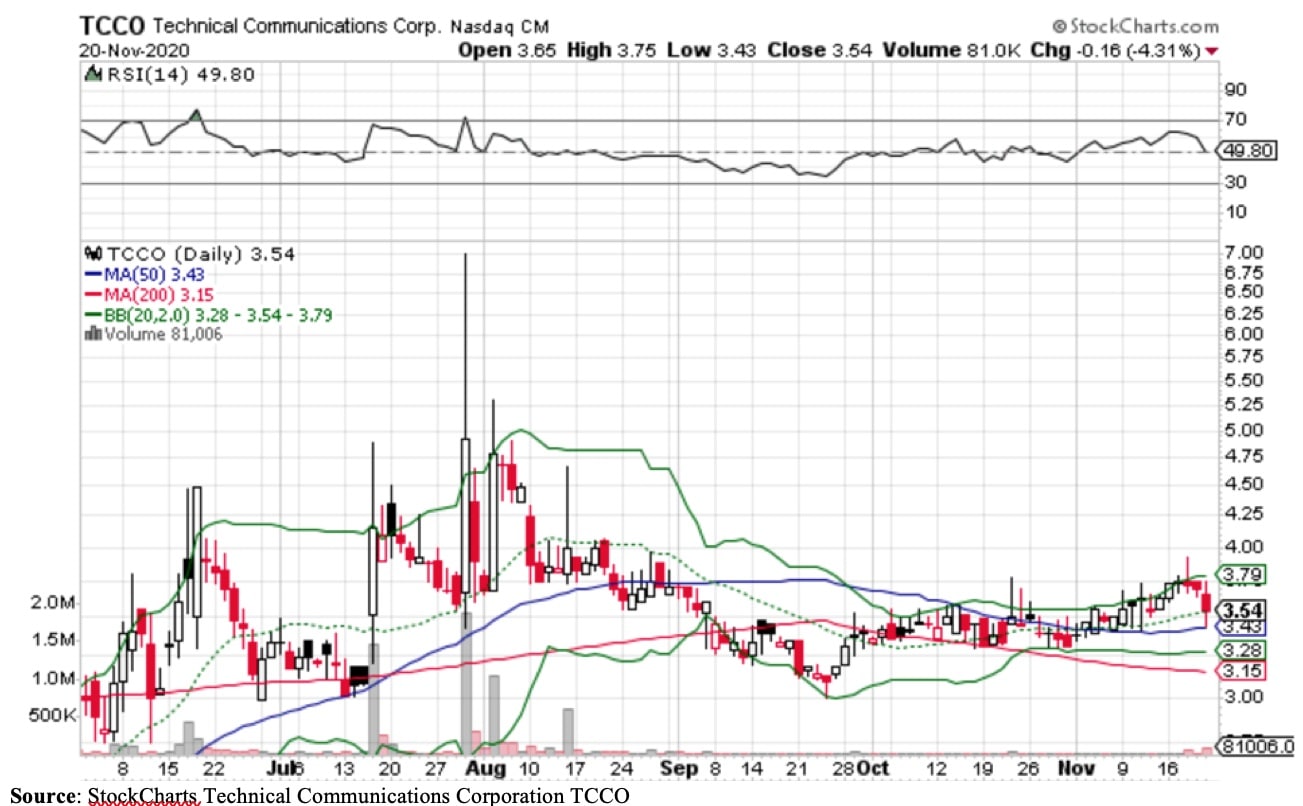
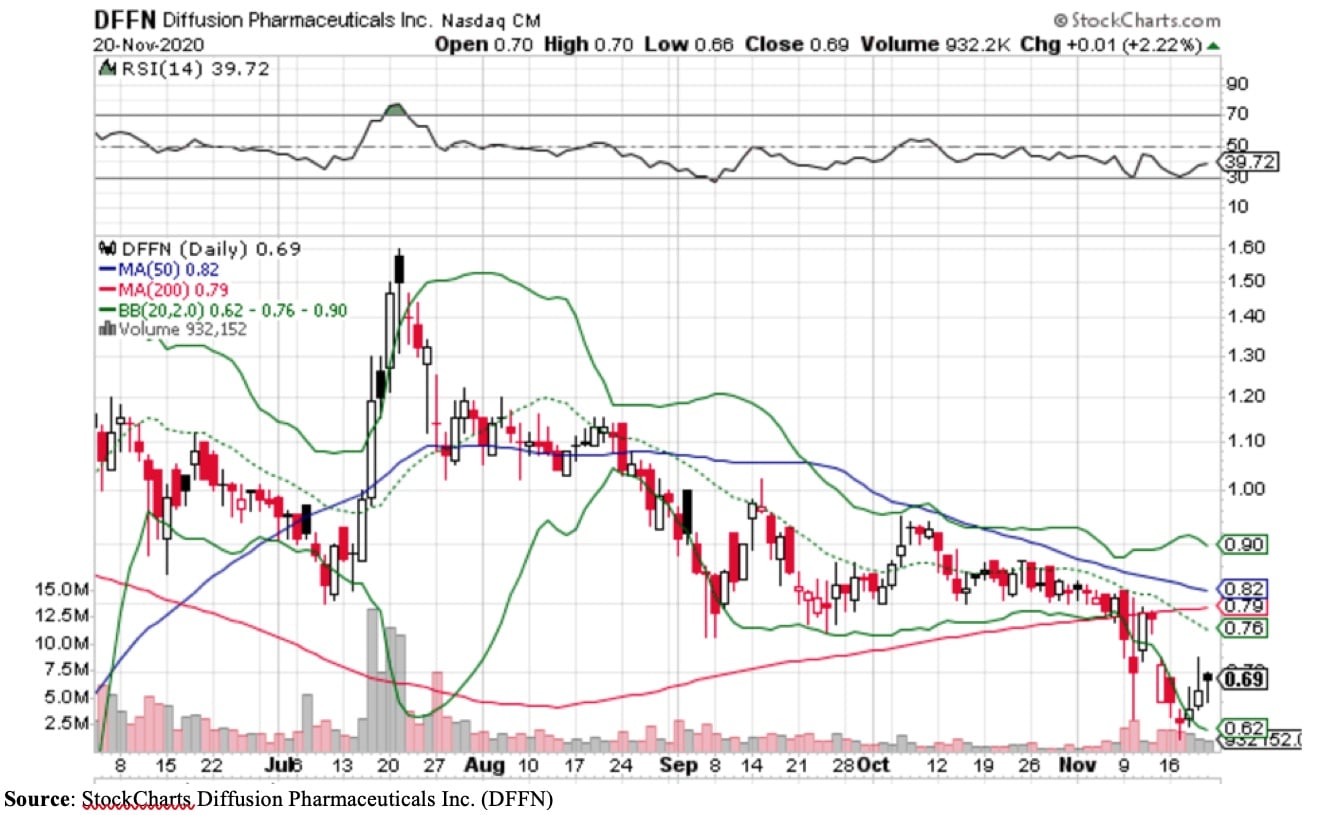
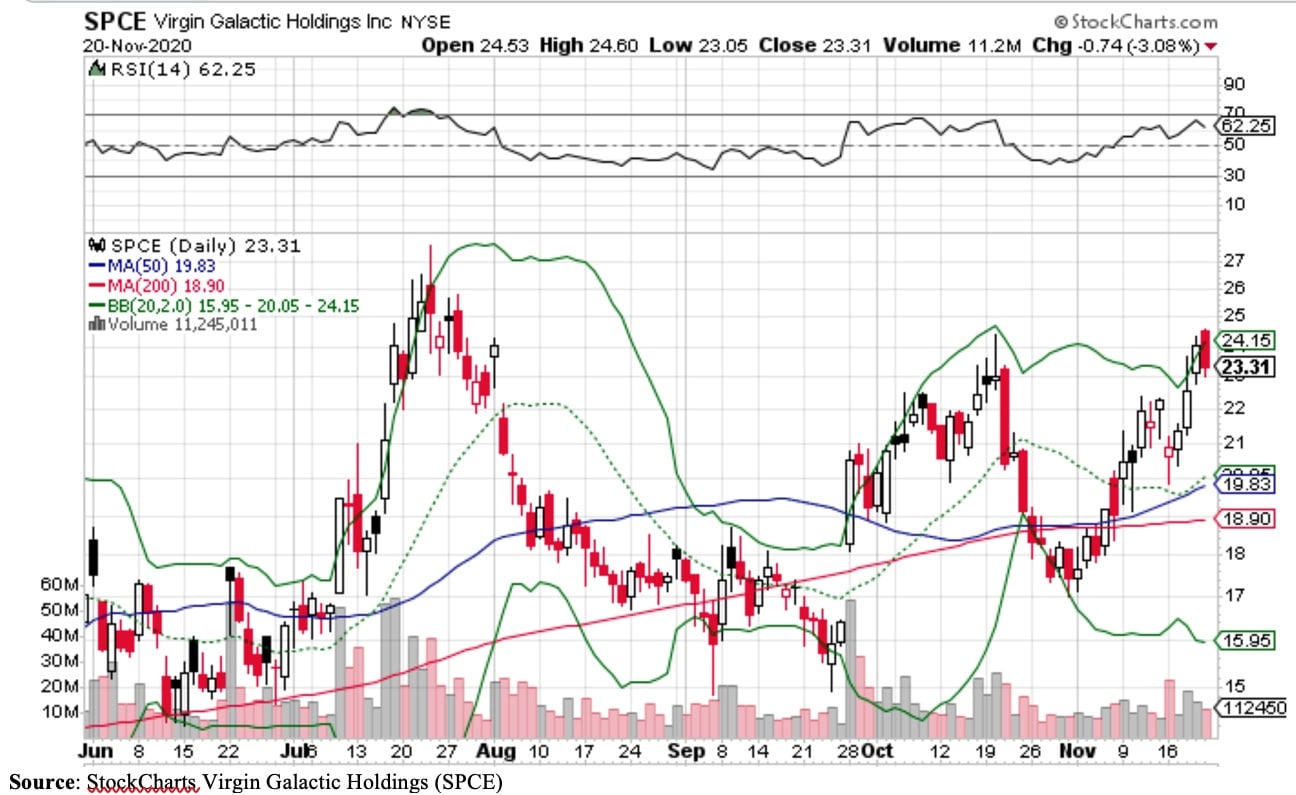
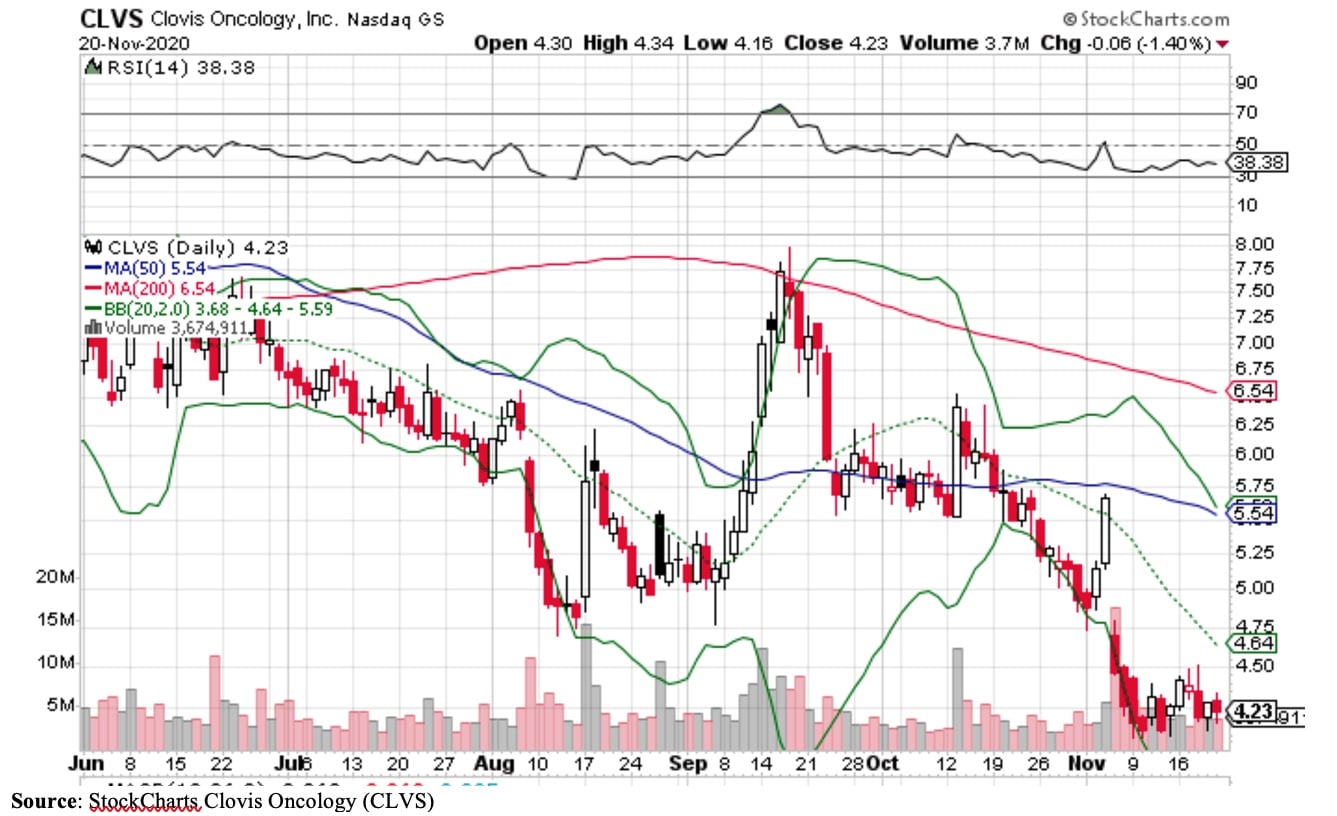
For this reason alone, you can expect a tremendous surge in interest once news of a hot penny stock hits the scene. Below are 5 examples of top performing penny stocks in the month of November 2020:
It is important to point out that stock recommendations are snapshots of the performance of a stock at a point in time.
No trader should blindly follow the advice of any ‘expert’ without conducting due diligence on the actual stock’s performance.
Between the time of publishing, and the time you're reading this guide, anything can happen to a stock. Traders should always consult charts to determine possible trends that are taking place.
In trading parlance, ‘The trend is your friend’, and it largely determines the modus operandi for your trading actions. A rising stock is a bullish signal, and a falling stock is a bearish signal.
Trade accordingly. In the charts above, clear trends are evident.
A good way of assessing possible price movements is by checking levels with Bollinger Bands (20, 2).
If the spot price of a stock approaches the upper Bollinger Band, this indicates a resistance point is being broached, and a possible overbought scenario is unfolding. If this happens, the stock will typically retrace, as traders sell to take profit.
A stock that is moving towards the lower Bollinger Band is indicative of an oversold stock.
This means it is undervalued, and will likely encounter a surge of interest as traders buy on the dip. Such a scenario may unfold if a short squeeze takes place.
These trading strategies serve as your point of departure when picking penny stocks to trade, and staying ahead of the curve during sessions of market volatility.
Disclaimer: This is a contributed article and should not be taken as investment advice.
Picking the right stock is critical to your success as a trader. Statistics suggest that the average Return on Investment (ROI)for stocks over the past 10 years hovers around 9.2% (Goldman Sachs data).
This headline rate of return (approximately 10%) is reduced by approximately 2% – 3% per annum, owing to inflation, generating approximately 6% + in average annual returns.
Compared to fixed-interest bearing accounts (CDs), and bank deposits, this figure is plenty generous.
However, it pales in comparison to the potential earnings of low-cost financial instruments known as penny stocks. The best ones have the potential to yield substantial profits, provided all of the right conditions are met.
Day traders occupy an important space in the financial markets. They roll over huge amounts of capital in double-quick time by buying and selling stocks within the course of a trading day.
Outsized yields are possible on low-cost stock options with high volatility. Traditional stocks have the propensity for marginal movements (peaks and troughs) on a daily basis, barring exceptional trading circumstances.
The novel coronavirus has impacted global equities market in a big way, stifling productivity, demand, and supply. But this year has also facilitated the rise of waves of penny stocks traders – retail traders – to supplement all the institutional traders out there.
A niche sector of stocks – penny stocks – has come into sharp focus in recent months.
Penny stocks are often associated with fledgling companies with limited media exposure, and no proven track record. As a result, trading volumes are lower than established stocks, and the possibility for increased volatility is there too.
In the United States, the SEC (Securities and Exchange Commission) defines penny stocks as any stock that trades for under $5 per share. In the United Kingdom, a penny stock is a stock that trades for £1, or less.
How to Pick Your Tier of Penny Stock
Penny stocks are often traded OTC (over-the-counter) or as Pink Sheets. However, there is a class of these stocks known as Tier 1 Penny Stocks which are traded on major exchanges.
These are the most reputable penny stocks to trade, since they are listed on the NASDAQ, and the NYSE. Unlike other tiers of penny stocks which are not held to the SEC standards in terms of reporting and accountability, Tier 1 Penny Stocks are safer to trade.
There are several other tiers of penny stocks, including Tier 2 ($0.01 – $0.99), Tier 3 (less than $0.01), and Tier 4 ($0.001 – $0.009). Our discussion of the best penny stocks, we will generally focus on Tier 1 and Tier 2 penny stocks.
The best penny stocks investments are those which are backed by substance. Companies with a clearly formulated vision, mission, and product/service offering stand a better chance of succeeding than companies with no discernible plan, product, or service.
SMEs which are value propositions tend to generate lots of media hype. For example, a biotech company with viable and cost-effective treatments for viruses and bacteria will generally fare well.
By the same token, a cutting-edge technology company which is in talks with a Silicon Valley juggernaut is likely to generate tremendous trader interest.
These are the types of penny stocks companies worth investigating.
Be advised that penny stocks move rapidly, and striking while the proverbial iron is hot is really important. If you miss an opportunity, chances are that stock is no longer viable. Timing the trade is everything.
Getting in at the right price, and cashing out at a predetermined take profit level is important. Traders who stay invested in a trade longer than they ought to, invariably end up losing.
The objective of penny stocks trading is to stick to a well formulated strategy. It is entirely possible for a stock to rise 10, 20, 30, 40, or even 50+ times its value during the course of a day, when trading is hot.
That's because penny stocks are priced so cheaply – they have near unlimited upward potential.
The relatively cheap price of penny stocks (<$5) makes them extremely affordable to a market of investors and traders.
For this reason alone, you can expect a tremendous surge in interest once news of a hot penny stock hits the scene. Below are 5 examples of top performing penny stocks in the month of November 2020:
It is important to point out that stock recommendations are snapshots of the performance of a stock at a point in time.
No trader should blindly follow the advice of any ‘expert’ without conducting due diligence on the actual stock’s performance.
Between the time of publishing, and the time you're reading this guide, anything can happen to a stock. Traders should always consult charts to determine possible trends that are taking place.
In trading parlance, ‘The trend is your friend’, and it largely determines the modus operandi for your trading actions. A rising stock is a bullish signal, and a falling stock is a bearish signal.
Trade accordingly. In the charts above, clear trends are evident.
A good way of assessing possible price movements is by checking levels with Bollinger Bands (20, 2).
If the spot price of a stock approaches the upper Bollinger Band, this indicates a resistance point is being broached, and a possible overbought scenario is unfolding. If this happens, the stock will typically retrace, as traders sell to take profit.
A stock that is moving towards the lower Bollinger Band is indicative of an oversold stock.
This means it is undervalued, and will likely encounter a surge of interest as traders buy on the dip. Such a scenario may unfold if a short squeeze takes place.
These trading strategies serve as your point of departure when picking penny stocks to trade, and staying ahead of the curve during sessions of market volatility.
Disclaimer: This is a contributed article and should not be taken as investment advice.
FP Markets Winner Spotlight 🏆 | Global Broker of the Year 2025 #Trading #Broker #Innovation #Shorts
FP Markets Winner Spotlight 🏆 | Global Broker of the Year 2025 #Trading #Broker #Innovation #Shorts
FP Markets Winner Spotlight 🏆 | Global Broker of the Year 2025 #Trading #Broker #Innovation #Shorts
FP Markets Winner Spotlight 🏆 | Global Broker of the Year 2025 #Trading #Broker #Innovation #Shorts
FP Markets takes the spotlight as Global Broker of the Year 2025 at the Finance Magnates Awards.
Martin Stoilov, Head of Client Experience, shares that trust, innovation, and people played a key role in the company’s success, supported by a strong foundation of integrity and client-centricity.
Following this milestone, FP Markets continues to focus on growth, technology investment, and its core values of transparency and excellence.
👉 Be part of FM Awards 2026: https://awards.financemagnates.com/#nominate
FP Markets takes the spotlight as Global Broker of the Year 2025 at the Finance Magnates Awards.
Martin Stoilov, Head of Client Experience, shares that trust, innovation, and people played a key role in the company’s success, supported by a strong foundation of integrity and client-centricity.
Following this milestone, FP Markets continues to focus on growth, technology investment, and its core values of transparency and excellence.
👉 Be part of FM Awards 2026: https://awards.financemagnates.com/#nominate
FP Markets takes the spotlight as Global Broker of the Year 2025 at the Finance Magnates Awards.
Martin Stoilov, Head of Client Experience, shares that trust, innovation, and people played a key role in the company’s success, supported by a strong foundation of integrity and client-centricity.
Following this milestone, FP Markets continues to focus on growth, technology investment, and its core values of transparency and excellence.
👉 Be part of FM Awards 2026: https://awards.financemagnates.com/#nominate
FP Markets takes the spotlight as Global Broker of the Year 2025 at the Finance Magnates Awards.
Martin Stoilov, Head of Client Experience, shares that trust, innovation, and people played a key role in the company’s success, supported by a strong foundation of integrity and client-centricity.
Following this milestone, FP Markets continues to focus on growth, technology investment, and its core values of transparency and excellence.
👉 Be part of FM Awards 2026: https://awards.financemagnates.com/#nominate
In this video, we review @HolaPrimeMarketsOfficial, a multi-asset forex and CFDs broker offering different account types, trading platforms, and flexible trading conditions.
We cover the broker’s overall offering, including account options, trading environment, platforms like MT4 and MT5, and additional services such as managed accounts and fast withdrawals.
Watch the full video to see if Hola Prime Markets fits your trading needs.
📣 Stay up to date with the latest in finance and trading. Follow Finance Magnates for industry news, insights, and global event coverage.
Connect with us:
🔗 LinkedIn: /financemagnates
👍 Facebook: /financemagnates
📸 Instagram: https://www.instagram.com/financemagnates
🐦 X: https://x.com/financemagnates
🎥 TikTok: https://www.tiktok.com/tag/financemagnates
▶️ YouTube: /@financemagnates_official
#HolaPrime #ForexBroker #CFDTrading #FinanceMagnates #Trading #Forex #BrokerReview
In this video, we review @HolaPrimeMarketsOfficial, a multi-asset forex and CFDs broker offering different account types, trading platforms, and flexible trading conditions.
We cover the broker’s overall offering, including account options, trading environment, platforms like MT4 and MT5, and additional services such as managed accounts and fast withdrawals.
Watch the full video to see if Hola Prime Markets fits your trading needs.
📣 Stay up to date with the latest in finance and trading. Follow Finance Magnates for industry news, insights, and global event coverage.
Connect with us:
🔗 LinkedIn: /financemagnates
👍 Facebook: /financemagnates
📸 Instagram: https://www.instagram.com/financemagnates
🐦 X: https://x.com/financemagnates
🎥 TikTok: https://www.tiktok.com/tag/financemagnates
▶️ YouTube: /@financemagnates_official
#HolaPrime #ForexBroker #CFDTrading #FinanceMagnates #Trading #Forex #BrokerReview
In this video, we review @HolaPrimeMarketsOfficial, a multi-asset forex and CFDs broker offering different account types, trading platforms, and flexible trading conditions.
We cover the broker’s overall offering, including account options, trading environment, platforms like MT4 and MT5, and additional services such as managed accounts and fast withdrawals.
Watch the full video to see if Hola Prime Markets fits your trading needs.
📣 Stay up to date with the latest in finance and trading. Follow Finance Magnates for industry news, insights, and global event coverage.
Connect with us:
🔗 LinkedIn: /financemagnates
👍 Facebook: /financemagnates
📸 Instagram: https://www.instagram.com/financemagnates
🐦 X: https://x.com/financemagnates
🎥 TikTok: https://www.tiktok.com/tag/financemagnates
▶️ YouTube: /@financemagnates_official
#HolaPrime #ForexBroker #CFDTrading #FinanceMagnates #Trading #Forex #BrokerReview
In this video, we review @HolaPrimeMarketsOfficial, a multi-asset forex and CFDs broker offering different account types, trading platforms, and flexible trading conditions.
We cover the broker’s overall offering, including account options, trading environment, platforms like MT4 and MT5, and additional services such as managed accounts and fast withdrawals.
Watch the full video to see if Hola Prime Markets fits your trading needs.
📣 Stay up to date with the latest in finance and trading. Follow Finance Magnates for industry news, insights, and global event coverage.
Connect with us:
🔗 LinkedIn: /financemagnates
👍 Facebook: /financemagnates
📸 Instagram: https://www.instagram.com/financemagnates
🐦 X: https://x.com/financemagnates
🎥 TikTok: https://www.tiktok.com/tag/financemagnates
▶️ YouTube: /@financemagnates_official
#HolaPrime #ForexBroker #CFDTrading #FinanceMagnates #Trading #Forex #BrokerReview
In this video, we review @HolaPrimeMarketsOfficial, a multi-asset forex and CFDs broker offering different account types, trading platforms, and flexible trading conditions.
We cover the broker’s overall offering, including account options, trading environment, platforms like MT4 and MT5, and additional services such as managed accounts and fast withdrawals.
Watch the full video to see if Hola Prime Markets fits your trading needs.
📣 Stay up to date with the latest in finance and trading. Follow Finance Magnates for industry news, insights, and global event coverage.
Connect with us:
🔗 LinkedIn: /financemagnates
👍 Facebook: /financemagnates
📸 Instagram: https://www.instagram.com/financemagnates
🐦 X: https://x.com/financemagnates
🎥 TikTok: https://www.tiktok.com/tag/financemagnates
▶️ YouTube: /@financemagnates_official
#HolaPrime #ForexBroker #CFDTrading #FinanceMagnates #Trading #Forex #BrokerReview
In this video, we review @HolaPrimeMarketsOfficial, a multi-asset forex and CFDs broker offering different account types, trading platforms, and flexible trading conditions.
We cover the broker’s overall offering, including account options, trading environment, platforms like MT4 and MT5, and additional services such as managed accounts and fast withdrawals.
Watch the full video to see if Hola Prime Markets fits your trading needs.
📣 Stay up to date with the latest in finance and trading. Follow Finance Magnates for industry news, insights, and global event coverage.
Connect with us:
🔗 LinkedIn: /financemagnates
👍 Facebook: /financemagnates
📸 Instagram: https://www.instagram.com/financemagnates
🐦 X: https://x.com/financemagnates
🎥 TikTok: https://www.tiktok.com/tag/financemagnates
▶️ YouTube: /@financemagnates_official
#HolaPrime #ForexBroker #CFDTrading #FinanceMagnates #Trading #Forex #BrokerReview
Hola Prime Review: What You Need to Know | Full Breakdown by Finance Magnates
Hola Prime Review: What You Need to Know | Full Breakdown by Finance Magnates
Hola Prime Review: What You Need to Know | Full Breakdown by Finance Magnates
Hola Prime Review: What You Need to Know | Full Breakdown by Finance Magnates
Hola Prime Review: What You Need to Know | Full Breakdown by Finance Magnates
Hola Prime Review: What You Need to Know | Full Breakdown by Finance Magnates
In this video, we review @HolaPrime_Global, a proprietary trading firm offering evaluation programs and performance-based payouts in simulated market environments.
We cover how the challenge model works, including account types, profit splits (up to 95%), trading rules, and what it takes to reach a funded account. You’ll also learn about available platforms like MT4, MT5, cTrader, and more, along with insights into payouts, support, and trading conditions.
Watch the full video to see if Hola Prime fits your trading style.
📣 Stay up to date with the latest in finance and trading. Follow Finance Magnates for industry news, insights, and global event coverage.
Connect with us:
🔗 LinkedIn: /financemagnates
👍 Facebook: /financemagnates
📸 Instagram: https://www.instagram.com/financemagnates
🐦 X: https://x.com/financemagnates
🎥 TikTok: https://www.tiktok.com/tag/financemagnates
▶️ YouTube: /@financemagnates_official
#HolaPrime #PropFirm #Trading #FinanceMagnates #Forex #FuturesTrading #TradingReview #PropFirmReview
In this video, we review @HolaPrime_Global, a proprietary trading firm offering evaluation programs and performance-based payouts in simulated market environments.
We cover how the challenge model works, including account types, profit splits (up to 95%), trading rules, and what it takes to reach a funded account. You’ll also learn about available platforms like MT4, MT5, cTrader, and more, along with insights into payouts, support, and trading conditions.
Watch the full video to see if Hola Prime fits your trading style.
📣 Stay up to date with the latest in finance and trading. Follow Finance Magnates for industry news, insights, and global event coverage.
Connect with us:
🔗 LinkedIn: /financemagnates
👍 Facebook: /financemagnates
📸 Instagram: https://www.instagram.com/financemagnates
🐦 X: https://x.com/financemagnates
🎥 TikTok: https://www.tiktok.com/tag/financemagnates
▶️ YouTube: /@financemagnates_official
#HolaPrime #PropFirm #Trading #FinanceMagnates #Forex #FuturesTrading #TradingReview #PropFirmReview
In this video, we review @HolaPrime_Global, a proprietary trading firm offering evaluation programs and performance-based payouts in simulated market environments.
We cover how the challenge model works, including account types, profit splits (up to 95%), trading rules, and what it takes to reach a funded account. You’ll also learn about available platforms like MT4, MT5, cTrader, and more, along with insights into payouts, support, and trading conditions.
Watch the full video to see if Hola Prime fits your trading style.
📣 Stay up to date with the latest in finance and trading. Follow Finance Magnates for industry news, insights, and global event coverage.
Connect with us:
🔗 LinkedIn: /financemagnates
👍 Facebook: /financemagnates
📸 Instagram: https://www.instagram.com/financemagnates
🐦 X: https://x.com/financemagnates
🎥 TikTok: https://www.tiktok.com/tag/financemagnates
▶️ YouTube: /@financemagnates_official
#HolaPrime #PropFirm #Trading #FinanceMagnates #Forex #FuturesTrading #TradingReview #PropFirmReview
In this video, we review @HolaPrime_Global, a proprietary trading firm offering evaluation programs and performance-based payouts in simulated market environments.
We cover how the challenge model works, including account types, profit splits (up to 95%), trading rules, and what it takes to reach a funded account. You’ll also learn about available platforms like MT4, MT5, cTrader, and more, along with insights into payouts, support, and trading conditions.
Watch the full video to see if Hola Prime fits your trading style.
📣 Stay up to date with the latest in finance and trading. Follow Finance Magnates for industry news, insights, and global event coverage.
Connect with us:
🔗 LinkedIn: /financemagnates
👍 Facebook: /financemagnates
📸 Instagram: https://www.instagram.com/financemagnates
🐦 X: https://x.com/financemagnates
🎥 TikTok: https://www.tiktok.com/tag/financemagnates
▶️ YouTube: /@financemagnates_official
#HolaPrime #PropFirm #Trading #FinanceMagnates #Forex #FuturesTrading #TradingReview #PropFirmReview
In this video, we review @HolaPrime_Global, a proprietary trading firm offering evaluation programs and performance-based payouts in simulated market environments.
We cover how the challenge model works, including account types, profit splits (up to 95%), trading rules, and what it takes to reach a funded account. You’ll also learn about available platforms like MT4, MT5, cTrader, and more, along with insights into payouts, support, and trading conditions.
Watch the full video to see if Hola Prime fits your trading style.
📣 Stay up to date with the latest in finance and trading. Follow Finance Magnates for industry news, insights, and global event coverage.
Connect with us:
🔗 LinkedIn: /financemagnates
👍 Facebook: /financemagnates
📸 Instagram: https://www.instagram.com/financemagnates
🐦 X: https://x.com/financemagnates
🎥 TikTok: https://www.tiktok.com/tag/financemagnates
▶️ YouTube: /@financemagnates_official
#HolaPrime #PropFirm #Trading #FinanceMagnates #Forex #FuturesTrading #TradingReview #PropFirmReview
In this video, we review @HolaPrime_Global, a proprietary trading firm offering evaluation programs and performance-based payouts in simulated market environments.
We cover how the challenge model works, including account types, profit splits (up to 95%), trading rules, and what it takes to reach a funded account. You’ll also learn about available platforms like MT4, MT5, cTrader, and more, along with insights into payouts, support, and trading conditions.
Watch the full video to see if Hola Prime fits your trading style.
📣 Stay up to date with the latest in finance and trading. Follow Finance Magnates for industry news, insights, and global event coverage.
Connect with us:
🔗 LinkedIn: /financemagnates
👍 Facebook: /financemagnates
📸 Instagram: https://www.instagram.com/financemagnates
🐦 X: https://x.com/financemagnates
🎥 TikTok: https://www.tiktok.com/tag/financemagnates
▶️ YouTube: /@financemagnates_official
#HolaPrime #PropFirm #Trading #FinanceMagnates #Forex #FuturesTrading #TradingReview #PropFirmReview
Axi Winner Spotlight 🏆 | Global Most Innovative Broker 2025 #Innovation #Trading #Fintech #Broker
Axi Winner Spotlight 🏆 | Global Most Innovative Broker 2025 #Innovation #Trading #Fintech #Broker
Axi Winner Spotlight 🏆 | Global Most Innovative Broker 2025 #Innovation #Trading #Fintech #Broker
Axi Winner Spotlight 🏆 | Global Most Innovative Broker 2025 #Innovation #Trading #Fintech #Broker
Axi Winner Spotlight 🏆 | Global Most Innovative Broker 2025 #Innovation #Trading #Fintech #Broker
Axi Winner Spotlight 🏆 | Global Most Innovative Broker 2025 #Innovation #Trading #Fintech #Broker
Axi takes the spotlight at the Finance Magnates Awards, winning Global Most Innovative Broker 2025.
Olivia Xenofontos and Ivanna Openko share how the team will feel: proud, motivated, and ready to keep delivering.
They also describe the night as well-organized, focused, and enjoyable for all.
👉 Be part of FM Awards 2026.
Axi takes the spotlight at the Finance Magnates Awards, winning Global Most Innovative Broker 2025.
Olivia Xenofontos and Ivanna Openko share how the team will feel: proud, motivated, and ready to keep delivering.
They also describe the night as well-organized, focused, and enjoyable for all.
👉 Be part of FM Awards 2026.
Axi takes the spotlight at the Finance Magnates Awards, winning Global Most Innovative Broker 2025.
Olivia Xenofontos and Ivanna Openko share how the team will feel: proud, motivated, and ready to keep delivering.
They also describe the night as well-organized, focused, and enjoyable for all.
👉 Be part of FM Awards 2026.
Axi takes the spotlight at the Finance Magnates Awards, winning Global Most Innovative Broker 2025.
Olivia Xenofontos and Ivanna Openko share how the team will feel: proud, motivated, and ready to keep delivering.
They also describe the night as well-organized, focused, and enjoyable for all.
👉 Be part of FM Awards 2026.
Axi takes the spotlight at the Finance Magnates Awards, winning Global Most Innovative Broker 2025.
Olivia Xenofontos and Ivanna Openko share how the team will feel: proud, motivated, and ready to keep delivering.
They also describe the night as well-organized, focused, and enjoyable for all.
👉 Be part of FM Awards 2026.
Axi takes the spotlight at the Finance Magnates Awards, winning Global Most Innovative Broker 2025.
Olivia Xenofontos and Ivanna Openko share how the team will feel: proud, motivated, and ready to keep delivering.
They also describe the night as well-organized, focused, and enjoyable for all.
👉 Be part of FM Awards 2026.
Recognition that matters.
Built on transparency.
Driven by the industry.
The Finance Magnates Awards 2026.
Nominations are now open.
🔗 https://awards.financemagnates.com/?utm_source=SM&utm_medium=social&utm_campaign=recognition-matters
Recognition that matters.
Built on transparency.
Driven by the industry.
The Finance Magnates Awards 2026.
Nominations are now open.
🔗 https://awards.financemagnates.com/?utm_source=SM&utm_medium=social&utm_campaign=recognition-matters
Recognition that matters.
Built on transparency.
Driven by the industry.
The Finance Magnates Awards 2026.
Nominations are now open.
🔗 https://awards.financemagnates.com/?utm_source=SM&utm_medium=social&utm_campaign=recognition-matters
Recognition that matters.
Built on transparency.
Driven by the industry.
The Finance Magnates Awards 2026.
Nominations are now open.
🔗 https://awards.financemagnates.com/?utm_source=SM&utm_medium=social&utm_campaign=recognition-matters
Recognition that matters.
Built on transparency.
Driven by the industry.
The Finance Magnates Awards 2026.
Nominations are now open.
🔗 https://awards.financemagnates.com/?utm_source=SM&utm_medium=social&utm_campaign=recognition-matters
Recognition that matters.
Built on transparency.
Driven by the industry.
The Finance Magnates Awards 2026.
Nominations are now open.
🔗 https://awards.financemagnates.com/?utm_source=SM&utm_medium=social&utm_campaign=recognition-matters