LMAX Digital on Crypto Markets: Why Regulation, Macro Trends and Tokenization Matter More Than Ever

Thursday, 28/05/2026 | 05:42 GMT by LMAX Digital
Disclaimer
  • Crypto is becoming more connected to global macro trends, with Bitcoin and Ethereum increasingly behaving like traditional assets.
  • In this interview, Nick Strain from LMAX Digital explains why regulation, institutional adoption, perpetuals, and tokenization are shaping the future of digital assets.
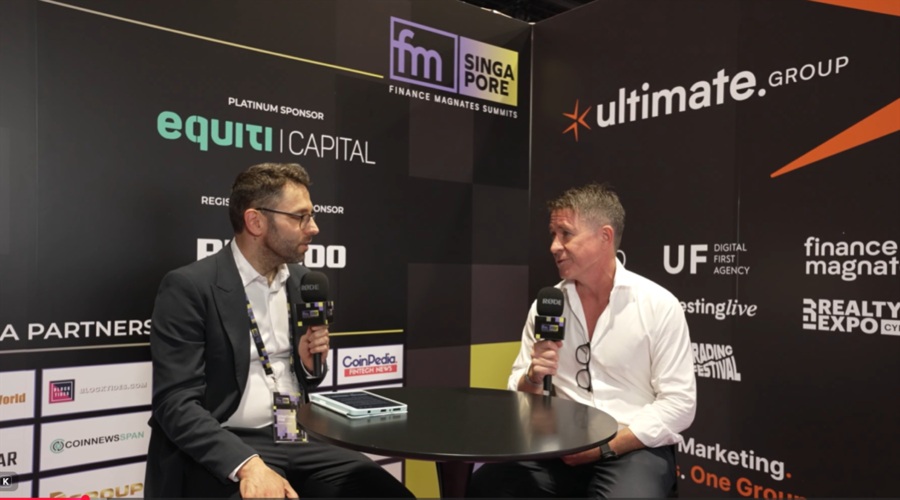
LMAX Digital Executing Interview with Finance Magnates

As digital assets continue to mature, the gap between traditional finance and crypto is shrinking. According to Nick Strain, Country Manager Singapore at LMAX Digital, crypto is increasingly behaving like another macro asset class, influenced by regulation, institutional participation, and broader economic shifts.

Speaking with Jonathan Fine, Content Strategist at Finance Magnates, Strain shared his views on Bitcoin, Ethereum, perpetuals, tokenization, and the future of programmable money.

Crypto Is Becoming a Macro Asset

While crypto once moved independently from traditional markets, Strain believes that era is changing.

“Crypto, while it is its own asset and its own asset space, is realistically now just another macro asset.”

For traders trying to understand sentiment, Strain says focusing on major assets remains key.

“Most interest and most clients’ interest is in Bitcoin and Ethereum. They are macro assets. So you need to really look at the macro backdrop.”

This reflects a wider shift where crypto markets increasingly react to monetary policy, regulation, institutional flows and global economic developments.

🎥 Watch the interview below:

What Should Traders Look At To Understand Crypto Market Sentiment?

Question: When you're looking at crypto markets day-to-day, what is the one thing you pay attention to most to understand sentiment?

Nick explains why Bitcoin and Ethereum remain leading indicators and how traditional finance perspectives now play a larger role in crypto analysis.

Why Perpetual Contracts Matter

The discussion also explored perpetuals, products that have become central within crypto trading.

Unlike traditional assets linked to interest rates, perpetuals are driven largely by supply and demand dynamics.

According to Strain:

“When a perpetual is trading above spot… it means there's more demand for the asset than there is supply.”

Understanding funding rates and perpetual positioning can help traders gauge market appetite and bullish or bearish sentiment.

What Do Funding Rates Actually Tell You?

Question: People hear terms like funding rates and positioning often. In simple terms, what do they reveal about the market?

Nick breaks down perpetuals, premiums and market demand.

Institutional Adoption: More Than Buying Crypto

Institutional involvement is often discussed, but Strain argues the opportunity extends beyond simply investing in digital assets.

He believes the real value lies in replacing traditional financial processes with technology-driven systems.

“We replace a lot of the inherent risks in traditional finance with technology.”

The result could be new risk models, more efficient transactions and different ways to manage financial infrastructure.

The Bigger Opportunity: Programmable Money and Tokenization

One of the strongest themes from the interview was tokenization and the rise of programmable money.

Strain sees tokenized assets reducing reliance on intermediaries and making financial transactions more efficient.

“The real advantage is that we will be able to have money that's programmable.”

He explains that tokenization may allow ownership verification, transfers and transaction conditions to happen automatically through technology.

Stablecoins are already an early example, while broader tokenization of real-world assets could reshape how value moves across financial systems.

Is Tokenization Finally Moving Beyond Theory? 🎥 Watch the interview

Question: What practical benefits does tokenization bring beyond the idea of on-chain finance?

Nick shares why programmable money could change financial transactions.

Why Regulation Remains Crypto’s Biggest Driver

Asked about the biggest macro factor influencing digital assets, Strain gave a direct answer: regulation.

He highlighted regulatory clarity as essential for broader adoption and continued innovation.

“Regulation gives that clarity and regulation will see people more comfortable to innovate.”

As governments and regulators develop clearer frameworks, institutional participation may accelerate further.

Final Takeaway

The conversation points to an industry moving into a new phase — one where crypto is no longer isolated from traditional finance, but increasingly connected to macro trends, institutional systems and regulatory frameworks.

For firms like LMAX Digital, the future appears less focused on speculation and more on infrastructure, efficiency and programmable financial systems.

Full Interview: Nick Strain, Country Manager Singapore at LMAX Digital

Watch the full discussion with Jonathan Fine, Content Strategist at Finance Magnates, covering:

  • Crypto market sentiment

  • Bitcoin and Ethereum as macro assets

  • Perpetuals and funding rates

  • Institutional adoption

  • Tokenization and programmable money

  • Regulation and market growth

As digital assets continue to mature, the gap between traditional finance and crypto is shrinking. According to Nick Strain, Country Manager Singapore at LMAX Digital, crypto is increasingly behaving like another macro asset class, influenced by regulation, institutional participation, and broader economic shifts.

Speaking with Jonathan Fine, Content Strategist at Finance Magnates, Strain shared his views on Bitcoin, Ethereum, perpetuals, tokenization, and the future of programmable money.

Crypto Is Becoming a Macro Asset

While crypto once moved independently from traditional markets, Strain believes that era is changing.

“Crypto, while it is its own asset and its own asset space, is realistically now just another macro asset.”

For traders trying to understand sentiment, Strain says focusing on major assets remains key.

“Most interest and most clients’ interest is in Bitcoin and Ethereum. They are macro assets. So you need to really look at the macro backdrop.”

This reflects a wider shift where crypto markets increasingly react to monetary policy, regulation, institutional flows and global economic developments.

🎥 Watch the interview below:

What Should Traders Look At To Understand Crypto Market Sentiment?

Question: When you're looking at crypto markets day-to-day, what is the one thing you pay attention to most to understand sentiment?

Nick explains why Bitcoin and Ethereum remain leading indicators and how traditional finance perspectives now play a larger role in crypto analysis.

Why Perpetual Contracts Matter

The discussion also explored perpetuals, products that have become central within crypto trading.

Unlike traditional assets linked to interest rates, perpetuals are driven largely by supply and demand dynamics.

According to Strain:

“When a perpetual is trading above spot… it means there's more demand for the asset than there is supply.”

Understanding funding rates and perpetual positioning can help traders gauge market appetite and bullish or bearish sentiment.

What Do Funding Rates Actually Tell You?

Question: People hear terms like funding rates and positioning often. In simple terms, what do they reveal about the market?

Nick breaks down perpetuals, premiums and market demand.

Institutional Adoption: More Than Buying Crypto

Institutional involvement is often discussed, but Strain argues the opportunity extends beyond simply investing in digital assets.

He believes the real value lies in replacing traditional financial processes with technology-driven systems.

“We replace a lot of the inherent risks in traditional finance with technology.”

The result could be new risk models, more efficient transactions and different ways to manage financial infrastructure.

The Bigger Opportunity: Programmable Money and Tokenization

One of the strongest themes from the interview was tokenization and the rise of programmable money.

Strain sees tokenized assets reducing reliance on intermediaries and making financial transactions more efficient.

“The real advantage is that we will be able to have money that's programmable.”

He explains that tokenization may allow ownership verification, transfers and transaction conditions to happen automatically through technology.

Stablecoins are already an early example, while broader tokenization of real-world assets could reshape how value moves across financial systems.

Is Tokenization Finally Moving Beyond Theory? 🎥 Watch the interview

Question: What practical benefits does tokenization bring beyond the idea of on-chain finance?

Nick shares why programmable money could change financial transactions.

Why Regulation Remains Crypto’s Biggest Driver

Asked about the biggest macro factor influencing digital assets, Strain gave a direct answer: regulation.

He highlighted regulatory clarity as essential for broader adoption and continued innovation.

“Regulation gives that clarity and regulation will see people more comfortable to innovate.”

As governments and regulators develop clearer frameworks, institutional participation may accelerate further.

Final Takeaway

The conversation points to an industry moving into a new phase — one where crypto is no longer isolated from traditional finance, but increasingly connected to macro trends, institutional systems and regulatory frameworks.

For firms like LMAX Digital, the future appears less focused on speculation and more on infrastructure, efficiency and programmable financial systems.

Full Interview: Nick Strain, Country Manager Singapore at LMAX Digital

Watch the full discussion with Jonathan Fine, Content Strategist at Finance Magnates, covering:

  • Crypto market sentiment

  • Bitcoin and Ethereum as macro assets

  • Perpetuals and funding rates

  • Institutional adoption

  • Tokenization and programmable money

  • Regulation and market growth

Disclaimer

Thought Leadership

!"#$%&'()*+,-./0123456789:;<=>?@ABCDEFGHIJKLMNOPQRSTUVWXYZ[\]^_`abcdefghijklmnopqrstuvwxyz{|} !"#$%&'()*+,-./0123456789:;<=>?@ABCDEFGHIJKLMNOPQRSTUVWXYZ[\]^_`abcdefghijklmnopqrstuvwxyz{|}