>
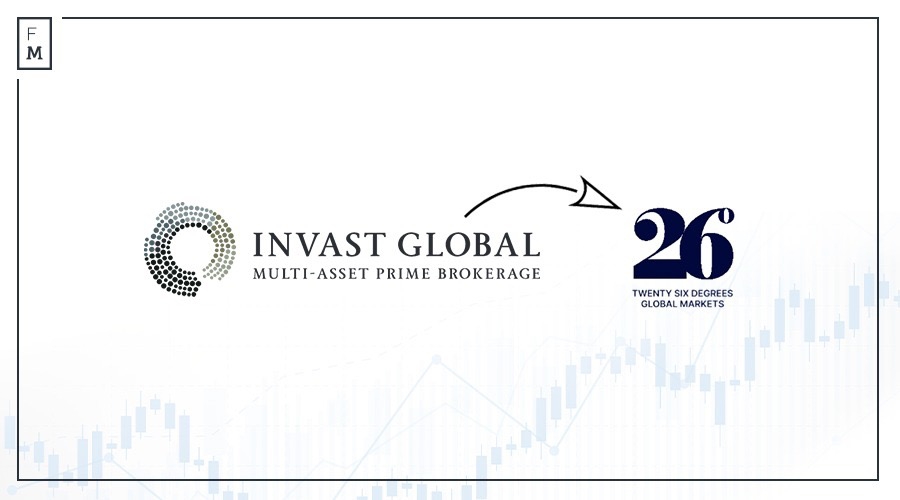
Everything You Need to Know About Invast’s Rebrand to 26 Degrees Global Markets
Disclaimer
Everything You Need to Know About Invast’s Rebrand to 26 Degrees Global Markets
Tuesday,23/01/2024|09:13GMTby
FM
Disclaimer
An interview with Melissa Downes, Global Head of Marketing at 26 Degrees Global Markets.
In mid-2023, Invast Global recently underwent a rebrand to 26 Degrees Global Markets. The strategic rebranding was designed to set the future tone of the business and growth in its institutional prime services business. Finance Magnates spoke with Melissa Downes, Global Head of Marketing at 26 Degrees Global Markets for her take on the rebrand and the impetus behind it.
Can you describe the steps you have taken for the rebranding? How long did the entire process take?
Leading our company rebrand from Invast Global to 26 Degrees Global Markets was done in a strategic way. We needed to assess the brand critically. Did the brand stand out? What did it stand for? What feeling did we get when we looked at the brand? Is it trust and prestige or is it functional and economical?
Do we want to partner with our clients, or do we want to provide a service? Marketing communicates so many things quickly to the viewer and as we know, first impressions count. So, we started from the basics given branding is a huge part of marketing.
It is very important your brand sets the right look and tone for your current and future state of your business so it can flex with your business's growth runway. The brand needed to encapsulate our purpose, our character and build on our strengths. On our ten-year anniversary last year was the right time to reposition to allow us to grow into for our future.
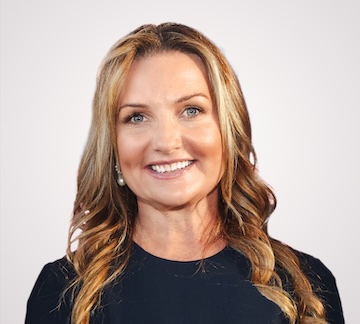
Melissa Downes, Global Head of Marketing at 26 Degrees Global Markets
Our reason for being, our purpose and our story was therefore something we spent a lot of time finessing so the market was clear as to why the rebrand occurred. The process really started two and a half years ago when we saw the way the industry was heading, particularly in regard to the contraction experienced in the prime brokerage market.
We knew that trend was going to present a huge opportunity for us. I had the full support of the executive team as we are growing and needed a bigger brand envelope to build out into.
We wanted a brand that recognised that we have come of age as an Australian headquartered company and that reflected our brand values of being a friendly, transparent business partner. A brand that leveraged all of our strengths.
I did a lot of work around our Customer Value Proposition and what we offered that was unique that we could leverage. We drilled down onto what our strengths were as a company after we undertook a SWOT (strengths, weaknesses, opportunities and threats) analysis and did some deep dive interviews with key stakeholders.
We also listened to what our clients were telling us, what the industry as a whole looked like, then we looked for the white space in the market where we knew we could expand into.
What are the key challenges you faced with the rebranding?
Brand recognition, brand loyalty and brand trust are crucial. In a saturated market it is critical you stand out in a good way. Rebranding is an interesting thing in our particular industry. We have seen quite often in the past that brands have rebranded out of necessity or internal struggles and difficulties.
It was critically important that none of the brand loyalty and trust we had built with our Invast Global brand over the past decade was lost, and that the new brand had a very clear purpose, mission statement, ethos that was built on our strengths. The time spent developing our brand and message to market ensured this was not the case.
How did you manage the issues with SEO after the rebranding? What was the impact on your organic traffic?
It was important to ensure that the new website was SEO optimised and the migration from our old site to the new site was as smooth as possible. Building SEO on a new website with a new brand name is always going to be difficult and something that is built over time, however with the assistance of our agency partners, we ensured that the new website had solid foundations to best maximise SEO growth.
This effort and focus has paid off since. Since the first month the site was launched, we have seen an 150% increase in organic impressions and a 55% increase in website sessions.
What were the costs associated with the rebranding process?
Rebranding involves a huge investment of time and energy, right across the business. Some of the key costs included the external agencies we worked with, outsourced website development, new merchandise, public relations and of course our launch party at the stunning Bennelong restaurant, located inside our iconic Sydney Opera House.
We are also a small Marketing team, so there were certainly indirect costs associated with the rebrand. Some campaigns were temporarily put on hold due to resourcing constraints (but only two weeks out from launch!). We had the full support of the business that loves the new brand and allowed us to focus and knew how hard we were working to deliver. Everyone pitched in to help.
Did your marketing budget remain the same or increase following the rebranding? What were the other costs?
My budget was increased for the rebrand. We are incredibly focussed on ensuring we get a good return for investment on our marketing spend so whilst we had a budget set aside for the rebrand, I brought it in at half the cost that we had allocated.
As we move into 2024, I am fortunate that I continue to manage a healthy marketing budget, owing to the trust our executives have, and their foresight. They know the value of marketing in supporting the business and the long tail role it plays in developing the business, so they are very keen to invest in the right opportunities.
What do you regret doing or not doing with the rebranding?
We were super busy in the lead up to launch (and nervous about all the tech backend and transfer) so my team were all exhausted and burnt out, including me but it was worth it. I was honoured to lead it and be entrusted to do it autonomously by my executive team who were supportive of all the decisions I made.
Leading a global rebrand was a career highpoint and a milestone in my career that I am unlikely to repeat. I do regret deciding to take a holiday touring around Europe so soon after go-live in the crazy heat of June/July. It was not the greatest idea in hindsight! I was too exhausted to enjoy it and the heat was intolerable in Rome. As we all now know, they declared a National Emergency!
The name chosen - 26 Degrees Global Markets - is rather unique. Looking back, are you happy with your decision?
The name is certainly unique. That was intentional. We wanted something that stood out, was different, was easy to recognise as a brand logo and reflected who we are. 26 degrees is the ideal temperature and Australia is renowned for our temperate climate. Looking back, we are really happy with the decision. We are hugely proud of our Japanese heritage and our JASDAQ parent company with its 60-year lineage, however, the name Invast Global is Japanese in origin.
On our 10 year anniversary, we felt it was time to create a brand that was uniquely Australian. 26 Degrees Global Markets better embodies who we are as a company. The 26th parallel south latitude runs across the middle of Australia, starting in Shark Bay in Western Australia, a place that is fundamentally, essentially Australian.
Like the land we live on, 26 Degrees is a place built on rock solid foundations, but one that continues to evolve and thrive. It is fresh, has no other connotations apart from warm weather. Importantly, it is also an individual, unique name.
We are not a ‘one size fits all’ liquidity provider. We pride ourselves on our ability to design new products and bespoke solutions for our clients. We innovate. So, we wanted something fresh and punchy that reflected our individual and innovative approach.
A name that would take us into the future. Finding a new name that works globally in different languages is always a challenge too, so we are very pleased with where we landed.
In mid-2023, Invast Global recently underwent a rebrand to 26 Degrees Global Markets. The strategic rebranding was designed to set the future tone of the business and growth in its institutional prime services business. Finance Magnates spoke with Melissa Downes, Global Head of Marketing at 26 Degrees Global Markets for her take on the rebrand and the impetus behind it.
Can you describe the steps you have taken for the rebranding? How long did the entire process take?
Leading our company rebrand from Invast Global to 26 Degrees Global Markets was done in a strategic way. We needed to assess the brand critically. Did the brand stand out? What did it stand for? What feeling did we get when we looked at the brand? Is it trust and prestige or is it functional and economical?
Do we want to partner with our clients, or do we want to provide a service? Marketing communicates so many things quickly to the viewer and as we know, first impressions count. So, we started from the basics given branding is a huge part of marketing.
It is very important your brand sets the right look and tone for your current and future state of your business so it can flex with your business's growth runway. The brand needed to encapsulate our purpose, our character and build on our strengths. On our ten-year anniversary last year was the right time to reposition to allow us to grow into for our future.
Melissa Downes, Global Head of Marketing at 26 Degrees Global Markets
Our reason for being, our purpose and our story was therefore something we spent a lot of time finessing so the market was clear as to why the rebrand occurred. The process really started two and a half years ago when we saw the way the industry was heading, particularly in regard to the contraction experienced in the prime brokerage market.
We knew that trend was going to present a huge opportunity for us. I had the full support of the executive team as we are growing and needed a bigger brand envelope to build out into.
We wanted a brand that recognised that we have come of age as an Australian headquartered company and that reflected our brand values of being a friendly, transparent business partner. A brand that leveraged all of our strengths.
I did a lot of work around our Customer Value Proposition and what we offered that was unique that we could leverage. We drilled down onto what our strengths were as a company after we undertook a SWOT (strengths, weaknesses, opportunities and threats) analysis and did some deep dive interviews with key stakeholders.
We also listened to what our clients were telling us, what the industry as a whole looked like, then we looked for the white space in the market where we knew we could expand into.
What are the key challenges you faced with the rebranding?
Brand recognition, brand loyalty and brand trust are crucial. In a saturated market it is critical you stand out in a good way. Rebranding is an interesting thing in our particular industry. We have seen quite often in the past that brands have rebranded out of necessity or internal struggles and difficulties.
It was critically important that none of the brand loyalty and trust we had built with our Invast Global brand over the past decade was lost, and that the new brand had a very clear purpose, mission statement, ethos that was built on our strengths. The time spent developing our brand and message to market ensured this was not the case.
How did you manage the issues with SEO after the rebranding? What was the impact on your organic traffic?
It was important to ensure that the new website was SEO optimised and the migration from our old site to the new site was as smooth as possible. Building SEO on a new website with a new brand name is always going to be difficult and something that is built over time, however with the assistance of our agency partners, we ensured that the new website had solid foundations to best maximise SEO growth.
This effort and focus has paid off since. Since the first month the site was launched, we have seen an 150% increase in organic impressions and a 55% increase in website sessions.
What were the costs associated with the rebranding process?
Rebranding involves a huge investment of time and energy, right across the business. Some of the key costs included the external agencies we worked with, outsourced website development, new merchandise, public relations and of course our launch party at the stunning Bennelong restaurant, located inside our iconic Sydney Opera House.
We are also a small Marketing team, so there were certainly indirect costs associated with the rebrand. Some campaigns were temporarily put on hold due to resourcing constraints (but only two weeks out from launch!). We had the full support of the business that loves the new brand and allowed us to focus and knew how hard we were working to deliver. Everyone pitched in to help.
Did your marketing budget remain the same or increase following the rebranding? What were the other costs?
My budget was increased for the rebrand. We are incredibly focussed on ensuring we get a good return for investment on our marketing spend so whilst we had a budget set aside for the rebrand, I brought it in at half the cost that we had allocated.
As we move into 2024, I am fortunate that I continue to manage a healthy marketing budget, owing to the trust our executives have, and their foresight. They know the value of marketing in supporting the business and the long tail role it plays in developing the business, so they are very keen to invest in the right opportunities.
What do you regret doing or not doing with the rebranding?
We were super busy in the lead up to launch (and nervous about all the tech backend and transfer) so my team were all exhausted and burnt out, including me but it was worth it. I was honoured to lead it and be entrusted to do it autonomously by my executive team who were supportive of all the decisions I made.
Leading a global rebrand was a career highpoint and a milestone in my career that I am unlikely to repeat. I do regret deciding to take a holiday touring around Europe so soon after go-live in the crazy heat of June/July. It was not the greatest idea in hindsight! I was too exhausted to enjoy it and the heat was intolerable in Rome. As we all now know, they declared a National Emergency!
The name chosen - 26 Degrees Global Markets - is rather unique. Looking back, are you happy with your decision?
The name is certainly unique. That was intentional. We wanted something that stood out, was different, was easy to recognise as a brand logo and reflected who we are. 26 degrees is the ideal temperature and Australia is renowned for our temperate climate. Looking back, we are really happy with the decision. We are hugely proud of our Japanese heritage and our JASDAQ parent company with its 60-year lineage, however, the name Invast Global is Japanese in origin.
On our 10 year anniversary, we felt it was time to create a brand that was uniquely Australian. 26 Degrees Global Markets better embodies who we are as a company. The 26th parallel south latitude runs across the middle of Australia, starting in Shark Bay in Western Australia, a place that is fundamentally, essentially Australian.
Like the land we live on, 26 Degrees is a place built on rock solid foundations, but one that continues to evolve and thrive. It is fresh, has no other connotations apart from warm weather. Importantly, it is also an individual, unique name.
We are not a ‘one size fits all’ liquidity provider. We pride ourselves on our ability to design new products and bespoke solutions for our clients. We innovate. So, we wanted something fresh and punchy that reflected our individual and innovative approach.
A name that would take us into the future. Finding a new name that works globally in different languages is always a challenge too, so we are very pleased with where we landed.
In this conversation, we sit down with Drew Niv, CSO at ATFX Connect and one of the most influential figures in modern FX.
We speak about market structure, the institutional view on liquidity, and the sharp rise of prop trading, a sector Drew has been commenting on in recent months. Drew explains why he once dismissed prop trading, why his view changed, and what he now thinks the model means for brokers, clients and risk managers.
We explore subscription-fee dependency, the high reneging rate, and the long-term challenge: how brokers can build a more stable and honest version of the model. Drew also talks about the traffic advantage standalone prop firms have built and why brokers may still win in the long run if they take the right approach.
In this conversation, we sit down with Drew Niv, CSO at ATFX Connect and one of the most influential figures in modern FX.
We speak about market structure, the institutional view on liquidity, and the sharp rise of prop trading, a sector Drew has been commenting on in recent months. Drew explains why he once dismissed prop trading, why his view changed, and what he now thinks the model means for brokers, clients and risk managers.
We explore subscription-fee dependency, the high reneging rate, and the long-term challenge: how brokers can build a more stable and honest version of the model. Drew also talks about the traffic advantage standalone prop firms have built and why brokers may still win in the long run if they take the right approach.
In this conversation, we sit down with Drew Niv, CSO at ATFX Connect and one of the most influential figures in modern FX.
We speak about market structure, the institutional view on liquidity, and the sharp rise of prop trading, a sector Drew has been commenting on in recent months. Drew explains why he once dismissed prop trading, why his view changed, and what he now thinks the model means for brokers, clients and risk managers.
We explore subscription-fee dependency, the high reneging rate, and the long-term challenge: how brokers can build a more stable and honest version of the model. Drew also talks about the traffic advantage standalone prop firms have built and why brokers may still win in the long run if they take the right approach.
In this conversation, we sit down with Drew Niv, CSO at ATFX Connect and one of the most influential figures in modern FX.
We speak about market structure, the institutional view on liquidity, and the sharp rise of prop trading, a sector Drew has been commenting on in recent months. Drew explains why he once dismissed prop trading, why his view changed, and what he now thinks the model means for brokers, clients and risk managers.
We explore subscription-fee dependency, the high reneging rate, and the long-term challenge: how brokers can build a more stable and honest version of the model. Drew also talks about the traffic advantage standalone prop firms have built and why brokers may still win in the long run if they take the right approach.
Executive Interview | Remonda Z. Kirketerp Møller| CEO & Founder Muinmos | FMLS:25
In this interview, Remonda Z. Kirketerp Møller, founder of Muinmos, breaks down the state of AI in regtech and what responsible adoption really looks like for brokers. We talk about rising fragmentation, the pressures around compliance accuracy, and why most firms are still in the early stages of AI maturity.
Ramanda also shares insights on regulator sandboxes, shifting expectations around accountability, and the current reality of MiCA licensing and passporting in Europe.
A concise look at where compliance, onboarding, and AI-driven processes are heading next.
In this interview, Remonda Z. Kirketerp Møller, founder of Muinmos, breaks down the state of AI in regtech and what responsible adoption really looks like for brokers. We talk about rising fragmentation, the pressures around compliance accuracy, and why most firms are still in the early stages of AI maturity.
Ramanda also shares insights on regulator sandboxes, shifting expectations around accountability, and the current reality of MiCA licensing and passporting in Europe.
A concise look at where compliance, onboarding, and AI-driven processes are heading next.
In this interview, Remonda Z. Kirketerp Møller, founder of Muinmos, breaks down the state of AI in regtech and what responsible adoption really looks like for brokers. We talk about rising fragmentation, the pressures around compliance accuracy, and why most firms are still in the early stages of AI maturity.
Ramanda also shares insights on regulator sandboxes, shifting expectations around accountability, and the current reality of MiCA licensing and passporting in Europe.
A concise look at where compliance, onboarding, and AI-driven processes are heading next.
In this interview, Remonda Z. Kirketerp Møller, founder of Muinmos, breaks down the state of AI in regtech and what responsible adoption really looks like for brokers. We talk about rising fragmentation, the pressures around compliance accuracy, and why most firms are still in the early stages of AI maturity.
Ramanda also shares insights on regulator sandboxes, shifting expectations around accountability, and the current reality of MiCA licensing and passporting in Europe.
A concise look at where compliance, onboarding, and AI-driven processes are heading next.
In this interview, Remonda Z. Kirketerp Møller, founder of Muinmos, breaks down the state of AI in regtech and what responsible adoption really looks like for brokers. We talk about rising fragmentation, the pressures around compliance accuracy, and why most firms are still in the early stages of AI maturity.
Ramanda also shares insights on regulator sandboxes, shifting expectations around accountability, and the current reality of MiCA licensing and passporting in Europe.
A concise look at where compliance, onboarding, and AI-driven processes are heading next.
In this interview, Remonda Z. Kirketerp Møller, founder of Muinmos, breaks down the state of AI in regtech and what responsible adoption really looks like for brokers. We talk about rising fragmentation, the pressures around compliance accuracy, and why most firms are still in the early stages of AI maturity.
Ramanda also shares insights on regulator sandboxes, shifting expectations around accountability, and the current reality of MiCA licensing and passporting in Europe.
A concise look at where compliance, onboarding, and AI-driven processes are heading next.
In this conversation, we speak with Aydin Bonabi, CEO and co-founder of Surveill, a firm focused on fraud detection and AI-driven compliance tools for financial institutions.
We start with Aydin’s view of the Summit and the challenges brokers face as fraud tactics grow more complex. He explains how firms can stay ahead through real-time signals, data patterns, and early-stage detection.
We also talk about AI training and why compliance teams often struggle to keep models accurate, fair, and aligned with regulatory expectations. Aydin breaks down what “good” AI training looks like inside a financial environment, including the importance of clean data, domain expertise, and human oversight.
He closes with a clear message: fraud is scaling, and so must the tools that stop it.
In this conversation, we speak with Aydin Bonabi, CEO and co-founder of Surveill, a firm focused on fraud detection and AI-driven compliance tools for financial institutions.
We start with Aydin’s view of the Summit and the challenges brokers face as fraud tactics grow more complex. He explains how firms can stay ahead through real-time signals, data patterns, and early-stage detection.
We also talk about AI training and why compliance teams often struggle to keep models accurate, fair, and aligned with regulatory expectations. Aydin breaks down what “good” AI training looks like inside a financial environment, including the importance of clean data, domain expertise, and human oversight.
He closes with a clear message: fraud is scaling, and so must the tools that stop it.
In this conversation, we speak with Aydin Bonabi, CEO and co-founder of Surveill, a firm focused on fraud detection and AI-driven compliance tools for financial institutions.
We start with Aydin’s view of the Summit and the challenges brokers face as fraud tactics grow more complex. He explains how firms can stay ahead through real-time signals, data patterns, and early-stage detection.
We also talk about AI training and why compliance teams often struggle to keep models accurate, fair, and aligned with regulatory expectations. Aydin breaks down what “good” AI training looks like inside a financial environment, including the importance of clean data, domain expertise, and human oversight.
He closes with a clear message: fraud is scaling, and so must the tools that stop it.
In this conversation, we speak with Aydin Bonabi, CEO and co-founder of Surveill, a firm focused on fraud detection and AI-driven compliance tools for financial institutions.
We start with Aydin’s view of the Summit and the challenges brokers face as fraud tactics grow more complex. He explains how firms can stay ahead through real-time signals, data patterns, and early-stage detection.
We also talk about AI training and why compliance teams often struggle to keep models accurate, fair, and aligned with regulatory expectations. Aydin breaks down what “good” AI training looks like inside a financial environment, including the importance of clean data, domain expertise, and human oversight.
He closes with a clear message: fraud is scaling, and so must the tools that stop it.
In this conversation, we speak with Aydin Bonabi, CEO and co-founder of Surveill, a firm focused on fraud detection and AI-driven compliance tools for financial institutions.
We start with Aydin’s view of the Summit and the challenges brokers face as fraud tactics grow more complex. He explains how firms can stay ahead through real-time signals, data patterns, and early-stage detection.
We also talk about AI training and why compliance teams often struggle to keep models accurate, fair, and aligned with regulatory expectations. Aydin breaks down what “good” AI training looks like inside a financial environment, including the importance of clean data, domain expertise, and human oversight.
He closes with a clear message: fraud is scaling, and so must the tools that stop it.
In this conversation, we speak with Aydin Bonabi, CEO and co-founder of Surveill, a firm focused on fraud detection and AI-driven compliance tools for financial institutions.
We start with Aydin’s view of the Summit and the challenges brokers face as fraud tactics grow more complex. He explains how firms can stay ahead through real-time signals, data patterns, and early-stage detection.
We also talk about AI training and why compliance teams often struggle to keep models accurate, fair, and aligned with regulatory expectations. Aydin breaks down what “good” AI training looks like inside a financial environment, including the importance of clean data, domain expertise, and human oversight.
He closes with a clear message: fraud is scaling, and so must the tools that stop it.
Exness expands its presence in Africa: Inside our interview with Paul Margarites in Cape Town
Finance Magnates met with Paul Margarites, Exness regional commercial director for Sub-Saharan Africa, during a visit to the firm’s office opening in Cape Town. In this talk, led by Andrea Badiola Mateos, Co-CEO at Finance Magnates, Paul shares views on the South African trading space, local user behavior, mobile trends, regulation, team growth, and how Exness plans to grow in more markets across the region. @Exness
Read the article at: https://www.financemagnates.com/thought-leadership/exness-expands-its-presence-in-africa-inside-our-interview-with-paul-margarites/
#exness #financemagnates #exnesstrading #CFDtrading #tradeonline #africanews #capetown
Finance Magnates met with Paul Margarites, Exness regional commercial director for Sub-Saharan Africa, during a visit to the firm’s office opening in Cape Town. In this talk, led by Andrea Badiola Mateos, Co-CEO at Finance Magnates, Paul shares views on the South African trading space, local user behavior, mobile trends, regulation, team growth, and how Exness plans to grow in more markets across the region. @Exness
Read the article at: https://www.financemagnates.com/thought-leadership/exness-expands-its-presence-in-africa-inside-our-interview-with-paul-margarites/
#exness #financemagnates #exnesstrading #CFDtrading #tradeonline #africanews #capetown
Finance Magnates met with Paul Margarites, Exness regional commercial director for Sub-Saharan Africa, during a visit to the firm’s office opening in Cape Town. In this talk, led by Andrea Badiola Mateos, Co-CEO at Finance Magnates, Paul shares views on the South African trading space, local user behavior, mobile trends, regulation, team growth, and how Exness plans to grow in more markets across the region. @Exness
Read the article at: https://www.financemagnates.com/thought-leadership/exness-expands-its-presence-in-africa-inside-our-interview-with-paul-margarites/
#exness #financemagnates #exnesstrading #CFDtrading #tradeonline #africanews #capetown
Finance Magnates met with Paul Margarites, Exness regional commercial director for Sub-Saharan Africa, during a visit to the firm’s office opening in Cape Town. In this talk, led by Andrea Badiola Mateos, Co-CEO at Finance Magnates, Paul shares views on the South African trading space, local user behavior, mobile trends, regulation, team growth, and how Exness plans to grow in more markets across the region. @Exness
Read the article at: https://www.financemagnates.com/thought-leadership/exness-expands-its-presence-in-africa-inside-our-interview-with-paul-margarites/
#exness #financemagnates #exnesstrading #CFDtrading #tradeonline #africanews #capetown
Finance Magnates met with Paul Margarites, Exness regional commercial director for Sub-Saharan Africa, during a visit to the firm’s office opening in Cape Town. In this talk, led by Andrea Badiola Mateos, Co-CEO at Finance Magnates, Paul shares views on the South African trading space, local user behavior, mobile trends, regulation, team growth, and how Exness plans to grow in more markets across the region. @Exness
Read the article at: https://www.financemagnates.com/thought-leadership/exness-expands-its-presence-in-africa-inside-our-interview-with-paul-margarites/
#exness #financemagnates #exnesstrading #CFDtrading #tradeonline #africanews #capetown
Finance Magnates met with Paul Margarites, Exness regional commercial director for Sub-Saharan Africa, during a visit to the firm’s office opening in Cape Town. In this talk, led by Andrea Badiola Mateos, Co-CEO at Finance Magnates, Paul shares views on the South African trading space, local user behavior, mobile trends, regulation, team growth, and how Exness plans to grow in more markets across the region. @Exness
Read the article at: https://www.financemagnates.com/thought-leadership/exness-expands-its-presence-in-africa-inside-our-interview-with-paul-margarites/
#exness #financemagnates #exnesstrading #CFDtrading #tradeonline #africanews #capetown
Executive Interview | Jas Shah | FMLS:25
Interview with Jas Shah
Builder | Adviser | Fintech Writer | Product Strategist
In this episode, Jonathan Fine sat down with Jas Shah, one of the most thoughtful voices in global fintech. Known for his work across advisory, product, stablecoins, and his widely read writing, Jas brings a rare combination of industry insight and plain-spoken clarity.
We talk about his first impression of the Summit, the projects that keep him busy today, and how they connect to the stablecoin panel he joined. Jas shares his view on the link between fintech, wealthtech and retail brokers, especially as firms like Revolut, eToro and Trading212 blur long-standing lines in the market.
We also explore what stablecoin adoption might look like for retail investment platforms, including a few product and UX angles that are not obvious at first glance.
To close, Jas explains how he thinks about writing, and how he approaches “shipping” pieces that spark debate across the industry.
Interview with Jas Shah
Builder | Adviser | Fintech Writer | Product Strategist
In this episode, Jonathan Fine sat down with Jas Shah, one of the most thoughtful voices in global fintech. Known for his work across advisory, product, stablecoins, and his widely read writing, Jas brings a rare combination of industry insight and plain-spoken clarity.
We talk about his first impression of the Summit, the projects that keep him busy today, and how they connect to the stablecoin panel he joined. Jas shares his view on the link between fintech, wealthtech and retail brokers, especially as firms like Revolut, eToro and Trading212 blur long-standing lines in the market.
We also explore what stablecoin adoption might look like for retail investment platforms, including a few product and UX angles that are not obvious at first glance.
To close, Jas explains how he thinks about writing, and how he approaches “shipping” pieces that spark debate across the industry.
Interview with Jas Shah
Builder | Adviser | Fintech Writer | Product Strategist
In this episode, Jonathan Fine sat down with Jas Shah, one of the most thoughtful voices in global fintech. Known for his work across advisory, product, stablecoins, and his widely read writing, Jas brings a rare combination of industry insight and plain-spoken clarity.
We talk about his first impression of the Summit, the projects that keep him busy today, and how they connect to the stablecoin panel he joined. Jas shares his view on the link between fintech, wealthtech and retail brokers, especially as firms like Revolut, eToro and Trading212 blur long-standing lines in the market.
We also explore what stablecoin adoption might look like for retail investment platforms, including a few product and UX angles that are not obvious at first glance.
To close, Jas explains how he thinks about writing, and how he approaches “shipping” pieces that spark debate across the industry.
Interview with Jas Shah
Builder | Adviser | Fintech Writer | Product Strategist
In this episode, Jonathan Fine sat down with Jas Shah, one of the most thoughtful voices in global fintech. Known for his work across advisory, product, stablecoins, and his widely read writing, Jas brings a rare combination of industry insight and plain-spoken clarity.
We talk about his first impression of the Summit, the projects that keep him busy today, and how they connect to the stablecoin panel he joined. Jas shares his view on the link between fintech, wealthtech and retail brokers, especially as firms like Revolut, eToro and Trading212 blur long-standing lines in the market.
We also explore what stablecoin adoption might look like for retail investment platforms, including a few product and UX angles that are not obvious at first glance.
To close, Jas explains how he thinks about writing, and how he approaches “shipping” pieces that spark debate across the industry.
Interview with Jas Shah
Builder | Adviser | Fintech Writer | Product Strategist
In this episode, Jonathan Fine sat down with Jas Shah, one of the most thoughtful voices in global fintech. Known for his work across advisory, product, stablecoins, and his widely read writing, Jas brings a rare combination of industry insight and plain-spoken clarity.
We talk about his first impression of the Summit, the projects that keep him busy today, and how they connect to the stablecoin panel he joined. Jas shares his view on the link between fintech, wealthtech and retail brokers, especially as firms like Revolut, eToro and Trading212 blur long-standing lines in the market.
We also explore what stablecoin adoption might look like for retail investment platforms, including a few product and UX angles that are not obvious at first glance.
To close, Jas explains how he thinks about writing, and how he approaches “shipping” pieces that spark debate across the industry.
Interview with Jas Shah
Builder | Adviser | Fintech Writer | Product Strategist
In this episode, Jonathan Fine sat down with Jas Shah, one of the most thoughtful voices in global fintech. Known for his work across advisory, product, stablecoins, and his widely read writing, Jas brings a rare combination of industry insight and plain-spoken clarity.
We talk about his first impression of the Summit, the projects that keep him busy today, and how they connect to the stablecoin panel he joined. Jas shares his view on the link between fintech, wealthtech and retail brokers, especially as firms like Revolut, eToro and Trading212 blur long-standing lines in the market.
We also explore what stablecoin adoption might look like for retail investment platforms, including a few product and UX angles that are not obvious at first glance.
To close, Jas explains how he thinks about writing, and how he approaches “shipping” pieces that spark debate across the industry.