The rise of a new political class represents the failures of regional governments over the last four plus years.
Bloomberg
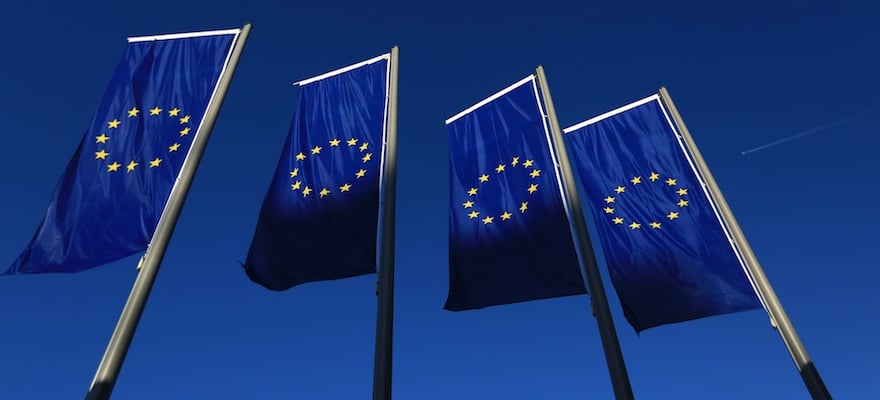
As the number of crises facing the European Union and more specifically the Euro Area mount, the epicenter of the next crisis may surprisingly be the core of the constituents that bind these nations together.
While the focus on political upheaval has predominantly centered around France after the gaffes from the Republican candidate, even Germany is facing its own version of turmoil as Social Democrats storm into the lead in polling while a far-right nationalist threatens Dutch political incumbents.
The changing attitudes are most clearly reflected by financial markets
The changing political dynamic across Europe was not necessarily unforeseen, and reflects to a large degree disenchantment with failed immigration policies, lacking fiscal stimulus, and politicians who have simply lost the confidence of their constituencies.
The changing attitudes are most clearly reflected by financial markets, which are now pricing in a greater possibility of a Euro Area breakup. French spreads to German bonds are at the widest point since 2012 in a sign that investor sentiment is quickly worsening despite the ECB parroting the triumphs of monetary policy.
Riding the Tidal Wave of Populism
While incumbent politicians from across the Euro Area have become increasingly entrenched in defending the principles of the monetary union along with a failed approach to immigration, their limited focus has emboldened nationalist movements across the region.
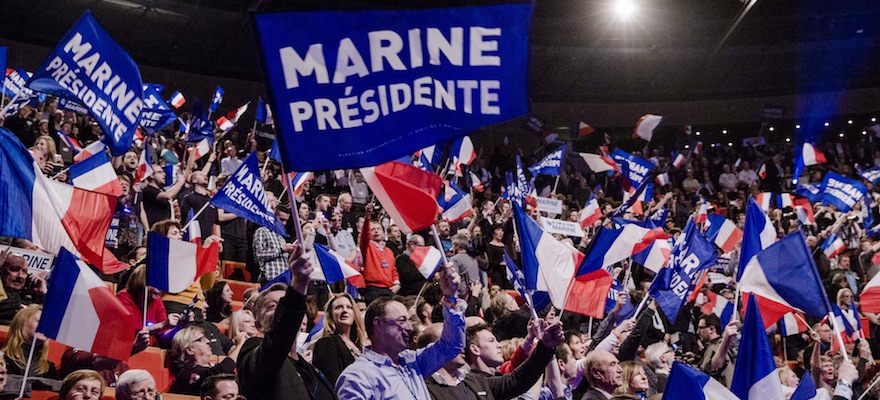
In France, the evidence of this momentum is clear as Marine Le Pen’s National Front gathers momentum, now polling well ahead of all other major parties in the race. Even if she does not win the second round of voting, her party will play an important role in shaping the future of French politics.
Le Pen has been very effective at harnessing this anger
At a time when immigration policy has become a contentious issue, Le Pen has been very effective at harnessing this anger, especially after a serious uptick in terror-related incidents. Le Pen’s rise has made financial markets especially uncomfortable, as evidenced by rising French bond yields relative to other Euro Area members.
However, France is just one example. The rise of Geert Wilders in the Netherlands reflects similar sentiment and growing backlash towards unchecked immigration policies.
Bloomberg
Europe’s Core on Verge of Combustion
The rise of the new political class is clearly the best reflection yet of the failures of regional governments over the last four plus years. Although cautious to draw parallels to the Great Depression and the 1930s, it provides one of the best historical template for how economic crises turn into political crises and eventually result in war.
In the case of France, a period of prolonged high unemployment, weak growth, and fiscal austerity have exacerbated economic tensions. Although immigration may not be at the core of France’s problems, it presents a very useful scapegoat for politicians looking to drum up support.
Austerity generally is an easy way to give rise to more extremist political viewpoints
In France, current President Francois Hollande’s absence of any true structural reform and fiscal stimulus has become the Achilles heel of his administration. Austerity generally is an easy way to give rise to more extremist political viewpoints, France being no exception in this case.
With unemployment at 10.00%, Le Pen has been able to easily capitalize on the economic furor and failed immigration policies by presenting a different path that would eventually mean an exit from the Euro Area and European Union.
Although her rhetoric and plans are not necessarily in France’s best interest considering it remains among the least competitive European economies, to most voters it appears to be a viable alternative to a non-operational status quo.
Political Dysfunction Opening Door for Fringe Elements
The pervasiveness of political intractability across the Euro Area has created a sense that the common goals of the monetary union are now coming secondary to sovereign interests. Investors are almost certainly taking note of these developments, selling bonds of core countries like France, Spain, and Italy while buying bonds of countries viewed as having a more stable outlook such as Germany.
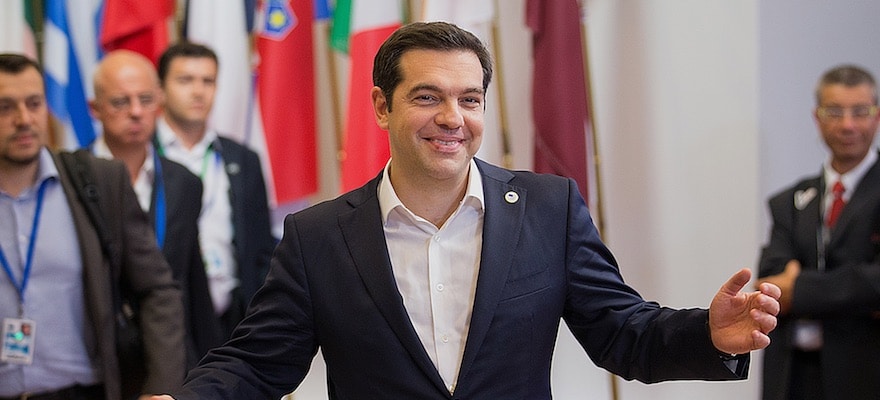
Alexis Tsipras, Greek Prime Minister Bloomberg
During this round of crisis, Greece may not necessarily be the fire, but potentially the spark that lights the tinderbox of political disaffectedness. In effect, it is the fault of sovereign leadership, which have failed to learn the lessons of history when it comes to effective governance.
Looming large over the Europe are the black clouds of change. After having swept up the UK populace, the next target is mainland Europe. The nonexistence of policies designed to promote growth instead of austerity has brought Europe to the political brink.
As bond yields, especially in France are now showing, this degree inflexibility is ripening the conditions for a very hostile downturn in economic fundamentals if left unchecked. Despite the best efforts of the European Central Bank, change for Europe is rapidly approaching, and likely not for the better.
Idan Levitov, AnyOption
This article was written by Idan Levitov, VP trading for anyoption.com. Read more by Anyoption here.
As the number of crises facing the European Union and more specifically the Euro Area mount, the epicenter of the next crisis may surprisingly be the core of the constituents that bind these nations together.
While the focus on political upheaval has predominantly centered around France after the gaffes from the Republican candidate, even Germany is facing its own version of turmoil as Social Democrats storm into the lead in polling while a far-right nationalist threatens Dutch political incumbents.
The changing attitudes are most clearly reflected by financial markets
The changing political dynamic across Europe was not necessarily unforeseen, and reflects to a large degree disenchantment with failed immigration policies, lacking fiscal stimulus, and politicians who have simply lost the confidence of their constituencies.
The changing attitudes are most clearly reflected by financial markets, which are now pricing in a greater possibility of a Euro Area breakup. French spreads to German bonds are at the widest point since 2012 in a sign that investor sentiment is quickly worsening despite the ECB parroting the triumphs of monetary policy.
Riding the Tidal Wave of Populism
While incumbent politicians from across the Euro Area have become increasingly entrenched in defending the principles of the monetary union along with a failed approach to immigration, their limited focus has emboldened nationalist movements across the region.
In France, the evidence of this momentum is clear as Marine Le Pen’s National Front gathers momentum, now polling well ahead of all other major parties in the race. Even if she does not win the second round of voting, her party will play an important role in shaping the future of French politics.
Le Pen has been very effective at harnessing this anger
At a time when immigration policy has become a contentious issue, Le Pen has been very effective at harnessing this anger, especially after a serious uptick in terror-related incidents. Le Pen’s rise has made financial markets especially uncomfortable, as evidenced by rising French bond yields relative to other Euro Area members.
However, France is just one example. The rise of Geert Wilders in the Netherlands reflects similar sentiment and growing backlash towards unchecked immigration policies.
Bloomberg
Europe’s Core on Verge of Combustion
The rise of the new political class is clearly the best reflection yet of the failures of regional governments over the last four plus years. Although cautious to draw parallels to the Great Depression and the 1930s, it provides one of the best historical template for how economic crises turn into political crises and eventually result in war.
In the case of France, a period of prolonged high unemployment, weak growth, and fiscal austerity have exacerbated economic tensions. Although immigration may not be at the core of France’s problems, it presents a very useful scapegoat for politicians looking to drum up support.
Austerity generally is an easy way to give rise to more extremist political viewpoints
In France, current President Francois Hollande’s absence of any true structural reform and fiscal stimulus has become the Achilles heel of his administration. Austerity generally is an easy way to give rise to more extremist political viewpoints, France being no exception in this case.
With unemployment at 10.00%, Le Pen has been able to easily capitalize on the economic furor and failed immigration policies by presenting a different path that would eventually mean an exit from the Euro Area and European Union.
Although her rhetoric and plans are not necessarily in France’s best interest considering it remains among the least competitive European economies, to most voters it appears to be a viable alternative to a non-operational status quo.
Political Dysfunction Opening Door for Fringe Elements
The pervasiveness of political intractability across the Euro Area has created a sense that the common goals of the monetary union are now coming secondary to sovereign interests. Investors are almost certainly taking note of these developments, selling bonds of core countries like France, Spain, and Italy while buying bonds of countries viewed as having a more stable outlook such as Germany.
Alexis Tsipras, Greek Prime Minister Bloomberg
During this round of crisis, Greece may not necessarily be the fire, but potentially the spark that lights the tinderbox of political disaffectedness. In effect, it is the fault of sovereign leadership, which have failed to learn the lessons of history when it comes to effective governance.
Looming large over the Europe are the black clouds of change. After having swept up the UK populace, the next target is mainland Europe. The nonexistence of policies designed to promote growth instead of austerity has brought Europe to the political brink.
As bond yields, especially in France are now showing, this degree inflexibility is ripening the conditions for a very hostile downturn in economic fundamentals if left unchecked. Despite the best efforts of the European Central Bank, change for Europe is rapidly approaching, and likely not for the better.
Idan Levitov, AnyOption
This article was written by Idan Levitov, VP trading for anyoption.com. Read more by Anyoption here.
Idan is the VP trading for anyoption.com. He is a seasoned professional with years of experience trading and has a vast knowledge of the financial markets. An expert in the binary options hedging field - Idan provides insights, guidance and coordination in business planning, risk management and technology strategies. He holds a BA in Economics Management and is now busy finishing his MBA in Finance. Idan is the VP trading for anyoption.com. He is a seasoned professional with years of experience and a vast knowledge of the financial markets. An expert in the binary options hedging field - Idan provides insights, guidance and coordination in business planning, risk management and technology strategies. He holds a BA in Economics Management and is now busy finishing his MBA in Finance.
KuCoin Introduces PROOF, a Trading Competition Focused on Transparency and Fair Play
Featured Videos
FP Markets Winner Spotlight 🏆 | Global Broker of the Year 2025 #Trading #Broker #Innovation #Shorts
FP Markets Winner Spotlight 🏆 | Global Broker of the Year 2025 #Trading #Broker #Innovation #Shorts
FP Markets Winner Spotlight 🏆 | Global Broker of the Year 2025 #Trading #Broker #Innovation #Shorts
FP Markets Winner Spotlight 🏆 | Global Broker of the Year 2025 #Trading #Broker #Innovation #Shorts
FP Markets takes the spotlight as Global Broker of the Year 2025 at the Finance Magnates Awards.
Martin Stoilov, Head of Client Experience, shares that trust, innovation, and people played a key role in the company’s success, supported by a strong foundation of integrity and client-centricity.
Following this milestone, FP Markets continues to focus on growth, technology investment, and its core values of transparency and excellence.
👉 Be part of FM Awards 2026: https://awards.financemagnates.com/#nominate
FP Markets takes the spotlight as Global Broker of the Year 2025 at the Finance Magnates Awards.
Martin Stoilov, Head of Client Experience, shares that trust, innovation, and people played a key role in the company’s success, supported by a strong foundation of integrity and client-centricity.
Following this milestone, FP Markets continues to focus on growth, technology investment, and its core values of transparency and excellence.
👉 Be part of FM Awards 2026: https://awards.financemagnates.com/#nominate
FP Markets takes the spotlight as Global Broker of the Year 2025 at the Finance Magnates Awards.
Martin Stoilov, Head of Client Experience, shares that trust, innovation, and people played a key role in the company’s success, supported by a strong foundation of integrity and client-centricity.
Following this milestone, FP Markets continues to focus on growth, technology investment, and its core values of transparency and excellence.
👉 Be part of FM Awards 2026: https://awards.financemagnates.com/#nominate
FP Markets takes the spotlight as Global Broker of the Year 2025 at the Finance Magnates Awards.
Martin Stoilov, Head of Client Experience, shares that trust, innovation, and people played a key role in the company’s success, supported by a strong foundation of integrity and client-centricity.
Following this milestone, FP Markets continues to focus on growth, technology investment, and its core values of transparency and excellence.
👉 Be part of FM Awards 2026: https://awards.financemagnates.com/#nominate
In this video, we review @HolaPrimeMarketsOfficial, a multi-asset forex and CFDs broker offering different account types, trading platforms, and flexible trading conditions.
We cover the broker’s overall offering, including account options, trading environment, platforms like MT4 and MT5, and additional services such as managed accounts and fast withdrawals.
Watch the full video to see if Hola Prime Markets fits your trading needs.
📣 Stay up to date with the latest in finance and trading. Follow Finance Magnates for industry news, insights, and global event coverage.
Connect with us:
🔗 LinkedIn: /financemagnates
👍 Facebook: /financemagnates
📸 Instagram: https://www.instagram.com/financemagnates
🐦 X: https://x.com/financemagnates
🎥 TikTok: https://www.tiktok.com/tag/financemagnates
▶️ YouTube: /@financemagnates_official
#HolaPrime #ForexBroker #CFDTrading #FinanceMagnates #Trading #Forex #BrokerReview
In this video, we review @HolaPrimeMarketsOfficial, a multi-asset forex and CFDs broker offering different account types, trading platforms, and flexible trading conditions.
We cover the broker’s overall offering, including account options, trading environment, platforms like MT4 and MT5, and additional services such as managed accounts and fast withdrawals.
Watch the full video to see if Hola Prime Markets fits your trading needs.
📣 Stay up to date with the latest in finance and trading. Follow Finance Magnates for industry news, insights, and global event coverage.
Connect with us:
🔗 LinkedIn: /financemagnates
👍 Facebook: /financemagnates
📸 Instagram: https://www.instagram.com/financemagnates
🐦 X: https://x.com/financemagnates
🎥 TikTok: https://www.tiktok.com/tag/financemagnates
▶️ YouTube: /@financemagnates_official
#HolaPrime #ForexBroker #CFDTrading #FinanceMagnates #Trading #Forex #BrokerReview
In this video, we review @HolaPrimeMarketsOfficial, a multi-asset forex and CFDs broker offering different account types, trading platforms, and flexible trading conditions.
We cover the broker’s overall offering, including account options, trading environment, platforms like MT4 and MT5, and additional services such as managed accounts and fast withdrawals.
Watch the full video to see if Hola Prime Markets fits your trading needs.
📣 Stay up to date with the latest in finance and trading. Follow Finance Magnates for industry news, insights, and global event coverage.
Connect with us:
🔗 LinkedIn: /financemagnates
👍 Facebook: /financemagnates
📸 Instagram: https://www.instagram.com/financemagnates
🐦 X: https://x.com/financemagnates
🎥 TikTok: https://www.tiktok.com/tag/financemagnates
▶️ YouTube: /@financemagnates_official
#HolaPrime #ForexBroker #CFDTrading #FinanceMagnates #Trading #Forex #BrokerReview
In this video, we review @HolaPrimeMarketsOfficial, a multi-asset forex and CFDs broker offering different account types, trading platforms, and flexible trading conditions.
We cover the broker’s overall offering, including account options, trading environment, platforms like MT4 and MT5, and additional services such as managed accounts and fast withdrawals.
Watch the full video to see if Hola Prime Markets fits your trading needs.
📣 Stay up to date with the latest in finance and trading. Follow Finance Magnates for industry news, insights, and global event coverage.
Connect with us:
🔗 LinkedIn: /financemagnates
👍 Facebook: /financemagnates
📸 Instagram: https://www.instagram.com/financemagnates
🐦 X: https://x.com/financemagnates
🎥 TikTok: https://www.tiktok.com/tag/financemagnates
▶️ YouTube: /@financemagnates_official
#HolaPrime #ForexBroker #CFDTrading #FinanceMagnates #Trading #Forex #BrokerReview
In this video, we review @HolaPrimeMarketsOfficial, a multi-asset forex and CFDs broker offering different account types, trading platforms, and flexible trading conditions.
We cover the broker’s overall offering, including account options, trading environment, platforms like MT4 and MT5, and additional services such as managed accounts and fast withdrawals.
Watch the full video to see if Hola Prime Markets fits your trading needs.
📣 Stay up to date with the latest in finance and trading. Follow Finance Magnates for industry news, insights, and global event coverage.
Connect with us:
🔗 LinkedIn: /financemagnates
👍 Facebook: /financemagnates
📸 Instagram: https://www.instagram.com/financemagnates
🐦 X: https://x.com/financemagnates
🎥 TikTok: https://www.tiktok.com/tag/financemagnates
▶️ YouTube: /@financemagnates_official
#HolaPrime #ForexBroker #CFDTrading #FinanceMagnates #Trading #Forex #BrokerReview
In this video, we review @HolaPrimeMarketsOfficial, a multi-asset forex and CFDs broker offering different account types, trading platforms, and flexible trading conditions.
We cover the broker’s overall offering, including account options, trading environment, platforms like MT4 and MT5, and additional services such as managed accounts and fast withdrawals.
Watch the full video to see if Hola Prime Markets fits your trading needs.
📣 Stay up to date with the latest in finance and trading. Follow Finance Magnates for industry news, insights, and global event coverage.
Connect with us:
🔗 LinkedIn: /financemagnates
👍 Facebook: /financemagnates
📸 Instagram: https://www.instagram.com/financemagnates
🐦 X: https://x.com/financemagnates
🎥 TikTok: https://www.tiktok.com/tag/financemagnates
▶️ YouTube: /@financemagnates_official
#HolaPrime #ForexBroker #CFDTrading #FinanceMagnates #Trading #Forex #BrokerReview
Hola Prime Review: What You Need to Know | Full Breakdown by Finance Magnates
Hola Prime Review: What You Need to Know | Full Breakdown by Finance Magnates
Hola Prime Review: What You Need to Know | Full Breakdown by Finance Magnates
Hola Prime Review: What You Need to Know | Full Breakdown by Finance Magnates
Hola Prime Review: What You Need to Know | Full Breakdown by Finance Magnates
Hola Prime Review: What You Need to Know | Full Breakdown by Finance Magnates
In this video, we review @HolaPrime_Global, a proprietary trading firm offering evaluation programs and performance-based payouts in simulated market environments.
We cover how the challenge model works, including account types, profit splits (up to 95%), trading rules, and what it takes to reach a funded account. You’ll also learn about available platforms like MT4, MT5, cTrader, and more, along with insights into payouts, support, and trading conditions.
Watch the full video to see if Hola Prime fits your trading style.
📣 Stay up to date with the latest in finance and trading. Follow Finance Magnates for industry news, insights, and global event coverage.
Connect with us:
🔗 LinkedIn: /financemagnates
👍 Facebook: /financemagnates
📸 Instagram: https://www.instagram.com/financemagnates
🐦 X: https://x.com/financemagnates
🎥 TikTok: https://www.tiktok.com/tag/financemagnates
▶️ YouTube: /@financemagnates_official
#HolaPrime #PropFirm #Trading #FinanceMagnates #Forex #FuturesTrading #TradingReview #PropFirmReview
In this video, we review @HolaPrime_Global, a proprietary trading firm offering evaluation programs and performance-based payouts in simulated market environments.
We cover how the challenge model works, including account types, profit splits (up to 95%), trading rules, and what it takes to reach a funded account. You’ll also learn about available platforms like MT4, MT5, cTrader, and more, along with insights into payouts, support, and trading conditions.
Watch the full video to see if Hola Prime fits your trading style.
📣 Stay up to date with the latest in finance and trading. Follow Finance Magnates for industry news, insights, and global event coverage.
Connect with us:
🔗 LinkedIn: /financemagnates
👍 Facebook: /financemagnates
📸 Instagram: https://www.instagram.com/financemagnates
🐦 X: https://x.com/financemagnates
🎥 TikTok: https://www.tiktok.com/tag/financemagnates
▶️ YouTube: /@financemagnates_official
#HolaPrime #PropFirm #Trading #FinanceMagnates #Forex #FuturesTrading #TradingReview #PropFirmReview
In this video, we review @HolaPrime_Global, a proprietary trading firm offering evaluation programs and performance-based payouts in simulated market environments.
We cover how the challenge model works, including account types, profit splits (up to 95%), trading rules, and what it takes to reach a funded account. You’ll also learn about available platforms like MT4, MT5, cTrader, and more, along with insights into payouts, support, and trading conditions.
Watch the full video to see if Hola Prime fits your trading style.
📣 Stay up to date with the latest in finance and trading. Follow Finance Magnates for industry news, insights, and global event coverage.
Connect with us:
🔗 LinkedIn: /financemagnates
👍 Facebook: /financemagnates
📸 Instagram: https://www.instagram.com/financemagnates
🐦 X: https://x.com/financemagnates
🎥 TikTok: https://www.tiktok.com/tag/financemagnates
▶️ YouTube: /@financemagnates_official
#HolaPrime #PropFirm #Trading #FinanceMagnates #Forex #FuturesTrading #TradingReview #PropFirmReview
In this video, we review @HolaPrime_Global, a proprietary trading firm offering evaluation programs and performance-based payouts in simulated market environments.
We cover how the challenge model works, including account types, profit splits (up to 95%), trading rules, and what it takes to reach a funded account. You’ll also learn about available platforms like MT4, MT5, cTrader, and more, along with insights into payouts, support, and trading conditions.
Watch the full video to see if Hola Prime fits your trading style.
📣 Stay up to date with the latest in finance and trading. Follow Finance Magnates for industry news, insights, and global event coverage.
Connect with us:
🔗 LinkedIn: /financemagnates
👍 Facebook: /financemagnates
📸 Instagram: https://www.instagram.com/financemagnates
🐦 X: https://x.com/financemagnates
🎥 TikTok: https://www.tiktok.com/tag/financemagnates
▶️ YouTube: /@financemagnates_official
#HolaPrime #PropFirm #Trading #FinanceMagnates #Forex #FuturesTrading #TradingReview #PropFirmReview
In this video, we review @HolaPrime_Global, a proprietary trading firm offering evaluation programs and performance-based payouts in simulated market environments.
We cover how the challenge model works, including account types, profit splits (up to 95%), trading rules, and what it takes to reach a funded account. You’ll also learn about available platforms like MT4, MT5, cTrader, and more, along with insights into payouts, support, and trading conditions.
Watch the full video to see if Hola Prime fits your trading style.
📣 Stay up to date with the latest in finance and trading. Follow Finance Magnates for industry news, insights, and global event coverage.
Connect with us:
🔗 LinkedIn: /financemagnates
👍 Facebook: /financemagnates
📸 Instagram: https://www.instagram.com/financemagnates
🐦 X: https://x.com/financemagnates
🎥 TikTok: https://www.tiktok.com/tag/financemagnates
▶️ YouTube: /@financemagnates_official
#HolaPrime #PropFirm #Trading #FinanceMagnates #Forex #FuturesTrading #TradingReview #PropFirmReview
In this video, we review @HolaPrime_Global, a proprietary trading firm offering evaluation programs and performance-based payouts in simulated market environments.
We cover how the challenge model works, including account types, profit splits (up to 95%), trading rules, and what it takes to reach a funded account. You’ll also learn about available platforms like MT4, MT5, cTrader, and more, along with insights into payouts, support, and trading conditions.
Watch the full video to see if Hola Prime fits your trading style.
📣 Stay up to date with the latest in finance and trading. Follow Finance Magnates for industry news, insights, and global event coverage.
Connect with us:
🔗 LinkedIn: /financemagnates
👍 Facebook: /financemagnates
📸 Instagram: https://www.instagram.com/financemagnates
🐦 X: https://x.com/financemagnates
🎥 TikTok: https://www.tiktok.com/tag/financemagnates
▶️ YouTube: /@financemagnates_official
#HolaPrime #PropFirm #Trading #FinanceMagnates #Forex #FuturesTrading #TradingReview #PropFirmReview
Axi Winner Spotlight 🏆 | Global Most Innovative Broker 2025 #Innovation #Trading #Fintech #Broker
Axi Winner Spotlight 🏆 | Global Most Innovative Broker 2025 #Innovation #Trading #Fintech #Broker
Axi Winner Spotlight 🏆 | Global Most Innovative Broker 2025 #Innovation #Trading #Fintech #Broker
Axi Winner Spotlight 🏆 | Global Most Innovative Broker 2025 #Innovation #Trading #Fintech #Broker
Axi Winner Spotlight 🏆 | Global Most Innovative Broker 2025 #Innovation #Trading #Fintech #Broker
Axi Winner Spotlight 🏆 | Global Most Innovative Broker 2025 #Innovation #Trading #Fintech #Broker
Axi takes the spotlight at the Finance Magnates Awards, winning Global Most Innovative Broker 2025.
Olivia Xenofontos and Ivanna Openko share how the team will feel: proud, motivated, and ready to keep delivering.
They also describe the night as well-organized, focused, and enjoyable for all.
👉 Be part of FM Awards 2026.
Axi takes the spotlight at the Finance Magnates Awards, winning Global Most Innovative Broker 2025.
Olivia Xenofontos and Ivanna Openko share how the team will feel: proud, motivated, and ready to keep delivering.
They also describe the night as well-organized, focused, and enjoyable for all.
👉 Be part of FM Awards 2026.
Axi takes the spotlight at the Finance Magnates Awards, winning Global Most Innovative Broker 2025.
Olivia Xenofontos and Ivanna Openko share how the team will feel: proud, motivated, and ready to keep delivering.
They also describe the night as well-organized, focused, and enjoyable for all.
👉 Be part of FM Awards 2026.
Axi takes the spotlight at the Finance Magnates Awards, winning Global Most Innovative Broker 2025.
Olivia Xenofontos and Ivanna Openko share how the team will feel: proud, motivated, and ready to keep delivering.
They also describe the night as well-organized, focused, and enjoyable for all.
👉 Be part of FM Awards 2026.
Axi takes the spotlight at the Finance Magnates Awards, winning Global Most Innovative Broker 2025.
Olivia Xenofontos and Ivanna Openko share how the team will feel: proud, motivated, and ready to keep delivering.
They also describe the night as well-organized, focused, and enjoyable for all.
👉 Be part of FM Awards 2026.
Axi takes the spotlight at the Finance Magnates Awards, winning Global Most Innovative Broker 2025.
Olivia Xenofontos and Ivanna Openko share how the team will feel: proud, motivated, and ready to keep delivering.
They also describe the night as well-organized, focused, and enjoyable for all.
👉 Be part of FM Awards 2026.
Recognition that matters.
Built on transparency.
Driven by the industry.
The Finance Magnates Awards 2026.
Nominations are now open.
🔗 https://awards.financemagnates.com/?utm_source=SM&utm_medium=social&utm_campaign=recognition-matters
Recognition that matters.
Built on transparency.
Driven by the industry.
The Finance Magnates Awards 2026.
Nominations are now open.
🔗 https://awards.financemagnates.com/?utm_source=SM&utm_medium=social&utm_campaign=recognition-matters
Recognition that matters.
Built on transparency.
Driven by the industry.
The Finance Magnates Awards 2026.
Nominations are now open.
🔗 https://awards.financemagnates.com/?utm_source=SM&utm_medium=social&utm_campaign=recognition-matters
Recognition that matters.
Built on transparency.
Driven by the industry.
The Finance Magnates Awards 2026.
Nominations are now open.
🔗 https://awards.financemagnates.com/?utm_source=SM&utm_medium=social&utm_campaign=recognition-matters
Recognition that matters.
Built on transparency.
Driven by the industry.
The Finance Magnates Awards 2026.
Nominations are now open.
🔗 https://awards.financemagnates.com/?utm_source=SM&utm_medium=social&utm_campaign=recognition-matters
Recognition that matters.
Built on transparency.
Driven by the industry.
The Finance Magnates Awards 2026.
Nominations are now open.
🔗 https://awards.financemagnates.com/?utm_source=SM&utm_medium=social&utm_campaign=recognition-matters