Did you take your finger off the pulse this summer? The forex industry moves at a rapid pace.
Contentworks
As summer comes to an end and traders snap out of holiday mode, it’s essential to brace yourself for the September buy-back period.
While you might not be ready for BBQ-season to be over, this time of year can be extremely busy for brokers, so being on top form is crucial.
As one of the most famous sayings in the stock market goes, “Sell in May then go away – don’t come back to St Leger’s Day.”
This acknowledges the summer market slump but also signals a significant buy-back, with St Ledger referring to a famous British horse race which takes place in September.
From cluing up on all the latest regulations to formulating a marketing strategy with a top content agency like Contentworks, taking action will set you apart from your competitors.
Here’s your back to school guide for increased acquisition and retention in September.
Summer Flashback – The Regulations You Need to Know
Did you take your finger off the pulse this summer? The forex industry moves at a rapid pace. So, to ensure you remain compliant, here’s a recap of key regulatory updates.
#1 New CFD Rules Confirmed by the FCA
If you thought industry regulators would be lounging by the pool sipping Pina Coladas – think again.
There have been many important changes over summer with the Financial Conduct Authority confirming that it will adopt leverage caps for contracts for difference (CFDs), ranging from 2:1 to 30:1.
Here’s what you need to consider when operating a brokerage.
You must close client positions when their funds fall to 50% of the margin needed to keep trades open.
In true disclosure style, percentage-based risk warnings should appear across your site for ultimate transparency.
#2 CySEC Leverage Updates
Leverage has always been a talking point for the forex sector. While leveraged trading can magnify profits, it can also increase losses, which is why the Cyprus Securities and Exchange Commission (CySEC) has introduced significant product intervention measures in the form of a risk-based approach to leverage.
This move is hardly surprising considering leverage gives traders larger exposure to the market that they would be able to get with the capital in their trading account. But what does it mean for you?
Clients must be tiered in order to access different leverage options.
To access upper levels, traders need to have a gross income surpassing €40,000 or net liquid assets of at least €200,000. Different clients could use between 20:1 and 50:1 on major forex pairs and between 10:1 and 30:1 on major indices.
Top Takeaway for Brokers: As a broker, a lot is expected from you, but to ignore adapted leverage rules could put you at risk of a fine – or worse.
#3 FATF New Guidance Published for Virtual Asset Service Providers
If you’ve introduced virtual assets or plan to do so – listen up.
The FATF has released its Guidance for a Risk-Based Approach: Virtual Assets and Virtual Asset Service Providers. This suggests how virtual asset providers should comply with the same regulations as traditional financial institutions.
The rules cover common brokerage activities including the exchange between virtual assets and fiat currencies. And the exchange between one or more forms of virtual assets.
Much of the guidance is directed toward countries and their Financial Intelligence Units (FIUs).
What you need to know:The FATF does not have regulatory power. This means that if you choose to not follow its guidance you won’t end up in hot water. Yet.
That said; member states of the G20 have agreed to implement FATF recommendations within a year, so you must keep up to date with developments to see how/if other countries follow suit and what’s required from you as a brokerage in the future.
A Brokers Guide to September Marketing
Competition within the finance sector is tough and you need to stand out. September is a great time to nail an effective marketing strategy as fund managers and big institutionalised traders look to start afresh with a reliable and organised brokerage.
Here are some useful tips for the busy September period.
#1 Educate and Inform
Educational content is big news. It’s no longer about forceful sales messages but about retaining and educating clients in an informative and interesting way.
There are many things you can do to take your traders on a more useful and enjoyable journey. Ideas include:
Creating an educational centre
If you want fresh content for SEO as well as material that will attract traders, an educational centre is a great place to start. This should be loaded with useful articles divided into categories and levels of difficulty.
Knowing your target market will enable you to produce content that will speak directly to your audience and keep them hooked on what you have to say.
Top tip for brokers: Successful blogs will address trader concerns and questions. They’ll also get straight to the point with no waffle.
Remember that all content should be passed through your compliance team to ensure you adhere to industry rules.
Another great way to offer more, is to provide insightful market analysis. This could be a daily forecast, an evening review or a weekly crypto outlook.
Both beginner and experienced traders alike need to stay on top of what’s happening in the forex world and follow market sentiment.
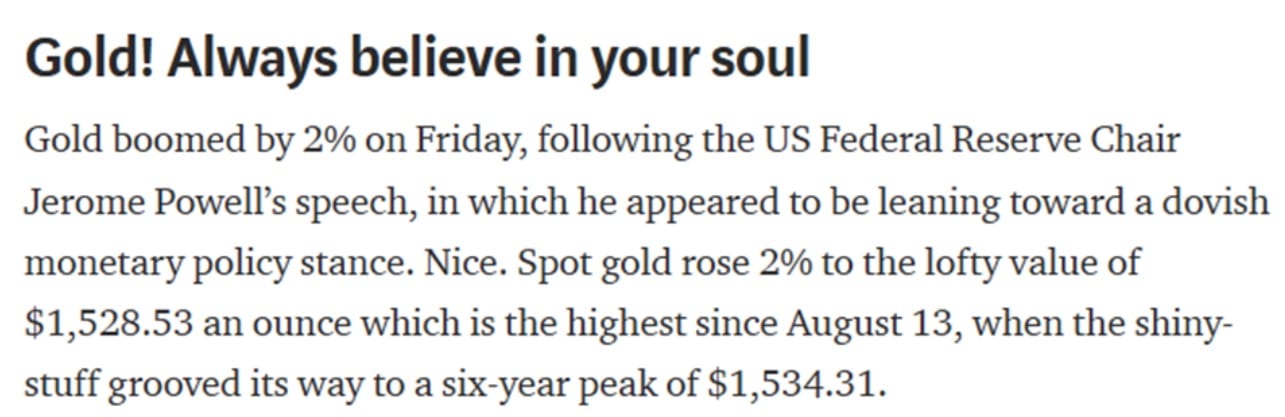
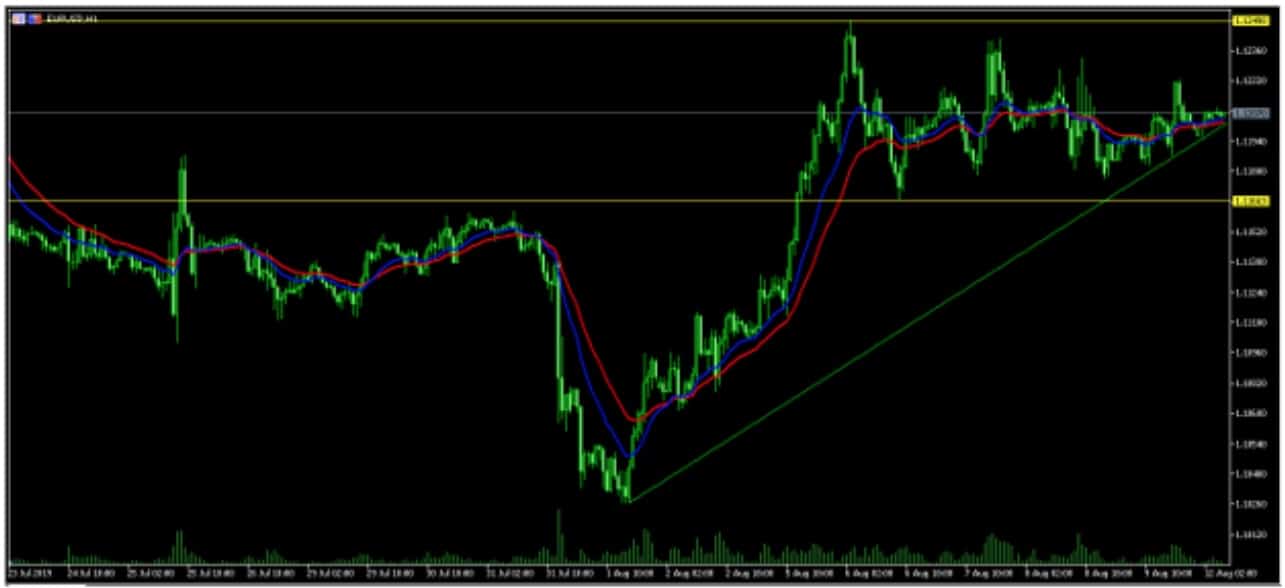
All traders can benefit from content that covers points such as data releases and the movement of currency pairs such as the EUR/USD.
Market analysis is heavy, but you don’t have to deliver it in a boring way. Be different, be unique and talk in language traders will understand using punchy titles and headers.
Top tip for brokers: Gate your analysis for VIP traders or those who have deposited a certain amount. This creates FOMO (fear of missing out) for newbies and rewards the loyalty of your active clients.
It’s also a good idea to divide your content into sections to make it easier to read. 43% of readers simply skim blogs so you need to ensure your main points stand out.
Note: Sharing images on Twitter increases engagement by 150%, so a decent image with your informative content can go a long way.
Remember to use relevant hashtags to ensure your content is searchable to traders and investors.
#2 Embrace multiple channels
Social media is a necessary way to market to millennials considering 90.4% are active on at least one platform. This is significant to brokers because close to 45% of traders are millennials – that’s almost half of your audience.
Millennials love hybrid marketplaces and enjoy connecting with a brand through multiple channels as this gives them numerous touchpoints and consumer experiences depending on their mood.
For example, if they’re on Insta they can follow your updates rather than switching to Facebook and visa-versa.
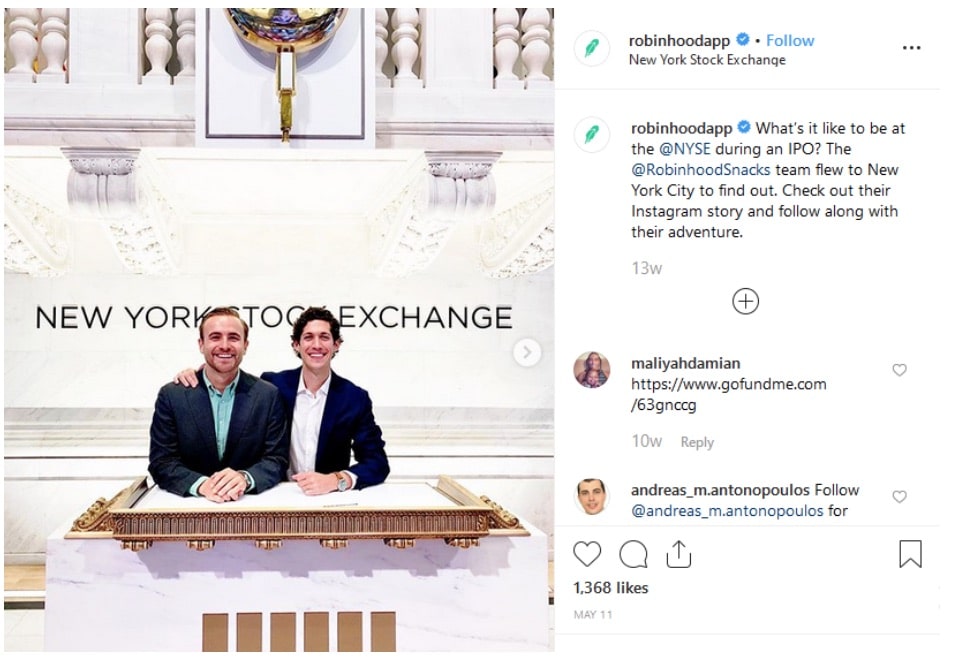
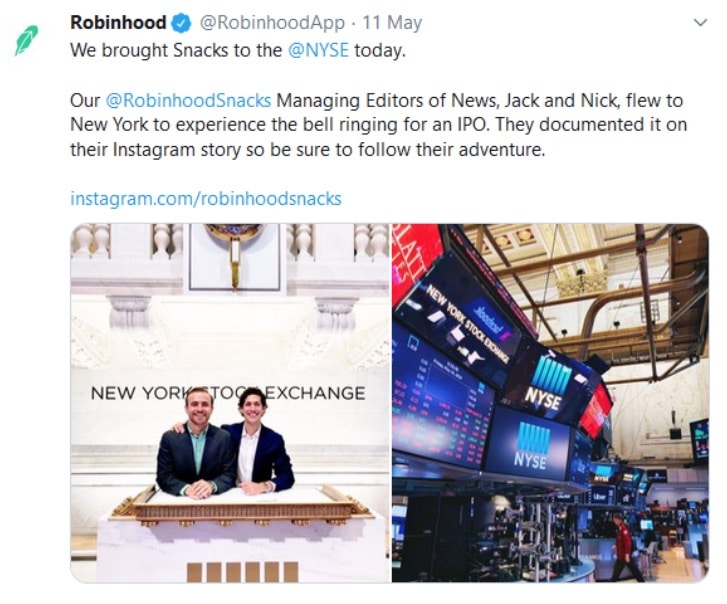
Millennial-focused trading firm Robinhood has mastered a multi-pronged social strategy using storytelling to stand out from the crowd.
As well as sharing content on Instagram – a site popular with this age group – they also increase their outreach by sharing the same content in a different format on Twitter.
What’s really clever and significant here is how they link back to Instagram from Twitter to create a well-connected campaign.
Instagram post:
Twitter post:
Top Tip for Brokers: A multi-channel approach can help you to strike the perfect balance between outreach and engagement.
TD Ameritrade, for instance, has 14.7x more followers on Twitter but gets 7.3x more engagement on Instagram.
What Twitter lacks in terms of engagement; it makes up in reach. Remember though, multichannel marketing does not mean repeating the same content across 6 channels. You know who you are.
Content is more than just the written word. Video is also an excellent marketing tool helping to communicate key messages in a clear and concise way. Take a look at the stats.
Video will account for 80% of all video traffic by 2021
53% of consumers engage with a brand after seeing a video on social media
72% of consumers prefer video over text when learning about a product or service
Facebook users spend 3x more time watching a live video than static content
90% of consumers say video helps them make a purchasing decision
66% of video marketers get more qualified leads per year
Video marketing can give your campaigns more energy and focus. But before you jump in at the deep end, you must choose the right type of video for each stage of the marketing funnel.
For example, if you wish to increase trust and awareness, then live brand films will help to acquaint your audience with your missions, values and goals.
And, if you want to explain more about your products in detail then animated how-to videos are ideal allowing you to give visual instructions.
Similarly, if you want to increase your authority and improve the authenticity of your brand, it’s a great idea to feature important staff members in your video.
By putting names to your brand you’re essentially taking accountability for your actions and increasing trust as a result. Morgan Stanley did this well by featuring Vice Chairman of Wealth Management Carla Harris in a video introducing plans for 2019.
What’s more, TD Ameritrade have used real people’s experiences of embracing a high-risk career to encourage excitement.
The video featuring Tony award-winning producer David Stern below is extremely inspirational promoting guts, growth and glory.
Top tip for brokers: Video content comes in many different forms. From awareness and educational videos to how-to content, interviews, animation and product videos, there are many styles to choose from.
So be clever. Use video to serve a specific purpose be it to demonstrate your trading platform or to introduce your company culture and the way you work.
Create a plan for each video being sure to come up with specific KPIs for each campaign as this makes your progress measurable.
When it comes to marketing, positivity is key, but there are certain things to avoid if you want to remain compliant while taking a fresh, exciting approach. Do not:
Copy and paste content from another brokerage. This is bad for SEO and your reputation. Remember, traders will do their homework and if they see a copycat they won’t be impressed.
Constantly retweet or share social content from other brokerages or news sites. You’ll end up promoting them instead of offering fresh, unique insights of your own.
Provide out-of-date or factually incorrect statements. Always triple check your sources if you want to become an industry thought leader. Any mistakes can tarnish your brand image.
Don’t break rules and regulations. Fines can be heavy and yes, they do also apply to social media.
September is an important time for the finance sector. Talk to Contentworks Agency about content and social media marketing for the finance, forex and fintech sectors.
Disclaimer: The content of this article is sponsored and does not represent the opinions of Finance Magnates.
As summer comes to an end and traders snap out of holiday mode, it’s essential to brace yourself for the September buy-back period.
While you might not be ready for BBQ-season to be over, this time of year can be extremely busy for brokers, so being on top form is crucial.
As one of the most famous sayings in the stock market goes, “Sell in May then go away – don’t come back to St Leger’s Day.”
This acknowledges the summer market slump but also signals a significant buy-back, with St Ledger referring to a famous British horse race which takes place in September.
From cluing up on all the latest regulations to formulating a marketing strategy with a top content agency like Contentworks, taking action will set you apart from your competitors.
Here’s your back to school guide for increased acquisition and retention in September.
Summer Flashback – The Regulations You Need to Know
Did you take your finger off the pulse this summer? The forex industry moves at a rapid pace. So, to ensure you remain compliant, here’s a recap of key regulatory updates.
#1 New CFD Rules Confirmed by the FCA
If you thought industry regulators would be lounging by the pool sipping Pina Coladas – think again.
There have been many important changes over summer with the Financial Conduct Authority confirming that it will adopt leverage caps for contracts for difference (CFDs), ranging from 2:1 to 30:1.
Here’s what you need to consider when operating a brokerage.
You must close client positions when their funds fall to 50% of the margin needed to keep trades open.
In true disclosure style, percentage-based risk warnings should appear across your site for ultimate transparency.
#2 CySEC Leverage Updates
Leverage has always been a talking point for the forex sector. While leveraged trading can magnify profits, it can also increase losses, which is why the Cyprus Securities and Exchange Commission (CySEC) has introduced significant product intervention measures in the form of a risk-based approach to leverage.
This move is hardly surprising considering leverage gives traders larger exposure to the market that they would be able to get with the capital in their trading account. But what does it mean for you?
Clients must be tiered in order to access different leverage options.
To access upper levels, traders need to have a gross income surpassing €40,000 or net liquid assets of at least €200,000. Different clients could use between 20:1 and 50:1 on major forex pairs and between 10:1 and 30:1 on major indices.
Top Takeaway for Brokers: As a broker, a lot is expected from you, but to ignore adapted leverage rules could put you at risk of a fine – or worse.
#3 FATF New Guidance Published for Virtual Asset Service Providers
If you’ve introduced virtual assets or plan to do so – listen up.
The FATF has released its Guidance for a Risk-Based Approach: Virtual Assets and Virtual Asset Service Providers. This suggests how virtual asset providers should comply with the same regulations as traditional financial institutions.
The rules cover common brokerage activities including the exchange between virtual assets and fiat currencies. And the exchange between one or more forms of virtual assets.
Much of the guidance is directed toward countries and their Financial Intelligence Units (FIUs).
What you need to know:The FATF does not have regulatory power. This means that if you choose to not follow its guidance you won’t end up in hot water. Yet.
That said; member states of the G20 have agreed to implement FATF recommendations within a year, so you must keep up to date with developments to see how/if other countries follow suit and what’s required from you as a brokerage in the future.
A Brokers Guide to September Marketing
Competition within the finance sector is tough and you need to stand out. September is a great time to nail an effective marketing strategy as fund managers and big institutionalised traders look to start afresh with a reliable and organised brokerage.
Here are some useful tips for the busy September period.
#1 Educate and Inform
Educational content is big news. It’s no longer about forceful sales messages but about retaining and educating clients in an informative and interesting way.
There are many things you can do to take your traders on a more useful and enjoyable journey. Ideas include:
Creating an educational centre
If you want fresh content for SEO as well as material that will attract traders, an educational centre is a great place to start. This should be loaded with useful articles divided into categories and levels of difficulty.
Knowing your target market will enable you to produce content that will speak directly to your audience and keep them hooked on what you have to say.
Top tip for brokers: Successful blogs will address trader concerns and questions. They’ll also get straight to the point with no waffle.
Remember that all content should be passed through your compliance team to ensure you adhere to industry rules.
Another great way to offer more, is to provide insightful market analysis. This could be a daily forecast, an evening review or a weekly crypto outlook.
Both beginner and experienced traders alike need to stay on top of what’s happening in the forex world and follow market sentiment.
All traders can benefit from content that covers points such as data releases and the movement of currency pairs such as the EUR/USD.
Market analysis is heavy, but you don’t have to deliver it in a boring way. Be different, be unique and talk in language traders will understand using punchy titles and headers.
Top tip for brokers: Gate your analysis for VIP traders or those who have deposited a certain amount. This creates FOMO (fear of missing out) for newbies and rewards the loyalty of your active clients.
It’s also a good idea to divide your content into sections to make it easier to read. 43% of readers simply skim blogs so you need to ensure your main points stand out.
Note: Sharing images on Twitter increases engagement by 150%, so a decent image with your informative content can go a long way.
Remember to use relevant hashtags to ensure your content is searchable to traders and investors.
#2 Embrace multiple channels
Social media is a necessary way to market to millennials considering 90.4% are active on at least one platform. This is significant to brokers because close to 45% of traders are millennials – that’s almost half of your audience.
Millennials love hybrid marketplaces and enjoy connecting with a brand through multiple channels as this gives them numerous touchpoints and consumer experiences depending on their mood.
For example, if they’re on Insta they can follow your updates rather than switching to Facebook and visa-versa.
Millennial-focused trading firm Robinhood has mastered a multi-pronged social strategy using storytelling to stand out from the crowd.
As well as sharing content on Instagram – a site popular with this age group – they also increase their outreach by sharing the same content in a different format on Twitter.
What’s really clever and significant here is how they link back to Instagram from Twitter to create a well-connected campaign.
Instagram post:
Twitter post:
Top Tip for Brokers: A multi-channel approach can help you to strike the perfect balance between outreach and engagement.
TD Ameritrade, for instance, has 14.7x more followers on Twitter but gets 7.3x more engagement on Instagram.
What Twitter lacks in terms of engagement; it makes up in reach. Remember though, multichannel marketing does not mean repeating the same content across 6 channels. You know who you are.
Content is more than just the written word. Video is also an excellent marketing tool helping to communicate key messages in a clear and concise way. Take a look at the stats.
Video will account for 80% of all video traffic by 2021
53% of consumers engage with a brand after seeing a video on social media
72% of consumers prefer video over text when learning about a product or service
Facebook users spend 3x more time watching a live video than static content
90% of consumers say video helps them make a purchasing decision
66% of video marketers get more qualified leads per year
Video marketing can give your campaigns more energy and focus. But before you jump in at the deep end, you must choose the right type of video for each stage of the marketing funnel.
For example, if you wish to increase trust and awareness, then live brand films will help to acquaint your audience with your missions, values and goals.
And, if you want to explain more about your products in detail then animated how-to videos are ideal allowing you to give visual instructions.
Similarly, if you want to increase your authority and improve the authenticity of your brand, it’s a great idea to feature important staff members in your video.
By putting names to your brand you’re essentially taking accountability for your actions and increasing trust as a result. Morgan Stanley did this well by featuring Vice Chairman of Wealth Management Carla Harris in a video introducing plans for 2019.
What’s more, TD Ameritrade have used real people’s experiences of embracing a high-risk career to encourage excitement.
The video featuring Tony award-winning producer David Stern below is extremely inspirational promoting guts, growth and glory.
Top tip for brokers: Video content comes in many different forms. From awareness and educational videos to how-to content, interviews, animation and product videos, there are many styles to choose from.
So be clever. Use video to serve a specific purpose be it to demonstrate your trading platform or to introduce your company culture and the way you work.
Create a plan for each video being sure to come up with specific KPIs for each campaign as this makes your progress measurable.
When it comes to marketing, positivity is key, but there are certain things to avoid if you want to remain compliant while taking a fresh, exciting approach. Do not:
Copy and paste content from another brokerage. This is bad for SEO and your reputation. Remember, traders will do their homework and if they see a copycat they won’t be impressed.
Constantly retweet or share social content from other brokerages or news sites. You’ll end up promoting them instead of offering fresh, unique insights of your own.
Provide out-of-date or factually incorrect statements. Always triple check your sources if you want to become an industry thought leader. Any mistakes can tarnish your brand image.
Don’t break rules and regulations. Fines can be heavy and yes, they do also apply to social media.
September is an important time for the finance sector. Talk to Contentworks Agency about content and social media marketing for the finance, forex and fintech sectors.
Disclaimer: The content of this article is sponsored and does not represent the opinions of Finance Magnates.
Hantec Financial Nominated for Most Trusted Broker at UF AWARDS APAC 2026
Featured Videos
AvaTrade to Acquire Most of FXCM; NAGA Raises $8M
AvaTrade to Acquire Most of FXCM; NAGA Raises $8M
AvaTrade to Acquire Most of FXCM; NAGA Raises $8M
AvaTrade to Acquire Most of FXCM; NAGA Raises $8M
Today’s financial news recap covers AvaTrade agrees to acquire most of FXCM, NAGA secures eight million dollars in new financing, and Wise seeks a tax settlement in the UK.
Finance Magnates Daily Recap brings you the latest news from forex and CFD brokers, fintech, payments, cryptocurrency, digital assets, trading platforms, financial regulation and global markets.
Get the key company news, executive moves, deals, regulatory updates and market developments of the day, in just a few minutes. New episodes published every weekday.
Read more: https://www.financemagnates.com
#FinanceMagnates #ForexNews #FintechNews
Today’s financial news recap covers AvaTrade agrees to acquire most of FXCM, NAGA secures eight million dollars in new financing, and Wise seeks a tax settlement in the UK.
Finance Magnates Daily Recap brings you the latest news from forex and CFD brokers, fintech, payments, cryptocurrency, digital assets, trading platforms, financial regulation and global markets.
Get the key company news, executive moves, deals, regulatory updates and market developments of the day, in just a few minutes. New episodes published every weekday.
Read more: https://www.financemagnates.com
#FinanceMagnates #ForexNews #FintechNews
Today’s financial news recap covers AvaTrade agrees to acquire most of FXCM, NAGA secures eight million dollars in new financing, and Wise seeks a tax settlement in the UK.
Finance Magnates Daily Recap brings you the latest news from forex and CFD brokers, fintech, payments, cryptocurrency, digital assets, trading platforms, financial regulation and global markets.
Get the key company news, executive moves, deals, regulatory updates and market developments of the day, in just a few minutes. New episodes published every weekday.
Read more: https://www.financemagnates.com
#FinanceMagnates #ForexNews #FintechNews
Today’s financial news recap covers AvaTrade agrees to acquire most of FXCM, NAGA secures eight million dollars in new financing, and Wise seeks a tax settlement in the UK.
Finance Magnates Daily Recap brings you the latest news from forex and CFD brokers, fintech, payments, cryptocurrency, digital assets, trading platforms, financial regulation and global markets.
Get the key company news, executive moves, deals, regulatory updates and market developments of the day, in just a few minutes. New episodes published every weekday.
Read more: https://www.financemagnates.com
#FinanceMagnates #ForexNews #FintechNews
XTB Adds Overnight US Stock Trading; Nasdaq Ventures Invests in One Trading
XTB Adds Overnight US Stock Trading; Nasdaq Ventures Invests in One Trading
XTB Adds Overnight US Stock Trading; Nasdaq Ventures Invests in One Trading
XTB Adds Overnight US Stock Trading; Nasdaq Ventures Invests in One Trading
XTB Adds Overnight US Stock Trading; Nasdaq Ventures Invests in One Trading
XTB Adds Overnight US Stock Trading; Nasdaq Ventures Invests in One Trading
Today’s financial news recap covers XTB expands overnight US stock trading, Fortrade reports higher revenue, Nasdaq backs One Trading, and Vest Labs raises 13 million dollars.
Finance Magnates Daily Recap brings you the latest news from forex and CFD brokers, fintech, payments, cryptocurrency, digital assets, trading platforms, financial regulation and global markets.
Get the key company news, executive moves, deals, regulatory updates and market developments of the day, in just a few minutes. New episodes published every weekday.
Read more: https://www.financemagnates.com
#FinanceMagnates #ForexNews #FintechNews
Today’s financial news recap covers XTB expands overnight US stock trading, Fortrade reports higher revenue, Nasdaq backs One Trading, and Vest Labs raises 13 million dollars.
Finance Magnates Daily Recap brings you the latest news from forex and CFD brokers, fintech, payments, cryptocurrency, digital assets, trading platforms, financial regulation and global markets.
Get the key company news, executive moves, deals, regulatory updates and market developments of the day, in just a few minutes. New episodes published every weekday.
Read more: https://www.financemagnates.com
#FinanceMagnates #ForexNews #FintechNews
Today’s financial news recap covers XTB expands overnight US stock trading, Fortrade reports higher revenue, Nasdaq backs One Trading, and Vest Labs raises 13 million dollars.
Finance Magnates Daily Recap brings you the latest news from forex and CFD brokers, fintech, payments, cryptocurrency, digital assets, trading platforms, financial regulation and global markets.
Get the key company news, executive moves, deals, regulatory updates and market developments of the day, in just a few minutes. New episodes published every weekday.
Read more: https://www.financemagnates.com
#FinanceMagnates #ForexNews #FintechNews
Today’s financial news recap covers XTB expands overnight US stock trading, Fortrade reports higher revenue, Nasdaq backs One Trading, and Vest Labs raises 13 million dollars.
Finance Magnates Daily Recap brings you the latest news from forex and CFD brokers, fintech, payments, cryptocurrency, digital assets, trading platforms, financial regulation and global markets.
Get the key company news, executive moves, deals, regulatory updates and market developments of the day, in just a few minutes. New episodes published every weekday.
Read more: https://www.financemagnates.com
#FinanceMagnates #ForexNews #FintechNews
Today’s financial news recap covers XTB expands overnight US stock trading, Fortrade reports higher revenue, Nasdaq backs One Trading, and Vest Labs raises 13 million dollars.
Finance Magnates Daily Recap brings you the latest news from forex and CFD brokers, fintech, payments, cryptocurrency, digital assets, trading platforms, financial regulation and global markets.
Get the key company news, executive moves, deals, regulatory updates and market developments of the day, in just a few minutes. New episodes published every weekday.
Read more: https://www.financemagnates.com
#FinanceMagnates #ForexNews #FintechNews
Today’s financial news recap covers XTB expands overnight US stock trading, Fortrade reports higher revenue, Nasdaq backs One Trading, and Vest Labs raises 13 million dollars.
Finance Magnates Daily Recap brings you the latest news from forex and CFD brokers, fintech, payments, cryptocurrency, digital assets, trading platforms, financial regulation and global markets.
Get the key company news, executive moves, deals, regulatory updates and market developments of the day, in just a few minutes. New episodes published every weekday.
Read more: https://www.financemagnates.com
#FinanceMagnates #ForexNews #FintechNews
CMC Founder Downplays Volatility Hit; Devexperts Names CEO
CMC Founder Downplays Volatility Hit; Devexperts Names CEO
CMC Founder Downplays Volatility Hit; Devexperts Names CEO
CMC Founder Downplays Volatility Hit; Devexperts Names CEO
CMC Founder Downplays Volatility Hit; Devexperts Names CEO
CMC Founder Downplays Volatility Hit; Devexperts Names CEO
Today’s financial news recap covers low volatility pressures brokers, Devexperts names a new CEO, Saxo cuts onboarding time, and OKX reaches a 25 billion dollar valuation.
Finance Magnates Daily Recap brings you the latest news from forex and CFD brokers, fintech, payments, cryptocurrency, digital assets, trading platforms, financial regulation and global markets.
Get the key company news, executive moves, deals, regulatory updates and market developments of the day, in just a few minutes. New episodes published every weekday.
Read more: https://www.financemagnates.com
#FinanceMagnates #ForexNews #FintechNews
Today’s financial news recap covers low volatility pressures brokers, Devexperts names a new CEO, Saxo cuts onboarding time, and OKX reaches a 25 billion dollar valuation.
Finance Magnates Daily Recap brings you the latest news from forex and CFD brokers, fintech, payments, cryptocurrency, digital assets, trading platforms, financial regulation and global markets.
Get the key company news, executive moves, deals, regulatory updates and market developments of the day, in just a few minutes. New episodes published every weekday.
Read more: https://www.financemagnates.com
#FinanceMagnates #ForexNews #FintechNews
Today’s financial news recap covers low volatility pressures brokers, Devexperts names a new CEO, Saxo cuts onboarding time, and OKX reaches a 25 billion dollar valuation.
Finance Magnates Daily Recap brings you the latest news from forex and CFD brokers, fintech, payments, cryptocurrency, digital assets, trading platforms, financial regulation and global markets.
Get the key company news, executive moves, deals, regulatory updates and market developments of the day, in just a few minutes. New episodes published every weekday.
Read more: https://www.financemagnates.com
#FinanceMagnates #ForexNews #FintechNews
Today’s financial news recap covers low volatility pressures brokers, Devexperts names a new CEO, Saxo cuts onboarding time, and OKX reaches a 25 billion dollar valuation.
Finance Magnates Daily Recap brings you the latest news from forex and CFD brokers, fintech, payments, cryptocurrency, digital assets, trading platforms, financial regulation and global markets.
Get the key company news, executive moves, deals, regulatory updates and market developments of the day, in just a few minutes. New episodes published every weekday.
Read more: https://www.financemagnates.com
#FinanceMagnates #ForexNews #FintechNews
Today’s financial news recap covers low volatility pressures brokers, Devexperts names a new CEO, Saxo cuts onboarding time, and OKX reaches a 25 billion dollar valuation.
Finance Magnates Daily Recap brings you the latest news from forex and CFD brokers, fintech, payments, cryptocurrency, digital assets, trading platforms, financial regulation and global markets.
Get the key company news, executive moves, deals, regulatory updates and market developments of the day, in just a few minutes. New episodes published every weekday.
Read more: https://www.financemagnates.com
#FinanceMagnates #ForexNews #FintechNews
Today’s financial news recap covers low volatility pressures brokers, Devexperts names a new CEO, Saxo cuts onboarding time, and OKX reaches a 25 billion dollar valuation.
Finance Magnates Daily Recap brings you the latest news from forex and CFD brokers, fintech, payments, cryptocurrency, digital assets, trading platforms, financial regulation and global markets.
Get the key company news, executive moves, deals, regulatory updates and market developments of the day, in just a few minutes. New episodes published every weekday.
Read more: https://www.financemagnates.com
#FinanceMagnates #ForexNews #FintechNews
Today’s financial news recap covers Trade Nation buys FXCM's UK client book, Trading 212 reports higher revenue, the CFTC's move to allow perpetual index futures.
Finance Magnates Daily Recap brings you the latest news from forex and CFD brokers, fintech, payments, cryptocurrency, digital assets, trading platforms, financial regulation and global markets.
Get the key company news, executive moves, deals, regulatory updates and market developments of the day, in just a few minutes. New episodes published every weekday.
Read more: https://www.financemagnates.com
#FinanceMagnates #ForexNews #FintechNews
Today’s financial news recap covers Trade Nation buys FXCM's UK client book, Trading 212 reports higher revenue, the CFTC's move to allow perpetual index futures.
Finance Magnates Daily Recap brings you the latest news from forex and CFD brokers, fintech, payments, cryptocurrency, digital assets, trading platforms, financial regulation and global markets.
Get the key company news, executive moves, deals, regulatory updates and market developments of the day, in just a few minutes. New episodes published every weekday.
Read more: https://www.financemagnates.com
#FinanceMagnates #ForexNews #FintechNews
Today’s financial news recap covers Trade Nation buys FXCM's UK client book, Trading 212 reports higher revenue, the CFTC's move to allow perpetual index futures.
Finance Magnates Daily Recap brings you the latest news from forex and CFD brokers, fintech, payments, cryptocurrency, digital assets, trading platforms, financial regulation and global markets.
Get the key company news, executive moves, deals, regulatory updates and market developments of the day, in just a few minutes. New episodes published every weekday.
Read more: https://www.financemagnates.com
#FinanceMagnates #ForexNews #FintechNews
Today’s financial news recap covers Trade Nation buys FXCM's UK client book, Trading 212 reports higher revenue, the CFTC's move to allow perpetual index futures.
Finance Magnates Daily Recap brings you the latest news from forex and CFD brokers, fintech, payments, cryptocurrency, digital assets, trading platforms, financial regulation and global markets.
Get the key company news, executive moves, deals, regulatory updates and market developments of the day, in just a few minutes. New episodes published every weekday.
Read more: https://www.financemagnates.com
#FinanceMagnates #ForexNews #FintechNews
Today’s financial news recap covers Trade Nation buys FXCM's UK client book, Trading 212 reports higher revenue, the CFTC's move to allow perpetual index futures.
Finance Magnates Daily Recap brings you the latest news from forex and CFD brokers, fintech, payments, cryptocurrency, digital assets, trading platforms, financial regulation and global markets.
Get the key company news, executive moves, deals, regulatory updates and market developments of the day, in just a few minutes. New episodes published every weekday.
Read more: https://www.financemagnates.com
#FinanceMagnates #ForexNews #FintechNews
Today’s financial news recap covers Trade Nation buys FXCM's UK client book, Trading 212 reports higher revenue, the CFTC's move to allow perpetual index futures.
Finance Magnates Daily Recap brings you the latest news from forex and CFD brokers, fintech, payments, cryptocurrency, digital assets, trading platforms, financial regulation and global markets.
Get the key company news, executive moves, deals, regulatory updates and market developments of the day, in just a few minutes. New episodes published every weekday.
Read more: https://www.financemagnates.com
#FinanceMagnates #ForexNews #FintechNews
Your career isn’t a linear path.
Your career isn’t a linear path.
Your career isn’t a linear path.
Your career isn’t a linear path.
Your career isn’t a linear path.
Your career isn’t a linear path.
Roles change. Career goals change. Sometimes you want a completely new challenge.
But the skills and knowledge you build along the way can stay with you and give you something to build on.
For Jeff Patterson, that continued growth is key to long-term career development.
You bring the skills. FM Academy helps you build the knowledge.
#FMAcademy #FinanceMagnates #FinanceCareers #ProfessionalDevelopment #Fintech
Roles change. Career goals change. Sometimes you want a completely new challenge.
But the skills and knowledge you build along the way can stay with you and give you something to build on.
For Jeff Patterson, that continued growth is key to long-term career development.
You bring the skills. FM Academy helps you build the knowledge.
#FMAcademy #FinanceMagnates #FinanceCareers #ProfessionalDevelopment #Fintech
Roles change. Career goals change. Sometimes you want a completely new challenge.
But the skills and knowledge you build along the way can stay with you and give you something to build on.
For Jeff Patterson, that continued growth is key to long-term career development.
You bring the skills. FM Academy helps you build the knowledge.
#FMAcademy #FinanceMagnates #FinanceCareers #ProfessionalDevelopment #Fintech
Roles change. Career goals change. Sometimes you want a completely new challenge.
But the skills and knowledge you build along the way can stay with you and give you something to build on.
For Jeff Patterson, that continued growth is key to long-term career development.
You bring the skills. FM Academy helps you build the knowledge.
#FMAcademy #FinanceMagnates #FinanceCareers #ProfessionalDevelopment #Fintech
Roles change. Career goals change. Sometimes you want a completely new challenge.
But the skills and knowledge you build along the way can stay with you and give you something to build on.
For Jeff Patterson, that continued growth is key to long-term career development.
You bring the skills. FM Academy helps you build the knowledge.
#FMAcademy #FinanceMagnates #FinanceCareers #ProfessionalDevelopment #Fintech
Roles change. Career goals change. Sometimes you want a completely new challenge.
But the skills and knowledge you build along the way can stay with you and give you something to build on.
For Jeff Patterson, that continued growth is key to long-term career development.
You bring the skills. FM Academy helps you build the knowledge.
#FMAcademy #FinanceMagnates #FinanceCareers #ProfessionalDevelopment #Fintech