What are the the best crypto card platforms currently available in 2021?
FM
Bitcoin finished 2020 on a high, smashing through its previous all-time high and attracting interest from both seasoned investors and regular users keen to board the cryptocurrency bandwagon.
Although the prospect of buying digital assets for the first time remains somewhat daunting for out-and-out beginners, the availability of user-friendly crypto debit cards simplifies the process to a large extent.
Thanks to integrations with payment giants Visa and Mastercard, issuers of such cards ensure greater utility for digital assets, enabling currencies like bitcoin and ETH to be spent at major retailers.
Due to the competitiveness of the space, several crypto card platforms also offer features such as free ATM withdrawals, generous cashback and referral rewards, and fee discounts.
Here are five of the best options currently available.
CoinZoom
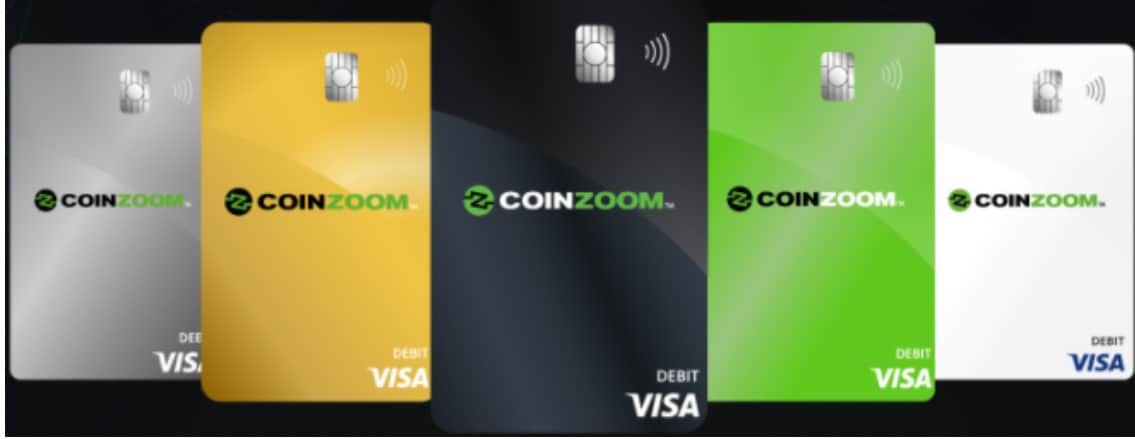
CoinZoom is a highly regulated U.S. exchange platform that markets itself as a digital bank for those who use both fiat and cryptocurrencies.
Although it has only been in the market for a few years now, CoinZoom offers one of the best card solutions out there, partly due to its founding team’s experience of financial technology.
At present, there are five crypto card tiers comprising Select, Preferred, Gold, Platinum and Black. Each provides virtual and ATM access, 24/7 support and robust security features, while the higher tiers grant bigger trading fee discounts, cashback rewards and higher spending limits.
For example, you get 5% back on all purchases with the Black card. CoinZoom cards are compatible with Apple Pay and Samsung Pay, as well as with ZoomMe, the platform’s excellent peer-to-peer fiat and crypto remittance system.
Crypto.com
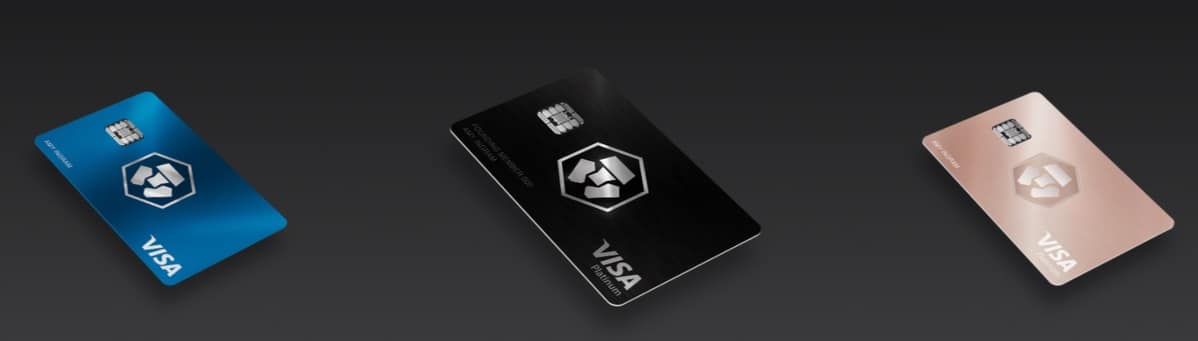
Crypto.com is a great gateway to the industry, with services including a digital asset exchange, a defi wallet, and staking program. Its debit cards are also popular, thanks to support for seven fiat and 53 cryptocurrencies.
As with CoinZoom, five tiers are offered according to the user’s holdings of native CRO tokens – though the free card is perfectly sufficient for beginners.
That one provides 1% CRO rewards on purchases and a monthly ATM withdrawal limit of $200. All cards are composite metal and offer interbank exchange rates, with the ability to deposit, hodl and spend fiat and crypto at your leisure.
Wirex
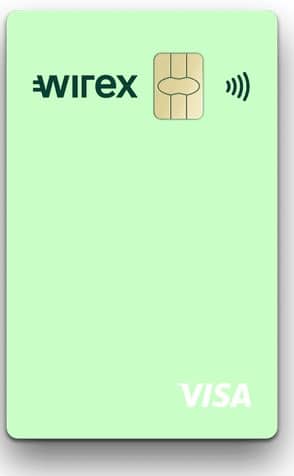
Wirex is a fintech firm based in the UK but with offices in North America, Asia and Eastern Europe. Notable for its real-time point of sale conversions, fee-less exchanges and up to 1.5% bitcoin rewards on all purchases, Wirex is one of the most user-friendly platforms currently in existence.
Although only available in regions of Europe and the Asia-Pacific at the moment, the multi-currency Visa card makes spending your crypto a breeze, with users able to switch between digital assets and fiat at OTC and interbank rates.
Like CoinZoom and Crypto.com, Wirex users have the opportunity to purchase and earn native utility tokens (WXT) which provide discounts on things like withdrawal and monthly management fees.
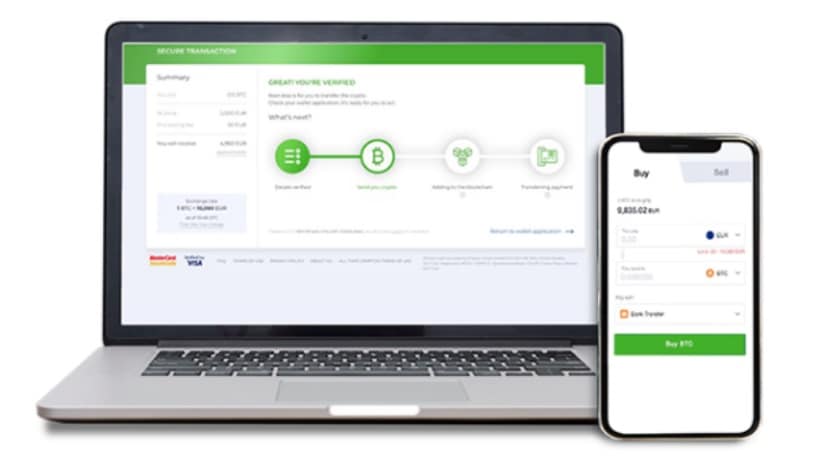
Simplex provides the infrastructure that supports fiat onramps for many major cryptocurrency exchanges including Binance and BitMart, and supports deposits in a swathe of national fiat currencies.
While Simplex’s end product is geared at retail users, it’s crypto businesses that truly benefit from its crypto-fiat changing service.
Wallet developers, exchanges, custodians, and other crypto companies can easily add a fiat onramp using Simplex’s tried-and-tested payment infrastructure, without needing to concern themselves with chargebacks or with obtaining a money transmitter license: Simplex handles all that, leaving crypto projects free to focus on their core business.
Eidoo
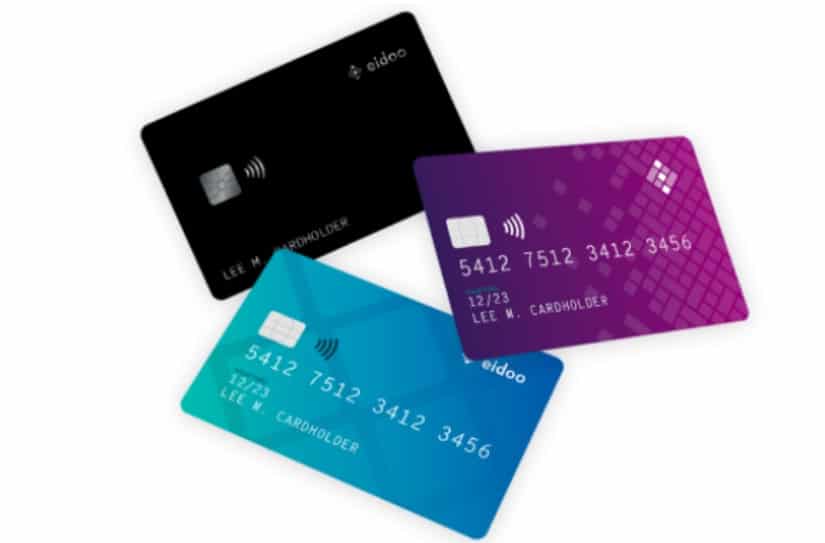
Defi platform Eidoo teamed up with Visa Europe member Contis in mid-2000, with the result being a shiny new Visa crypto debit card. Available in the UK and Europe, the card allows for the storage of fiat and crypto funds and acts as a useful bridge between the worlds of decentralized and traditional finance.
Unlike the other options mentioned above, assets are stored in a non-custodial fashion as per the ethos of the defi movement, which stresses the importance of user autonomy.
The crypto card also utilizes smart contract-based atomic swaps and fiat-backed stablecoins issued by UK financial firm Moneyfold Ltd for transaction monitoring.
Three card tiers are available (Basic, VIP, Black), with users able to earn up to 5% cashback for qualifying purchases.
Cards on the Table
Crypto has come a long way since bitcoin faucets and esoteric discussions on cypherpunk forums. These days, acquiring, saving, transferring and spending virtual assets is easy: all you need is a linked bank card and a smartphone.
As barriers to entry fall, expect more platforms to come to market and compete with the aforementioned players.
Bitcoin finished 2020 on a high, smashing through its previous all-time high and attracting interest from both seasoned investors and regular users keen to board the cryptocurrency bandwagon.
Although the prospect of buying digital assets for the first time remains somewhat daunting for out-and-out beginners, the availability of user-friendly crypto debit cards simplifies the process to a large extent.
Thanks to integrations with payment giants Visa and Mastercard, issuers of such cards ensure greater utility for digital assets, enabling currencies like bitcoin and ETH to be spent at major retailers.
Due to the competitiveness of the space, several crypto card platforms also offer features such as free ATM withdrawals, generous cashback and referral rewards, and fee discounts.
Here are five of the best options currently available.
CoinZoom
CoinZoom is a highly regulated U.S. exchange platform that markets itself as a digital bank for those who use both fiat and cryptocurrencies.
Although it has only been in the market for a few years now, CoinZoom offers one of the best card solutions out there, partly due to its founding team’s experience of financial technology.
At present, there are five crypto card tiers comprising Select, Preferred, Gold, Platinum and Black. Each provides virtual and ATM access, 24/7 support and robust security features, while the higher tiers grant bigger trading fee discounts, cashback rewards and higher spending limits.
For example, you get 5% back on all purchases with the Black card. CoinZoom cards are compatible with Apple Pay and Samsung Pay, as well as with ZoomMe, the platform’s excellent peer-to-peer fiat and crypto remittance system.
Crypto.com
Crypto.com is a great gateway to the industry, with services including a digital asset exchange, a defi wallet, and staking program. Its debit cards are also popular, thanks to support for seven fiat and 53 cryptocurrencies.
As with CoinZoom, five tiers are offered according to the user’s holdings of native CRO tokens – though the free card is perfectly sufficient for beginners.
That one provides 1% CRO rewards on purchases and a monthly ATM withdrawal limit of $200. All cards are composite metal and offer interbank exchange rates, with the ability to deposit, hodl and spend fiat and crypto at your leisure.
Wirex
Wirex is a fintech firm based in the UK but with offices in North America, Asia and Eastern Europe. Notable for its real-time point of sale conversions, fee-less exchanges and up to 1.5% bitcoin rewards on all purchases, Wirex is one of the most user-friendly platforms currently in existence.
Although only available in regions of Europe and the Asia-Pacific at the moment, the multi-currency Visa card makes spending your crypto a breeze, with users able to switch between digital assets and fiat at OTC and interbank rates.
Like CoinZoom and Crypto.com, Wirex users have the opportunity to purchase and earn native utility tokens (WXT) which provide discounts on things like withdrawal and monthly management fees.
Simplex provides the infrastructure that supports fiat onramps for many major cryptocurrency exchanges including Binance and BitMart, and supports deposits in a swathe of national fiat currencies.
While Simplex’s end product is geared at retail users, it’s crypto businesses that truly benefit from its crypto-fiat changing service.
Wallet developers, exchanges, custodians, and other crypto companies can easily add a fiat onramp using Simplex’s tried-and-tested payment infrastructure, without needing to concern themselves with chargebacks or with obtaining a money transmitter license: Simplex handles all that, leaving crypto projects free to focus on their core business.
Eidoo
Defi platform Eidoo teamed up with Visa Europe member Contis in mid-2000, with the result being a shiny new Visa crypto debit card. Available in the UK and Europe, the card allows for the storage of fiat and crypto funds and acts as a useful bridge between the worlds of decentralized and traditional finance.
Unlike the other options mentioned above, assets are stored in a non-custodial fashion as per the ethos of the defi movement, which stresses the importance of user autonomy.
The crypto card also utilizes smart contract-based atomic swaps and fiat-backed stablecoins issued by UK financial firm Moneyfold Ltd for transaction monitoring.
Three card tiers are available (Basic, VIP, Black), with users able to earn up to 5% cashback for qualifying purchases.
Cards on the Table
Crypto has come a long way since bitcoin faucets and esoteric discussions on cypherpunk forums. These days, acquiring, saving, transferring and spending virtual assets is easy: all you need is a linked bank card and a smartphone.
As barriers to entry fall, expect more platforms to come to market and compete with the aforementioned players.
FP Markets Winner Spotlight 🏆 | Global Broker of the Year 2025 #Trading #Broker #Innovation #Shorts
FP Markets Winner Spotlight 🏆 | Global Broker of the Year 2025 #Trading #Broker #Innovation #Shorts
FP Markets Winner Spotlight 🏆 | Global Broker of the Year 2025 #Trading #Broker #Innovation #Shorts
FP Markets Winner Spotlight 🏆 | Global Broker of the Year 2025 #Trading #Broker #Innovation #Shorts
FP Markets takes the spotlight as Global Broker of the Year 2025 at the Finance Magnates Awards.
Martin Stoilov, Head of Client Experience, shares that trust, innovation, and people played a key role in the company’s success, supported by a strong foundation of integrity and client-centricity.
Following this milestone, FP Markets continues to focus on growth, technology investment, and its core values of transparency and excellence.
👉 Be part of FM Awards 2026: https://awards.financemagnates.com/#nominate
FP Markets takes the spotlight as Global Broker of the Year 2025 at the Finance Magnates Awards.
Martin Stoilov, Head of Client Experience, shares that trust, innovation, and people played a key role in the company’s success, supported by a strong foundation of integrity and client-centricity.
Following this milestone, FP Markets continues to focus on growth, technology investment, and its core values of transparency and excellence.
👉 Be part of FM Awards 2026: https://awards.financemagnates.com/#nominate
FP Markets takes the spotlight as Global Broker of the Year 2025 at the Finance Magnates Awards.
Martin Stoilov, Head of Client Experience, shares that trust, innovation, and people played a key role in the company’s success, supported by a strong foundation of integrity and client-centricity.
Following this milestone, FP Markets continues to focus on growth, technology investment, and its core values of transparency and excellence.
👉 Be part of FM Awards 2026: https://awards.financemagnates.com/#nominate
FP Markets takes the spotlight as Global Broker of the Year 2025 at the Finance Magnates Awards.
Martin Stoilov, Head of Client Experience, shares that trust, innovation, and people played a key role in the company’s success, supported by a strong foundation of integrity and client-centricity.
Following this milestone, FP Markets continues to focus on growth, technology investment, and its core values of transparency and excellence.
👉 Be part of FM Awards 2026: https://awards.financemagnates.com/#nominate
In this video, we review @HolaPrimeMarketsOfficial, a multi-asset forex and CFDs broker offering different account types, trading platforms, and flexible trading conditions.
We cover the broker’s overall offering, including account options, trading environment, platforms like MT4 and MT5, and additional services such as managed accounts and fast withdrawals.
Watch the full video to see if Hola Prime Markets fits your trading needs.
📣 Stay up to date with the latest in finance and trading. Follow Finance Magnates for industry news, insights, and global event coverage.
Connect with us:
🔗 LinkedIn: /financemagnates
👍 Facebook: /financemagnates
📸 Instagram: https://www.instagram.com/financemagnates
🐦 X: https://x.com/financemagnates
🎥 TikTok: https://www.tiktok.com/tag/financemagnates
▶️ YouTube: /@financemagnates_official
#HolaPrime #ForexBroker #CFDTrading #FinanceMagnates #Trading #Forex #BrokerReview
In this video, we review @HolaPrimeMarketsOfficial, a multi-asset forex and CFDs broker offering different account types, trading platforms, and flexible trading conditions.
We cover the broker’s overall offering, including account options, trading environment, platforms like MT4 and MT5, and additional services such as managed accounts and fast withdrawals.
Watch the full video to see if Hola Prime Markets fits your trading needs.
📣 Stay up to date with the latest in finance and trading. Follow Finance Magnates for industry news, insights, and global event coverage.
Connect with us:
🔗 LinkedIn: /financemagnates
👍 Facebook: /financemagnates
📸 Instagram: https://www.instagram.com/financemagnates
🐦 X: https://x.com/financemagnates
🎥 TikTok: https://www.tiktok.com/tag/financemagnates
▶️ YouTube: /@financemagnates_official
#HolaPrime #ForexBroker #CFDTrading #FinanceMagnates #Trading #Forex #BrokerReview
In this video, we review @HolaPrimeMarketsOfficial, a multi-asset forex and CFDs broker offering different account types, trading platforms, and flexible trading conditions.
We cover the broker’s overall offering, including account options, trading environment, platforms like MT4 and MT5, and additional services such as managed accounts and fast withdrawals.
Watch the full video to see if Hola Prime Markets fits your trading needs.
📣 Stay up to date with the latest in finance and trading. Follow Finance Magnates for industry news, insights, and global event coverage.
Connect with us:
🔗 LinkedIn: /financemagnates
👍 Facebook: /financemagnates
📸 Instagram: https://www.instagram.com/financemagnates
🐦 X: https://x.com/financemagnates
🎥 TikTok: https://www.tiktok.com/tag/financemagnates
▶️ YouTube: /@financemagnates_official
#HolaPrime #ForexBroker #CFDTrading #FinanceMagnates #Trading #Forex #BrokerReview
In this video, we review @HolaPrimeMarketsOfficial, a multi-asset forex and CFDs broker offering different account types, trading platforms, and flexible trading conditions.
We cover the broker’s overall offering, including account options, trading environment, platforms like MT4 and MT5, and additional services such as managed accounts and fast withdrawals.
Watch the full video to see if Hola Prime Markets fits your trading needs.
📣 Stay up to date with the latest in finance and trading. Follow Finance Magnates for industry news, insights, and global event coverage.
Connect with us:
🔗 LinkedIn: /financemagnates
👍 Facebook: /financemagnates
📸 Instagram: https://www.instagram.com/financemagnates
🐦 X: https://x.com/financemagnates
🎥 TikTok: https://www.tiktok.com/tag/financemagnates
▶️ YouTube: /@financemagnates_official
#HolaPrime #ForexBroker #CFDTrading #FinanceMagnates #Trading #Forex #BrokerReview
In this video, we review @HolaPrimeMarketsOfficial, a multi-asset forex and CFDs broker offering different account types, trading platforms, and flexible trading conditions.
We cover the broker’s overall offering, including account options, trading environment, platforms like MT4 and MT5, and additional services such as managed accounts and fast withdrawals.
Watch the full video to see if Hola Prime Markets fits your trading needs.
📣 Stay up to date with the latest in finance and trading. Follow Finance Magnates for industry news, insights, and global event coverage.
Connect with us:
🔗 LinkedIn: /financemagnates
👍 Facebook: /financemagnates
📸 Instagram: https://www.instagram.com/financemagnates
🐦 X: https://x.com/financemagnates
🎥 TikTok: https://www.tiktok.com/tag/financemagnates
▶️ YouTube: /@financemagnates_official
#HolaPrime #ForexBroker #CFDTrading #FinanceMagnates #Trading #Forex #BrokerReview
In this video, we review @HolaPrimeMarketsOfficial, a multi-asset forex and CFDs broker offering different account types, trading platforms, and flexible trading conditions.
We cover the broker’s overall offering, including account options, trading environment, platforms like MT4 and MT5, and additional services such as managed accounts and fast withdrawals.
Watch the full video to see if Hola Prime Markets fits your trading needs.
📣 Stay up to date with the latest in finance and trading. Follow Finance Magnates for industry news, insights, and global event coverage.
Connect with us:
🔗 LinkedIn: /financemagnates
👍 Facebook: /financemagnates
📸 Instagram: https://www.instagram.com/financemagnates
🐦 X: https://x.com/financemagnates
🎥 TikTok: https://www.tiktok.com/tag/financemagnates
▶️ YouTube: /@financemagnates_official
#HolaPrime #ForexBroker #CFDTrading #FinanceMagnates #Trading #Forex #BrokerReview
Hola Prime Review: What You Need to Know | Full Breakdown by Finance Magnates
Hola Prime Review: What You Need to Know | Full Breakdown by Finance Magnates
Hola Prime Review: What You Need to Know | Full Breakdown by Finance Magnates
Hola Prime Review: What You Need to Know | Full Breakdown by Finance Magnates
Hola Prime Review: What You Need to Know | Full Breakdown by Finance Magnates
Hola Prime Review: What You Need to Know | Full Breakdown by Finance Magnates
In this video, we review @HolaPrime_Global, a proprietary trading firm offering evaluation programs and performance-based payouts in simulated market environments.
We cover how the challenge model works, including account types, profit splits (up to 95%), trading rules, and what it takes to reach a funded account. You’ll also learn about available platforms like MT4, MT5, cTrader, and more, along with insights into payouts, support, and trading conditions.
Watch the full video to see if Hola Prime fits your trading style.
📣 Stay up to date with the latest in finance and trading. Follow Finance Magnates for industry news, insights, and global event coverage.
Connect with us:
🔗 LinkedIn: /financemagnates
👍 Facebook: /financemagnates
📸 Instagram: https://www.instagram.com/financemagnates
🐦 X: https://x.com/financemagnates
🎥 TikTok: https://www.tiktok.com/tag/financemagnates
▶️ YouTube: /@financemagnates_official
#HolaPrime #PropFirm #Trading #FinanceMagnates #Forex #FuturesTrading #TradingReview #PropFirmReview
In this video, we review @HolaPrime_Global, a proprietary trading firm offering evaluation programs and performance-based payouts in simulated market environments.
We cover how the challenge model works, including account types, profit splits (up to 95%), trading rules, and what it takes to reach a funded account. You’ll also learn about available platforms like MT4, MT5, cTrader, and more, along with insights into payouts, support, and trading conditions.
Watch the full video to see if Hola Prime fits your trading style.
📣 Stay up to date with the latest in finance and trading. Follow Finance Magnates for industry news, insights, and global event coverage.
Connect with us:
🔗 LinkedIn: /financemagnates
👍 Facebook: /financemagnates
📸 Instagram: https://www.instagram.com/financemagnates
🐦 X: https://x.com/financemagnates
🎥 TikTok: https://www.tiktok.com/tag/financemagnates
▶️ YouTube: /@financemagnates_official
#HolaPrime #PropFirm #Trading #FinanceMagnates #Forex #FuturesTrading #TradingReview #PropFirmReview
In this video, we review @HolaPrime_Global, a proprietary trading firm offering evaluation programs and performance-based payouts in simulated market environments.
We cover how the challenge model works, including account types, profit splits (up to 95%), trading rules, and what it takes to reach a funded account. You’ll also learn about available platforms like MT4, MT5, cTrader, and more, along with insights into payouts, support, and trading conditions.
Watch the full video to see if Hola Prime fits your trading style.
📣 Stay up to date with the latest in finance and trading. Follow Finance Magnates for industry news, insights, and global event coverage.
Connect with us:
🔗 LinkedIn: /financemagnates
👍 Facebook: /financemagnates
📸 Instagram: https://www.instagram.com/financemagnates
🐦 X: https://x.com/financemagnates
🎥 TikTok: https://www.tiktok.com/tag/financemagnates
▶️ YouTube: /@financemagnates_official
#HolaPrime #PropFirm #Trading #FinanceMagnates #Forex #FuturesTrading #TradingReview #PropFirmReview
In this video, we review @HolaPrime_Global, a proprietary trading firm offering evaluation programs and performance-based payouts in simulated market environments.
We cover how the challenge model works, including account types, profit splits (up to 95%), trading rules, and what it takes to reach a funded account. You’ll also learn about available platforms like MT4, MT5, cTrader, and more, along with insights into payouts, support, and trading conditions.
Watch the full video to see if Hola Prime fits your trading style.
📣 Stay up to date with the latest in finance and trading. Follow Finance Magnates for industry news, insights, and global event coverage.
Connect with us:
🔗 LinkedIn: /financemagnates
👍 Facebook: /financemagnates
📸 Instagram: https://www.instagram.com/financemagnates
🐦 X: https://x.com/financemagnates
🎥 TikTok: https://www.tiktok.com/tag/financemagnates
▶️ YouTube: /@financemagnates_official
#HolaPrime #PropFirm #Trading #FinanceMagnates #Forex #FuturesTrading #TradingReview #PropFirmReview
In this video, we review @HolaPrime_Global, a proprietary trading firm offering evaluation programs and performance-based payouts in simulated market environments.
We cover how the challenge model works, including account types, profit splits (up to 95%), trading rules, and what it takes to reach a funded account. You’ll also learn about available platforms like MT4, MT5, cTrader, and more, along with insights into payouts, support, and trading conditions.
Watch the full video to see if Hola Prime fits your trading style.
📣 Stay up to date with the latest in finance and trading. Follow Finance Magnates for industry news, insights, and global event coverage.
Connect with us:
🔗 LinkedIn: /financemagnates
👍 Facebook: /financemagnates
📸 Instagram: https://www.instagram.com/financemagnates
🐦 X: https://x.com/financemagnates
🎥 TikTok: https://www.tiktok.com/tag/financemagnates
▶️ YouTube: /@financemagnates_official
#HolaPrime #PropFirm #Trading #FinanceMagnates #Forex #FuturesTrading #TradingReview #PropFirmReview
In this video, we review @HolaPrime_Global, a proprietary trading firm offering evaluation programs and performance-based payouts in simulated market environments.
We cover how the challenge model works, including account types, profit splits (up to 95%), trading rules, and what it takes to reach a funded account. You’ll also learn about available platforms like MT4, MT5, cTrader, and more, along with insights into payouts, support, and trading conditions.
Watch the full video to see if Hola Prime fits your trading style.
📣 Stay up to date with the latest in finance and trading. Follow Finance Magnates for industry news, insights, and global event coverage.
Connect with us:
🔗 LinkedIn: /financemagnates
👍 Facebook: /financemagnates
📸 Instagram: https://www.instagram.com/financemagnates
🐦 X: https://x.com/financemagnates
🎥 TikTok: https://www.tiktok.com/tag/financemagnates
▶️ YouTube: /@financemagnates_official
#HolaPrime #PropFirm #Trading #FinanceMagnates #Forex #FuturesTrading #TradingReview #PropFirmReview
Axi Winner Spotlight 🏆 | Global Most Innovative Broker 2025 #Innovation #Trading #Fintech #Broker
Axi Winner Spotlight 🏆 | Global Most Innovative Broker 2025 #Innovation #Trading #Fintech #Broker
Axi Winner Spotlight 🏆 | Global Most Innovative Broker 2025 #Innovation #Trading #Fintech #Broker
Axi Winner Spotlight 🏆 | Global Most Innovative Broker 2025 #Innovation #Trading #Fintech #Broker
Axi Winner Spotlight 🏆 | Global Most Innovative Broker 2025 #Innovation #Trading #Fintech #Broker
Axi Winner Spotlight 🏆 | Global Most Innovative Broker 2025 #Innovation #Trading #Fintech #Broker
Axi takes the spotlight at the Finance Magnates Awards, winning Global Most Innovative Broker 2025.
Olivia Xenofontos and Ivanna Openko share how the team will feel: proud, motivated, and ready to keep delivering.
They also describe the night as well-organized, focused, and enjoyable for all.
👉 Be part of FM Awards 2026.
Axi takes the spotlight at the Finance Magnates Awards, winning Global Most Innovative Broker 2025.
Olivia Xenofontos and Ivanna Openko share how the team will feel: proud, motivated, and ready to keep delivering.
They also describe the night as well-organized, focused, and enjoyable for all.
👉 Be part of FM Awards 2026.
Axi takes the spotlight at the Finance Magnates Awards, winning Global Most Innovative Broker 2025.
Olivia Xenofontos and Ivanna Openko share how the team will feel: proud, motivated, and ready to keep delivering.
They also describe the night as well-organized, focused, and enjoyable for all.
👉 Be part of FM Awards 2026.
Axi takes the spotlight at the Finance Magnates Awards, winning Global Most Innovative Broker 2025.
Olivia Xenofontos and Ivanna Openko share how the team will feel: proud, motivated, and ready to keep delivering.
They also describe the night as well-organized, focused, and enjoyable for all.
👉 Be part of FM Awards 2026.
Axi takes the spotlight at the Finance Magnates Awards, winning Global Most Innovative Broker 2025.
Olivia Xenofontos and Ivanna Openko share how the team will feel: proud, motivated, and ready to keep delivering.
They also describe the night as well-organized, focused, and enjoyable for all.
👉 Be part of FM Awards 2026.
Axi takes the spotlight at the Finance Magnates Awards, winning Global Most Innovative Broker 2025.
Olivia Xenofontos and Ivanna Openko share how the team will feel: proud, motivated, and ready to keep delivering.
They also describe the night as well-organized, focused, and enjoyable for all.
👉 Be part of FM Awards 2026.
Recognition that matters.
Built on transparency.
Driven by the industry.
The Finance Magnates Awards 2026.
Nominations are now open.
🔗 https://awards.financemagnates.com/?utm_source=SM&utm_medium=social&utm_campaign=recognition-matters
Recognition that matters.
Built on transparency.
Driven by the industry.
The Finance Magnates Awards 2026.
Nominations are now open.
🔗 https://awards.financemagnates.com/?utm_source=SM&utm_medium=social&utm_campaign=recognition-matters
Recognition that matters.
Built on transparency.
Driven by the industry.
The Finance Magnates Awards 2026.
Nominations are now open.
🔗 https://awards.financemagnates.com/?utm_source=SM&utm_medium=social&utm_campaign=recognition-matters
Recognition that matters.
Built on transparency.
Driven by the industry.
The Finance Magnates Awards 2026.
Nominations are now open.
🔗 https://awards.financemagnates.com/?utm_source=SM&utm_medium=social&utm_campaign=recognition-matters
Recognition that matters.
Built on transparency.
Driven by the industry.
The Finance Magnates Awards 2026.
Nominations are now open.
🔗 https://awards.financemagnates.com/?utm_source=SM&utm_medium=social&utm_campaign=recognition-matters
Recognition that matters.
Built on transparency.
Driven by the industry.
The Finance Magnates Awards 2026.
Nominations are now open.
🔗 https://awards.financemagnates.com/?utm_source=SM&utm_medium=social&utm_campaign=recognition-matters