Financial and Business News

HSBC Advances FX Trading Protection with Quantum Keys

Wednesday, 06/12/2023 | 09:53 GMT by Damian Chmiel
  • HSBC wants to protect financial data from future quantum computer threats.
  • It used quantum technology to secure 30 million euro FX trade on AI platform
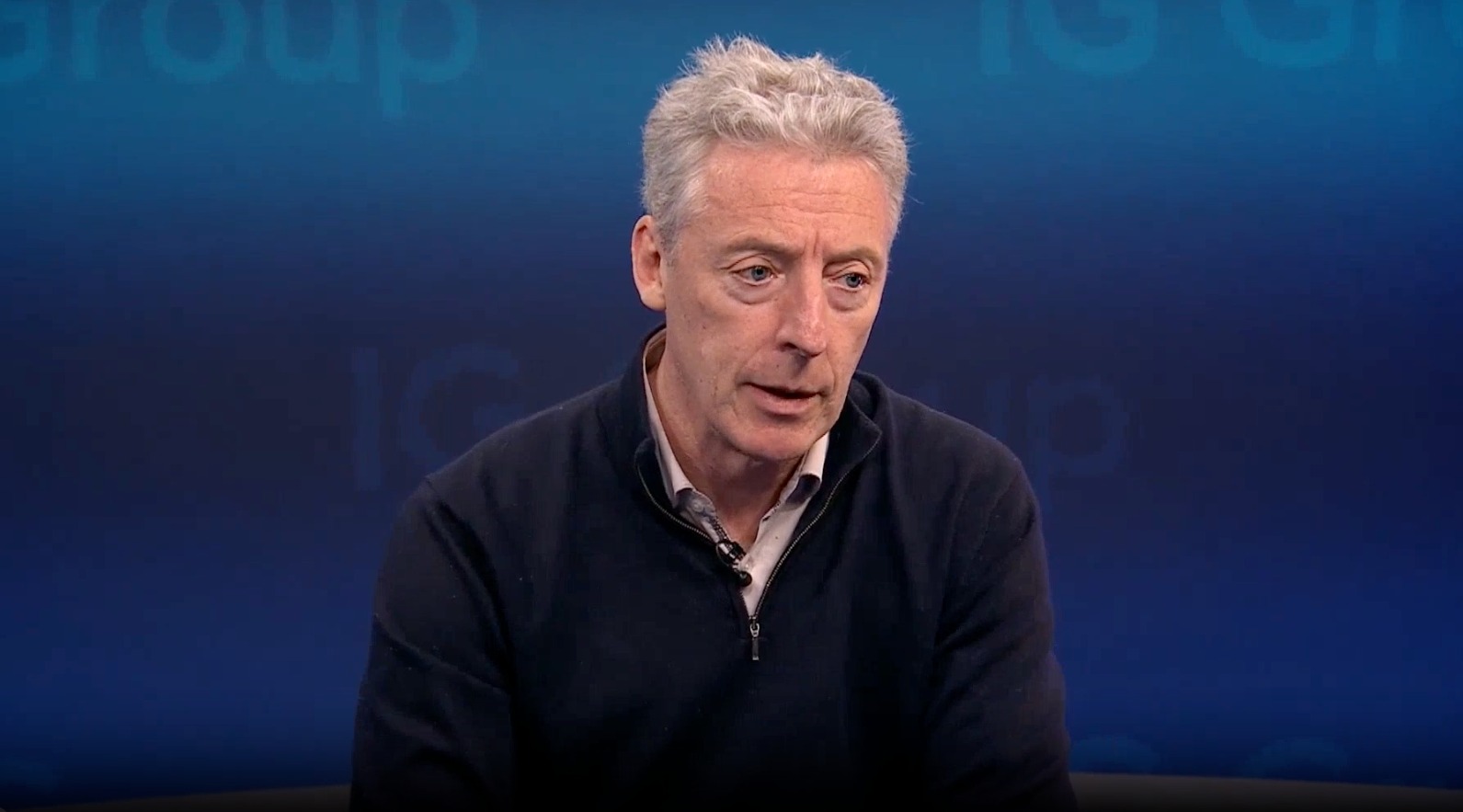
Noel Quinn, the Chief Executive of HSBC Group

HSBC has completed what it claims is the world's first trial using quantum key distribution (QKD) technology to protect highly sensitive financial data. The trial aimed to safeguard the data against potential future cyber attacks employing powerful quantum computers.

HSBC Completes Trial Using Quantum Technology to Protect Financial Data

The British bank utilized the QKD tool to secure a 30 million euro foreign exchange (FX) trade on its proprietary trading platform using artificial intelligence (AI). QKD uses quantum physics principles to distribute encryption keys securely between parties. These quantum keys can then encrypt sensitive data transmissions.

HSBC collaborated on the project with UK telecom provider BT, Toshiba, and Amazon Web Services. BT supplied the quantum network, Toshiba provided QKD devices, and Amazon assisted with cloud support.

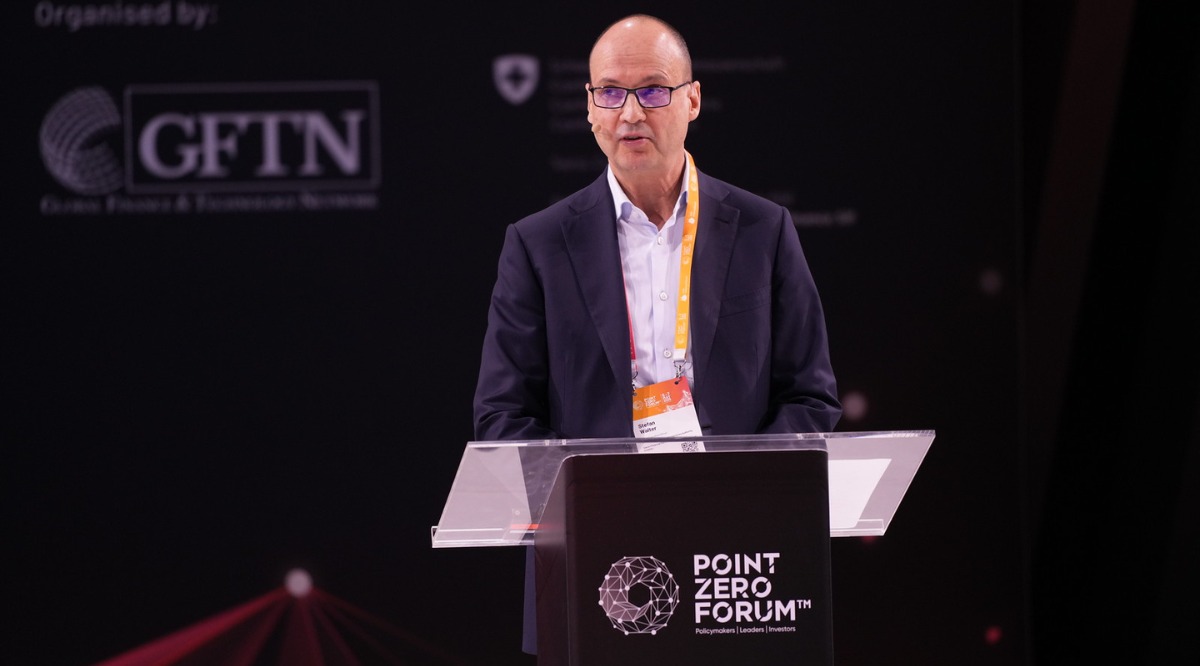
"While we take the view that we are some distance away from quantum computers being able to break traditional encryption, the time to prepare for this is now," Colin Bell, the CEO of HSBC Europe, told Reuters.

According to Andrew Shields at Toshiba, the successful trial marks an important advancement demonstrating QKD's commercial viability on existing fiber optic networks. HSBC plans to potentially integrate the AI-based platform into certain trading systems to bolster FX data security.

The move comes just a few weeks after the banking giant joined Broadridge's newly launched distributed ledger repo platform.

Quantum Computers' Threats to FX Trading

Although practical quantum computing attacks could still be years away, HSBC views QKD as a prudent precaution against future cyber threats. The technology currently remains prohibitively expensive for many end users. Nonetheless, financial institutions like HSBC aim to prepare their systems for the quantum computing age.

The exponentially greater processing capacity of quantum computers could pose a significant threat, as it may empower criminals to breach current encryption methods. This may enable them to steal confidential financial data and access sensitive currency transactions on proprietary platforms. The ability to decrypt once-secure data transmissions grants hackers invaluable visibility into banks' trading strategies and positions.

Armed with such insider information, malicious actors could manipulate exchange rates through targeted interventions. They may unfairly profit by exploiting their exclusive access to data on upcoming trades. More advanced algorithms running on quantum computers could also detect obscure arbitrage opportunities before others. This provides additional ways for select players to destabilize FX markets.

Furthermore, the prohibitive costs of transitioning to quantum-secure systems may concentrate power among large financial institutions. This could undermine fair competition in currency trading by restricting smaller participants' access to the latest quantum-resistant tools. On top of that, the investment required to shield critical systems could also raise banks' infrastructure expenses.

HSBC has completed what it claims is the world's first trial using quantum key distribution (QKD) technology to protect highly sensitive financial data. The trial aimed to safeguard the data against potential future cyber attacks employing powerful quantum computers.

HSBC Completes Trial Using Quantum Technology to Protect Financial Data

The British bank utilized the QKD tool to secure a 30 million euro foreign exchange (FX) trade on its proprietary trading platform using artificial intelligence (AI). QKD uses quantum physics principles to distribute encryption keys securely between parties. These quantum keys can then encrypt sensitive data transmissions.

HSBC collaborated on the project with UK telecom provider BT, Toshiba, and Amazon Web Services. BT supplied the quantum network, Toshiba provided QKD devices, and Amazon assisted with cloud support.

"While we take the view that we are some distance away from quantum computers being able to break traditional encryption, the time to prepare for this is now," Colin Bell, the CEO of HSBC Europe, told Reuters.

According to Andrew Shields at Toshiba, the successful trial marks an important advancement demonstrating QKD's commercial viability on existing fiber optic networks. HSBC plans to potentially integrate the AI-based platform into certain trading systems to bolster FX data security.

The move comes just a few weeks after the banking giant joined Broadridge's newly launched distributed ledger repo platform.

Quantum Computers' Threats to FX Trading

Although practical quantum computing attacks could still be years away, HSBC views QKD as a prudent precaution against future cyber threats. The technology currently remains prohibitively expensive for many end users. Nonetheless, financial institutions like HSBC aim to prepare their systems for the quantum computing age.

The exponentially greater processing capacity of quantum computers could pose a significant threat, as it may empower criminals to breach current encryption methods. This may enable them to steal confidential financial data and access sensitive currency transactions on proprietary platforms. The ability to decrypt once-secure data transmissions grants hackers invaluable visibility into banks' trading strategies and positions.

Armed with such insider information, malicious actors could manipulate exchange rates through targeted interventions. They may unfairly profit by exploiting their exclusive access to data on upcoming trades. More advanced algorithms running on quantum computers could also detect obscure arbitrage opportunities before others. This provides additional ways for select players to destabilize FX markets.

Furthermore, the prohibitive costs of transitioning to quantum-secure systems may concentrate power among large financial institutions. This could undermine fair competition in currency trading by restricting smaller participants' access to the latest quantum-resistant tools. On top of that, the investment required to shield critical systems could also raise banks' infrastructure expenses.
About the Author: Damian Chmiel
Damian Chmiel
  • 3352 Articles
  • 105 Followers
Damian Chmiel is a Senior Analyst & Editor at Finance Magnates with more than 15 years of experience in the CFD and online trading industry. Active as both a trader and journalist since 2010, he focuses on broker coverage, fintech innovation, and regulatory developments across Europe, the Middle East, and Asia. His work includes interviews with C-level leaders at major brokerages and fintech platforms, as well as co-authoring Finance Magnates’ quarterly industry benchmarking reports. Damian’s reporting is data-driven, market-aware, and grounded in direct industry engagement. His analysis and commentary have also been cited by external media outlets, including Investing.com, Binance, The Asset, Stockhead, and Dispatch. Education: MA in Finance and Accounting, Cracow University of Economics

More from the Author

Institutional FX