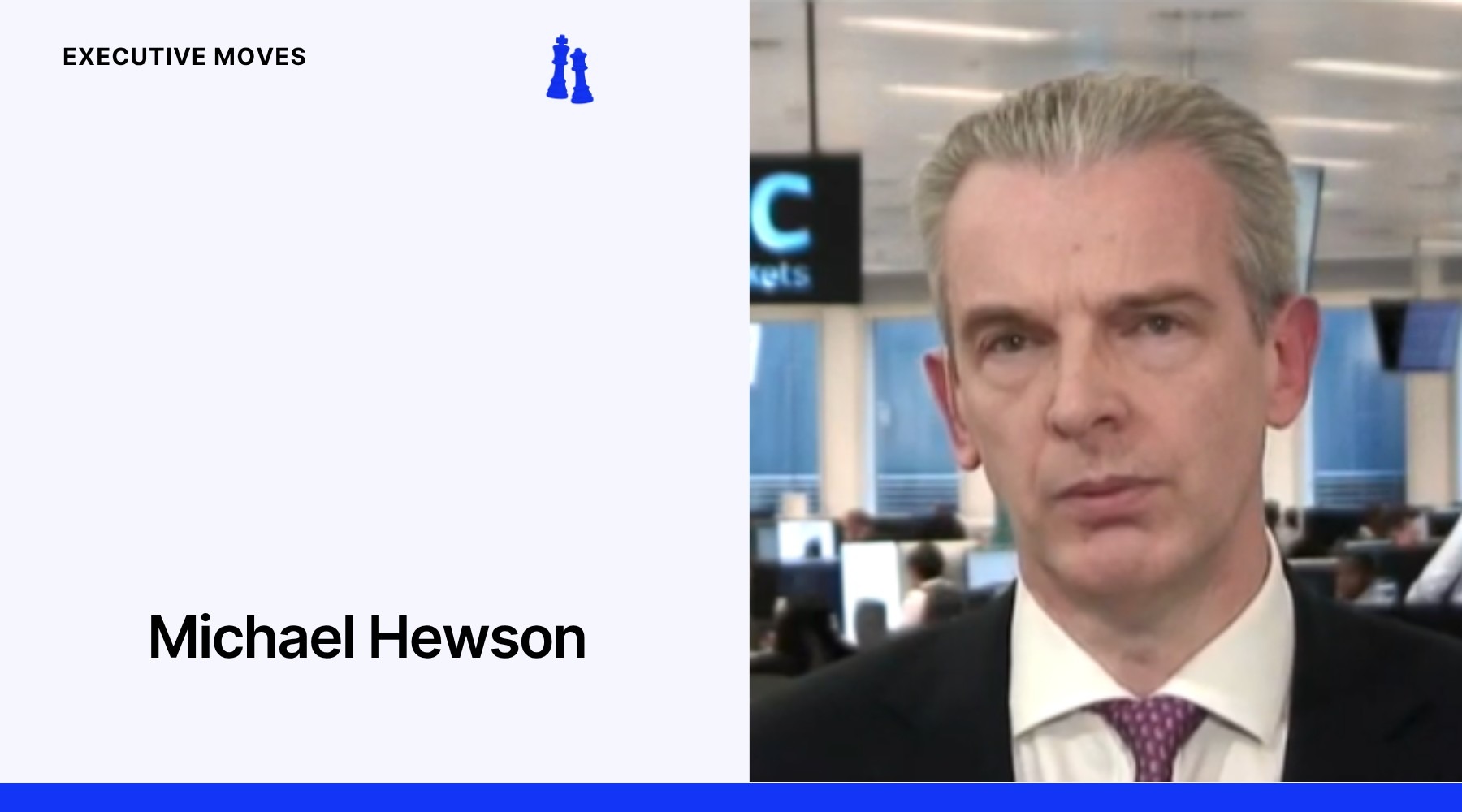
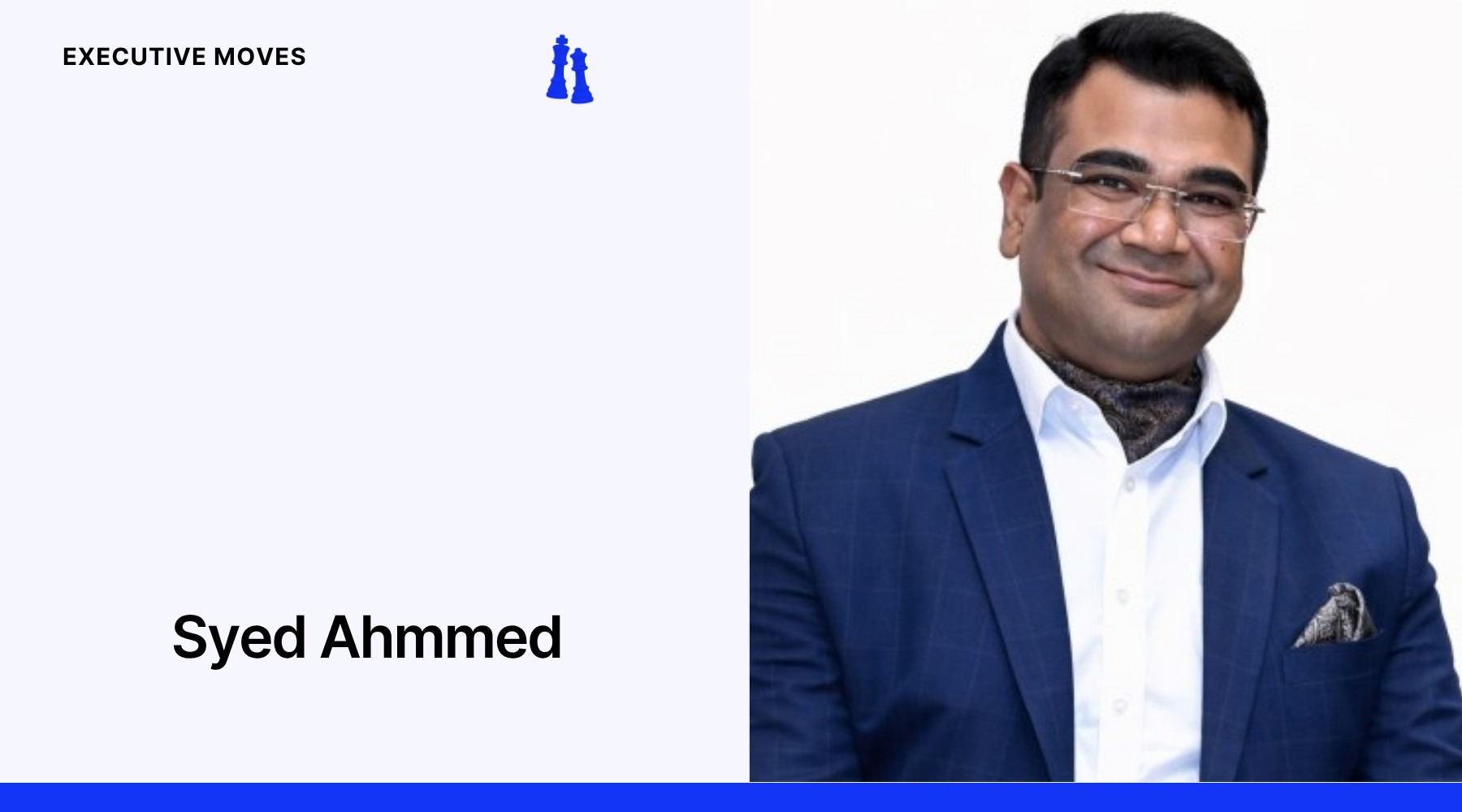
XTB strengthened its Middle East presence with a new Dubai office, while CMC Markets expanded to Bermuda after securing the regional regulatory license.
Meanwhile, Italy's financial space is changing, with new trends in the country's population shifting towards trading and investing.
Revolut is targeting young traders with a new crypto app, taking on Binance and Coinbase
Notably, the Israeli-based fintech giant also plans to introduce new services, including securities lending, to “expand existing recurring revenue sources.” If everything goes according to plan, it will be listed on the Nasdaq Global Select Market under the ticker symbol “ETOR.”
The latest SEC filing revealed that eToro is not badly off financially after all. By the end of 2024, it collected a total commission of $931 million, a yearly rise of 45.6%. Its net income jumped to $192 million in 2024, compared to $15.3 million in 2023 and a loss of $21 million in 2022.
Founded in 1995, Mehta Equities offers brokerage services for futures, options, and cash equities, portfolio management, investment banking, and custodian services. It holds memberships with major Indian exchanges, including the National Stock Exchange, Bombay Stock Exchange, and Multi Commodity Exchange.
“Dubai’s financial ecosystem is one of the most attractive in the world, and this regulatory approval allows us to reach out to the vast client base within the UAE, backed by full compliance with UAE regulations,” said the CEO of ICM.com, Shoaib Abedi, who further pointed out that the new license is part of the broker’s “global expansion strategy.”
Are Brokers and Prop Firms “Trading Trust”?
Away from the search for new opportunities, this week, we continued with our weeks-long series of Trustpilot saga and the review war rooms. Traders are increasingly valuing peer reviews over polished marketing, and firms are now under pressure to maintain strong ratings and swiftly address criticism.
Many firms have gone as far as assigning dedicated teams to respond to complaints and protect their public image—all while flaunting their Trustpilot Score, or TrustScore, as a signal of trustworthiness.
"Dealing with our Trustpilot profile became ridiculously time and resource-consuming," admitted one broker, "but we don't really have a choice."
Is Italy the Next CFD Hotspot?
Change is in the air for Italy’s financial sector, with investors showing a new appetite for risk. Italy’s financial landscape is buzzing. In a country of roughly 59 million people long known for its traditionally risk-averse investors, a visible transformation is underway in the trading and investment scene.
Italy is not particularly prominent among the most prominent global financial markets compared to Asia, North America, or even other European nations.
Nevertheless, over the last few years, the habits and trends of the Italian population towards trading and investing have been changing, showing clear signs of strength and growth, which could shape the Italian CFD industry over the coming decades.
Even as Italy experiences a quiet financial revolution, new research suggests that retail investors are becoming increasingly sophisticated and are playing a growing role in global capital markets, fighting the “dumb money” myth. The analysis by eToro has challenged the notion that individual investors are prone to impulsive and emotionally driven trading decisions.
More Companies Are Expanding Their Crypto Offerings
After launching a dedicated crypto trading platform for UK users last year, Revolut has expanded the offering with a new trading app, Revolut X. The move has positioned the fintech giant as a direct competitor to major exchanges like Binance and Coinbase. Revolut X, initially available to UK retail traders, offers over 100 cryptocurrencies, including Bitcoin.
At the same time, Interactive Brokers added four new cryptocurrencies to its trading platform: Solana (SOL), Cardano (ADA), Ripple (XRP), and Dogecoin (DOGE). The company's clients can now trade eight cryptocurrencies, including Bitcoin (BTC), Ethereum (ETH), Litecoin (LTC), and Bitcoin Cash (BCH).
The competition for crypto offerings extends beyond the financial sector. GameStop is also betting on Bitcoin to level up its balance sheet. Besides, GameStop has been angling toward a broader tech transformation for a while. It previously dipped its toes into NFTs and hired e-commerce veterans from Amazon and Chewy.
Robinhood Targets Traditional Banks
As everyone scrambles for a piece of the fintech space, Robinhood is reaching out to the traditional banking space. The cmpany, which disrupted the brokerage industry with its commission-free model, will roll out “checking and savings accounts with premium benefits” later this year, but only for its “Gold” subscribers, who pay a $5 monthly or $50 annual subscription fee.
“You get these incredible products, you get really high interest rates,” Deepak Rao, Vice President and General Manager of Robinhood Money, told Bloomberg in an interview. “Why don’t we do that but give it to everybody?”
klarna IPO Buzz
Bringing our news roundup to an end, With Klarna’s IPO on the horizon and a major DoorDash deal in its pocket, the BNPL leader is stirring hope for more fintech listings, including Ebury. Klarna, the Swedish Buy Now, Pay Later (BNPL) giant, has long been a disruptor in the payments industry, offering flexible installment plans to consumers who’d rather stretch their spending than face the harsh reality of credit card debt.
Notably, the Israeli-based fintech giant also plans to introduce new services, including securities lending, to “expand existing recurring revenue sources.” If everything goes according to plan, it will be listed on the Nasdaq Global Select Market under the ticker symbol “ETOR.”
The latest SEC filing revealed that eToro is not badly off financially after all. By the end of 2024, it collected a total commission of $931 million, a yearly rise of 45.6%. Its net income jumped to $192 million in 2024, compared to $15.3 million in 2023 and a loss of $21 million in 2022.
Founded in 1995, Mehta Equities offers brokerage services for futures, options, and cash equities, portfolio management, investment banking, and custodian services. It holds memberships with major Indian exchanges, including the National Stock Exchange, Bombay Stock Exchange, and Multi Commodity Exchange.
“Dubai’s financial ecosystem is one of the most attractive in the world, and this regulatory approval allows us to reach out to the vast client base within the UAE, backed by full compliance with UAE regulations,” said the CEO of ICM.com, Shoaib Abedi, who further pointed out that the new license is part of the broker’s “global expansion strategy.”
Are Brokers and Prop Firms “Trading Trust”?
Away from the search for new opportunities, this week, we continued with our weeks-long series of Trustpilot saga and the review war rooms. Traders are increasingly valuing peer reviews over polished marketing, and firms are now under pressure to maintain strong ratings and swiftly address criticism.
Many firms have gone as far as assigning dedicated teams to respond to complaints and protect their public image—all while flaunting their Trustpilot Score, or TrustScore, as a signal of trustworthiness.
"Dealing with our Trustpilot profile became ridiculously time and resource-consuming," admitted one broker, "but we don't really have a choice."
Is Italy the Next CFD Hotspot?
Change is in the air for Italy’s financial sector, with investors showing a new appetite for risk. Italy’s financial landscape is buzzing. In a country of roughly 59 million people long known for its traditionally risk-averse investors, a visible transformation is underway in the trading and investment scene.
Italy is not particularly prominent among the most prominent global financial markets compared to Asia, North America, or even other European nations.
Nevertheless, over the last few years, the habits and trends of the Italian population towards trading and investing have been changing, showing clear signs of strength and growth, which could shape the Italian CFD industry over the coming decades.
Even as Italy experiences a quiet financial revolution, new research suggests that retail investors are becoming increasingly sophisticated and are playing a growing role in global capital markets, fighting the “dumb money” myth. The analysis by eToro has challenged the notion that individual investors are prone to impulsive and emotionally driven trading decisions.
More Companies Are Expanding Their Crypto Offerings
After launching a dedicated crypto trading platform for UK users last year, Revolut has expanded the offering with a new trading app, Revolut X. The move has positioned the fintech giant as a direct competitor to major exchanges like Binance and Coinbase. Revolut X, initially available to UK retail traders, offers over 100 cryptocurrencies, including Bitcoin.
At the same time, Interactive Brokers added four new cryptocurrencies to its trading platform: Solana (SOL), Cardano (ADA), Ripple (XRP), and Dogecoin (DOGE). The company's clients can now trade eight cryptocurrencies, including Bitcoin (BTC), Ethereum (ETH), Litecoin (LTC), and Bitcoin Cash (BCH).
The competition for crypto offerings extends beyond the financial sector. GameStop is also betting on Bitcoin to level up its balance sheet. Besides, GameStop has been angling toward a broader tech transformation for a while. It previously dipped its toes into NFTs and hired e-commerce veterans from Amazon and Chewy.
Robinhood Targets Traditional Banks
As everyone scrambles for a piece of the fintech space, Robinhood is reaching out to the traditional banking space. The cmpany, which disrupted the brokerage industry with its commission-free model, will roll out “checking and savings accounts with premium benefits” later this year, but only for its “Gold” subscribers, who pay a $5 monthly or $50 annual subscription fee.
“You get these incredible products, you get really high interest rates,” Deepak Rao, Vice President and General Manager of Robinhood Money, told Bloomberg in an interview. “Why don’t we do that but give it to everybody?”
klarna IPO Buzz
Bringing our news roundup to an end, With Klarna’s IPO on the horizon and a major DoorDash deal in its pocket, the BNPL leader is stirring hope for more fintech listings, including Ebury. Klarna, the Swedish Buy Now, Pay Later (BNPL) giant, has long been a disruptor in the payments industry, offering flexible installment plans to consumers who’d rather stretch their spending than face the harsh reality of credit card debt.
Jared Kirui is an Editor at Finance Magnates with more than five years of experience in financial journalism. He covers online trading, fintech, payments, and crypto industries with a focus on companies, regulation and compliance, executive moves, trading technology, and market analysis.
His work has been featured in other media outlets, including Benzinga, ZyCrypto, The Distributed, and The Daily Hodl.
Education:
Bachelor of Commerce degree (Finance option), University of Nairobi
Retail Traders Can Now Access Prediction Markets Through Binance Wallet
FP Markets Winner Spotlight 🏆 | Global Broker of the Year 2025 #Trading #Broker #Innovation #Shorts
FP Markets Winner Spotlight 🏆 | Global Broker of the Year 2025 #Trading #Broker #Innovation #Shorts
FP Markets takes the spotlight as Global Broker of the Year 2025 at the Finance Magnates Awards.
Martin Stoilov, Head of Client Experience, shares that trust, innovation, and people played a key role in the company’s success, supported by a strong foundation of integrity and client-centricity.
Following this milestone, FP Markets continues to focus on growth, technology investment, and its core values of transparency and excellence.
👉 Be part of FM Awards 2026: https://awards.financemagnates.com/#nominate
FP Markets takes the spotlight as Global Broker of the Year 2025 at the Finance Magnates Awards.
Martin Stoilov, Head of Client Experience, shares that trust, innovation, and people played a key role in the company’s success, supported by a strong foundation of integrity and client-centricity.
Following this milestone, FP Markets continues to focus on growth, technology investment, and its core values of transparency and excellence.
👉 Be part of FM Awards 2026: https://awards.financemagnates.com/#nominate
In this video, we review @HolaPrimeMarketsOfficial, a multi-asset forex and CFDs broker offering different account types, trading platforms, and flexible trading conditions.
We cover the broker’s overall offering, including account options, trading environment, platforms like MT4 and MT5, and additional services such as managed accounts and fast withdrawals.
Watch the full video to see if Hola Prime Markets fits your trading needs.
📣 Stay up to date with the latest in finance and trading. Follow Finance Magnates for industry news, insights, and global event coverage.
Connect with us:
🔗 LinkedIn: /financemagnates
👍 Facebook: /financemagnates
📸 Instagram: https://www.instagram.com/financemagnates
🐦 X: https://x.com/financemagnates
🎥 TikTok: https://www.tiktok.com/tag/financemagnates
▶️ YouTube: /@financemagnates_official
#HolaPrime #ForexBroker #CFDTrading #FinanceMagnates #Trading #Forex #BrokerReview
In this video, we review @HolaPrimeMarketsOfficial, a multi-asset forex and CFDs broker offering different account types, trading platforms, and flexible trading conditions.
We cover the broker’s overall offering, including account options, trading environment, platforms like MT4 and MT5, and additional services such as managed accounts and fast withdrawals.
Watch the full video to see if Hola Prime Markets fits your trading needs.
📣 Stay up to date with the latest in finance and trading. Follow Finance Magnates for industry news, insights, and global event coverage.
Connect with us:
🔗 LinkedIn: /financemagnates
👍 Facebook: /financemagnates
📸 Instagram: https://www.instagram.com/financemagnates
🐦 X: https://x.com/financemagnates
🎥 TikTok: https://www.tiktok.com/tag/financemagnates
▶️ YouTube: /@financemagnates_official
#HolaPrime #ForexBroker #CFDTrading #FinanceMagnates #Trading #Forex #BrokerReview
Hola Prime Review: What You Need to Know | Full Breakdown by Finance Magnates
Hola Prime Review: What You Need to Know | Full Breakdown by Finance Magnates
In this video, we review @HolaPrime_Global, a proprietary trading firm offering evaluation programs and performance-based payouts in simulated market environments.
We cover how the challenge model works, including account types, profit splits (up to 95%), trading rules, and what it takes to reach a funded account. You’ll also learn about available platforms like MT4, MT5, cTrader, and more, along with insights into payouts, support, and trading conditions.
Watch the full video to see if Hola Prime fits your trading style.
📣 Stay up to date with the latest in finance and trading. Follow Finance Magnates for industry news, insights, and global event coverage.
Connect with us:
🔗 LinkedIn: /financemagnates
👍 Facebook: /financemagnates
📸 Instagram: https://www.instagram.com/financemagnates
🐦 X: https://x.com/financemagnates
🎥 TikTok: https://www.tiktok.com/tag/financemagnates
▶️ YouTube: /@financemagnates_official
#HolaPrime #PropFirm #Trading #FinanceMagnates #Forex #FuturesTrading #TradingReview #PropFirmReview
In this video, we review @HolaPrime_Global, a proprietary trading firm offering evaluation programs and performance-based payouts in simulated market environments.
We cover how the challenge model works, including account types, profit splits (up to 95%), trading rules, and what it takes to reach a funded account. You’ll also learn about available platforms like MT4, MT5, cTrader, and more, along with insights into payouts, support, and trading conditions.
Watch the full video to see if Hola Prime fits your trading style.
📣 Stay up to date with the latest in finance and trading. Follow Finance Magnates for industry news, insights, and global event coverage.
Connect with us:
🔗 LinkedIn: /financemagnates
👍 Facebook: /financemagnates
📸 Instagram: https://www.instagram.com/financemagnates
🐦 X: https://x.com/financemagnates
🎥 TikTok: https://www.tiktok.com/tag/financemagnates
▶️ YouTube: /@financemagnates_official
#HolaPrime #PropFirm #Trading #FinanceMagnates #Forex #FuturesTrading #TradingReview #PropFirmReview
Axi Winner Spotlight 🏆 | Global Most Innovative Broker 2025 #Innovation #Trading #Fintech #Broker
Axi Winner Spotlight 🏆 | Global Most Innovative Broker 2025 #Innovation #Trading #Fintech #Broker
Axi takes the spotlight at the Finance Magnates Awards, winning Global Most Innovative Broker 2025.
Olivia Xenofontos and Ivanna Openko share how the team will feel: proud, motivated, and ready to keep delivering.
They also describe the night as well-organized, focused, and enjoyable for all.
👉 Be part of FM Awards 2026.
Axi takes the spotlight at the Finance Magnates Awards, winning Global Most Innovative Broker 2025.
Olivia Xenofontos and Ivanna Openko share how the team will feel: proud, motivated, and ready to keep delivering.
They also describe the night as well-organized, focused, and enjoyable for all.
👉 Be part of FM Awards 2026.
Recognition that matters.
Built on transparency.
Driven by the industry.
The Finance Magnates Awards 2026.
Nominations are now open.
🔗 https://awards.financemagnates.com/?utm_source=SM&utm_medium=social&utm_campaign=recognition-matters
Recognition that matters.
Built on transparency.
Driven by the industry.
The Finance Magnates Awards 2026.
Nominations are now open.
🔗 https://awards.financemagnates.com/?utm_source=SM&utm_medium=social&utm_campaign=recognition-matters