

London-listed shares of Trustpilot, whose ratings are often advertised by brokers and prop trading firms, have fallen about 30 per cent after short seller Grizzly Research alleged that the review platform is running a “mafia-style extortion” campaign to pressure businesses into buying subscriptions to improve their ratings.
Read more: Trustpilot’s Reputation Casino – Are Brokers and Props Playing or Getting Played?
The Questionable Business Model of Trustpilot
The latest allegations by the US-based Grizzly came in a 43-page report, as the company shorted the London-listed stock of Trustpilot.
“Many described bullying tactics reminiscent of a bad 1990s mob movie,” the short seller noted in its report. “This appears to be Trustpilot’s core sales strategy.”
“Many business owners give in to Trustpilot and subscribe to premium services, believing they are purchasing 5-star reviews to outweigh the negative ones allowed on the site,” Grizzly continued.
- Trustpilot, Fake Reviews, and the Complicated Truth About Transparency
- Trustpilot or Bust: Why Brokers and Prop Firms Are Going All-In on Review War Rooms
- Trustpilot Did It Again: Removed “Fake” Reviews of 12-Year-Old Prop Firm AudaCity Capital
“A Platform to Attract Bad Reviews, and Customers Must Pay to Reduce the Bad Reviews”
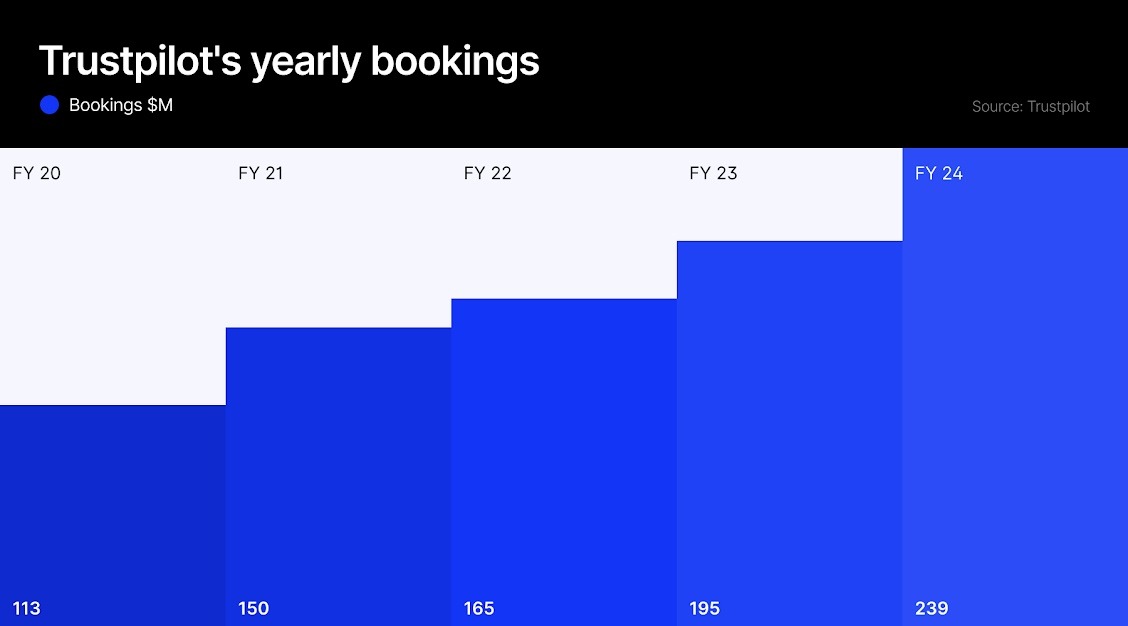
Trustpilot generates revenue by selling subscriptions to companies on its platform, which also enables them to monitor and interact with their customers. The review platform also has a high net dollar retention rate, as companies listed need positive validation from their customer base to attract new customers.
In the retail trading industry, Trustpilot reviews are often regarded as one of the top signs of trust. CFD brokers and prop firms even have dedicated teams in place to handle reviews on their Trustpilot page and other social media platforms.
For prop firms, which are not regulated as financial service providers, Trustpilot ratings also bring a sense of authenticity. These firms, along with many brokers, even advertise their Trustpilot scores, if high enough, on their website homepage.
The Grizzly report also challenged the authenticity of Trustpilot reviews, alleging that the platform had either challenged or removed genuine negative reviews from its subscribers while allowing fake positive reviews to remain.
FinanceMagnates.com had earlier also exposed several websites selling fake Trustpilot reviews. While the price of one fake review was around $10, a bulk order of 2,000 reviews would cost about $7,500. One such platform even claimed to have 20,000 Trustpilot profiles, each created from unique devices and IP addresses of real users worldwide to bypass the Trustpilot authentication checker.
Trustpilot even removed and flagged the accounts of many prop trading platforms for displaying fake reviews, claiming that it has “zero tolerance” for such practices.
Although the review platform says it is using AI and removing millions of fake reviews, Grizzly alleged that “Trustpilot is either doing a very bad job at policing their website or is wilfully negligent when convenient.”
“We believe Trustpilot has created a platform to attract bad reviews, and customers must pay to reduce the bad reviews,” the short seller added. “This created a review system that only seems to express who pays Trustpilot.”
In a statement, Trustpilot said that the Grizzly report was “selective, misleading and framed to support a pre-determined narrative.”
“[The report] omits key context and publicly available facts, creating a false impression and shows a lack of understanding of how Trustpilot works,” the review platform stated.


