It follows President Trump's signing of the GENIUS Act, which established the first formal U.S. regulatory framework for stablecoin issuers.
The company also expanded its crypto offerings in March to include Bitcoin, Ethereum, and Ripple.
Stablecoins
Tastytrade has introduced instant stablecoin funding
for its brokerage accounts, allowing investors to deposit USDC, USDT, PYUSD,
and RLUSD anytime. The brokerage said the stablecoin option will help
reduce friction in moving funds across borders, particularly for traders
outside the United States.
In March, Tastytrade expanded its crypto offering in partnership with infrastructure provider Zero Hash, adding Bitcoin, Ethereum, Litecoin, Dogecoin, Solana, and Ripple. The platform also announced plans to add support for Pepe, Stellar, Tezos,
Sui, and Aptos.
Stablecoin Infrastructure Now Live on Tastytrade
Under the new setup, stablecoins are reportedly automatically
converted to U.S. dollars and swept into customer accounts using Zerohash’s
infrastructure. This eliminates the need for Tastytrade to manage crypto
custody or interact with blockchain systems directly.
The company said the offering is available globally
and will operate 24/7, removing bottlenecks caused by currency conversion,
banking hours, and multi-day settlement cycles. The new feature is powered by blockchain infrastructure
provider Zerohash.
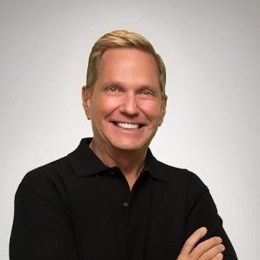
Peter Mulmat: Source LinkedIn
“The upside of stablecoin account funding is massive:
speed, simplicity, and global reach,” commented Pete Mulmat, CEO of IG North
America, the parent company of tastytrade. “We can now move money across
jurisdictions in seconds, cut out costly intermediaries, and offer a
frictionless experience for our customers around the world.”
Mulmat added that stablecoins could help meet the
needs of a market increasingly oriented toward continuous global trading. “In a
market that's moving towards 24/7 global trading, account funding shouldn't be
a barrier to getting started with trading,” he said.
Zerohash Expands Role in Stablecoin Adoption
Zerohash, which also supports stablecoin
infrastructure for firms such as Stripe, Kalshi, and Franklin Templeton, said
the partnership with Tastytrade reflects growing interest in blockchain rails
for financial services.
The move comes as brokerages and financial platforms
explore ways to streamline onboarding and eliminate reliance on slow and costly
legacy banking systems.
The law establishes clear definitions and oversight
for stablecoin issuers and is widely viewed as a stepping stone toward broader
cryptocurrency regulation.
Tastytrade has introduced instant stablecoin funding
for its brokerage accounts, allowing investors to deposit USDC, USDT, PYUSD,
and RLUSD anytime. The brokerage said the stablecoin option will help
reduce friction in moving funds across borders, particularly for traders
outside the United States.
In March, Tastytrade expanded its crypto offering in partnership with infrastructure provider Zero Hash, adding Bitcoin, Ethereum, Litecoin, Dogecoin, Solana, and Ripple. The platform also announced plans to add support for Pepe, Stellar, Tezos,
Sui, and Aptos.
Stablecoin Infrastructure Now Live on Tastytrade
Under the new setup, stablecoins are reportedly automatically
converted to U.S. dollars and swept into customer accounts using Zerohash’s
infrastructure. This eliminates the need for Tastytrade to manage crypto
custody or interact with blockchain systems directly.
The company said the offering is available globally
and will operate 24/7, removing bottlenecks caused by currency conversion,
banking hours, and multi-day settlement cycles. The new feature is powered by blockchain infrastructure
provider Zerohash.
Peter Mulmat: Source LinkedIn
“The upside of stablecoin account funding is massive:
speed, simplicity, and global reach,” commented Pete Mulmat, CEO of IG North
America, the parent company of tastytrade. “We can now move money across
jurisdictions in seconds, cut out costly intermediaries, and offer a
frictionless experience for our customers around the world.”
Mulmat added that stablecoins could help meet the
needs of a market increasingly oriented toward continuous global trading. “In a
market that's moving towards 24/7 global trading, account funding shouldn't be
a barrier to getting started with trading,” he said.
Zerohash Expands Role in Stablecoin Adoption
Zerohash, which also supports stablecoin
infrastructure for firms such as Stripe, Kalshi, and Franklin Templeton, said
the partnership with Tastytrade reflects growing interest in blockchain rails
for financial services.
The move comes as brokerages and financial platforms
explore ways to streamline onboarding and eliminate reliance on slow and costly
legacy banking systems.
The law establishes clear definitions and oversight
for stablecoin issuers and is widely viewed as a stepping stone toward broader
cryptocurrency regulation.
Jared Kirui is an Editor at Finance Magnates with more than five years of experience in financial journalism. He covers online trading, fintech, payments, and crypto industries with a focus on companies, regulation and compliance, executive moves, trading technology, and market analysis.
His work has been featured in other media outlets, including Benzinga, ZyCrypto, The Distributed, and The Daily Hodl.
Education:
Bachelor of Commerce degree (Finance option), University of Nairobi
Can Prop Trading Work Without Leverage? A Handful of Firms Are Finding Out
FP Markets Winner Spotlight 🏆 | Global Broker of the Year 2025 #Trading #Broker #Innovation #Shorts
FP Markets Winner Spotlight 🏆 | Global Broker of the Year 2025 #Trading #Broker #Innovation #Shorts
FP Markets takes the spotlight as Global Broker of the Year 2025 at the Finance Magnates Awards.
Martin Stoilov, Head of Client Experience, shares that trust, innovation, and people played a key role in the company’s success, supported by a strong foundation of integrity and client-centricity.
Following this milestone, FP Markets continues to focus on growth, technology investment, and its core values of transparency and excellence.
👉 Be part of FM Awards 2026: https://awards.financemagnates.com/#nominate
FP Markets takes the spotlight as Global Broker of the Year 2025 at the Finance Magnates Awards.
Martin Stoilov, Head of Client Experience, shares that trust, innovation, and people played a key role in the company’s success, supported by a strong foundation of integrity and client-centricity.
Following this milestone, FP Markets continues to focus on growth, technology investment, and its core values of transparency and excellence.
👉 Be part of FM Awards 2026: https://awards.financemagnates.com/#nominate
In this video, we review @HolaPrimeMarketsOfficial, a multi-asset forex and CFDs broker offering different account types, trading platforms, and flexible trading conditions.
We cover the broker’s overall offering, including account options, trading environment, platforms like MT4 and MT5, and additional services such as managed accounts and fast withdrawals.
Watch the full video to see if Hola Prime Markets fits your trading needs.
📣 Stay up to date with the latest in finance and trading. Follow Finance Magnates for industry news, insights, and global event coverage.
Connect with us:
🔗 LinkedIn: /financemagnates
👍 Facebook: /financemagnates
📸 Instagram: https://www.instagram.com/financemagnates
🐦 X: https://x.com/financemagnates
🎥 TikTok: https://www.tiktok.com/tag/financemagnates
▶️ YouTube: /@financemagnates_official
#HolaPrime #ForexBroker #CFDTrading #FinanceMagnates #Trading #Forex #BrokerReview
In this video, we review @HolaPrimeMarketsOfficial, a multi-asset forex and CFDs broker offering different account types, trading platforms, and flexible trading conditions.
We cover the broker’s overall offering, including account options, trading environment, platforms like MT4 and MT5, and additional services such as managed accounts and fast withdrawals.
Watch the full video to see if Hola Prime Markets fits your trading needs.
📣 Stay up to date with the latest in finance and trading. Follow Finance Magnates for industry news, insights, and global event coverage.
Connect with us:
🔗 LinkedIn: /financemagnates
👍 Facebook: /financemagnates
📸 Instagram: https://www.instagram.com/financemagnates
🐦 X: https://x.com/financemagnates
🎥 TikTok: https://www.tiktok.com/tag/financemagnates
▶️ YouTube: /@financemagnates_official
#HolaPrime #ForexBroker #CFDTrading #FinanceMagnates #Trading #Forex #BrokerReview
Hola Prime Review: What You Need to Know | Full Breakdown by Finance Magnates
Hola Prime Review: What You Need to Know | Full Breakdown by Finance Magnates
In this video, we review @HolaPrime_Global, a proprietary trading firm offering evaluation programs and performance-based payouts in simulated market environments.
We cover how the challenge model works, including account types, profit splits (up to 95%), trading rules, and what it takes to reach a funded account. You’ll also learn about available platforms like MT4, MT5, cTrader, and more, along with insights into payouts, support, and trading conditions.
Watch the full video to see if Hola Prime fits your trading style.
📣 Stay up to date with the latest in finance and trading. Follow Finance Magnates for industry news, insights, and global event coverage.
Connect with us:
🔗 LinkedIn: /financemagnates
👍 Facebook: /financemagnates
📸 Instagram: https://www.instagram.com/financemagnates
🐦 X: https://x.com/financemagnates
🎥 TikTok: https://www.tiktok.com/tag/financemagnates
▶️ YouTube: /@financemagnates_official
#HolaPrime #PropFirm #Trading #FinanceMagnates #Forex #FuturesTrading #TradingReview #PropFirmReview
In this video, we review @HolaPrime_Global, a proprietary trading firm offering evaluation programs and performance-based payouts in simulated market environments.
We cover how the challenge model works, including account types, profit splits (up to 95%), trading rules, and what it takes to reach a funded account. You’ll also learn about available platforms like MT4, MT5, cTrader, and more, along with insights into payouts, support, and trading conditions.
Watch the full video to see if Hola Prime fits your trading style.
📣 Stay up to date with the latest in finance and trading. Follow Finance Magnates for industry news, insights, and global event coverage.
Connect with us:
🔗 LinkedIn: /financemagnates
👍 Facebook: /financemagnates
📸 Instagram: https://www.instagram.com/financemagnates
🐦 X: https://x.com/financemagnates
🎥 TikTok: https://www.tiktok.com/tag/financemagnates
▶️ YouTube: /@financemagnates_official
#HolaPrime #PropFirm #Trading #FinanceMagnates #Forex #FuturesTrading #TradingReview #PropFirmReview
Axi Winner Spotlight 🏆 | Global Most Innovative Broker 2025 #Innovation #Trading #Fintech #Broker
Axi Winner Spotlight 🏆 | Global Most Innovative Broker 2025 #Innovation #Trading #Fintech #Broker
Axi takes the spotlight at the Finance Magnates Awards, winning Global Most Innovative Broker 2025.
Olivia Xenofontos and Ivanna Openko share how the team will feel: proud, motivated, and ready to keep delivering.
They also describe the night as well-organized, focused, and enjoyable for all.
👉 Be part of FM Awards 2026.
Axi takes the spotlight at the Finance Magnates Awards, winning Global Most Innovative Broker 2025.
Olivia Xenofontos and Ivanna Openko share how the team will feel: proud, motivated, and ready to keep delivering.
They also describe the night as well-organized, focused, and enjoyable for all.
👉 Be part of FM Awards 2026.
Recognition that matters.
Built on transparency.
Driven by the industry.
The Finance Magnates Awards 2026.
Nominations are now open.
🔗 https://awards.financemagnates.com/?utm_source=SM&utm_medium=social&utm_campaign=recognition-matters
Recognition that matters.
Built on transparency.
Driven by the industry.
The Finance Magnates Awards 2026.
Nominations are now open.
🔗 https://awards.financemagnates.com/?utm_source=SM&utm_medium=social&utm_campaign=recognition-matters