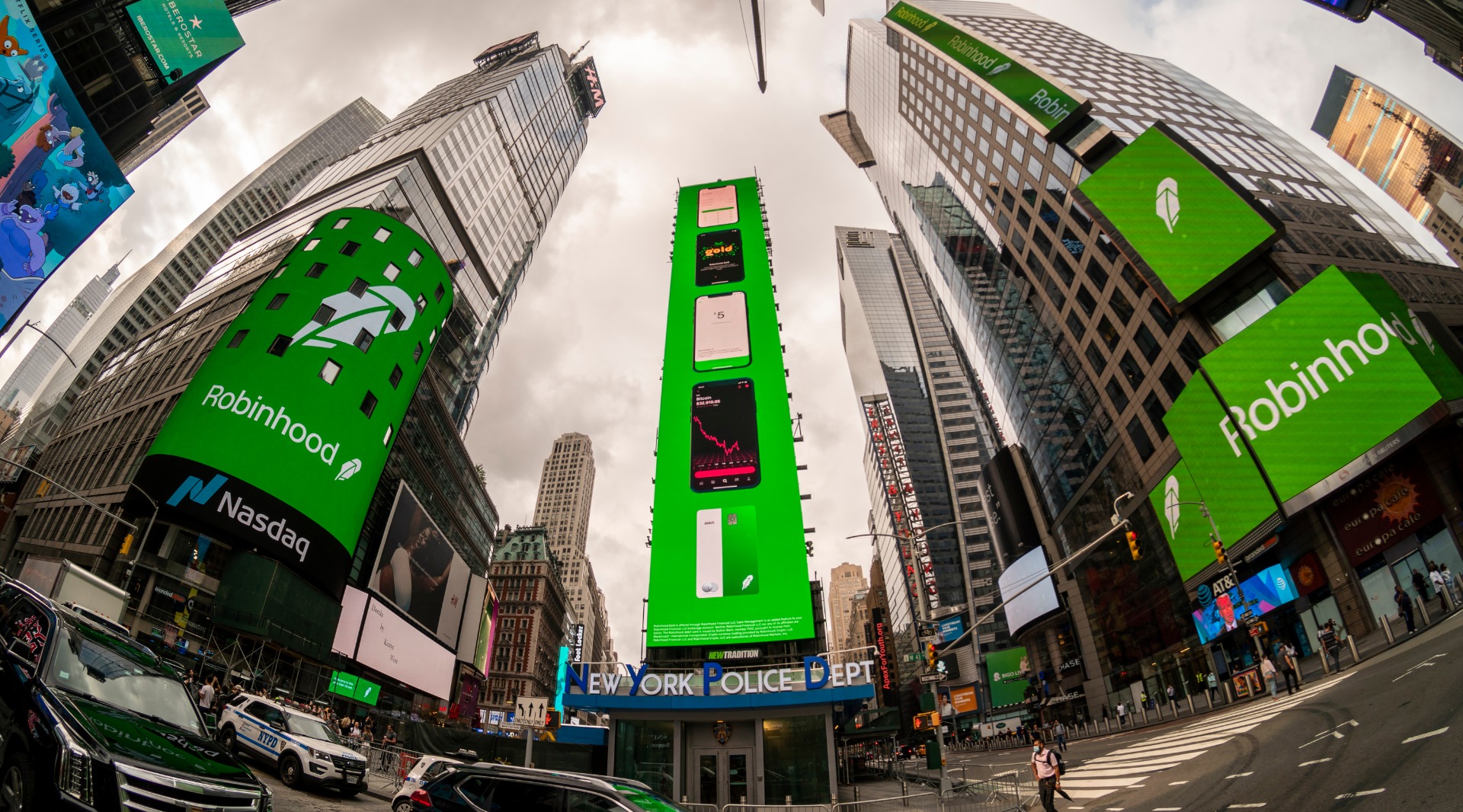
The US Department of the Treasury has tapped Robinhood, alongside BNY, to help bring “Trump Accounts” to life, a new, tax-advantaged savings scheme for children.
Singapore Summit: Meet the largest APAC brokers you know (and those you still don't!)
Under the arrangement, BNY will act as the financial agent, managing the accounts themselves, and Robinhood will supply the app design, technology infrastructure and customer service.
While Wall Street’s old guard will hold the assets, Silicon Valley’s disruptor will have a chance to shape the user experience.
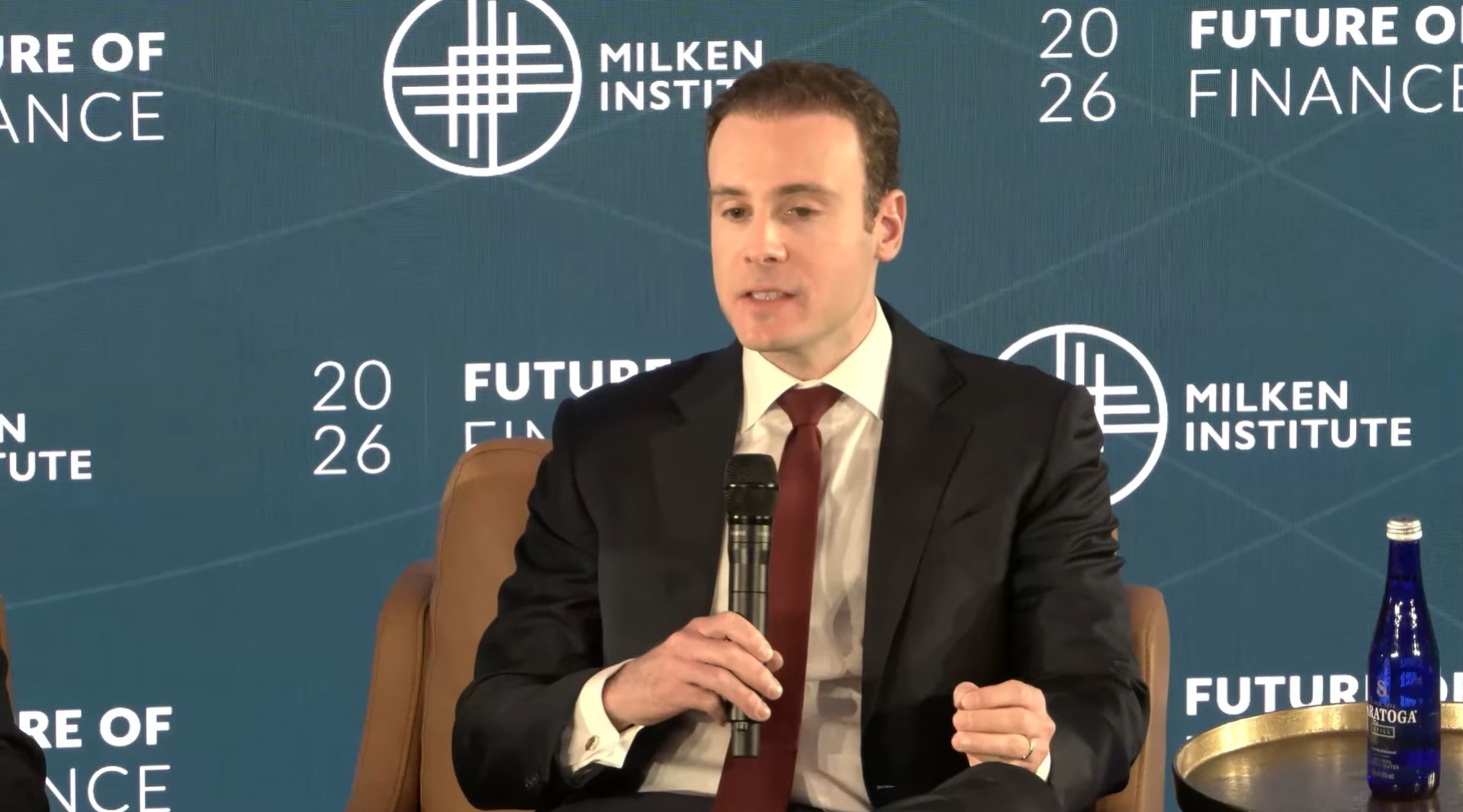
“Our mission has always been to democratize finance for all,” Vlad Tenev, Robinhood’s CEO, posted on X.
What Are “Trump Accounts”?
The scheme is, at least on paper, simple: Trump Accounts are custodial, tax-advantaged investment accounts for Americans under 18. Children born between 1 January 2025 and 31 December 2028 will receive a US$1,000 government contribution at birth.
Eligibility is restricted to US citizens.
The programme was established under President Trump’s characteristically named “One, Big, Beautiful Bill Act”, signed into law on 4 July.
Funds will be channelled into a suite of low-cost index funds.
The Treasury estimates that the initial US$1,000 contribution could grow to around US$500,000 or more by retirement age, assuming long-term market returns.
As with other custodial accounts, parents (or guardians) will call the shots on investment decisions until the child comes of age.
The US's Internal Revenue Service said that as of March 31, taxpayers had signed up more than 4 million children for Trump Accounts, and more than 1 million of those children were covered by elections for the Treasury’s US$1,000 pilot programme contribution.
What’s in It for Robinhood?
The announcement comes at a useful moment for the retail broker. In March 2026, it unveiled a US$1.5 billion share buyback programme to be executed over three years, aiming to bolster shareholder value after a 39% year-to-date decline in its share price.
- Robinhood Backs Itself With $1.5 Billion Share Buyback as Stock Declines
- Robinhood Tests Social Trading in the U.S., Trying Not to Upset Regulators
- Robinhood Moves into Wealth Management with Advisor Network Launch
Although the app will be a white-label product – devoid of Robinhood or BNY Mellon branding – in securing a federal contract, the retail broker gains institutional backing.
The Treasury’s endorsement may go some way towards muting past criticisms about “gamified” trading.
More subtly, the firm will be able to position itself for the long game.
By effectively pre-boarding a generation of future traders, Robinhood ensures that its interface, and, by extension, its brand logic, becomes second nature.
Teenagers raised on the app may find switching to Robinhood’s platform later oddly familiar.
Parents may also prove a receptive audience, giving Robinhood scope to broaden its customer base.
This fits into a wider push to broaden user engagement. The broker is beta-testing social features that allow users to share and discuss trades – albeit in a more controlled format – and is investing heavily in prediction markets, one of its fastest-growing business lines and a key pillar of its post-meme-stock strategy.
Nonetheless, the retail broker’s most recent win comes with a political caveat.
Programmes tied so closely to a sitting administration have a habit of ageing poorly when power changes hands. Should a future government take a dimmer view of Trump Accounts, Robinhood’s latest success could yet prove fleeting.