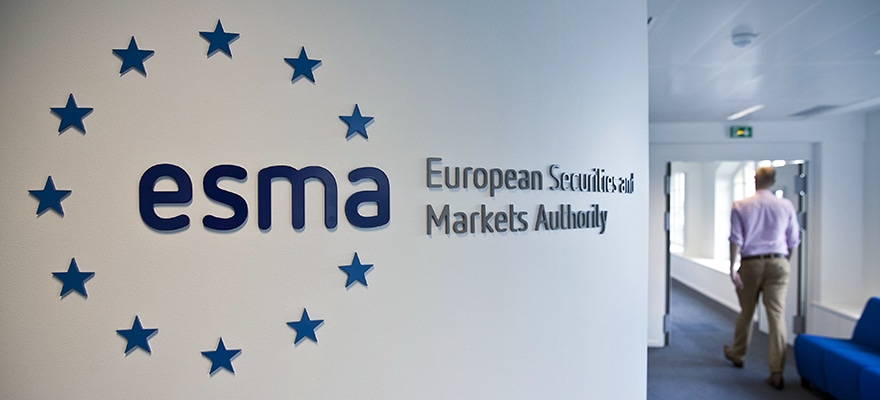
An emerging trend of regulatory focus in the United Kingdom is EMIR and MiFIR transaction reporting, illustrated by the prominent attention given to it in the FCA’s regular Market Watch publication. Since April 2019, transaction reporting has featured three times in the corporate regulator’s newsletter.
Common Errors - Market Watch 59
In its first feature, the FCA provides its observations on data quality and arrangements of market participants in their submission of trade reports. Market Watch 59 reminded market participants of their requirement to
Quinn Perrott, Co-CEO of TRAction
conduct regular reconciliation of front office trading records against data samples stressing “[f]irms should not assume that a report was accurate because it was accepted by the Market Data Processor, as business validation rules are not intended to identify all errors and omissions.”
Helpfully, the FCA outlined the main errors made by market participants, such as:
• Time – transactions should be reported in Coordinated Universal Time (UTC) – this ensures consistent and accurate reporting avoiding errors driven by inaccurate clock synchronisation.
• Price – where prices are reported in monetary value, major currency (e.g. pounds or dollars) should be populated and not the minor currency (e.g. pence and cents).
• Party identifiers – FCA noted a number of transactions where the LEI of corporate clients was not obtained and reported. Another observation from the regulator was the high number of generic ‘dummy’ identifiers used such as GBXX123456X.
• Instrument reference data – a high volume of transactions were rejected where the relevant instrument is not valid in the instrument reference data or was not traded on the trade date.
Page 2 of 5
In raising the errors and omissions detected, the FCA reminded market participants of their obligation to correct the information. The FCA were critical of some firms who identified errors and/or omissions in their transaction reports but failed to cancel, and resubmit corrected reports to the FCA contrary to MiFIR requirements.
Errors and More Errors
In Market Watch 62, the FCA put out its second iteration of transaction reporting errors. The FCA did report that many firms had taken steps to ensure that the common errors outlined were eliminated. Despite the improvement, the FCA still identified errors in price related fields, namely, the price currency was reported inconsistently with the currency in the ‘price’ field. Similar areas were additionally identified with inconsistencies between ‘price multiplier’ and ‘quantity’ or ‘price’ fields.
Market Watch 62 also identified reporting errors for unique national identifiers and the misuse of aggregate client account convention reporting. However, the key takeaway is FCA’s direction to not delay in submitting a notification to the FCA when the errors are identified.
Market Watch 65, published in September 2020, outlined the FCA’s concerns around a number of facets of transaction reporting which need attention by firms, including:
unreported transactions
immediate underlying
trading venue transaction identification codes
country of branch fields
systems and controls (including reconciliation with the FCA data)
late reports.
The FCA reminded market participants that where a data reporting service has indicated that it will stop providing a reporting service, affected firms must make necessary alternative arrangements. The comment seems to be directed to clients of CME, who are leaving the space.
“...firms and Approved Reporting Mechanisms should comply with the changes to their regulatory obligations by the end of the transition period on 31 December 2020. Firms that are not able to comply fully with the regime immediately following the end of the transition period will need to be able to back-report missing, incomplete or inaccurate transaction reports as soon as possible.”
CySEC has reported on its review of derivative transaction data, many of the areas of concern seen in the UK were also observed in CySEC Circular C356. These include:
Timing of Reporting;
Use of default trading time; and
Use of default price.
CySEC were at pains to remind all market participants of reporting obligations in the following circumstances:
The Reporting Entity will cancel erroneous reports and not resubmit them;
The Reporting Entity will cancel erroneous reports and resubmit them;
The Reporting Entity omitted to submit reports in due time (T+1);
A report was rejected and the Reporting Entity wishes to resubmit it after (T+1);
A transaction report was rejected and the Reporting Entity will not resubmit it.
Where one of these scenarios has occurred, the Reporting Entity must complete the prescribed form and submit it to CySEC with the subject line ‘Cancellations and Omissions Form’. The Cypriot regulator stressed that this must occur before taking remedial action.
What are the reportable details that the non-financial counterparty- should provide to the financial counterparty;
How the financial counterparty should proceed if the non-financial counterparty does not renew its LEI;
Page 4 of 5
How the financial counterparty should proceed if a non-financial counterparty that has been classified as a non-financial counterparty and changes its status to non-financial counterparty – and fails to timely inform the financial counterparty of this fact;
How financial counterparty and non-financial counterparty should proceed if they report to two different trade repositories.
Similarly, ESMA has also updated its EMIR question and answers, providing further guidance on the following:
The appropriate entry in the reference entity for credit derivatives whether the reference entity is a supranational, a sovereign or a municipality; andMIRanFIR
How the fields execution timestamp, effective date, maturity date and settlement date should be reported for Forward Rate Agreement derivatives (FRAs).
ESMA Issues Consultation Paper on Transaction Reporting
ESMA has published a Consultation Paper which proposes an overhaul of transaction reporting. The paper considers a range of issues, including:
A revision of the traded on trading venue (ToTV) concept;
The scope of indices as they relate to reporting obligations including the Benchmark Regulation;
Propounded to remove, or re-draft specific data elements that should be reported under the transaction reporting obligation; and
A reconciliation between EMIR and MiFIR reporting regimes with consideration of an EMIR refit.
Submissions for the consultation are due on or before 20 November 2020. In principle, the changes proposed seem appropriate, particularly the reforms around ToTV. The concept of ToTV is currently very confusing as a product becomes reportable not based on characteristics but because of a decision by a trading venue. For example, a whole index is reportable if just one constituent is ToTV. This can be quite excessive for large regional indices such as the ASX 200 which may contain one dual traded stock.
An emerging trend of regulatory focus in the United Kingdom is EMIR and MiFIR transaction reporting, illustrated by the prominent attention given to it in the FCA’s regular Market Watch publication. Since April 2019, transaction reporting has featured three times in the corporate regulator’s newsletter.
Common Errors - Market Watch 59
In its first feature, the FCA provides its observations on data quality and arrangements of market participants in their submission of trade reports. Market Watch 59 reminded market participants of their requirement to
Quinn Perrott, Co-CEO of TRAction
conduct regular reconciliation of front office trading records against data samples stressing “[f]irms should not assume that a report was accurate because it was accepted by the Market Data Processor, as business validation rules are not intended to identify all errors and omissions.”
Helpfully, the FCA outlined the main errors made by market participants, such as:
• Time – transactions should be reported in Coordinated Universal Time (UTC) – this ensures consistent and accurate reporting avoiding errors driven by inaccurate clock synchronisation.
• Price – where prices are reported in monetary value, major currency (e.g. pounds or dollars) should be populated and not the minor currency (e.g. pence and cents).
• Party identifiers – FCA noted a number of transactions where the LEI of corporate clients was not obtained and reported. Another observation from the regulator was the high number of generic ‘dummy’ identifiers used such as GBXX123456X.
• Instrument reference data – a high volume of transactions were rejected where the relevant instrument is not valid in the instrument reference data or was not traded on the trade date.
Page 2 of 5
In raising the errors and omissions detected, the FCA reminded market participants of their obligation to correct the information. The FCA were critical of some firms who identified errors and/or omissions in their transaction reports but failed to cancel, and resubmit corrected reports to the FCA contrary to MiFIR requirements.
Errors and More Errors
In Market Watch 62, the FCA put out its second iteration of transaction reporting errors. The FCA did report that many firms had taken steps to ensure that the common errors outlined were eliminated. Despite the improvement, the FCA still identified errors in price related fields, namely, the price currency was reported inconsistently with the currency in the ‘price’ field. Similar areas were additionally identified with inconsistencies between ‘price multiplier’ and ‘quantity’ or ‘price’ fields.
Market Watch 62 also identified reporting errors for unique national identifiers and the misuse of aggregate client account convention reporting. However, the key takeaway is FCA’s direction to not delay in submitting a notification to the FCA when the errors are identified.
Market Watch 65, published in September 2020, outlined the FCA’s concerns around a number of facets of transaction reporting which need attention by firms, including:
unreported transactions
immediate underlying
trading venue transaction identification codes
country of branch fields
systems and controls (including reconciliation with the FCA data)
late reports.
The FCA reminded market participants that where a data reporting service has indicated that it will stop providing a reporting service, affected firms must make necessary alternative arrangements. The comment seems to be directed to clients of CME, who are leaving the space.
“...firms and Approved Reporting Mechanisms should comply with the changes to their regulatory obligations by the end of the transition period on 31 December 2020. Firms that are not able to comply fully with the regime immediately following the end of the transition period will need to be able to back-report missing, incomplete or inaccurate transaction reports as soon as possible.”
CySEC has reported on its review of derivative transaction data, many of the areas of concern seen in the UK were also observed in CySEC Circular C356. These include:
Timing of Reporting;
Use of default trading time; and
Use of default price.
CySEC were at pains to remind all market participants of reporting obligations in the following circumstances:
The Reporting Entity will cancel erroneous reports and not resubmit them;
The Reporting Entity will cancel erroneous reports and resubmit them;
The Reporting Entity omitted to submit reports in due time (T+1);
A report was rejected and the Reporting Entity wishes to resubmit it after (T+1);
A transaction report was rejected and the Reporting Entity will not resubmit it.
Where one of these scenarios has occurred, the Reporting Entity must complete the prescribed form and submit it to CySEC with the subject line ‘Cancellations and Omissions Form’. The Cypriot regulator stressed that this must occur before taking remedial action.
What are the reportable details that the non-financial counterparty- should provide to the financial counterparty;
How the financial counterparty should proceed if the non-financial counterparty does not renew its LEI;
Page 4 of 5
How the financial counterparty should proceed if a non-financial counterparty that has been classified as a non-financial counterparty and changes its status to non-financial counterparty – and fails to timely inform the financial counterparty of this fact;
How financial counterparty and non-financial counterparty should proceed if they report to two different trade repositories.
Similarly, ESMA has also updated its EMIR question and answers, providing further guidance on the following:
The appropriate entry in the reference entity for credit derivatives whether the reference entity is a supranational, a sovereign or a municipality; andMIRanFIR
How the fields execution timestamp, effective date, maturity date and settlement date should be reported for Forward Rate Agreement derivatives (FRAs).
ESMA Issues Consultation Paper on Transaction Reporting
ESMA has published a Consultation Paper which proposes an overhaul of transaction reporting. The paper considers a range of issues, including:
A revision of the traded on trading venue (ToTV) concept;
The scope of indices as they relate to reporting obligations including the Benchmark Regulation;
Propounded to remove, or re-draft specific data elements that should be reported under the transaction reporting obligation; and
A reconciliation between EMIR and MiFIR reporting regimes with consideration of an EMIR refit.
Submissions for the consultation are due on or before 20 November 2020. In principle, the changes proposed seem appropriate, particularly the reforms around ToTV. The concept of ToTV is currently very confusing as a product becomes reportable not based on characteristics but because of a decision by a trading venue. For example, a whole index is reportable if just one constituent is ToTV. This can be quite excessive for large regional indices such as the ASX 200 which may contain one dual traded stock.
Quinn is Co-CEO and founder of TRAction and focuses on assisting clients in Europe, Asia and Australia to meet their regulatory requirements with trade and transaction reporting solutions as well as development of the best execution platform. With a background in IT, Quinn started in the financial markets as IT Manager for City Index. He then co-founded and worked as a General Manager at one of Australia’s largest margin FX and CFD providers. Quinn has provided educational sessions to Australia’s regulatory bodies in relation to operational aspects of derivatives and trading platforms.
TradeStation Opens Retail Access to CME Single-Stock Futures on 50+ Names
Featured Videos
Tradition Retail FX Revenue Rises; Ripple Expands Prime
Tradition Retail FX Revenue Rises; Ripple Expands Prime
Tradition Retail FX Revenue Rises; Ripple Expands Prime
Tradition Retail FX Revenue Rises; Ripple Expands Prime
Today’s financial news recap covers Tradition's retail FX revenue rises, Ripple Prime launches Total Return Swaps, and Webull HK unveils Vega AI.
Finance Magnates Daily Recap brings you the latest news from forex and CFD brokers, fintech, payments, cryptocurrency, digital assets, trading platforms, financial regulation and global markets.
Get the key company news, executive moves, deals, regulatory updates and market developments of the day, in just a few minutes. New episodes published every weekday.
Read more: https://www.financemagnates.com
#FinanceMagnates #ForexNews #FintechNews
Today’s financial news recap covers Tradition's retail FX revenue rises, Ripple Prime launches Total Return Swaps, and Webull HK unveils Vega AI.
Finance Magnates Daily Recap brings you the latest news from forex and CFD brokers, fintech, payments, cryptocurrency, digital assets, trading platforms, financial regulation and global markets.
Get the key company news, executive moves, deals, regulatory updates and market developments of the day, in just a few minutes. New episodes published every weekday.
Read more: https://www.financemagnates.com
#FinanceMagnates #ForexNews #FintechNews
Today’s financial news recap covers Tradition's retail FX revenue rises, Ripple Prime launches Total Return Swaps, and Webull HK unveils Vega AI.
Finance Magnates Daily Recap brings you the latest news from forex and CFD brokers, fintech, payments, cryptocurrency, digital assets, trading platforms, financial regulation and global markets.
Get the key company news, executive moves, deals, regulatory updates and market developments of the day, in just a few minutes. New episodes published every weekday.
Read more: https://www.financemagnates.com
#FinanceMagnates #ForexNews #FintechNews
Today’s financial news recap covers Tradition's retail FX revenue rises, Ripple Prime launches Total Return Swaps, and Webull HK unveils Vega AI.
Finance Magnates Daily Recap brings you the latest news from forex and CFD brokers, fintech, payments, cryptocurrency, digital assets, trading platforms, financial regulation and global markets.
Get the key company news, executive moves, deals, regulatory updates and market developments of the day, in just a few minutes. New episodes published every weekday.
Read more: https://www.financemagnates.com
#FinanceMagnates #ForexNews #FintechNews
Today’s financial news recap covers Plus500 starts another $100 million share buyback, Tiger Brokers reports record quarterly revenue, and MEXC's CEO questions 500-times leverage.
Finance Magnates Daily Recap brings you the latest news from forex and CFD brokers, fintech, payments, cryptocurrency, digital assets, trading platforms, financial regulation and global markets.
Get the key company news, executive moves, deals, regulatory updates and market developments of the day, in just a few minutes. New episodes published every weekday.
Read more: https://www.financemagnates.com
#FinanceMagnates #ForexNews #FintechNews
Today’s financial news recap covers Plus500 starts another $100 million share buyback, Tiger Brokers reports record quarterly revenue, and MEXC's CEO questions 500-times leverage.
Finance Magnates Daily Recap brings you the latest news from forex and CFD brokers, fintech, payments, cryptocurrency, digital assets, trading platforms, financial regulation and global markets.
Get the key company news, executive moves, deals, regulatory updates and market developments of the day, in just a few minutes. New episodes published every weekday.
Read more: https://www.financemagnates.com
#FinanceMagnates #ForexNews #FintechNews
Today’s financial news recap covers Plus500 starts another $100 million share buyback, Tiger Brokers reports record quarterly revenue, and MEXC's CEO questions 500-times leverage.
Finance Magnates Daily Recap brings you the latest news from forex and CFD brokers, fintech, payments, cryptocurrency, digital assets, trading platforms, financial regulation and global markets.
Get the key company news, executive moves, deals, regulatory updates and market developments of the day, in just a few minutes. New episodes published every weekday.
Read more: https://www.financemagnates.com
#FinanceMagnates #ForexNews #FintechNews
Today’s financial news recap covers Plus500 starts another $100 million share buyback, Tiger Brokers reports record quarterly revenue, and MEXC's CEO questions 500-times leverage.
Finance Magnates Daily Recap brings you the latest news from forex and CFD brokers, fintech, payments, cryptocurrency, digital assets, trading platforms, financial regulation and global markets.
Get the key company news, executive moves, deals, regulatory updates and market developments of the day, in just a few minutes. New episodes published every weekday.
Read more: https://www.financemagnates.com
#FinanceMagnates #ForexNews #FintechNews
Today’s financial news recap covers Plus500 starts another $100 million share buyback, Tiger Brokers reports record quarterly revenue, and MEXC's CEO questions 500-times leverage.
Finance Magnates Daily Recap brings you the latest news from forex and CFD brokers, fintech, payments, cryptocurrency, digital assets, trading platforms, financial regulation and global markets.
Get the key company news, executive moves, deals, regulatory updates and market developments of the day, in just a few minutes. New episodes published every weekday.
Read more: https://www.financemagnates.com
#FinanceMagnates #ForexNews #FintechNews
Today’s financial news recap covers Plus500 starts another $100 million share buyback, Tiger Brokers reports record quarterly revenue, and MEXC's CEO questions 500-times leverage.
Finance Magnates Daily Recap brings you the latest news from forex and CFD brokers, fintech, payments, cryptocurrency, digital assets, trading platforms, financial regulation and global markets.
Get the key company news, executive moves, deals, regulatory updates and market developments of the day, in just a few minutes. New episodes published every weekday.
Read more: https://www.financemagnates.com
#FinanceMagnates #ForexNews #FintechNews
IG Targets Premier League; Funding Pips Faces Complaints
IG Targets Premier League; Funding Pips Faces Complaints
IG Targets Premier League; Funding Pips Faces Complaints
IG Targets Premier League; Funding Pips Faces Complaints
IG Targets Premier League; Funding Pips Faces Complaints
IG Targets Premier League; Funding Pips Faces Complaints
Today’s financial news recap covers IG buys Premier League airtime, Funding Pips pushes traders to a new account, and ASIC prepares to review CFD leverage rules.
Finance Magnates Daily Recap brings you the latest news from forex and CFD brokers, fintech, payments, cryptocurrency, digital assets, trading platforms, financial regulation and global markets.
Get the key company news, executive moves, deals, regulatory updates and market developments of the day, in just a few minutes. New episodes published every weekday.
Read more: https://www.financemagnates.com
#FinanceMagnates #ForexNews #FintechNews
Today’s financial news recap covers IG buys Premier League airtime, Funding Pips pushes traders to a new account, and ASIC prepares to review CFD leverage rules.
Finance Magnates Daily Recap brings you the latest news from forex and CFD brokers, fintech, payments, cryptocurrency, digital assets, trading platforms, financial regulation and global markets.
Get the key company news, executive moves, deals, regulatory updates and market developments of the day, in just a few minutes. New episodes published every weekday.
Read more: https://www.financemagnates.com
#FinanceMagnates #ForexNews #FintechNews
Today’s financial news recap covers IG buys Premier League airtime, Funding Pips pushes traders to a new account, and ASIC prepares to review CFD leverage rules.
Finance Magnates Daily Recap brings you the latest news from forex and CFD brokers, fintech, payments, cryptocurrency, digital assets, trading platforms, financial regulation and global markets.
Get the key company news, executive moves, deals, regulatory updates and market developments of the day, in just a few minutes. New episodes published every weekday.
Read more: https://www.financemagnates.com
#FinanceMagnates #ForexNews #FintechNews
Today’s financial news recap covers IG buys Premier League airtime, Funding Pips pushes traders to a new account, and ASIC prepares to review CFD leverage rules.
Finance Magnates Daily Recap brings you the latest news from forex and CFD brokers, fintech, payments, cryptocurrency, digital assets, trading platforms, financial regulation and global markets.
Get the key company news, executive moves, deals, regulatory updates and market developments of the day, in just a few minutes. New episodes published every weekday.
Read more: https://www.financemagnates.com
#FinanceMagnates #ForexNews #FintechNews
Today’s financial news recap covers IG buys Premier League airtime, Funding Pips pushes traders to a new account, and ASIC prepares to review CFD leverage rules.
Finance Magnates Daily Recap brings you the latest news from forex and CFD brokers, fintech, payments, cryptocurrency, digital assets, trading platforms, financial regulation and global markets.
Get the key company news, executive moves, deals, regulatory updates and market developments of the day, in just a few minutes. New episodes published every weekday.
Read more: https://www.financemagnates.com
#FinanceMagnates #ForexNews #FintechNews
Today’s financial news recap covers IG buys Premier League airtime, Funding Pips pushes traders to a new account, and ASIC prepares to review CFD leverage rules.
Finance Magnates Daily Recap brings you the latest news from forex and CFD brokers, fintech, payments, cryptocurrency, digital assets, trading platforms, financial regulation and global markets.
Get the key company news, executive moves, deals, regulatory updates and market developments of the day, in just a few minutes. New episodes published every weekday.
Read more: https://www.financemagnates.com
#FinanceMagnates #ForexNews #FintechNews
Today’s financial news recap covers Dukascopy reports a sharp profit decline, IG resolves client login problems, and Interactive Brokers expands its reach in South Korea.
Finance Magnates Daily Recap brings you the latest news from forex and CFD brokers, fintech, payments, cryptocurrency, digital assets, trading platforms, financial regulation and global markets.
Get the key company news, executive moves, deals, regulatory updates and market developments of the day, in just a few minutes. New episodes published every weekday.
Read more: https://www.financemagnates.com
#FinanceMagnates #ForexNews #FintechNews
Today’s financial news recap covers Dukascopy reports a sharp profit decline, IG resolves client login problems, and Interactive Brokers expands its reach in South Korea.
Finance Magnates Daily Recap brings you the latest news from forex and CFD brokers, fintech, payments, cryptocurrency, digital assets, trading platforms, financial regulation and global markets.
Get the key company news, executive moves, deals, regulatory updates and market developments of the day, in just a few minutes. New episodes published every weekday.
Read more: https://www.financemagnates.com
#FinanceMagnates #ForexNews #FintechNews
Today’s financial news recap covers Dukascopy reports a sharp profit decline, IG resolves client login problems, and Interactive Brokers expands its reach in South Korea.
Finance Magnates Daily Recap brings you the latest news from forex and CFD brokers, fintech, payments, cryptocurrency, digital assets, trading platforms, financial regulation and global markets.
Get the key company news, executive moves, deals, regulatory updates and market developments of the day, in just a few minutes. New episodes published every weekday.
Read more: https://www.financemagnates.com
#FinanceMagnates #ForexNews #FintechNews
Today’s financial news recap covers Dukascopy reports a sharp profit decline, IG resolves client login problems, and Interactive Brokers expands its reach in South Korea.
Finance Magnates Daily Recap brings you the latest news from forex and CFD brokers, fintech, payments, cryptocurrency, digital assets, trading platforms, financial regulation and global markets.
Get the key company news, executive moves, deals, regulatory updates and market developments of the day, in just a few minutes. New episodes published every weekday.
Read more: https://www.financemagnates.com
#FinanceMagnates #ForexNews #FintechNews
Today’s financial news recap covers Dukascopy reports a sharp profit decline, IG resolves client login problems, and Interactive Brokers expands its reach in South Korea.
Finance Magnates Daily Recap brings you the latest news from forex and CFD brokers, fintech, payments, cryptocurrency, digital assets, trading platforms, financial regulation and global markets.
Get the key company news, executive moves, deals, regulatory updates and market developments of the day, in just a few minutes. New episodes published every weekday.
Read more: https://www.financemagnates.com
#FinanceMagnates #ForexNews #FintechNews
Today’s financial news recap covers Dukascopy reports a sharp profit decline, IG resolves client login problems, and Interactive Brokers expands its reach in South Korea.
Finance Magnates Daily Recap brings you the latest news from forex and CFD brokers, fintech, payments, cryptocurrency, digital assets, trading platforms, financial regulation and global markets.
Get the key company news, executive moves, deals, regulatory updates and market developments of the day, in just a few minutes. New episodes published every weekday.
Read more: https://www.financemagnates.com
#FinanceMagnates #ForexNews #FintechNews
XTB Eyes Indonesia; AI Drives Up Algo Hosting Costs
XTB Eyes Indonesia; AI Drives Up Algo Hosting Costs
XTB Eyes Indonesia; AI Drives Up Algo Hosting Costs
XTB Eyes Indonesia; AI Drives Up Algo Hosting Costs
XTB Eyes Indonesia; AI Drives Up Algo Hosting Costs
XTB Eyes Indonesia; AI Drives Up Algo Hosting Costs
Today’s financial news recap covers XTB secures Indonesian CFD approval, AI-linked server costs rise, and Japan approves its first new crypto exchange in four years.
Finance Magnates Daily Recap brings you the latest news from forex and CFD brokers, fintech, payments, cryptocurrency, digital assets, trading platforms, financial regulation and global markets.
Get the key company news, executive moves, deals, regulatory updates and market developments of the day, in just a few minutes. New episodes published every weekday.
Read more: https://www.financemagnates.com
#FinanceMagnates #ForexNews #FintechNews
Today’s financial news recap covers XTB secures Indonesian CFD approval, AI-linked server costs rise, and Japan approves its first new crypto exchange in four years.
Finance Magnates Daily Recap brings you the latest news from forex and CFD brokers, fintech, payments, cryptocurrency, digital assets, trading platforms, financial regulation and global markets.
Get the key company news, executive moves, deals, regulatory updates and market developments of the day, in just a few minutes. New episodes published every weekday.
Read more: https://www.financemagnates.com
#FinanceMagnates #ForexNews #FintechNews
Today’s financial news recap covers XTB secures Indonesian CFD approval, AI-linked server costs rise, and Japan approves its first new crypto exchange in four years.
Finance Magnates Daily Recap brings you the latest news from forex and CFD brokers, fintech, payments, cryptocurrency, digital assets, trading platforms, financial regulation and global markets.
Get the key company news, executive moves, deals, regulatory updates and market developments of the day, in just a few minutes. New episodes published every weekday.
Read more: https://www.financemagnates.com
#FinanceMagnates #ForexNews #FintechNews
Today’s financial news recap covers XTB secures Indonesian CFD approval, AI-linked server costs rise, and Japan approves its first new crypto exchange in four years.
Finance Magnates Daily Recap brings you the latest news from forex and CFD brokers, fintech, payments, cryptocurrency, digital assets, trading platforms, financial regulation and global markets.
Get the key company news, executive moves, deals, regulatory updates and market developments of the day, in just a few minutes. New episodes published every weekday.
Read more: https://www.financemagnates.com
#FinanceMagnates #ForexNews #FintechNews
Today’s financial news recap covers XTB secures Indonesian CFD approval, AI-linked server costs rise, and Japan approves its first new crypto exchange in four years.
Finance Magnates Daily Recap brings you the latest news from forex and CFD brokers, fintech, payments, cryptocurrency, digital assets, trading platforms, financial regulation and global markets.
Get the key company news, executive moves, deals, regulatory updates and market developments of the day, in just a few minutes. New episodes published every weekday.
Read more: https://www.financemagnates.com
#FinanceMagnates #ForexNews #FintechNews
Today’s financial news recap covers XTB secures Indonesian CFD approval, AI-linked server costs rise, and Japan approves its first new crypto exchange in four years.
Finance Magnates Daily Recap brings you the latest news from forex and CFD brokers, fintech, payments, cryptocurrency, digital assets, trading platforms, financial regulation and global markets.
Get the key company news, executive moves, deals, regulatory updates and market developments of the day, in just a few minutes. New episodes published every weekday.
Read more: https://www.financemagnates.com
#FinanceMagnates #ForexNews #FintechNews