Changes in regulatory requirements reach off-shore destinations
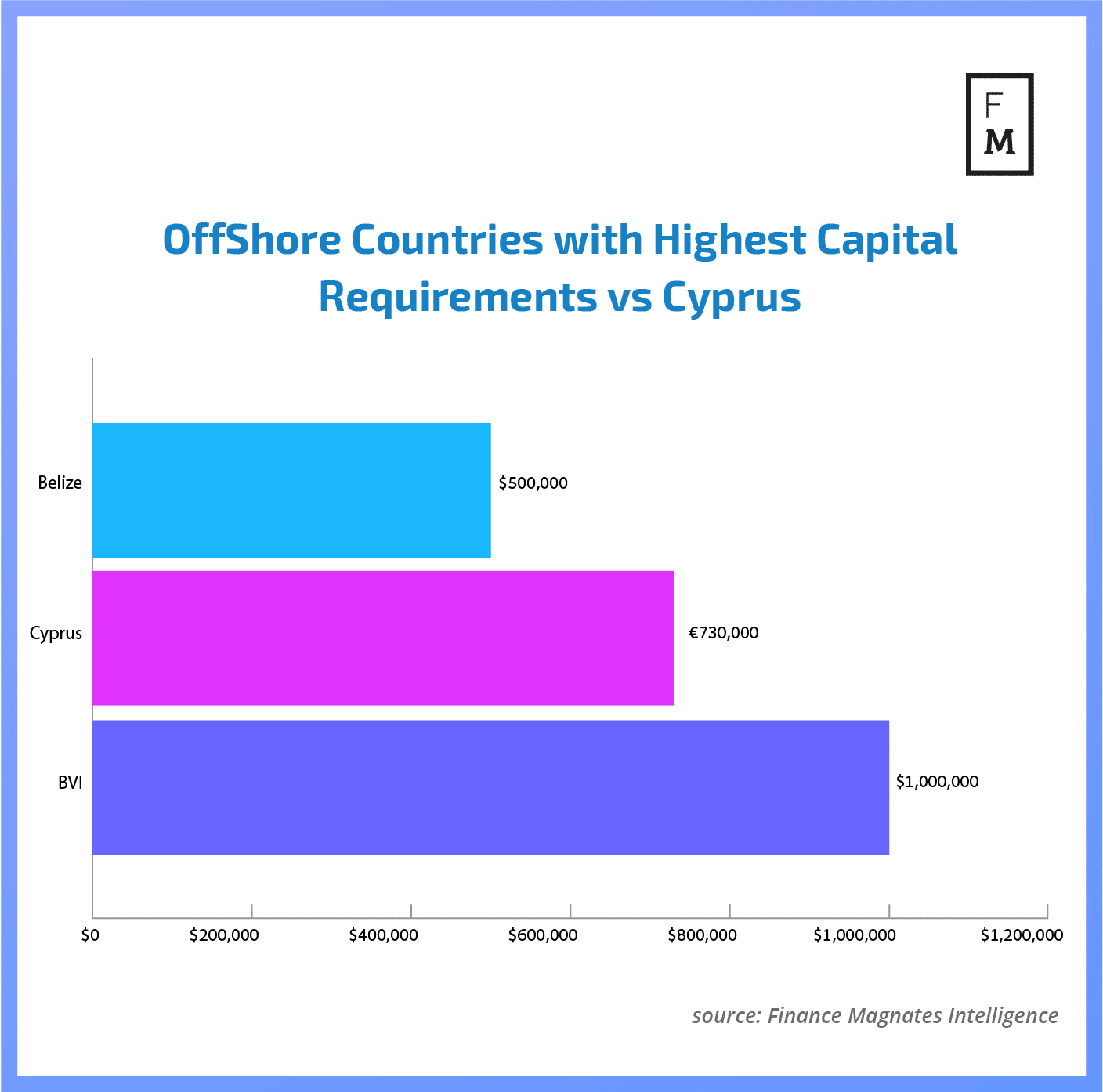
For the last two years, we have been witnessing growing regulatory requirements in Europe and, more recently, in Australia as well. Many brokers have decided to open or use existing regulated offshore branches to offer an alternative to clients. Recent changes in Bahamian regulations show that even in safe havens, the business and regulatory environment is inevitably changing. Is this a new trend that will affect the whole FX/CFD industry?
Recent propositions for Bahamian regulations bring important questions to the table. Firstly, everybody would like to know if other offshore jurisdictions will follow the same approach. Secondly, it is not clear yet what the rationale is behind the decision of the Bahamian regulator.
Some Jurisdictions Lack Benefits for Traders?
At first, it may look as though the Bahamas may want to become a more reputable destination for brokers. Since these countries have started to accept FX/CFD brokers and dealers with open arms, the reputation following them has not been very positive. Offshore destinations at best have always been linked to tax avoidance strategies rather than regulatory requirements. In other words, those companies that did not want to pay taxes (or pay much lower taxes) chose offshore destinations. But, there have always been many negative opinions about doing business in such places, especially with consistent accusations of Money Laundering.
"Some jurisdictions were highly popular in the past, but now they've become what we call in our law firm the 'Plan B' jurisdictions – Barbados, Bermuda, Bahamas, and Belize. These serve as a nice place to register the business, but lack a real benefit to the traders or the brokers," told Finance Magnates Tal Itzhak Ron, Chairman, and CEO, Tal Ron, Drihem & Co., Law Firm
With growing regulatory pressure all over the globe, owning a license in offshore destinations seems to be inevitable today. Although no one can be sure in which regions we will see further restrictions next.
To get the full article and the bigger-picture on the regulatory trends for off-shore destinations, get our latest Quarterly Intelligence Report.
For the last two years, we have been witnessing growing regulatory requirements in Europe and, more recently, in Australia as well. Many brokers have decided to open or use existing regulated offshore branches to offer an alternative to clients. Recent changes in Bahamian regulations show that even in safe havens, the business and regulatory environment is inevitably changing. Is this a new trend that will affect the whole FX/CFD industry?
Recent propositions for Bahamian regulations bring important questions to the table. Firstly, everybody would like to know if other offshore jurisdictions will follow the same approach. Secondly, it is not clear yet what the rationale is behind the decision of the Bahamian regulator.
Some Jurisdictions Lack Benefits for Traders?
At first, it may look as though the Bahamas may want to become a more reputable destination for brokers. Since these countries have started to accept FX/CFD brokers and dealers with open arms, the reputation following them has not been very positive. Offshore destinations at best have always been linked to tax avoidance strategies rather than regulatory requirements. In other words, those companies that did not want to pay taxes (or pay much lower taxes) chose offshore destinations. But, there have always been many negative opinions about doing business in such places, especially with consistent accusations of Money Laundering.
"Some jurisdictions were highly popular in the past, but now they've become what we call in our law firm the 'Plan B' jurisdictions – Barbados, Bermuda, Bahamas, and Belize. These serve as a nice place to register the business, but lack a real benefit to the traders or the brokers," told Finance Magnates Tal Itzhak Ron, Chairman, and CEO, Tal Ron, Drihem & Co., Law Firm
With growing regulatory pressure all over the globe, owning a license in offshore destinations seems to be inevitable today. Although no one can be sure in which regions we will see further restrictions next.
To get the full article and the bigger-picture on the regulatory trends for off-shore destinations, get our latest Quarterly Intelligence Report.
Sylwester is a graduate of the Warsaw School of Economics, holding an MA in Finance and Banking. He currently serves as Head of the Insights & Reporting Hub at Finance Magnates. He is also a former minority partner in an NFA-registered US forex broker and has been involved in numerous forex and trading industry projects since 2003.
Privately, Sylwester is a husband and father to a 7-year-old daughter, as well as an enthusiast of trading and Formula 1.
Weekly Focus: Binance Joins Prediction Markets; Is Bad Tech Driving Traders Over the Edge?
FP Markets Winner Spotlight 🏆 | Global Broker of the Year 2025 #Trading #Broker #Innovation #Shorts
FP Markets Winner Spotlight 🏆 | Global Broker of the Year 2025 #Trading #Broker #Innovation #Shorts
FP Markets takes the spotlight as Global Broker of the Year 2025 at the Finance Magnates Awards.
Martin Stoilov, Head of Client Experience, shares that trust, innovation, and people played a key role in the company’s success, supported by a strong foundation of integrity and client-centricity.
Following this milestone, FP Markets continues to focus on growth, technology investment, and its core values of transparency and excellence.
👉 Be part of FM Awards 2026: https://awards.financemagnates.com/#nominate
FP Markets takes the spotlight as Global Broker of the Year 2025 at the Finance Magnates Awards.
Martin Stoilov, Head of Client Experience, shares that trust, innovation, and people played a key role in the company’s success, supported by a strong foundation of integrity and client-centricity.
Following this milestone, FP Markets continues to focus on growth, technology investment, and its core values of transparency and excellence.
👉 Be part of FM Awards 2026: https://awards.financemagnates.com/#nominate
In this video, we review @HolaPrimeMarketsOfficial, a multi-asset forex and CFDs broker offering different account types, trading platforms, and flexible trading conditions.
We cover the broker’s overall offering, including account options, trading environment, platforms like MT4 and MT5, and additional services such as managed accounts and fast withdrawals.
Watch the full video to see if Hola Prime Markets fits your trading needs.
📣 Stay up to date with the latest in finance and trading. Follow Finance Magnates for industry news, insights, and global event coverage.
Connect with us:
🔗 LinkedIn: /financemagnates
👍 Facebook: /financemagnates
📸 Instagram: https://www.instagram.com/financemagnates
🐦 X: https://x.com/financemagnates
🎥 TikTok: https://www.tiktok.com/tag/financemagnates
▶️ YouTube: /@financemagnates_official
#HolaPrime #ForexBroker #CFDTrading #FinanceMagnates #Trading #Forex #BrokerReview
In this video, we review @HolaPrimeMarketsOfficial, a multi-asset forex and CFDs broker offering different account types, trading platforms, and flexible trading conditions.
We cover the broker’s overall offering, including account options, trading environment, platforms like MT4 and MT5, and additional services such as managed accounts and fast withdrawals.
Watch the full video to see if Hola Prime Markets fits your trading needs.
📣 Stay up to date with the latest in finance and trading. Follow Finance Magnates for industry news, insights, and global event coverage.
Connect with us:
🔗 LinkedIn: /financemagnates
👍 Facebook: /financemagnates
📸 Instagram: https://www.instagram.com/financemagnates
🐦 X: https://x.com/financemagnates
🎥 TikTok: https://www.tiktok.com/tag/financemagnates
▶️ YouTube: /@financemagnates_official
#HolaPrime #ForexBroker #CFDTrading #FinanceMagnates #Trading #Forex #BrokerReview
Hola Prime Review: What You Need to Know | Full Breakdown by Finance Magnates
Hola Prime Review: What You Need to Know | Full Breakdown by Finance Magnates
In this video, we review @HolaPrime_Global, a proprietary trading firm offering evaluation programs and performance-based payouts in simulated market environments.
We cover how the challenge model works, including account types, profit splits (up to 95%), trading rules, and what it takes to reach a funded account. You’ll also learn about available platforms like MT4, MT5, cTrader, and more, along with insights into payouts, support, and trading conditions.
Watch the full video to see if Hola Prime fits your trading style.
📣 Stay up to date with the latest in finance and trading. Follow Finance Magnates for industry news, insights, and global event coverage.
Connect with us:
🔗 LinkedIn: /financemagnates
👍 Facebook: /financemagnates
📸 Instagram: https://www.instagram.com/financemagnates
🐦 X: https://x.com/financemagnates
🎥 TikTok: https://www.tiktok.com/tag/financemagnates
▶️ YouTube: /@financemagnates_official
#HolaPrime #PropFirm #Trading #FinanceMagnates #Forex #FuturesTrading #TradingReview #PropFirmReview
In this video, we review @HolaPrime_Global, a proprietary trading firm offering evaluation programs and performance-based payouts in simulated market environments.
We cover how the challenge model works, including account types, profit splits (up to 95%), trading rules, and what it takes to reach a funded account. You’ll also learn about available platforms like MT4, MT5, cTrader, and more, along with insights into payouts, support, and trading conditions.
Watch the full video to see if Hola Prime fits your trading style.
📣 Stay up to date with the latest in finance and trading. Follow Finance Magnates for industry news, insights, and global event coverage.
Connect with us:
🔗 LinkedIn: /financemagnates
👍 Facebook: /financemagnates
📸 Instagram: https://www.instagram.com/financemagnates
🐦 X: https://x.com/financemagnates
🎥 TikTok: https://www.tiktok.com/tag/financemagnates
▶️ YouTube: /@financemagnates_official
#HolaPrime #PropFirm #Trading #FinanceMagnates #Forex #FuturesTrading #TradingReview #PropFirmReview
Axi Winner Spotlight 🏆 | Global Most Innovative Broker 2025 #Innovation #Trading #Fintech #Broker
Axi Winner Spotlight 🏆 | Global Most Innovative Broker 2025 #Innovation #Trading #Fintech #Broker
Axi takes the spotlight at the Finance Magnates Awards, winning Global Most Innovative Broker 2025.
Olivia Xenofontos and Ivanna Openko share how the team will feel: proud, motivated, and ready to keep delivering.
They also describe the night as well-organized, focused, and enjoyable for all.
👉 Be part of FM Awards 2026.
Axi takes the spotlight at the Finance Magnates Awards, winning Global Most Innovative Broker 2025.
Olivia Xenofontos and Ivanna Openko share how the team will feel: proud, motivated, and ready to keep delivering.
They also describe the night as well-organized, focused, and enjoyable for all.
👉 Be part of FM Awards 2026.
Recognition that matters.
Built on transparency.
Driven by the industry.
The Finance Magnates Awards 2026.
Nominations are now open.
🔗 https://awards.financemagnates.com/?utm_source=SM&utm_medium=social&utm_campaign=recognition-matters
Recognition that matters.
Built on transparency.
Driven by the industry.
The Finance Magnates Awards 2026.
Nominations are now open.
🔗 https://awards.financemagnates.com/?utm_source=SM&utm_medium=social&utm_campaign=recognition-matters