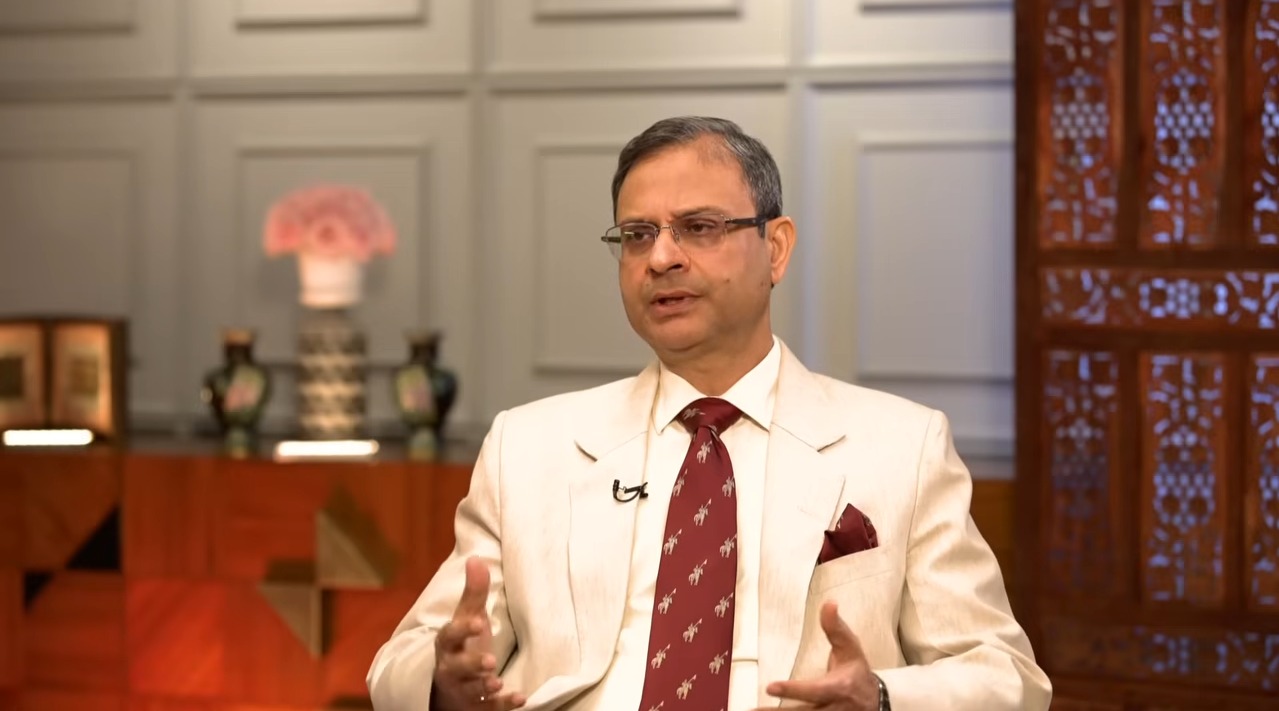
India's central bank will not soften its new lending rules for retail brokers and prop traders, Reserve Bank of India (RBI) Governor Sanjay Malhotra confirmed today (Monday), dismissing industry calls to revisit the restrictions before they kick in on April 1.
"There is no change that we are contemplating," Malhotra said at a press conference following the RBI's board meeting.
The rules, issued earlier this month after a public consultation process that began in October 2025, require banks to back all credit to capital market intermediaries with 100% eligible collateral, a significant tightening from a system where partial or promoter-backed guarantees were common.
Banks are also now barred entirely from financing brokers' proprietary trading, closing a structure that had effectively let prop desks borrow at twice the value of their deposits through leveraged bank guarantees.
- The Non-Resident Mirage: How CFD Brokers Turn India’s Rules into Opportunity
- Two Prop Firms and ThinkMarkets Added to India's Central Bank Warning List
India's retail traders have lost an estimated $34 billion over four years, with 91% of individual futures and options traders recording losses in the fiscal year ending March 2025 - data that has placed India's regulatory toolkit under the global spotlight.
A detailed breakdown of how those losses may be shaping enforcement approaches in Australia, Europe, and beyond is available through the new FMIntel Datalab, where registration is free.
Brokerage Stocks Already Felt the Blow
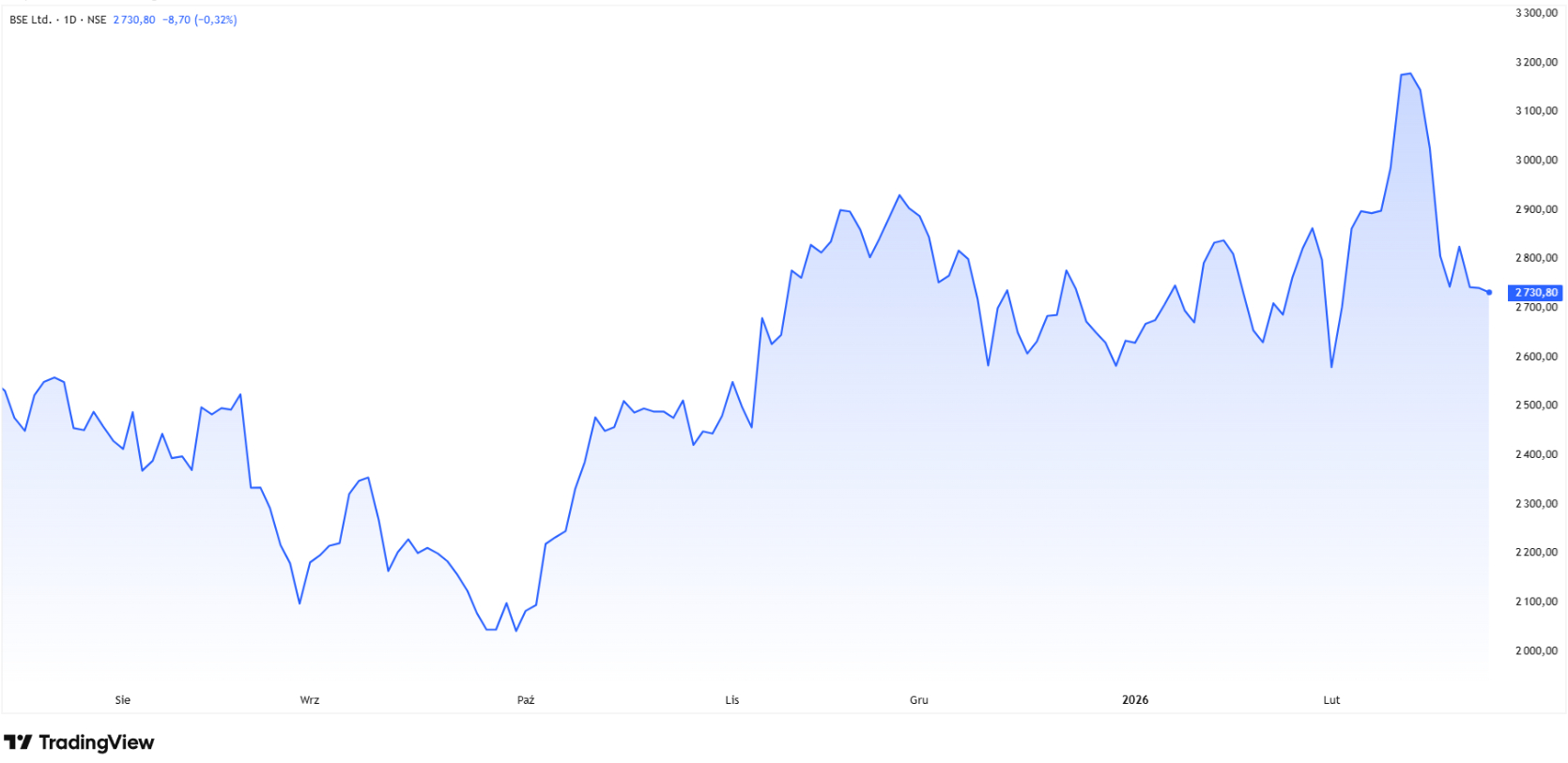
The announcement hit Indian brokerage stocks hard when the rules first landed. BSE, the country's major exchange operator, fell as much as 9.9%, while Angel One and Groww dropped 9.5% and 4.8%, respectively. Motilal Oswal Financial Services shed 3.3%.
Jefferies estimated that proprietary trading accounts for roughly half of all equity options premium turnover - meaning the ban on bank financing for such activity could squeeze a substantial chunk of market liquidity.
The bank pegged BSE as the most exposed, forecasting a potential 10% hit to the exchange 's earnings. Angel One, according to JM Financial analysts, would need to "immediately relook" its funding for its margin trading facility, while Groww may need to tap external markets for fresh capital.
Brokerage firms pushed back by writing to the market regulator to seek a review. Malhotra's statement Monday offers little encouragement for that effort.
India's Derivatives Market Faces Mounting Pressure
The RBI's move is the latest in a series of measures aimed at cooling India's derivatives market, where retail investor losses have drawn growing scrutiny from regulators. Combined with a recently hiked transaction tax on equity futures and options, analysts expect the cumulative effect to dampen trading volumes further.
When India raised its securities transaction tax earlier this year, it prompted questions about whether traders might migrate to unregulated CFD platforms to sidestep the levies, a concern FinanceMagnates.com covered in depth following the STT hike announcement.
The broader regulatory tightening has already reshuffled the foreign broker landscape. FBS suspended all marketing activities globally months after exiting the Indian market entirely. Exness halted new client onboarding from India despite the country representing nearly 30% of its global traffic. Meanwhile, Indian authorities raided offices of Zara FX and froze bank accounts as part of an expanded enforcement push against unauthorized forex and derivatives operations.
Inflation Mandate Heads Into a Scheduled Review
Malhotra also addressed India's inflation-targeting framework on Monday, confirming the RBI has sent its recommendations to the government ahead of a formal review due by the end of March. He declined to reveal the contents of those recommendations.
India currently requires the central bank to hold retail inflation at 4%, within a tolerance band of 2% to 6%. The country recently updated its inflation measurement methodology, reducing the weight assigned to food prices in the consumer basket. Malhotra said those technical changes would not, on their own, shift the RBI's thinking on what the appropriate inflation target should be.