Aviva Investors was fined by the Financial Conduct Authority for systems and control failures. The investment management firm failed to manage conflicts of interests, resulting in Aviva paying $204 million in compensation.
Aviva Investors was fined by the UK's financial watchdog for failing to manage conflicts of interests. The FCA found that during an eight-year period the multi-discipline financial services firm, operating in the insurance and fund management sectors, had system and control failures that treated investors and their investments unfairly. As a result, the firm is to pay over $230 million in fines and compensation.
The FCA's investigation found that Aviva was operating a specific fund management procedure that allowed traders to give more attention to better forming funds. A practise the financial regulator termed as 'cherry picking'.
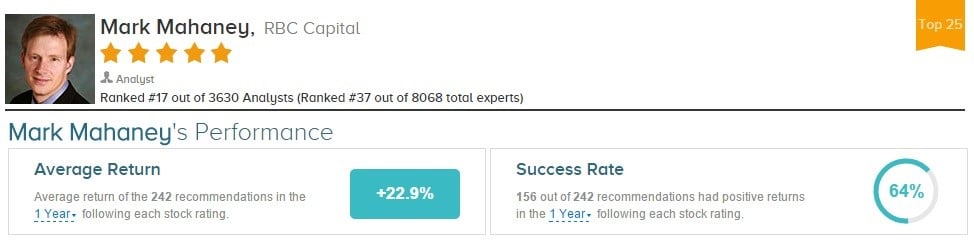
Georgina Philippou, pictured, Acting Director of Enforcement and Market Oversight at the FCA, commented in a statement: “Ensuring that conflicts of interest are properly managed is central to the relationship of trust that must exist between asset managers and their customers.
It is also a fundamental regulatory requirement. This case serves as an important reminder to firms of the importance of managing conflicts of interest effectively by implementing a robust control environment with effective systems to manage the risks. Not doing so risks customers’ interests being overlooked in favour of commercial or personal interests."
Details outlined in the FCA notification show that between the 20th of August 2005 until the 30th of June 2013, Aviva Investors implemented a specific strategy in its fixed income trading division, a side-by-side management strategy was deployed, meaning that funds paid for different levels of performance fees and commissions were supervised by the same desk.
The desk operated in a manner whereby a proportion of these performance fees were paid to traders in Aviva Investors Fixed Income area which managed funds on a side-by-side basis. The FCA's notice stated that this type of incentive structure created conflicts of interest as these traders had an incentive to favour one fund over another. Adding that the risk was particularly acute on desks where funds traded in the same instruments.
Commission Disclosure
A number of measures were introduced under the 2007 MiFID, with firms having to disclose charges to clients. In the Forex and CFD markets, several firms introduced commission disclosure sheets which provided transparency on commissions and remunerations introducing brokers and Affiliates receive.
The FCA carried out a thematic review on the matter in 2014, its findings show that conflicts of interests are ever-present in the financial services sector, however robust measures can prevent issues arising, the report states: "The failure to properly manage and mitigate conflicts of interest potentially increases the likelihood that individual broking and placement decisions are made in the interests of the firm rather than their customers.
This could result in some SME customers paying more for core insurance products than they need to, purchasing add-on insurances and services that they may not need or paying more for secondary products like premium finance."
Aviva Investors was fined by the UK's financial watchdog for failing to manage conflicts of interests. The FCA found that during an eight-year period the multi-discipline financial services firm, operating in the insurance and fund management sectors, had system and control failures that treated investors and their investments unfairly. As a result, the firm is to pay over $230 million in fines and compensation.
The FCA's investigation found that Aviva was operating a specific fund management procedure that allowed traders to give more attention to better forming funds. A practise the financial regulator termed as 'cherry picking'.
Georgina Philippou, pictured, Acting Director of Enforcement and Market Oversight at the FCA, commented in a statement: “Ensuring that conflicts of interest are properly managed is central to the relationship of trust that must exist between asset managers and their customers.
It is also a fundamental regulatory requirement. This case serves as an important reminder to firms of the importance of managing conflicts of interest effectively by implementing a robust control environment with effective systems to manage the risks. Not doing so risks customers’ interests being overlooked in favour of commercial or personal interests."
Details outlined in the FCA notification show that between the 20th of August 2005 until the 30th of June 2013, Aviva Investors implemented a specific strategy in its fixed income trading division, a side-by-side management strategy was deployed, meaning that funds paid for different levels of performance fees and commissions were supervised by the same desk.
The desk operated in a manner whereby a proportion of these performance fees were paid to traders in Aviva Investors Fixed Income area which managed funds on a side-by-side basis. The FCA's notice stated that this type of incentive structure created conflicts of interest as these traders had an incentive to favour one fund over another. Adding that the risk was particularly acute on desks where funds traded in the same instruments.
Commission Disclosure
A number of measures were introduced under the 2007 MiFID, with firms having to disclose charges to clients. In the Forex and CFD markets, several firms introduced commission disclosure sheets which provided transparency on commissions and remunerations introducing brokers and Affiliates receive.
The FCA carried out a thematic review on the matter in 2014, its findings show that conflicts of interests are ever-present in the financial services sector, however robust measures can prevent issues arising, the report states: "The failure to properly manage and mitigate conflicts of interest potentially increases the likelihood that individual broking and placement decisions are made in the interests of the firm rather than their customers.
This could result in some SME customers paying more for core insurance products than they need to, purchasing add-on insurances and services that they may not need or paying more for secondary products like premium finance."
IG CEO: “Prediction Markets Are a Different Title for Binaries… We Have Capability in the Space”
CMC Markets’ Artur Delijergijevs on Metals Demand, Volatility, & Stable Execution
CMC Markets’ Artur Delijergijevs on Metals Demand, Volatility, & Stable Execution
In this exclusive Executive Interview, Finance Magnates speaks with Artur Delijergijevs, Head of Systematic Market Making at CMC Markets, about the current state of metals demand and market volatility.
Delijergijevs offers a desk-level view on:
- Metals Demand: Why metals are seeing the strongest demand from both retail and institutional clients right now.
- The Safe-Haven Debate: Questioning whether gold still fits the classic safe-haven definition given large daily price movements.
- Volatile Market Prep: How a market-making desk prepares its systems and pricing for stressed market conditions and high-impact economic events.
- Hybrid Execution: Why the best execution model combines electronic speed with human relationship support, especially during volatility.
- AI in Workflow: Where CMC Markets is integrating machine learning for risk management and pricing, and the limitations of AI during stressed markets.
- Dubai's Role: The strategic importance of Dubai’s location for covering global trading sessions across Asia, Europe, and the US.
Watch to understand how CMC Markets maintains stable pricing and reliable execution quality in high-volatility environments.
#CMCmarkets #forex #metals #gold #trading #volatility #MarketMaking #iFXDubai #FinanceMagnates #Finance #Fintech #Execution #AlgorithmicTrading #RiskManagement
In this exclusive Executive Interview, Finance Magnates speaks with Artur Delijergijevs, Head of Systematic Market Making at CMC Markets, about the current state of metals demand and market volatility.
Delijergijevs offers a desk-level view on:
- Metals Demand: Why metals are seeing the strongest demand from both retail and institutional clients right now.
- The Safe-Haven Debate: Questioning whether gold still fits the classic safe-haven definition given large daily price movements.
- Volatile Market Prep: How a market-making desk prepares its systems and pricing for stressed market conditions and high-impact economic events.
- Hybrid Execution: Why the best execution model combines electronic speed with human relationship support, especially during volatility.
- AI in Workflow: Where CMC Markets is integrating machine learning for risk management and pricing, and the limitations of AI during stressed markets.
- Dubai's Role: The strategic importance of Dubai’s location for covering global trading sessions across Asia, Europe, and the US.
Watch to understand how CMC Markets maintains stable pricing and reliable execution quality in high-volatility environments.
#CMCmarkets #forex #metals #gold #trading #volatility #MarketMaking #iFXDubai #FinanceMagnates #Finance #Fintech #Execution #AlgorithmicTrading #RiskManagement
Finance Magnates Awards 2026 – Nominations Now Open
Finance Magnates Awards 2026 – Nominations Now Open
The Finance Magnates Awards 2026 nominations are now open. 🏆
From fintech innovators to leading brokers, this is where the finance industry celebrates its biggest achievements.
Winners will be announced at the Cyprus Gala Dinner on November 6, 2026.
Nominate your brand now.
https://awards.financemagnates.com/?utm_source=linkedin&utm_medium=video&utm_campaign=nominations-open
#FMAwards #FinanceMagnates #FintechAwards #Fintech #FinanceIndustry
The Finance Magnates Awards 2026 nominations are now open. 🏆
From fintech innovators to leading brokers, this is where the finance industry celebrates its biggest achievements.
Winners will be announced at the Cyprus Gala Dinner on November 6, 2026.
Nominate your brand now.
https://awards.financemagnates.com/?utm_source=linkedin&utm_medium=video&utm_campaign=nominations-open
#FMAwards #FinanceMagnates #FintechAwards #Fintech #FinanceIndustry
Finance Magnates Awards 2026 | Nominations Now Open 🏆#Fintech #FMAwards #TradingIndustry
Finance Magnates Awards 2026 | Nominations Now Open 🏆#Fintech #FMAwards #TradingIndustry
Lights on. Cameras ready. 🎬
Finance Magnates Awards 2026 nominations are now open. 🏆
#FMAwards #FinanceMagnates #FintechAwards #Fintech
Lights on. Cameras ready. 🎬
Finance Magnates Awards 2026 nominations are now open. 🏆
#FMAwards #FinanceMagnates #FintechAwards #Fintech
Exness sees trust as the key theme for growth in MENA Trading Growth for 2026
Exness sees trust as the key theme for growth in MENA Trading Growth for 2026
Mohammad Amer, Regional Commercial Director at Exness, sits down to discuss the booming MENA financial trading market. Find out why Dubai is key to the company's growth strategy, how a mobile-first generation is changing expectations, and why trust will be the defining theme for traders in 2026.
In this interview, you'll learn:
* Why Dubai and the MENA region are critical growth markets for fintech and online trading.
* How Exness is addressing the demands of mobile-first, younger traders through engineering, platform stability, and transparent conditions.
* The essential role local talent plays in providing a culturally relevant and compliant user experience.
* Mohammad Amer's outlook on the future of the online trading industry and why stronger controls and systems are necessary.
* Why "trust" isn't just a brand value, but has commercial value—and why he predicts 2026 will be the "Year of Trust."
Key Takeaways:
➡️ The MENA region is rapidly shaping global financial markets.
➡️ New traders expect stability, precise execution, and transparency.
➡️ Local expertise is key to regulatory compliance and user experience.
➡️ Future success belongs to firms capable of meeting rising standards across regulation and platform consistency.
Read the full article at: https://www.financemagnates.com/thought-leadership/exness-sees-trust-as-the-key-theme-for-growth-in-mena-trading-growth-for-2026/
#Exness #MENA #Trading #FinTech #Dubai #OnlineTrading #FinanceMagnates #MohammadAmer #Trust #MobileTrading
Mohammad Amer, Regional Commercial Director at Exness, sits down to discuss the booming MENA financial trading market. Find out why Dubai is key to the company's growth strategy, how a mobile-first generation is changing expectations, and why trust will be the defining theme for traders in 2026.
In this interview, you'll learn:
* Why Dubai and the MENA region are critical growth markets for fintech and online trading.
* How Exness is addressing the demands of mobile-first, younger traders through engineering, platform stability, and transparent conditions.
* The essential role local talent plays in providing a culturally relevant and compliant user experience.
* Mohammad Amer's outlook on the future of the online trading industry and why stronger controls and systems are necessary.
* Why "trust" isn't just a brand value, but has commercial value—and why he predicts 2026 will be the "Year of Trust."
Key Takeaways:
➡️ The MENA region is rapidly shaping global financial markets.
➡️ New traders expect stability, precise execution, and transparency.
➡️ Local expertise is key to regulatory compliance and user experience.
➡️ Future success belongs to firms capable of meeting rising standards across regulation and platform consistency.
Read the full article at: https://www.financemagnates.com/thought-leadership/exness-sees-trust-as-the-key-theme-for-growth-in-mena-trading-growth-for-2026/
#Exness #MENA #Trading #FinTech #Dubai #OnlineTrading #FinanceMagnates #MohammadAmer #Trust #MobileTrading
Paytiko CEO Razi Salih on Why Payment Orchestration is a MUST-HAVE for Brokers in 2026
Paytiko CEO Razi Salih on Why Payment Orchestration is a MUST-HAVE for Brokers in 2026
At iFX Expo Dubai, Finance Magnates spoke with Razi Salih, CEO at Paytiko, about the evolution of the payments ecosystem and why payment orchestration has shifted from an option to a necessity for brokers, prop firms, and exchanges.
Mr. Salih explains how global expansion, the need for deep localisation, and the sheer number of new payment methods, from instant banking to stablecoins, are driving this critical infrastructure shift.
#PaymentOrchestration #Fintech #Brokerage #TradingPayments #RaziSalih #Paytiko #iFXExpoDubai #Stablecoins #AIinFintech
At iFX Expo Dubai, Finance Magnates spoke with Razi Salih, CEO at Paytiko, about the evolution of the payments ecosystem and why payment orchestration has shifted from an option to a necessity for brokers, prop firms, and exchanges.
Mr. Salih explains how global expansion, the need for deep localisation, and the sheer number of new payment methods, from instant banking to stablecoins, are driving this critical infrastructure shift.
#PaymentOrchestration #Fintech #Brokerage #TradingPayments #RaziSalih #Paytiko #iFXExpoDubai #Stablecoins #AIinFintech