In part 2 of our interview, Dr George Theocharides talks AI, fintech, and the FTX saga.
The SEC's "aggressive stance" towards Binance and Coinbase is an attempt to create "a structure."
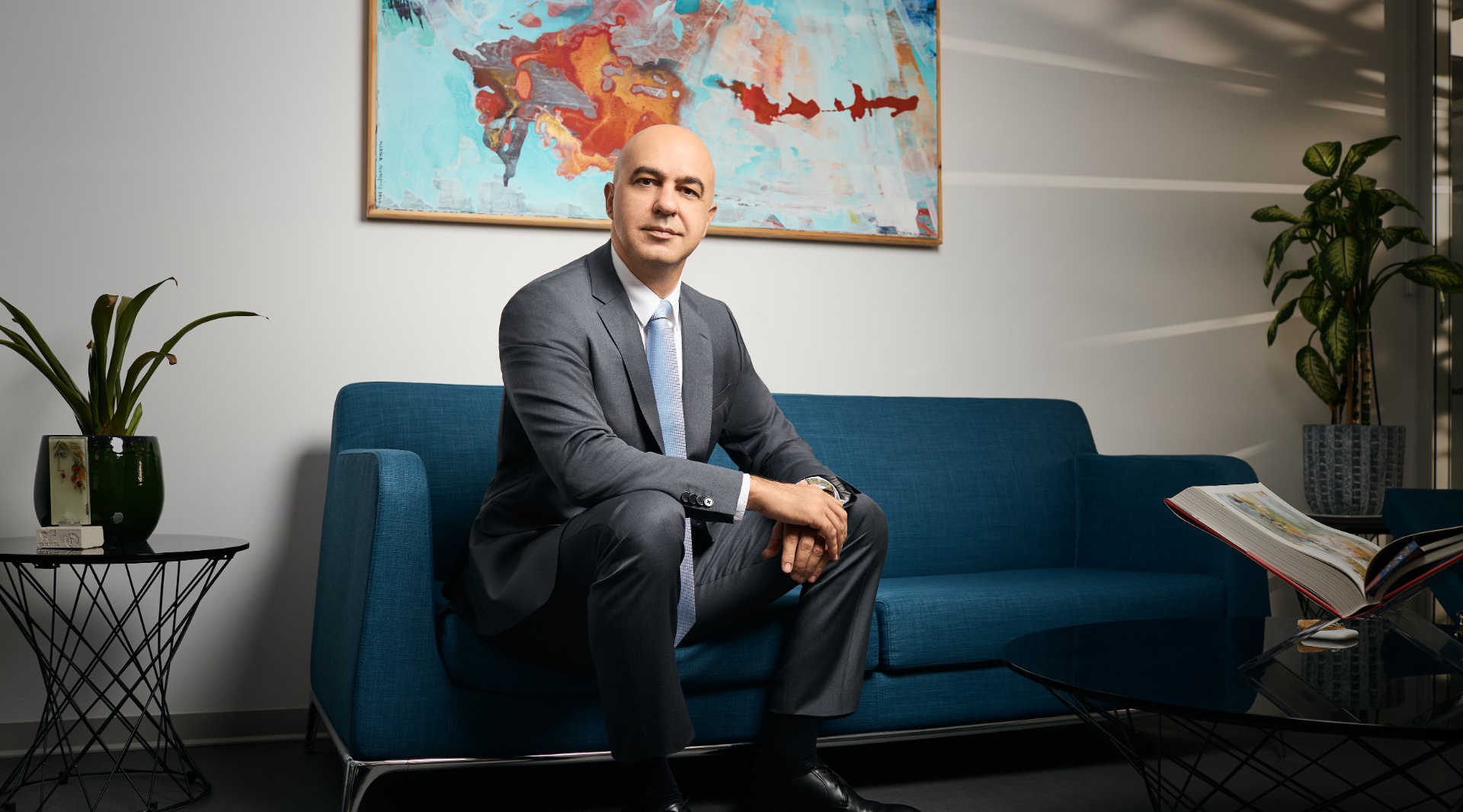
Dr. George Theocharides at his CySEC office in Nicosia
In the first part of the exclusive interview with Dr George Theocharides, the Chairman of CySEC, and Finance Magnates discussed various aspects of the financial industry and CySEC's role in protecting investors.
Dr Theocharides emphasized CySEC's mission to safeguard investors in Cyprus and abroad. He highlighted the growth and scrutiny of the investment firm sector, noting that while some firms join the industry, others exit due to challenges in meeting regulatory requirements. Consolidation in the industry is seen as a positive development, allowing larger players with stronger compliance cultures to thrive.
Regarding compliance enforcement, the regulator highlighted the transformation in CySEC's policies and actions over the past decade. CySEC conducts on-site visits and investigations to ensure adherence to regulations. The acquisition of a specialized system enables CySEC to monitor firms' online marketing activities and detect potential violations.
Looking ahead, Dr Theocharides predicted increased consolidation in the industry due to enhanced regulatory requirements. Firms with a strong compliance culture are likely to survive, while others may transition to alternative industries.
In the second part of the interview, we focus on the adoption of Artificial Intelligence in the investment sector, the near future of Crypto under MiCA, and the development of the fintech sector in Cyprus.
Dr. George Theocharides at his CySEC office in Nicosia, last month
"Adopt, but be Careful"
The BBC documentary 'The Billion Dollar Scam', published in
April, followed a year-long investigation into the murky world of online
investment scams. According to the documentary, The Ukrainian investment company the Milton Group scammed
unwitting customers out of more than a billion dollars.
Following the
documentary, concerns were raised that national competent authorities were not able to tackle the fraud in real-time, and industry participants pointed out
a problem: the compliance teams need to examine an infinite amount of data, without sufficient ability to screen or detect
unusual or suspicious transactions due to the high volume of material
submitted. The regulators, for their part, are hesitant to use AI technologies
that can ease the situation.
We asked Dr Theocharides about his opinion, and he commented:
To be honest, I haven't watched the documentary, but we believe in technology and we spend a lot of
resources on it, human resources and technological tools, to help us in our supervisory role. AI brings opportunities and
choices to regulators, but at the same time we do need to exercise caution.
How careful?
As regulators, we need to understand the challenges of digitalization – to be vigilant against new and emerging risks, as well as harness new technology and innovation to protect investors.
It is imperative to use all available resources and technological solutions we have to ensure the compliance of regulated entities with increasing and data-heavy regulatory requirements and investors' protection processes.
On what scale should the Industry adopt AI?
It's too early to adopt on a large scale, we need to do it in steps. I chair the Risk Standing Committee of ESMA, which looks at the risks related to retail investors, but also the risks related to financial stability across Europe.
We’re looking at AI and the capabilities of AI. The challenge for every regulator across the globe is to stay proactive and to be ahead of financial market developments and technological expansion no matter how fast-paced it is. So yes, adopt the technologies, but be careful and do it in steps.
What are the disadvantages of technology in
finance?
You talked about scams. That's an effect, or an after-effect, of
these technologies. Regulators need to be very vigilant and alert about these
types of new technologies and new assets. They bring a lot of risks related to
the conduct of business, cybersecurity, scams, money laundering, and terrorist
financing.
The Aggressive Move of SEC
The adoption process of AI reminds Theocharides of the first steps of
Blockchain:
I was the first Chairman of the Board of Cyprus Blockchain
Technologies Ltd, and the idea was to look at how that technology could be
useful not only for the banking or the financial services industry but for all
other industries.
That was in 2016. Okay, the digital assets are using it, but
outside of that, it has not been adopted on a large scale. It has the potential
to revolutionize a lot of industries and take away intermediaries.
Blockchain brings us to Crypto. How do you
see the first steps of MiCA coming into force?
This is a landmark crypto authorisation law for Europe and represents a major step forward for the protection of investors in financial markets. It's important to note however that MiCA won't cover all crypto assets,
such as NFTs, which will remain outside its scope.
Additionally, the issuance
of stablecoins will fall under central bank regulation, while trading and
service providers will come under ESMA and the national competent authorities.
MiCA is a commendable first step, but further framework development is needed
to fully regulate this industry.
What's your opinion about the recent SEC
moves against Binance and Coinbase?
This industry has been operating for a number of years in an
unregulated fashion. We've seen on a global scale crypto conglomerates or big
firms getting into trouble, and in the past, those ones getting into trouble
were bailed out by FTX, and then FTX collapsed.
The SEC is now trying to be
proactive in terms of putting some structure into this industry and some form
of regulation. That's why we see that aggressive stance towards these big
players in this industry in the United States.
Speaking of FTX, FTX EU is a good example of
a regulator protecting investors. Could you provide some insight into the
behind-the-scenes process of that?
FTX had a regulated entity in Cyprus, having acquired a license in September 2022. This was a MiFID license similar to other firms for trading derivative products, but not for trading in crypto. As soon as we learned through Twitter on November 9th what had happened, we communicated with the local entity immediately.
Because the firm here had properly segregated client funds and a board and governance structure, we asked the representatives of FTX in Cyprus to suspend operations immediately, and they did that on the day the crisis unfolded. So, that's one lesson to learn – acting swiftly.
Then what happened?
Then FTX went into bankruptcy, Chapter 11, which included FTX EU. The administrators wanted to preserve the value of the company. We were not against that, we worked with them having in mind that client's funds had to be safeguarded and returned to their owners.
Obviously, when firms go into administration, it takes time, and especially in this case, the fact that this was a group dealing with crypto assets, it's much more complicated. It took more time for them to set up the whole system from scratch to start the process of returning client funds, which happily they are now doing.
The second very important lesson is that with proper regulation, the risks from crypto assets can probably be mitigated, not completely banished.
CySEC opened
a Fintech hub in 2018. How do you see this sector developing?
We see a lot of movement towards FinTech firms. We established the hub to guide FinTech, RegTech, and SubTech ideas within our regulatory environment. It serves as a dialogue platform with prospective and existing regulated entities.
Currently, with funding from the European Union's RRF, we're transforming the hub into a regulatory sandbox for controlled testing of new technologies.
In the first part of the exclusive interview with Dr George Theocharides, the Chairman of CySEC, and Finance Magnates discussed various aspects of the financial industry and CySEC's role in protecting investors.
Dr Theocharides emphasized CySEC's mission to safeguard investors in Cyprus and abroad. He highlighted the growth and scrutiny of the investment firm sector, noting that while some firms join the industry, others exit due to challenges in meeting regulatory requirements. Consolidation in the industry is seen as a positive development, allowing larger players with stronger compliance cultures to thrive.
Regarding compliance enforcement, the regulator highlighted the transformation in CySEC's policies and actions over the past decade. CySEC conducts on-site visits and investigations to ensure adherence to regulations. The acquisition of a specialized system enables CySEC to monitor firms' online marketing activities and detect potential violations.
Looking ahead, Dr Theocharides predicted increased consolidation in the industry due to enhanced regulatory requirements. Firms with a strong compliance culture are likely to survive, while others may transition to alternative industries.
In the second part of the interview, we focus on the adoption of Artificial Intelligence in the investment sector, the near future of Crypto under MiCA, and the development of the fintech sector in Cyprus.
Dr. George Theocharides at his CySEC office in Nicosia, last month
"Adopt, but be Careful"
The BBC documentary 'The Billion Dollar Scam', published in
April, followed a year-long investigation into the murky world of online
investment scams. According to the documentary, The Ukrainian investment company the Milton Group scammed
unwitting customers out of more than a billion dollars.
Following the
documentary, concerns were raised that national competent authorities were not able to tackle the fraud in real-time, and industry participants pointed out
a problem: the compliance teams need to examine an infinite amount of data, without sufficient ability to screen or detect
unusual or suspicious transactions due to the high volume of material
submitted. The regulators, for their part, are hesitant to use AI technologies
that can ease the situation.
We asked Dr Theocharides about his opinion, and he commented:
To be honest, I haven't watched the documentary, but we believe in technology and we spend a lot of
resources on it, human resources and technological tools, to help us in our supervisory role. AI brings opportunities and
choices to regulators, but at the same time we do need to exercise caution.
How careful?
As regulators, we need to understand the challenges of digitalization – to be vigilant against new and emerging risks, as well as harness new technology and innovation to protect investors.
It is imperative to use all available resources and technological solutions we have to ensure the compliance of regulated entities with increasing and data-heavy regulatory requirements and investors' protection processes.
On what scale should the Industry adopt AI?
It's too early to adopt on a large scale, we need to do it in steps. I chair the Risk Standing Committee of ESMA, which looks at the risks related to retail investors, but also the risks related to financial stability across Europe.
We’re looking at AI and the capabilities of AI. The challenge for every regulator across the globe is to stay proactive and to be ahead of financial market developments and technological expansion no matter how fast-paced it is. So yes, adopt the technologies, but be careful and do it in steps.
What are the disadvantages of technology in
finance?
You talked about scams. That's an effect, or an after-effect, of
these technologies. Regulators need to be very vigilant and alert about these
types of new technologies and new assets. They bring a lot of risks related to
the conduct of business, cybersecurity, scams, money laundering, and terrorist
financing.
The Aggressive Move of SEC
The adoption process of AI reminds Theocharides of the first steps of
Blockchain:
I was the first Chairman of the Board of Cyprus Blockchain
Technologies Ltd, and the idea was to look at how that technology could be
useful not only for the banking or the financial services industry but for all
other industries.
That was in 2016. Okay, the digital assets are using it, but
outside of that, it has not been adopted on a large scale. It has the potential
to revolutionize a lot of industries and take away intermediaries.
Blockchain brings us to Crypto. How do you
see the first steps of MiCA coming into force?
This is a landmark crypto authorisation law for Europe and represents a major step forward for the protection of investors in financial markets. It's important to note however that MiCA won't cover all crypto assets,
such as NFTs, which will remain outside its scope.
Additionally, the issuance
of stablecoins will fall under central bank regulation, while trading and
service providers will come under ESMA and the national competent authorities.
MiCA is a commendable first step, but further framework development is needed
to fully regulate this industry.
What's your opinion about the recent SEC
moves against Binance and Coinbase?
This industry has been operating for a number of years in an
unregulated fashion. We've seen on a global scale crypto conglomerates or big
firms getting into trouble, and in the past, those ones getting into trouble
were bailed out by FTX, and then FTX collapsed.
The SEC is now trying to be
proactive in terms of putting some structure into this industry and some form
of regulation. That's why we see that aggressive stance towards these big
players in this industry in the United States.
Speaking of FTX, FTX EU is a good example of
a regulator protecting investors. Could you provide some insight into the
behind-the-scenes process of that?
FTX had a regulated entity in Cyprus, having acquired a license in September 2022. This was a MiFID license similar to other firms for trading derivative products, but not for trading in crypto. As soon as we learned through Twitter on November 9th what had happened, we communicated with the local entity immediately.
Because the firm here had properly segregated client funds and a board and governance structure, we asked the representatives of FTX in Cyprus to suspend operations immediately, and they did that on the day the crisis unfolded. So, that's one lesson to learn – acting swiftly.
Then what happened?
Then FTX went into bankruptcy, Chapter 11, which included FTX EU. The administrators wanted to preserve the value of the company. We were not against that, we worked with them having in mind that client's funds had to be safeguarded and returned to their owners.
Obviously, when firms go into administration, it takes time, and especially in this case, the fact that this was a group dealing with crypto assets, it's much more complicated. It took more time for them to set up the whole system from scratch to start the process of returning client funds, which happily they are now doing.
The second very important lesson is that with proper regulation, the risks from crypto assets can probably be mitigated, not completely banished.
CySEC opened
a Fintech hub in 2018. How do you see this sector developing?
We see a lot of movement towards FinTech firms. We established the hub to guide FinTech, RegTech, and SubTech ideas within our regulatory environment. It serves as a dialogue platform with prospective and existing regulated entities.
Currently, with funding from the European Union's RRF, we're transforming the hub into a regulatory sandbox for controlled testing of new technologies.
Yam Yehoshua is Editor-in-Chief, leading coverage of the global online trading, fintech, and digital assets sectors. He sets editorial direction and oversees how major developments are reported and explained for industry professionals.
Under his leadership, the newsroom focuses on the structural trends affecting brokers, trading platforms, and market infrastructure, including regulation, licensing, consolidation, and the evolution of CFD and crypto business models. The editorial approach prioritises clarity, financial accuracy, and relevance for decision-makers.
Yam has a background in both print and digital journalism and works closely with executives, regulators, and operators across key jurisdictions. His work is focused on separating market narrative from financial reality and ensuring coverage reflects how the industry operates in practice, not just how it is marketed.
Education:
Journalism and Communication Studies (Diploma Program)
Headline College, Tel Aviv, Israel
Italy’s Consob Tightens Net on AI-Fueled Scams With Fresh Website Bans
FP Markets Winner Spotlight 🏆 | Global Broker of the Year 2025 #Trading #Broker #Innovation #Shorts
FP Markets Winner Spotlight 🏆 | Global Broker of the Year 2025 #Trading #Broker #Innovation #Shorts
FP Markets takes the spotlight as Global Broker of the Year 2025 at the Finance Magnates Awards.
Martin Stoilov, Head of Client Experience, shares that trust, innovation, and people played a key role in the company’s success, supported by a strong foundation of integrity and client-centricity.
Following this milestone, FP Markets continues to focus on growth, technology investment, and its core values of transparency and excellence.
👉 Be part of FM Awards 2026: https://awards.financemagnates.com/#nominate
FP Markets takes the spotlight as Global Broker of the Year 2025 at the Finance Magnates Awards.
Martin Stoilov, Head of Client Experience, shares that trust, innovation, and people played a key role in the company’s success, supported by a strong foundation of integrity and client-centricity.
Following this milestone, FP Markets continues to focus on growth, technology investment, and its core values of transparency and excellence.
👉 Be part of FM Awards 2026: https://awards.financemagnates.com/#nominate
In this video, we review @HolaPrimeMarketsOfficial, a multi-asset forex and CFDs broker offering different account types, trading platforms, and flexible trading conditions.
We cover the broker’s overall offering, including account options, trading environment, platforms like MT4 and MT5, and additional services such as managed accounts and fast withdrawals.
Watch the full video to see if Hola Prime Markets fits your trading needs.
📣 Stay up to date with the latest in finance and trading. Follow Finance Magnates for industry news, insights, and global event coverage.
Connect with us:
🔗 LinkedIn: /financemagnates
👍 Facebook: /financemagnates
📸 Instagram: https://www.instagram.com/financemagnates
🐦 X: https://x.com/financemagnates
🎥 TikTok: https://www.tiktok.com/tag/financemagnates
▶️ YouTube: /@financemagnates_official
#HolaPrime #ForexBroker #CFDTrading #FinanceMagnates #Trading #Forex #BrokerReview
In this video, we review @HolaPrimeMarketsOfficial, a multi-asset forex and CFDs broker offering different account types, trading platforms, and flexible trading conditions.
We cover the broker’s overall offering, including account options, trading environment, platforms like MT4 and MT5, and additional services such as managed accounts and fast withdrawals.
Watch the full video to see if Hola Prime Markets fits your trading needs.
📣 Stay up to date with the latest in finance and trading. Follow Finance Magnates for industry news, insights, and global event coverage.
Connect with us:
🔗 LinkedIn: /financemagnates
👍 Facebook: /financemagnates
📸 Instagram: https://www.instagram.com/financemagnates
🐦 X: https://x.com/financemagnates
🎥 TikTok: https://www.tiktok.com/tag/financemagnates
▶️ YouTube: /@financemagnates_official
#HolaPrime #ForexBroker #CFDTrading #FinanceMagnates #Trading #Forex #BrokerReview
Hola Prime Review: What You Need to Know | Full Breakdown by Finance Magnates
Hola Prime Review: What You Need to Know | Full Breakdown by Finance Magnates
In this video, we review @HolaPrime_Global, a proprietary trading firm offering evaluation programs and performance-based payouts in simulated market environments.
We cover how the challenge model works, including account types, profit splits (up to 95%), trading rules, and what it takes to reach a funded account. You’ll also learn about available platforms like MT4, MT5, cTrader, and more, along with insights into payouts, support, and trading conditions.
Watch the full video to see if Hola Prime fits your trading style.
📣 Stay up to date with the latest in finance and trading. Follow Finance Magnates for industry news, insights, and global event coverage.
Connect with us:
🔗 LinkedIn: /financemagnates
👍 Facebook: /financemagnates
📸 Instagram: https://www.instagram.com/financemagnates
🐦 X: https://x.com/financemagnates
🎥 TikTok: https://www.tiktok.com/tag/financemagnates
▶️ YouTube: /@financemagnates_official
#HolaPrime #PropFirm #Trading #FinanceMagnates #Forex #FuturesTrading #TradingReview #PropFirmReview
In this video, we review @HolaPrime_Global, a proprietary trading firm offering evaluation programs and performance-based payouts in simulated market environments.
We cover how the challenge model works, including account types, profit splits (up to 95%), trading rules, and what it takes to reach a funded account. You’ll also learn about available platforms like MT4, MT5, cTrader, and more, along with insights into payouts, support, and trading conditions.
Watch the full video to see if Hola Prime fits your trading style.
📣 Stay up to date with the latest in finance and trading. Follow Finance Magnates for industry news, insights, and global event coverage.
Connect with us:
🔗 LinkedIn: /financemagnates
👍 Facebook: /financemagnates
📸 Instagram: https://www.instagram.com/financemagnates
🐦 X: https://x.com/financemagnates
🎥 TikTok: https://www.tiktok.com/tag/financemagnates
▶️ YouTube: /@financemagnates_official
#HolaPrime #PropFirm #Trading #FinanceMagnates #Forex #FuturesTrading #TradingReview #PropFirmReview
Axi Winner Spotlight 🏆 | Global Most Innovative Broker 2025 #Innovation #Trading #Fintech #Broker
Axi Winner Spotlight 🏆 | Global Most Innovative Broker 2025 #Innovation #Trading #Fintech #Broker
Axi takes the spotlight at the Finance Magnates Awards, winning Global Most Innovative Broker 2025.
Olivia Xenofontos and Ivanna Openko share how the team will feel: proud, motivated, and ready to keep delivering.
They also describe the night as well-organized, focused, and enjoyable for all.
👉 Be part of FM Awards 2026.
Axi takes the spotlight at the Finance Magnates Awards, winning Global Most Innovative Broker 2025.
Olivia Xenofontos and Ivanna Openko share how the team will feel: proud, motivated, and ready to keep delivering.
They also describe the night as well-organized, focused, and enjoyable for all.
👉 Be part of FM Awards 2026.
Recognition that matters.
Built on transparency.
Driven by the industry.
The Finance Magnates Awards 2026.
Nominations are now open.
🔗 https://awards.financemagnates.com/?utm_source=SM&utm_medium=social&utm_campaign=recognition-matters
Recognition that matters.
Built on transparency.
Driven by the industry.
The Finance Magnates Awards 2026.
Nominations are now open.
🔗 https://awards.financemagnates.com/?utm_source=SM&utm_medium=social&utm_campaign=recognition-matters