CySEC identified weaknesses in reports from regulated entities, including CIFs and crypto providers.
Areas for improvement include analysis of inspection methods and information on high-risk clients.
A flag of Cyprus
Cyprus
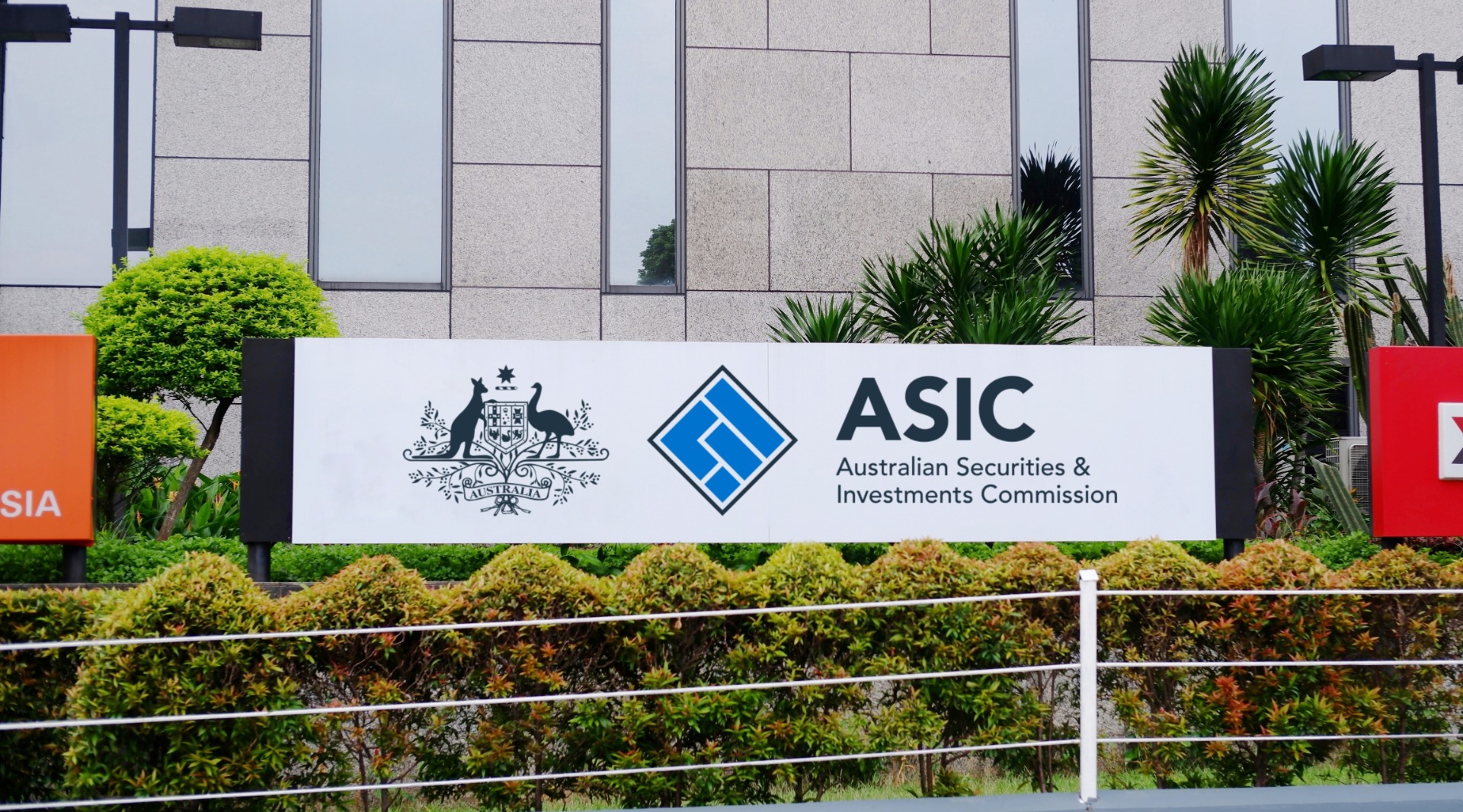
Securities and Exchange Commission (CySEC) has identified several areas where
regulated entities, including local investment firms and crypto services
providers need to improve their anti-money laundering and counter-terrorist
financing (AML/CFT) reporting practices.
Cyprus Regulated Firms Need
to Address Key Reporting Issues
In a
circular issued
today (Wednesday), CySEC outlined common weaknesses found in Compliance
Officers' Annual Reports and Internal Audit Reports for 2022, submitted by
various financial entities under its supervision, including Cyprus Investment
Firms (CIFs), Crypto Asset Service Providers (CASPs) and more.
Dr George Theocharides, Chair at CySEC and Chair of the Risk Standing Committee at ESMA
“Particularly,
it was observed that the information provided in the Compliance Officers’
Annual Reports is merely the result of the inspections and reviews performed
with no reference to the method of the inspections and reviews that were
conducted,” CySEC commented.
The
regulator also noted that some reports lacked detailed descriptions of
identified deficiencies in AML measures. CySEC argues in the document that
general overviews are not enough. It wants to see specifics on weaknesses,
their implications, and proposed remedial actions with implementation
timelines.
Another
area of concern was inadequate information on high-risk customers. The
regulator emphasized the need for comparative data on the number, origin, and
type of high-risk clients, year-over-year.
The
circular also stressed the importance of thorough documentation on systems for
ongoing account monitoring. Regulated entities
should also present sufficient information on the next year's training program
for the Compliance Officer and staff, and provide adequate information on the
Compliance Officer's Department structure and duties. What is more, companies
like CIFs and CASPS should ensure that Board of Directors' minutes include
implementation timeframes for corrective measures addressing identified issues.
CySEC Fights Windmills
The
regulator's findings are part of its annual risk-based assessment, which aims
to ensure that financial institutions maintain strong defenses against money
laundering and terrorist financing. This isn't the first time CySEC has
highlighted this issue; a
similar assessment was observed over three years ago. Although the
regulator is taking action, these measures do not seem to be producing the
intended effects.
CySEC
warned that recurring weaknesses would undergo “rigorous compliance
checks” and reminded entities of potential administrative sanctions for
non-compliance. This is not just a threat, as such penalties have been paid in
the past. For example, in February, CySEC
fined Fintailor Investments €200,000 for potential breaches of regulations
related to the prevention of money laundering. A few months earlier, Freedom
Finance paid €50,000 in a similar case.
The latest
penalty imposed by the regulator, amounting to €200,000, was however not for
breaches related to AML/CFT but for offering excessively high financial
leverage. CySEC claimed that IC Markets offered clients leverage of 1000:1,
significantly higher than European regulations allow. However, IC Markets
denied the grounds of the regulator's decision, announcing plans to appeal.
Cyprus
Securities and Exchange Commission (CySEC) has identified several areas where
regulated entities, including local investment firms and crypto services
providers need to improve their anti-money laundering and counter-terrorist
financing (AML/CFT) reporting practices.
Cyprus Regulated Firms Need
to Address Key Reporting Issues
In a
circular issued
today (Wednesday), CySEC outlined common weaknesses found in Compliance
Officers' Annual Reports and Internal Audit Reports for 2022, submitted by
various financial entities under its supervision, including Cyprus Investment
Firms (CIFs), Crypto Asset Service Providers (CASPs) and more.
Dr George Theocharides, Chair at CySEC and Chair of the Risk Standing Committee at ESMA
“Particularly,
it was observed that the information provided in the Compliance Officers’
Annual Reports is merely the result of the inspections and reviews performed
with no reference to the method of the inspections and reviews that were
conducted,” CySEC commented.
The
regulator also noted that some reports lacked detailed descriptions of
identified deficiencies in AML measures. CySEC argues in the document that
general overviews are not enough. It wants to see specifics on weaknesses,
their implications, and proposed remedial actions with implementation
timelines.
Another
area of concern was inadequate information on high-risk customers. The
regulator emphasized the need for comparative data on the number, origin, and
type of high-risk clients, year-over-year.
The
circular also stressed the importance of thorough documentation on systems for
ongoing account monitoring. Regulated entities
should also present sufficient information on the next year's training program
for the Compliance Officer and staff, and provide adequate information on the
Compliance Officer's Department structure and duties. What is more, companies
like CIFs and CASPS should ensure that Board of Directors' minutes include
implementation timeframes for corrective measures addressing identified issues.
CySEC Fights Windmills
The
regulator's findings are part of its annual risk-based assessment, which aims
to ensure that financial institutions maintain strong defenses against money
laundering and terrorist financing. This isn't the first time CySEC has
highlighted this issue; a
similar assessment was observed over three years ago. Although the
regulator is taking action, these measures do not seem to be producing the
intended effects.
CySEC
warned that recurring weaknesses would undergo “rigorous compliance
checks” and reminded entities of potential administrative sanctions for
non-compliance. This is not just a threat, as such penalties have been paid in
the past. For example, in February, CySEC
fined Fintailor Investments €200,000 for potential breaches of regulations
related to the prevention of money laundering. A few months earlier, Freedom
Finance paid €50,000 in a similar case.
The latest
penalty imposed by the regulator, amounting to €200,000, was however not for
breaches related to AML/CFT but for offering excessively high financial
leverage. CySEC claimed that IC Markets offered clients leverage of 1000:1,
significantly higher than European regulations allow. However, IC Markets
denied the grounds of the regulator's decision, announcing plans to appeal.
Damian Chmiel is a Senior Analyst & Editor at Finance Magnates with more than 15 years of experience in the CFD and online trading industry. Active as both a trader and journalist since 2010, he focuses on broker coverage, fintech innovation, and regulatory developments across Europe, the Middle East, and Asia.
His work includes interviews with C-level leaders at major brokerages and fintech platforms, as well as co-authoring Finance Magnates’ quarterly industry benchmarking reports. Damian’s reporting is data-driven, market-aware, and grounded in direct industry engagement. His analysis and commentary have also been cited by external media outlets, including Investing.com, Binance, The Asset, Stockhead, and Dispatch.
Education:
MA in Finance and Accounting, Cracow University of Economics
Italy’s Consob Tightens Net on AI-Fueled Scams With Fresh Website Bans
FP Markets Winner Spotlight 🏆 | Global Broker of the Year 2025 #Trading #Broker #Innovation #Shorts
FP Markets Winner Spotlight 🏆 | Global Broker of the Year 2025 #Trading #Broker #Innovation #Shorts
FP Markets takes the spotlight as Global Broker of the Year 2025 at the Finance Magnates Awards.
Martin Stoilov, Head of Client Experience, shares that trust, innovation, and people played a key role in the company’s success, supported by a strong foundation of integrity and client-centricity.
Following this milestone, FP Markets continues to focus on growth, technology investment, and its core values of transparency and excellence.
👉 Be part of FM Awards 2026: https://awards.financemagnates.com/#nominate
FP Markets takes the spotlight as Global Broker of the Year 2025 at the Finance Magnates Awards.
Martin Stoilov, Head of Client Experience, shares that trust, innovation, and people played a key role in the company’s success, supported by a strong foundation of integrity and client-centricity.
Following this milestone, FP Markets continues to focus on growth, technology investment, and its core values of transparency and excellence.
👉 Be part of FM Awards 2026: https://awards.financemagnates.com/#nominate
In this video, we review @HolaPrimeMarketsOfficial, a multi-asset forex and CFDs broker offering different account types, trading platforms, and flexible trading conditions.
We cover the broker’s overall offering, including account options, trading environment, platforms like MT4 and MT5, and additional services such as managed accounts and fast withdrawals.
Watch the full video to see if Hola Prime Markets fits your trading needs.
📣 Stay up to date with the latest in finance and trading. Follow Finance Magnates for industry news, insights, and global event coverage.
Connect with us:
🔗 LinkedIn: /financemagnates
👍 Facebook: /financemagnates
📸 Instagram: https://www.instagram.com/financemagnates
🐦 X: https://x.com/financemagnates
🎥 TikTok: https://www.tiktok.com/tag/financemagnates
▶️ YouTube: /@financemagnates_official
#HolaPrime #ForexBroker #CFDTrading #FinanceMagnates #Trading #Forex #BrokerReview
In this video, we review @HolaPrimeMarketsOfficial, a multi-asset forex and CFDs broker offering different account types, trading platforms, and flexible trading conditions.
We cover the broker’s overall offering, including account options, trading environment, platforms like MT4 and MT5, and additional services such as managed accounts and fast withdrawals.
Watch the full video to see if Hola Prime Markets fits your trading needs.
📣 Stay up to date with the latest in finance and trading. Follow Finance Magnates for industry news, insights, and global event coverage.
Connect with us:
🔗 LinkedIn: /financemagnates
👍 Facebook: /financemagnates
📸 Instagram: https://www.instagram.com/financemagnates
🐦 X: https://x.com/financemagnates
🎥 TikTok: https://www.tiktok.com/tag/financemagnates
▶️ YouTube: /@financemagnates_official
#HolaPrime #ForexBroker #CFDTrading #FinanceMagnates #Trading #Forex #BrokerReview
Hola Prime Review: What You Need to Know | Full Breakdown by Finance Magnates
Hola Prime Review: What You Need to Know | Full Breakdown by Finance Magnates
In this video, we review @HolaPrime_Global, a proprietary trading firm offering evaluation programs and performance-based payouts in simulated market environments.
We cover how the challenge model works, including account types, profit splits (up to 95%), trading rules, and what it takes to reach a funded account. You’ll also learn about available platforms like MT4, MT5, cTrader, and more, along with insights into payouts, support, and trading conditions.
Watch the full video to see if Hola Prime fits your trading style.
📣 Stay up to date with the latest in finance and trading. Follow Finance Magnates for industry news, insights, and global event coverage.
Connect with us:
🔗 LinkedIn: /financemagnates
👍 Facebook: /financemagnates
📸 Instagram: https://www.instagram.com/financemagnates
🐦 X: https://x.com/financemagnates
🎥 TikTok: https://www.tiktok.com/tag/financemagnates
▶️ YouTube: /@financemagnates_official
#HolaPrime #PropFirm #Trading #FinanceMagnates #Forex #FuturesTrading #TradingReview #PropFirmReview
In this video, we review @HolaPrime_Global, a proprietary trading firm offering evaluation programs and performance-based payouts in simulated market environments.
We cover how the challenge model works, including account types, profit splits (up to 95%), trading rules, and what it takes to reach a funded account. You’ll also learn about available platforms like MT4, MT5, cTrader, and more, along with insights into payouts, support, and trading conditions.
Watch the full video to see if Hola Prime fits your trading style.
📣 Stay up to date with the latest in finance and trading. Follow Finance Magnates for industry news, insights, and global event coverage.
Connect with us:
🔗 LinkedIn: /financemagnates
👍 Facebook: /financemagnates
📸 Instagram: https://www.instagram.com/financemagnates
🐦 X: https://x.com/financemagnates
🎥 TikTok: https://www.tiktok.com/tag/financemagnates
▶️ YouTube: /@financemagnates_official
#HolaPrime #PropFirm #Trading #FinanceMagnates #Forex #FuturesTrading #TradingReview #PropFirmReview
Axi Winner Spotlight 🏆 | Global Most Innovative Broker 2025 #Innovation #Trading #Fintech #Broker
Axi Winner Spotlight 🏆 | Global Most Innovative Broker 2025 #Innovation #Trading #Fintech #Broker
Axi takes the spotlight at the Finance Magnates Awards, winning Global Most Innovative Broker 2025.
Olivia Xenofontos and Ivanna Openko share how the team will feel: proud, motivated, and ready to keep delivering.
They also describe the night as well-organized, focused, and enjoyable for all.
👉 Be part of FM Awards 2026.
Axi takes the spotlight at the Finance Magnates Awards, winning Global Most Innovative Broker 2025.
Olivia Xenofontos and Ivanna Openko share how the team will feel: proud, motivated, and ready to keep delivering.
They also describe the night as well-organized, focused, and enjoyable for all.
👉 Be part of FM Awards 2026.
Recognition that matters.
Built on transparency.
Driven by the industry.
The Finance Magnates Awards 2026.
Nominations are now open.
🔗 https://awards.financemagnates.com/?utm_source=SM&utm_medium=social&utm_campaign=recognition-matters
Recognition that matters.
Built on transparency.
Driven by the industry.
The Finance Magnates Awards 2026.
Nominations are now open.
🔗 https://awards.financemagnates.com/?utm_source=SM&utm_medium=social&utm_campaign=recognition-matters