Brokers Blame Australian Regulator for Unfairly Slamming Down Their Business
Friday,18/10/2013|14:02GMTby
Adil Siddiqui
Australia’s main financial watchdog, the Australian Securities and Investments Commission, issued a notification warning investors of the nature of foreign exchange trading. The notification comes after a regulated broker went into liquidation.
The world of retail foreign exchange trading faced another battle after Australia’s financial regulator issued a harsh warning against the asset class. The Australian Securities and Investments Commission (ASIC), the country’s main organization that supervises firms operating in the financial services, banking and insurance sector, issued a grave warning to investors on its website.
The warning comes in light of a spree of illicit activity that has affected Sydney’s claim as a reputable, reliable and credible jurisdiction for business.
The regulator's notification stated that investors (customers) should, "Ensure they understand the risks of foreign exchange trading before putting their money on the line.” The notification continues with an explanation of how traders use FX as an investment/trading tool.
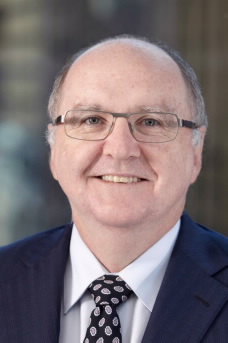
ASIC Commissioner, Greg Tanzer, commented in the official notification, saying: “Forex trading is complex and risky. Even the most skilled and experienced Forex traders have difficulty predicting movements in currencies. Trading in international currencies requires a huge amount of knowledge, research and monitoring.”
Margin FX is a derivatives product offered to traders on leverage and brokers can dictate the leverage offered to clients. A similar concept in other derivative contracts, including futures and CFDs. ASIC was the world’s first regulator to offer listed CFDs.
A Sydney-based trading professional responded to today's warning: “ASIC’s statement is unclear, unfair and misleading. FX trading is as good as any other derivatives instrument, where are the warnings against ‘other risky’ investments?"
The regulator states that it has issued the warning on the back of a major black hole that hit the Australian FX industry. Sydney-based, GTL TradeUp (GTL) went into liquidation at the end of September, thus affecting investments of several Australian investors using GTL’s trading solution.
“The warning about this complex investment comes after liquidators were appointed to GTL TradeUp Pty Ltd (GTL), a Sydney-based company involved in foreign exchange (FX or Forex) trading. ASIC is investigating GTL and the circumstances around its collapse,” the notice stated.
Greg Tanzer
ASIC’s notification is somewhat out of perspective; the regulator has inappropriately blamed FX as a tradable asset class for the failures of a regulated brokerage. The regulator is responsible to monitor and supervise firms and this ‘uncalled for' warning to investors about Forex trading will only dampen the industry at large.In the latest Investment Trends Australia report, the firm found that “41,000 Australians traded CFDs at least once in the 12 months to June 2013.”
ASIC’s team of expert traders were fortunate enough to provide ‘its clients’ with useful hints and tips:
Consumer tips
To successfully trade in FX, you will need to have good knowledge of foreign exchange, leverage, volatility, the conditions of each country whose currency you are trading, and counterparty risk – knowing where your funds will be kept and the risk that an issuer will default on its obligations to clients, including failing to return client money.
It is very risky because:
• There are significant investment risks as currency fluctuations may move against you, causing you to lose money. Exchange rates are very volatile – they tend to move around a lot even within very short periods of time.
• Markets are open 24 hours a day, 6 days a week (due to time zones), so you need to devote a lot of time to tracking your investment.
• Currency markets are extremely difficult to predict because so many factors affect exchange rates.
• Even small market movements can have a big impact, because most forex trading products are highly leveraged.
• Risk Management systems, such as stop loss–orders, will only give you limited protection by capping your losses. You may have to pay a premium price to guarantee your stop loss order.
Regulators should assess the way firms are adhering to principles and rules regarding products that the watchdog governs, as opposed to finding a scapegoat in products.
The world of retail foreign exchange trading faced another battle after Australia’s financial regulator issued a harsh warning against the asset class. The Australian Securities and Investments Commission (ASIC), the country’s main organization that supervises firms operating in the financial services, banking and insurance sector, issued a grave warning to investors on its website.
The warning comes in light of a spree of illicit activity that has affected Sydney’s claim as a reputable, reliable and credible jurisdiction for business.
The regulator's notification stated that investors (customers) should, "Ensure they understand the risks of foreign exchange trading before putting their money on the line.” The notification continues with an explanation of how traders use FX as an investment/trading tool.
ASIC Commissioner, Greg Tanzer, commented in the official notification, saying: “Forex trading is complex and risky. Even the most skilled and experienced Forex traders have difficulty predicting movements in currencies. Trading in international currencies requires a huge amount of knowledge, research and monitoring.”
Margin FX is a derivatives product offered to traders on leverage and brokers can dictate the leverage offered to clients. A similar concept in other derivative contracts, including futures and CFDs. ASIC was the world’s first regulator to offer listed CFDs.
A Sydney-based trading professional responded to today's warning: “ASIC’s statement is unclear, unfair and misleading. FX trading is as good as any other derivatives instrument, where are the warnings against ‘other risky’ investments?"
The regulator states that it has issued the warning on the back of a major black hole that hit the Australian FX industry. Sydney-based, GTL TradeUp (GTL) went into liquidation at the end of September, thus affecting investments of several Australian investors using GTL’s trading solution.
“The warning about this complex investment comes after liquidators were appointed to GTL TradeUp Pty Ltd (GTL), a Sydney-based company involved in foreign exchange (FX or Forex) trading. ASIC is investigating GTL and the circumstances around its collapse,” the notice stated.
Greg Tanzer
ASIC’s notification is somewhat out of perspective; the regulator has inappropriately blamed FX as a tradable asset class for the failures of a regulated brokerage. The regulator is responsible to monitor and supervise firms and this ‘uncalled for' warning to investors about Forex trading will only dampen the industry at large.In the latest Investment Trends Australia report, the firm found that “41,000 Australians traded CFDs at least once in the 12 months to June 2013.”
ASIC’s team of expert traders were fortunate enough to provide ‘its clients’ with useful hints and tips:
Consumer tips
To successfully trade in FX, you will need to have good knowledge of foreign exchange, leverage, volatility, the conditions of each country whose currency you are trading, and counterparty risk – knowing where your funds will be kept and the risk that an issuer will default on its obligations to clients, including failing to return client money.
It is very risky because:
• There are significant investment risks as currency fluctuations may move against you, causing you to lose money. Exchange rates are very volatile – they tend to move around a lot even within very short periods of time.
• Markets are open 24 hours a day, 6 days a week (due to time zones), so you need to devote a lot of time to tracking your investment.
• Currency markets are extremely difficult to predict because so many factors affect exchange rates.
• Even small market movements can have a big impact, because most forex trading products are highly leveraged.
• Risk Management systems, such as stop loss–orders, will only give you limited protection by capping your losses. You may have to pay a premium price to guarantee your stop loss order.
Regulators should assess the way firms are adhering to principles and rules regarding products that the watchdog governs, as opposed to finding a scapegoat in products.
Italy’s Consob Tightens Net on AI-Fueled Scams With Fresh Website Bans
FP Markets Winner Spotlight 🏆 | Global Broker of the Year 2025 #Trading #Broker #Innovation #Shorts
FP Markets Winner Spotlight 🏆 | Global Broker of the Year 2025 #Trading #Broker #Innovation #Shorts
FP Markets takes the spotlight as Global Broker of the Year 2025 at the Finance Magnates Awards.
Martin Stoilov, Head of Client Experience, shares that trust, innovation, and people played a key role in the company’s success, supported by a strong foundation of integrity and client-centricity.
Following this milestone, FP Markets continues to focus on growth, technology investment, and its core values of transparency and excellence.
👉 Be part of FM Awards 2026: https://awards.financemagnates.com/#nominate
FP Markets takes the spotlight as Global Broker of the Year 2025 at the Finance Magnates Awards.
Martin Stoilov, Head of Client Experience, shares that trust, innovation, and people played a key role in the company’s success, supported by a strong foundation of integrity and client-centricity.
Following this milestone, FP Markets continues to focus on growth, technology investment, and its core values of transparency and excellence.
👉 Be part of FM Awards 2026: https://awards.financemagnates.com/#nominate
In this video, we review @HolaPrimeMarketsOfficial, a multi-asset forex and CFDs broker offering different account types, trading platforms, and flexible trading conditions.
We cover the broker’s overall offering, including account options, trading environment, platforms like MT4 and MT5, and additional services such as managed accounts and fast withdrawals.
Watch the full video to see if Hola Prime Markets fits your trading needs.
📣 Stay up to date with the latest in finance and trading. Follow Finance Magnates for industry news, insights, and global event coverage.
Connect with us:
🔗 LinkedIn: /financemagnates
👍 Facebook: /financemagnates
📸 Instagram: https://www.instagram.com/financemagnates
🐦 X: https://x.com/financemagnates
🎥 TikTok: https://www.tiktok.com/tag/financemagnates
▶️ YouTube: /@financemagnates_official
#HolaPrime #ForexBroker #CFDTrading #FinanceMagnates #Trading #Forex #BrokerReview
In this video, we review @HolaPrimeMarketsOfficial, a multi-asset forex and CFDs broker offering different account types, trading platforms, and flexible trading conditions.
We cover the broker’s overall offering, including account options, trading environment, platforms like MT4 and MT5, and additional services such as managed accounts and fast withdrawals.
Watch the full video to see if Hola Prime Markets fits your trading needs.
📣 Stay up to date with the latest in finance and trading. Follow Finance Magnates for industry news, insights, and global event coverage.
Connect with us:
🔗 LinkedIn: /financemagnates
👍 Facebook: /financemagnates
📸 Instagram: https://www.instagram.com/financemagnates
🐦 X: https://x.com/financemagnates
🎥 TikTok: https://www.tiktok.com/tag/financemagnates
▶️ YouTube: /@financemagnates_official
#HolaPrime #ForexBroker #CFDTrading #FinanceMagnates #Trading #Forex #BrokerReview
Hola Prime Review: What You Need to Know | Full Breakdown by Finance Magnates
Hola Prime Review: What You Need to Know | Full Breakdown by Finance Magnates
In this video, we review @HolaPrime_Global, a proprietary trading firm offering evaluation programs and performance-based payouts in simulated market environments.
We cover how the challenge model works, including account types, profit splits (up to 95%), trading rules, and what it takes to reach a funded account. You’ll also learn about available platforms like MT4, MT5, cTrader, and more, along with insights into payouts, support, and trading conditions.
Watch the full video to see if Hola Prime fits your trading style.
📣 Stay up to date with the latest in finance and trading. Follow Finance Magnates for industry news, insights, and global event coverage.
Connect with us:
🔗 LinkedIn: /financemagnates
👍 Facebook: /financemagnates
📸 Instagram: https://www.instagram.com/financemagnates
🐦 X: https://x.com/financemagnates
🎥 TikTok: https://www.tiktok.com/tag/financemagnates
▶️ YouTube: /@financemagnates_official
#HolaPrime #PropFirm #Trading #FinanceMagnates #Forex #FuturesTrading #TradingReview #PropFirmReview
In this video, we review @HolaPrime_Global, a proprietary trading firm offering evaluation programs and performance-based payouts in simulated market environments.
We cover how the challenge model works, including account types, profit splits (up to 95%), trading rules, and what it takes to reach a funded account. You’ll also learn about available platforms like MT4, MT5, cTrader, and more, along with insights into payouts, support, and trading conditions.
Watch the full video to see if Hola Prime fits your trading style.
📣 Stay up to date with the latest in finance and trading. Follow Finance Magnates for industry news, insights, and global event coverage.
Connect with us:
🔗 LinkedIn: /financemagnates
👍 Facebook: /financemagnates
📸 Instagram: https://www.instagram.com/financemagnates
🐦 X: https://x.com/financemagnates
🎥 TikTok: https://www.tiktok.com/tag/financemagnates
▶️ YouTube: /@financemagnates_official
#HolaPrime #PropFirm #Trading #FinanceMagnates #Forex #FuturesTrading #TradingReview #PropFirmReview
Axi Winner Spotlight 🏆 | Global Most Innovative Broker 2025 #Innovation #Trading #Fintech #Broker
Axi Winner Spotlight 🏆 | Global Most Innovative Broker 2025 #Innovation #Trading #Fintech #Broker
Axi takes the spotlight at the Finance Magnates Awards, winning Global Most Innovative Broker 2025.
Olivia Xenofontos and Ivanna Openko share how the team will feel: proud, motivated, and ready to keep delivering.
They also describe the night as well-organized, focused, and enjoyable for all.
👉 Be part of FM Awards 2026.
Axi takes the spotlight at the Finance Magnates Awards, winning Global Most Innovative Broker 2025.
Olivia Xenofontos and Ivanna Openko share how the team will feel: proud, motivated, and ready to keep delivering.
They also describe the night as well-organized, focused, and enjoyable for all.
👉 Be part of FM Awards 2026.
Recognition that matters.
Built on transparency.
Driven by the industry.
The Finance Magnates Awards 2026.
Nominations are now open.
🔗 https://awards.financemagnates.com/?utm_source=SM&utm_medium=social&utm_campaign=recognition-matters
Recognition that matters.
Built on transparency.
Driven by the industry.
The Finance Magnates Awards 2026.
Nominations are now open.
🔗 https://awards.financemagnates.com/?utm_source=SM&utm_medium=social&utm_campaign=recognition-matters