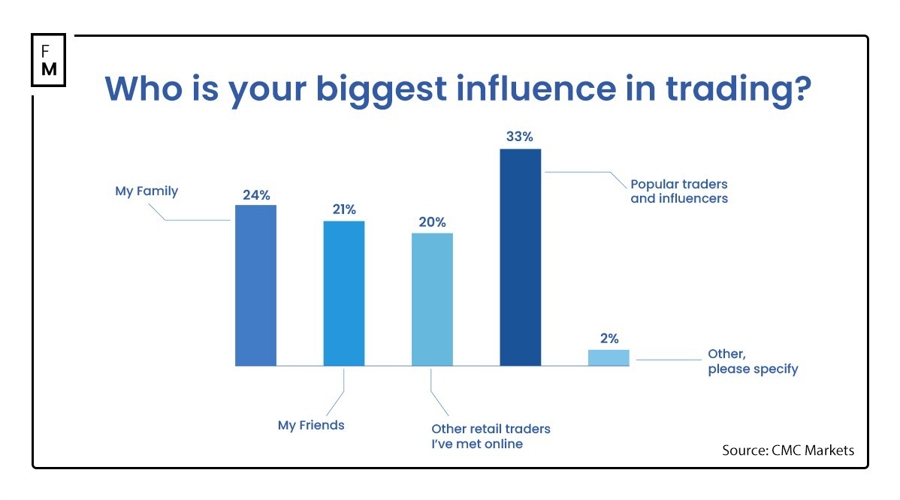
The South African regulator recently mandated that all trading signal providers operating locally must obtain licences.
Many other jurisdictions have also started to view signal providers as financial advisors.
Trading signal providers operate in a tricky space. If the recommendations are direct buy or sell signals, they may ideally require a financial advisor licence in many jurisdictions. In a very interesting way, South Africa became the first country to mandate a licence for signal providers. However, the local regulator did not just issue a notification for signal providers, mentioning the requirement for a license. Rather, it imposed an administrative penalty of over 1 million rand (about US$57,000) on a forex signal provider and clarified the mandatory requirement of obtaining a license.
Financial advisors offer investment and financial planning, considering risk tolerance and personal goals, while trading signal providers focus on short-term market opportunities, offering buy and sell recommendations based on analysis. While financial advisors are strictly regulated, the signal provider businesses operate in a grey area, and mostly do not hold any license.
The South African Financial Sector Conduct Authority (FSCA) clarified that “the practice of providing or publishing signals with reference to online trading in financial products falls within the definition of financial services in the FAIS Act, and as such, persons providing such signals require a financial services provider licence.”
Many local industry experts have welcomed decision. Jimmy Moyaha, Founder and MD of Lebowa Capital, agrees with the regulator’s stance and told Finance Magnates that “signals are advisory in nature.”
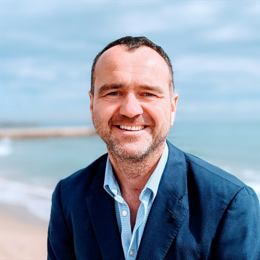
Jimmy Moyaha, Founder and MD of Lebowa Capital
"Signal provision is the service of providing investment-related recommendations to investors,” he said. “This service is seen as advisory, as each of the above decisions remains a discretionary decision, and influencing that discretion is seen as providing advice.”
The Future of Signal Providers
The definition of signal providers remains vague. Although South Africa requires signal providers to have a licence, the situation is unclear in other jurisdictions, even major ones. Most regulators are trying to find a middle ground between classifying signal providers and financial advisors.
The UK already has some regulatory provisions concerning signal providers, while Australia’s ASIC requires financial service providers to obtain appropriate licences if they engage in activities such as providing financial advice or dealing in financial products. ASIC’s actions against multiple financial influencers also clarified how the regulator wants to control this industry.
“Regulators like the FCA and ASIC have already made it clear that they will do what is necessary to protect retail investors, so it would not be surprising to see them take a page out of the FSCA’s book in the future,” Moyaha added. “As it is, other regulators impose stricter leverage restrictions to protect clients. Safeguarding investors remains a top priority for regulators.”
“We Do Not Offer Investment Advice.” Many financial influencers, commonly known as finfluencers, have also attracted the attention of regulators. However, categorising them as signal providers is complex.
“One can claim that finfluencers are also de facto financial advisers, as many of them provide (quite blatantly) financial advice and capitalise on it,” said Remonda Kirketerp-Møller, Founder and CEO of Muinmos. “However, in the case of signal provision, there would be a rather direct line between the signal and some monetary benefit, making it easier to call it a ‘service.’”
Many well-known companies operate in the stock recommendation space, but they do not offer trading signals. Instead, they use data to provide deeper insights into companies. For example, TipRanks offers a sentiment gauge, which assigns a score to a company’s stock based on various parameters.
Joe Craven, Global Head of Enterprise Solutions at TipRanks
“TipRanks is not a typical trading signal provider,” said Joe Craven, Global Head of Enterprise Solutions at TipRanks. “Rather, we look to provide actionable insights to enable investors and traders to decide for themselves whether an investment or trade makes sense.”
“We do not offer investment advice and steer very clear of that,” Craven stressed. “There is a difference between a signal being provided and a sentiment gauge—one should not be confused with the other.” Last year, Prytek acquired TipRanks for $200 million.
Most regulators do not have a clear definition of signal providers. For instance, in the UK, whether someone qualifies as a signal provider depends on how their activities align with the broader concept of “investment advice” or other regulated financial services.
Sophie Gerber, Co-CEO of TRAction and Director of Sophie Grace
“Other regulators, like ASIC, have created specific categories such as Digital Advice and ‘robo-advice’,” pointed out Sophie Gerber, Co-CEO of TRAction and Director of Sophie Grace. “These categories should fit the criteria for most signal providers.”
Some signal provider companies claim not to offer personal recommendations. One such company is Acuity Research, which provides signals based on general market insights derived from expert Technical Analysts and advanced AI-powered tools.
“Unlike many signal providers in the market, Acuity Research’s signals are designed to empower traders with objective, data-driven insights, helping them make informed decisions without directing specific trades or engaging in activities that could lead to conflicts of interest,” said Andrew Lane, Founder and CEO of Acuity. “This approach ensures transparency and aligns with Acuity Trading’s commitment to providing unbiased tools for traders.”
Andrew Lane, CEO of Acuity Trading, Source: LinkedIn
Although Acuity Research has a Financial Conduct Authority (FCA) licence, Lane explained that “our trading signals are provided on a non-suitable, non-recommended basis, meaning they do not constitute regulated investment advice under FCA rules or MiFID definitions. This distinction ensures that our services remain within the regulatory perimeter while allowing firms that use our signals to operate without conducting regulated advice, provided they adhere to the same principles.”
“Cannot Regulate Outside the Jurisdiction”
Many regulators require signal providers to obtain licences in some form. However, enforcing rules on this niche within the broader trading industry is challenging, particularly because most signal providers operate globally.
Many signal providers are based offshore and offer services worldwide. Although their services may fall under the regulatory purview of a country if they market and offer services to residents there, enforcing rules on an offshore firm is nearly impossible.
Muinmos' Founder and CEO, Remonda Kirketerp-Møller
“Regulators, as a rule, cannot regulate outside their jurisdiction,” added Kirketerp-Møller.
However, according to Gerber, signal providers must be aware of the restrictions that apply to the marketing and provision of their services in each jurisdiction where they target or accept clients, as “it is quite common for regulators to reach out to providers who are marketing in their jurisdiction or whom they know have clients from their jurisdiction to query the basis on which they are operating.”
There is also a connection between brokers and many signal providers. As Lane highlighted, many signal providers offering services directly to the public often operate as introducers or affiliates for brokers.
“These arrangements frequently involve compensation tied to first-time deposits or trading volume, and in some cases, introducers may even receive a share of ‘b-book’ profits,” he added. “Such practices can create conflicts of interest, making it difficult to identify reputable providers who remain unbiased and agnostic.”
Moyaha also confirmed this side of the signal-providing business, adding: “Brokerages often incentivise signal providers to execute through them by offering rebates or other financial benefits. The logical step would be to place a level of compliance and accountability on brokerages actively promoting foreign signal providers. For those foreign signal providers directly soliciting business locally, they should be required to comply with local regulations. Investors can only be protected by the local ombudsman if they deal with locally regulated parties.”
Trading signal providers operate in a tricky space. If the recommendations are direct buy or sell signals, they may ideally require a financial advisor licence in many jurisdictions. In a very interesting way, South Africa became the first country to mandate a licence for signal providers. However, the local regulator did not just issue a notification for signal providers, mentioning the requirement for a license. Rather, it imposed an administrative penalty of over 1 million rand (about US$57,000) on a forex signal provider and clarified the mandatory requirement of obtaining a license.
Financial advisors offer investment and financial planning, considering risk tolerance and personal goals, while trading signal providers focus on short-term market opportunities, offering buy and sell recommendations based on analysis. While financial advisors are strictly regulated, the signal provider businesses operate in a grey area, and mostly do not hold any license.
The South African Financial Sector Conduct Authority (FSCA) clarified that “the practice of providing or publishing signals with reference to online trading in financial products falls within the definition of financial services in the FAIS Act, and as such, persons providing such signals require a financial services provider licence.”
Many local industry experts have welcomed decision. Jimmy Moyaha, Founder and MD of Lebowa Capital, agrees with the regulator’s stance and told Finance Magnates that “signals are advisory in nature.”
Jimmy Moyaha, Founder and MD of Lebowa Capital
"Signal provision is the service of providing investment-related recommendations to investors,” he said. “This service is seen as advisory, as each of the above decisions remains a discretionary decision, and influencing that discretion is seen as providing advice.”
The Future of Signal Providers
The definition of signal providers remains vague. Although South Africa requires signal providers to have a licence, the situation is unclear in other jurisdictions, even major ones. Most regulators are trying to find a middle ground between classifying signal providers and financial advisors.
The UK already has some regulatory provisions concerning signal providers, while Australia’s ASIC requires financial service providers to obtain appropriate licences if they engage in activities such as providing financial advice or dealing in financial products. ASIC’s actions against multiple financial influencers also clarified how the regulator wants to control this industry.
“Regulators like the FCA and ASIC have already made it clear that they will do what is necessary to protect retail investors, so it would not be surprising to see them take a page out of the FSCA’s book in the future,” Moyaha added. “As it is, other regulators impose stricter leverage restrictions to protect clients. Safeguarding investors remains a top priority for regulators.”
“We Do Not Offer Investment Advice.” Many financial influencers, commonly known as finfluencers, have also attracted the attention of regulators. However, categorising them as signal providers is complex.
“One can claim that finfluencers are also de facto financial advisers, as many of them provide (quite blatantly) financial advice and capitalise on it,” said Remonda Kirketerp-Møller, Founder and CEO of Muinmos. “However, in the case of signal provision, there would be a rather direct line between the signal and some monetary benefit, making it easier to call it a ‘service.’”
Many well-known companies operate in the stock recommendation space, but they do not offer trading signals. Instead, they use data to provide deeper insights into companies. For example, TipRanks offers a sentiment gauge, which assigns a score to a company’s stock based on various parameters.
Joe Craven, Global Head of Enterprise Solutions at TipRanks
“TipRanks is not a typical trading signal provider,” said Joe Craven, Global Head of Enterprise Solutions at TipRanks. “Rather, we look to provide actionable insights to enable investors and traders to decide for themselves whether an investment or trade makes sense.”
“We do not offer investment advice and steer very clear of that,” Craven stressed. “There is a difference between a signal being provided and a sentiment gauge—one should not be confused with the other.” Last year, Prytek acquired TipRanks for $200 million.
Most regulators do not have a clear definition of signal providers. For instance, in the UK, whether someone qualifies as a signal provider depends on how their activities align with the broader concept of “investment advice” or other regulated financial services.
Sophie Gerber, Co-CEO of TRAction and Director of Sophie Grace
“Other regulators, like ASIC, have created specific categories such as Digital Advice and ‘robo-advice’,” pointed out Sophie Gerber, Co-CEO of TRAction and Director of Sophie Grace. “These categories should fit the criteria for most signal providers.”
Some signal provider companies claim not to offer personal recommendations. One such company is Acuity Research, which provides signals based on general market insights derived from expert Technical Analysts and advanced AI-powered tools.
“Unlike many signal providers in the market, Acuity Research’s signals are designed to empower traders with objective, data-driven insights, helping them make informed decisions without directing specific trades or engaging in activities that could lead to conflicts of interest,” said Andrew Lane, Founder and CEO of Acuity. “This approach ensures transparency and aligns with Acuity Trading’s commitment to providing unbiased tools for traders.”
Andrew Lane, CEO of Acuity Trading, Source: LinkedIn
Although Acuity Research has a Financial Conduct Authority (FCA) licence, Lane explained that “our trading signals are provided on a non-suitable, non-recommended basis, meaning they do not constitute regulated investment advice under FCA rules or MiFID definitions. This distinction ensures that our services remain within the regulatory perimeter while allowing firms that use our signals to operate without conducting regulated advice, provided they adhere to the same principles.”
“Cannot Regulate Outside the Jurisdiction”
Many regulators require signal providers to obtain licences in some form. However, enforcing rules on this niche within the broader trading industry is challenging, particularly because most signal providers operate globally.
Many signal providers are based offshore and offer services worldwide. Although their services may fall under the regulatory purview of a country if they market and offer services to residents there, enforcing rules on an offshore firm is nearly impossible.
Muinmos' Founder and CEO, Remonda Kirketerp-Møller
“Regulators, as a rule, cannot regulate outside their jurisdiction,” added Kirketerp-Møller.
However, according to Gerber, signal providers must be aware of the restrictions that apply to the marketing and provision of their services in each jurisdiction where they target or accept clients, as “it is quite common for regulators to reach out to providers who are marketing in their jurisdiction or whom they know have clients from their jurisdiction to query the basis on which they are operating.”
There is also a connection between brokers and many signal providers. As Lane highlighted, many signal providers offering services directly to the public often operate as introducers or affiliates for brokers.
“These arrangements frequently involve compensation tied to first-time deposits or trading volume, and in some cases, introducers may even receive a share of ‘b-book’ profits,” he added. “Such practices can create conflicts of interest, making it difficult to identify reputable providers who remain unbiased and agnostic.”
Moyaha also confirmed this side of the signal-providing business, adding: “Brokerages often incentivise signal providers to execute through them by offering rebates or other financial benefits. The logical step would be to place a level of compliance and accountability on brokerages actively promoting foreign signal providers. For those foreign signal providers directly soliciting business locally, they should be required to comply with local regulations. Investors can only be protected by the local ombudsman if they deal with locally regulated parties.”
Arnab Shome is an electronics engineer-turned-financial editor. He holds a Bachelor of Technology from the National Institute of Technology, Agartala. He entered the retail trading industry about a decade ago, covering the cryptocurrency market for Finance Magnates, and later expanded his coverage to include forex and CFDs as well.
His work at Finance Magnates includes C-level interviews, data-driven analysis, opinion pieces, and scoops of industry exclusives. He also contributes to Finance Magnates’ quarterly industry report.
Area of coverage:
1. CFD broker-related news
2. Industry-related Regulatory updates and developments
3. New retail trading trends
4. Prop trading industry updates
5. Executive interviews
Education:
Bachelor of Technology - National Institute of Technology, Agartala (India)
Most Axi Clients Now Trade on MetaTrader 5 as Broker Rolls Out MetaQuotes' Order Engine
Featured Videos
AvaTrade to Acquire Most of FXCM; NAGA Raises $8M
AvaTrade to Acquire Most of FXCM; NAGA Raises $8M
AvaTrade to Acquire Most of FXCM; NAGA Raises $8M
AvaTrade to Acquire Most of FXCM; NAGA Raises $8M
Today’s financial news recap covers AvaTrade agrees to acquire most of FXCM, NAGA secures eight million dollars in new financing, and Wise seeks a tax settlement in the UK.
Finance Magnates Daily Recap brings you the latest news from forex and CFD brokers, fintech, payments, cryptocurrency, digital assets, trading platforms, financial regulation and global markets.
Get the key company news, executive moves, deals, regulatory updates and market developments of the day, in just a few minutes. New episodes published every weekday.
Read more: https://www.financemagnates.com
#FinanceMagnates #ForexNews #FintechNews
Today’s financial news recap covers AvaTrade agrees to acquire most of FXCM, NAGA secures eight million dollars in new financing, and Wise seeks a tax settlement in the UK.
Finance Magnates Daily Recap brings you the latest news from forex and CFD brokers, fintech, payments, cryptocurrency, digital assets, trading platforms, financial regulation and global markets.
Get the key company news, executive moves, deals, regulatory updates and market developments of the day, in just a few minutes. New episodes published every weekday.
Read more: https://www.financemagnates.com
#FinanceMagnates #ForexNews #FintechNews
Today’s financial news recap covers AvaTrade agrees to acquire most of FXCM, NAGA secures eight million dollars in new financing, and Wise seeks a tax settlement in the UK.
Finance Magnates Daily Recap brings you the latest news from forex and CFD brokers, fintech, payments, cryptocurrency, digital assets, trading platforms, financial regulation and global markets.
Get the key company news, executive moves, deals, regulatory updates and market developments of the day, in just a few minutes. New episodes published every weekday.
Read more: https://www.financemagnates.com
#FinanceMagnates #ForexNews #FintechNews
Today’s financial news recap covers AvaTrade agrees to acquire most of FXCM, NAGA secures eight million dollars in new financing, and Wise seeks a tax settlement in the UK.
Finance Magnates Daily Recap brings you the latest news from forex and CFD brokers, fintech, payments, cryptocurrency, digital assets, trading platforms, financial regulation and global markets.
Get the key company news, executive moves, deals, regulatory updates and market developments of the day, in just a few minutes. New episodes published every weekday.
Read more: https://www.financemagnates.com
#FinanceMagnates #ForexNews #FintechNews
XTB Adds Overnight US Stock Trading; Nasdaq Ventures Invests in One Trading
XTB Adds Overnight US Stock Trading; Nasdaq Ventures Invests in One Trading
XTB Adds Overnight US Stock Trading; Nasdaq Ventures Invests in One Trading
XTB Adds Overnight US Stock Trading; Nasdaq Ventures Invests in One Trading
XTB Adds Overnight US Stock Trading; Nasdaq Ventures Invests in One Trading
XTB Adds Overnight US Stock Trading; Nasdaq Ventures Invests in One Trading
Today’s financial news recap covers XTB expands overnight US stock trading, Fortrade reports higher revenue, Nasdaq backs One Trading, and Vest Labs raises 13 million dollars.
Finance Magnates Daily Recap brings you the latest news from forex and CFD brokers, fintech, payments, cryptocurrency, digital assets, trading platforms, financial regulation and global markets.
Get the key company news, executive moves, deals, regulatory updates and market developments of the day, in just a few minutes. New episodes published every weekday.
Read more: https://www.financemagnates.com
#FinanceMagnates #ForexNews #FintechNews
Today’s financial news recap covers XTB expands overnight US stock trading, Fortrade reports higher revenue, Nasdaq backs One Trading, and Vest Labs raises 13 million dollars.
Finance Magnates Daily Recap brings you the latest news from forex and CFD brokers, fintech, payments, cryptocurrency, digital assets, trading platforms, financial regulation and global markets.
Get the key company news, executive moves, deals, regulatory updates and market developments of the day, in just a few minutes. New episodes published every weekday.
Read more: https://www.financemagnates.com
#FinanceMagnates #ForexNews #FintechNews
Today’s financial news recap covers XTB expands overnight US stock trading, Fortrade reports higher revenue, Nasdaq backs One Trading, and Vest Labs raises 13 million dollars.
Finance Magnates Daily Recap brings you the latest news from forex and CFD brokers, fintech, payments, cryptocurrency, digital assets, trading platforms, financial regulation and global markets.
Get the key company news, executive moves, deals, regulatory updates and market developments of the day, in just a few minutes. New episodes published every weekday.
Read more: https://www.financemagnates.com
#FinanceMagnates #ForexNews #FintechNews
Today’s financial news recap covers XTB expands overnight US stock trading, Fortrade reports higher revenue, Nasdaq backs One Trading, and Vest Labs raises 13 million dollars.
Finance Magnates Daily Recap brings you the latest news from forex and CFD brokers, fintech, payments, cryptocurrency, digital assets, trading platforms, financial regulation and global markets.
Get the key company news, executive moves, deals, regulatory updates and market developments of the day, in just a few minutes. New episodes published every weekday.
Read more: https://www.financemagnates.com
#FinanceMagnates #ForexNews #FintechNews
Today’s financial news recap covers XTB expands overnight US stock trading, Fortrade reports higher revenue, Nasdaq backs One Trading, and Vest Labs raises 13 million dollars.
Finance Magnates Daily Recap brings you the latest news from forex and CFD brokers, fintech, payments, cryptocurrency, digital assets, trading platforms, financial regulation and global markets.
Get the key company news, executive moves, deals, regulatory updates and market developments of the day, in just a few minutes. New episodes published every weekday.
Read more: https://www.financemagnates.com
#FinanceMagnates #ForexNews #FintechNews
Today’s financial news recap covers XTB expands overnight US stock trading, Fortrade reports higher revenue, Nasdaq backs One Trading, and Vest Labs raises 13 million dollars.
Finance Magnates Daily Recap brings you the latest news from forex and CFD brokers, fintech, payments, cryptocurrency, digital assets, trading platforms, financial regulation and global markets.
Get the key company news, executive moves, deals, regulatory updates and market developments of the day, in just a few minutes. New episodes published every weekday.
Read more: https://www.financemagnates.com
#FinanceMagnates #ForexNews #FintechNews
CMC Founder Downplays Volatility Hit; Devexperts Names CEO
CMC Founder Downplays Volatility Hit; Devexperts Names CEO
CMC Founder Downplays Volatility Hit; Devexperts Names CEO
CMC Founder Downplays Volatility Hit; Devexperts Names CEO
CMC Founder Downplays Volatility Hit; Devexperts Names CEO
CMC Founder Downplays Volatility Hit; Devexperts Names CEO
Today’s financial news recap covers low volatility pressures brokers, Devexperts names a new CEO, Saxo cuts onboarding time, and OKX reaches a 25 billion dollar valuation.
Finance Magnates Daily Recap brings you the latest news from forex and CFD brokers, fintech, payments, cryptocurrency, digital assets, trading platforms, financial regulation and global markets.
Get the key company news, executive moves, deals, regulatory updates and market developments of the day, in just a few minutes. New episodes published every weekday.
Read more: https://www.financemagnates.com
#FinanceMagnates #ForexNews #FintechNews
Today’s financial news recap covers low volatility pressures brokers, Devexperts names a new CEO, Saxo cuts onboarding time, and OKX reaches a 25 billion dollar valuation.
Finance Magnates Daily Recap brings you the latest news from forex and CFD brokers, fintech, payments, cryptocurrency, digital assets, trading platforms, financial regulation and global markets.
Get the key company news, executive moves, deals, regulatory updates and market developments of the day, in just a few minutes. New episodes published every weekday.
Read more: https://www.financemagnates.com
#FinanceMagnates #ForexNews #FintechNews
Today’s financial news recap covers low volatility pressures brokers, Devexperts names a new CEO, Saxo cuts onboarding time, and OKX reaches a 25 billion dollar valuation.
Finance Magnates Daily Recap brings you the latest news from forex and CFD brokers, fintech, payments, cryptocurrency, digital assets, trading platforms, financial regulation and global markets.
Get the key company news, executive moves, deals, regulatory updates and market developments of the day, in just a few minutes. New episodes published every weekday.
Read more: https://www.financemagnates.com
#FinanceMagnates #ForexNews #FintechNews
Today’s financial news recap covers low volatility pressures brokers, Devexperts names a new CEO, Saxo cuts onboarding time, and OKX reaches a 25 billion dollar valuation.
Finance Magnates Daily Recap brings you the latest news from forex and CFD brokers, fintech, payments, cryptocurrency, digital assets, trading platforms, financial regulation and global markets.
Get the key company news, executive moves, deals, regulatory updates and market developments of the day, in just a few minutes. New episodes published every weekday.
Read more: https://www.financemagnates.com
#FinanceMagnates #ForexNews #FintechNews
Today’s financial news recap covers low volatility pressures brokers, Devexperts names a new CEO, Saxo cuts onboarding time, and OKX reaches a 25 billion dollar valuation.
Finance Magnates Daily Recap brings you the latest news from forex and CFD brokers, fintech, payments, cryptocurrency, digital assets, trading platforms, financial regulation and global markets.
Get the key company news, executive moves, deals, regulatory updates and market developments of the day, in just a few minutes. New episodes published every weekday.
Read more: https://www.financemagnates.com
#FinanceMagnates #ForexNews #FintechNews
Today’s financial news recap covers low volatility pressures brokers, Devexperts names a new CEO, Saxo cuts onboarding time, and OKX reaches a 25 billion dollar valuation.
Finance Magnates Daily Recap brings you the latest news from forex and CFD brokers, fintech, payments, cryptocurrency, digital assets, trading platforms, financial regulation and global markets.
Get the key company news, executive moves, deals, regulatory updates and market developments of the day, in just a few minutes. New episodes published every weekday.
Read more: https://www.financemagnates.com
#FinanceMagnates #ForexNews #FintechNews
Today’s financial news recap covers Trade Nation buys FXCM's UK client book, Trading 212 reports higher revenue, the CFTC's move to allow perpetual index futures.
Finance Magnates Daily Recap brings you the latest news from forex and CFD brokers, fintech, payments, cryptocurrency, digital assets, trading platforms, financial regulation and global markets.
Get the key company news, executive moves, deals, regulatory updates and market developments of the day, in just a few minutes. New episodes published every weekday.
Read more: https://www.financemagnates.com
#FinanceMagnates #ForexNews #FintechNews
Today’s financial news recap covers Trade Nation buys FXCM's UK client book, Trading 212 reports higher revenue, the CFTC's move to allow perpetual index futures.
Finance Magnates Daily Recap brings you the latest news from forex and CFD brokers, fintech, payments, cryptocurrency, digital assets, trading platforms, financial regulation and global markets.
Get the key company news, executive moves, deals, regulatory updates and market developments of the day, in just a few minutes. New episodes published every weekday.
Read more: https://www.financemagnates.com
#FinanceMagnates #ForexNews #FintechNews
Today’s financial news recap covers Trade Nation buys FXCM's UK client book, Trading 212 reports higher revenue, the CFTC's move to allow perpetual index futures.
Finance Magnates Daily Recap brings you the latest news from forex and CFD brokers, fintech, payments, cryptocurrency, digital assets, trading platforms, financial regulation and global markets.
Get the key company news, executive moves, deals, regulatory updates and market developments of the day, in just a few minutes. New episodes published every weekday.
Read more: https://www.financemagnates.com
#FinanceMagnates #ForexNews #FintechNews
Today’s financial news recap covers Trade Nation buys FXCM's UK client book, Trading 212 reports higher revenue, the CFTC's move to allow perpetual index futures.
Finance Magnates Daily Recap brings you the latest news from forex and CFD brokers, fintech, payments, cryptocurrency, digital assets, trading platforms, financial regulation and global markets.
Get the key company news, executive moves, deals, regulatory updates and market developments of the day, in just a few minutes. New episodes published every weekday.
Read more: https://www.financemagnates.com
#FinanceMagnates #ForexNews #FintechNews
Today’s financial news recap covers Trade Nation buys FXCM's UK client book, Trading 212 reports higher revenue, the CFTC's move to allow perpetual index futures.
Finance Magnates Daily Recap brings you the latest news from forex and CFD brokers, fintech, payments, cryptocurrency, digital assets, trading platforms, financial regulation and global markets.
Get the key company news, executive moves, deals, regulatory updates and market developments of the day, in just a few minutes. New episodes published every weekday.
Read more: https://www.financemagnates.com
#FinanceMagnates #ForexNews #FintechNews
Today’s financial news recap covers Trade Nation buys FXCM's UK client book, Trading 212 reports higher revenue, the CFTC's move to allow perpetual index futures.
Finance Magnates Daily Recap brings you the latest news from forex and CFD brokers, fintech, payments, cryptocurrency, digital assets, trading platforms, financial regulation and global markets.
Get the key company news, executive moves, deals, regulatory updates and market developments of the day, in just a few minutes. New episodes published every weekday.
Read more: https://www.financemagnates.com
#FinanceMagnates #ForexNews #FintechNews
Your career isn’t a linear path.
Your career isn’t a linear path.
Your career isn’t a linear path.
Your career isn’t a linear path.
Your career isn’t a linear path.
Your career isn’t a linear path.
Roles change. Career goals change. Sometimes you want a completely new challenge.
But the skills and knowledge you build along the way can stay with you and give you something to build on.
For Jeff Patterson, that continued growth is key to long-term career development.
You bring the skills. FM Academy helps you build the knowledge.
#FMAcademy #FinanceMagnates #FinanceCareers #ProfessionalDevelopment #Fintech
Roles change. Career goals change. Sometimes you want a completely new challenge.
But the skills and knowledge you build along the way can stay with you and give you something to build on.
For Jeff Patterson, that continued growth is key to long-term career development.
You bring the skills. FM Academy helps you build the knowledge.
#FMAcademy #FinanceMagnates #FinanceCareers #ProfessionalDevelopment #Fintech
Roles change. Career goals change. Sometimes you want a completely new challenge.
But the skills and knowledge you build along the way can stay with you and give you something to build on.
For Jeff Patterson, that continued growth is key to long-term career development.
You bring the skills. FM Academy helps you build the knowledge.
#FMAcademy #FinanceMagnates #FinanceCareers #ProfessionalDevelopment #Fintech
Roles change. Career goals change. Sometimes you want a completely new challenge.
But the skills and knowledge you build along the way can stay with you and give you something to build on.
For Jeff Patterson, that continued growth is key to long-term career development.
You bring the skills. FM Academy helps you build the knowledge.
#FMAcademy #FinanceMagnates #FinanceCareers #ProfessionalDevelopment #Fintech
Roles change. Career goals change. Sometimes you want a completely new challenge.
But the skills and knowledge you build along the way can stay with you and give you something to build on.
For Jeff Patterson, that continued growth is key to long-term career development.
You bring the skills. FM Academy helps you build the knowledge.
#FMAcademy #FinanceMagnates #FinanceCareers #ProfessionalDevelopment #Fintech
Roles change. Career goals change. Sometimes you want a completely new challenge.
But the skills and knowledge you build along the way can stay with you and give you something to build on.
For Jeff Patterson, that continued growth is key to long-term career development.
You bring the skills. FM Academy helps you build the knowledge.
#FMAcademy #FinanceMagnates #FinanceCareers #ProfessionalDevelopment #Fintech