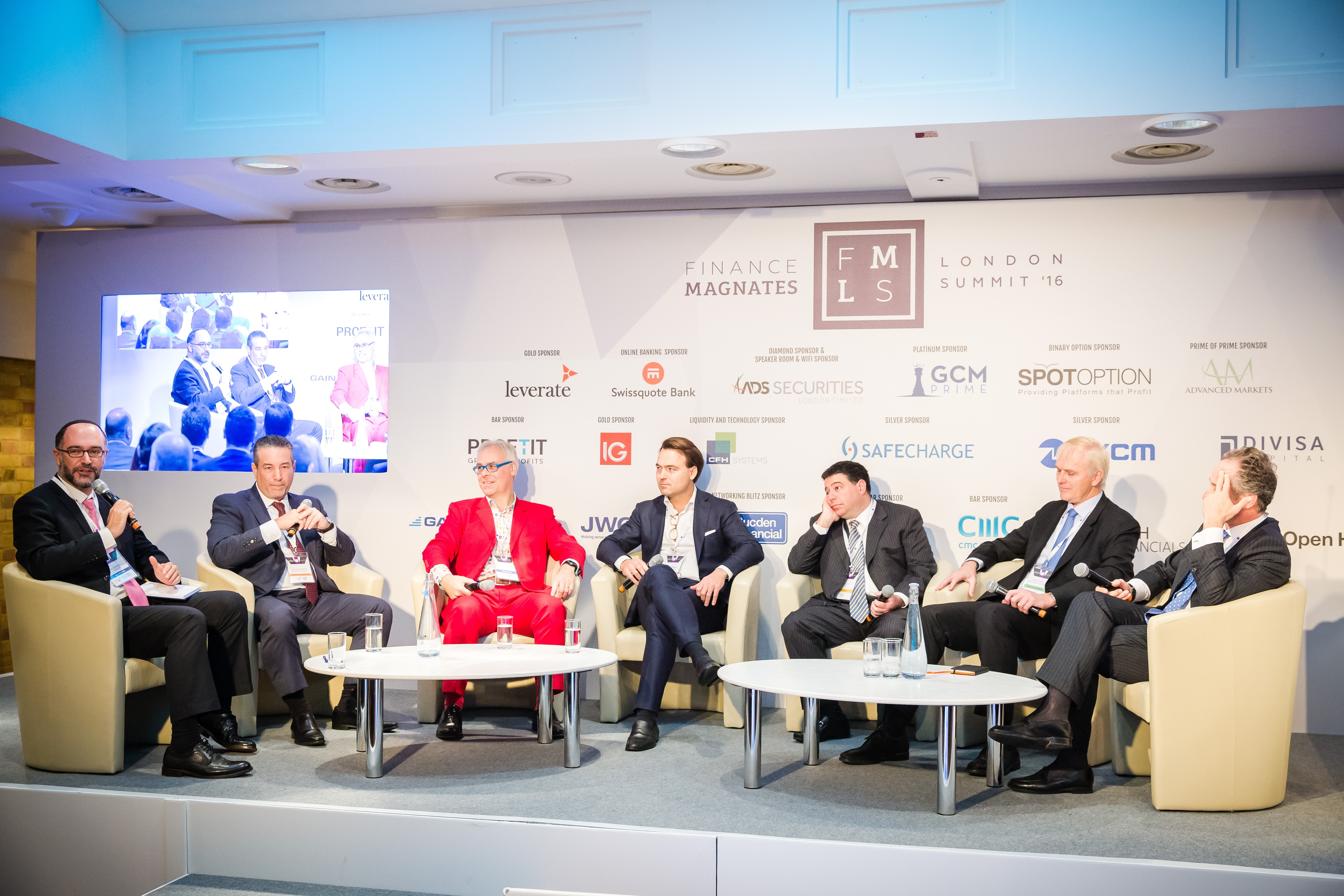
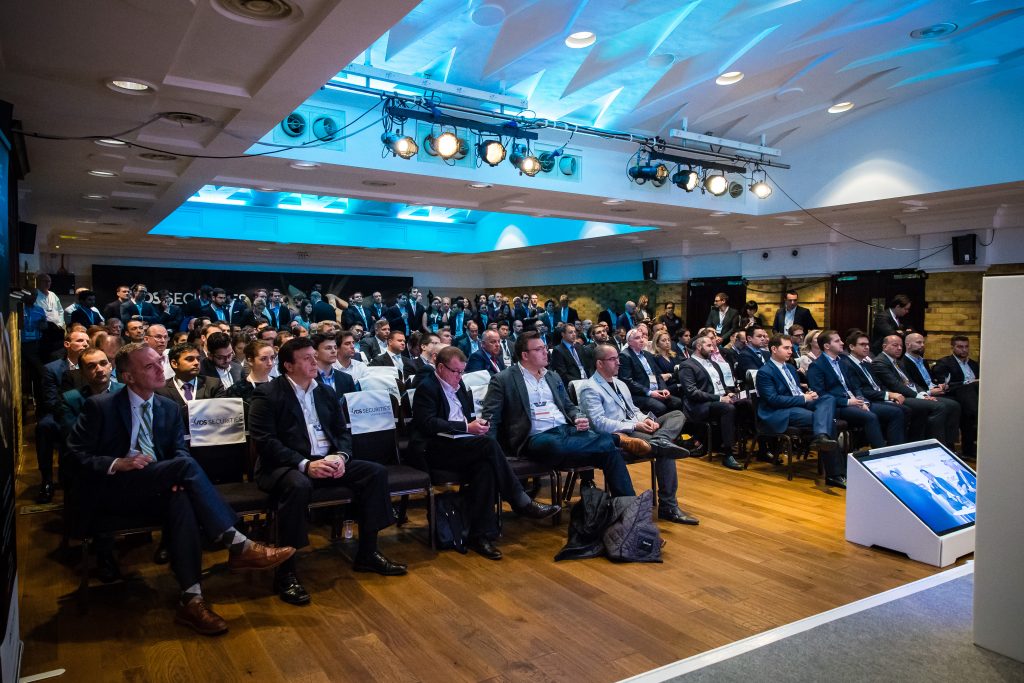
Ron Finberg moderated the CEO panel at the London Summit. Here he gives his review of the executives' discussion.
Finance Magnates
For the past few years, after returning from industry conferences such as the iFX Expo in Cyprus/Hong Kong and the Finance Magnates London Summit, I have published my thoughts on trends and interesting topics from the event.
Having moved from Finance Magnates to Cappitech since the last London Summit, my viewpoint has changed from a media observer to an attendee that was exhibiting at the event. Nonetheless, moderating the CEO panel London Summit provided a wide ranging vantage point to hear and analyze trends in the industry beyond just EMIR and MIFID I/II reporting that my firm is involved in (and my current livelihood depends on).
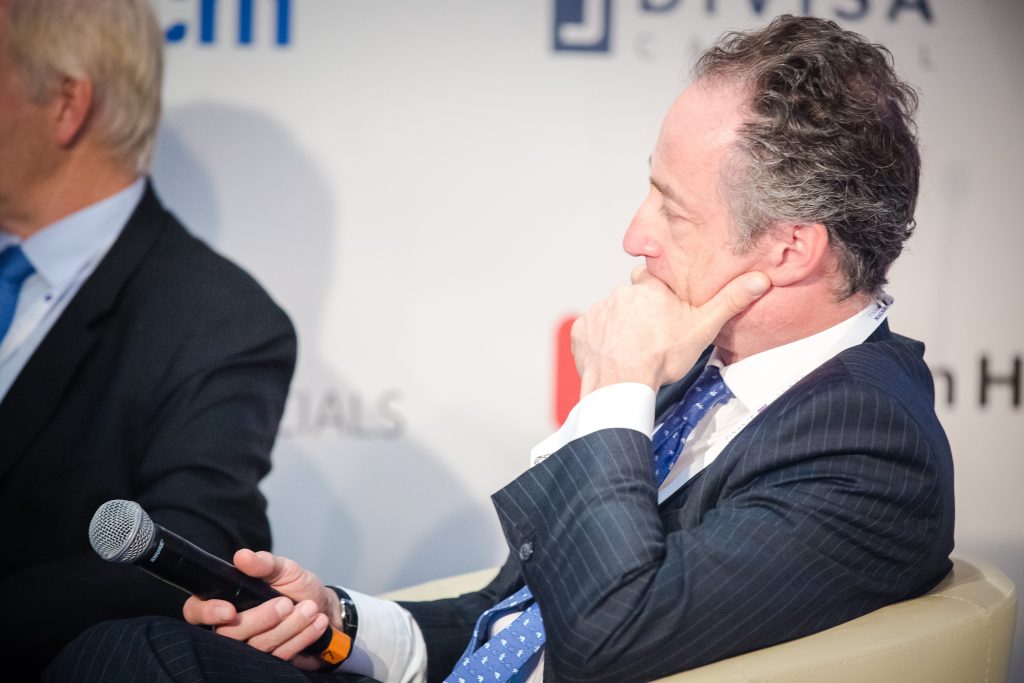
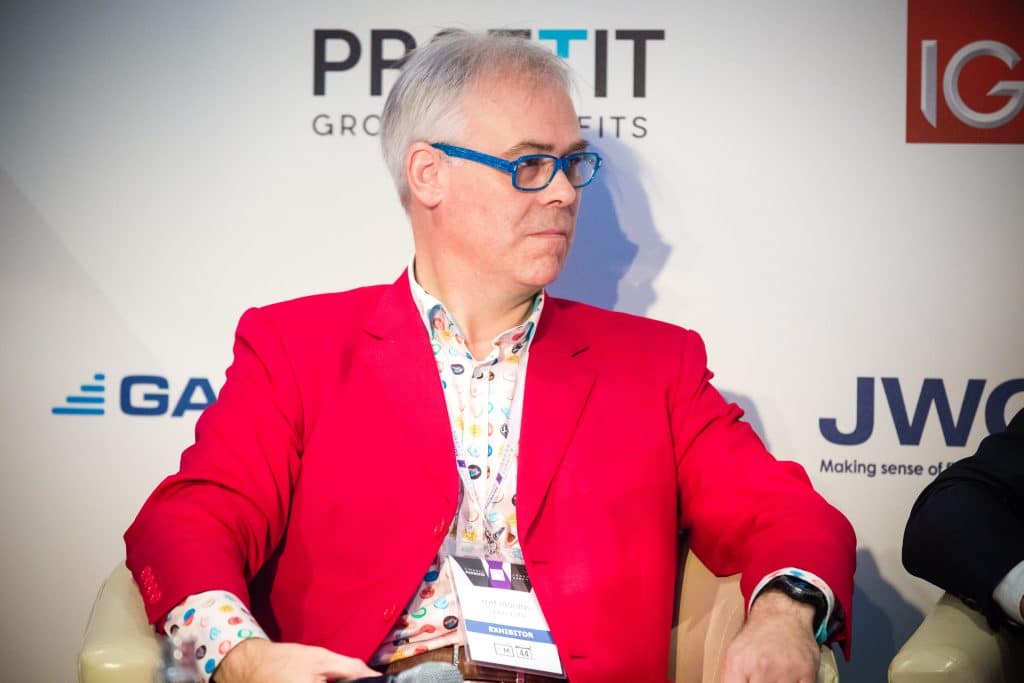
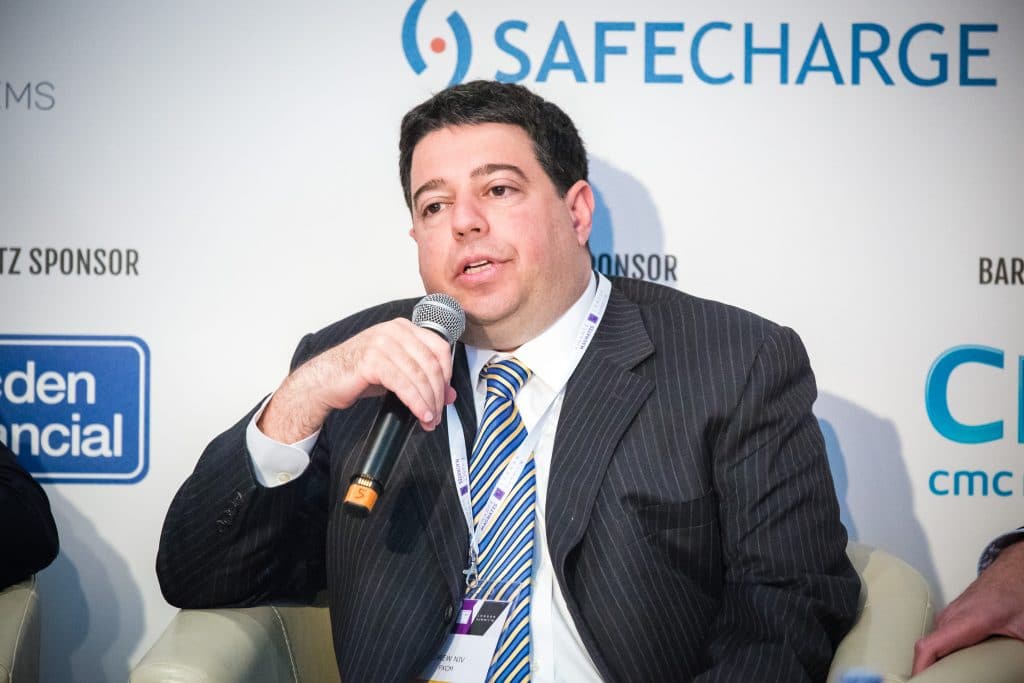
With that little introduction, below are some of the items that caught my attention during the panel which included Marco Baggioli, Executive Managing Director - Global Head of Brokerage, ADS Securities, Drew Niv, CEO of FXCM, Tom Higgins, CEO of Gold-I, Anthony Brocco, CEO of Advanced Markets, Christian Frahm, CEO of CFH Group and Marc Burki, CEO of Swissquote.
Marco Baggioli
M&A Premiums (technology)
While I didn’t plan on focusing too much time on M&A during the panel, it became a much more interesting topic as CFH Group had entered into an agreement to sell a 70% stake to Playtech the previous day. At a valuation north of $100 million, the deal was a surprise given revenue figures for CFH only in the teens.
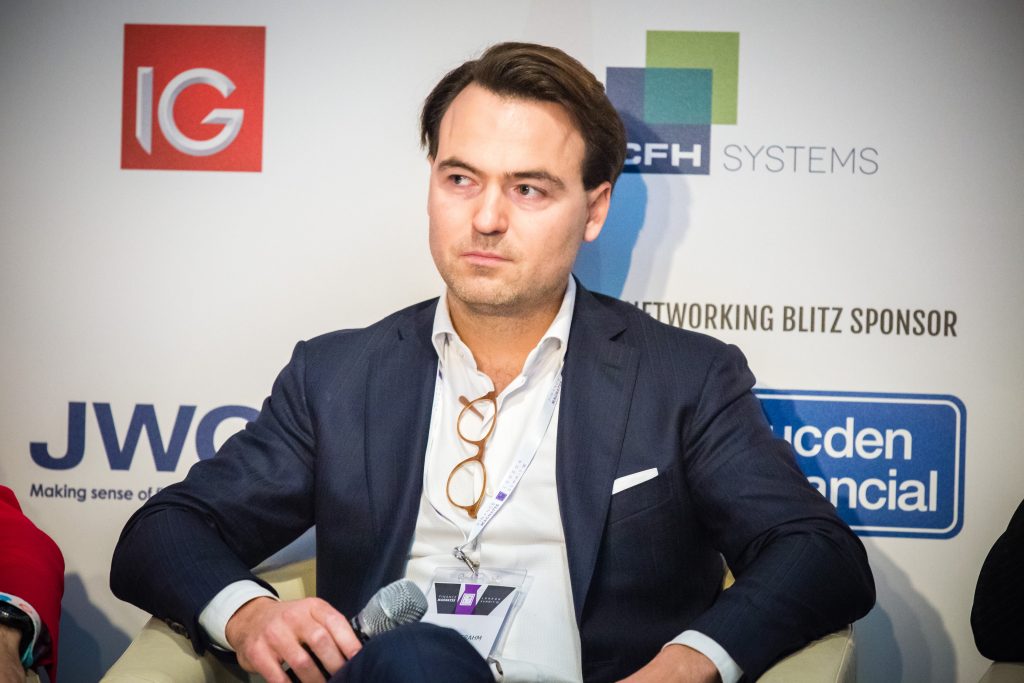
CFH Group CEO Christian Frahm was limited in what he could say during the panel due to regulatory and deal restrictions, but there were a few points worth mentioning. CFH Group itself had launched an M&A program to invest in broker technology. According to Frahm, that endeavor will continue, with even greater resources.
In terms of valuations, while not explicitly referring to his own company, Frahm explained that his viewpoint is that M&A interest in the industry has moved from brokers towards technology. Therefore, he believed B2B fintech technology is probably the best place to be in terms of both interest and acquirers as well as strong valuations.
Tom Higgins
M&A (brokers)
In contrast to technology, the panelists currently viewed brokers to be out of favor by both investors and acquirers. In relation to investors, rising risk and compressed profits are the big issue that is inhibiting new money from hitting the industry, while in the past a new broker could find capital to back their venture with the pitch that the risk vs reward ratios are favorable to investors. This is less of the case now due to rising fees to cover regulation and acquisition costs and the SNB event showing that the industry is riskier than imagined two years ago.
The panelists also explained that stricter regulation is making it harder to do deals. FXCM CEO Drew Niv explained that beyond just the financials, you need to look at how many clients you will be able to keep after factoring in regulatory restrictions of customers from various countries. Therefore, despite many brokers looking to be bought, their expected valuation is well below what an acquirer would want to pay.
Drew Niv
Trump
One encouraging development that could boost the industry is Donald Trump’s victory. According to Niv, if Trump were to repeal portions of Dodd-Frank, it would free up between $5-$10 million in capital that could go towards growing business in the US instead of being held up as capital requirements.
In relation to M&A and investors, Anthony Brocco, CEO of Advanced Markets, explained that there are a lot of US entrepreneurs that are staying away from the financial industry due to regulation. Therefore, an ease of financial legislation under Trump could boost US based innovation and increase the number of players in the country.
Christian Frahm
MetaTrader 5
At the London Summit, MetaQuotes made a big push to promote MetaTrader 5 (MT5). It's involvement was in contrast to previous years when it had limited conference exposure in London, and favored the iFX Expos to present itself.
Unlike in previous years when the question was ‘will MT5 ever overtake MT4', the sentiment changed to ‘when’.
Technology
Discussing technology, the panelists had wide ranging views of it. Marco Baggioli believed that adopting new technology will differentiate how brokers perform over the long term. In terms of which forms of technology to adopt, Marc Burki, CEO of Swissquote, advocated trader facing products. He believed that it is important to provide them with resources to improve their experience.
With a contrary opinion, Niv was the lone panelist that was less concerned with technology innovation. Regulation and how firms will handle new laws like MiFID II was a more pressing issue to operating a brokerage.
Binary options
It was perhaps not surprising, given that the panel featured forex and CFD trading and technology executives, that none of them had a positive opinion on binary options. The panelists cited the negative headlines and government crackdowns on the product, that are making it a risky sector to be involved with.
Also, beyond the operational risks, some of the panelists questioned the place of binary options among traders due to the low long term odds of the product.
For the past few years, after returning from industry conferences such as the iFX Expo in Cyprus/Hong Kong and the Finance Magnates London Summit, I have published my thoughts on trends and interesting topics from the event.
Having moved from Finance Magnates to Cappitech since the last London Summit, my viewpoint has changed from a media observer to an attendee that was exhibiting at the event. Nonetheless, moderating the CEO panel London Summit provided a wide ranging vantage point to hear and analyze trends in the industry beyond just EMIR and MIFID I/II reporting that my firm is involved in (and my current livelihood depends on).
With that little introduction, below are some of the items that caught my attention during the panel which included Marco Baggioli, Executive Managing Director - Global Head of Brokerage, ADS Securities, Drew Niv, CEO of FXCM, Tom Higgins, CEO of Gold-I, Anthony Brocco, CEO of Advanced Markets, Christian Frahm, CEO of CFH Group and Marc Burki, CEO of Swissquote.
Marco Baggioli
M&A Premiums (technology)
While I didn’t plan on focusing too much time on M&A during the panel, it became a much more interesting topic as CFH Group had entered into an agreement to sell a 70% stake to Playtech the previous day. At a valuation north of $100 million, the deal was a surprise given revenue figures for CFH only in the teens.
CFH Group CEO Christian Frahm was limited in what he could say during the panel due to regulatory and deal restrictions, but there were a few points worth mentioning. CFH Group itself had launched an M&A program to invest in broker technology. According to Frahm, that endeavor will continue, with even greater resources.
In terms of valuations, while not explicitly referring to his own company, Frahm explained that his viewpoint is that M&A interest in the industry has moved from brokers towards technology. Therefore, he believed B2B fintech technology is probably the best place to be in terms of both interest and acquirers as well as strong valuations.
Tom Higgins
M&A (brokers)
In contrast to technology, the panelists currently viewed brokers to be out of favor by both investors and acquirers. In relation to investors, rising risk and compressed profits are the big issue that is inhibiting new money from hitting the industry, while in the past a new broker could find capital to back their venture with the pitch that the risk vs reward ratios are favorable to investors. This is less of the case now due to rising fees to cover regulation and acquisition costs and the SNB event showing that the industry is riskier than imagined two years ago.
The panelists also explained that stricter regulation is making it harder to do deals. FXCM CEO Drew Niv explained that beyond just the financials, you need to look at how many clients you will be able to keep after factoring in regulatory restrictions of customers from various countries. Therefore, despite many brokers looking to be bought, their expected valuation is well below what an acquirer would want to pay.
Drew Niv
Trump
One encouraging development that could boost the industry is Donald Trump’s victory. According to Niv, if Trump were to repeal portions of Dodd-Frank, it would free up between $5-$10 million in capital that could go towards growing business in the US instead of being held up as capital requirements.
In relation to M&A and investors, Anthony Brocco, CEO of Advanced Markets, explained that there are a lot of US entrepreneurs that are staying away from the financial industry due to regulation. Therefore, an ease of financial legislation under Trump could boost US based innovation and increase the number of players in the country.
Christian Frahm
MetaTrader 5
At the London Summit, MetaQuotes made a big push to promote MetaTrader 5 (MT5). It's involvement was in contrast to previous years when it had limited conference exposure in London, and favored the iFX Expos to present itself.
Unlike in previous years when the question was ‘will MT5 ever overtake MT4', the sentiment changed to ‘when’.
Technology
Discussing technology, the panelists had wide ranging views of it. Marco Baggioli believed that adopting new technology will differentiate how brokers perform over the long term. In terms of which forms of technology to adopt, Marc Burki, CEO of Swissquote, advocated trader facing products. He believed that it is important to provide them with resources to improve their experience.
With a contrary opinion, Niv was the lone panelist that was less concerned with technology innovation. Regulation and how firms will handle new laws like MiFID II was a more pressing issue to operating a brokerage.
Binary options
It was perhaps not surprising, given that the panel featured forex and CFD trading and technology executives, that none of them had a positive opinion on binary options. The panelists cited the negative headlines and government crackdowns on the product, that are making it a risky sector to be involved with.
Also, beyond the operational risks, some of the panelists questioned the place of binary options among traders due to the low long term odds of the product.
How FYNXT is Transforming Brokerages with Modular Tech | Executive Interview with Stephen Miles
Join us for an exclusive interview with Stephen Miles, Chief Revenue Officer at FYNXT, recorded live at FMLS:25. In this conversation, Stephen breaks down how modular brokerage technology is driving growth, retention, and efficiency across the brokerage industry.
Learn how FYNXT's unified yet modular platform is giving brokers a competitive edge—powering faster onboarding, increased trading volumes, and dramatically improved IB performance.
🔑 What You'll Learn in This Video:
- The biggest challenges brokerages face going into 2026
- Why FYNXT’s modular platform is outperforming in-house builds
- How automation is transforming IB channels
- The real ROI: 11x LTV increases and reduced acquisition costs
👉 Don’t forget to like, comment, and subscribe.
#FYNXT #StephenMiles #FMLS2025 #BrokerageTechnology #ModularTech #FintechInterview #DigitalTransformation #FinancialMarkets #CROInterview #FintechInnovation #TradingTechnology #IndependentBrokers #FinanceLeaders
Join us for an exclusive interview with Stephen Miles, Chief Revenue Officer at FYNXT, recorded live at FMLS:25. In this conversation, Stephen breaks down how modular brokerage technology is driving growth, retention, and efficiency across the brokerage industry.
Learn how FYNXT's unified yet modular platform is giving brokers a competitive edge—powering faster onboarding, increased trading volumes, and dramatically improved IB performance.
🔑 What You'll Learn in This Video:
- The biggest challenges brokerages face going into 2026
- Why FYNXT’s modular platform is outperforming in-house builds
- How automation is transforming IB channels
- The real ROI: 11x LTV increases and reduced acquisition costs
👉 Don’t forget to like, comment, and subscribe.
#FYNXT #StephenMiles #FMLS2025 #BrokerageTechnology #ModularTech #FintechInterview #DigitalTransformation #FinancialMarkets #CROInterview #FintechInnovation #TradingTechnology #IndependentBrokers #FinanceLeaders
Join us for an exclusive interview with Stephen Miles, Chief Revenue Officer at FYNXT, recorded live at FMLS:25. In this conversation, Stephen breaks down how modular brokerage technology is driving growth, retention, and efficiency across the brokerage industry.
Learn how FYNXT's unified yet modular platform is giving brokers a competitive edge—powering faster onboarding, increased trading volumes, and dramatically improved IB performance.
🔑 What You'll Learn in This Video:
- The biggest challenges brokerages face going into 2026
- Why FYNXT’s modular platform is outperforming in-house builds
- How automation is transforming IB channels
- The real ROI: 11x LTV increases and reduced acquisition costs
👉 Don’t forget to like, comment, and subscribe.
#FYNXT #StephenMiles #FMLS2025 #BrokerageTechnology #ModularTech #FintechInterview #DigitalTransformation #FinancialMarkets #CROInterview #FintechInnovation #TradingTechnology #IndependentBrokers #FinanceLeaders
Join us for an exclusive interview with Stephen Miles, Chief Revenue Officer at FYNXT, recorded live at FMLS:25. In this conversation, Stephen breaks down how modular brokerage technology is driving growth, retention, and efficiency across the brokerage industry.
Learn how FYNXT's unified yet modular platform is giving brokers a competitive edge—powering faster onboarding, increased trading volumes, and dramatically improved IB performance.
🔑 What You'll Learn in This Video:
- The biggest challenges brokerages face going into 2026
- Why FYNXT’s modular platform is outperforming in-house builds
- How automation is transforming IB channels
- The real ROI: 11x LTV increases and reduced acquisition costs
👉 Don’t forget to like, comment, and subscribe.
#FYNXT #StephenMiles #FMLS2025 #BrokerageTechnology #ModularTech #FintechInterview #DigitalTransformation #FinancialMarkets #CROInterview #FintechInnovation #TradingTechnology #IndependentBrokers #FinanceLeaders
Executive Interview | Charlotte Bullock | Chief Product Officer, Bank of London | FMLS:25
In this interview, we sat down with Charlotte Bullock, Head of Product at The Bank of London, previously at SAP and now shaping product at one of the sector’s most ambitious new banking players.
Charlotte reflects on the Summit so far and talks about the culture inside fintech banks today. We look at the pressures that come with scaling, and how firms can hold onto the nimble approach that made them stand out early on.
We also cover the state of payments ahead of her appearance on the payments roundtable: the blockages financial firms face, the areas that still need fixing, and what a realistic solution looks like in 2026.
In this interview, we sat down with Charlotte Bullock, Head of Product at The Bank of London, previously at SAP and now shaping product at one of the sector’s most ambitious new banking players.
Charlotte reflects on the Summit so far and talks about the culture inside fintech banks today. We look at the pressures that come with scaling, and how firms can hold onto the nimble approach that made them stand out early on.
We also cover the state of payments ahead of her appearance on the payments roundtable: the blockages financial firms face, the areas that still need fixing, and what a realistic solution looks like in 2026.
In this interview, we sat down with Charlotte Bullock, Head of Product at The Bank of London, previously at SAP and now shaping product at one of the sector’s most ambitious new banking players.
Charlotte reflects on the Summit so far and talks about the culture inside fintech banks today. We look at the pressures that come with scaling, and how firms can hold onto the nimble approach that made them stand out early on.
We also cover the state of payments ahead of her appearance on the payments roundtable: the blockages financial firms face, the areas that still need fixing, and what a realistic solution looks like in 2026.
In this interview, we sat down with Charlotte Bullock, Head of Product at The Bank of London, previously at SAP and now shaping product at one of the sector’s most ambitious new banking players.
Charlotte reflects on the Summit so far and talks about the culture inside fintech banks today. We look at the pressures that come with scaling, and how firms can hold onto the nimble approach that made them stand out early on.
We also cover the state of payments ahead of her appearance on the payments roundtable: the blockages financial firms face, the areas that still need fixing, and what a realistic solution looks like in 2026.
In this interview, we sat down with Charlotte Bullock, Head of Product at The Bank of London, previously at SAP and now shaping product at one of the sector’s most ambitious new banking players.
Charlotte reflects on the Summit so far and talks about the culture inside fintech banks today. We look at the pressures that come with scaling, and how firms can hold onto the nimble approach that made them stand out early on.
We also cover the state of payments ahead of her appearance on the payments roundtable: the blockages financial firms face, the areas that still need fixing, and what a realistic solution looks like in 2026.
In this interview, we sat down with Charlotte Bullock, Head of Product at The Bank of London, previously at SAP and now shaping product at one of the sector’s most ambitious new banking players.
Charlotte reflects on the Summit so far and talks about the culture inside fintech banks today. We look at the pressures that come with scaling, and how firms can hold onto the nimble approach that made them stand out early on.
We also cover the state of payments ahead of her appearance on the payments roundtable: the blockages financial firms face, the areas that still need fixing, and what a realistic solution looks like in 2026.
In this conversation, we sit down with Drew Niv, CSO at ATFX Connect and one of the most influential figures in modern FX.
We speak about market structure, the institutional view on liquidity, and the sharp rise of prop trading, a sector Drew has been commenting on in recent months. Drew explains why he once dismissed prop trading, why his view changed, and what he now thinks the model means for brokers, clients and risk managers.
We explore subscription-fee dependency, the high reneging rate, and the long-term challenge: how brokers can build a more stable and honest version of the model. Drew also talks about the traffic advantage standalone prop firms have built and why brokers may still win in the long run if they take the right approach.
In this conversation, we sit down with Drew Niv, CSO at ATFX Connect and one of the most influential figures in modern FX.
We speak about market structure, the institutional view on liquidity, and the sharp rise of prop trading, a sector Drew has been commenting on in recent months. Drew explains why he once dismissed prop trading, why his view changed, and what he now thinks the model means for brokers, clients and risk managers.
We explore subscription-fee dependency, the high reneging rate, and the long-term challenge: how brokers can build a more stable and honest version of the model. Drew also talks about the traffic advantage standalone prop firms have built and why brokers may still win in the long run if they take the right approach.
In this conversation, we sit down with Drew Niv, CSO at ATFX Connect and one of the most influential figures in modern FX.
We speak about market structure, the institutional view on liquidity, and the sharp rise of prop trading, a sector Drew has been commenting on in recent months. Drew explains why he once dismissed prop trading, why his view changed, and what he now thinks the model means for brokers, clients and risk managers.
We explore subscription-fee dependency, the high reneging rate, and the long-term challenge: how brokers can build a more stable and honest version of the model. Drew also talks about the traffic advantage standalone prop firms have built and why brokers may still win in the long run if they take the right approach.
In this conversation, we sit down with Drew Niv, CSO at ATFX Connect and one of the most influential figures in modern FX.
We speak about market structure, the institutional view on liquidity, and the sharp rise of prop trading, a sector Drew has been commenting on in recent months. Drew explains why he once dismissed prop trading, why his view changed, and what he now thinks the model means for brokers, clients and risk managers.
We explore subscription-fee dependency, the high reneging rate, and the long-term challenge: how brokers can build a more stable and honest version of the model. Drew also talks about the traffic advantage standalone prop firms have built and why brokers may still win in the long run if they take the right approach.
In this conversation, we sit down with Drew Niv, CSO at ATFX Connect and one of the most influential figures in modern FX.
We speak about market structure, the institutional view on liquidity, and the sharp rise of prop trading, a sector Drew has been commenting on in recent months. Drew explains why he once dismissed prop trading, why his view changed, and what he now thinks the model means for brokers, clients and risk managers.
We explore subscription-fee dependency, the high reneging rate, and the long-term challenge: how brokers can build a more stable and honest version of the model. Drew also talks about the traffic advantage standalone prop firms have built and why brokers may still win in the long run if they take the right approach.
In this conversation, we sit down with Drew Niv, CSO at ATFX Connect and one of the most influential figures in modern FX.
We speak about market structure, the institutional view on liquidity, and the sharp rise of prop trading, a sector Drew has been commenting on in recent months. Drew explains why he once dismissed prop trading, why his view changed, and what he now thinks the model means for brokers, clients and risk managers.
We explore subscription-fee dependency, the high reneging rate, and the long-term challenge: how brokers can build a more stable and honest version of the model. Drew also talks about the traffic advantage standalone prop firms have built and why brokers may still win in the long run if they take the right approach.
Executive Interview | Remonda Z. Kirketerp Møller| CEO & Founder Muinmos | FMLS:25
In this interview, Remonda Z. Kirketerp Møller, founder of Muinmos, breaks down the state of AI in regtech and what responsible adoption really looks like for brokers. We talk about rising fragmentation, the pressures around compliance accuracy, and why most firms are still in the early stages of AI maturity.
Ramanda also shares insights on regulator sandboxes, shifting expectations around accountability, and the current reality of MiCA licensing and passporting in Europe.
A concise look at where compliance, onboarding, and AI-driven processes are heading next.
In this interview, Remonda Z. Kirketerp Møller, founder of Muinmos, breaks down the state of AI in regtech and what responsible adoption really looks like for brokers. We talk about rising fragmentation, the pressures around compliance accuracy, and why most firms are still in the early stages of AI maturity.
Ramanda also shares insights on regulator sandboxes, shifting expectations around accountability, and the current reality of MiCA licensing and passporting in Europe.
A concise look at where compliance, onboarding, and AI-driven processes are heading next.
In this interview, Remonda Z. Kirketerp Møller, founder of Muinmos, breaks down the state of AI in regtech and what responsible adoption really looks like for brokers. We talk about rising fragmentation, the pressures around compliance accuracy, and why most firms are still in the early stages of AI maturity.
Ramanda also shares insights on regulator sandboxes, shifting expectations around accountability, and the current reality of MiCA licensing and passporting in Europe.
A concise look at where compliance, onboarding, and AI-driven processes are heading next.
In this interview, Remonda Z. Kirketerp Møller, founder of Muinmos, breaks down the state of AI in regtech and what responsible adoption really looks like for brokers. We talk about rising fragmentation, the pressures around compliance accuracy, and why most firms are still in the early stages of AI maturity.
Ramanda also shares insights on regulator sandboxes, shifting expectations around accountability, and the current reality of MiCA licensing and passporting in Europe.
A concise look at where compliance, onboarding, and AI-driven processes are heading next.
In this interview, Remonda Z. Kirketerp Møller, founder of Muinmos, breaks down the state of AI in regtech and what responsible adoption really looks like for brokers. We talk about rising fragmentation, the pressures around compliance accuracy, and why most firms are still in the early stages of AI maturity.
Ramanda also shares insights on regulator sandboxes, shifting expectations around accountability, and the current reality of MiCA licensing and passporting in Europe.
A concise look at where compliance, onboarding, and AI-driven processes are heading next.
In this interview, Remonda Z. Kirketerp Møller, founder of Muinmos, breaks down the state of AI in regtech and what responsible adoption really looks like for brokers. We talk about rising fragmentation, the pressures around compliance accuracy, and why most firms are still in the early stages of AI maturity.
Ramanda also shares insights on regulator sandboxes, shifting expectations around accountability, and the current reality of MiCA licensing and passporting in Europe.
A concise look at where compliance, onboarding, and AI-driven processes are heading next.
In this conversation, we speak with Aydin Bonabi, CEO and co-founder of Surveill, a firm focused on fraud detection and AI-driven compliance tools for financial institutions.
We start with Aydin’s view of the Summit and the challenges brokers face as fraud tactics grow more complex. He explains how firms can stay ahead through real-time signals, data patterns, and early-stage detection.
We also talk about AI training and why compliance teams often struggle to keep models accurate, fair, and aligned with regulatory expectations. Aydin breaks down what “good” AI training looks like inside a financial environment, including the importance of clean data, domain expertise, and human oversight.
He closes with a clear message: fraud is scaling, and so must the tools that stop it.
In this conversation, we speak with Aydin Bonabi, CEO and co-founder of Surveill, a firm focused on fraud detection and AI-driven compliance tools for financial institutions.
We start with Aydin’s view of the Summit and the challenges brokers face as fraud tactics grow more complex. He explains how firms can stay ahead through real-time signals, data patterns, and early-stage detection.
We also talk about AI training and why compliance teams often struggle to keep models accurate, fair, and aligned with regulatory expectations. Aydin breaks down what “good” AI training looks like inside a financial environment, including the importance of clean data, domain expertise, and human oversight.
He closes with a clear message: fraud is scaling, and so must the tools that stop it.
In this conversation, we speak with Aydin Bonabi, CEO and co-founder of Surveill, a firm focused on fraud detection and AI-driven compliance tools for financial institutions.
We start with Aydin’s view of the Summit and the challenges brokers face as fraud tactics grow more complex. He explains how firms can stay ahead through real-time signals, data patterns, and early-stage detection.
We also talk about AI training and why compliance teams often struggle to keep models accurate, fair, and aligned with regulatory expectations. Aydin breaks down what “good” AI training looks like inside a financial environment, including the importance of clean data, domain expertise, and human oversight.
He closes with a clear message: fraud is scaling, and so must the tools that stop it.
In this conversation, we speak with Aydin Bonabi, CEO and co-founder of Surveill, a firm focused on fraud detection and AI-driven compliance tools for financial institutions.
We start with Aydin’s view of the Summit and the challenges brokers face as fraud tactics grow more complex. He explains how firms can stay ahead through real-time signals, data patterns, and early-stage detection.
We also talk about AI training and why compliance teams often struggle to keep models accurate, fair, and aligned with regulatory expectations. Aydin breaks down what “good” AI training looks like inside a financial environment, including the importance of clean data, domain expertise, and human oversight.
He closes with a clear message: fraud is scaling, and so must the tools that stop it.
In this conversation, we speak with Aydin Bonabi, CEO and co-founder of Surveill, a firm focused on fraud detection and AI-driven compliance tools for financial institutions.
We start with Aydin’s view of the Summit and the challenges brokers face as fraud tactics grow more complex. He explains how firms can stay ahead through real-time signals, data patterns, and early-stage detection.
We also talk about AI training and why compliance teams often struggle to keep models accurate, fair, and aligned with regulatory expectations. Aydin breaks down what “good” AI training looks like inside a financial environment, including the importance of clean data, domain expertise, and human oversight.
He closes with a clear message: fraud is scaling, and so must the tools that stop it.
In this conversation, we speak with Aydin Bonabi, CEO and co-founder of Surveill, a firm focused on fraud detection and AI-driven compliance tools for financial institutions.
We start with Aydin’s view of the Summit and the challenges brokers face as fraud tactics grow more complex. He explains how firms can stay ahead through real-time signals, data patterns, and early-stage detection.
We also talk about AI training and why compliance teams often struggle to keep models accurate, fair, and aligned with regulatory expectations. Aydin breaks down what “good” AI training looks like inside a financial environment, including the importance of clean data, domain expertise, and human oversight.
He closes with a clear message: fraud is scaling, and so must the tools that stop it.