Financial and Business News

Webull Spent Big to Hit Record Revenue, and the Bill Is in the Fine Print

Thursday, 09/04/2026 | 13:04 GMT by Damian Chmiel
  • Contra revenue increased 485% year-over-year to $21.2 million as Q4 marketing spend more than doubled.
  • Payment for order flow now accounts for 53.3% of total revenue, up from 50.5%, even as regulators continue to weigh restrictions on the practice.
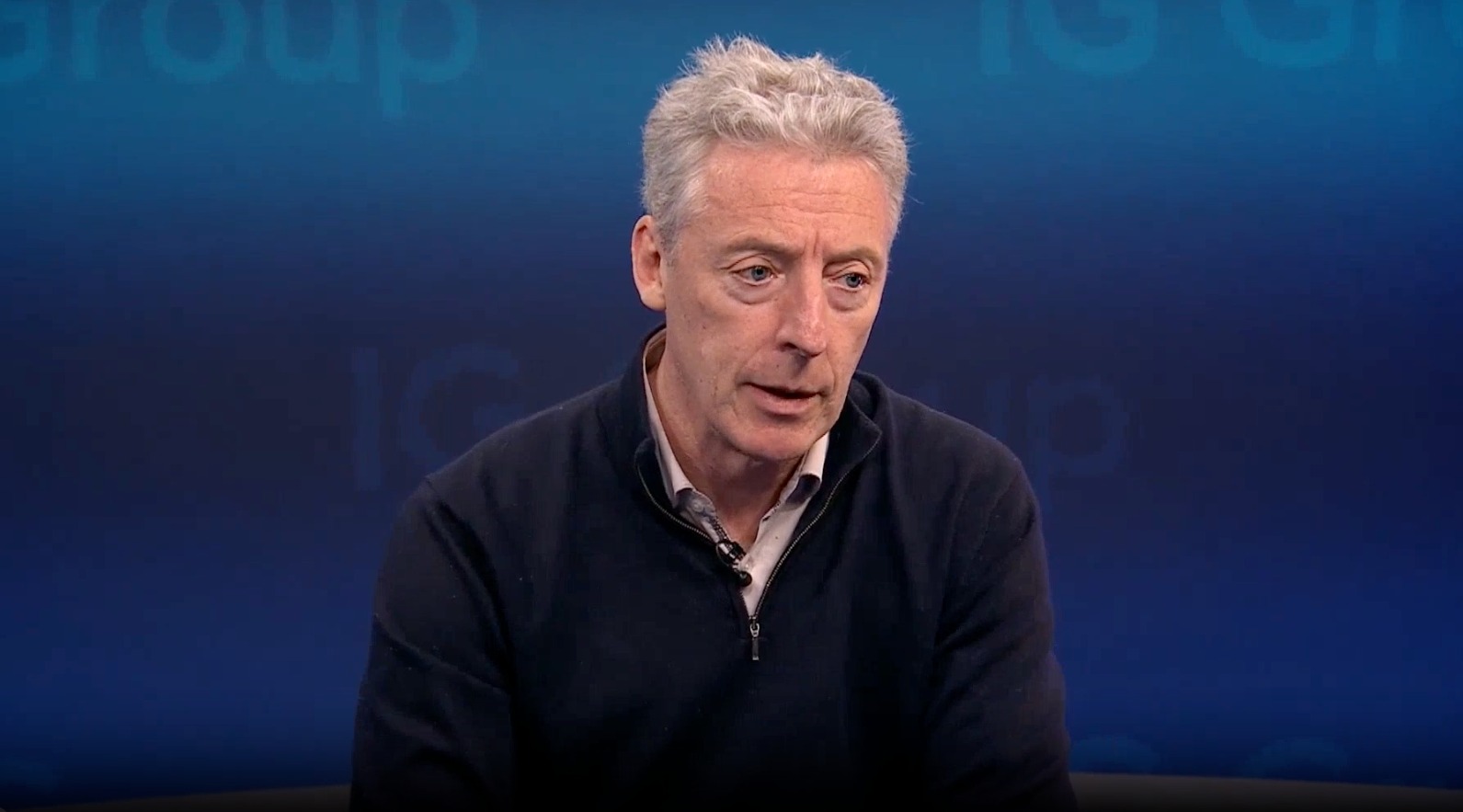
Anthony Denier, , Group President and US CEO of Webull
Anthony Denier, Group President and US CEO of Webull

Webull Corporation (NASDAQ: BULL) reported record revenue of $571 million for its first full year as a publicly traded company when it released earnings in March. But the annual report filed with the SEC today (Thursday), a 20-F running to hundreds of pages, shows the price tag for assembling those numbers was climbing faster than the top line itself.

Singapore Summit: Meet the largest APAC brokers you know (and those you still don't!)

The filing, which contains the audited financial statements and detailed disclosures that go well beyond the earnings press release, paints a more granular picture of how Webull acquired its customers, how heavily it depended on a single revenue source, and how rapidly promotional spending scaled in the final months of the year.

Webullโ€™s Promotional Giveaways Increased Almost Sixfold

Buried in the reconciliation tables of the 20-F is a line item called contra revenue, the amount Webull deducts from its reported revenue to account for promotional payments made to customers. These include free shares, cash bonuses and deposit incentives offered to attract and retain users who are classified as customers under accounting rules.

In 2024, total contra revenue amounted to $3.6 million. In 2025, it reached $21.2 million, a 485% increase. The quarterly trajectory is what stands out: the figure accelerated from $2.8 million in the first quarter to $9.6 million in Q4 alone, meaning nearly half of the full-year total was concentrated in the final three months.

Webull quarterly contra revenue (in millions)

Quarter

Contra Revenue

Q4 2024

$1.1

Q1 2025

$2.8

Q2 2025

$5.1

Q3 2025

$3.7

Q4 2025

$9.6

Source: Webull Corporation 20-F filed April 9, 2026

The headline $571 million revenue figure is already net of these deductions. Without contra revenue, gross revenue would have been approximately $592 million. The gap between the two numbers was negligible in prior years, but it widened sharply in 2025, particularly in Q4, suggesting the company is spending at an increasing rate to pull in deposits and trading activity.

Q4 Marketing Spend More Than Doubled

The contra revenue jump was not the only sign of escalating acquisition costs. Marketing and branding expenses hit $53.3 million in Q4 2025, more than double the $23.4 million Webull spent in Q4 2024, according to the filing. That single quarter consumed 39% of the $135.9 million Webull spent on marketing for the full year.

The spending drove a record $3.9 billion in net deposits during Q4, a 225% year-over-year increase. But it also squeezed quarterly profits: income before taxes fell to $8.1 million from $17.3 million a year earlier, even though revenue rose 50%. Adjusted operating profit held flat at $21.6 million, propped up by adding back share-based compensation and other excluded items.

Webull Q4 2025 vs Q4 2024 (in millions)

Metric

Q4 2025

Q4 2024

Change

Revenue

$165.2

$110.3

+50%

Marketing and branding

$53.3

$23.4

+128%

Total operating expenses

$148.0

$95.2

+55%

Income before taxes

$8.1

$17.3

-53%

Adjusted operating profit

$21.6

$21.7

flat

Source: Webull Corporation 20-F filed April 9, 2026

The pattern is clear from the numbers: revenue grew, but operating expenses grew faster, and the gap was driven primarily by the push for new deposits.

PFOF Share of Revenue Keeps Climbing

Payment for order flow accounted for $304.1 million of Webull's 2025 revenue, or 53.3% of the total, up from 50.5% the prior year, according to the annual report. The filing breaks down revenue into four streams: equity and option order flow rebates ($304.1 million), interest-related income ($154.3 million), handling charge income ($87.3 million), and other revenues ($25.3 million).

The growing PFOF concentration is notable because Webull's own risk factors describe it as the firm's most vulnerable revenue line. The SEC proposed rules in 2022 that, if adopted, "would have the indirect effect of making PFOF more difficult or impossible to earn," the filing stated. And because some competitors "derive a lower percentage of their revenues from PFOF than we do," heightened regulation "could have an outsized impact on our results of operations," according to the 20-F.

Robinhood Markets (NASDAQ: HOOD), the closest U.S. competitor, generated $4.5 billion in 2025 revenue and has actively diversified into interest income, subscription revenue from its Gold tier, and banking-adjacent products. eToro (NASDAQ: ETOR) posted record net contribution of $868 million for the year but relies heavily on crypto-related trading commissions. Both platforms have faced questions about revenue durability, but neither carries Webull's degree of PFOF dependency as disclosed in regulatory filings.

International Footprint Still U.S.-Heavy

Webull launched brokerage services in the Netherlands in September 2025, its first EU market, and expanded into cryptocurrency trading in Australia through a partnership with Coinbase Prime. But the numbers show the business remains overwhelmingly American.

Of the 5.03 million funded accounts, more than 760,000 sit outside the United States, according to figures cited on Webull's Q4 earnings call. That leaves roughly 4.27 million, or 85%, of funded accounts in the U.S. market. Asia-Pacific customer assets surpassed $3 billion and Canada approached $1.5 billion, but the combined international total is a small share of the $24.6 billion overall.

The filing flagged a new risk specific to the firm's recently launched event contract and prediction market products, offered in the U.S. through a partnership with Kalshi. The company said its ability to continue offering such products "is subject to the outcome of currently ongoing and potential future regulatory enforcement actions and litigation."

Most recently, Webull's UK subsidiary removed commissions on U.S. and Hong Kong shares and launched a flexible Stocks and Shares ISA, adding to a competitive pricing environment that could further compress margins as the firm expands beyond North America.

China Scrutiny Remains on the Radar

The 20-F repeated a risk factor that first appeared in the 2024 filing, citing the possibility of "further actions taken by various government bodies in the United States that have made the Company the subject of inquiries and investigations relating to concerns about our connections to China." Webull was founded by Anquan Wang, a former executive at Alibaba and Xiaomi, and is incorporated in the Cayman Islands.

The company has faced past compliance issues in the United States. FINRA fined Webull $3 million in 2023 for onboarding unqualified options traders, and the SEC penalized the firm in 2024 for submitting incomplete suspicious activity reports.

Webull's Class A shares have fallen more than 70% from their post-listing peak after the company went public through a SPAC merger in April 2025. The dual-class share structure, with Class B shares carrying 20 votes each, makes it a controlled company under Nasdaq rules.


Webull Corporation (NASDAQ: BULL) reported record revenue of $571 million for its first full year as a publicly traded company when it released earnings in March. But the annual report filed with the SEC today (Thursday), a 20-F running to hundreds of pages, shows the price tag for assembling those numbers was climbing faster than the top line itself.

Singapore Summit: Meet the largest APAC brokers you know (and those you still don't!)

The filing, which contains the audited financial statements and detailed disclosures that go well beyond the earnings press release, paints a more granular picture of how Webull acquired its customers, how heavily it depended on a single revenue source, and how rapidly promotional spending scaled in the final months of the year.

Webullโ€™s Promotional Giveaways Increased Almost Sixfold

Buried in the reconciliation tables of the 20-F is a line item called contra revenue, the amount Webull deducts from its reported revenue to account for promotional payments made to customers. These include free shares, cash bonuses and deposit incentives offered to attract and retain users who are classified as customers under accounting rules.

In 2024, total contra revenue amounted to $3.6 million. In 2025, it reached $21.2 million, a 485% increase. The quarterly trajectory is what stands out: the figure accelerated from $2.8 million in the first quarter to $9.6 million in Q4 alone, meaning nearly half of the full-year total was concentrated in the final three months.

Webull quarterly contra revenue (in millions)

Quarter

Contra Revenue

Q4 2024

$1.1

Q1 2025

$2.8

Q2 2025

$5.1

Q3 2025

$3.7

Q4 2025

$9.6

Source: Webull Corporation 20-F filed April 9, 2026

The headline $571 million revenue figure is already net of these deductions. Without contra revenue, gross revenue would have been approximately $592 million. The gap between the two numbers was negligible in prior years, but it widened sharply in 2025, particularly in Q4, suggesting the company is spending at an increasing rate to pull in deposits and trading activity.

Q4 Marketing Spend More Than Doubled

The contra revenue jump was not the only sign of escalating acquisition costs. Marketing and branding expenses hit $53.3 million in Q4 2025, more than double the $23.4 million Webull spent in Q4 2024, according to the filing. That single quarter consumed 39% of the $135.9 million Webull spent on marketing for the full year.

The spending drove a record $3.9 billion in net deposits during Q4, a 225% year-over-year increase. But it also squeezed quarterly profits: income before taxes fell to $8.1 million from $17.3 million a year earlier, even though revenue rose 50%. Adjusted operating profit held flat at $21.6 million, propped up by adding back share-based compensation and other excluded items.

Webull Q4 2025 vs Q4 2024 (in millions)

Metric

Q4 2025

Q4 2024

Change

Revenue

$165.2

$110.3

+50%

Marketing and branding

$53.3

$23.4

+128%

Total operating expenses

$148.0

$95.2

+55%

Income before taxes

$8.1

$17.3

-53%

Adjusted operating profit

$21.6

$21.7

flat

Source: Webull Corporation 20-F filed April 9, 2026

The pattern is clear from the numbers: revenue grew, but operating expenses grew faster, and the gap was driven primarily by the push for new deposits.

PFOF Share of Revenue Keeps Climbing

Payment for order flow accounted for $304.1 million of Webull's 2025 revenue, or 53.3% of the total, up from 50.5% the prior year, according to the annual report. The filing breaks down revenue into four streams: equity and option order flow rebates ($304.1 million), interest-related income ($154.3 million), handling charge income ($87.3 million), and other revenues ($25.3 million).

The growing PFOF concentration is notable because Webull's own risk factors describe it as the firm's most vulnerable revenue line. The SEC proposed rules in 2022 that, if adopted, "would have the indirect effect of making PFOF more difficult or impossible to earn," the filing stated. And because some competitors "derive a lower percentage of their revenues from PFOF than we do," heightened regulation "could have an outsized impact on our results of operations," according to the 20-F.

Robinhood Markets (NASDAQ: HOOD), the closest U.S. competitor, generated $4.5 billion in 2025 revenue and has actively diversified into interest income, subscription revenue from its Gold tier, and banking-adjacent products. eToro (NASDAQ: ETOR) posted record net contribution of $868 million for the year but relies heavily on crypto-related trading commissions. Both platforms have faced questions about revenue durability, but neither carries Webull's degree of PFOF dependency as disclosed in regulatory filings.

International Footprint Still U.S.-Heavy

Webull launched brokerage services in the Netherlands in September 2025, its first EU market, and expanded into cryptocurrency trading in Australia through a partnership with Coinbase Prime. But the numbers show the business remains overwhelmingly American.

Of the 5.03 million funded accounts, more than 760,000 sit outside the United States, according to figures cited on Webull's Q4 earnings call. That leaves roughly 4.27 million, or 85%, of funded accounts in the U.S. market. Asia-Pacific customer assets surpassed $3 billion and Canada approached $1.5 billion, but the combined international total is a small share of the $24.6 billion overall.

The filing flagged a new risk specific to the firm's recently launched event contract and prediction market products, offered in the U.S. through a partnership with Kalshi. The company said its ability to continue offering such products "is subject to the outcome of currently ongoing and potential future regulatory enforcement actions and litigation."

Most recently, Webull's UK subsidiary removed commissions on U.S. and Hong Kong shares and launched a flexible Stocks and Shares ISA, adding to a competitive pricing environment that could further compress margins as the firm expands beyond North America.

China Scrutiny Remains on the Radar

The 20-F repeated a risk factor that first appeared in the 2024 filing, citing the possibility of "further actions taken by various government bodies in the United States that have made the Company the subject of inquiries and investigations relating to concerns about our connections to China." Webull was founded by Anquan Wang, a former executive at Alibaba and Xiaomi, and is incorporated in the Cayman Islands.

The company has faced past compliance issues in the United States. FINRA fined Webull $3 million in 2023 for onboarding unqualified options traders, and the SEC penalized the firm in 2024 for submitting incomplete suspicious activity reports.

Webull's Class A shares have fallen more than 70% from their post-listing peak after the company went public through a SPAC merger in April 2025. The dual-class share structure, with Class B shares carrying 20 votes each, makes it a controlled company under Nasdaq rules.
About the Author: Damian Chmiel
Damian Chmiel
  • 3425 Articles
  • 107 Followers
Damian Chmiel is a Senior Analyst & Editor at Finance Magnates with more than 15 years of experience in the CFD and online trading industry. Active as both a trader and journalist since 2010, he focuses on broker coverage, fintech innovation, and regulatory developments across Europe, the Middle East, and Asia. His work includes interviews with C-level leaders at major brokerages and fintech platforms, as well as co-authoring Finance Magnatesโ€™ quarterly industry benchmarking reports. Damianโ€™s reporting is data-driven, market-aware, and grounded in direct industry engagement. His analysis and commentary have also been cited by external media outlets, including Investing.com, Binance, The Asset, Stockhead, and Dispatch. Education: MA in Finance and Accounting, Cracow University of Economics

More from the Author

Retail FX