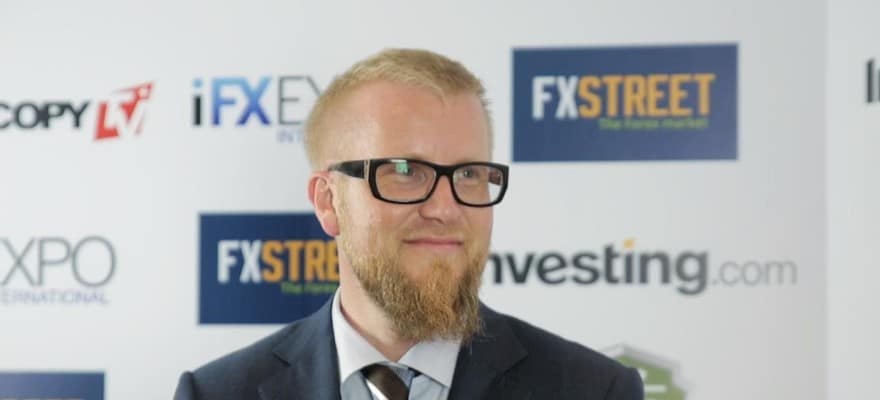
We spoke to Andre Mohamed, head of wealth and trading at Revolut, about the challenger bank's commission-free trading service
Screenshots of the Revolut trading service in action (source: Revolut)
In the mid-2000s, there was an explosion in the number of online trading firms coming to market. The internet and easy access to off-the-shelf trading platforms meant that it was simpler than ever before to set up a brokerage hocking CFDs to retail customers.
Today, we may be about to see similar growth in the number of companies offering access to stocks trading. In the US, Robinhood has taken the industry by storm, amassing 5 million customers and a $7 billion valuation.
The Californian firm also plans to move overseas. Last month, the Financial Conduct Authority - Britain's main financial regulator - confirmed that the stockbroker had received the green light to operate in the UK.
But Robinhood won't be alone in attempting to lure Brits into trying their hand on the stock market. Trading 212, eToro, Stake, and BUX are all already offering equities trading to clients in the UK.
And another emerging giant in the financial services world has also launched commission-free stock trading for its 7.5 million customers - Revolut.
The London-based challenger bank launched the service this month after a limited release in July.
The platform, which is built into Revolut's existing mobile application, is being provided in conjunction with technology firm DriveWealth and - unlike Robinhood - the bank says it won't be selling its clients' order flow.
Less than a week after the new service went live, we spoke to Andre Mohamed, Revolut's head of wealth and trading.
Mohamed joined the bank at the end of last year, having previously been the co-founder and chief technology officer at Freetrade, another commission-free trading app.
How come you decided to partner with DriveWealth as opposed to doing things in-house?
We polled our customers, and they told us that they wanted access to US markets. With the prices of popular US stocks being so high, I believed it was important to offer the ability to buy and sell fractions of shares to make the service accessible to as many people as possible.
We looked at how we could deliver this in a reliable and low-cost way and also took into account time to market. After looking at the options, a partnership with DriveWealth was the most attractive choice to go to market. It allowed us to have a product in the hands of our customers quickly while we look to build more things in-house for the medium to longer term.
DriveWealth only provides access to US equity markets. Would you work with other firms to add new markets for customers in the future?
Yes, we are actively working on offering access to other markets in the near future and will be doing so via different routes.
You have very low custody fees and a pretty high ceiling of 100 free trades a month. Does Revolut expect to make money from stock trading, or is it more of a 'bolt-on' to attract customers to the core banking business?
Andre Mohamed, head of trading and wealth, Revolut
We use a freemium business model, much like Amazon Prime. There is a range of benefits and additional perks to being a Premium and Metal user - trading with higher commission-free limits is just one of the benefits that you get as part of your subscription.
We do expect to make money from stock trading - either through driving more subscriptions to Premium and Metal for Revolut as a whole, or via commissions when Standard and Premium users trade outside of their commission-free limits.
Incidentally, for Metal users, we have just removed the £100 a month limit - they now benefit from unlimited commission-free trades.
With companies like Stake, eToro and Freetrade all providing the service, the market for commission-free trading is heating up in Europe. What makes you think Revolut can beat the competition?
This is an easy one! Revolut is the only one of those mentioned that has a growing ecosystem of complementary financial services all under one umbrella in one seamless app. For example, you can fund your Revolut Trading account from your main Revolut account in a couple of taps, instantly. Revolut also has 7.5 million customers and counting. In the end, though, the competition is great for the consumer and helps to push us to innovate and differentiate further.
You were at Freetrade previously, a company you founded. Why the move to Revolut?
After I left Freetrade, I was looking around for other interesting opportunities that might fit my skills, experience, and ambition. I spoke to a number of companies, but then the chance to interview with Revolut came along. Once I grasped the scale and ambition of what Revolut was trying to do, it was simply an opportunity I couldn’t pass up.
On a similar note, how was the transition from start-up to a big corporation? What is the culture at Revolut like vs. Freetrade?
When I joined Revolut, the headcount, ignoring customer support, was still only a few hundred or so - I wouldn’t characterize that as a big corporation. Culturally, it still felt like a start-up, albeit one rapidly transitioning into something else. Looking around the office at Revolut, I see smart, driven, and ambitious people who are intent on disrupting the status quo of the incumbent retail financial service providers.
Many retail investment programs say they are trying to ‘democratize’ trading but then in reality just take advantage of uninformed retail customers. How do you ensure clients actually know what they are getting into and you aren’t just providing them with a service they probably shouldn't be using?
We don’t add spreads or trade against our customers. I also think there is a great opportunity for Revolut to lead the way in terms of education.
In the mid-2000s, there was an explosion in the number of online trading firms coming to market. The internet and easy access to off-the-shelf trading platforms meant that it was simpler than ever before to set up a brokerage hocking CFDs to retail customers.
Today, we may be about to see similar growth in the number of companies offering access to stocks trading. In the US, Robinhood has taken the industry by storm, amassing 5 million customers and a $7 billion valuation.
The Californian firm also plans to move overseas. Last month, the Financial Conduct Authority - Britain's main financial regulator - confirmed that the stockbroker had received the green light to operate in the UK.
But Robinhood won't be alone in attempting to lure Brits into trying their hand on the stock market. Trading 212, eToro, Stake, and BUX are all already offering equities trading to clients in the UK.
And another emerging giant in the financial services world has also launched commission-free stock trading for its 7.5 million customers - Revolut.
The London-based challenger bank launched the service this month after a limited release in July.
The platform, which is built into Revolut's existing mobile application, is being provided in conjunction with technology firm DriveWealth and - unlike Robinhood - the bank says it won't be selling its clients' order flow.
Less than a week after the new service went live, we spoke to Andre Mohamed, Revolut's head of wealth and trading.
Mohamed joined the bank at the end of last year, having previously been the co-founder and chief technology officer at Freetrade, another commission-free trading app.
How come you decided to partner with DriveWealth as opposed to doing things in-house?
We polled our customers, and they told us that they wanted access to US markets. With the prices of popular US stocks being so high, I believed it was important to offer the ability to buy and sell fractions of shares to make the service accessible to as many people as possible.
We looked at how we could deliver this in a reliable and low-cost way and also took into account time to market. After looking at the options, a partnership with DriveWealth was the most attractive choice to go to market. It allowed us to have a product in the hands of our customers quickly while we look to build more things in-house for the medium to longer term.
DriveWealth only provides access to US equity markets. Would you work with other firms to add new markets for customers in the future?
Yes, we are actively working on offering access to other markets in the near future and will be doing so via different routes.
You have very low custody fees and a pretty high ceiling of 100 free trades a month. Does Revolut expect to make money from stock trading, or is it more of a 'bolt-on' to attract customers to the core banking business?
Andre Mohamed, head of trading and wealth, Revolut
We use a freemium business model, much like Amazon Prime. There is a range of benefits and additional perks to being a Premium and Metal user - trading with higher commission-free limits is just one of the benefits that you get as part of your subscription.
We do expect to make money from stock trading - either through driving more subscriptions to Premium and Metal for Revolut as a whole, or via commissions when Standard and Premium users trade outside of their commission-free limits.
Incidentally, for Metal users, we have just removed the £100 a month limit - they now benefit from unlimited commission-free trades.
With companies like Stake, eToro and Freetrade all providing the service, the market for commission-free trading is heating up in Europe. What makes you think Revolut can beat the competition?
This is an easy one! Revolut is the only one of those mentioned that has a growing ecosystem of complementary financial services all under one umbrella in one seamless app. For example, you can fund your Revolut Trading account from your main Revolut account in a couple of taps, instantly. Revolut also has 7.5 million customers and counting. In the end, though, the competition is great for the consumer and helps to push us to innovate and differentiate further.
You were at Freetrade previously, a company you founded. Why the move to Revolut?
After I left Freetrade, I was looking around for other interesting opportunities that might fit my skills, experience, and ambition. I spoke to a number of companies, but then the chance to interview with Revolut came along. Once I grasped the scale and ambition of what Revolut was trying to do, it was simply an opportunity I couldn’t pass up.
On a similar note, how was the transition from start-up to a big corporation? What is the culture at Revolut like vs. Freetrade?
When I joined Revolut, the headcount, ignoring customer support, was still only a few hundred or so - I wouldn’t characterize that as a big corporation. Culturally, it still felt like a start-up, albeit one rapidly transitioning into something else. Looking around the office at Revolut, I see smart, driven, and ambitious people who are intent on disrupting the status quo of the incumbent retail financial service providers.
Many retail investment programs say they are trying to ‘democratize’ trading but then in reality just take advantage of uninformed retail customers. How do you ensure clients actually know what they are getting into and you aren’t just providing them with a service they probably shouldn't be using?
We don’t add spreads or trade against our customers. I also think there is a great opportunity for Revolut to lead the way in terms of education.
Italy’s Consob Tightens Net on AI-Fueled Scams With Fresh Website Bans
Featured Videos
FP Markets Winner Spotlight 🏆 | Global Broker of the Year 2025 #Trading #Broker #Innovation #Shorts
FP Markets Winner Spotlight 🏆 | Global Broker of the Year 2025 #Trading #Broker #Innovation #Shorts
FP Markets Winner Spotlight 🏆 | Global Broker of the Year 2025 #Trading #Broker #Innovation #Shorts
FP Markets Winner Spotlight 🏆 | Global Broker of the Year 2025 #Trading #Broker #Innovation #Shorts
FP Markets takes the spotlight as Global Broker of the Year 2025 at the Finance Magnates Awards.
Martin Stoilov, Head of Client Experience, shares that trust, innovation, and people played a key role in the company’s success, supported by a strong foundation of integrity and client-centricity.
Following this milestone, FP Markets continues to focus on growth, technology investment, and its core values of transparency and excellence.
👉 Be part of FM Awards 2026: https://awards.financemagnates.com/#nominate
FP Markets takes the spotlight as Global Broker of the Year 2025 at the Finance Magnates Awards.
Martin Stoilov, Head of Client Experience, shares that trust, innovation, and people played a key role in the company’s success, supported by a strong foundation of integrity and client-centricity.
Following this milestone, FP Markets continues to focus on growth, technology investment, and its core values of transparency and excellence.
👉 Be part of FM Awards 2026: https://awards.financemagnates.com/#nominate
FP Markets takes the spotlight as Global Broker of the Year 2025 at the Finance Magnates Awards.
Martin Stoilov, Head of Client Experience, shares that trust, innovation, and people played a key role in the company’s success, supported by a strong foundation of integrity and client-centricity.
Following this milestone, FP Markets continues to focus on growth, technology investment, and its core values of transparency and excellence.
👉 Be part of FM Awards 2026: https://awards.financemagnates.com/#nominate
FP Markets takes the spotlight as Global Broker of the Year 2025 at the Finance Magnates Awards.
Martin Stoilov, Head of Client Experience, shares that trust, innovation, and people played a key role in the company’s success, supported by a strong foundation of integrity and client-centricity.
Following this milestone, FP Markets continues to focus on growth, technology investment, and its core values of transparency and excellence.
👉 Be part of FM Awards 2026: https://awards.financemagnates.com/#nominate
In this video, we review @HolaPrimeMarketsOfficial, a multi-asset forex and CFDs broker offering different account types, trading platforms, and flexible trading conditions.
We cover the broker’s overall offering, including account options, trading environment, platforms like MT4 and MT5, and additional services such as managed accounts and fast withdrawals.
Watch the full video to see if Hola Prime Markets fits your trading needs.
📣 Stay up to date with the latest in finance and trading. Follow Finance Magnates for industry news, insights, and global event coverage.
Connect with us:
🔗 LinkedIn: /financemagnates
👍 Facebook: /financemagnates
📸 Instagram: https://www.instagram.com/financemagnates
🐦 X: https://x.com/financemagnates
🎥 TikTok: https://www.tiktok.com/tag/financemagnates
▶️ YouTube: /@financemagnates_official
#HolaPrime #ForexBroker #CFDTrading #FinanceMagnates #Trading #Forex #BrokerReview
In this video, we review @HolaPrimeMarketsOfficial, a multi-asset forex and CFDs broker offering different account types, trading platforms, and flexible trading conditions.
We cover the broker’s overall offering, including account options, trading environment, platforms like MT4 and MT5, and additional services such as managed accounts and fast withdrawals.
Watch the full video to see if Hola Prime Markets fits your trading needs.
📣 Stay up to date with the latest in finance and trading. Follow Finance Magnates for industry news, insights, and global event coverage.
Connect with us:
🔗 LinkedIn: /financemagnates
👍 Facebook: /financemagnates
📸 Instagram: https://www.instagram.com/financemagnates
🐦 X: https://x.com/financemagnates
🎥 TikTok: https://www.tiktok.com/tag/financemagnates
▶️ YouTube: /@financemagnates_official
#HolaPrime #ForexBroker #CFDTrading #FinanceMagnates #Trading #Forex #BrokerReview
In this video, we review @HolaPrimeMarketsOfficial, a multi-asset forex and CFDs broker offering different account types, trading platforms, and flexible trading conditions.
We cover the broker’s overall offering, including account options, trading environment, platforms like MT4 and MT5, and additional services such as managed accounts and fast withdrawals.
Watch the full video to see if Hola Prime Markets fits your trading needs.
📣 Stay up to date with the latest in finance and trading. Follow Finance Magnates for industry news, insights, and global event coverage.
Connect with us:
🔗 LinkedIn: /financemagnates
👍 Facebook: /financemagnates
📸 Instagram: https://www.instagram.com/financemagnates
🐦 X: https://x.com/financemagnates
🎥 TikTok: https://www.tiktok.com/tag/financemagnates
▶️ YouTube: /@financemagnates_official
#HolaPrime #ForexBroker #CFDTrading #FinanceMagnates #Trading #Forex #BrokerReview
In this video, we review @HolaPrimeMarketsOfficial, a multi-asset forex and CFDs broker offering different account types, trading platforms, and flexible trading conditions.
We cover the broker’s overall offering, including account options, trading environment, platforms like MT4 and MT5, and additional services such as managed accounts and fast withdrawals.
Watch the full video to see if Hola Prime Markets fits your trading needs.
📣 Stay up to date with the latest in finance and trading. Follow Finance Magnates for industry news, insights, and global event coverage.
Connect with us:
🔗 LinkedIn: /financemagnates
👍 Facebook: /financemagnates
📸 Instagram: https://www.instagram.com/financemagnates
🐦 X: https://x.com/financemagnates
🎥 TikTok: https://www.tiktok.com/tag/financemagnates
▶️ YouTube: /@financemagnates_official
#HolaPrime #ForexBroker #CFDTrading #FinanceMagnates #Trading #Forex #BrokerReview
In this video, we review @HolaPrimeMarketsOfficial, a multi-asset forex and CFDs broker offering different account types, trading platforms, and flexible trading conditions.
We cover the broker’s overall offering, including account options, trading environment, platforms like MT4 and MT5, and additional services such as managed accounts and fast withdrawals.
Watch the full video to see if Hola Prime Markets fits your trading needs.
📣 Stay up to date with the latest in finance and trading. Follow Finance Magnates for industry news, insights, and global event coverage.
Connect with us:
🔗 LinkedIn: /financemagnates
👍 Facebook: /financemagnates
📸 Instagram: https://www.instagram.com/financemagnates
🐦 X: https://x.com/financemagnates
🎥 TikTok: https://www.tiktok.com/tag/financemagnates
▶️ YouTube: /@financemagnates_official
#HolaPrime #ForexBroker #CFDTrading #FinanceMagnates #Trading #Forex #BrokerReview
In this video, we review @HolaPrimeMarketsOfficial, a multi-asset forex and CFDs broker offering different account types, trading platforms, and flexible trading conditions.
We cover the broker’s overall offering, including account options, trading environment, platforms like MT4 and MT5, and additional services such as managed accounts and fast withdrawals.
Watch the full video to see if Hola Prime Markets fits your trading needs.
📣 Stay up to date with the latest in finance and trading. Follow Finance Magnates for industry news, insights, and global event coverage.
Connect with us:
🔗 LinkedIn: /financemagnates
👍 Facebook: /financemagnates
📸 Instagram: https://www.instagram.com/financemagnates
🐦 X: https://x.com/financemagnates
🎥 TikTok: https://www.tiktok.com/tag/financemagnates
▶️ YouTube: /@financemagnates_official
#HolaPrime #ForexBroker #CFDTrading #FinanceMagnates #Trading #Forex #BrokerReview
Hola Prime Review: What You Need to Know | Full Breakdown by Finance Magnates
Hola Prime Review: What You Need to Know | Full Breakdown by Finance Magnates
Hola Prime Review: What You Need to Know | Full Breakdown by Finance Magnates
Hola Prime Review: What You Need to Know | Full Breakdown by Finance Magnates
Hola Prime Review: What You Need to Know | Full Breakdown by Finance Magnates
Hola Prime Review: What You Need to Know | Full Breakdown by Finance Magnates
In this video, we review @HolaPrime_Global, a proprietary trading firm offering evaluation programs and performance-based payouts in simulated market environments.
We cover how the challenge model works, including account types, profit splits (up to 95%), trading rules, and what it takes to reach a funded account. You’ll also learn about available platforms like MT4, MT5, cTrader, and more, along with insights into payouts, support, and trading conditions.
Watch the full video to see if Hola Prime fits your trading style.
📣 Stay up to date with the latest in finance and trading. Follow Finance Magnates for industry news, insights, and global event coverage.
Connect with us:
🔗 LinkedIn: /financemagnates
👍 Facebook: /financemagnates
📸 Instagram: https://www.instagram.com/financemagnates
🐦 X: https://x.com/financemagnates
🎥 TikTok: https://www.tiktok.com/tag/financemagnates
▶️ YouTube: /@financemagnates_official
#HolaPrime #PropFirm #Trading #FinanceMagnates #Forex #FuturesTrading #TradingReview #PropFirmReview
In this video, we review @HolaPrime_Global, a proprietary trading firm offering evaluation programs and performance-based payouts in simulated market environments.
We cover how the challenge model works, including account types, profit splits (up to 95%), trading rules, and what it takes to reach a funded account. You’ll also learn about available platforms like MT4, MT5, cTrader, and more, along with insights into payouts, support, and trading conditions.
Watch the full video to see if Hola Prime fits your trading style.
📣 Stay up to date with the latest in finance and trading. Follow Finance Magnates for industry news, insights, and global event coverage.
Connect with us:
🔗 LinkedIn: /financemagnates
👍 Facebook: /financemagnates
📸 Instagram: https://www.instagram.com/financemagnates
🐦 X: https://x.com/financemagnates
🎥 TikTok: https://www.tiktok.com/tag/financemagnates
▶️ YouTube: /@financemagnates_official
#HolaPrime #PropFirm #Trading #FinanceMagnates #Forex #FuturesTrading #TradingReview #PropFirmReview
In this video, we review @HolaPrime_Global, a proprietary trading firm offering evaluation programs and performance-based payouts in simulated market environments.
We cover how the challenge model works, including account types, profit splits (up to 95%), trading rules, and what it takes to reach a funded account. You’ll also learn about available platforms like MT4, MT5, cTrader, and more, along with insights into payouts, support, and trading conditions.
Watch the full video to see if Hola Prime fits your trading style.
📣 Stay up to date with the latest in finance and trading. Follow Finance Magnates for industry news, insights, and global event coverage.
Connect with us:
🔗 LinkedIn: /financemagnates
👍 Facebook: /financemagnates
📸 Instagram: https://www.instagram.com/financemagnates
🐦 X: https://x.com/financemagnates
🎥 TikTok: https://www.tiktok.com/tag/financemagnates
▶️ YouTube: /@financemagnates_official
#HolaPrime #PropFirm #Trading #FinanceMagnates #Forex #FuturesTrading #TradingReview #PropFirmReview
In this video, we review @HolaPrime_Global, a proprietary trading firm offering evaluation programs and performance-based payouts in simulated market environments.
We cover how the challenge model works, including account types, profit splits (up to 95%), trading rules, and what it takes to reach a funded account. You’ll also learn about available platforms like MT4, MT5, cTrader, and more, along with insights into payouts, support, and trading conditions.
Watch the full video to see if Hola Prime fits your trading style.
📣 Stay up to date with the latest in finance and trading. Follow Finance Magnates for industry news, insights, and global event coverage.
Connect with us:
🔗 LinkedIn: /financemagnates
👍 Facebook: /financemagnates
📸 Instagram: https://www.instagram.com/financemagnates
🐦 X: https://x.com/financemagnates
🎥 TikTok: https://www.tiktok.com/tag/financemagnates
▶️ YouTube: /@financemagnates_official
#HolaPrime #PropFirm #Trading #FinanceMagnates #Forex #FuturesTrading #TradingReview #PropFirmReview
In this video, we review @HolaPrime_Global, a proprietary trading firm offering evaluation programs and performance-based payouts in simulated market environments.
We cover how the challenge model works, including account types, profit splits (up to 95%), trading rules, and what it takes to reach a funded account. You’ll also learn about available platforms like MT4, MT5, cTrader, and more, along with insights into payouts, support, and trading conditions.
Watch the full video to see if Hola Prime fits your trading style.
📣 Stay up to date with the latest in finance and trading. Follow Finance Magnates for industry news, insights, and global event coverage.
Connect with us:
🔗 LinkedIn: /financemagnates
👍 Facebook: /financemagnates
📸 Instagram: https://www.instagram.com/financemagnates
🐦 X: https://x.com/financemagnates
🎥 TikTok: https://www.tiktok.com/tag/financemagnates
▶️ YouTube: /@financemagnates_official
#HolaPrime #PropFirm #Trading #FinanceMagnates #Forex #FuturesTrading #TradingReview #PropFirmReview
In this video, we review @HolaPrime_Global, a proprietary trading firm offering evaluation programs and performance-based payouts in simulated market environments.
We cover how the challenge model works, including account types, profit splits (up to 95%), trading rules, and what it takes to reach a funded account. You’ll also learn about available platforms like MT4, MT5, cTrader, and more, along with insights into payouts, support, and trading conditions.
Watch the full video to see if Hola Prime fits your trading style.
📣 Stay up to date with the latest in finance and trading. Follow Finance Magnates for industry news, insights, and global event coverage.
Connect with us:
🔗 LinkedIn: /financemagnates
👍 Facebook: /financemagnates
📸 Instagram: https://www.instagram.com/financemagnates
🐦 X: https://x.com/financemagnates
🎥 TikTok: https://www.tiktok.com/tag/financemagnates
▶️ YouTube: /@financemagnates_official
#HolaPrime #PropFirm #Trading #FinanceMagnates #Forex #FuturesTrading #TradingReview #PropFirmReview
Axi Winner Spotlight 🏆 | Global Most Innovative Broker 2025 #Innovation #Trading #Fintech #Broker
Axi Winner Spotlight 🏆 | Global Most Innovative Broker 2025 #Innovation #Trading #Fintech #Broker
Axi Winner Spotlight 🏆 | Global Most Innovative Broker 2025 #Innovation #Trading #Fintech #Broker
Axi Winner Spotlight 🏆 | Global Most Innovative Broker 2025 #Innovation #Trading #Fintech #Broker
Axi Winner Spotlight 🏆 | Global Most Innovative Broker 2025 #Innovation #Trading #Fintech #Broker
Axi Winner Spotlight 🏆 | Global Most Innovative Broker 2025 #Innovation #Trading #Fintech #Broker
Axi takes the spotlight at the Finance Magnates Awards, winning Global Most Innovative Broker 2025.
Olivia Xenofontos and Ivanna Openko share how the team will feel: proud, motivated, and ready to keep delivering.
They also describe the night as well-organized, focused, and enjoyable for all.
👉 Be part of FM Awards 2026.
Axi takes the spotlight at the Finance Magnates Awards, winning Global Most Innovative Broker 2025.
Olivia Xenofontos and Ivanna Openko share how the team will feel: proud, motivated, and ready to keep delivering.
They also describe the night as well-organized, focused, and enjoyable for all.
👉 Be part of FM Awards 2026.
Axi takes the spotlight at the Finance Magnates Awards, winning Global Most Innovative Broker 2025.
Olivia Xenofontos and Ivanna Openko share how the team will feel: proud, motivated, and ready to keep delivering.
They also describe the night as well-organized, focused, and enjoyable for all.
👉 Be part of FM Awards 2026.
Axi takes the spotlight at the Finance Magnates Awards, winning Global Most Innovative Broker 2025.
Olivia Xenofontos and Ivanna Openko share how the team will feel: proud, motivated, and ready to keep delivering.
They also describe the night as well-organized, focused, and enjoyable for all.
👉 Be part of FM Awards 2026.
Axi takes the spotlight at the Finance Magnates Awards, winning Global Most Innovative Broker 2025.
Olivia Xenofontos and Ivanna Openko share how the team will feel: proud, motivated, and ready to keep delivering.
They also describe the night as well-organized, focused, and enjoyable for all.
👉 Be part of FM Awards 2026.
Axi takes the spotlight at the Finance Magnates Awards, winning Global Most Innovative Broker 2025.
Olivia Xenofontos and Ivanna Openko share how the team will feel: proud, motivated, and ready to keep delivering.
They also describe the night as well-organized, focused, and enjoyable for all.
👉 Be part of FM Awards 2026.
Recognition that matters.
Built on transparency.
Driven by the industry.
The Finance Magnates Awards 2026.
Nominations are now open.
🔗 https://awards.financemagnates.com/?utm_source=SM&utm_medium=social&utm_campaign=recognition-matters
Recognition that matters.
Built on transparency.
Driven by the industry.
The Finance Magnates Awards 2026.
Nominations are now open.
🔗 https://awards.financemagnates.com/?utm_source=SM&utm_medium=social&utm_campaign=recognition-matters
Recognition that matters.
Built on transparency.
Driven by the industry.
The Finance Magnates Awards 2026.
Nominations are now open.
🔗 https://awards.financemagnates.com/?utm_source=SM&utm_medium=social&utm_campaign=recognition-matters
Recognition that matters.
Built on transparency.
Driven by the industry.
The Finance Magnates Awards 2026.
Nominations are now open.
🔗 https://awards.financemagnates.com/?utm_source=SM&utm_medium=social&utm_campaign=recognition-matters
Recognition that matters.
Built on transparency.
Driven by the industry.
The Finance Magnates Awards 2026.
Nominations are now open.
🔗 https://awards.financemagnates.com/?utm_source=SM&utm_medium=social&utm_campaign=recognition-matters
Recognition that matters.
Built on transparency.
Driven by the industry.
The Finance Magnates Awards 2026.
Nominations are now open.
🔗 https://awards.financemagnates.com/?utm_source=SM&utm_medium=social&utm_campaign=recognition-matters