Financial and Business News

XTB CEO Calls Indonesia "a Country With a Question Mark" That Must "Prove Itself" in Six Months

Monday, 02/03/2026 | 08:33 GMT by Damian Chmiel
  • Omar Arnaout says the Southeast Asian country is on trial, and if it underperforms, resources will shift to Germany and the UAE.
  • Low deposits and zero brand recognition put the 300-million-person market at risk of losing XTB's full attention.
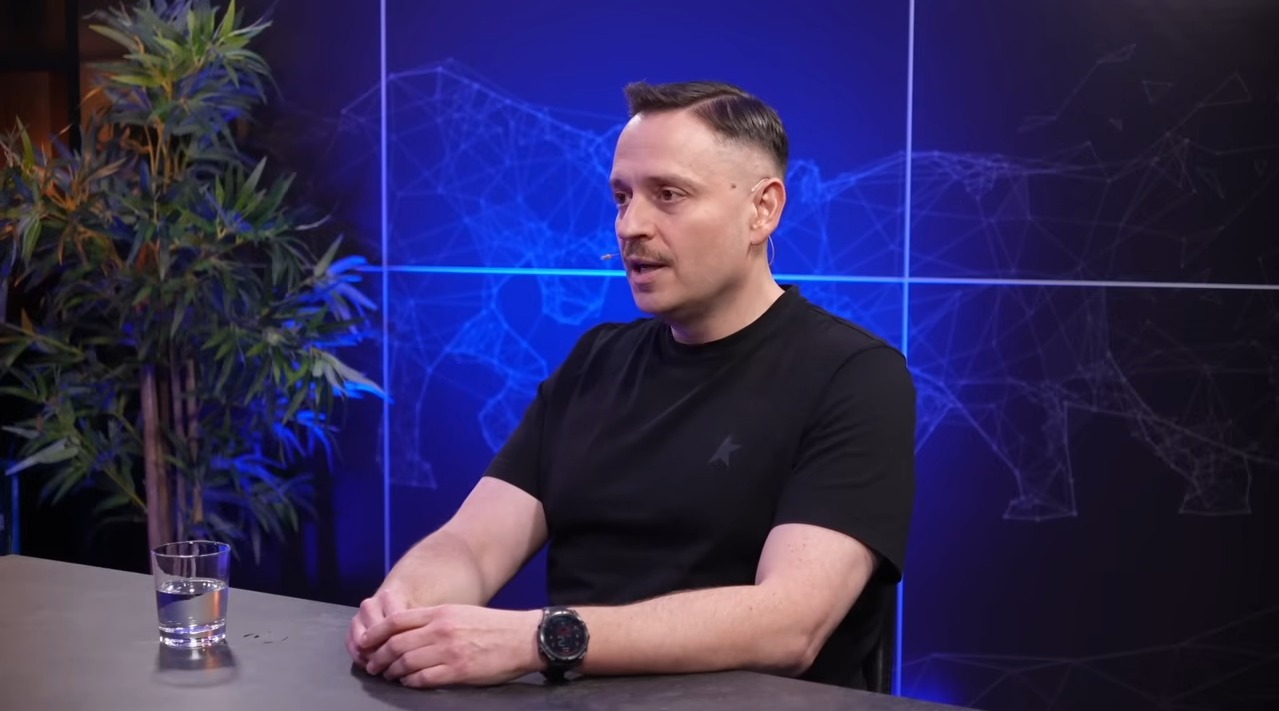
Omar Arnaout, the CEO of XTB. Source: Comparic/YouTube

Two years after acquiring an Indonesian broker and positioning the country as its gateway to Asia, XTB has quietly shifted its tone. The company is still there, but chief executive Omar Arnaout is now describing Indonesia as a market that needs to earn its place, not one that's already secured it.

Speaking to Polish YouTube channel Comparic, Arnaout put a timeline on it. "Indonesia must over the next six months prove itself to join this group of countries, namely Europe, the United Arab Emirates, South America," he said, adding that the framing "may sound very brutal."

It is a notable change from the language XTB was using not long ago. When the company acquired Indonesian broker Eagle Capital Futures in early 2024, executives described the country as a gateway to Asia and pointed to its vast retail investor base as a long-term opportunity.

By December 2024, XTB had secured full regulatory approval from Indonesian authorities and announced plans to launch operations in 2025. The rollout happened, but the results so far haven't matched the ambition.

Low Deposits and No Brand Recognition Slow the Start

Arnaout identified two problems holding Indonesia back. The first is that deposits are very low, a combination of lower average wealth and the natural caution of clients who don't yet trust a brand they've never heard of. The second is simply that XTB is starting from nothing in terms of visibility.

"If I didn't know the company, I honestly wouldn't invest very large funds myself," he acknowledged.

The company has tried to fix the awareness problem quickly. Zlatan Ibrahimovic, one of XTB's global brand ambassadors, is already appearing on buses in Jakarta. Arnaout said he saw the ads himself during a visit. Despite that push, XTB's early client numbers in Indonesia are characterized by high account volumes but thin capital behind them, a pattern that's commercially difficult to work with.

There is one bright spot. Indonesia produced XTB's fastest-ever first thousand accounts, reached within months of launching. "That happened in a matter of months from opening, which is a shock for us," Arnaout said. The question is whether that initial curiosity translates into something more durable.

Germany and UAE Take Priority as Resources Run Short

The more revealing part of Arnaout's comments was when he said where resources are actually going. Despite employing over 1,500 people, he described XTB as having limited capacity in its technology division, and when forced to choose, the answer is clear.

"I honestly prefer to prioritize Germany and the United Arab Emirates over a country with a question mark," he said. "So Indonesia is currently in a trial period, we're getting to know each other, maybe we'll like each other, maybe we won't."

That framing matters because UAE has already passed its test. XTB received its Dubai Financial Services Authority license back in 2021 and has since built a meaningful presence in the Gulf, even though Arnaout described it as one of the most competitive markets he has ever seen. UAE earned its seat at the table. Indonesia is still auditioning.

The comparison to Brazil is hard to ignore. XTB obtained a securities license in Chile in February 2025 as part of a broader Latin American push, but within months was openly considering an exit from Brazil after running into protectionist regulatory barriers. Indonesia isn't Brazil, but the willingness to walk away from a market when the numbers don't add up is now a documented part of how XTB operates.

Product Rollout Tied to the Decision Point

XTB is staggering its product offering in Indonesia deliberately, and the timeline gives some indication of when the verdict on the market will come. Right now, Indonesian clients only have access to US equities and ETFs. Arnaout said vanilla options are planned for the second quarter of 2026, with CFD instruments following in the second or third quarter.

That CFD launch is likely when the real assessment happens. "I think that by then we will be approaching the decision point on whether we want to invest in Indonesia," Arnaout said, "or whether we decide that, okay, it was nice, maybe it didn't work out the way we expected, and we should continue to focus on places where we are."

The decision fits into a broader context of XTB managing growth carefully across multiple fronts. The company added 864,000 new accounts in 2025 and is targeting at least 1.2 million new clients in 2026, with Europe remaining the primary focus. Arnaout has said publicly that his goal is to make XTB the default investment app for European retail investors, and that mission is competing directly for the same engineering and marketing resources that Indonesia needs.

Asia's Regulatory Landscape Limits the Options

Part of what makes the Indonesia situation complicated is that XTB doesn't have many alternatives in Asia. Arnaout acknowledged that Singapore, the other major regulated market in the region, is probably too competitive and too mature for XTB to enter meaningfully at this stage. "If we were to enter such a market, I think we are already at least five to ten years too late," he said.

That leaves Indonesia as the only viable Asian option, at least for now. But being the only option doesn't automatically make it the right one.

Meanwhile, European competitors are dealing with their own pressures. Germany's neobrokers face a deadline to replace revenue models built on payment for order flow, the practice that made zero-commission trading commercially viable.

That regulatory shift could accelerate consolidation in XTB's core market just as the company is deciding how much of its attention to give to markets thousands of miles away. XTB's focus on cutting CFD revenue dominance from 95% to 70% through spot crypto and equities makes the European market even more important to get right.

Two years after acquiring an Indonesian broker and positioning the country as its gateway to Asia, XTB has quietly shifted its tone. The company is still there, but chief executive Omar Arnaout is now describing Indonesia as a market that needs to earn its place, not one that's already secured it.

Speaking to Polish YouTube channel Comparic, Arnaout put a timeline on it. "Indonesia must over the next six months prove itself to join this group of countries, namely Europe, the United Arab Emirates, South America," he said, adding that the framing "may sound very brutal."

It is a notable change from the language XTB was using not long ago. When the company acquired Indonesian broker Eagle Capital Futures in early 2024, executives described the country as a gateway to Asia and pointed to its vast retail investor base as a long-term opportunity.

By December 2024, XTB had secured full regulatory approval from Indonesian authorities and announced plans to launch operations in 2025. The rollout happened, but the results so far haven't matched the ambition.

Low Deposits and No Brand Recognition Slow the Start

Arnaout identified two problems holding Indonesia back. The first is that deposits are very low, a combination of lower average wealth and the natural caution of clients who don't yet trust a brand they've never heard of. The second is simply that XTB is starting from nothing in terms of visibility.

"If I didn't know the company, I honestly wouldn't invest very large funds myself," he acknowledged.

The company has tried to fix the awareness problem quickly. Zlatan Ibrahimovic, one of XTB's global brand ambassadors, is already appearing on buses in Jakarta. Arnaout said he saw the ads himself during a visit. Despite that push, XTB's early client numbers in Indonesia are characterized by high account volumes but thin capital behind them, a pattern that's commercially difficult to work with.

There is one bright spot. Indonesia produced XTB's fastest-ever first thousand accounts, reached within months of launching. "That happened in a matter of months from opening, which is a shock for us," Arnaout said. The question is whether that initial curiosity translates into something more durable.

Germany and UAE Take Priority as Resources Run Short

The more revealing part of Arnaout's comments was when he said where resources are actually going. Despite employing over 1,500 people, he described XTB as having limited capacity in its technology division, and when forced to choose, the answer is clear.

"I honestly prefer to prioritize Germany and the United Arab Emirates over a country with a question mark," he said. "So Indonesia is currently in a trial period, we're getting to know each other, maybe we'll like each other, maybe we won't."

That framing matters because UAE has already passed its test. XTB received its Dubai Financial Services Authority license back in 2021 and has since built a meaningful presence in the Gulf, even though Arnaout described it as one of the most competitive markets he has ever seen. UAE earned its seat at the table. Indonesia is still auditioning.

The comparison to Brazil is hard to ignore. XTB obtained a securities license in Chile in February 2025 as part of a broader Latin American push, but within months was openly considering an exit from Brazil after running into protectionist regulatory barriers. Indonesia isn't Brazil, but the willingness to walk away from a market when the numbers don't add up is now a documented part of how XTB operates.

Product Rollout Tied to the Decision Point

XTB is staggering its product offering in Indonesia deliberately, and the timeline gives some indication of when the verdict on the market will come. Right now, Indonesian clients only have access to US equities and ETFs. Arnaout said vanilla options are planned for the second quarter of 2026, with CFD instruments following in the second or third quarter.

That CFD launch is likely when the real assessment happens. "I think that by then we will be approaching the decision point on whether we want to invest in Indonesia," Arnaout said, "or whether we decide that, okay, it was nice, maybe it didn't work out the way we expected, and we should continue to focus on places where we are."

The decision fits into a broader context of XTB managing growth carefully across multiple fronts. The company added 864,000 new accounts in 2025 and is targeting at least 1.2 million new clients in 2026, with Europe remaining the primary focus. Arnaout has said publicly that his goal is to make XTB the default investment app for European retail investors, and that mission is competing directly for the same engineering and marketing resources that Indonesia needs.

Asia's Regulatory Landscape Limits the Options

Part of what makes the Indonesia situation complicated is that XTB doesn't have many alternatives in Asia. Arnaout acknowledged that Singapore, the other major regulated market in the region, is probably too competitive and too mature for XTB to enter meaningfully at this stage. "If we were to enter such a market, I think we are already at least five to ten years too late," he said.

That leaves Indonesia as the only viable Asian option, at least for now. But being the only option doesn't automatically make it the right one.

Meanwhile, European competitors are dealing with their own pressures. Germany's neobrokers face a deadline to replace revenue models built on payment for order flow, the practice that made zero-commission trading commercially viable.

That regulatory shift could accelerate consolidation in XTB's core market just as the company is deciding how much of its attention to give to markets thousands of miles away. XTB's focus on cutting CFD revenue dominance from 95% to 70% through spot crypto and equities makes the European market even more important to get right.
About the Author: Damian Chmiel
Damian Chmiel
  • 3287 Articles
  • 103 Followers
Damian's adventure with financial markets began at the Cracow University of Economics, where he obtained his MA in finance and accounting. Starting from the retail trader perspective, he collaborated with brokerage houses and financial portals in Poland as an independent editor and content manager. His adventure with Finance Magnates began in 2016, where he is working as a business intelligence analyst.

More from the Author

Retail FX