
David Moyes, Chief Commercial Officer at Exness told Finance Magnates that he expects the industry to sustain growth in 2021 due to the record number of new clients.
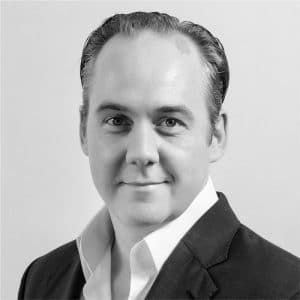
David Moyes, CCO, Exness
“One major consequence of the pandemic has been the move to working from home, both for traders and brokers alike. The COVID-19 outbreak has also resulted in unprecedented volatility. These have been some of the drivers for the huge increase in trading volume seen since March, as traders had more time on their hands due to lockdowns and less travel in general, and were also looking for new interests to develop since they had newfound time to dedicate. So, not only were existing traders increasing their volumes but some firms have seen record levels of new traders enter the industry. This was certainly the case for Exness regarding both volumes and new clients,” Moyes said.
Sustainable Growth
“Initially in March when the pandemic broke out globally, there was a major upsurge in volatility which, along with all the newcomers, was driving volumes to unprecedented levels. Although there was the inevitable slight drop off in the months immediately after, volume levels had steadily increased throughout the year with levels far exceeding those before the pandemic. For many firms, the increases may well be sustainable given the number of new clients. Also, circumstances around the spare time of people and working from home have changed very little since earlier in the year, therefore, the same drivers for increased volumes still apply. We are getting about 80% of the March volatility volume in Exness and currently running near to a 50% increase from this time last year,” the Chief Commercial Officer at Exness added.
New Traders
While the trend has been pretty evident across the industry about the growing interest of first-time traders. Ahmad Khatib, Chief Executive Officer at Amana Capital told Finance Magnates that the number of new traders this year has broken all previous records. Moreover, he added that all regions have performed extremely well for the company this year.
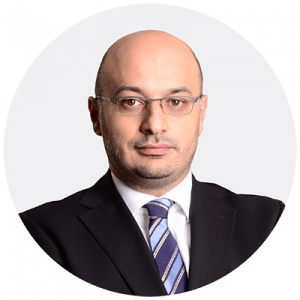
Ahmad Khatib, CEO, Amana Capital
“Reasons for the recent growth are the extremely high volatility in most asset classes which increased volumes from old clients and attracted new clients to trade. Certain market movements during the year were major breaking news and not just business news (oil going negative, stock indices crashing in March, gold movements, and others), so it was catching the attention of the general public and not only people following business or financial news. The number of first-time traders was higher than in previous years.”
Regional Expansion in 2021
Additionally, Khatib outlined the importance of understanding the local market before regional expansion. He mentioned that the firms must break the region into parts to understand local fundamentals. “It is important to understand the local market fundamentals before any regional expansion. Also important to breakdown the region into parts, because it is not always the case that all countries within a region have the same characteristics. For example, in the middle east each country has its own regulatory structure, business requirements and type of clients,” Khatib added.
Risk Factors
As the volumes increased, traders started taking more risks than normal. Alex Katsaros, CEO of TopFX pointed out this issue in his latest discussion with Finance Magnates. “2020 was a good year for the retail forex industry. It is something we expected due to the combination of extended lockdowns and a very eventful year leading to high volatility across the board. Most of our clients needed a way out of their enclosure, while others tried to supplement their income by participating in the Markets. Traders were ready to take on more risk since it was quite apparent that the daily swings would be colossal. The stress of the pandemic was transferred to the Markets, which then turned very volatile creating even more stress for the investors in a vicious cycle. We expect traders to come more seasoned and controlled into 2021,” Katsaros said.
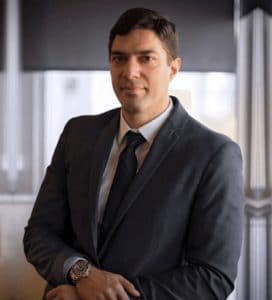
Alex Katsaros, CEO,TopFX
“It was a great year for us to launch our new retail website and further develop our retail business by opening new local offices across the globe. The higher conversion rates allowed us to accelerate our expansion worldwide, which will continue in 2021," he added.
Tough Year for Introducing Brokers
While 2020 was really good for the retail forex industry, introducing brokers struggled this year due to limited communication activities. “The year wasn’t great for all stakeholders of the industry though. Introducing brokers struggled in 2020, unable to reach out to traders to offer their services. Events, seminars and expos were canceled globally decreasing the effectiveness of their business model," he added.
David Moyes, Chief Commercial Officer at Exness told Finance Magnates that he expects the industry to sustain growth in 2021 due to the record number of new clients.
David Moyes, CCO, Exness
“One major consequence of the pandemic has been the move to working from home, both for traders and brokers alike. The COVID-19 outbreak has also resulted in unprecedented volatility. These have been some of the drivers for the huge increase in trading volume seen since March, as traders had more time on their hands due to lockdowns and less travel in general, and were also looking for new interests to develop since they had newfound time to dedicate. So, not only were existing traders increasing their volumes but some firms have seen record levels of new traders enter the industry. This was certainly the case for Exness regarding both volumes and new clients,” Moyes said.
Sustainable Growth
“Initially in March when the pandemic broke out globally, there was a major upsurge in volatility which, along with all the newcomers, was driving volumes to unprecedented levels. Although there was the inevitable slight drop off in the months immediately after, volume levels had steadily increased throughout the year with levels far exceeding those before the pandemic. For many firms, the increases may well be sustainable given the number of new clients. Also, circumstances around the spare time of people and working from home have changed very little since earlier in the year, therefore, the same drivers for increased volumes still apply. We are getting about 80% of the March volatility volume in Exness and currently running near to a 50% increase from this time last year,” the Chief Commercial Officer at Exness added.
New Traders
While the trend has been pretty evident across the industry about the growing interest of first-time traders. Ahmad Khatib, Chief Executive Officer at Amana Capital told Finance Magnates that the number of new traders this year has broken all previous records. Moreover, he added that all regions have performed extremely well for the company this year.
Ahmad Khatib, CEO, Amana Capital
“Reasons for the recent growth are the extremely high volatility in most asset classes which increased volumes from old clients and attracted new clients to trade. Certain market movements during the year were major breaking news and not just business news (oil going negative, stock indices crashing in March, gold movements, and others), so it was catching the attention of the general public and not only people following business or financial news. The number of first-time traders was higher than in previous years.”
Regional Expansion in 2021
Additionally, Khatib outlined the importance of understanding the local market before regional expansion. He mentioned that the firms must break the region into parts to understand local fundamentals. “It is important to understand the local market fundamentals before any regional expansion. Also important to breakdown the region into parts, because it is not always the case that all countries within a region have the same characteristics. For example, in the middle east each country has its own regulatory structure, business requirements and type of clients,” Khatib added.
Risk Factors
As the volumes increased, traders started taking more risks than normal. Alex Katsaros, CEO of TopFX pointed out this issue in his latest discussion with Finance Magnates. “2020 was a good year for the retail forex industry. It is something we expected due to the combination of extended lockdowns and a very eventful year leading to high volatility across the board. Most of our clients needed a way out of their enclosure, while others tried to supplement their income by participating in the Markets. Traders were ready to take on more risk since it was quite apparent that the daily swings would be colossal. The stress of the pandemic was transferred to the Markets, which then turned very volatile creating even more stress for the investors in a vicious cycle. We expect traders to come more seasoned and controlled into 2021,” Katsaros said.
Alex Katsaros, CEO,TopFX
“It was a great year for us to launch our new retail website and further develop our retail business by opening new local offices across the globe. The higher conversion rates allowed us to accelerate our expansion worldwide, which will continue in 2021," he added.
Tough Year for Introducing Brokers
While 2020 was really good for the retail forex industry, introducing brokers struggled this year due to limited communication activities. “The year wasn’t great for all stakeholders of the industry though. Introducing brokers struggled in 2020, unable to reach out to traders to offer their services. Events, seminars and expos were canceled globally decreasing the effectiveness of their business model," he added.
Bilal Jafar holds an MBA in Finance. In a professional career of more than 8 years, Jafar covered the evolution of FX, Cryptocurrencies, and Fintech. He started his career as a financial markets analyst and worked in different positions in the global media sector. Jafar writes about diverse topics within FX, Crypto, and the financial technology market.
iFOREX Adds Saudi and South Korean Equity CFDs as IPO Is Delayed
Featured Videos
Executive Interview | Charlotte Bullock | Chief Product Officer, Bank of London | FMLS:25
In this interview, we sat down with Charlotte Bullock, Head of Product at The Bank of London, previously at SAP and now shaping product at one of the sector’s most ambitious new banking players.
Charlotte reflects on the Summit so far and talks about the culture inside fintech banks today. We look at the pressures that come with scaling, and how firms can hold onto the nimble approach that made them stand out early on.
We also cover the state of payments ahead of her appearance on the payments roundtable: the blockages financial firms face, the areas that still need fixing, and what a realistic solution looks like in 2026.
In this interview, we sat down with Charlotte Bullock, Head of Product at The Bank of London, previously at SAP and now shaping product at one of the sector’s most ambitious new banking players.
Charlotte reflects on the Summit so far and talks about the culture inside fintech banks today. We look at the pressures that come with scaling, and how firms can hold onto the nimble approach that made them stand out early on.
We also cover the state of payments ahead of her appearance on the payments roundtable: the blockages financial firms face, the areas that still need fixing, and what a realistic solution looks like in 2026.
In this interview, we sat down with Charlotte Bullock, Head of Product at The Bank of London, previously at SAP and now shaping product at one of the sector’s most ambitious new banking players.
Charlotte reflects on the Summit so far and talks about the culture inside fintech banks today. We look at the pressures that come with scaling, and how firms can hold onto the nimble approach that made them stand out early on.
We also cover the state of payments ahead of her appearance on the payments roundtable: the blockages financial firms face, the areas that still need fixing, and what a realistic solution looks like in 2026.
In this interview, we sat down with Charlotte Bullock, Head of Product at The Bank of London, previously at SAP and now shaping product at one of the sector’s most ambitious new banking players.
Charlotte reflects on the Summit so far and talks about the culture inside fintech banks today. We look at the pressures that come with scaling, and how firms can hold onto the nimble approach that made them stand out early on.
We also cover the state of payments ahead of her appearance on the payments roundtable: the blockages financial firms face, the areas that still need fixing, and what a realistic solution looks like in 2026.
In this conversation, we sit down with Drew Niv, CSO at ATFX Connect and one of the most influential figures in modern FX.
We speak about market structure, the institutional view on liquidity, and the sharp rise of prop trading, a sector Drew has been commenting on in recent months. Drew explains why he once dismissed prop trading, why his view changed, and what he now thinks the model means for brokers, clients and risk managers.
We explore subscription-fee dependency, the high reneging rate, and the long-term challenge: how brokers can build a more stable and honest version of the model. Drew also talks about the traffic advantage standalone prop firms have built and why brokers may still win in the long run if they take the right approach.
In this conversation, we sit down with Drew Niv, CSO at ATFX Connect and one of the most influential figures in modern FX.
We speak about market structure, the institutional view on liquidity, and the sharp rise of prop trading, a sector Drew has been commenting on in recent months. Drew explains why he once dismissed prop trading, why his view changed, and what he now thinks the model means for brokers, clients and risk managers.
We explore subscription-fee dependency, the high reneging rate, and the long-term challenge: how brokers can build a more stable and honest version of the model. Drew also talks about the traffic advantage standalone prop firms have built and why brokers may still win in the long run if they take the right approach.
In this conversation, we sit down with Drew Niv, CSO at ATFX Connect and one of the most influential figures in modern FX.
We speak about market structure, the institutional view on liquidity, and the sharp rise of prop trading, a sector Drew has been commenting on in recent months. Drew explains why he once dismissed prop trading, why his view changed, and what he now thinks the model means for brokers, clients and risk managers.
We explore subscription-fee dependency, the high reneging rate, and the long-term challenge: how brokers can build a more stable and honest version of the model. Drew also talks about the traffic advantage standalone prop firms have built and why brokers may still win in the long run if they take the right approach.
In this conversation, we sit down with Drew Niv, CSO at ATFX Connect and one of the most influential figures in modern FX.
We speak about market structure, the institutional view on liquidity, and the sharp rise of prop trading, a sector Drew has been commenting on in recent months. Drew explains why he once dismissed prop trading, why his view changed, and what he now thinks the model means for brokers, clients and risk managers.
We explore subscription-fee dependency, the high reneging rate, and the long-term challenge: how brokers can build a more stable and honest version of the model. Drew also talks about the traffic advantage standalone prop firms have built and why brokers may still win in the long run if they take the right approach.
In this conversation, we sit down with Drew Niv, CSO at ATFX Connect and one of the most influential figures in modern FX.
We speak about market structure, the institutional view on liquidity, and the sharp rise of prop trading, a sector Drew has been commenting on in recent months. Drew explains why he once dismissed prop trading, why his view changed, and what he now thinks the model means for brokers, clients and risk managers.
We explore subscription-fee dependency, the high reneging rate, and the long-term challenge: how brokers can build a more stable and honest version of the model. Drew also talks about the traffic advantage standalone prop firms have built and why brokers may still win in the long run if they take the right approach.
In this conversation, we sit down with Drew Niv, CSO at ATFX Connect and one of the most influential figures in modern FX.
We speak about market structure, the institutional view on liquidity, and the sharp rise of prop trading, a sector Drew has been commenting on in recent months. Drew explains why he once dismissed prop trading, why his view changed, and what he now thinks the model means for brokers, clients and risk managers.
We explore subscription-fee dependency, the high reneging rate, and the long-term challenge: how brokers can build a more stable and honest version of the model. Drew also talks about the traffic advantage standalone prop firms have built and why brokers may still win in the long run if they take the right approach.
Executive Interview | Remonda Z. Kirketerp Møller| CEO & Founder Muinmos | FMLS:25
In this interview, Remonda Z. Kirketerp Møller, founder of Muinmos, breaks down the state of AI in regtech and what responsible adoption really looks like for brokers. We talk about rising fragmentation, the pressures around compliance accuracy, and why most firms are still in the early stages of AI maturity.
Ramanda also shares insights on regulator sandboxes, shifting expectations around accountability, and the current reality of MiCA licensing and passporting in Europe.
A concise look at where compliance, onboarding, and AI-driven processes are heading next.
In this interview, Remonda Z. Kirketerp Møller, founder of Muinmos, breaks down the state of AI in regtech and what responsible adoption really looks like for brokers. We talk about rising fragmentation, the pressures around compliance accuracy, and why most firms are still in the early stages of AI maturity.
Ramanda also shares insights on regulator sandboxes, shifting expectations around accountability, and the current reality of MiCA licensing and passporting in Europe.
A concise look at where compliance, onboarding, and AI-driven processes are heading next.
In this interview, Remonda Z. Kirketerp Møller, founder of Muinmos, breaks down the state of AI in regtech and what responsible adoption really looks like for brokers. We talk about rising fragmentation, the pressures around compliance accuracy, and why most firms are still in the early stages of AI maturity.
Ramanda also shares insights on regulator sandboxes, shifting expectations around accountability, and the current reality of MiCA licensing and passporting in Europe.
A concise look at where compliance, onboarding, and AI-driven processes are heading next.
In this interview, Remonda Z. Kirketerp Møller, founder of Muinmos, breaks down the state of AI in regtech and what responsible adoption really looks like for brokers. We talk about rising fragmentation, the pressures around compliance accuracy, and why most firms are still in the early stages of AI maturity.
Ramanda also shares insights on regulator sandboxes, shifting expectations around accountability, and the current reality of MiCA licensing and passporting in Europe.
A concise look at where compliance, onboarding, and AI-driven processes are heading next.
In this interview, Remonda Z. Kirketerp Møller, founder of Muinmos, breaks down the state of AI in regtech and what responsible adoption really looks like for brokers. We talk about rising fragmentation, the pressures around compliance accuracy, and why most firms are still in the early stages of AI maturity.
Ramanda also shares insights on regulator sandboxes, shifting expectations around accountability, and the current reality of MiCA licensing and passporting in Europe.
A concise look at where compliance, onboarding, and AI-driven processes are heading next.
In this interview, Remonda Z. Kirketerp Møller, founder of Muinmos, breaks down the state of AI in regtech and what responsible adoption really looks like for brokers. We talk about rising fragmentation, the pressures around compliance accuracy, and why most firms are still in the early stages of AI maturity.
Ramanda also shares insights on regulator sandboxes, shifting expectations around accountability, and the current reality of MiCA licensing and passporting in Europe.
A concise look at where compliance, onboarding, and AI-driven processes are heading next.
In this conversation, we speak with Aydin Bonabi, CEO and co-founder of Surveill, a firm focused on fraud detection and AI-driven compliance tools for financial institutions.
We start with Aydin’s view of the Summit and the challenges brokers face as fraud tactics grow more complex. He explains how firms can stay ahead through real-time signals, data patterns, and early-stage detection.
We also talk about AI training and why compliance teams often struggle to keep models accurate, fair, and aligned with regulatory expectations. Aydin breaks down what “good” AI training looks like inside a financial environment, including the importance of clean data, domain expertise, and human oversight.
He closes with a clear message: fraud is scaling, and so must the tools that stop it.
In this conversation, we speak with Aydin Bonabi, CEO and co-founder of Surveill, a firm focused on fraud detection and AI-driven compliance tools for financial institutions.
We start with Aydin’s view of the Summit and the challenges brokers face as fraud tactics grow more complex. He explains how firms can stay ahead through real-time signals, data patterns, and early-stage detection.
We also talk about AI training and why compliance teams often struggle to keep models accurate, fair, and aligned with regulatory expectations. Aydin breaks down what “good” AI training looks like inside a financial environment, including the importance of clean data, domain expertise, and human oversight.
He closes with a clear message: fraud is scaling, and so must the tools that stop it.
In this conversation, we speak with Aydin Bonabi, CEO and co-founder of Surveill, a firm focused on fraud detection and AI-driven compliance tools for financial institutions.
We start with Aydin’s view of the Summit and the challenges brokers face as fraud tactics grow more complex. He explains how firms can stay ahead through real-time signals, data patterns, and early-stage detection.
We also talk about AI training and why compliance teams often struggle to keep models accurate, fair, and aligned with regulatory expectations. Aydin breaks down what “good” AI training looks like inside a financial environment, including the importance of clean data, domain expertise, and human oversight.
He closes with a clear message: fraud is scaling, and so must the tools that stop it.
In this conversation, we speak with Aydin Bonabi, CEO and co-founder of Surveill, a firm focused on fraud detection and AI-driven compliance tools for financial institutions.
We start with Aydin’s view of the Summit and the challenges brokers face as fraud tactics grow more complex. He explains how firms can stay ahead through real-time signals, data patterns, and early-stage detection.
We also talk about AI training and why compliance teams often struggle to keep models accurate, fair, and aligned with regulatory expectations. Aydin breaks down what “good” AI training looks like inside a financial environment, including the importance of clean data, domain expertise, and human oversight.
He closes with a clear message: fraud is scaling, and so must the tools that stop it.
In this conversation, we speak with Aydin Bonabi, CEO and co-founder of Surveill, a firm focused on fraud detection and AI-driven compliance tools for financial institutions.
We start with Aydin’s view of the Summit and the challenges brokers face as fraud tactics grow more complex. He explains how firms can stay ahead through real-time signals, data patterns, and early-stage detection.
We also talk about AI training and why compliance teams often struggle to keep models accurate, fair, and aligned with regulatory expectations. Aydin breaks down what “good” AI training looks like inside a financial environment, including the importance of clean data, domain expertise, and human oversight.
He closes with a clear message: fraud is scaling, and so must the tools that stop it.
In this conversation, we speak with Aydin Bonabi, CEO and co-founder of Surveill, a firm focused on fraud detection and AI-driven compliance tools for financial institutions.
We start with Aydin’s view of the Summit and the challenges brokers face as fraud tactics grow more complex. He explains how firms can stay ahead through real-time signals, data patterns, and early-stage detection.
We also talk about AI training and why compliance teams often struggle to keep models accurate, fair, and aligned with regulatory expectations. Aydin breaks down what “good” AI training looks like inside a financial environment, including the importance of clean data, domain expertise, and human oversight.
He closes with a clear message: fraud is scaling, and so must the tools that stop it.
Exness expands its presence in Africa: Inside our interview with Paul Margarites in Cape Town
Finance Magnates met with Paul Margarites, Exness regional commercial director for Sub-Saharan Africa, during a visit to the firm’s office opening in Cape Town. In this talk, led by Andrea Badiola Mateos, Co-CEO at Finance Magnates, Paul shares views on the South African trading space, local user behavior, mobile trends, regulation, team growth, and how Exness plans to grow in more markets across the region. @Exness
Read the article at: https://www.financemagnates.com/thought-leadership/exness-expands-its-presence-in-africa-inside-our-interview-with-paul-margarites/
#exness #financemagnates #exnesstrading #CFDtrading #tradeonline #africanews #capetown
Finance Magnates met with Paul Margarites, Exness regional commercial director for Sub-Saharan Africa, during a visit to the firm’s office opening in Cape Town. In this talk, led by Andrea Badiola Mateos, Co-CEO at Finance Magnates, Paul shares views on the South African trading space, local user behavior, mobile trends, regulation, team growth, and how Exness plans to grow in more markets across the region. @Exness
Read the article at: https://www.financemagnates.com/thought-leadership/exness-expands-its-presence-in-africa-inside-our-interview-with-paul-margarites/
#exness #financemagnates #exnesstrading #CFDtrading #tradeonline #africanews #capetown
Finance Magnates met with Paul Margarites, Exness regional commercial director for Sub-Saharan Africa, during a visit to the firm’s office opening in Cape Town. In this talk, led by Andrea Badiola Mateos, Co-CEO at Finance Magnates, Paul shares views on the South African trading space, local user behavior, mobile trends, regulation, team growth, and how Exness plans to grow in more markets across the region. @Exness
Read the article at: https://www.financemagnates.com/thought-leadership/exness-expands-its-presence-in-africa-inside-our-interview-with-paul-margarites/
#exness #financemagnates #exnesstrading #CFDtrading #tradeonline #africanews #capetown
Finance Magnates met with Paul Margarites, Exness regional commercial director for Sub-Saharan Africa, during a visit to the firm’s office opening in Cape Town. In this talk, led by Andrea Badiola Mateos, Co-CEO at Finance Magnates, Paul shares views on the South African trading space, local user behavior, mobile trends, regulation, team growth, and how Exness plans to grow in more markets across the region. @Exness
Read the article at: https://www.financemagnates.com/thought-leadership/exness-expands-its-presence-in-africa-inside-our-interview-with-paul-margarites/
#exness #financemagnates #exnesstrading #CFDtrading #tradeonline #africanews #capetown
Finance Magnates met with Paul Margarites, Exness regional commercial director for Sub-Saharan Africa, during a visit to the firm’s office opening in Cape Town. In this talk, led by Andrea Badiola Mateos, Co-CEO at Finance Magnates, Paul shares views on the South African trading space, local user behavior, mobile trends, regulation, team growth, and how Exness plans to grow in more markets across the region. @Exness
Read the article at: https://www.financemagnates.com/thought-leadership/exness-expands-its-presence-in-africa-inside-our-interview-with-paul-margarites/
#exness #financemagnates #exnesstrading #CFDtrading #tradeonline #africanews #capetown
Finance Magnates met with Paul Margarites, Exness regional commercial director for Sub-Saharan Africa, during a visit to the firm’s office opening in Cape Town. In this talk, led by Andrea Badiola Mateos, Co-CEO at Finance Magnates, Paul shares views on the South African trading space, local user behavior, mobile trends, regulation, team growth, and how Exness plans to grow in more markets across the region. @Exness
Read the article at: https://www.financemagnates.com/thought-leadership/exness-expands-its-presence-in-africa-inside-our-interview-with-paul-margarites/
#exness #financemagnates #exnesstrading #CFDtrading #tradeonline #africanews #capetown