Financial and Business News

OneZero CEO Warns Brokers Face “Capricious” Market Era as Volatility Becomes Permanent Feature

Thursday, 15/01/2026 | 11:04 GMT by Damian Chmiel
  • The technology provider's chief executive says firms must prioritize resilience over innovation alone.
  • Risk models built for cyclical volatility now face sustained pressure with little historical precedent.
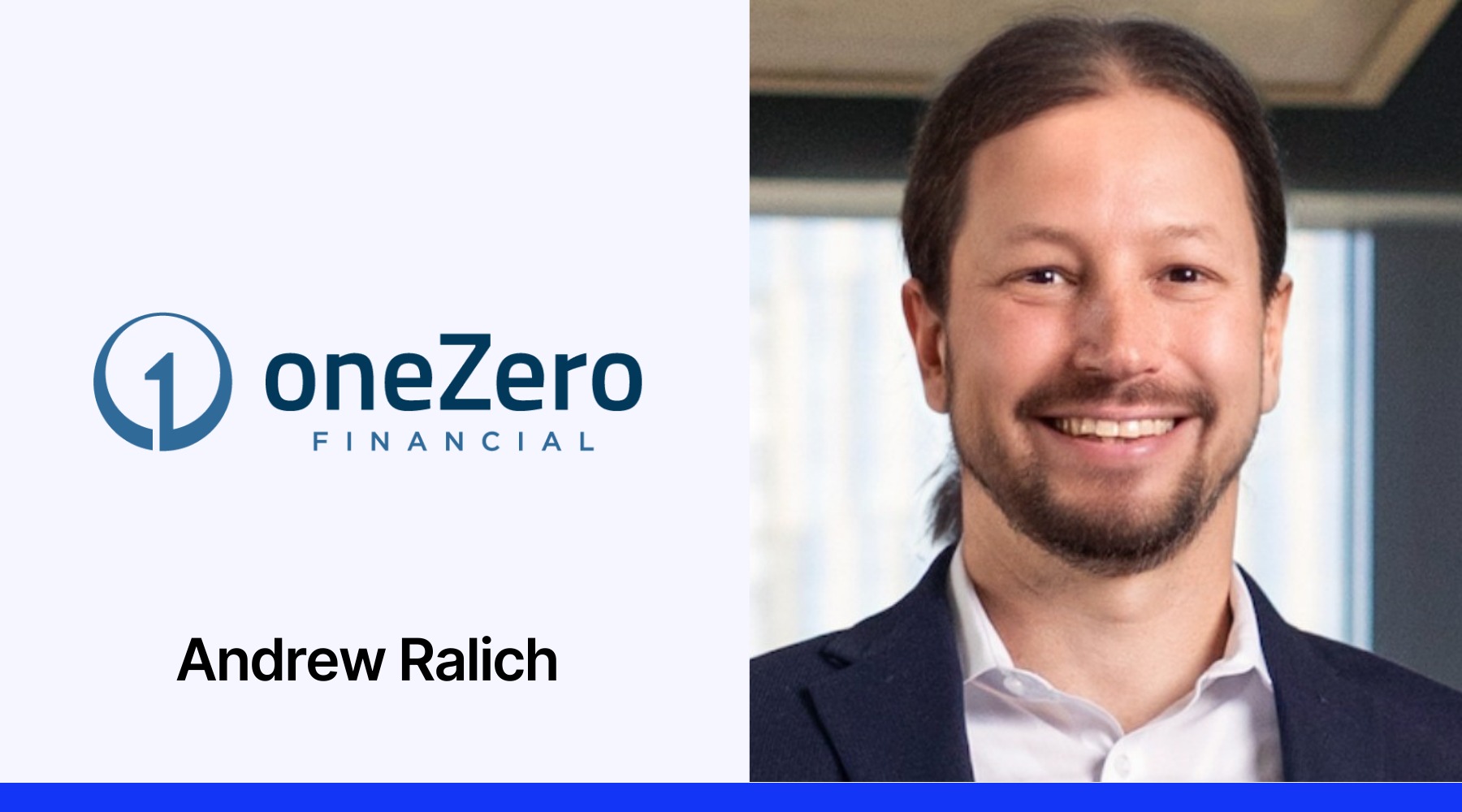
Andrew Ralich onezero

The head of trading technology provider oneZero Financial Systems is warning that retail and institutional brokers need to fundamentally rethink how they operate as market volatility transitions from a periodic challenge to a permanent operating condition.

Andrew Ralich, CEO of the Massachusetts-based firm, said in his annual outlook that “volatility has shifted from relative predictability with occasional curve balls to a state of capricious, sustained market activity.”

The assessment comes as CFD and forex brokers grapple with elevated trading volumes but also heightened risk management demands. The view echoes observations from brokerage executives at Finance Magnates London Summit 20225, where Interactive Brokers and eToro discussed how volatility has fundamentally changed investor behavior and separated firms with strong capital bases from those operating on thin margins.

Unlike previous periods where volatility spiked during crises and then subsided, Ralich argues the current environment stems from overlapping policy shifts, monetary framework changes, and structural liquidity issues that won't resolve quickly.

Risk Systems Built for Different Era

OneZero, which provides execution and liquidity hub technology to retail brokers and institutional clients, sees the pressure firsthand through its client base. The firm's technology handles trade routing, risk management, and pricing for brokerages operating in FX, CFDs, and digital assets.

Ralich noted that “systems, processes, and models are now being tasked to perform under continuous pressure” with assumptions about correlations, liquidity depth, and client behavior getting tested in real time. He added that “past performance is not indicative of future results, has never felt so close to home for many people operating in capital markets.”

For CFD brokers specifically, sustained volatility creates a double-edged sword. Higher client activity generates revenue, but margin calls, rapid price swings, and unpredictable correlations strain risk engines and capital reserves. Brokers using legacy technology or manual processes face particular challenges.

The technology provider's message to clients emphasizes operational endurance. Ralich said “longevity and staying power are no longer virtues; they are practical indicators of whether a firm is prepared for what comes next.”

Institutional Push Accelerates

OneZero has been expanding beyond its retail broker client base into institutional territory. The firm hired Adam Collins as Head of Institutional Sales for Americas and EMEA in August, bringing expertise from LSEG FX and BNP Paribas.

That push included launching Swap Curve Manager in September, a pricing platform aimed at regional banks that consolidates FX swap workflows. The product can integrate with existing bank pricing engines, a design choice that reflects oneZero's broader philosophy about technology adoption.

AI Won't Replace Core Infrastructure

Ralich also addressed artificial intelligence adoption in financial markets, pushing back against narratives that AI will displace traditional trading infrastructure. Instead, he sees AI as an efficiency multiplier rather than a replacement technology.

“Think less about what AI can do to replace our own traditional effort today, and think more about how the outputs of our efforts enable our customer to be more efficient via AI,” he said.

The company's view is that AI's usefulness depends entirely on data quality. Without clean, real-time, observable data, AI models lose effectiveness regardless of sophistication. For brokers, that means infrastructure investments in data pipelines and API design remain critical even as AI tools proliferate.

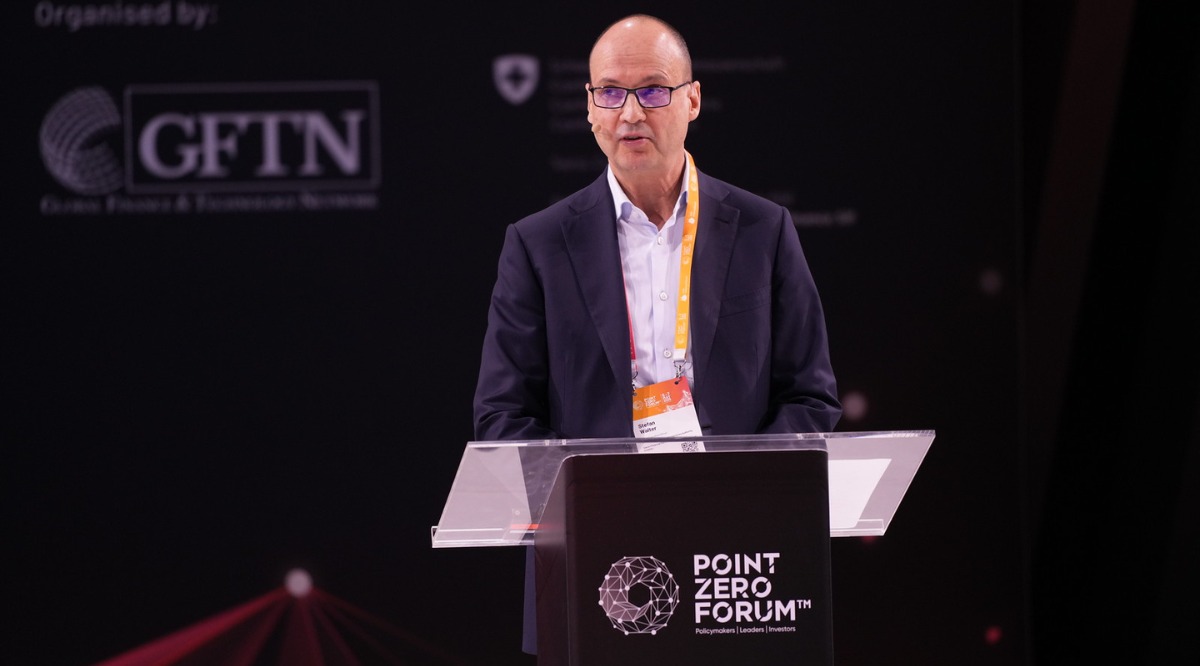
The head of trading technology provider oneZero Financial Systems is warning that retail and institutional brokers need to fundamentally rethink how they operate as market volatility transitions from a periodic challenge to a permanent operating condition.

Andrew Ralich, CEO of the Massachusetts-based firm, said in his annual outlook that “volatility has shifted from relative predictability with occasional curve balls to a state of capricious, sustained market activity.”

The assessment comes as CFD and forex brokers grapple with elevated trading volumes but also heightened risk management demands. The view echoes observations from brokerage executives at Finance Magnates London Summit 20225, where Interactive Brokers and eToro discussed how volatility has fundamentally changed investor behavior and separated firms with strong capital bases from those operating on thin margins.

Unlike previous periods where volatility spiked during crises and then subsided, Ralich argues the current environment stems from overlapping policy shifts, monetary framework changes, and structural liquidity issues that won't resolve quickly.

Risk Systems Built for Different Era

OneZero, which provides execution and liquidity hub technology to retail brokers and institutional clients, sees the pressure firsthand through its client base. The firm's technology handles trade routing, risk management, and pricing for brokerages operating in FX, CFDs, and digital assets.

Ralich noted that “systems, processes, and models are now being tasked to perform under continuous pressure” with assumptions about correlations, liquidity depth, and client behavior getting tested in real time. He added that “past performance is not indicative of future results, has never felt so close to home for many people operating in capital markets.”

For CFD brokers specifically, sustained volatility creates a double-edged sword. Higher client activity generates revenue, but margin calls, rapid price swings, and unpredictable correlations strain risk engines and capital reserves. Brokers using legacy technology or manual processes face particular challenges.

The technology provider's message to clients emphasizes operational endurance. Ralich said “longevity and staying power are no longer virtues; they are practical indicators of whether a firm is prepared for what comes next.”

Institutional Push Accelerates

OneZero has been expanding beyond its retail broker client base into institutional territory. The firm hired Adam Collins as Head of Institutional Sales for Americas and EMEA in August, bringing expertise from LSEG FX and BNP Paribas.

That push included launching Swap Curve Manager in September, a pricing platform aimed at regional banks that consolidates FX swap workflows. The product can integrate with existing bank pricing engines, a design choice that reflects oneZero's broader philosophy about technology adoption.

AI Won't Replace Core Infrastructure

Ralich also addressed artificial intelligence adoption in financial markets, pushing back against narratives that AI will displace traditional trading infrastructure. Instead, he sees AI as an efficiency multiplier rather than a replacement technology.

“Think less about what AI can do to replace our own traditional effort today, and think more about how the outputs of our efforts enable our customer to be more efficient via AI,” he said.

The company's view is that AI's usefulness depends entirely on data quality. Without clean, real-time, observable data, AI models lose effectiveness regardless of sophistication. For brokers, that means infrastructure investments in data pipelines and API design remain critical even as AI tools proliferate.
About the Author: Damian Chmiel
Damian Chmiel
  • 3163 Articles
  • 98 Followers
Damian's adventure with financial markets began at the Cracow University of Economics, where he obtained his MA in finance and accounting. Starting from the retail trader perspective, he collaborated with brokerage houses and financial portals in Poland as an independent editor and content manager. His adventure with Finance Magnates began in 2016, where he is working as a business intelligence analyst.

More from the Author

Retail FX