While 43% of New Zealanders prioritize high investment returns, fewer than 30% actually invest.
Meanwhile, financial stress is mounting, with 61% of Kiwis reporting they're "sinking" financially.
A new study
by New Zealand's Financial Markets Authority (FMA) has uncovered significant
gaps between what New Zealanders say they want from investments and how they
actually allocate their money, as financial stress continues to mount across
the country.
Kiwis Talk Big Returns, But Invest in Savings
Accounts
The
research, which surveyed 3,169 New Zealanders and conducted in-depth interviews
with 20 participants, found that while 43% of respondents prioritize high
returns when choosing investments, fewer than one in three actually hold direct
stock market investments.
New
Zealanders predominantly favor accessible, lower-risk products over potentially
higher-yielding investments. While 79% hold everyday bank accounts and 75%
maintain savings accounts, only 30% invest directly in stocks, shares, or
exchange-traded funds.
Daniel Trinder, the Executive Director of FMA’s Strategy and Design
“New
Zealanders’ stated financial goals don't always match their investment behaviors,
or understanding of key financial concepts,” Daniel Trinder, the Executive
Director of FMA’s Strategy and Design, commented. “There is a disconnect
between their preferences and their investment choices.”
KiwiSaver,
the country's retirement savings scheme, emerged as the most successful
investment vehicle with 72% participation across income levels. The program's
automatic enrollment and employer contributions have made it an effective tool
for capturing savings that might not otherwise occur.
Term
deposits and Portfolio Investment Entity funds showed much lower adoption rates
at 31% and 13% respectively, despite offering potentially better returns than
standard savings accounts.
One in six
New Zealanders reported feeling they are "sinking" financially, while
44% said they are merely "treading water." Only 39% described
themselves as "swimming" or financially comfortable.
Source: FMA
The study
found clear demographic patterns in investment behavior. Younger investors
showed greater appetite for potential returns, while those aged 65 and older
demonstrated stronger preferences for guaranteed returns, often shifting from
KiwiSaver to term deposits as they approach or enter retirement.
Income
levels significantly influenced investment priorities too. Higher-income
households were more likely to seek high returns, while those earning less than
$50,000 annually prioritized certainty and immediate access to funds.
Despite
widespread openness to financial guidance, with 67% of respondents expressing
interest in learning how to make their money work better, significant barriers
remain. The research found that 42% of New Zealanders feel uncomfortable
discussing their financial situation with experts.
Source: FMA
“While
there is a strong interest in financial advice, many are hesitant to discuss
their personal financial circumstances with others,” added Trinder.
Trust in
financial institutions also presents challenges, with fewer than half of bank
customers reporting high trust that their institution has their financial
wellbeing in mind. Insurance companies fared worse, with only 26% of customers
expressing high trust levels.
The
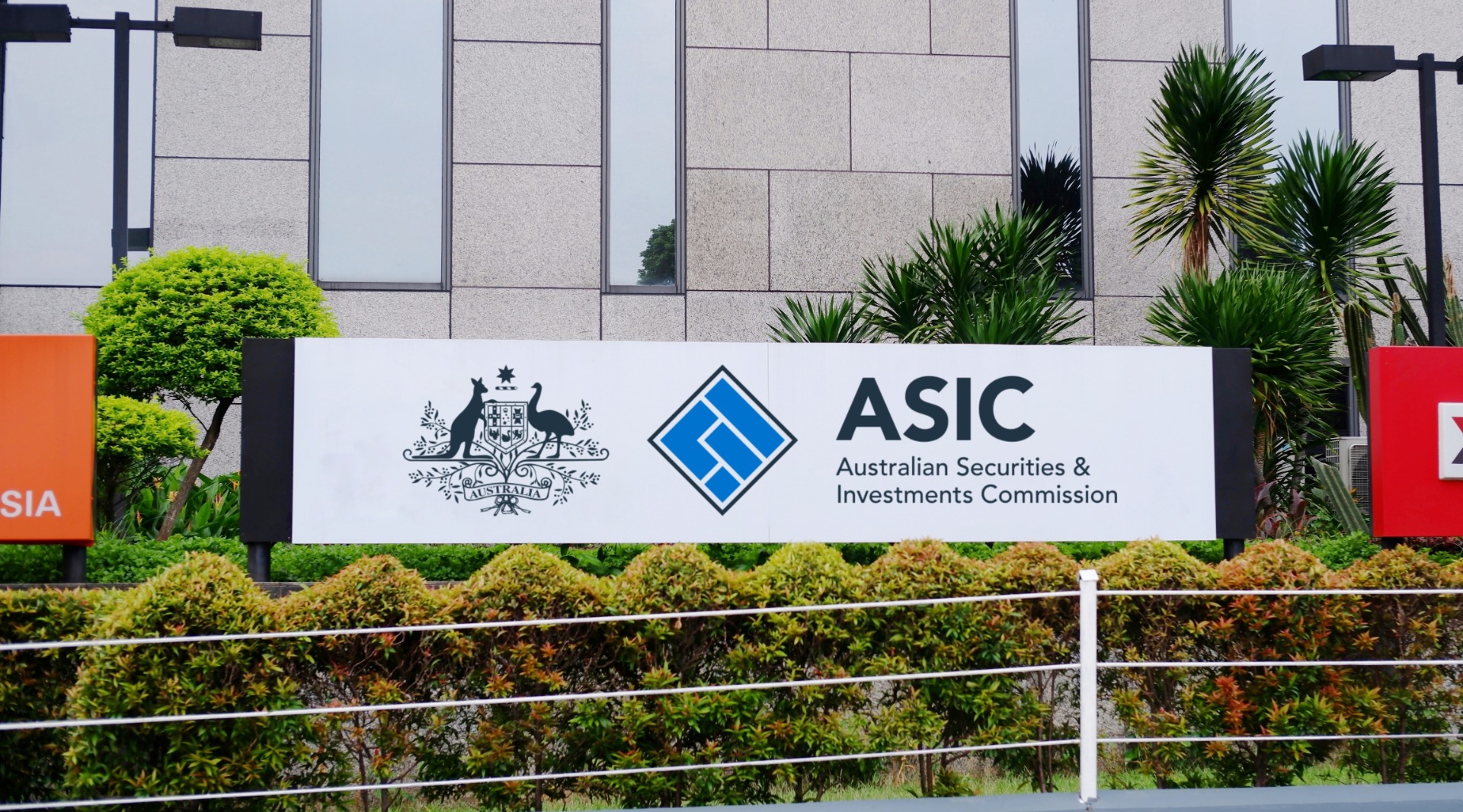
research forms part of the FMA's broader "Good Cents" initiative
examining New Zealand's financial capability and will inform future regulatory
approaches as the authority takes on expanded responsibilities under new
conduct regulations.
A new study
by New Zealand's Financial Markets Authority (FMA) has uncovered significant
gaps between what New Zealanders say they want from investments and how they
actually allocate their money, as financial stress continues to mount across
the country.
Kiwis Talk Big Returns, But Invest in Savings
Accounts
The
research, which surveyed 3,169 New Zealanders and conducted in-depth interviews
with 20 participants, found that while 43% of respondents prioritize high
returns when choosing investments, fewer than one in three actually hold direct
stock market investments.
New
Zealanders predominantly favor accessible, lower-risk products over potentially
higher-yielding investments. While 79% hold everyday bank accounts and 75%
maintain savings accounts, only 30% invest directly in stocks, shares, or
exchange-traded funds.
Daniel Trinder, the Executive Director of FMA’s Strategy and Design
“New
Zealanders’ stated financial goals don't always match their investment behaviors,
or understanding of key financial concepts,” Daniel Trinder, the Executive
Director of FMA’s Strategy and Design, commented. “There is a disconnect
between their preferences and their investment choices.”
KiwiSaver,
the country's retirement savings scheme, emerged as the most successful
investment vehicle with 72% participation across income levels. The program's
automatic enrollment and employer contributions have made it an effective tool
for capturing savings that might not otherwise occur.
Term
deposits and Portfolio Investment Entity funds showed much lower adoption rates
at 31% and 13% respectively, despite offering potentially better returns than
standard savings accounts.
One in six
New Zealanders reported feeling they are "sinking" financially, while
44% said they are merely "treading water." Only 39% described
themselves as "swimming" or financially comfortable.
Source: FMA
The study
found clear demographic patterns in investment behavior. Younger investors
showed greater appetite for potential returns, while those aged 65 and older
demonstrated stronger preferences for guaranteed returns, often shifting from
KiwiSaver to term deposits as they approach or enter retirement.
Income
levels significantly influenced investment priorities too. Higher-income
households were more likely to seek high returns, while those earning less than
$50,000 annually prioritized certainty and immediate access to funds.
Despite
widespread openness to financial guidance, with 67% of respondents expressing
interest in learning how to make their money work better, significant barriers
remain. The research found that 42% of New Zealanders feel uncomfortable
discussing their financial situation with experts.
Source: FMA
“While
there is a strong interest in financial advice, many are hesitant to discuss
their personal financial circumstances with others,” added Trinder.
Trust in
financial institutions also presents challenges, with fewer than half of bank
customers reporting high trust that their institution has their financial
wellbeing in mind. Insurance companies fared worse, with only 26% of customers
expressing high trust levels.
The
research forms part of the FMA's broader "Good Cents" initiative
examining New Zealand's financial capability and will inform future regulatory
approaches as the authority takes on expanded responsibilities under new
conduct regulations.
Damian Chmiel is a Senior Analyst & Editor at Finance Magnates with more than 15 years of experience in the CFD and online trading industry. Active as both a trader and journalist since 2010, he focuses on broker coverage, fintech innovation, and regulatory developments across Europe, the Middle East, and Asia.
His work includes interviews with C-level leaders at major brokerages and fintech platforms, as well as co-authoring Finance Magnates’ quarterly industry benchmarking reports. Damian’s reporting is data-driven, market-aware, and grounded in direct industry engagement. His analysis and commentary have also been cited by external media outlets, including Investing.com, Binance, The Asset, Stockhead, and Dispatch.
Education:
MA in Finance and Accounting, Cracow University of Economics
Retail Traders Can Now Access Prediction Markets Through Binance Wallet
FP Markets Winner Spotlight 🏆 | Global Broker of the Year 2025 #Trading #Broker #Innovation #Shorts
FP Markets Winner Spotlight 🏆 | Global Broker of the Year 2025 #Trading #Broker #Innovation #Shorts
FP Markets takes the spotlight as Global Broker of the Year 2025 at the Finance Magnates Awards.
Martin Stoilov, Head of Client Experience, shares that trust, innovation, and people played a key role in the company’s success, supported by a strong foundation of integrity and client-centricity.
Following this milestone, FP Markets continues to focus on growth, technology investment, and its core values of transparency and excellence.
👉 Be part of FM Awards 2026: https://awards.financemagnates.com/#nominate
FP Markets takes the spotlight as Global Broker of the Year 2025 at the Finance Magnates Awards.
Martin Stoilov, Head of Client Experience, shares that trust, innovation, and people played a key role in the company’s success, supported by a strong foundation of integrity and client-centricity.
Following this milestone, FP Markets continues to focus on growth, technology investment, and its core values of transparency and excellence.
👉 Be part of FM Awards 2026: https://awards.financemagnates.com/#nominate
In this video, we review @HolaPrimeMarketsOfficial, a multi-asset forex and CFDs broker offering different account types, trading platforms, and flexible trading conditions.
We cover the broker’s overall offering, including account options, trading environment, platforms like MT4 and MT5, and additional services such as managed accounts and fast withdrawals.
Watch the full video to see if Hola Prime Markets fits your trading needs.
📣 Stay up to date with the latest in finance and trading. Follow Finance Magnates for industry news, insights, and global event coverage.
Connect with us:
🔗 LinkedIn: /financemagnates
👍 Facebook: /financemagnates
📸 Instagram: https://www.instagram.com/financemagnates
🐦 X: https://x.com/financemagnates
🎥 TikTok: https://www.tiktok.com/tag/financemagnates
▶️ YouTube: /@financemagnates_official
#HolaPrime #ForexBroker #CFDTrading #FinanceMagnates #Trading #Forex #BrokerReview
In this video, we review @HolaPrimeMarketsOfficial, a multi-asset forex and CFDs broker offering different account types, trading platforms, and flexible trading conditions.
We cover the broker’s overall offering, including account options, trading environment, platforms like MT4 and MT5, and additional services such as managed accounts and fast withdrawals.
Watch the full video to see if Hola Prime Markets fits your trading needs.
📣 Stay up to date with the latest in finance and trading. Follow Finance Magnates for industry news, insights, and global event coverage.
Connect with us:
🔗 LinkedIn: /financemagnates
👍 Facebook: /financemagnates
📸 Instagram: https://www.instagram.com/financemagnates
🐦 X: https://x.com/financemagnates
🎥 TikTok: https://www.tiktok.com/tag/financemagnates
▶️ YouTube: /@financemagnates_official
#HolaPrime #ForexBroker #CFDTrading #FinanceMagnates #Trading #Forex #BrokerReview
Hola Prime Review: What You Need to Know | Full Breakdown by Finance Magnates
Hola Prime Review: What You Need to Know | Full Breakdown by Finance Magnates
In this video, we review @HolaPrime_Global, a proprietary trading firm offering evaluation programs and performance-based payouts in simulated market environments.
We cover how the challenge model works, including account types, profit splits (up to 95%), trading rules, and what it takes to reach a funded account. You’ll also learn about available platforms like MT4, MT5, cTrader, and more, along with insights into payouts, support, and trading conditions.
Watch the full video to see if Hola Prime fits your trading style.
📣 Stay up to date with the latest in finance and trading. Follow Finance Magnates for industry news, insights, and global event coverage.
Connect with us:
🔗 LinkedIn: /financemagnates
👍 Facebook: /financemagnates
📸 Instagram: https://www.instagram.com/financemagnates
🐦 X: https://x.com/financemagnates
🎥 TikTok: https://www.tiktok.com/tag/financemagnates
▶️ YouTube: /@financemagnates_official
#HolaPrime #PropFirm #Trading #FinanceMagnates #Forex #FuturesTrading #TradingReview #PropFirmReview
In this video, we review @HolaPrime_Global, a proprietary trading firm offering evaluation programs and performance-based payouts in simulated market environments.
We cover how the challenge model works, including account types, profit splits (up to 95%), trading rules, and what it takes to reach a funded account. You’ll also learn about available platforms like MT4, MT5, cTrader, and more, along with insights into payouts, support, and trading conditions.
Watch the full video to see if Hola Prime fits your trading style.
📣 Stay up to date with the latest in finance and trading. Follow Finance Magnates for industry news, insights, and global event coverage.
Connect with us:
🔗 LinkedIn: /financemagnates
👍 Facebook: /financemagnates
📸 Instagram: https://www.instagram.com/financemagnates
🐦 X: https://x.com/financemagnates
🎥 TikTok: https://www.tiktok.com/tag/financemagnates
▶️ YouTube: /@financemagnates_official
#HolaPrime #PropFirm #Trading #FinanceMagnates #Forex #FuturesTrading #TradingReview #PropFirmReview
Axi Winner Spotlight 🏆 | Global Most Innovative Broker 2025 #Innovation #Trading #Fintech #Broker
Axi Winner Spotlight 🏆 | Global Most Innovative Broker 2025 #Innovation #Trading #Fintech #Broker
Axi takes the spotlight at the Finance Magnates Awards, winning Global Most Innovative Broker 2025.
Olivia Xenofontos and Ivanna Openko share how the team will feel: proud, motivated, and ready to keep delivering.
They also describe the night as well-organized, focused, and enjoyable for all.
👉 Be part of FM Awards 2026.
Axi takes the spotlight at the Finance Magnates Awards, winning Global Most Innovative Broker 2025.
Olivia Xenofontos and Ivanna Openko share how the team will feel: proud, motivated, and ready to keep delivering.
They also describe the night as well-organized, focused, and enjoyable for all.
👉 Be part of FM Awards 2026.
Recognition that matters.
Built on transparency.
Driven by the industry.
The Finance Magnates Awards 2026.
Nominations are now open.
🔗 https://awards.financemagnates.com/?utm_source=SM&utm_medium=social&utm_campaign=recognition-matters
Recognition that matters.
Built on transparency.
Driven by the industry.
The Finance Magnates Awards 2026.
Nominations are now open.
🔗 https://awards.financemagnates.com/?utm_source=SM&utm_medium=social&utm_campaign=recognition-matters