Forex Magnates team list the irritating trends the industry have witnessed this year, from lack of scrutiny by traders to marketing tactics and excessive turnover. What was it that needled you the most?
Sometimes the heated debates in Forex Magnates’ newsroom are no less interesting and compelling than the news we actually publish. For the end of the year we have decided to vent some of the things that we were frustrated by throughout the year, which are either holding back the forex industry or outright hurting it. Every editor brings his own angle and field of expertise, and the mixture gives a quite comprehensive snapshot of things Forex Magnates hopes to see less of in 2015.
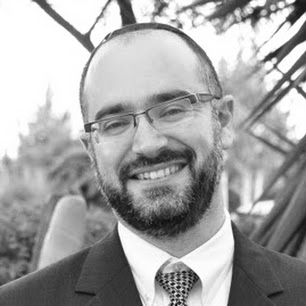
Marketing at the expense of technology/ Ron Finberg
Ron Finberg, Editor, Forex Magnates
One of the trends we have seen in 2014 and I am less favorable of is the difficulty for 3rd party technology providers to gain marketing help from brokers.
Forex and CFD brokers are well ahead of their equity brokerage brethren in terms of providing web-API connectivity for 3rd party solutions. Nonetheless, brokers have shown their hesitance to back external products, even those that can increase customer lifetime values. As a result, technology providers will often end up becoming IBs and be forced to allocate resources to marketing for retail customers, instead of creating cutting edge innovative technology.
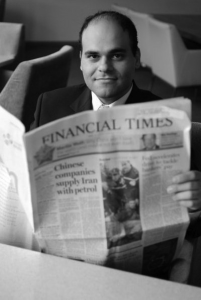
Clones, Clones, Clones / Avi Mizrahi
Avi Mizrahi, Editor, Forex Magnates
If you follow regulators' announcements, especially the FCA, you must have noticed the constant warnings being issued against Clones--that is, an identity theft by scammers who are using the details, address and license number of a perfectly legitimate entity.
Most of these scams target Chinese traders, thus drawing more troubles to an already questionable local industry. This growing trend might stir the Chinese regulator to clamp down on the industry as a whole, and pose another hurdle for doing business in a market with great potential.
The industry’s revolving doors / Jeff Patterson
One revelation that has troubled me in 2014 is the rapid personnel turnover in the FX industry following a prolonged volatility drought this past summer.
And yet, I also feel that there has been a litany of personnel moves that has, in large part, hurt the cohesion of the industry itself. Granted the FX industry is a hugely competitive one that is performance based, though I cannot help but notice the rapid flux of departures and arrivals of executives or employees in both the retail and institutional realms.
Excluding the parting of ways with seemingly ‘radioactive’ traders under investigation for FX manipulation or standard restructuring moves, I do hope that the industry maintains a higher degree of continuity in 2015 than this year given that a stable environment is good for the whole FX realm.
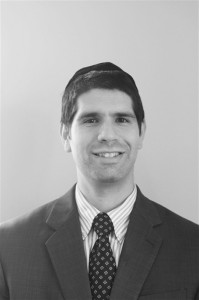
Bullish predictions / Leon Pick
Of course, the thing that bugged me was the arrogantly bullish price predictions for bitcoin this year with a healthy dose of altcoin pumping on the side, although this has died down. Loyalists are now backpedalling, “It’s not really about the price.”
Leon Pick, Editor, DC Magnates
A CoinDesk survey was taken at the beginning of the year when bitcoin was worth $775. Fifty-six percent of over 5000 respondents predicted that the price will hit $10,000 by year’s end--nearly a 1200% increase. Bitcoin is now worth $320, 97% below predictions.
But bullishness wasn’t limited to individual Bitcoin lobbyists alone. Institutions also weighed in. Pantera Capital, a bitcoin hedge fund, also predicted a price near $10,000 for 2014. Bank of America Merrill Lynch offered a ‘cautionary estimate’ of $1300, saying the price will stabilize around the mark “very soon.” The India branch of Lightspeed Venture Partners predicted $4000 to $5000, while GoldStockBull projected $2500 (along with $1800 gold).
To be fair, there was precedent at the time: prices did soar by 1000% during the previous three months. But there’s no way of scientifically deriving Bitcoin long-term price. It isn’t like a stock, which has earnings, assets and reasonable methods of arriving at ballpark figures. ‘Experts’ are better off acknowledging bitcoin’s unpredictability, or at least complementing projections with mention of uncertainty.
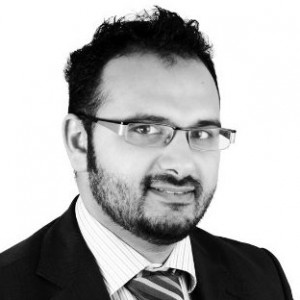
The decline of the Prime brokerage / Adil Siddiqui
Adil Siddiqui, Editor, Forex Magnates
FxPb had come a long way since the Lehman and AIG crisis, as several trading firms opted for two prime brokerages or more to safeguard their risks. With the current state of FxPb, however, we have gone back on four years of hard consultations, as only a handful of players are effectively in existence, with question marks hovering over their services and offerings.
Surely there’s nothing bad about rebates, one would say. However, in the foreign exchange industry this is usually not quite the case. Rebates can be particularly dangerous to novice foreign exchange and CFD traders and hence damage the reputation of the industry. Why?
Victor Golovtchenko, Editor, Forex Magnates
Normally a broker activates a rebates promotion only after a certain threshold amount is reached by the client. What this means is that inexperienced traders are lured in by the rebates and the allegedly lower costs of trading but made to trade more in order to take advantage of the rebates.
The same tactics more or less (probably more) applies to brokers who are giving out bonuses, especially in the binary options industry, where bonuses have been the main tool to attract clients and lure them into trading. Usually clients have to reach a certain volume of trades before they can withdraw any funds.
Last but not least, despite what some opponents of the industry are saying, the foreign exchange market is not a casino - clients do not need bonuses or rebates to become good at this trade and ultimately these factors won’t be the drivers for them becoming successful investors.
Proper execution coupled with solid liquidity with tight spreads, good customer service and strong education tools are much more likely to deliver solid client retention rates in the long run.
Traders, get a grip! / Vadim Sviderski
Covering the Russian forex industry, the most riling trend I have encountered is the perpetual naiveté of clients. In a global era where information is amply supplied and highly available, one could expect traders to research and know better where their hard earned money is going to.
Vadim Sviderski, Forex Magnates Russia Manager
This year we have witnessed the colossal collapse of MMCIS, one of the largest brokers in the former Soviet sphere. Painful, but hardly a surprising one, as regulation warnings were piling up against the infamous broker, side by side with an alarmingly gargantuan advertising budget featuring various local celebrities.
Also, while Russian traders did not learn many lessons from scam tactics employed and exposed in other countries, local crooks unfortunately have. This year we have seen a migration of such methods, most notably the above mentioned clones, into the Russian forex market at a substantial degree.
Our challenge as media for 2015 will be to point out these instances, hoping that clients will know better than depositing money with people and companies that taint the industry as a whole.
What were you most riled up about this year? share with us in the comments below
Sometimes the heated debates in Forex Magnates’ newsroom are no less interesting and compelling than the news we actually publish. For the end of the year we have decided to vent some of the things that we were frustrated by throughout the year, which are either holding back the forex industry or outright hurting it. Every editor brings his own angle and field of expertise, and the mixture gives a quite comprehensive snapshot of things Forex Magnates hopes to see less of in 2015.
Marketing at the expense of technology/ Ron Finberg
Ron Finberg, Editor, Forex Magnates
One of the trends we have seen in 2014 and I am less favorable of is the difficulty for 3rd party technology providers to gain marketing help from brokers.
Forex and CFD brokers are well ahead of their equity brokerage brethren in terms of providing web-API connectivity for 3rd party solutions. Nonetheless, brokers have shown their hesitance to back external products, even those that can increase customer lifetime values. As a result, technology providers will often end up becoming IBs and be forced to allocate resources to marketing for retail customers, instead of creating cutting edge innovative technology.
Clones, Clones, Clones / Avi Mizrahi
Avi Mizrahi, Editor, Forex Magnates
If you follow regulators' announcements, especially the FCA, you must have noticed the constant warnings being issued against Clones--that is, an identity theft by scammers who are using the details, address and license number of a perfectly legitimate entity.
Most of these scams target Chinese traders, thus drawing more troubles to an already questionable local industry. This growing trend might stir the Chinese regulator to clamp down on the industry as a whole, and pose another hurdle for doing business in a market with great potential.
The industry’s revolving doors / Jeff Patterson
One revelation that has troubled me in 2014 is the rapid personnel turnover in the FX industry following a prolonged volatility drought this past summer.
And yet, I also feel that there has been a litany of personnel moves that has, in large part, hurt the cohesion of the industry itself. Granted the FX industry is a hugely competitive one that is performance based, though I cannot help but notice the rapid flux of departures and arrivals of executives or employees in both the retail and institutional realms.
Excluding the parting of ways with seemingly ‘radioactive’ traders under investigation for FX manipulation or standard restructuring moves, I do hope that the industry maintains a higher degree of continuity in 2015 than this year given that a stable environment is good for the whole FX realm.
Bullish predictions / Leon Pick
Of course, the thing that bugged me was the arrogantly bullish price predictions for bitcoin this year with a healthy dose of altcoin pumping on the side, although this has died down. Loyalists are now backpedalling, “It’s not really about the price.”
Leon Pick, Editor, DC Magnates
A CoinDesk survey was taken at the beginning of the year when bitcoin was worth $775. Fifty-six percent of over 5000 respondents predicted that the price will hit $10,000 by year’s end--nearly a 1200% increase. Bitcoin is now worth $320, 97% below predictions.
But bullishness wasn’t limited to individual Bitcoin lobbyists alone. Institutions also weighed in. Pantera Capital, a bitcoin hedge fund, also predicted a price near $10,000 for 2014. Bank of America Merrill Lynch offered a ‘cautionary estimate’ of $1300, saying the price will stabilize around the mark “very soon.” The India branch of Lightspeed Venture Partners predicted $4000 to $5000, while GoldStockBull projected $2500 (along with $1800 gold).
To be fair, there was precedent at the time: prices did soar by 1000% during the previous three months. But there’s no way of scientifically deriving Bitcoin long-term price. It isn’t like a stock, which has earnings, assets and reasonable methods of arriving at ballpark figures. ‘Experts’ are better off acknowledging bitcoin’s unpredictability, or at least complementing projections with mention of uncertainty.
The decline of the Prime brokerage / Adil Siddiqui
Adil Siddiqui, Editor, Forex Magnates
FxPb had come a long way since the Lehman and AIG crisis, as several trading firms opted for two prime brokerages or more to safeguard their risks. With the current state of FxPb, however, we have gone back on four years of hard consultations, as only a handful of players are effectively in existence, with question marks hovering over their services and offerings.
Surely there’s nothing bad about rebates, one would say. However, in the foreign exchange industry this is usually not quite the case. Rebates can be particularly dangerous to novice foreign exchange and CFD traders and hence damage the reputation of the industry. Why?
Victor Golovtchenko, Editor, Forex Magnates
Normally a broker activates a rebates promotion only after a certain threshold amount is reached by the client. What this means is that inexperienced traders are lured in by the rebates and the allegedly lower costs of trading but made to trade more in order to take advantage of the rebates.
The same tactics more or less (probably more) applies to brokers who are giving out bonuses, especially in the binary options industry, where bonuses have been the main tool to attract clients and lure them into trading. Usually clients have to reach a certain volume of trades before they can withdraw any funds.
Last but not least, despite what some opponents of the industry are saying, the foreign exchange market is not a casino - clients do not need bonuses or rebates to become good at this trade and ultimately these factors won’t be the drivers for them becoming successful investors.
Proper execution coupled with solid liquidity with tight spreads, good customer service and strong education tools are much more likely to deliver solid client retention rates in the long run.
Traders, get a grip! / Vadim Sviderski
Covering the Russian forex industry, the most riling trend I have encountered is the perpetual naiveté of clients. In a global era where information is amply supplied and highly available, one could expect traders to research and know better where their hard earned money is going to.
Vadim Sviderski, Forex Magnates Russia Manager
This year we have witnessed the colossal collapse of MMCIS, one of the largest brokers in the former Soviet sphere. Painful, but hardly a surprising one, as regulation warnings were piling up against the infamous broker, side by side with an alarmingly gargantuan advertising budget featuring various local celebrities.
Also, while Russian traders did not learn many lessons from scam tactics employed and exposed in other countries, local crooks unfortunately have. This year we have seen a migration of such methods, most notably the above mentioned clones, into the Russian forex market at a substantial degree.
Our challenge as media for 2015 will be to point out these instances, hoping that clients will know better than depositing money with people and companies that taint the industry as a whole.
What were you most riled up about this year? share with us in the comments below
Former Airsoft CEO Faces Trial in Germany for Offering Tech to Forex Frauds
Featured Videos
Finance Magnates Awards 2026 – Nominations Now Open
Finance Magnates Awards 2026 – Nominations Now Open
Finance Magnates Awards 2026 – Nominations Now Open
Finance Magnates Awards 2026 – Nominations Now Open
The Finance Magnates Awards 2026 nominations are now open. 🏆
From fintech innovators to leading brokers, this is where the finance industry celebrates its biggest achievements.
Winners will be announced at the Cyprus Gala Dinner on November 6, 2026.
Nominate your brand now.
https://awards.financemagnates.com/?utm_source=linkedin&utm_medium=video&utm_campaign=nominations-open
#FMAwards #FinanceMagnates #FintechAwards #Fintech #FinanceIndustry
The Finance Magnates Awards 2026 nominations are now open. 🏆
From fintech innovators to leading brokers, this is where the finance industry celebrates its biggest achievements.
Winners will be announced at the Cyprus Gala Dinner on November 6, 2026.
Nominate your brand now.
https://awards.financemagnates.com/?utm_source=linkedin&utm_medium=video&utm_campaign=nominations-open
#FMAwards #FinanceMagnates #FintechAwards #Fintech #FinanceIndustry
The Finance Magnates Awards 2026 nominations are now open. 🏆
From fintech innovators to leading brokers, this is where the finance industry celebrates its biggest achievements.
Winners will be announced at the Cyprus Gala Dinner on November 6, 2026.
Nominate your brand now.
https://awards.financemagnates.com/?utm_source=linkedin&utm_medium=video&utm_campaign=nominations-open
#FMAwards #FinanceMagnates #FintechAwards #Fintech #FinanceIndustry
The Finance Magnates Awards 2026 nominations are now open. 🏆
From fintech innovators to leading brokers, this is where the finance industry celebrates its biggest achievements.
Winners will be announced at the Cyprus Gala Dinner on November 6, 2026.
Nominate your brand now.
https://awards.financemagnates.com/?utm_source=linkedin&utm_medium=video&utm_campaign=nominations-open
#FMAwards #FinanceMagnates #FintechAwards #Fintech #FinanceIndustry
Finance Magnates Awards 2026 | Nominations Now Open 🏆#Fintech #FMAwards #TradingIndustry
Finance Magnates Awards 2026 | Nominations Now Open 🏆#Fintech #FMAwards #TradingIndustry
Finance Magnates Awards 2026 | Nominations Now Open 🏆#Fintech #FMAwards #TradingIndustry
Finance Magnates Awards 2026 | Nominations Now Open 🏆#Fintech #FMAwards #TradingIndustry
Finance Magnates Awards 2026 | Nominations Now Open 🏆#Fintech #FMAwards #TradingIndustry
Finance Magnates Awards 2026 | Nominations Now Open 🏆#Fintech #FMAwards #TradingIndustry
Lights on. Cameras ready. 🎬
Finance Magnates Awards 2026 nominations are now open. 🏆
#FMAwards #FinanceMagnates #FintechAwards #Fintech
Lights on. Cameras ready. 🎬
Finance Magnates Awards 2026 nominations are now open. 🏆
#FMAwards #FinanceMagnates #FintechAwards #Fintech
Lights on. Cameras ready. 🎬
Finance Magnates Awards 2026 nominations are now open. 🏆
#FMAwards #FinanceMagnates #FintechAwards #Fintech
Lights on. Cameras ready. 🎬
Finance Magnates Awards 2026 nominations are now open. 🏆
#FMAwards #FinanceMagnates #FintechAwards #Fintech
Lights on. Cameras ready. 🎬
Finance Magnates Awards 2026 nominations are now open. 🏆
#FMAwards #FinanceMagnates #FintechAwards #Fintech
Lights on. Cameras ready. 🎬
Finance Magnates Awards 2026 nominations are now open. 🏆
#FMAwards #FinanceMagnates #FintechAwards #Fintech
Exness sees trust as the key theme for growth in MENA Trading Growth for 2026
Exness sees trust as the key theme for growth in MENA Trading Growth for 2026
Exness sees trust as the key theme for growth in MENA Trading Growth for 2026
Exness sees trust as the key theme for growth in MENA Trading Growth for 2026
Exness sees trust as the key theme for growth in MENA Trading Growth for 2026
Exness sees trust as the key theme for growth in MENA Trading Growth for 2026
Mohammad Amer, Regional Commercial Director at Exness, sits down to discuss the booming MENA financial trading market. Find out why Dubai is key to the company's growth strategy, how a mobile-first generation is changing expectations, and why trust will be the defining theme for traders in 2026.
In this interview, you'll learn:
* Why Dubai and the MENA region are critical growth markets for fintech and online trading.
* How Exness is addressing the demands of mobile-first, younger traders through engineering, platform stability, and transparent conditions.
* The essential role local talent plays in providing a culturally relevant and compliant user experience.
* Mohammad Amer's outlook on the future of the online trading industry and why stronger controls and systems are necessary.
* Why "trust" isn't just a brand value, but has commercial value—and why he predicts 2026 will be the "Year of Trust."
Key Takeaways:
➡️ The MENA region is rapidly shaping global financial markets.
➡️ New traders expect stability, precise execution, and transparency.
➡️ Local expertise is key to regulatory compliance and user experience.
➡️ Future success belongs to firms capable of meeting rising standards across regulation and platform consistency.
Read the full article at: https://www.financemagnates.com/thought-leadership/exness-sees-trust-as-the-key-theme-for-growth-in-mena-trading-growth-for-2026/
#Exness #MENA #Trading #FinTech #Dubai #OnlineTrading #FinanceMagnates #MohammadAmer #Trust #MobileTrading
Mohammad Amer, Regional Commercial Director at Exness, sits down to discuss the booming MENA financial trading market. Find out why Dubai is key to the company's growth strategy, how a mobile-first generation is changing expectations, and why trust will be the defining theme for traders in 2026.
In this interview, you'll learn:
* Why Dubai and the MENA region are critical growth markets for fintech and online trading.
* How Exness is addressing the demands of mobile-first, younger traders through engineering, platform stability, and transparent conditions.
* The essential role local talent plays in providing a culturally relevant and compliant user experience.
* Mohammad Amer's outlook on the future of the online trading industry and why stronger controls and systems are necessary.
* Why "trust" isn't just a brand value, but has commercial value—and why he predicts 2026 will be the "Year of Trust."
Key Takeaways:
➡️ The MENA region is rapidly shaping global financial markets.
➡️ New traders expect stability, precise execution, and transparency.
➡️ Local expertise is key to regulatory compliance and user experience.
➡️ Future success belongs to firms capable of meeting rising standards across regulation and platform consistency.
Read the full article at: https://www.financemagnates.com/thought-leadership/exness-sees-trust-as-the-key-theme-for-growth-in-mena-trading-growth-for-2026/
#Exness #MENA #Trading #FinTech #Dubai #OnlineTrading #FinanceMagnates #MohammadAmer #Trust #MobileTrading
Mohammad Amer, Regional Commercial Director at Exness, sits down to discuss the booming MENA financial trading market. Find out why Dubai is key to the company's growth strategy, how a mobile-first generation is changing expectations, and why trust will be the defining theme for traders in 2026.
In this interview, you'll learn:
* Why Dubai and the MENA region are critical growth markets for fintech and online trading.
* How Exness is addressing the demands of mobile-first, younger traders through engineering, platform stability, and transparent conditions.
* The essential role local talent plays in providing a culturally relevant and compliant user experience.
* Mohammad Amer's outlook on the future of the online trading industry and why stronger controls and systems are necessary.
* Why "trust" isn't just a brand value, but has commercial value—and why he predicts 2026 will be the "Year of Trust."
Key Takeaways:
➡️ The MENA region is rapidly shaping global financial markets.
➡️ New traders expect stability, precise execution, and transparency.
➡️ Local expertise is key to regulatory compliance and user experience.
➡️ Future success belongs to firms capable of meeting rising standards across regulation and platform consistency.
Read the full article at: https://www.financemagnates.com/thought-leadership/exness-sees-trust-as-the-key-theme-for-growth-in-mena-trading-growth-for-2026/
#Exness #MENA #Trading #FinTech #Dubai #OnlineTrading #FinanceMagnates #MohammadAmer #Trust #MobileTrading
Mohammad Amer, Regional Commercial Director at Exness, sits down to discuss the booming MENA financial trading market. Find out why Dubai is key to the company's growth strategy, how a mobile-first generation is changing expectations, and why trust will be the defining theme for traders in 2026.
In this interview, you'll learn:
* Why Dubai and the MENA region are critical growth markets for fintech and online trading.
* How Exness is addressing the demands of mobile-first, younger traders through engineering, platform stability, and transparent conditions.
* The essential role local talent plays in providing a culturally relevant and compliant user experience.
* Mohammad Amer's outlook on the future of the online trading industry and why stronger controls and systems are necessary.
* Why "trust" isn't just a brand value, but has commercial value—and why he predicts 2026 will be the "Year of Trust."
Key Takeaways:
➡️ The MENA region is rapidly shaping global financial markets.
➡️ New traders expect stability, precise execution, and transparency.
➡️ Local expertise is key to regulatory compliance and user experience.
➡️ Future success belongs to firms capable of meeting rising standards across regulation and platform consistency.
Read the full article at: https://www.financemagnates.com/thought-leadership/exness-sees-trust-as-the-key-theme-for-growth-in-mena-trading-growth-for-2026/
#Exness #MENA #Trading #FinTech #Dubai #OnlineTrading #FinanceMagnates #MohammadAmer #Trust #MobileTrading
Mohammad Amer, Regional Commercial Director at Exness, sits down to discuss the booming MENA financial trading market. Find out why Dubai is key to the company's growth strategy, how a mobile-first generation is changing expectations, and why trust will be the defining theme for traders in 2026.
In this interview, you'll learn:
* Why Dubai and the MENA region are critical growth markets for fintech and online trading.
* How Exness is addressing the demands of mobile-first, younger traders through engineering, platform stability, and transparent conditions.
* The essential role local talent plays in providing a culturally relevant and compliant user experience.
* Mohammad Amer's outlook on the future of the online trading industry and why stronger controls and systems are necessary.
* Why "trust" isn't just a brand value, but has commercial value—and why he predicts 2026 will be the "Year of Trust."
Key Takeaways:
➡️ The MENA region is rapidly shaping global financial markets.
➡️ New traders expect stability, precise execution, and transparency.
➡️ Local expertise is key to regulatory compliance and user experience.
➡️ Future success belongs to firms capable of meeting rising standards across regulation and platform consistency.
Read the full article at: https://www.financemagnates.com/thought-leadership/exness-sees-trust-as-the-key-theme-for-growth-in-mena-trading-growth-for-2026/
#Exness #MENA #Trading #FinTech #Dubai #OnlineTrading #FinanceMagnates #MohammadAmer #Trust #MobileTrading
Mohammad Amer, Regional Commercial Director at Exness, sits down to discuss the booming MENA financial trading market. Find out why Dubai is key to the company's growth strategy, how a mobile-first generation is changing expectations, and why trust will be the defining theme for traders in 2026.
In this interview, you'll learn:
* Why Dubai and the MENA region are critical growth markets for fintech and online trading.
* How Exness is addressing the demands of mobile-first, younger traders through engineering, platform stability, and transparent conditions.
* The essential role local talent plays in providing a culturally relevant and compliant user experience.
* Mohammad Amer's outlook on the future of the online trading industry and why stronger controls and systems are necessary.
* Why "trust" isn't just a brand value, but has commercial value—and why he predicts 2026 will be the "Year of Trust."
Key Takeaways:
➡️ The MENA region is rapidly shaping global financial markets.
➡️ New traders expect stability, precise execution, and transparency.
➡️ Local expertise is key to regulatory compliance and user experience.
➡️ Future success belongs to firms capable of meeting rising standards across regulation and platform consistency.
Read the full article at: https://www.financemagnates.com/thought-leadership/exness-sees-trust-as-the-key-theme-for-growth-in-mena-trading-growth-for-2026/
#Exness #MENA #Trading #FinTech #Dubai #OnlineTrading #FinanceMagnates #MohammadAmer #Trust #MobileTrading
Paytiko CEO Razi Salih on Why Payment Orchestration is a MUST-HAVE for Brokers in 2026
Paytiko CEO Razi Salih on Why Payment Orchestration is a MUST-HAVE for Brokers in 2026
Paytiko CEO Razi Salih on Why Payment Orchestration is a MUST-HAVE for Brokers in 2026
Paytiko CEO Razi Salih on Why Payment Orchestration is a MUST-HAVE for Brokers in 2026
Paytiko CEO Razi Salih on Why Payment Orchestration is a MUST-HAVE for Brokers in 2026
Paytiko CEO Razi Salih on Why Payment Orchestration is a MUST-HAVE for Brokers in 2026
At iFX Expo Dubai, Finance Magnates spoke with Razi Salih, CEO at Paytiko, about the evolution of the payments ecosystem and why payment orchestration has shifted from an option to a necessity for brokers, prop firms, and exchanges.
Mr. Salih explains how global expansion, the need for deep localisation, and the sheer number of new payment methods, from instant banking to stablecoins, are driving this critical infrastructure shift.
#PaymentOrchestration #Fintech #Brokerage #TradingPayments #RaziSalih #Paytiko #iFXExpoDubai #Stablecoins #AIinFintech
At iFX Expo Dubai, Finance Magnates spoke with Razi Salih, CEO at Paytiko, about the evolution of the payments ecosystem and why payment orchestration has shifted from an option to a necessity for brokers, prop firms, and exchanges.
Mr. Salih explains how global expansion, the need for deep localisation, and the sheer number of new payment methods, from instant banking to stablecoins, are driving this critical infrastructure shift.
#PaymentOrchestration #Fintech #Brokerage #TradingPayments #RaziSalih #Paytiko #iFXExpoDubai #Stablecoins #AIinFintech
At iFX Expo Dubai, Finance Magnates spoke with Razi Salih, CEO at Paytiko, about the evolution of the payments ecosystem and why payment orchestration has shifted from an option to a necessity for brokers, prop firms, and exchanges.
Mr. Salih explains how global expansion, the need for deep localisation, and the sheer number of new payment methods, from instant banking to stablecoins, are driving this critical infrastructure shift.
#PaymentOrchestration #Fintech #Brokerage #TradingPayments #RaziSalih #Paytiko #iFXExpoDubai #Stablecoins #AIinFintech
At iFX Expo Dubai, Finance Magnates spoke with Razi Salih, CEO at Paytiko, about the evolution of the payments ecosystem and why payment orchestration has shifted from an option to a necessity for brokers, prop firms, and exchanges.
Mr. Salih explains how global expansion, the need for deep localisation, and the sheer number of new payment methods, from instant banking to stablecoins, are driving this critical infrastructure shift.
#PaymentOrchestration #Fintech #Brokerage #TradingPayments #RaziSalih #Paytiko #iFXExpoDubai #Stablecoins #AIinFintech
At iFX Expo Dubai, Finance Magnates spoke with Razi Salih, CEO at Paytiko, about the evolution of the payments ecosystem and why payment orchestration has shifted from an option to a necessity for brokers, prop firms, and exchanges.
Mr. Salih explains how global expansion, the need for deep localisation, and the sheer number of new payment methods, from instant banking to stablecoins, are driving this critical infrastructure shift.
#PaymentOrchestration #Fintech #Brokerage #TradingPayments #RaziSalih #Paytiko #iFXExpoDubai #Stablecoins #AIinFintech
At iFX Expo Dubai, Finance Magnates spoke with Razi Salih, CEO at Paytiko, about the evolution of the payments ecosystem and why payment orchestration has shifted from an option to a necessity for brokers, prop firms, and exchanges.
Mr. Salih explains how global expansion, the need for deep localisation, and the sheer number of new payment methods, from instant banking to stablecoins, are driving this critical infrastructure shift.
#PaymentOrchestration #Fintech #Brokerage #TradingPayments #RaziSalih #Paytiko #iFXExpoDubai #Stablecoins #AIinFintech
Altima CTO Sunil Jadhav: Solving Data Fragmentation & Lag for Brokers & Prop Firms
Altima CTO Sunil Jadhav: Solving Data Fragmentation & Lag for Brokers & Prop Firms
Altima CTO Sunil Jadhav: Solving Data Fragmentation & Lag for Brokers & Prop Firms
Altima CTO Sunil Jadhav: Solving Data Fragmentation & Lag for Brokers & Prop Firms
Altima CTO Sunil Jadhav: Solving Data Fragmentation & Lag for Brokers & Prop Firms
Altima CTO Sunil Jadhav: Solving Data Fragmentation & Lag for Brokers & Prop Firms
Altima CTO Sunil Jadhav sits down with Finance Magnates to discuss the core technology challenges facing CFD brokers and proprietary trading firms today.
Jadhav explains how the industry's reliance on batch processing and fragmented systems (where CRMs, risk tools, and trading platforms operate with separate 'sources of truth') leads to delayed data and inconsistent operational decisions. He argues that real-time event processing is essential for managing fast-moving trading activity and risk.
Learn how Altima's unified, event-driven architecture, connecting Altima CRM, Altima Prop, IB systems, and risk management through a single backbone, is designed to provide synchronous data and better operational coordination for modern brokerage and prop firm stacks.
Key Topics:
- Broker and Prop Firm Data Challenges
- The problem of delayed data processing (batch processing vs. real-time events)
- Fragmented systems and conflicting data sources
- Altima's unified, event-driven solution architecture
- The concept of a "risk-aware CRM"
- Built-in risk management in Altima Prop
#Altima #financemagnates #iFXDubai #FinTech #BrokerTech #PropFirm #CFDBroker #TradingTechnology #RealTimeData #RiskManagement #CRM #FinancialMarkets #EventDrivenArchitecture
Altima CTO Sunil Jadhav sits down with Finance Magnates to discuss the core technology challenges facing CFD brokers and proprietary trading firms today.
Jadhav explains how the industry's reliance on batch processing and fragmented systems (where CRMs, risk tools, and trading platforms operate with separate 'sources of truth') leads to delayed data and inconsistent operational decisions. He argues that real-time event processing is essential for managing fast-moving trading activity and risk.
Learn how Altima's unified, event-driven architecture, connecting Altima CRM, Altima Prop, IB systems, and risk management through a single backbone, is designed to provide synchronous data and better operational coordination for modern brokerage and prop firm stacks.
Key Topics:
- Broker and Prop Firm Data Challenges
- The problem of delayed data processing (batch processing vs. real-time events)
- Fragmented systems and conflicting data sources
- Altima's unified, event-driven solution architecture
- The concept of a "risk-aware CRM"
- Built-in risk management in Altima Prop
#Altima #financemagnates #iFXDubai #FinTech #BrokerTech #PropFirm #CFDBroker #TradingTechnology #RealTimeData #RiskManagement #CRM #FinancialMarkets #EventDrivenArchitecture
Altima CTO Sunil Jadhav sits down with Finance Magnates to discuss the core technology challenges facing CFD brokers and proprietary trading firms today.
Jadhav explains how the industry's reliance on batch processing and fragmented systems (where CRMs, risk tools, and trading platforms operate with separate 'sources of truth') leads to delayed data and inconsistent operational decisions. He argues that real-time event processing is essential for managing fast-moving trading activity and risk.
Learn how Altima's unified, event-driven architecture, connecting Altima CRM, Altima Prop, IB systems, and risk management through a single backbone, is designed to provide synchronous data and better operational coordination for modern brokerage and prop firm stacks.
Key Topics:
- Broker and Prop Firm Data Challenges
- The problem of delayed data processing (batch processing vs. real-time events)
- Fragmented systems and conflicting data sources
- Altima's unified, event-driven solution architecture
- The concept of a "risk-aware CRM"
- Built-in risk management in Altima Prop
#Altima #financemagnates #iFXDubai #FinTech #BrokerTech #PropFirm #CFDBroker #TradingTechnology #RealTimeData #RiskManagement #CRM #FinancialMarkets #EventDrivenArchitecture
Altima CTO Sunil Jadhav sits down with Finance Magnates to discuss the core technology challenges facing CFD brokers and proprietary trading firms today.
Jadhav explains how the industry's reliance on batch processing and fragmented systems (where CRMs, risk tools, and trading platforms operate with separate 'sources of truth') leads to delayed data and inconsistent operational decisions. He argues that real-time event processing is essential for managing fast-moving trading activity and risk.
Learn how Altima's unified, event-driven architecture, connecting Altima CRM, Altima Prop, IB systems, and risk management through a single backbone, is designed to provide synchronous data and better operational coordination for modern brokerage and prop firm stacks.
Key Topics:
- Broker and Prop Firm Data Challenges
- The problem of delayed data processing (batch processing vs. real-time events)
- Fragmented systems and conflicting data sources
- Altima's unified, event-driven solution architecture
- The concept of a "risk-aware CRM"
- Built-in risk management in Altima Prop
#Altima #financemagnates #iFXDubai #FinTech #BrokerTech #PropFirm #CFDBroker #TradingTechnology #RealTimeData #RiskManagement #CRM #FinancialMarkets #EventDrivenArchitecture
Altima CTO Sunil Jadhav sits down with Finance Magnates to discuss the core technology challenges facing CFD brokers and proprietary trading firms today.
Jadhav explains how the industry's reliance on batch processing and fragmented systems (where CRMs, risk tools, and trading platforms operate with separate 'sources of truth') leads to delayed data and inconsistent operational decisions. He argues that real-time event processing is essential for managing fast-moving trading activity and risk.
Learn how Altima's unified, event-driven architecture, connecting Altima CRM, Altima Prop, IB systems, and risk management through a single backbone, is designed to provide synchronous data and better operational coordination for modern brokerage and prop firm stacks.
Key Topics:
- Broker and Prop Firm Data Challenges
- The problem of delayed data processing (batch processing vs. real-time events)
- Fragmented systems and conflicting data sources
- Altima's unified, event-driven solution architecture
- The concept of a "risk-aware CRM"
- Built-in risk management in Altima Prop
#Altima #financemagnates #iFXDubai #FinTech #BrokerTech #PropFirm #CFDBroker #TradingTechnology #RealTimeData #RiskManagement #CRM #FinancialMarkets #EventDrivenArchitecture
Altima CTO Sunil Jadhav sits down with Finance Magnates to discuss the core technology challenges facing CFD brokers and proprietary trading firms today.
Jadhav explains how the industry's reliance on batch processing and fragmented systems (where CRMs, risk tools, and trading platforms operate with separate 'sources of truth') leads to delayed data and inconsistent operational decisions. He argues that real-time event processing is essential for managing fast-moving trading activity and risk.
Learn how Altima's unified, event-driven architecture, connecting Altima CRM, Altima Prop, IB systems, and risk management through a single backbone, is designed to provide synchronous data and better operational coordination for modern brokerage and prop firm stacks.
Key Topics:
- Broker and Prop Firm Data Challenges
- The problem of delayed data processing (batch processing vs. real-time events)
- Fragmented systems and conflicting data sources
- Altima's unified, event-driven solution architecture
- The concept of a "risk-aware CRM"
- Built-in risk management in Altima Prop
#Altima #financemagnates #iFXDubai #FinTech #BrokerTech #PropFirm #CFDBroker #TradingTechnology #RealTimeData #RiskManagement #CRM #FinancialMarkets #EventDrivenArchitecture