In 2024, 22% of UK firms had adopted AI, up from only 9% in 2023. However, regulators warn that it may fuel bias, collusion, and market chaos.
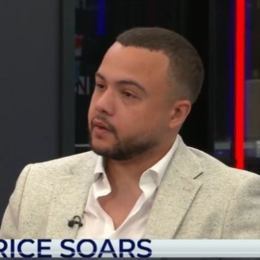
"Without strong controls and ongoing oversight, an AI model could quickly escalate risks or make decisions that breach compliance or ethical standards": Founder of The Fink Academy.
New AI-powered trading tools are popping
up everywhere you look. They’re reshaping financial market participation at
lightning speed, promising efficiency and accuracy. But behind the dazzling
promises of AI trading lurks a silent risk: data bias. Some of these
underestimated challenges could lead traders and brokers down a path of
unexpected financial hazards, amplified systemic risks, and significant
regulatory scrutiny.
When Algorithms Amplify Bias
Quantitative analysts have long warned
that, despite their technological sophistication, AI systems still depend
fundamentally on the quality and impartiality of their underlying data. Gappy
Paleologo, a top hedge fund expert and partner at Balyasny Asset Management,
recently stressed that AI trading algorithms inherently lack human
"grounding," meaning they often fail to grasp real-world nuances
critical to accurate forecasting.
There is a recognized risk that sophisticated AI models can overemphasize recent market data, exhibiting a form of recency bias that leads them to echo short-term momentum rather than true predictive insights - an issue contemporaneously highlighted by critics of AQR’s quant research and scholars at the University of Chicago.
Additionally, Sergey Ryzhavin, head of B2COPY and with 15 years’ experience building AI-based trading systems, notes that while AI is adept at identifying historical trends, it struggles when faced with novel crises or events outside its training data, underscoring the importance of integrating human judgment into investment decisionsInstead, these tools can amplify historical
biases, potentially delivering skewed results under volatile market conditions.
These observations
aren’t meant to discourage the use of AI-driven tools, but rather to raise
awareness of their potential limitations
Sergey Ryzhavin, Head of B2COPY (Photo: LinkedIn)
The Regulatory Spotlight
The ethical implications and financial
risks associated with AI trading bias have not gone unnoticed by regulators.
The European Union's new AI Act and existing GDPR frameworks require
transparent and accountable AI systems. Jamie Dimon of JPMorgan has been vocal
about the need for transparency, urging brokers and fintech firms to move away
from opaque "black box" models toward fully auditable systems.
Industry experts largely agree that
regulation must evolve in tandem with the increasing complexity of AI.
“AI trading models are far more adaptive
and opaque than traditional algorithms,” said David Belle, founder of The Fink Academy. “Without strong controls
and ongoing oversight, an AI model could quickly escalate risks or make
decisions that breach compliance or ethical standards. Higher standards aren’t
about stifling innovation - they’re about ensuring these powerful systems don’t
undermine market integrity or operational stability.”
David Belle, Founder of The Fink Academy
Belle believes regulators should go
further: “It would be helpful for requirements
to scale with the potential impact of the model. High-risk systems should face
more stringent documentation, stress testing, and real-time monitoring. There’s
a clear gap in consistent standards for real-time supervision and automatic
intervention when AI breaches predefined risk thresholds.”
Regulators are sharpening their focus on
the systemic risks posed by AI in financial markets. In April 2025, the Bank
of England’s Financial Policy Committee cautioned that increasingly
autonomous models used in trading may eventually learn that market stress
events present profit opportunities, potentially worsening volatility during
times of instability. The report highlighted that such systems might “identify
and exploit weaknesses… for profit” and even engage in behavior that resembles
collusion or manipulation, without any explicit human instruction.
Meanwhile, the Financial Conduct
Authority has expressed concern that the pace of AI development may
outstrip regulators’ ability to adapt, warning that autonomous trading systems
could challenge oversight mechanisms and the integrity of fair markets.
A significant report from Finance Watch
also calls for stricter standards for data audits, emphasizing that brokers
must demonstrate more proactive risk mitigation. According to the report, if
left unchecked, biased algorithms could inadvertently engage in AI-driven
collusion, disrupting liquidity and market fairness, a scenario also
extensively studied by researchers at Wharton-Penn.
🏛️ Senate hearing reveals AI's massive impact on finance: fraud detection rates boosted 300%, preventing $50B in fraud over 3 years!
But senators warn about bias, hallucinations & transparency issues. "We need balance between innovation and safety" says IBM's David Cox.… pic.twitter.com/WQGbjYxJrv
Algorithmic collusion refers to a
phenomenon where AI systems, particularly those used in competitive financial
environments, learn to engage in anti-competitive behaviors without any
explicit agreement or human intent. Through constant interaction, algorithms
may unintentionally begin coordinating actions, such as synchronizing bids or
pricing strategies, inadvertently creating herding effects and distorting
market behavior.
Researchers distinguish between two
types: “algorithmic collusion through intelligence,” where AI learns optimal
collusive behaviors, and “algorithmic collusion through artificial stupidity,”
where even unsophisticated models can produce destabilizing effects in noisy
environments. In both cases, the collective behavior of multiple AIs is key to
understanding the potential for systemic risk.
A high-noise environment is characterized
by markets that are driven more by speculation, sentiment, and randomness than
by fundamental data. Price signals can become unreliable very quickly, and AI
models, particularly those trained solely on historical patterns, struggle to
adapt effectively.
Recent simulations have shown that even unsophisticated reinforcement-learning
bots can learn to collude without coordination or communication, reducing
liquidity and worsening price accuracy while generating supra-competitive profits for their operators.
Tom Higgins, CEO of Gold-i
Tom
Higgins, CEO of fintech infrastructure provider
Gold-i, has already seen scenarios play out in the real world. “Concerns around herding behavior and
unintended collusion have increased the emphasis on intelligent risk management
platforms,” he said. “Everything happens faster now than before AI. Risk
decisions that used to take hours now need to be made in minutes, if not
seconds.”
Despite rising
awareness, regulatory frameworks remain ill-equipped to monitor or penalize
unintentional collusion. The opacity of these models makes it difficult for
firms to provide adequate disclosures, and regulators face what scholars call
the “problem of many hands”. A situation in which harm or failure results from
the actions of many individuals or systems, but no single person or entity can
be clearly held responsible.
Michael Osborne, a Professor at University of Oxford and co-founder of Mind Foundry
Professor Michael
Osborne (University of Oxford, and co-founder of Mind Foundry) has warned that “it
was … an illusion to think that data is neutral and objective.” He further
cautioned about the trade-off between performance and transparency, asking “to
what degree an AI should be able to explain itself.”
As AI complexity grows and the
homogenization of trading algorithms increases, watchdogs such as the SEC, the
EU Commission, and Finance Watch are urging tighter audit controls, enforceable
explainability standards, and stricter accountability for brokers and
developers.
Brokers as Guardians: Embracing Stewardship
Amid these growing risks, senior
brokerage figures are increasingly advocating a responsible approach -
integrating hybrid models that combine AI insights with human judgment to
manage complex and unforeseen market scenarios effectively.
This responsibility entails conducting
regular, comprehensive audits of data pipelines, performing meticulous
stress-testing of algorithms under black-swan conditions, and maintaining
explainable decision logs. None of these suggestions is simple, but they are
becoming increasingly important.
Tom
Higgins emphasized that education plays a crucial role in enabling firms to assume this responsibility.“The three most important things in
trading are education, education, and education. I don't think
standardisation is something regulators should focus on, but logging and
auditing should absolutely be in their domain. When an AI system makes a
decision, it's important to know why.”
Navigating the Road Ahead
With AI adoption rising sharply, for
instance, UK firms leapt from 9% in 2023 to roughly 22% in 2024 (with the trend
showing no signs of abating), oversight mechanisms are struggling to keep pace.
As the OECD notes, AI adoption in finance is part of a broader acceleration in uptake across industries, with recent surveys showing significant impacts on job tasks and operations in the sector. Meanwhile, the IOSCO 2025 Consultation Report indicates that AI is increasingly embedded in core market functions, including algorithmic trading, robo-advisory services, market surveillance, and compliance systems across global markets.
The road ahead calls for clear-eyed
awareness of AI’s limitations, a strong ethical foundation, and a commitment to
transparency. Yes, these are overused buzzwords that often lack meaning, but in
this context, they serve as the building blocks of credibility and long-term
stability in modern financial markets.
As echoed by the industry leaders
interviewed for this piece, the key to harnessing AI lies not only in smarter
models but in smarter oversight. This includes regulatory clarity, internal
education, real-time risk visibility, and a shared responsibility to ensure AI
doesn’t outpace accountability.
Brokers who take ownership of their role
in managing these new risks can lead the way. By addressing data bias head-on,
they’ll improve decision-making, meet rising regulatory expectations, and earn
the trust of clients who are paying close attention.
We cannot slow technological advancement
- that is without question.
Perhaps, this new era of AI-driven trading requires
us to remain vigilant, understand the mechanisms behind the scenes, and not accept everything at face value. The
real edge may lie in understanding hidden risks and advantages and making the
best of them.
New AI-powered trading tools are popping
up everywhere you look. They’re reshaping financial market participation at
lightning speed, promising efficiency and accuracy. But behind the dazzling
promises of AI trading lurks a silent risk: data bias. Some of these
underestimated challenges could lead traders and brokers down a path of
unexpected financial hazards, amplified systemic risks, and significant
regulatory scrutiny.
When Algorithms Amplify Bias
Quantitative analysts have long warned
that, despite their technological sophistication, AI systems still depend
fundamentally on the quality and impartiality of their underlying data. Gappy
Paleologo, a top hedge fund expert and partner at Balyasny Asset Management,
recently stressed that AI trading algorithms inherently lack human
"grounding," meaning they often fail to grasp real-world nuances
critical to accurate forecasting.
There is a recognized risk that sophisticated AI models can overemphasize recent market data, exhibiting a form of recency bias that leads them to echo short-term momentum rather than true predictive insights - an issue contemporaneously highlighted by critics of AQR’s quant research and scholars at the University of Chicago.
Additionally, Sergey Ryzhavin, head of B2COPY and with 15 years’ experience building AI-based trading systems, notes that while AI is adept at identifying historical trends, it struggles when faced with novel crises or events outside its training data, underscoring the importance of integrating human judgment into investment decisionsInstead, these tools can amplify historical
biases, potentially delivering skewed results under volatile market conditions.
These observations
aren’t meant to discourage the use of AI-driven tools, but rather to raise
awareness of their potential limitations
Sergey Ryzhavin, Head of B2COPY (Photo: LinkedIn)
The Regulatory Spotlight
The ethical implications and financial
risks associated with AI trading bias have not gone unnoticed by regulators.
The European Union's new AI Act and existing GDPR frameworks require
transparent and accountable AI systems. Jamie Dimon of JPMorgan has been vocal
about the need for transparency, urging brokers and fintech firms to move away
from opaque "black box" models toward fully auditable systems.
Industry experts largely agree that
regulation must evolve in tandem with the increasing complexity of AI.
“AI trading models are far more adaptive
and opaque than traditional algorithms,” said David Belle, founder of The Fink Academy. “Without strong controls
and ongoing oversight, an AI model could quickly escalate risks or make
decisions that breach compliance or ethical standards. Higher standards aren’t
about stifling innovation - they’re about ensuring these powerful systems don’t
undermine market integrity or operational stability.”
David Belle, Founder of The Fink Academy
Belle believes regulators should go
further: “It would be helpful for requirements
to scale with the potential impact of the model. High-risk systems should face
more stringent documentation, stress testing, and real-time monitoring. There’s
a clear gap in consistent standards for real-time supervision and automatic
intervention when AI breaches predefined risk thresholds.”
Regulators are sharpening their focus on
the systemic risks posed by AI in financial markets. In April 2025, the Bank
of England’s Financial Policy Committee cautioned that increasingly
autonomous models used in trading may eventually learn that market stress
events present profit opportunities, potentially worsening volatility during
times of instability. The report highlighted that such systems might “identify
and exploit weaknesses… for profit” and even engage in behavior that resembles
collusion or manipulation, without any explicit human instruction.
Meanwhile, the Financial Conduct
Authority has expressed concern that the pace of AI development may
outstrip regulators’ ability to adapt, warning that autonomous trading systems
could challenge oversight mechanisms and the integrity of fair markets.
A significant report from Finance Watch
also calls for stricter standards for data audits, emphasizing that brokers
must demonstrate more proactive risk mitigation. According to the report, if
left unchecked, biased algorithms could inadvertently engage in AI-driven
collusion, disrupting liquidity and market fairness, a scenario also
extensively studied by researchers at Wharton-Penn.
🏛️ Senate hearing reveals AI's massive impact on finance: fraud detection rates boosted 300%, preventing $50B in fraud over 3 years!
But senators warn about bias, hallucinations & transparency issues. "We need balance between innovation and safety" says IBM's David Cox.… pic.twitter.com/WQGbjYxJrv
Algorithmic collusion refers to a
phenomenon where AI systems, particularly those used in competitive financial
environments, learn to engage in anti-competitive behaviors without any
explicit agreement or human intent. Through constant interaction, algorithms
may unintentionally begin coordinating actions, such as synchronizing bids or
pricing strategies, inadvertently creating herding effects and distorting
market behavior.
Researchers distinguish between two
types: “algorithmic collusion through intelligence,” where AI learns optimal
collusive behaviors, and “algorithmic collusion through artificial stupidity,”
where even unsophisticated models can produce destabilizing effects in noisy
environments. In both cases, the collective behavior of multiple AIs is key to
understanding the potential for systemic risk.
A high-noise environment is characterized
by markets that are driven more by speculation, sentiment, and randomness than
by fundamental data. Price signals can become unreliable very quickly, and AI
models, particularly those trained solely on historical patterns, struggle to
adapt effectively.
Recent simulations have shown that even unsophisticated reinforcement-learning
bots can learn to collude without coordination or communication, reducing
liquidity and worsening price accuracy while generating supra-competitive profits for their operators.
Tom Higgins, CEO of Gold-i
Tom
Higgins, CEO of fintech infrastructure provider
Gold-i, has already seen scenarios play out in the real world. “Concerns around herding behavior and
unintended collusion have increased the emphasis on intelligent risk management
platforms,” he said. “Everything happens faster now than before AI. Risk
decisions that used to take hours now need to be made in minutes, if not
seconds.”
Despite rising
awareness, regulatory frameworks remain ill-equipped to monitor or penalize
unintentional collusion. The opacity of these models makes it difficult for
firms to provide adequate disclosures, and regulators face what scholars call
the “problem of many hands”. A situation in which harm or failure results from
the actions of many individuals or systems, but no single person or entity can
be clearly held responsible.
Michael Osborne, a Professor at University of Oxford and co-founder of Mind Foundry
Professor Michael
Osborne (University of Oxford, and co-founder of Mind Foundry) has warned that “it
was … an illusion to think that data is neutral and objective.” He further
cautioned about the trade-off between performance and transparency, asking “to
what degree an AI should be able to explain itself.”
As AI complexity grows and the
homogenization of trading algorithms increases, watchdogs such as the SEC, the
EU Commission, and Finance Watch are urging tighter audit controls, enforceable
explainability standards, and stricter accountability for brokers and
developers.
Brokers as Guardians: Embracing Stewardship
Amid these growing risks, senior
brokerage figures are increasingly advocating a responsible approach -
integrating hybrid models that combine AI insights with human judgment to
manage complex and unforeseen market scenarios effectively.
This responsibility entails conducting
regular, comprehensive audits of data pipelines, performing meticulous
stress-testing of algorithms under black-swan conditions, and maintaining
explainable decision logs. None of these suggestions is simple, but they are
becoming increasingly important.
Tom
Higgins emphasized that education plays a crucial role in enabling firms to assume this responsibility.“The three most important things in
trading are education, education, and education. I don't think
standardisation is something regulators should focus on, but logging and
auditing should absolutely be in their domain. When an AI system makes a
decision, it's important to know why.”
Navigating the Road Ahead
With AI adoption rising sharply, for
instance, UK firms leapt from 9% in 2023 to roughly 22% in 2024 (with the trend
showing no signs of abating), oversight mechanisms are struggling to keep pace.
As the OECD notes, AI adoption in finance is part of a broader acceleration in uptake across industries, with recent surveys showing significant impacts on job tasks and operations in the sector. Meanwhile, the IOSCO 2025 Consultation Report indicates that AI is increasingly embedded in core market functions, including algorithmic trading, robo-advisory services, market surveillance, and compliance systems across global markets.
The road ahead calls for clear-eyed
awareness of AI’s limitations, a strong ethical foundation, and a commitment to
transparency. Yes, these are overused buzzwords that often lack meaning, but in
this context, they serve as the building blocks of credibility and long-term
stability in modern financial markets.
As echoed by the industry leaders
interviewed for this piece, the key to harnessing AI lies not only in smarter
models but in smarter oversight. This includes regulatory clarity, internal
education, real-time risk visibility, and a shared responsibility to ensure AI
doesn’t outpace accountability.
Brokers who take ownership of their role
in managing these new risks can lead the way. By addressing data bias head-on,
they’ll improve decision-making, meet rising regulatory expectations, and earn
the trust of clients who are paying close attention.
We cannot slow technological advancement
- that is without question.
Perhaps, this new era of AI-driven trading requires
us to remain vigilant, understand the mechanisms behind the scenes, and not accept everything at face value. The
real edge may lie in understanding hidden risks and advantages and making the
best of them.
Yolanda Tree is a content strategist, financial market writer, and independent trader. She helps fintech brands and brokerages communicate clearly and credibly, bridging the gap between technical complexity and real-world trader experience.
Retail Traders Can Now Access Prediction Markets Through Binance Wallet
Featured Videos
FP Markets Winner Spotlight 🏆 | Global Broker of the Year 2025 #Trading #Broker #Innovation #Shorts
FP Markets Winner Spotlight 🏆 | Global Broker of the Year 2025 #Trading #Broker #Innovation #Shorts
FP Markets Winner Spotlight 🏆 | Global Broker of the Year 2025 #Trading #Broker #Innovation #Shorts
FP Markets Winner Spotlight 🏆 | Global Broker of the Year 2025 #Trading #Broker #Innovation #Shorts
FP Markets takes the spotlight as Global Broker of the Year 2025 at the Finance Magnates Awards.
Martin Stoilov, Head of Client Experience, shares that trust, innovation, and people played a key role in the company’s success, supported by a strong foundation of integrity and client-centricity.
Following this milestone, FP Markets continues to focus on growth, technology investment, and its core values of transparency and excellence.
👉 Be part of FM Awards 2026: https://awards.financemagnates.com/#nominate
FP Markets takes the spotlight as Global Broker of the Year 2025 at the Finance Magnates Awards.
Martin Stoilov, Head of Client Experience, shares that trust, innovation, and people played a key role in the company’s success, supported by a strong foundation of integrity and client-centricity.
Following this milestone, FP Markets continues to focus on growth, technology investment, and its core values of transparency and excellence.
👉 Be part of FM Awards 2026: https://awards.financemagnates.com/#nominate
FP Markets takes the spotlight as Global Broker of the Year 2025 at the Finance Magnates Awards.
Martin Stoilov, Head of Client Experience, shares that trust, innovation, and people played a key role in the company’s success, supported by a strong foundation of integrity and client-centricity.
Following this milestone, FP Markets continues to focus on growth, technology investment, and its core values of transparency and excellence.
👉 Be part of FM Awards 2026: https://awards.financemagnates.com/#nominate
FP Markets takes the spotlight as Global Broker of the Year 2025 at the Finance Magnates Awards.
Martin Stoilov, Head of Client Experience, shares that trust, innovation, and people played a key role in the company’s success, supported by a strong foundation of integrity and client-centricity.
Following this milestone, FP Markets continues to focus on growth, technology investment, and its core values of transparency and excellence.
👉 Be part of FM Awards 2026: https://awards.financemagnates.com/#nominate
In this video, we review @HolaPrimeMarketsOfficial, a multi-asset forex and CFDs broker offering different account types, trading platforms, and flexible trading conditions.
We cover the broker’s overall offering, including account options, trading environment, platforms like MT4 and MT5, and additional services such as managed accounts and fast withdrawals.
Watch the full video to see if Hola Prime Markets fits your trading needs.
📣 Stay up to date with the latest in finance and trading. Follow Finance Magnates for industry news, insights, and global event coverage.
Connect with us:
🔗 LinkedIn: /financemagnates
👍 Facebook: /financemagnates
📸 Instagram: https://www.instagram.com/financemagnates
🐦 X: https://x.com/financemagnates
🎥 TikTok: https://www.tiktok.com/tag/financemagnates
▶️ YouTube: /@financemagnates_official
#HolaPrime #ForexBroker #CFDTrading #FinanceMagnates #Trading #Forex #BrokerReview
In this video, we review @HolaPrimeMarketsOfficial, a multi-asset forex and CFDs broker offering different account types, trading platforms, and flexible trading conditions.
We cover the broker’s overall offering, including account options, trading environment, platforms like MT4 and MT5, and additional services such as managed accounts and fast withdrawals.
Watch the full video to see if Hola Prime Markets fits your trading needs.
📣 Stay up to date with the latest in finance and trading. Follow Finance Magnates for industry news, insights, and global event coverage.
Connect with us:
🔗 LinkedIn: /financemagnates
👍 Facebook: /financemagnates
📸 Instagram: https://www.instagram.com/financemagnates
🐦 X: https://x.com/financemagnates
🎥 TikTok: https://www.tiktok.com/tag/financemagnates
▶️ YouTube: /@financemagnates_official
#HolaPrime #ForexBroker #CFDTrading #FinanceMagnates #Trading #Forex #BrokerReview
In this video, we review @HolaPrimeMarketsOfficial, a multi-asset forex and CFDs broker offering different account types, trading platforms, and flexible trading conditions.
We cover the broker’s overall offering, including account options, trading environment, platforms like MT4 and MT5, and additional services such as managed accounts and fast withdrawals.
Watch the full video to see if Hola Prime Markets fits your trading needs.
📣 Stay up to date with the latest in finance and trading. Follow Finance Magnates for industry news, insights, and global event coverage.
Connect with us:
🔗 LinkedIn: /financemagnates
👍 Facebook: /financemagnates
📸 Instagram: https://www.instagram.com/financemagnates
🐦 X: https://x.com/financemagnates
🎥 TikTok: https://www.tiktok.com/tag/financemagnates
▶️ YouTube: /@financemagnates_official
#HolaPrime #ForexBroker #CFDTrading #FinanceMagnates #Trading #Forex #BrokerReview
In this video, we review @HolaPrimeMarketsOfficial, a multi-asset forex and CFDs broker offering different account types, trading platforms, and flexible trading conditions.
We cover the broker’s overall offering, including account options, trading environment, platforms like MT4 and MT5, and additional services such as managed accounts and fast withdrawals.
Watch the full video to see if Hola Prime Markets fits your trading needs.
📣 Stay up to date with the latest in finance and trading. Follow Finance Magnates for industry news, insights, and global event coverage.
Connect with us:
🔗 LinkedIn: /financemagnates
👍 Facebook: /financemagnates
📸 Instagram: https://www.instagram.com/financemagnates
🐦 X: https://x.com/financemagnates
🎥 TikTok: https://www.tiktok.com/tag/financemagnates
▶️ YouTube: /@financemagnates_official
#HolaPrime #ForexBroker #CFDTrading #FinanceMagnates #Trading #Forex #BrokerReview
In this video, we review @HolaPrimeMarketsOfficial, a multi-asset forex and CFDs broker offering different account types, trading platforms, and flexible trading conditions.
We cover the broker’s overall offering, including account options, trading environment, platforms like MT4 and MT5, and additional services such as managed accounts and fast withdrawals.
Watch the full video to see if Hola Prime Markets fits your trading needs.
📣 Stay up to date with the latest in finance and trading. Follow Finance Magnates for industry news, insights, and global event coverage.
Connect with us:
🔗 LinkedIn: /financemagnates
👍 Facebook: /financemagnates
📸 Instagram: https://www.instagram.com/financemagnates
🐦 X: https://x.com/financemagnates
🎥 TikTok: https://www.tiktok.com/tag/financemagnates
▶️ YouTube: /@financemagnates_official
#HolaPrime #ForexBroker #CFDTrading #FinanceMagnates #Trading #Forex #BrokerReview
In this video, we review @HolaPrimeMarketsOfficial, a multi-asset forex and CFDs broker offering different account types, trading platforms, and flexible trading conditions.
We cover the broker’s overall offering, including account options, trading environment, platforms like MT4 and MT5, and additional services such as managed accounts and fast withdrawals.
Watch the full video to see if Hola Prime Markets fits your trading needs.
📣 Stay up to date with the latest in finance and trading. Follow Finance Magnates for industry news, insights, and global event coverage.
Connect with us:
🔗 LinkedIn: /financemagnates
👍 Facebook: /financemagnates
📸 Instagram: https://www.instagram.com/financemagnates
🐦 X: https://x.com/financemagnates
🎥 TikTok: https://www.tiktok.com/tag/financemagnates
▶️ YouTube: /@financemagnates_official
#HolaPrime #ForexBroker #CFDTrading #FinanceMagnates #Trading #Forex #BrokerReview
Hola Prime Review: What You Need to Know | Full Breakdown by Finance Magnates
Hola Prime Review: What You Need to Know | Full Breakdown by Finance Magnates
Hola Prime Review: What You Need to Know | Full Breakdown by Finance Magnates
Hola Prime Review: What You Need to Know | Full Breakdown by Finance Magnates
Hola Prime Review: What You Need to Know | Full Breakdown by Finance Magnates
Hola Prime Review: What You Need to Know | Full Breakdown by Finance Magnates
In this video, we review @HolaPrime_Global, a proprietary trading firm offering evaluation programs and performance-based payouts in simulated market environments.
We cover how the challenge model works, including account types, profit splits (up to 95%), trading rules, and what it takes to reach a funded account. You’ll also learn about available platforms like MT4, MT5, cTrader, and more, along with insights into payouts, support, and trading conditions.
Watch the full video to see if Hola Prime fits your trading style.
📣 Stay up to date with the latest in finance and trading. Follow Finance Magnates for industry news, insights, and global event coverage.
Connect with us:
🔗 LinkedIn: /financemagnates
👍 Facebook: /financemagnates
📸 Instagram: https://www.instagram.com/financemagnates
🐦 X: https://x.com/financemagnates
🎥 TikTok: https://www.tiktok.com/tag/financemagnates
▶️ YouTube: /@financemagnates_official
#HolaPrime #PropFirm #Trading #FinanceMagnates #Forex #FuturesTrading #TradingReview #PropFirmReview
In this video, we review @HolaPrime_Global, a proprietary trading firm offering evaluation programs and performance-based payouts in simulated market environments.
We cover how the challenge model works, including account types, profit splits (up to 95%), trading rules, and what it takes to reach a funded account. You’ll also learn about available platforms like MT4, MT5, cTrader, and more, along with insights into payouts, support, and trading conditions.
Watch the full video to see if Hola Prime fits your trading style.
📣 Stay up to date with the latest in finance and trading. Follow Finance Magnates for industry news, insights, and global event coverage.
Connect with us:
🔗 LinkedIn: /financemagnates
👍 Facebook: /financemagnates
📸 Instagram: https://www.instagram.com/financemagnates
🐦 X: https://x.com/financemagnates
🎥 TikTok: https://www.tiktok.com/tag/financemagnates
▶️ YouTube: /@financemagnates_official
#HolaPrime #PropFirm #Trading #FinanceMagnates #Forex #FuturesTrading #TradingReview #PropFirmReview
In this video, we review @HolaPrime_Global, a proprietary trading firm offering evaluation programs and performance-based payouts in simulated market environments.
We cover how the challenge model works, including account types, profit splits (up to 95%), trading rules, and what it takes to reach a funded account. You’ll also learn about available platforms like MT4, MT5, cTrader, and more, along with insights into payouts, support, and trading conditions.
Watch the full video to see if Hola Prime fits your trading style.
📣 Stay up to date with the latest in finance and trading. Follow Finance Magnates for industry news, insights, and global event coverage.
Connect with us:
🔗 LinkedIn: /financemagnates
👍 Facebook: /financemagnates
📸 Instagram: https://www.instagram.com/financemagnates
🐦 X: https://x.com/financemagnates
🎥 TikTok: https://www.tiktok.com/tag/financemagnates
▶️ YouTube: /@financemagnates_official
#HolaPrime #PropFirm #Trading #FinanceMagnates #Forex #FuturesTrading #TradingReview #PropFirmReview
In this video, we review @HolaPrime_Global, a proprietary trading firm offering evaluation programs and performance-based payouts in simulated market environments.
We cover how the challenge model works, including account types, profit splits (up to 95%), trading rules, and what it takes to reach a funded account. You’ll also learn about available platforms like MT4, MT5, cTrader, and more, along with insights into payouts, support, and trading conditions.
Watch the full video to see if Hola Prime fits your trading style.
📣 Stay up to date with the latest in finance and trading. Follow Finance Magnates for industry news, insights, and global event coverage.
Connect with us:
🔗 LinkedIn: /financemagnates
👍 Facebook: /financemagnates
📸 Instagram: https://www.instagram.com/financemagnates
🐦 X: https://x.com/financemagnates
🎥 TikTok: https://www.tiktok.com/tag/financemagnates
▶️ YouTube: /@financemagnates_official
#HolaPrime #PropFirm #Trading #FinanceMagnates #Forex #FuturesTrading #TradingReview #PropFirmReview
In this video, we review @HolaPrime_Global, a proprietary trading firm offering evaluation programs and performance-based payouts in simulated market environments.
We cover how the challenge model works, including account types, profit splits (up to 95%), trading rules, and what it takes to reach a funded account. You’ll also learn about available platforms like MT4, MT5, cTrader, and more, along with insights into payouts, support, and trading conditions.
Watch the full video to see if Hola Prime fits your trading style.
📣 Stay up to date with the latest in finance and trading. Follow Finance Magnates for industry news, insights, and global event coverage.
Connect with us:
🔗 LinkedIn: /financemagnates
👍 Facebook: /financemagnates
📸 Instagram: https://www.instagram.com/financemagnates
🐦 X: https://x.com/financemagnates
🎥 TikTok: https://www.tiktok.com/tag/financemagnates
▶️ YouTube: /@financemagnates_official
#HolaPrime #PropFirm #Trading #FinanceMagnates #Forex #FuturesTrading #TradingReview #PropFirmReview
In this video, we review @HolaPrime_Global, a proprietary trading firm offering evaluation programs and performance-based payouts in simulated market environments.
We cover how the challenge model works, including account types, profit splits (up to 95%), trading rules, and what it takes to reach a funded account. You’ll also learn about available platforms like MT4, MT5, cTrader, and more, along with insights into payouts, support, and trading conditions.
Watch the full video to see if Hola Prime fits your trading style.
📣 Stay up to date with the latest in finance and trading. Follow Finance Magnates for industry news, insights, and global event coverage.
Connect with us:
🔗 LinkedIn: /financemagnates
👍 Facebook: /financemagnates
📸 Instagram: https://www.instagram.com/financemagnates
🐦 X: https://x.com/financemagnates
🎥 TikTok: https://www.tiktok.com/tag/financemagnates
▶️ YouTube: /@financemagnates_official
#HolaPrime #PropFirm #Trading #FinanceMagnates #Forex #FuturesTrading #TradingReview #PropFirmReview
Axi Winner Spotlight 🏆 | Global Most Innovative Broker 2025 #Innovation #Trading #Fintech #Broker
Axi Winner Spotlight 🏆 | Global Most Innovative Broker 2025 #Innovation #Trading #Fintech #Broker
Axi Winner Spotlight 🏆 | Global Most Innovative Broker 2025 #Innovation #Trading #Fintech #Broker
Axi Winner Spotlight 🏆 | Global Most Innovative Broker 2025 #Innovation #Trading #Fintech #Broker
Axi Winner Spotlight 🏆 | Global Most Innovative Broker 2025 #Innovation #Trading #Fintech #Broker
Axi Winner Spotlight 🏆 | Global Most Innovative Broker 2025 #Innovation #Trading #Fintech #Broker
Axi takes the spotlight at the Finance Magnates Awards, winning Global Most Innovative Broker 2025.
Olivia Xenofontos and Ivanna Openko share how the team will feel: proud, motivated, and ready to keep delivering.
They also describe the night as well-organized, focused, and enjoyable for all.
👉 Be part of FM Awards 2026.
Axi takes the spotlight at the Finance Magnates Awards, winning Global Most Innovative Broker 2025.
Olivia Xenofontos and Ivanna Openko share how the team will feel: proud, motivated, and ready to keep delivering.
They also describe the night as well-organized, focused, and enjoyable for all.
👉 Be part of FM Awards 2026.
Axi takes the spotlight at the Finance Magnates Awards, winning Global Most Innovative Broker 2025.
Olivia Xenofontos and Ivanna Openko share how the team will feel: proud, motivated, and ready to keep delivering.
They also describe the night as well-organized, focused, and enjoyable for all.
👉 Be part of FM Awards 2026.
Axi takes the spotlight at the Finance Magnates Awards, winning Global Most Innovative Broker 2025.
Olivia Xenofontos and Ivanna Openko share how the team will feel: proud, motivated, and ready to keep delivering.
They also describe the night as well-organized, focused, and enjoyable for all.
👉 Be part of FM Awards 2026.
Axi takes the spotlight at the Finance Magnates Awards, winning Global Most Innovative Broker 2025.
Olivia Xenofontos and Ivanna Openko share how the team will feel: proud, motivated, and ready to keep delivering.
They also describe the night as well-organized, focused, and enjoyable for all.
👉 Be part of FM Awards 2026.
Axi takes the spotlight at the Finance Magnates Awards, winning Global Most Innovative Broker 2025.
Olivia Xenofontos and Ivanna Openko share how the team will feel: proud, motivated, and ready to keep delivering.
They also describe the night as well-organized, focused, and enjoyable for all.
👉 Be part of FM Awards 2026.
Recognition that matters.
Built on transparency.
Driven by the industry.
The Finance Magnates Awards 2026.
Nominations are now open.
🔗 https://awards.financemagnates.com/?utm_source=SM&utm_medium=social&utm_campaign=recognition-matters
Recognition that matters.
Built on transparency.
Driven by the industry.
The Finance Magnates Awards 2026.
Nominations are now open.
🔗 https://awards.financemagnates.com/?utm_source=SM&utm_medium=social&utm_campaign=recognition-matters
Recognition that matters.
Built on transparency.
Driven by the industry.
The Finance Magnates Awards 2026.
Nominations are now open.
🔗 https://awards.financemagnates.com/?utm_source=SM&utm_medium=social&utm_campaign=recognition-matters
Recognition that matters.
Built on transparency.
Driven by the industry.
The Finance Magnates Awards 2026.
Nominations are now open.
🔗 https://awards.financemagnates.com/?utm_source=SM&utm_medium=social&utm_campaign=recognition-matters
Recognition that matters.
Built on transparency.
Driven by the industry.
The Finance Magnates Awards 2026.
Nominations are now open.
🔗 https://awards.financemagnates.com/?utm_source=SM&utm_medium=social&utm_campaign=recognition-matters
Recognition that matters.
Built on transparency.
Driven by the industry.
The Finance Magnates Awards 2026.
Nominations are now open.
🔗 https://awards.financemagnates.com/?utm_source=SM&utm_medium=social&utm_campaign=recognition-matters