The Israeli broker is only offering the top 100 US-listed stocks for overnight trading and has cautioned about low liquidity and high spreads.
Blue Ocean's collapse last year halted overnight trading for Robinhood customers, but then the platform underwent an upgrade.
Yoni Assia at the eToro IPO launch event at Nasdaq (Photo: Wikimedia)
eToro has become the latest retail broker to launch round-the-clock trading, but only for five days a week. This feature is not new. In fact, most popular retail brokers now offer overnight trading, mainly due to rising demand for US-listed stocks among investors in Asia and other regions.
For decades, retail trading was restricted to exchange hours, meaning trades were only executed when exchanges were open. However, round-the-clock trading has now become standard. Off-hours and overnight trading volumes have also grown significantly in the past five years.
The Numbers Show the Demand
The New York Stock Exchange (NYSE) recently revealed that over 11 per cent of all US equity trading – out of more than 1.7 billion shares traded daily – occurred during extended trading hours as of January 2025. This figure has more than doubled since the first quarter of 2019, when such trading made up just 5 per cent of volumes.
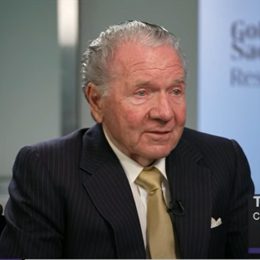
Thomas Peterffy, Interactive Brokers' Chairman (Photo: YouTube/Bloomberg)
The real growth in extended trading hours came in early 2024, when the daily average surpassed $61 billion, accounting for more than 9.8 per cent of the total dollar value traded in Q4 2024.
Robinhood helped popularise individual stock trading around the clock by launching the feature in 2023. However, it wasn’t the first broker to allow 24-hour trading – TD Ameritrade (thinkorswim) was the first retail platform to offer extended trading, followed by Interactive Brokers, though both limited the feature to specific exchange-traded funds (ETFs). Later both brought the feature for single stocks as well.
Interactive Broker’s chairman, Thomas Peterffy, recently shared that around 2.2 per cent of his broker's May trading volume came from overnight trading. He expects this to grow to 25 to 30 per cent in the next 20 years.
eToro now offers 24/5 trading for only the top 100 US-listed stocks. The limitations of extended-hours trading may have led the Israeli broker to restrict its selection.
Vlad Tenev, CEO at Robinhood; Photo: Wikimedia Commons
Trading outside regular market hours usually involves lower liquidity and wider spreads, particularly during night sessions when fewer participants are active. eToro also warned that stop-loss and take-profit orders might be triggered during extended hours due to increased price movements.
A Shift in the Time of Trading
Before this became common for retail traders, institutions were typically the ones using off-hours trading, settling orders on over-the-counter platforms. These orders were often driven by company earnings, which are usually released before or after exchange hours, or other events that move markets.
In the US, off-hours trading generally happens between 4 am and 9:30 am ET (pre-market), and between 4 pm and 8 pm ET (after-hours). The period from 8 pm to 4 am ET is referred to as the overnight session.
Orders during pre- and post-trading hours are usually handled by exchange ECNs (such as NYSE Arca, Nasdaq, and Cboe EDGX) and broker-run alternative trading systems (ATSs).
The NYSE report noted that trading used to be “largely concentrated in the minutes and hours” after the official market close. However, activity has now shifted toward pre-market hours.
In Q1 2019, post-market trading made up more than 83 per cent of all off-hours trading. But by January this year, 55 per cent of shares were traded in the pre-market session.
“The pre-market session has grown 15 times since 2019, compared to 2.3 times for the post-market session and just over twice for the rest of the trading volume,” the NYSE report stated.
Most of the stock market's gains occur in overnight trading.
In a 2022 bulletin, the Securities and Exchange Commission (SEC) also pointed out that extended-hours trading often results in wider bid-ask spreads or no quotes at all.
This lack of liquidity may be why platforms are not offering seven-day, 24-hour trading.
Another ongoing issue around overnight trading is how trades are executed during these hours. Brokers typically route off-hours orders through alternative trading systems like Blue Ocean, which is also used by Robinhood and several other US-registered broker-dealers.
Brian Hyndman, CEO of Blue Ocean Technologies (Photo: LinkedIn)
Last year, Blue Ocean experienced a breakdown in early August due to a surge in activity following disappointing US job figures and the unwinding of yen-based carry trades. The resulting disruption led to a global sell-off and higher volatility, leaving Robinhood users unable to complete trades.
Blue Ocean went on to handle a record $3.27 billion in notional volume during the overnight session of the US presidential election on 6 November 2024. Its average daily volumes in 2024 ranged between 30 and 50 million shares – up from 11 million in 2023 and fewer than one million in 2022.
Meanwhile, Interactive Brokers developed its own ATS, IB Eos, for overnight trades and also routes orders through Blue Ocean.
The biggest issue for these ATSs is that the Securities Information Processor (SIP) does not operate overnight, and trade reporting remains in batch form.
However, things are starting to change. The Depository Trust & Clearing Corporation (DTCC), which handles trade reporting, moved its start time to 1:30 am from 8 am to support platforms like Blue Ocean and IBKR. It plans to run 24/5 by 2026.
Do you actively follow the markets? From technical analysis to macroeconomic events, catch live updates on investingLive.com.
The US regulator has already approved extended trading hours on the 24X National Exchange, set to begin operations in September. However, the exchange will run only 16 hours per weekday.
Across the Atlantic, the operator of the London Stock Exchange is also reviewing the practical aspects of longer hours, especially from a technology and regulation standpoint. However, the UK market is very different from that of the US, which sees large international demand.
The key question for LSEG is whether extended hours would lead to a noticeable increase in volume or simply spread out liquidity over the day, potentially increasing price swings. Unless more foreign investors get involved, it may be difficult to see a meaningful change in trading activity.
eToro has become the latest retail broker to launch round-the-clock trading, but only for five days a week. This feature is not new. In fact, most popular retail brokers now offer overnight trading, mainly due to rising demand for US-listed stocks among investors in Asia and other regions.
For decades, retail trading was restricted to exchange hours, meaning trades were only executed when exchanges were open. However, round-the-clock trading has now become standard. Off-hours and overnight trading volumes have also grown significantly in the past five years.
The Numbers Show the Demand
The New York Stock Exchange (NYSE) recently revealed that over 11 per cent of all US equity trading – out of more than 1.7 billion shares traded daily – occurred during extended trading hours as of January 2025. This figure has more than doubled since the first quarter of 2019, when such trading made up just 5 per cent of volumes.
Thomas Peterffy, Interactive Brokers' Chairman (Photo: YouTube/Bloomberg)
The real growth in extended trading hours came in early 2024, when the daily average surpassed $61 billion, accounting for more than 9.8 per cent of the total dollar value traded in Q4 2024.
Robinhood helped popularise individual stock trading around the clock by launching the feature in 2023. However, it wasn’t the first broker to allow 24-hour trading – TD Ameritrade (thinkorswim) was the first retail platform to offer extended trading, followed by Interactive Brokers, though both limited the feature to specific exchange-traded funds (ETFs). Later both brought the feature for single stocks as well.
Interactive Broker’s chairman, Thomas Peterffy, recently shared that around 2.2 per cent of his broker's May trading volume came from overnight trading. He expects this to grow to 25 to 30 per cent in the next 20 years.
eToro now offers 24/5 trading for only the top 100 US-listed stocks. The limitations of extended-hours trading may have led the Israeli broker to restrict its selection.
Vlad Tenev, CEO at Robinhood; Photo: Wikimedia Commons
Trading outside regular market hours usually involves lower liquidity and wider spreads, particularly during night sessions when fewer participants are active. eToro also warned that stop-loss and take-profit orders might be triggered during extended hours due to increased price movements.
A Shift in the Time of Trading
Before this became common for retail traders, institutions were typically the ones using off-hours trading, settling orders on over-the-counter platforms. These orders were often driven by company earnings, which are usually released before or after exchange hours, or other events that move markets.
In the US, off-hours trading generally happens between 4 am and 9:30 am ET (pre-market), and between 4 pm and 8 pm ET (after-hours). The period from 8 pm to 4 am ET is referred to as the overnight session.
Orders during pre- and post-trading hours are usually handled by exchange ECNs (such as NYSE Arca, Nasdaq, and Cboe EDGX) and broker-run alternative trading systems (ATSs).
The NYSE report noted that trading used to be “largely concentrated in the minutes and hours” after the official market close. However, activity has now shifted toward pre-market hours.
In Q1 2019, post-market trading made up more than 83 per cent of all off-hours trading. But by January this year, 55 per cent of shares were traded in the pre-market session.
“The pre-market session has grown 15 times since 2019, compared to 2.3 times for the post-market session and just over twice for the rest of the trading volume,” the NYSE report stated.
Most of the stock market's gains occur in overnight trading.
In a 2022 bulletin, the Securities and Exchange Commission (SEC) also pointed out that extended-hours trading often results in wider bid-ask spreads or no quotes at all.
This lack of liquidity may be why platforms are not offering seven-day, 24-hour trading.
Another ongoing issue around overnight trading is how trades are executed during these hours. Brokers typically route off-hours orders through alternative trading systems like Blue Ocean, which is also used by Robinhood and several other US-registered broker-dealers.
Brian Hyndman, CEO of Blue Ocean Technologies (Photo: LinkedIn)
Last year, Blue Ocean experienced a breakdown in early August due to a surge in activity following disappointing US job figures and the unwinding of yen-based carry trades. The resulting disruption led to a global sell-off and higher volatility, leaving Robinhood users unable to complete trades.
Blue Ocean went on to handle a record $3.27 billion in notional volume during the overnight session of the US presidential election on 6 November 2024. Its average daily volumes in 2024 ranged between 30 and 50 million shares – up from 11 million in 2023 and fewer than one million in 2022.
Meanwhile, Interactive Brokers developed its own ATS, IB Eos, for overnight trades and also routes orders through Blue Ocean.
The biggest issue for these ATSs is that the Securities Information Processor (SIP) does not operate overnight, and trade reporting remains in batch form.
However, things are starting to change. The Depository Trust & Clearing Corporation (DTCC), which handles trade reporting, moved its start time to 1:30 am from 8 am to support platforms like Blue Ocean and IBKR. It plans to run 24/5 by 2026.
Do you actively follow the markets? From technical analysis to macroeconomic events, catch live updates on investingLive.com.
The US regulator has already approved extended trading hours on the 24X National Exchange, set to begin operations in September. However, the exchange will run only 16 hours per weekday.
Across the Atlantic, the operator of the London Stock Exchange is also reviewing the practical aspects of longer hours, especially from a technology and regulation standpoint. However, the UK market is very different from that of the US, which sees large international demand.
The key question for LSEG is whether extended hours would lead to a noticeable increase in volume or simply spread out liquidity over the day, potentially increasing price swings. Unless more foreign investors get involved, it may be difficult to see a meaningful change in trading activity.
Arnab Shome is an electronics engineer-turned-financial editor. He holds a Bachelor of Technology from the National Institute of Technology, Agartala. He entered the retail trading industry about a decade ago, covering the cryptocurrency market for Finance Magnates, and later expanded his coverage to include forex and CFDs as well.
His work at Finance Magnates includes C-level interviews, data-driven analysis, opinion pieces, and scoops of industry exclusives. He also contributes to Finance Magnates’ quarterly industry report.
Area of coverage:
1. CFD broker-related news
2. Industry-related Regulatory updates and developments
3. New retail trading trends
4. Prop trading industry updates
5. Executive interviews
Education:
Bachelor of Technology - National Institute of Technology, Agartala (India)
NAGA Adds €1 Million Client Insurance, but Total Cover Is Undisclosed
Featured Videos
FXCM UK Holds $110m in Client Money; IG CEO Questions Prediction Market Volumes
FXCM UK Holds $110m in Client Money; IG CEO Questions Prediction Market Volumes
FXCM UK Holds $110m in Client Money; IG CEO Questions Prediction Market Volumes
FXCM UK Holds $110m in Client Money; IG CEO Questions Prediction Market Volumes
Today’s financial news recap covers FXCM's UK arm holds $110 million in client money ahead of its sale to Trade Nation, Citadel Securities' UK profit falls 38 per cent, and Kraken secures its final Dubai crypto licence.
Finance Magnates Daily Recap brings you the latest news from forex and CFD brokers, fintech, payments, cryptocurrency, digital assets, trading platforms, financial regulation and global markets.
Get the key company news, executive moves, deals, regulatory updates and market developments of the day, in just a few minutes. New episodes published every weekday.
Read more: https://www.financemagnates.com
#FinanceMagnates #ForexNews #FintechNews
Today’s financial news recap covers FXCM's UK arm holds $110 million in client money ahead of its sale to Trade Nation, Citadel Securities' UK profit falls 38 per cent, and Kraken secures its final Dubai crypto licence.
Finance Magnates Daily Recap brings you the latest news from forex and CFD brokers, fintech, payments, cryptocurrency, digital assets, trading platforms, financial regulation and global markets.
Get the key company news, executive moves, deals, regulatory updates and market developments of the day, in just a few minutes. New episodes published every weekday.
Read more: https://www.financemagnates.com
#FinanceMagnates #ForexNews #FintechNews
Today’s financial news recap covers FXCM's UK arm holds $110 million in client money ahead of its sale to Trade Nation, Citadel Securities' UK profit falls 38 per cent, and Kraken secures its final Dubai crypto licence.
Finance Magnates Daily Recap brings you the latest news from forex and CFD brokers, fintech, payments, cryptocurrency, digital assets, trading platforms, financial regulation and global markets.
Get the key company news, executive moves, deals, regulatory updates and market developments of the day, in just a few minutes. New episodes published every weekday.
Read more: https://www.financemagnates.com
#FinanceMagnates #ForexNews #FintechNews
Today’s financial news recap covers FXCM's UK arm holds $110 million in client money ahead of its sale to Trade Nation, Citadel Securities' UK profit falls 38 per cent, and Kraken secures its final Dubai crypto licence.
Finance Magnates Daily Recap brings you the latest news from forex and CFD brokers, fintech, payments, cryptocurrency, digital assets, trading platforms, financial regulation and global markets.
Get the key company news, executive moves, deals, regulatory updates and market developments of the day, in just a few minutes. New episodes published every weekday.
Read more: https://www.financemagnates.com
#FinanceMagnates #ForexNews #FintechNews
Today’s financial news recap covers AvaTrade agrees to acquire most of FXCM, NAGA secures eight million dollars in new financing, and Wise seeks a tax settlement in the UK.
Finance Magnates Daily Recap brings you the latest news from forex and CFD brokers, fintech, payments, cryptocurrency, digital assets, trading platforms, financial regulation and global markets.
Get the key company news, executive moves, deals, regulatory updates and market developments of the day, in just a few minutes. New episodes published every weekday.
Read more: https://www.financemagnates.com
#FinanceMagnates #ForexNews #FintechNews
Today’s financial news recap covers AvaTrade agrees to acquire most of FXCM, NAGA secures eight million dollars in new financing, and Wise seeks a tax settlement in the UK.
Finance Magnates Daily Recap brings you the latest news from forex and CFD brokers, fintech, payments, cryptocurrency, digital assets, trading platforms, financial regulation and global markets.
Get the key company news, executive moves, deals, regulatory updates and market developments of the day, in just a few minutes. New episodes published every weekday.
Read more: https://www.financemagnates.com
#FinanceMagnates #ForexNews #FintechNews
Today’s financial news recap covers AvaTrade agrees to acquire most of FXCM, NAGA secures eight million dollars in new financing, and Wise seeks a tax settlement in the UK.
Finance Magnates Daily Recap brings you the latest news from forex and CFD brokers, fintech, payments, cryptocurrency, digital assets, trading platforms, financial regulation and global markets.
Get the key company news, executive moves, deals, regulatory updates and market developments of the day, in just a few minutes. New episodes published every weekday.
Read more: https://www.financemagnates.com
#FinanceMagnates #ForexNews #FintechNews
Today’s financial news recap covers AvaTrade agrees to acquire most of FXCM, NAGA secures eight million dollars in new financing, and Wise seeks a tax settlement in the UK.
Finance Magnates Daily Recap brings you the latest news from forex and CFD brokers, fintech, payments, cryptocurrency, digital assets, trading platforms, financial regulation and global markets.
Get the key company news, executive moves, deals, regulatory updates and market developments of the day, in just a few minutes. New episodes published every weekday.
Read more: https://www.financemagnates.com
#FinanceMagnates #ForexNews #FintechNews
Today’s financial news recap covers AvaTrade agrees to acquire most of FXCM, NAGA secures eight million dollars in new financing, and Wise seeks a tax settlement in the UK.
Finance Magnates Daily Recap brings you the latest news from forex and CFD brokers, fintech, payments, cryptocurrency, digital assets, trading platforms, financial regulation and global markets.
Get the key company news, executive moves, deals, regulatory updates and market developments of the day, in just a few minutes. New episodes published every weekday.
Read more: https://www.financemagnates.com
#FinanceMagnates #ForexNews #FintechNews
Today’s financial news recap covers AvaTrade agrees to acquire most of FXCM, NAGA secures eight million dollars in new financing, and Wise seeks a tax settlement in the UK.
Finance Magnates Daily Recap brings you the latest news from forex and CFD brokers, fintech, payments, cryptocurrency, digital assets, trading platforms, financial regulation and global markets.
Get the key company news, executive moves, deals, regulatory updates and market developments of the day, in just a few minutes. New episodes published every weekday.
Read more: https://www.financemagnates.com
#FinanceMagnates #ForexNews #FintechNews
XTB Adds Overnight US Stock Trading; Nasdaq Ventures Invests in One Trading
XTB Adds Overnight US Stock Trading; Nasdaq Ventures Invests in One Trading
XTB Adds Overnight US Stock Trading; Nasdaq Ventures Invests in One Trading
XTB Adds Overnight US Stock Trading; Nasdaq Ventures Invests in One Trading
XTB Adds Overnight US Stock Trading; Nasdaq Ventures Invests in One Trading
XTB Adds Overnight US Stock Trading; Nasdaq Ventures Invests in One Trading
Today’s financial news recap covers XTB expands overnight US stock trading, Fortrade reports higher revenue, Nasdaq backs One Trading, and Vest Labs raises 13 million dollars.
Finance Magnates Daily Recap brings you the latest news from forex and CFD brokers, fintech, payments, cryptocurrency, digital assets, trading platforms, financial regulation and global markets.
Get the key company news, executive moves, deals, regulatory updates and market developments of the day, in just a few minutes. New episodes published every weekday.
Read more: https://www.financemagnates.com
#FinanceMagnates #ForexNews #FintechNews
Today’s financial news recap covers XTB expands overnight US stock trading, Fortrade reports higher revenue, Nasdaq backs One Trading, and Vest Labs raises 13 million dollars.
Finance Magnates Daily Recap brings you the latest news from forex and CFD brokers, fintech, payments, cryptocurrency, digital assets, trading platforms, financial regulation and global markets.
Get the key company news, executive moves, deals, regulatory updates and market developments of the day, in just a few minutes. New episodes published every weekday.
Read more: https://www.financemagnates.com
#FinanceMagnates #ForexNews #FintechNews
Today’s financial news recap covers XTB expands overnight US stock trading, Fortrade reports higher revenue, Nasdaq backs One Trading, and Vest Labs raises 13 million dollars.
Finance Magnates Daily Recap brings you the latest news from forex and CFD brokers, fintech, payments, cryptocurrency, digital assets, trading platforms, financial regulation and global markets.
Get the key company news, executive moves, deals, regulatory updates and market developments of the day, in just a few minutes. New episodes published every weekday.
Read more: https://www.financemagnates.com
#FinanceMagnates #ForexNews #FintechNews
Today’s financial news recap covers XTB expands overnight US stock trading, Fortrade reports higher revenue, Nasdaq backs One Trading, and Vest Labs raises 13 million dollars.
Finance Magnates Daily Recap brings you the latest news from forex and CFD brokers, fintech, payments, cryptocurrency, digital assets, trading platforms, financial regulation and global markets.
Get the key company news, executive moves, deals, regulatory updates and market developments of the day, in just a few minutes. New episodes published every weekday.
Read more: https://www.financemagnates.com
#FinanceMagnates #ForexNews #FintechNews
Today’s financial news recap covers XTB expands overnight US stock trading, Fortrade reports higher revenue, Nasdaq backs One Trading, and Vest Labs raises 13 million dollars.
Finance Magnates Daily Recap brings you the latest news from forex and CFD brokers, fintech, payments, cryptocurrency, digital assets, trading platforms, financial regulation and global markets.
Get the key company news, executive moves, deals, regulatory updates and market developments of the day, in just a few minutes. New episodes published every weekday.
Read more: https://www.financemagnates.com
#FinanceMagnates #ForexNews #FintechNews
Today’s financial news recap covers XTB expands overnight US stock trading, Fortrade reports higher revenue, Nasdaq backs One Trading, and Vest Labs raises 13 million dollars.
Finance Magnates Daily Recap brings you the latest news from forex and CFD brokers, fintech, payments, cryptocurrency, digital assets, trading platforms, financial regulation and global markets.
Get the key company news, executive moves, deals, regulatory updates and market developments of the day, in just a few minutes. New episodes published every weekday.
Read more: https://www.financemagnates.com
#FinanceMagnates #ForexNews #FintechNews
CMC Founder Downplays Volatility Hit; Devexperts Names CEO
CMC Founder Downplays Volatility Hit; Devexperts Names CEO
CMC Founder Downplays Volatility Hit; Devexperts Names CEO
CMC Founder Downplays Volatility Hit; Devexperts Names CEO
CMC Founder Downplays Volatility Hit; Devexperts Names CEO
CMC Founder Downplays Volatility Hit; Devexperts Names CEO
Today’s financial news recap covers low volatility pressures brokers, Devexperts names a new CEO, Saxo cuts onboarding time, and OKX reaches a 25 billion dollar valuation.
Finance Magnates Daily Recap brings you the latest news from forex and CFD brokers, fintech, payments, cryptocurrency, digital assets, trading platforms, financial regulation and global markets.
Get the key company news, executive moves, deals, regulatory updates and market developments of the day, in just a few minutes. New episodes published every weekday.
Read more: https://www.financemagnates.com
#FinanceMagnates #ForexNews #FintechNews
Today’s financial news recap covers low volatility pressures brokers, Devexperts names a new CEO, Saxo cuts onboarding time, and OKX reaches a 25 billion dollar valuation.
Finance Magnates Daily Recap brings you the latest news from forex and CFD brokers, fintech, payments, cryptocurrency, digital assets, trading platforms, financial regulation and global markets.
Get the key company news, executive moves, deals, regulatory updates and market developments of the day, in just a few minutes. New episodes published every weekday.
Read more: https://www.financemagnates.com
#FinanceMagnates #ForexNews #FintechNews
Today’s financial news recap covers low volatility pressures brokers, Devexperts names a new CEO, Saxo cuts onboarding time, and OKX reaches a 25 billion dollar valuation.
Finance Magnates Daily Recap brings you the latest news from forex and CFD brokers, fintech, payments, cryptocurrency, digital assets, trading platforms, financial regulation and global markets.
Get the key company news, executive moves, deals, regulatory updates and market developments of the day, in just a few minutes. New episodes published every weekday.
Read more: https://www.financemagnates.com
#FinanceMagnates #ForexNews #FintechNews
Today’s financial news recap covers low volatility pressures brokers, Devexperts names a new CEO, Saxo cuts onboarding time, and OKX reaches a 25 billion dollar valuation.
Finance Magnates Daily Recap brings you the latest news from forex and CFD brokers, fintech, payments, cryptocurrency, digital assets, trading platforms, financial regulation and global markets.
Get the key company news, executive moves, deals, regulatory updates and market developments of the day, in just a few minutes. New episodes published every weekday.
Read more: https://www.financemagnates.com
#FinanceMagnates #ForexNews #FintechNews
Today’s financial news recap covers low volatility pressures brokers, Devexperts names a new CEO, Saxo cuts onboarding time, and OKX reaches a 25 billion dollar valuation.
Finance Magnates Daily Recap brings you the latest news from forex and CFD brokers, fintech, payments, cryptocurrency, digital assets, trading platforms, financial regulation and global markets.
Get the key company news, executive moves, deals, regulatory updates and market developments of the day, in just a few minutes. New episodes published every weekday.
Read more: https://www.financemagnates.com
#FinanceMagnates #ForexNews #FintechNews
Today’s financial news recap covers low volatility pressures brokers, Devexperts names a new CEO, Saxo cuts onboarding time, and OKX reaches a 25 billion dollar valuation.
Finance Magnates Daily Recap brings you the latest news from forex and CFD brokers, fintech, payments, cryptocurrency, digital assets, trading platforms, financial regulation and global markets.
Get the key company news, executive moves, deals, regulatory updates and market developments of the day, in just a few minutes. New episodes published every weekday.
Read more: https://www.financemagnates.com
#FinanceMagnates #ForexNews #FintechNews
Today’s financial news recap covers Trade Nation buys FXCM's UK client book, Trading 212 reports higher revenue, the CFTC's move to allow perpetual index futures.
Finance Magnates Daily Recap brings you the latest news from forex and CFD brokers, fintech, payments, cryptocurrency, digital assets, trading platforms, financial regulation and global markets.
Get the key company news, executive moves, deals, regulatory updates and market developments of the day, in just a few minutes. New episodes published every weekday.
Read more: https://www.financemagnates.com
#FinanceMagnates #ForexNews #FintechNews
Today’s financial news recap covers Trade Nation buys FXCM's UK client book, Trading 212 reports higher revenue, the CFTC's move to allow perpetual index futures.
Finance Magnates Daily Recap brings you the latest news from forex and CFD brokers, fintech, payments, cryptocurrency, digital assets, trading platforms, financial regulation and global markets.
Get the key company news, executive moves, deals, regulatory updates and market developments of the day, in just a few minutes. New episodes published every weekday.
Read more: https://www.financemagnates.com
#FinanceMagnates #ForexNews #FintechNews
Today’s financial news recap covers Trade Nation buys FXCM's UK client book, Trading 212 reports higher revenue, the CFTC's move to allow perpetual index futures.
Finance Magnates Daily Recap brings you the latest news from forex and CFD brokers, fintech, payments, cryptocurrency, digital assets, trading platforms, financial regulation and global markets.
Get the key company news, executive moves, deals, regulatory updates and market developments of the day, in just a few minutes. New episodes published every weekday.
Read more: https://www.financemagnates.com
#FinanceMagnates #ForexNews #FintechNews
Today’s financial news recap covers Trade Nation buys FXCM's UK client book, Trading 212 reports higher revenue, the CFTC's move to allow perpetual index futures.
Finance Magnates Daily Recap brings you the latest news from forex and CFD brokers, fintech, payments, cryptocurrency, digital assets, trading platforms, financial regulation and global markets.
Get the key company news, executive moves, deals, regulatory updates and market developments of the day, in just a few minutes. New episodes published every weekday.
Read more: https://www.financemagnates.com
#FinanceMagnates #ForexNews #FintechNews
Today’s financial news recap covers Trade Nation buys FXCM's UK client book, Trading 212 reports higher revenue, the CFTC's move to allow perpetual index futures.
Finance Magnates Daily Recap brings you the latest news from forex and CFD brokers, fintech, payments, cryptocurrency, digital assets, trading platforms, financial regulation and global markets.
Get the key company news, executive moves, deals, regulatory updates and market developments of the day, in just a few minutes. New episodes published every weekday.
Read more: https://www.financemagnates.com
#FinanceMagnates #ForexNews #FintechNews
Today’s financial news recap covers Trade Nation buys FXCM's UK client book, Trading 212 reports higher revenue, the CFTC's move to allow perpetual index futures.
Finance Magnates Daily Recap brings you the latest news from forex and CFD brokers, fintech, payments, cryptocurrency, digital assets, trading platforms, financial regulation and global markets.
Get the key company news, executive moves, deals, regulatory updates and market developments of the day, in just a few minutes. New episodes published every weekday.
Read more: https://www.financemagnates.com
#FinanceMagnates #ForexNews #FintechNews