Financial and Business News

Philippine "Revolut" Maya Eyes Up to $1 Billion US Listing

Monday, 16/02/2026 | 19:22 GMT by Damian Chmiel
  • Another digital banking and investing app from Asia is planning a stock market debut on Wall Street.
  • Reuters warns, however, that companies are cutting IPO plans in 2026 due to difficult market conditions.
Maya bank
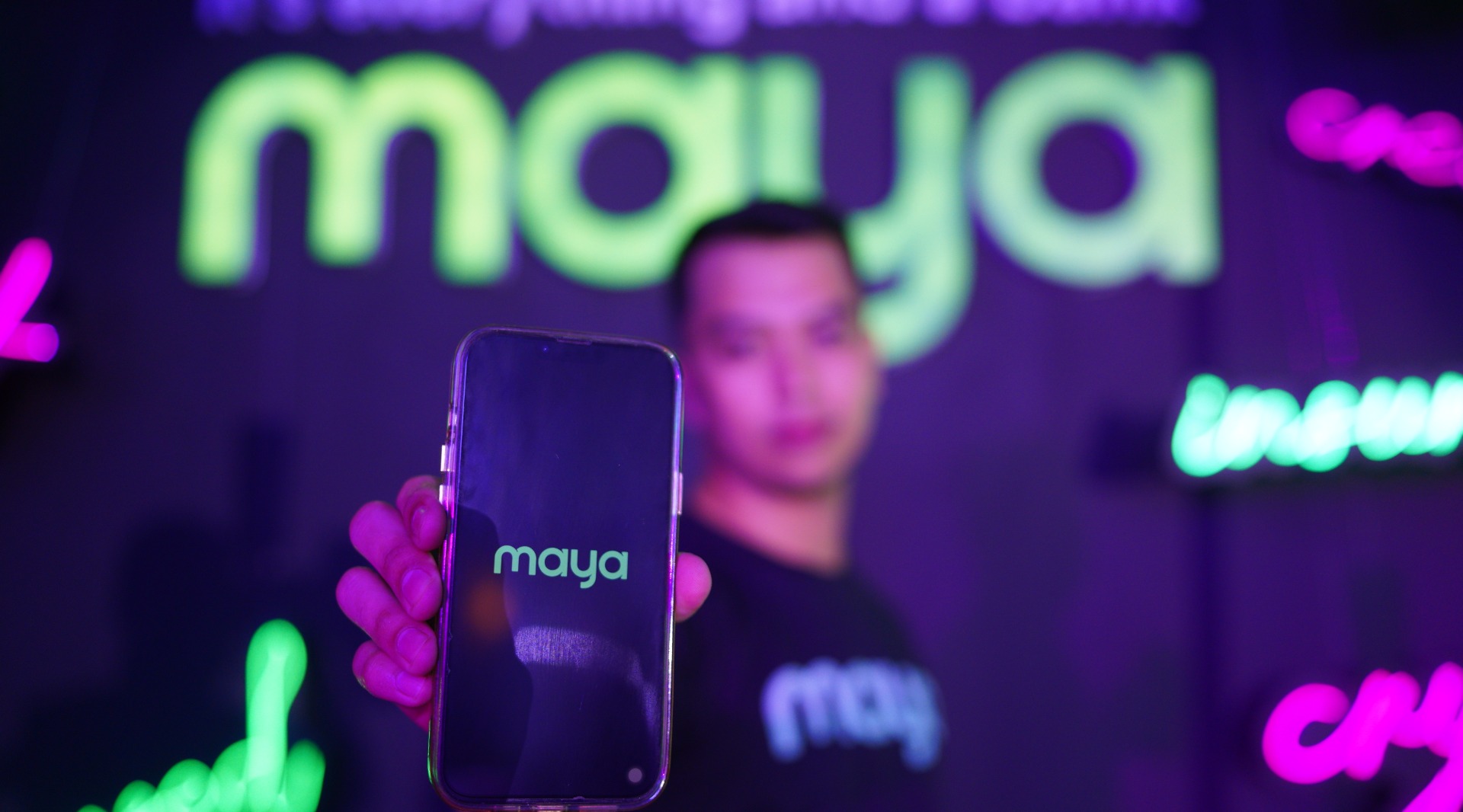
Maya is the fastest-growing digital bank in the Philippines

The all-in-one financial app Maya joins a growing list of Southeast Asian fintechs looking past their home markets for capital. The timing and size of the offering could still change as the company gauges market conditions, according to Bloomberg.

The fintech operates a full-service digital banking platform where users can buy stocks and cryptocurrencies, earn interest on savings, send payments, and manage debit and credit cards.

According to the most recent annual report, Maya's digital bank served 5.4 million customers and disbursed 68 billion pesos ($1.2 billion) in loans during 2024.

Rough Waters for New Listings

Maya's IPO plans come at a difficult moment for companies trying to go public. Several firms have pulled or downsized their US listings in recent weeks after investors pushed back on valuations.

Wall Street broker Clear Street postponed its IPO in mid-February after slashing its fundraising target by 65 percent, citing market conditions. Blackstone-backed Liftoff Mobile similarly delayed its New York listing following a selloff in software stocks.

Brazilian fintech Agibank managed to complete its US debut this month, but only after cutting both its deal size and price range by more than half. The stock promptly fell 15 percent from its offer price.

Goldman Sachs analysts expect the number of IPOs to double to 120 this year, but warned that volatility and valuation scrutiny remain significant headwinds.

Companies with exposure to fintech and crypto face additional skepticism. even those that made it to market have struggled, with trading platform eToro down roughly 60 percent since its Wall Street debut nearly a year ago.

Regional Rivals Taking Different Routes

Maya isn't the only Philippine fintech weighing its options. GCash, its main competitor in the digital payments space, postponed a planned Manila IPO to the second half of 2026. The country's securities regulator has proposed relaxing free-float requirements to attract larger companies to the local exchange, which has underperformed regional benchmarks.

The MSCI Philippines Index gained just over 12 percent in the past year, trailing the broader MSCI AC Asia Pacific Index. That performance gap has pushed some Filipino companies to consider overseas listings.

Fast food chain Jollibee Foods said it plans to list its international business in the United States, while other Southeast Asian firms are eyeing Hong Kong for share sales.

From Payments to Full-Service Banking

Maya started as PayMaya, a mobile wallet for QR code payments and money transfers. The company has since built out a regulated digital bank that offers savings accounts with interest rates reaching 15 percent annually, instant loans of up to 250,000 pesos for consumers and 2 million pesos for small businesses, and investment products including cryptocurrencies like Bitcoin and Ethereum alongside mutual funds.

The company is backed by Philippine telecom giant PLDT and a roster of international investors including KKR, Tencent, and the World Bank's International Finance Corporation.

The platform uses transaction data and AI-driven credit scoring to approve loans without traditional collateral requirements, a model that has resonated in a country where formal banking penetration remains low.

About 70 percent of Maya's customers live outside Metro Manila, where the company has seen particularly strong growth in lending and savings activity.


The all-in-one financial app Maya joins a growing list of Southeast Asian fintechs looking past their home markets for capital. The timing and size of the offering could still change as the company gauges market conditions, according to Bloomberg.

The fintech operates a full-service digital banking platform where users can buy stocks and cryptocurrencies, earn interest on savings, send payments, and manage debit and credit cards.

According to the most recent annual report, Maya's digital bank served 5.4 million customers and disbursed 68 billion pesos ($1.2 billion) in loans during 2024.

Rough Waters for New Listings

Maya's IPO plans come at a difficult moment for companies trying to go public. Several firms have pulled or downsized their US listings in recent weeks after investors pushed back on valuations.

Wall Street broker Clear Street postponed its IPO in mid-February after slashing its fundraising target by 65 percent, citing market conditions. Blackstone-backed Liftoff Mobile similarly delayed its New York listing following a selloff in software stocks.

Brazilian fintech Agibank managed to complete its US debut this month, but only after cutting both its deal size and price range by more than half. The stock promptly fell 15 percent from its offer price.

Goldman Sachs analysts expect the number of IPOs to double to 120 this year, but warned that volatility and valuation scrutiny remain significant headwinds.

Companies with exposure to fintech and crypto face additional skepticism. even those that made it to market have struggled, with trading platform eToro down roughly 60 percent since its Wall Street debut nearly a year ago.

Regional Rivals Taking Different Routes

Maya isn't the only Philippine fintech weighing its options. GCash, its main competitor in the digital payments space, postponed a planned Manila IPO to the second half of 2026. The country's securities regulator has proposed relaxing free-float requirements to attract larger companies to the local exchange, which has underperformed regional benchmarks.

The MSCI Philippines Index gained just over 12 percent in the past year, trailing the broader MSCI AC Asia Pacific Index. That performance gap has pushed some Filipino companies to consider overseas listings.

Fast food chain Jollibee Foods said it plans to list its international business in the United States, while other Southeast Asian firms are eyeing Hong Kong for share sales.

From Payments to Full-Service Banking

Maya started as PayMaya, a mobile wallet for QR code payments and money transfers. The company has since built out a regulated digital bank that offers savings accounts with interest rates reaching 15 percent annually, instant loans of up to 250,000 pesos for consumers and 2 million pesos for small businesses, and investment products including cryptocurrencies like Bitcoin and Ethereum alongside mutual funds.

The company is backed by Philippine telecom giant PLDT and a roster of international investors including KKR, Tencent, and the World Bank's International Finance Corporation.

The platform uses transaction data and AI-driven credit scoring to approve loans without traditional collateral requirements, a model that has resonated in a country where formal banking penetration remains low.

About 70 percent of Maya's customers live outside Metro Manila, where the company has seen particularly strong growth in lending and savings activity.

About the Author: Damian Chmiel
Damian Chmiel
  • 3250 Articles
  • 102 Followers
Damian's adventure with financial markets began at the Cracow University of Economics, where he obtained his MA in finance and accounting. Starting from the retail trader perspective, he collaborated with brokerage houses and financial portals in Poland as an independent editor and content manager. His adventure with Finance Magnates began in 2016, where he is working as a business intelligence analyst.

More from the Author

FinTech