Fearing the worst, payments firms have been ensuring they'll still have access to the UK and EU
Finance Magnates
As many of our readers will be well aware, the Brexit apocalypse is about to strike the foggy shores of Great Britain. The press has been bombarding us with terrifying headlines, warning that, at the end of March, Brits can expect food shortages, a financial meltdown and - if we are to believe one US preacher - the coming of the anti-Christ.
According to the Financial Times, a young transgender food writer, who goes by the name of Jack Monroe, has even filled her outhouse with food in preparation for the March 29.
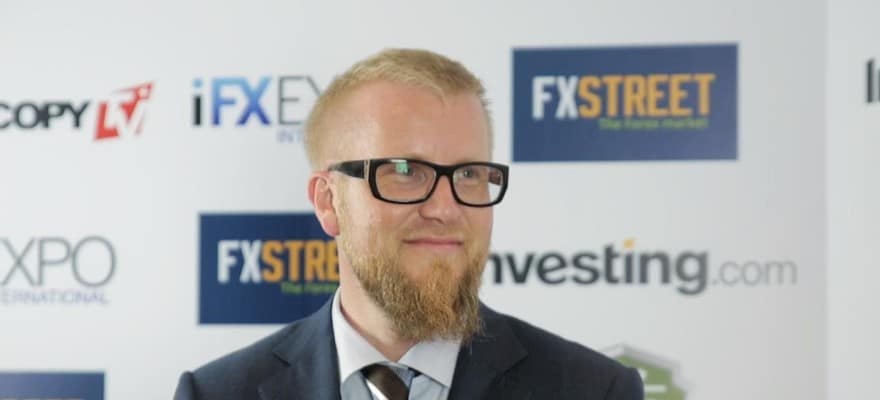
ECOMMPAY Regional Partner and Director Michael C. G. Charalambides
“Brexit is still a wild ghost haunting all of us in Europe, whether we come from the banking industry, payments, legal or even general retail,” ECOMMPAY Regional Partner and Director Michael C. G. Charalambides told Finance Magnates.
“The reason I use the term 'ghost' is because we don’t know if this will end up being the ‘good ghost of Christmas past’ or something rather more scary. Until now there is no solid educated answer or magic ‘one size fits all’ response to it.”
Passport problems
Like many other firms operating in the financial services industry, a number of payment companies have their base of operations in London and are regulated by the Financial Conduct Authority (FCA).
For years, they have been passporting their services out into the European Union with no problems. Brexit, and especially a no-deal Brexit, puts all of that at risk.
“Our goal is that our clients will not be affected in any way due to Brexit,” said MoneyNetInt CEO Yishay Trif. “But it does raise challenges as to how we can continue to cooperate with other partners across the continent and whether we will be able to market our services throughout the region or participate in conferences and meetings where we engage with both current clients and prospective customers.”
Paths unknown
The problem for payments companies is that those “challenges” are unknown. Uncertainty surrounding the precise terms of Brexit, deal or not, means that firms are having to take precautions based on potential outcomes rather than definitive legislation.
In general, this has meant payment companies are doing everything they can to ensure they will have regulatory licenses in both the
Ran Cohen, CEO, BridgerPay
European Union and the UK. Thus, just as we have seen banks opening offices in Dublin, Amsterdam and Frankfurt, so too have payments companies made sure they have operational offices in Europe by the end of March.
"Many UK financial services firms who currently passport into the EEA are taking steps to ensure that they could continue to operate after [Brexit], mostly by establishing a new EU-authorised subsidiary," said BridgerPay CEO Ran Cohen. "I believe that we will see more payment provides in the EU than UK , and an increasing need from merchants for a technology to manage and optimize the costs between them."
One firm that is heading to Europe is Paysafe. Fitting with Cohen's prediction, the company told Finance Magnates that it is almost ready to open its office in Ireland.
“We are in the final stages of opening an office in Dublin to accommodate our needs from March and act as a gateway when the UK is scheduled to leave the EU,” said Paysafe spokesperson Kate Aldridge.
“We have been working hard to minimise any impact that Brexit may have on our customers and to ensure that we can continue to provide them with uninterrupted services. Our customers should expect no change in their levels of service.”
Safe in Cyprus
All five of the payments firms that Finance Magnates spoke to in preparation for this article had taken steps to ensure they can provide services in the EU and the UK after Brexit takes place.
Paysafe is heading to Dublin and SafeCharge, iSignthis, MoneyIntNet and ECOMMPAY all have bases of operation in Cyprus and
John Karantzis - CEO of iSignthis
approval from the local regulator. iSignthis also has a regulatory license in Lithuania which, as a result of Brexit, is becoming a burgeoning hub for technology firms.
Having European licenses means that all of these firms can provide payment services within the EU. But things get more nebulous when it comes to passporting into the UK from Europe.
The FCA has created the Temporary Permissions Regime (TPR) for firms operating in the EU. Companies that are a part of this programme will be able to continue providing their services to the UK from Europe.
Unfortunately for firms based in the UK, the EU has not created a similar programme for British firms.
“If [we] had been licensed in the UK, the EU has no such reciprocal scheme in place to passport UK Firms into the EU,” John Karantzis, the CEO of iSignthis, said last week. “UK firms will be locked out of Europe until such time as they apply for a license via an EU member state.”
Beyond the TPR
Karantzis made those comments as he announced that iSignthis had received permission from the FCA to be a part of the TPR. Philip Atherton, SafeCharge’s Chief Risk Officer, also told Finance Magnates that the payments company’s Cypriot subsidiary has joined the British regulator’s programme.
“To facilitate an orderly transition in the event of a ‘hard’ or ‘no-deal’ Brexit, SafeCharge Limited has sought and obtained transitional authorisation to participate in the FCA’s ‘Temporary Permissions Regime,’ said Atherton. “This means that [our Cypriot subsidiary] will be able to continue to operate in the UK in the absence of a withdrawal agreement.”
Phil Atherton, Chief Risk Officer, SafeCharge
Once a firm has joined the TPR, they will have access to UK markets for three years. But it’s unclear as to whether the regime will even last that long. It’s possible, for instance, that the EU could come to an agreement with the UK which would make the TPR superfluous.
Having said that, it’s equally possible that a no deal scenario will play out and the EU and UK government won’t reach any kind of accord. If that is the case, it’s anyone’s guess as to what will happen in the future.
As that is the case, it’s understandable that payments companies - like their banking counterparts - are taking every precaution to make sure they have regulatory coverage as we approach the end of March.
Now, if you’ll excuse me, I have cans of tinned food to buy and an outhouse to fill. Assuming the anti-Christ doesn’t come, and I don't run out of non-perishable food, I’ll see you all at the beginning of April.
As many of our readers will be well aware, the Brexit apocalypse is about to strike the foggy shores of Great Britain. The press has been bombarding us with terrifying headlines, warning that, at the end of March, Brits can expect food shortages, a financial meltdown and - if we are to believe one US preacher - the coming of the anti-Christ.
According to the Financial Times, a young transgender food writer, who goes by the name of Jack Monroe, has even filled her outhouse with food in preparation for the March 29.
ECOMMPAY Regional Partner and Director Michael C. G. Charalambides
“Brexit is still a wild ghost haunting all of us in Europe, whether we come from the banking industry, payments, legal or even general retail,” ECOMMPAY Regional Partner and Director Michael C. G. Charalambides told Finance Magnates.
“The reason I use the term 'ghost' is because we don’t know if this will end up being the ‘good ghost of Christmas past’ or something rather more scary. Until now there is no solid educated answer or magic ‘one size fits all’ response to it.”
Passport problems
Like many other firms operating in the financial services industry, a number of payment companies have their base of operations in London and are regulated by the Financial Conduct Authority (FCA).
For years, they have been passporting their services out into the European Union with no problems. Brexit, and especially a no-deal Brexit, puts all of that at risk.
“Our goal is that our clients will not be affected in any way due to Brexit,” said MoneyNetInt CEO Yishay Trif. “But it does raise challenges as to how we can continue to cooperate with other partners across the continent and whether we will be able to market our services throughout the region or participate in conferences and meetings where we engage with both current clients and prospective customers.”
Paths unknown
The problem for payments companies is that those “challenges” are unknown. Uncertainty surrounding the precise terms of Brexit, deal or not, means that firms are having to take precautions based on potential outcomes rather than definitive legislation.
In general, this has meant payment companies are doing everything they can to ensure they will have regulatory licenses in both the
Ran Cohen, CEO, BridgerPay
European Union and the UK. Thus, just as we have seen banks opening offices in Dublin, Amsterdam and Frankfurt, so too have payments companies made sure they have operational offices in Europe by the end of March.
"Many UK financial services firms who currently passport into the EEA are taking steps to ensure that they could continue to operate after [Brexit], mostly by establishing a new EU-authorised subsidiary," said BridgerPay CEO Ran Cohen. "I believe that we will see more payment provides in the EU than UK , and an increasing need from merchants for a technology to manage and optimize the costs between them."
One firm that is heading to Europe is Paysafe. Fitting with Cohen's prediction, the company told Finance Magnates that it is almost ready to open its office in Ireland.
“We are in the final stages of opening an office in Dublin to accommodate our needs from March and act as a gateway when the UK is scheduled to leave the EU,” said Paysafe spokesperson Kate Aldridge.
“We have been working hard to minimise any impact that Brexit may have on our customers and to ensure that we can continue to provide them with uninterrupted services. Our customers should expect no change in their levels of service.”
Safe in Cyprus
All five of the payments firms that Finance Magnates spoke to in preparation for this article had taken steps to ensure they can provide services in the EU and the UK after Brexit takes place.
Paysafe is heading to Dublin and SafeCharge, iSignthis, MoneyIntNet and ECOMMPAY all have bases of operation in Cyprus and
John Karantzis - CEO of iSignthis
approval from the local regulator. iSignthis also has a regulatory license in Lithuania which, as a result of Brexit, is becoming a burgeoning hub for technology firms.
Having European licenses means that all of these firms can provide payment services within the EU. But things get more nebulous when it comes to passporting into the UK from Europe.
The FCA has created the Temporary Permissions Regime (TPR) for firms operating in the EU. Companies that are a part of this programme will be able to continue providing their services to the UK from Europe.
Unfortunately for firms based in the UK, the EU has not created a similar programme for British firms.
“If [we] had been licensed in the UK, the EU has no such reciprocal scheme in place to passport UK Firms into the EU,” John Karantzis, the CEO of iSignthis, said last week. “UK firms will be locked out of Europe until such time as they apply for a license via an EU member state.”
Beyond the TPR
Karantzis made those comments as he announced that iSignthis had received permission from the FCA to be a part of the TPR. Philip Atherton, SafeCharge’s Chief Risk Officer, also told Finance Magnates that the payments company’s Cypriot subsidiary has joined the British regulator’s programme.
“To facilitate an orderly transition in the event of a ‘hard’ or ‘no-deal’ Brexit, SafeCharge Limited has sought and obtained transitional authorisation to participate in the FCA’s ‘Temporary Permissions Regime,’ said Atherton. “This means that [our Cypriot subsidiary] will be able to continue to operate in the UK in the absence of a withdrawal agreement.”
Phil Atherton, Chief Risk Officer, SafeCharge
Once a firm has joined the TPR, they will have access to UK markets for three years. But it’s unclear as to whether the regime will even last that long. It’s possible, for instance, that the EU could come to an agreement with the UK which would make the TPR superfluous.
Having said that, it’s equally possible that a no deal scenario will play out and the EU and UK government won’t reach any kind of accord. If that is the case, it’s anyone’s guess as to what will happen in the future.
As that is the case, it’s understandable that payments companies - like their banking counterparts - are taking every precaution to make sure they have regulatory coverage as we approach the end of March.
Now, if you’ll excuse me, I have cans of tinned food to buy and an outhouse to fill. Assuming the anti-Christ doesn’t come, and I don't run out of non-perishable food, I’ll see you all at the beginning of April.
Retail Investors Shift to Energy, Rare Earths, and AI Amid Tensions, eToro Finds
Featured Videos
FP Markets Winner Spotlight 🏆 | Global Broker of the Year 2025 #Trading #Broker #Innovation #Shorts
FP Markets Winner Spotlight 🏆 | Global Broker of the Year 2025 #Trading #Broker #Innovation #Shorts
FP Markets Winner Spotlight 🏆 | Global Broker of the Year 2025 #Trading #Broker #Innovation #Shorts
FP Markets Winner Spotlight 🏆 | Global Broker of the Year 2025 #Trading #Broker #Innovation #Shorts
FP Markets takes the spotlight as Global Broker of the Year 2025 at the Finance Magnates Awards.
Martin Stoilov, Head of Client Experience, shares that trust, innovation, and people played a key role in the company’s success, supported by a strong foundation of integrity and client-centricity.
Following this milestone, FP Markets continues to focus on growth, technology investment, and its core values of transparency and excellence.
👉 Be part of FM Awards 2026: https://awards.financemagnates.com/#nominate
FP Markets takes the spotlight as Global Broker of the Year 2025 at the Finance Magnates Awards.
Martin Stoilov, Head of Client Experience, shares that trust, innovation, and people played a key role in the company’s success, supported by a strong foundation of integrity and client-centricity.
Following this milestone, FP Markets continues to focus on growth, technology investment, and its core values of transparency and excellence.
👉 Be part of FM Awards 2026: https://awards.financemagnates.com/#nominate
FP Markets takes the spotlight as Global Broker of the Year 2025 at the Finance Magnates Awards.
Martin Stoilov, Head of Client Experience, shares that trust, innovation, and people played a key role in the company’s success, supported by a strong foundation of integrity and client-centricity.
Following this milestone, FP Markets continues to focus on growth, technology investment, and its core values of transparency and excellence.
👉 Be part of FM Awards 2026: https://awards.financemagnates.com/#nominate
FP Markets takes the spotlight as Global Broker of the Year 2025 at the Finance Magnates Awards.
Martin Stoilov, Head of Client Experience, shares that trust, innovation, and people played a key role in the company’s success, supported by a strong foundation of integrity and client-centricity.
Following this milestone, FP Markets continues to focus on growth, technology investment, and its core values of transparency and excellence.
👉 Be part of FM Awards 2026: https://awards.financemagnates.com/#nominate
In this video, we review @HolaPrimeMarketsOfficial, a multi-asset forex and CFDs broker offering different account types, trading platforms, and flexible trading conditions.
We cover the broker’s overall offering, including account options, trading environment, platforms like MT4 and MT5, and additional services such as managed accounts and fast withdrawals.
Watch the full video to see if Hola Prime Markets fits your trading needs.
📣 Stay up to date with the latest in finance and trading. Follow Finance Magnates for industry news, insights, and global event coverage.
Connect with us:
🔗 LinkedIn: /financemagnates
👍 Facebook: /financemagnates
📸 Instagram: https://www.instagram.com/financemagnates
🐦 X: https://x.com/financemagnates
🎥 TikTok: https://www.tiktok.com/tag/financemagnates
▶️ YouTube: /@financemagnates_official
#HolaPrime #ForexBroker #CFDTrading #FinanceMagnates #Trading #Forex #BrokerReview
In this video, we review @HolaPrimeMarketsOfficial, a multi-asset forex and CFDs broker offering different account types, trading platforms, and flexible trading conditions.
We cover the broker’s overall offering, including account options, trading environment, platforms like MT4 and MT5, and additional services such as managed accounts and fast withdrawals.
Watch the full video to see if Hola Prime Markets fits your trading needs.
📣 Stay up to date with the latest in finance and trading. Follow Finance Magnates for industry news, insights, and global event coverage.
Connect with us:
🔗 LinkedIn: /financemagnates
👍 Facebook: /financemagnates
📸 Instagram: https://www.instagram.com/financemagnates
🐦 X: https://x.com/financemagnates
🎥 TikTok: https://www.tiktok.com/tag/financemagnates
▶️ YouTube: /@financemagnates_official
#HolaPrime #ForexBroker #CFDTrading #FinanceMagnates #Trading #Forex #BrokerReview
In this video, we review @HolaPrimeMarketsOfficial, a multi-asset forex and CFDs broker offering different account types, trading platforms, and flexible trading conditions.
We cover the broker’s overall offering, including account options, trading environment, platforms like MT4 and MT5, and additional services such as managed accounts and fast withdrawals.
Watch the full video to see if Hola Prime Markets fits your trading needs.
📣 Stay up to date with the latest in finance and trading. Follow Finance Magnates for industry news, insights, and global event coverage.
Connect with us:
🔗 LinkedIn: /financemagnates
👍 Facebook: /financemagnates
📸 Instagram: https://www.instagram.com/financemagnates
🐦 X: https://x.com/financemagnates
🎥 TikTok: https://www.tiktok.com/tag/financemagnates
▶️ YouTube: /@financemagnates_official
#HolaPrime #ForexBroker #CFDTrading #FinanceMagnates #Trading #Forex #BrokerReview
In this video, we review @HolaPrimeMarketsOfficial, a multi-asset forex and CFDs broker offering different account types, trading platforms, and flexible trading conditions.
We cover the broker’s overall offering, including account options, trading environment, platforms like MT4 and MT5, and additional services such as managed accounts and fast withdrawals.
Watch the full video to see if Hola Prime Markets fits your trading needs.
📣 Stay up to date with the latest in finance and trading. Follow Finance Magnates for industry news, insights, and global event coverage.
Connect with us:
🔗 LinkedIn: /financemagnates
👍 Facebook: /financemagnates
📸 Instagram: https://www.instagram.com/financemagnates
🐦 X: https://x.com/financemagnates
🎥 TikTok: https://www.tiktok.com/tag/financemagnates
▶️ YouTube: /@financemagnates_official
#HolaPrime #ForexBroker #CFDTrading #FinanceMagnates #Trading #Forex #BrokerReview
In this video, we review @HolaPrimeMarketsOfficial, a multi-asset forex and CFDs broker offering different account types, trading platforms, and flexible trading conditions.
We cover the broker’s overall offering, including account options, trading environment, platforms like MT4 and MT5, and additional services such as managed accounts and fast withdrawals.
Watch the full video to see if Hola Prime Markets fits your trading needs.
📣 Stay up to date with the latest in finance and trading. Follow Finance Magnates for industry news, insights, and global event coverage.
Connect with us:
🔗 LinkedIn: /financemagnates
👍 Facebook: /financemagnates
📸 Instagram: https://www.instagram.com/financemagnates
🐦 X: https://x.com/financemagnates
🎥 TikTok: https://www.tiktok.com/tag/financemagnates
▶️ YouTube: /@financemagnates_official
#HolaPrime #ForexBroker #CFDTrading #FinanceMagnates #Trading #Forex #BrokerReview
In this video, we review @HolaPrimeMarketsOfficial, a multi-asset forex and CFDs broker offering different account types, trading platforms, and flexible trading conditions.
We cover the broker’s overall offering, including account options, trading environment, platforms like MT4 and MT5, and additional services such as managed accounts and fast withdrawals.
Watch the full video to see if Hola Prime Markets fits your trading needs.
📣 Stay up to date with the latest in finance and trading. Follow Finance Magnates for industry news, insights, and global event coverage.
Connect with us:
🔗 LinkedIn: /financemagnates
👍 Facebook: /financemagnates
📸 Instagram: https://www.instagram.com/financemagnates
🐦 X: https://x.com/financemagnates
🎥 TikTok: https://www.tiktok.com/tag/financemagnates
▶️ YouTube: /@financemagnates_official
#HolaPrime #ForexBroker #CFDTrading #FinanceMagnates #Trading #Forex #BrokerReview
Hola Prime Review: What You Need to Know | Full Breakdown by Finance Magnates
Hola Prime Review: What You Need to Know | Full Breakdown by Finance Magnates
Hola Prime Review: What You Need to Know | Full Breakdown by Finance Magnates
Hola Prime Review: What You Need to Know | Full Breakdown by Finance Magnates
Hola Prime Review: What You Need to Know | Full Breakdown by Finance Magnates
Hola Prime Review: What You Need to Know | Full Breakdown by Finance Magnates
In this video, we review @HolaPrime_Global, a proprietary trading firm offering evaluation programs and performance-based payouts in simulated market environments.
We cover how the challenge model works, including account types, profit splits (up to 95%), trading rules, and what it takes to reach a funded account. You’ll also learn about available platforms like MT4, MT5, cTrader, and more, along with insights into payouts, support, and trading conditions.
Watch the full video to see if Hola Prime fits your trading style.
📣 Stay up to date with the latest in finance and trading. Follow Finance Magnates for industry news, insights, and global event coverage.
Connect with us:
🔗 LinkedIn: /financemagnates
👍 Facebook: /financemagnates
📸 Instagram: https://www.instagram.com/financemagnates
🐦 X: https://x.com/financemagnates
🎥 TikTok: https://www.tiktok.com/tag/financemagnates
▶️ YouTube: /@financemagnates_official
#HolaPrime #PropFirm #Trading #FinanceMagnates #Forex #FuturesTrading #TradingReview #PropFirmReview
In this video, we review @HolaPrime_Global, a proprietary trading firm offering evaluation programs and performance-based payouts in simulated market environments.
We cover how the challenge model works, including account types, profit splits (up to 95%), trading rules, and what it takes to reach a funded account. You’ll also learn about available platforms like MT4, MT5, cTrader, and more, along with insights into payouts, support, and trading conditions.
Watch the full video to see if Hola Prime fits your trading style.
📣 Stay up to date with the latest in finance and trading. Follow Finance Magnates for industry news, insights, and global event coverage.
Connect with us:
🔗 LinkedIn: /financemagnates
👍 Facebook: /financemagnates
📸 Instagram: https://www.instagram.com/financemagnates
🐦 X: https://x.com/financemagnates
🎥 TikTok: https://www.tiktok.com/tag/financemagnates
▶️ YouTube: /@financemagnates_official
#HolaPrime #PropFirm #Trading #FinanceMagnates #Forex #FuturesTrading #TradingReview #PropFirmReview
In this video, we review @HolaPrime_Global, a proprietary trading firm offering evaluation programs and performance-based payouts in simulated market environments.
We cover how the challenge model works, including account types, profit splits (up to 95%), trading rules, and what it takes to reach a funded account. You’ll also learn about available platforms like MT4, MT5, cTrader, and more, along with insights into payouts, support, and trading conditions.
Watch the full video to see if Hola Prime fits your trading style.
📣 Stay up to date with the latest in finance and trading. Follow Finance Magnates for industry news, insights, and global event coverage.
Connect with us:
🔗 LinkedIn: /financemagnates
👍 Facebook: /financemagnates
📸 Instagram: https://www.instagram.com/financemagnates
🐦 X: https://x.com/financemagnates
🎥 TikTok: https://www.tiktok.com/tag/financemagnates
▶️ YouTube: /@financemagnates_official
#HolaPrime #PropFirm #Trading #FinanceMagnates #Forex #FuturesTrading #TradingReview #PropFirmReview
In this video, we review @HolaPrime_Global, a proprietary trading firm offering evaluation programs and performance-based payouts in simulated market environments.
We cover how the challenge model works, including account types, profit splits (up to 95%), trading rules, and what it takes to reach a funded account. You’ll also learn about available platforms like MT4, MT5, cTrader, and more, along with insights into payouts, support, and trading conditions.
Watch the full video to see if Hola Prime fits your trading style.
📣 Stay up to date with the latest in finance and trading. Follow Finance Magnates for industry news, insights, and global event coverage.
Connect with us:
🔗 LinkedIn: /financemagnates
👍 Facebook: /financemagnates
📸 Instagram: https://www.instagram.com/financemagnates
🐦 X: https://x.com/financemagnates
🎥 TikTok: https://www.tiktok.com/tag/financemagnates
▶️ YouTube: /@financemagnates_official
#HolaPrime #PropFirm #Trading #FinanceMagnates #Forex #FuturesTrading #TradingReview #PropFirmReview
In this video, we review @HolaPrime_Global, a proprietary trading firm offering evaluation programs and performance-based payouts in simulated market environments.
We cover how the challenge model works, including account types, profit splits (up to 95%), trading rules, and what it takes to reach a funded account. You’ll also learn about available platforms like MT4, MT5, cTrader, and more, along with insights into payouts, support, and trading conditions.
Watch the full video to see if Hola Prime fits your trading style.
📣 Stay up to date with the latest in finance and trading. Follow Finance Magnates for industry news, insights, and global event coverage.
Connect with us:
🔗 LinkedIn: /financemagnates
👍 Facebook: /financemagnates
📸 Instagram: https://www.instagram.com/financemagnates
🐦 X: https://x.com/financemagnates
🎥 TikTok: https://www.tiktok.com/tag/financemagnates
▶️ YouTube: /@financemagnates_official
#HolaPrime #PropFirm #Trading #FinanceMagnates #Forex #FuturesTrading #TradingReview #PropFirmReview
In this video, we review @HolaPrime_Global, a proprietary trading firm offering evaluation programs and performance-based payouts in simulated market environments.
We cover how the challenge model works, including account types, profit splits (up to 95%), trading rules, and what it takes to reach a funded account. You’ll also learn about available platforms like MT4, MT5, cTrader, and more, along with insights into payouts, support, and trading conditions.
Watch the full video to see if Hola Prime fits your trading style.
📣 Stay up to date with the latest in finance and trading. Follow Finance Magnates for industry news, insights, and global event coverage.
Connect with us:
🔗 LinkedIn: /financemagnates
👍 Facebook: /financemagnates
📸 Instagram: https://www.instagram.com/financemagnates
🐦 X: https://x.com/financemagnates
🎥 TikTok: https://www.tiktok.com/tag/financemagnates
▶️ YouTube: /@financemagnates_official
#HolaPrime #PropFirm #Trading #FinanceMagnates #Forex #FuturesTrading #TradingReview #PropFirmReview
Axi Winner Spotlight 🏆 | Global Most Innovative Broker 2025 #Innovation #Trading #Fintech #Broker
Axi Winner Spotlight 🏆 | Global Most Innovative Broker 2025 #Innovation #Trading #Fintech #Broker
Axi Winner Spotlight 🏆 | Global Most Innovative Broker 2025 #Innovation #Trading #Fintech #Broker
Axi Winner Spotlight 🏆 | Global Most Innovative Broker 2025 #Innovation #Trading #Fintech #Broker
Axi Winner Spotlight 🏆 | Global Most Innovative Broker 2025 #Innovation #Trading #Fintech #Broker
Axi Winner Spotlight 🏆 | Global Most Innovative Broker 2025 #Innovation #Trading #Fintech #Broker
Axi takes the spotlight at the Finance Magnates Awards, winning Global Most Innovative Broker 2025.
Olivia Xenofontos and Ivanna Openko share how the team will feel: proud, motivated, and ready to keep delivering.
They also describe the night as well-organized, focused, and enjoyable for all.
👉 Be part of FM Awards 2026.
Axi takes the spotlight at the Finance Magnates Awards, winning Global Most Innovative Broker 2025.
Olivia Xenofontos and Ivanna Openko share how the team will feel: proud, motivated, and ready to keep delivering.
They also describe the night as well-organized, focused, and enjoyable for all.
👉 Be part of FM Awards 2026.
Axi takes the spotlight at the Finance Magnates Awards, winning Global Most Innovative Broker 2025.
Olivia Xenofontos and Ivanna Openko share how the team will feel: proud, motivated, and ready to keep delivering.
They also describe the night as well-organized, focused, and enjoyable for all.
👉 Be part of FM Awards 2026.
Axi takes the spotlight at the Finance Magnates Awards, winning Global Most Innovative Broker 2025.
Olivia Xenofontos and Ivanna Openko share how the team will feel: proud, motivated, and ready to keep delivering.
They also describe the night as well-organized, focused, and enjoyable for all.
👉 Be part of FM Awards 2026.
Axi takes the spotlight at the Finance Magnates Awards, winning Global Most Innovative Broker 2025.
Olivia Xenofontos and Ivanna Openko share how the team will feel: proud, motivated, and ready to keep delivering.
They also describe the night as well-organized, focused, and enjoyable for all.
👉 Be part of FM Awards 2026.
Axi takes the spotlight at the Finance Magnates Awards, winning Global Most Innovative Broker 2025.
Olivia Xenofontos and Ivanna Openko share how the team will feel: proud, motivated, and ready to keep delivering.
They also describe the night as well-organized, focused, and enjoyable for all.
👉 Be part of FM Awards 2026.
Recognition that matters.
Built on transparency.
Driven by the industry.
The Finance Magnates Awards 2026.
Nominations are now open.
🔗 https://awards.financemagnates.com/?utm_source=SM&utm_medium=social&utm_campaign=recognition-matters
Recognition that matters.
Built on transparency.
Driven by the industry.
The Finance Magnates Awards 2026.
Nominations are now open.
🔗 https://awards.financemagnates.com/?utm_source=SM&utm_medium=social&utm_campaign=recognition-matters
Recognition that matters.
Built on transparency.
Driven by the industry.
The Finance Magnates Awards 2026.
Nominations are now open.
🔗 https://awards.financemagnates.com/?utm_source=SM&utm_medium=social&utm_campaign=recognition-matters
Recognition that matters.
Built on transparency.
Driven by the industry.
The Finance Magnates Awards 2026.
Nominations are now open.
🔗 https://awards.financemagnates.com/?utm_source=SM&utm_medium=social&utm_campaign=recognition-matters
Recognition that matters.
Built on transparency.
Driven by the industry.
The Finance Magnates Awards 2026.
Nominations are now open.
🔗 https://awards.financemagnates.com/?utm_source=SM&utm_medium=social&utm_campaign=recognition-matters
Recognition that matters.
Built on transparency.
Driven by the industry.
The Finance Magnates Awards 2026.
Nominations are now open.
🔗 https://awards.financemagnates.com/?utm_source=SM&utm_medium=social&utm_campaign=recognition-matters