The two-day event features over 200 speakers on open banking, AI, and fraud prevention.
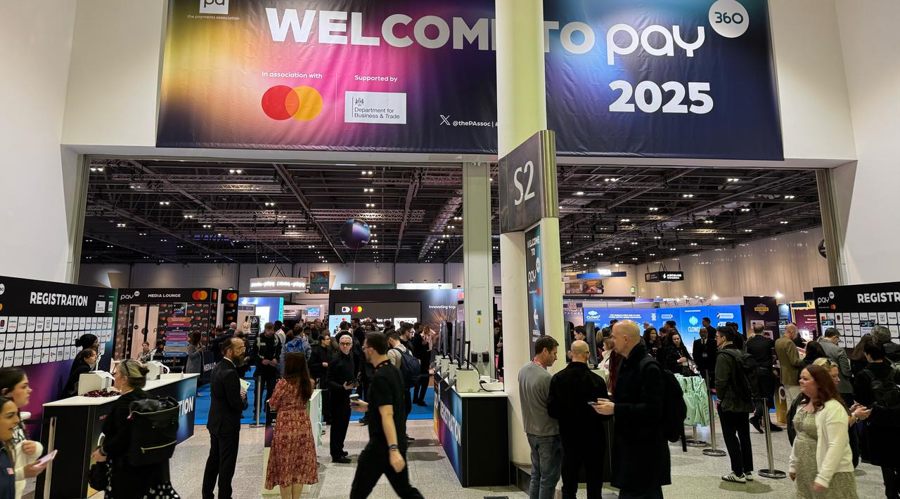
PAY360 2025 has commenced today, marking the first day of
the two-day event, March 25–26, at ExCeL London. Organized by The Payments
Association, the event brings together professionals from across the payments
ecosystem to discuss trends, technologies, and challenges shaping the future of
payments.
With over 200 speakers from fintech, financial institutions,
regulatory bodies, and technology companies, the event will cover topics such
as open banking, AI-driven payment solutions, fraud prevention, and
sustainability. This year’s theme, “Tech horizons: payments’ next quantum
leap,” aims to discover the impact of technological trends on future
payment strategies and solutions.
Retail Reinvented: Payments at the Heart of Customer
Experience
Payments will become central to the retail experience,
offering personalized, seamless transactions. Innovations like mobile wallets,
contactless payments, and data-driven services will enhance customer
convenience, speed, and security, making payments integral to modern retail
interactions.
Could AI Win the Financial Crime Battle?
AI’s ability to analyze data in real time is crucial in
detecting financial crime. By spotting fraud and money laundering patterns, AI
will enhance security measures, though challenges like false positives and
ethical concerns remain. AI’s role in fighting financial crime will continue to
evolve.
Digital wallets are revolutionizing payments by
consolidating payment methods and managing finances. As security improves, they
will offer broader financial services, promoting digital inclusion and enabling
faster, more convenient transactions across platforms.
Innovating Wholesale Payments: Building a Resilient and
Innovative Future
Wholesale payments are evolving with real-time transactions,
blockchain, and cross-border enhancements. These innovations will reduce costs,
increase efficiency, and support global financial systems, driven by
collaboration among banks, fintechs, and regulators.
Blockchain for
Payments: Has It and Can It Deliver on Its Promise?
Blockchain promises to streamline payments by reducing fees
and ensuring security. However, scalability and regulatory challenges must be
overcome. Despite hurdles, blockchain’s potential for faster, more secure
transactions continues to develop.
AI Ethics in Payments: Managing Risks and Regulatory
Challenges
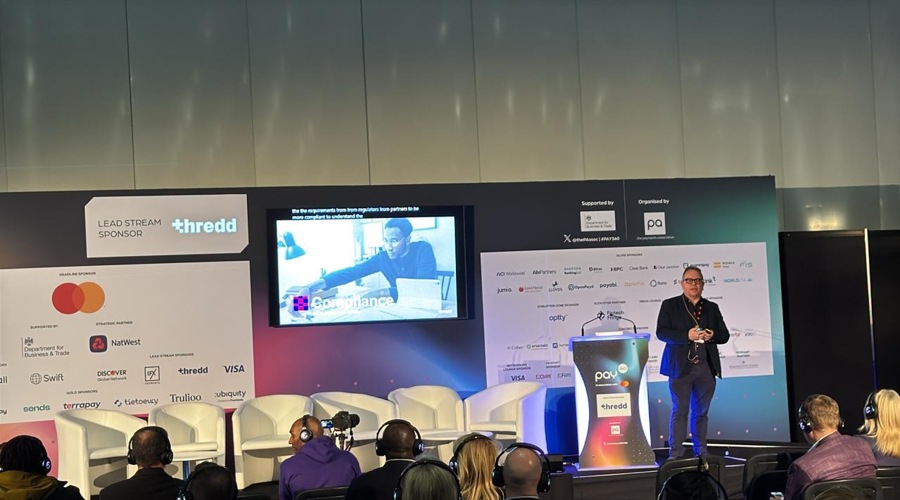
The Spotlight Session on Verification and Compliance
explored strategies for maintaining compliance while ensuring efficient
onboarding. Panelists discussed how verification techniques can adapt to
regulatory requirements and risk profiles across different regions. The session
also examined the role of AI and machine learning in fraud prevention and how
businesses can streamline global onboarding without relying on multiple APIs
and solutions.
A session on Skills in the Payments Industry addressed the
evolving talent landscape. Speakers highlighted the importance of upskilling to
meet future industry demands and examined how AI is reshaping the workplace.
Discussions also covered strategies for maintaining agility and innovation
while scaling operations.
The Spotlight Session on AI Ethics in Payments examined the
risks associated with AI, including bias, privacy, and security concerns.
Experts shared insights on emerging best practices and AI governance models.
The discussion also considered the role of regulators in managing AI
responsibly and what further steps might be taken to address these challenges.
Leveraging Data and AI: Insights from the Panel Discussion
The session, titled “Mining for Data Gold: How to Build
a Strategic Data Strategy,” has just concluded, focusing on the role of
data in business decision-making.
Panelists discussed the need to move beyond a
compliance-driven approach to data collection and instead define clear use
cases for its application. The session also highlighted how leveraging data
effectively can enhance strategic decision-making and drive business growth.
Additionally, speakers explored the connection between strong data strategies
and AI, emphasizing the importance of using AI efficiently for optimization and
increased operational efficiency.
Building Scalable Payment Solutions
The stream keynote, titled “Adapt and Evolve: Staying
Innovative in a Changing Landscape,” focuses on the future of the payments
industry and the need for continuous innovation. Panelists discussed what the
payments landscape will look like in the next five years and how products must
evolve to meet changing demands.
The session also covered the process of taking products from
proof of concept to reality, emphasizing the importance of addressing real
problems rather than retrofitting ideas. Additionally, the panel explored
strategies for building scalable services that can extend beyond a single
product or region.
The Role of Hyper-Personalisation in Payments and
Customer Engagement
The stream keynote, titled “Me, Me, Me: The Future of
Hyper-Personalisation,” has just concluded, focusing on how AI is
streamlining the customer experience by avoiding an overload of options.
Panelists discussed how businesses can predict customer needs and use this data
to drive revenue.
The session also covered the role of tools like chatbots and
robo-advisors in providing additional support and freeing up human resources.
Additionally, the panel explored how personalisation can enhance essential
processes like Know Your Customer (KYC), improving both efficiency and
compliance.
The Impact of Global Economics on the Payments Industry
The stream keynote, titled “Seeing the Big Picture: The
Effect of Global Economics on Payments,” has discussed the broader
economic factors impacting the payments industry.
The session has highlighted how the industry doesn’t operate in
isolation, with the global economic outlook influencing payment trends and
operations.
Panelists are examining the potential effects of geopolitics
on the sector, as well as how customers are being affected, particularly in
terms of spending patterns and revenues. This session has provided insights into
how external economic factors are shaping the future of payments.
The Future of Wallets in the Payments Ecosystem
The keynote panel debate, titled “Are Wallets Going to
Win?”, is examining key concerns from the PSR and FCA.
Audience at Panel discussion on "Are Wallets Going to Win?"
The discussion explores whether tech providers like Apple
will need to adjust their business models, and how offerings such as “Click to
Pay” could shift the market balance.
Panel discussion on "Are Wallets Going to Win?"
Panelists are also considering how digital wallets may
interact with initiatives like account-to-account payments and the potential
impact this shift could have on traditional industry players.
Dukascopy Bank at PAY360 2025
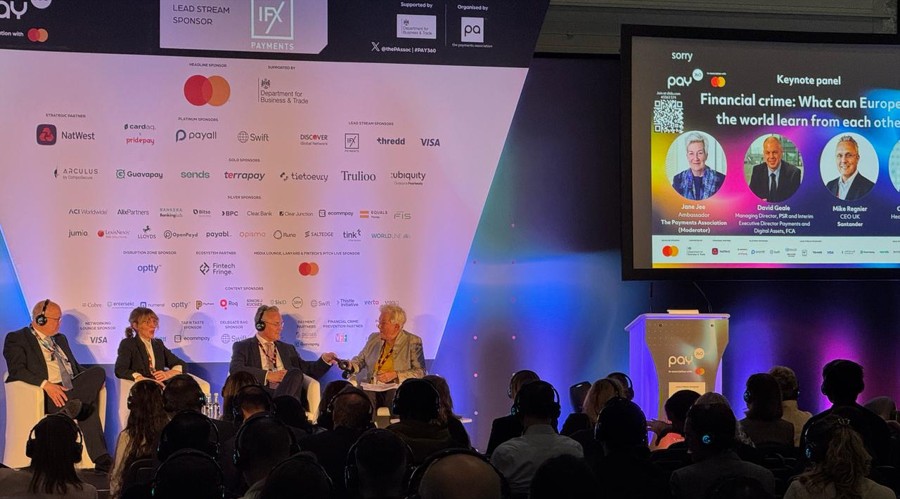
Financial Crime and Data Sharing
The keynote panel is focused on financial crime, discussing
what Europe and the world can learn from each other in addressing this major
industry challenge.
Panel discussion on "Financial crime: What can Europe and the world learn from each other?"
The discussion centers on whether financial crime can be
effectively tackled without increased international cooperation and where
efforts should be concentrated.
Panelists have explored which approaches are working to
combat financial crime and identify best practices to adopt. Additionally, the
role of data sharing in identifying and preventing bad actors will be examined,
along with a debate on whether the UK’s APP fraud rules could serve as a global
benchmark or are a potential misstep.
PAY360 has started with a series of keynotes and panels. The
opening keynote features a ministerial address, followed by keynotes from the
headline sponsor and host bank partner.
PAY360 2025 has commenced today, marking the first day of
the two-day event, March 25–26, at ExCeL London. Organized by The Payments
Association, the event brings together professionals from across the payments
ecosystem to discuss trends, technologies, and challenges shaping the future of
payments.
With over 200 speakers from fintech, financial institutions,
regulatory bodies, and technology companies, the event will cover topics such
as open banking, AI-driven payment solutions, fraud prevention, and
sustainability. This year’s theme, “Tech horizons: payments’ next quantum
leap,” aims to discover the impact of technological trends on future
payment strategies and solutions.
Retail Reinvented: Payments at the Heart of Customer
Experience
Payments will become central to the retail experience,
offering personalized, seamless transactions. Innovations like mobile wallets,
contactless payments, and data-driven services will enhance customer
convenience, speed, and security, making payments integral to modern retail
interactions.
Could AI Win the Financial Crime Battle?
AI’s ability to analyze data in real time is crucial in
detecting financial crime. By spotting fraud and money laundering patterns, AI
will enhance security measures, though challenges like false positives and
ethical concerns remain. AI’s role in fighting financial crime will continue to
evolve.
Digital wallets are revolutionizing payments by
consolidating payment methods and managing finances. As security improves, they
will offer broader financial services, promoting digital inclusion and enabling
faster, more convenient transactions across platforms.
Innovating Wholesale Payments: Building a Resilient and
Innovative Future
Wholesale payments are evolving with real-time transactions,
blockchain, and cross-border enhancements. These innovations will reduce costs,
increase efficiency, and support global financial systems, driven by
collaboration among banks, fintechs, and regulators.
Blockchain for
Payments: Has It and Can It Deliver on Its Promise?
Blockchain promises to streamline payments by reducing fees
and ensuring security. However, scalability and regulatory challenges must be
overcome. Despite hurdles, blockchain’s potential for faster, more secure
transactions continues to develop.
AI Ethics in Payments: Managing Risks and Regulatory
Challenges
The Spotlight Session on Verification and Compliance
explored strategies for maintaining compliance while ensuring efficient
onboarding. Panelists discussed how verification techniques can adapt to
regulatory requirements and risk profiles across different regions. The session
also examined the role of AI and machine learning in fraud prevention and how
businesses can streamline global onboarding without relying on multiple APIs
and solutions.
A session on Skills in the Payments Industry addressed the
evolving talent landscape. Speakers highlighted the importance of upskilling to
meet future industry demands and examined how AI is reshaping the workplace.
Discussions also covered strategies for maintaining agility and innovation
while scaling operations.
The Spotlight Session on AI Ethics in Payments examined the
risks associated with AI, including bias, privacy, and security concerns.
Experts shared insights on emerging best practices and AI governance models.
The discussion also considered the role of regulators in managing AI
responsibly and what further steps might be taken to address these challenges.
Leveraging Data and AI: Insights from the Panel Discussion
The session, titled “Mining for Data Gold: How to Build
a Strategic Data Strategy,” has just concluded, focusing on the role of
data in business decision-making.
Panelists discussed the need to move beyond a
compliance-driven approach to data collection and instead define clear use
cases for its application. The session also highlighted how leveraging data
effectively can enhance strategic decision-making and drive business growth.
Additionally, speakers explored the connection between strong data strategies
and AI, emphasizing the importance of using AI efficiently for optimization and
increased operational efficiency.
Building Scalable Payment Solutions
The stream keynote, titled “Adapt and Evolve: Staying
Innovative in a Changing Landscape,” focuses on the future of the payments
industry and the need for continuous innovation. Panelists discussed what the
payments landscape will look like in the next five years and how products must
evolve to meet changing demands.
The session also covered the process of taking products from
proof of concept to reality, emphasizing the importance of addressing real
problems rather than retrofitting ideas. Additionally, the panel explored
strategies for building scalable services that can extend beyond a single
product or region.
The Role of Hyper-Personalisation in Payments and
Customer Engagement
The stream keynote, titled “Me, Me, Me: The Future of
Hyper-Personalisation,” has just concluded, focusing on how AI is
streamlining the customer experience by avoiding an overload of options.
Panelists discussed how businesses can predict customer needs and use this data
to drive revenue.
The session also covered the role of tools like chatbots and
robo-advisors in providing additional support and freeing up human resources.
Additionally, the panel explored how personalisation can enhance essential
processes like Know Your Customer (KYC), improving both efficiency and
compliance.
The Impact of Global Economics on the Payments Industry
The stream keynote, titled “Seeing the Big Picture: The
Effect of Global Economics on Payments,” has discussed the broader
economic factors impacting the payments industry.
The session has highlighted how the industry doesn’t operate in
isolation, with the global economic outlook influencing payment trends and
operations.
Panelists are examining the potential effects of geopolitics
on the sector, as well as how customers are being affected, particularly in
terms of spending patterns and revenues. This session has provided insights into
how external economic factors are shaping the future of payments.
The Future of Wallets in the Payments Ecosystem
The keynote panel debate, titled “Are Wallets Going to
Win?”, is examining key concerns from the PSR and FCA.
Audience at Panel discussion on "Are Wallets Going to Win?"
The discussion explores whether tech providers like Apple
will need to adjust their business models, and how offerings such as “Click to
Pay” could shift the market balance.
Panel discussion on "Are Wallets Going to Win?"
Panelists are also considering how digital wallets may
interact with initiatives like account-to-account payments and the potential
impact this shift could have on traditional industry players.
Dukascopy Bank at PAY360 2025
Financial Crime and Data Sharing
The keynote panel is focused on financial crime, discussing
what Europe and the world can learn from each other in addressing this major
industry challenge.
Panel discussion on "Financial crime: What can Europe and the world learn from each other?"
The discussion centers on whether financial crime can be
effectively tackled without increased international cooperation and where
efforts should be concentrated.
Panelists have explored which approaches are working to
combat financial crime and identify best practices to adopt. Additionally, the
role of data sharing in identifying and preventing bad actors will be examined,
along with a debate on whether the UK’s APP fraud rules could serve as a global
benchmark or are a potential misstep.
PAY360 has started with a series of keynotes and panels. The
opening keynote features a ministerial address, followed by keynotes from the
headline sponsor and host bank partner.
Tareq is a financial writer with 15 years of experience covering global markets. His work spans technical analysis, forex broker reviews, and market sentiment, with a focus on topics relevant to retail traders. He joined Finance Magnates in 2023.
At Finance Magnates, he serves as News Editor, covering retail forex and CFD brokers, cryptocurrency exchanges, fintech firms, and regulatory developments shaping the trading industry. He holds an Honours degree in Information Technology from Anfell College, London.
Education:
Honours degree Information Technology, Anfell College, London
eToro Enables Crypto Trading in New York, Extending Reach to 48 States
Featured Videos
FP Markets Winner Spotlight 🏆 | Global Broker of the Year 2025 #Trading #Broker #Innovation #Shorts
FP Markets Winner Spotlight 🏆 | Global Broker of the Year 2025 #Trading #Broker #Innovation #Shorts
FP Markets Winner Spotlight 🏆 | Global Broker of the Year 2025 #Trading #Broker #Innovation #Shorts
FP Markets Winner Spotlight 🏆 | Global Broker of the Year 2025 #Trading #Broker #Innovation #Shorts
FP Markets takes the spotlight as Global Broker of the Year 2025 at the Finance Magnates Awards.
Martin Stoilov, Head of Client Experience, shares that trust, innovation, and people played a key role in the company’s success, supported by a strong foundation of integrity and client-centricity.
Following this milestone, FP Markets continues to focus on growth, technology investment, and its core values of transparency and excellence.
👉 Be part of FM Awards 2026: https://awards.financemagnates.com/#nominate
FP Markets takes the spotlight as Global Broker of the Year 2025 at the Finance Magnates Awards.
Martin Stoilov, Head of Client Experience, shares that trust, innovation, and people played a key role in the company’s success, supported by a strong foundation of integrity and client-centricity.
Following this milestone, FP Markets continues to focus on growth, technology investment, and its core values of transparency and excellence.
👉 Be part of FM Awards 2026: https://awards.financemagnates.com/#nominate
FP Markets takes the spotlight as Global Broker of the Year 2025 at the Finance Magnates Awards.
Martin Stoilov, Head of Client Experience, shares that trust, innovation, and people played a key role in the company’s success, supported by a strong foundation of integrity and client-centricity.
Following this milestone, FP Markets continues to focus on growth, technology investment, and its core values of transparency and excellence.
👉 Be part of FM Awards 2026: https://awards.financemagnates.com/#nominate
FP Markets takes the spotlight as Global Broker of the Year 2025 at the Finance Magnates Awards.
Martin Stoilov, Head of Client Experience, shares that trust, innovation, and people played a key role in the company’s success, supported by a strong foundation of integrity and client-centricity.
Following this milestone, FP Markets continues to focus on growth, technology investment, and its core values of transparency and excellence.
👉 Be part of FM Awards 2026: https://awards.financemagnates.com/#nominate
In this video, we review @HolaPrimeMarketsOfficial, a multi-asset forex and CFDs broker offering different account types, trading platforms, and flexible trading conditions.
We cover the broker’s overall offering, including account options, trading environment, platforms like MT4 and MT5, and additional services such as managed accounts and fast withdrawals.
Watch the full video to see if Hola Prime Markets fits your trading needs.
📣 Stay up to date with the latest in finance and trading. Follow Finance Magnates for industry news, insights, and global event coverage.
Connect with us:
🔗 LinkedIn: /financemagnates
👍 Facebook: /financemagnates
📸 Instagram: https://www.instagram.com/financemagnates
🐦 X: https://x.com/financemagnates
🎥 TikTok: https://www.tiktok.com/tag/financemagnates
▶️ YouTube: /@financemagnates_official
#HolaPrime #ForexBroker #CFDTrading #FinanceMagnates #Trading #Forex #BrokerReview
In this video, we review @HolaPrimeMarketsOfficial, a multi-asset forex and CFDs broker offering different account types, trading platforms, and flexible trading conditions.
We cover the broker’s overall offering, including account options, trading environment, platforms like MT4 and MT5, and additional services such as managed accounts and fast withdrawals.
Watch the full video to see if Hola Prime Markets fits your trading needs.
📣 Stay up to date with the latest in finance and trading. Follow Finance Magnates for industry news, insights, and global event coverage.
Connect with us:
🔗 LinkedIn: /financemagnates
👍 Facebook: /financemagnates
📸 Instagram: https://www.instagram.com/financemagnates
🐦 X: https://x.com/financemagnates
🎥 TikTok: https://www.tiktok.com/tag/financemagnates
▶️ YouTube: /@financemagnates_official
#HolaPrime #ForexBroker #CFDTrading #FinanceMagnates #Trading #Forex #BrokerReview
In this video, we review @HolaPrimeMarketsOfficial, a multi-asset forex and CFDs broker offering different account types, trading platforms, and flexible trading conditions.
We cover the broker’s overall offering, including account options, trading environment, platforms like MT4 and MT5, and additional services such as managed accounts and fast withdrawals.
Watch the full video to see if Hola Prime Markets fits your trading needs.
📣 Stay up to date with the latest in finance and trading. Follow Finance Magnates for industry news, insights, and global event coverage.
Connect with us:
🔗 LinkedIn: /financemagnates
👍 Facebook: /financemagnates
📸 Instagram: https://www.instagram.com/financemagnates
🐦 X: https://x.com/financemagnates
🎥 TikTok: https://www.tiktok.com/tag/financemagnates
▶️ YouTube: /@financemagnates_official
#HolaPrime #ForexBroker #CFDTrading #FinanceMagnates #Trading #Forex #BrokerReview
In this video, we review @HolaPrimeMarketsOfficial, a multi-asset forex and CFDs broker offering different account types, trading platforms, and flexible trading conditions.
We cover the broker’s overall offering, including account options, trading environment, platforms like MT4 and MT5, and additional services such as managed accounts and fast withdrawals.
Watch the full video to see if Hola Prime Markets fits your trading needs.
📣 Stay up to date with the latest in finance and trading. Follow Finance Magnates for industry news, insights, and global event coverage.
Connect with us:
🔗 LinkedIn: /financemagnates
👍 Facebook: /financemagnates
📸 Instagram: https://www.instagram.com/financemagnates
🐦 X: https://x.com/financemagnates
🎥 TikTok: https://www.tiktok.com/tag/financemagnates
▶️ YouTube: /@financemagnates_official
#HolaPrime #ForexBroker #CFDTrading #FinanceMagnates #Trading #Forex #BrokerReview
In this video, we review @HolaPrimeMarketsOfficial, a multi-asset forex and CFDs broker offering different account types, trading platforms, and flexible trading conditions.
We cover the broker’s overall offering, including account options, trading environment, platforms like MT4 and MT5, and additional services such as managed accounts and fast withdrawals.
Watch the full video to see if Hola Prime Markets fits your trading needs.
📣 Stay up to date with the latest in finance and trading. Follow Finance Magnates for industry news, insights, and global event coverage.
Connect with us:
🔗 LinkedIn: /financemagnates
👍 Facebook: /financemagnates
📸 Instagram: https://www.instagram.com/financemagnates
🐦 X: https://x.com/financemagnates
🎥 TikTok: https://www.tiktok.com/tag/financemagnates
▶️ YouTube: /@financemagnates_official
#HolaPrime #ForexBroker #CFDTrading #FinanceMagnates #Trading #Forex #BrokerReview
In this video, we review @HolaPrimeMarketsOfficial, a multi-asset forex and CFDs broker offering different account types, trading platforms, and flexible trading conditions.
We cover the broker’s overall offering, including account options, trading environment, platforms like MT4 and MT5, and additional services such as managed accounts and fast withdrawals.
Watch the full video to see if Hola Prime Markets fits your trading needs.
📣 Stay up to date with the latest in finance and trading. Follow Finance Magnates for industry news, insights, and global event coverage.
Connect with us:
🔗 LinkedIn: /financemagnates
👍 Facebook: /financemagnates
📸 Instagram: https://www.instagram.com/financemagnates
🐦 X: https://x.com/financemagnates
🎥 TikTok: https://www.tiktok.com/tag/financemagnates
▶️ YouTube: /@financemagnates_official
#HolaPrime #ForexBroker #CFDTrading #FinanceMagnates #Trading #Forex #BrokerReview
Hola Prime Review: What You Need to Know | Full Breakdown by Finance Magnates
Hola Prime Review: What You Need to Know | Full Breakdown by Finance Magnates
Hola Prime Review: What You Need to Know | Full Breakdown by Finance Magnates
Hola Prime Review: What You Need to Know | Full Breakdown by Finance Magnates
Hola Prime Review: What You Need to Know | Full Breakdown by Finance Magnates
Hola Prime Review: What You Need to Know | Full Breakdown by Finance Magnates
In this video, we review @HolaPrime_Global, a proprietary trading firm offering evaluation programs and performance-based payouts in simulated market environments.
We cover how the challenge model works, including account types, profit splits (up to 95%), trading rules, and what it takes to reach a funded account. You’ll also learn about available platforms like MT4, MT5, cTrader, and more, along with insights into payouts, support, and trading conditions.
Watch the full video to see if Hola Prime fits your trading style.
📣 Stay up to date with the latest in finance and trading. Follow Finance Magnates for industry news, insights, and global event coverage.
Connect with us:
🔗 LinkedIn: /financemagnates
👍 Facebook: /financemagnates
📸 Instagram: https://www.instagram.com/financemagnates
🐦 X: https://x.com/financemagnates
🎥 TikTok: https://www.tiktok.com/tag/financemagnates
▶️ YouTube: /@financemagnates_official
#HolaPrime #PropFirm #Trading #FinanceMagnates #Forex #FuturesTrading #TradingReview #PropFirmReview
In this video, we review @HolaPrime_Global, a proprietary trading firm offering evaluation programs and performance-based payouts in simulated market environments.
We cover how the challenge model works, including account types, profit splits (up to 95%), trading rules, and what it takes to reach a funded account. You’ll also learn about available platforms like MT4, MT5, cTrader, and more, along with insights into payouts, support, and trading conditions.
Watch the full video to see if Hola Prime fits your trading style.
📣 Stay up to date with the latest in finance and trading. Follow Finance Magnates for industry news, insights, and global event coverage.
Connect with us:
🔗 LinkedIn: /financemagnates
👍 Facebook: /financemagnates
📸 Instagram: https://www.instagram.com/financemagnates
🐦 X: https://x.com/financemagnates
🎥 TikTok: https://www.tiktok.com/tag/financemagnates
▶️ YouTube: /@financemagnates_official
#HolaPrime #PropFirm #Trading #FinanceMagnates #Forex #FuturesTrading #TradingReview #PropFirmReview
In this video, we review @HolaPrime_Global, a proprietary trading firm offering evaluation programs and performance-based payouts in simulated market environments.
We cover how the challenge model works, including account types, profit splits (up to 95%), trading rules, and what it takes to reach a funded account. You’ll also learn about available platforms like MT4, MT5, cTrader, and more, along with insights into payouts, support, and trading conditions.
Watch the full video to see if Hola Prime fits your trading style.
📣 Stay up to date with the latest in finance and trading. Follow Finance Magnates for industry news, insights, and global event coverage.
Connect with us:
🔗 LinkedIn: /financemagnates
👍 Facebook: /financemagnates
📸 Instagram: https://www.instagram.com/financemagnates
🐦 X: https://x.com/financemagnates
🎥 TikTok: https://www.tiktok.com/tag/financemagnates
▶️ YouTube: /@financemagnates_official
#HolaPrime #PropFirm #Trading #FinanceMagnates #Forex #FuturesTrading #TradingReview #PropFirmReview
In this video, we review @HolaPrime_Global, a proprietary trading firm offering evaluation programs and performance-based payouts in simulated market environments.
We cover how the challenge model works, including account types, profit splits (up to 95%), trading rules, and what it takes to reach a funded account. You’ll also learn about available platforms like MT4, MT5, cTrader, and more, along with insights into payouts, support, and trading conditions.
Watch the full video to see if Hola Prime fits your trading style.
📣 Stay up to date with the latest in finance and trading. Follow Finance Magnates for industry news, insights, and global event coverage.
Connect with us:
🔗 LinkedIn: /financemagnates
👍 Facebook: /financemagnates
📸 Instagram: https://www.instagram.com/financemagnates
🐦 X: https://x.com/financemagnates
🎥 TikTok: https://www.tiktok.com/tag/financemagnates
▶️ YouTube: /@financemagnates_official
#HolaPrime #PropFirm #Trading #FinanceMagnates #Forex #FuturesTrading #TradingReview #PropFirmReview
In this video, we review @HolaPrime_Global, a proprietary trading firm offering evaluation programs and performance-based payouts in simulated market environments.
We cover how the challenge model works, including account types, profit splits (up to 95%), trading rules, and what it takes to reach a funded account. You’ll also learn about available platforms like MT4, MT5, cTrader, and more, along with insights into payouts, support, and trading conditions.
Watch the full video to see if Hola Prime fits your trading style.
📣 Stay up to date with the latest in finance and trading. Follow Finance Magnates for industry news, insights, and global event coverage.
Connect with us:
🔗 LinkedIn: /financemagnates
👍 Facebook: /financemagnates
📸 Instagram: https://www.instagram.com/financemagnates
🐦 X: https://x.com/financemagnates
🎥 TikTok: https://www.tiktok.com/tag/financemagnates
▶️ YouTube: /@financemagnates_official
#HolaPrime #PropFirm #Trading #FinanceMagnates #Forex #FuturesTrading #TradingReview #PropFirmReview
In this video, we review @HolaPrime_Global, a proprietary trading firm offering evaluation programs and performance-based payouts in simulated market environments.
We cover how the challenge model works, including account types, profit splits (up to 95%), trading rules, and what it takes to reach a funded account. You’ll also learn about available platforms like MT4, MT5, cTrader, and more, along with insights into payouts, support, and trading conditions.
Watch the full video to see if Hola Prime fits your trading style.
📣 Stay up to date with the latest in finance and trading. Follow Finance Magnates for industry news, insights, and global event coverage.
Connect with us:
🔗 LinkedIn: /financemagnates
👍 Facebook: /financemagnates
📸 Instagram: https://www.instagram.com/financemagnates
🐦 X: https://x.com/financemagnates
🎥 TikTok: https://www.tiktok.com/tag/financemagnates
▶️ YouTube: /@financemagnates_official
#HolaPrime #PropFirm #Trading #FinanceMagnates #Forex #FuturesTrading #TradingReview #PropFirmReview
Axi Winner Spotlight 🏆 | Global Most Innovative Broker 2025 #Innovation #Trading #Fintech #Broker
Axi Winner Spotlight 🏆 | Global Most Innovative Broker 2025 #Innovation #Trading #Fintech #Broker
Axi Winner Spotlight 🏆 | Global Most Innovative Broker 2025 #Innovation #Trading #Fintech #Broker
Axi Winner Spotlight 🏆 | Global Most Innovative Broker 2025 #Innovation #Trading #Fintech #Broker
Axi Winner Spotlight 🏆 | Global Most Innovative Broker 2025 #Innovation #Trading #Fintech #Broker
Axi Winner Spotlight 🏆 | Global Most Innovative Broker 2025 #Innovation #Trading #Fintech #Broker
Axi takes the spotlight at the Finance Magnates Awards, winning Global Most Innovative Broker 2025.
Olivia Xenofontos and Ivanna Openko share how the team will feel: proud, motivated, and ready to keep delivering.
They also describe the night as well-organized, focused, and enjoyable for all.
👉 Be part of FM Awards 2026.
Axi takes the spotlight at the Finance Magnates Awards, winning Global Most Innovative Broker 2025.
Olivia Xenofontos and Ivanna Openko share how the team will feel: proud, motivated, and ready to keep delivering.
They also describe the night as well-organized, focused, and enjoyable for all.
👉 Be part of FM Awards 2026.
Axi takes the spotlight at the Finance Magnates Awards, winning Global Most Innovative Broker 2025.
Olivia Xenofontos and Ivanna Openko share how the team will feel: proud, motivated, and ready to keep delivering.
They also describe the night as well-organized, focused, and enjoyable for all.
👉 Be part of FM Awards 2026.
Axi takes the spotlight at the Finance Magnates Awards, winning Global Most Innovative Broker 2025.
Olivia Xenofontos and Ivanna Openko share how the team will feel: proud, motivated, and ready to keep delivering.
They also describe the night as well-organized, focused, and enjoyable for all.
👉 Be part of FM Awards 2026.
Axi takes the spotlight at the Finance Magnates Awards, winning Global Most Innovative Broker 2025.
Olivia Xenofontos and Ivanna Openko share how the team will feel: proud, motivated, and ready to keep delivering.
They also describe the night as well-organized, focused, and enjoyable for all.
👉 Be part of FM Awards 2026.
Axi takes the spotlight at the Finance Magnates Awards, winning Global Most Innovative Broker 2025.
Olivia Xenofontos and Ivanna Openko share how the team will feel: proud, motivated, and ready to keep delivering.
They also describe the night as well-organized, focused, and enjoyable for all.
👉 Be part of FM Awards 2026.
Recognition that matters.
Built on transparency.
Driven by the industry.
The Finance Magnates Awards 2026.
Nominations are now open.
🔗 https://awards.financemagnates.com/?utm_source=SM&utm_medium=social&utm_campaign=recognition-matters
Recognition that matters.
Built on transparency.
Driven by the industry.
The Finance Magnates Awards 2026.
Nominations are now open.
🔗 https://awards.financemagnates.com/?utm_source=SM&utm_medium=social&utm_campaign=recognition-matters
Recognition that matters.
Built on transparency.
Driven by the industry.
The Finance Magnates Awards 2026.
Nominations are now open.
🔗 https://awards.financemagnates.com/?utm_source=SM&utm_medium=social&utm_campaign=recognition-matters
Recognition that matters.
Built on transparency.
Driven by the industry.
The Finance Magnates Awards 2026.
Nominations are now open.
🔗 https://awards.financemagnates.com/?utm_source=SM&utm_medium=social&utm_campaign=recognition-matters
Recognition that matters.
Built on transparency.
Driven by the industry.
The Finance Magnates Awards 2026.
Nominations are now open.
🔗 https://awards.financemagnates.com/?utm_source=SM&utm_medium=social&utm_campaign=recognition-matters
Recognition that matters.
Built on transparency.
Driven by the industry.
The Finance Magnates Awards 2026.
Nominations are now open.
🔗 https://awards.financemagnates.com/?utm_source=SM&utm_medium=social&utm_campaign=recognition-matters